

Pitching your tent beside a Norwegian fjord, waking up in the Scottish Highlands at dawn, or bivouacking at altitude in the Alps — wild camping is a dream for millions of European travellers. But in 2026, the regulatory landscape has never been more contrasted, nor more critical to understand before you set off. From the Nordic universal right of access enshrined in law for centuries, to fines exceeding €10,000 in Switzerland, every border rewrites the rules. This country-by-country guide gives you everything you need to camp legally, ethically and confidently across Europe.
Regulatory Overview: A Multi-Speed Europe
There is no common European regulation for wild camping. Each country — sometimes each region — applies its own rules, with significant changes in recent years. The underlying trend is clear: southern and western countries are tightening legislation under pressure from overtourism, while Nordic countries proudly maintain their centuries-old tradition of free access to nature.
A crucial distinction: wild camping means setting up a camp — tent, van or hammock — outside official campsites, sometimes for multiple days. Bivouacking is a more temporary, discreet form: a light shelter pitched at sunset, removed before sunrise. In many countries where wild camping is banned, only bivouacking may be tolerated — and often under strict conditions.
- European camping market: $5.6 billion, growing at 4% per year
- 13 European countries out of 27 allow some form of wild camping or bivouacking
- Maximum fine in Switzerland and Austria: up to €10,000 in protected natural areas
- Sweden, Norway, Finland, Scotland: free access to nature as a legal right for centuries
- Greece: Law 5170/2025, fines up to €3,000 with risk of imprisonment
| Country | Status | Max duration | Max fine |
|---|---|---|---|
| 🇳🇴 Norway | Legal | 2 nights | — |
| 🇸🇪 Sweden | Legal | 2 nights | — |
| 🇫🇮 Finland | Legal | 2-3 days | — |
| 🏴 Scotland | Legal | 1-3 nights | — |
| 🇩🇪 Germany | Bivouac tolerated | 1 night | €1,000 |
| 🇦🇹 Austria | Partial / regional | 1 night | €10,000 |
| 🇫🇷 France | Bivouac tolerated | 1 night | €1,500 |
| 🇷🇴 Romania | Tolerated | Undefined | Rare |
| 🇵🇹 Portugal | Designated zones | Variable | €2,500 |
| 🇨🇭 Switzerland | Banned | — | CHF 10,000 |
| 🇧🇪 Belgium | Banned | — | Variable |
| 🇳🇱 Netherlands | Banned | — | Variable |
| 🇭🇷 Croatia | Banned | — | High |
| 🇬🇷 Greece | Banned | — | €3,000 |
Countries Where Wild Camping is Legal
Four European destinations stand out for a deeply rooted right of access to nature, embedded in their history and legislation. In Scandinavia and Scotland, camping in the wild is not a tolerance — it is a fundamental right, protected by law and by culture.
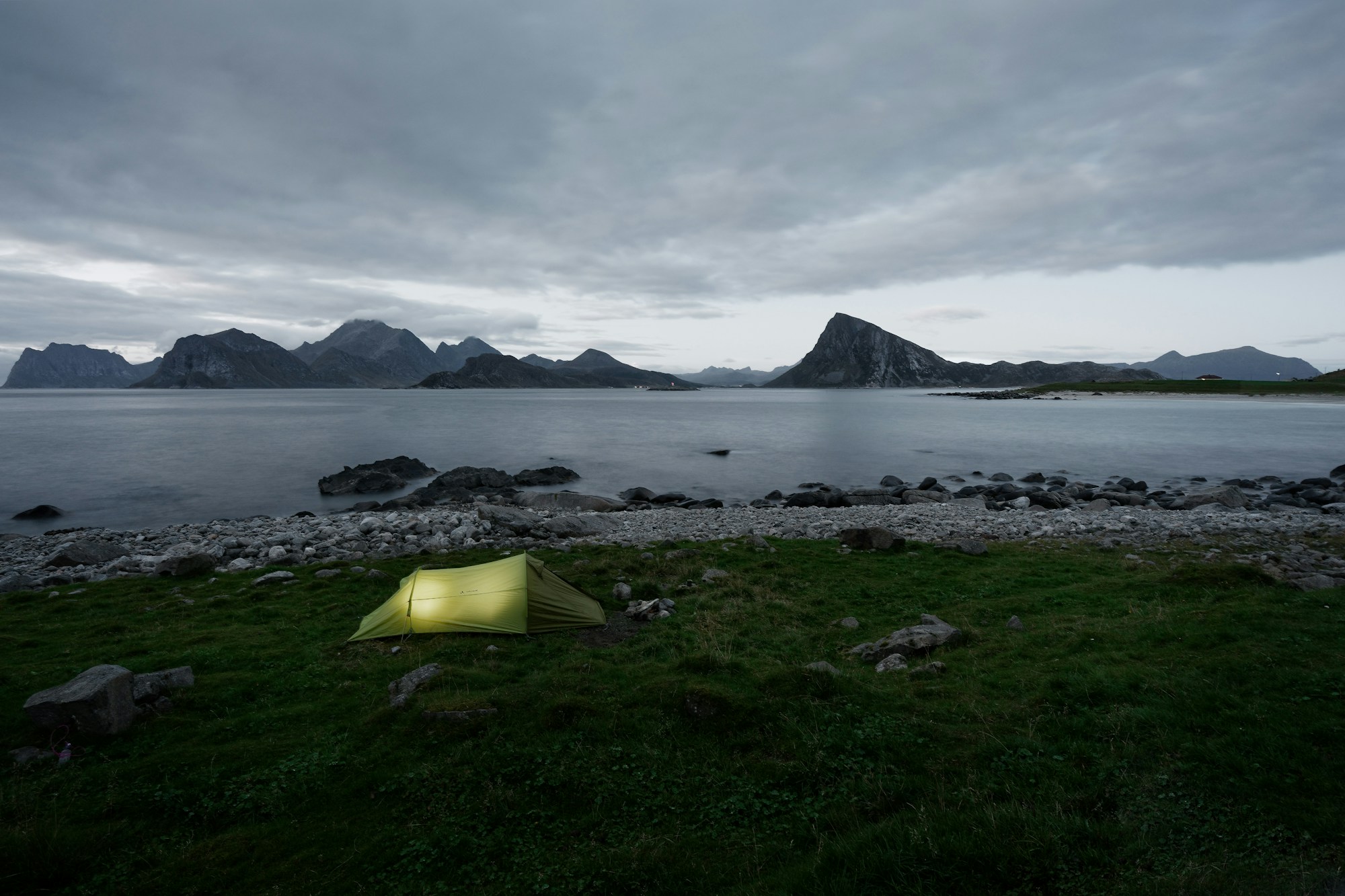
🇳🇴 Norway — The Allemannsretten, an ancestral right since 1957
Wild camping in Norway is not just legal — it is encouraged and deeply cultural. The Allemannsretten (right of access to nature), enshrined in the Outdoor Recreation Act since 1957, grants everyone the right to camp freely on uncultivated land. The rules are simple: pitch your tent more than 150 metres from any dwelling, stay no more than two nights in the same spot without the landowner’s permission, and leave the site immaculate.
This right applies to hikers, cyclists, skiers and kayakers. However, motorised vehicles — motorhomes, caravans, campervans — are not covered by the Allemannsretten and must use designated areas.
Must-see spots: the Lofoten Islands (white beaches, mountains plunging into the sea, midnight sun), Jotunheimen National Park (Norway’s two highest peaks, bivouac by Lake Gjende), Romsdalen Valley (spectacular vertical rock faces).
What you can do
- Camp anywhere on uncultivated land — forests, mountains, coastlines
- Pick berries, mushrooms and unprotected plants
- Light a campfire in permitted zones (outside dry periods)
What is forbidden
- Camping within 150m of a dwelling without permission
- Staying more than 2 nights at the same spot
- Lighting fires between 15 April and 15 September
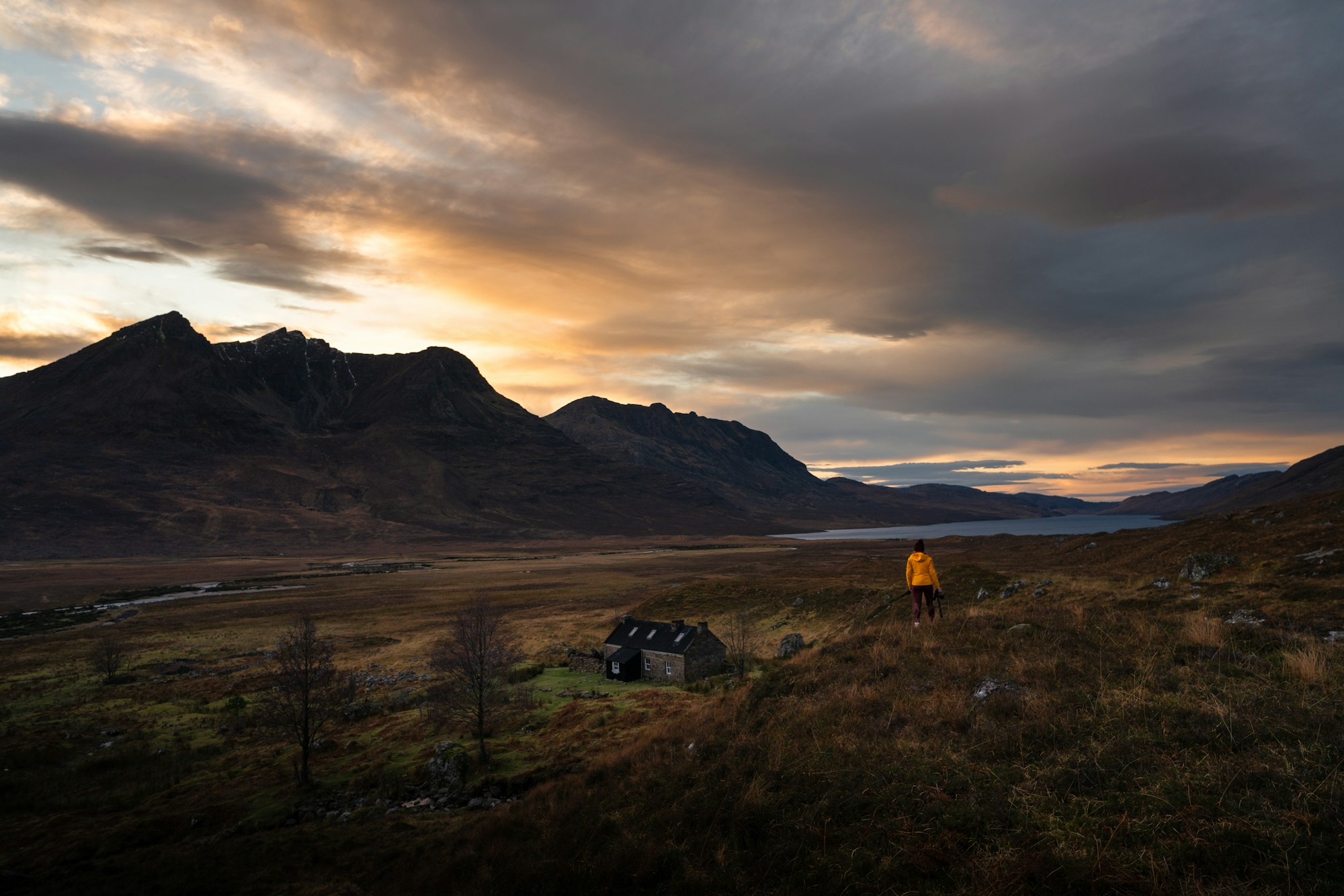
🏴 Scotland — The Land Reform Act 2003
The Land Reform (Scotland) Act 2003 is unique in Britain: it gives everyone the legal right to camp almost anywhere in Scotland, except a few protected zones. The accompanying Scottish Outdoor Access Code recommends staying no more than three nights in the same spot. Note: Loch Lomond National Park requires a paid permit for wild camping between March and September in designated zones (around £3/night). Motorised vehicles are not covered by the SOAC.
What you can do
- Camp almost anywhere: Highlands, coasts, islands, forests
- Use bothies (free open mountain shelters)
- Cross private land and forests on foot or by bike
What is forbidden
- Camping at Loch Lomond without a permit (March-September)
- Leaving waste or fire marks
- Disturbing protected wildlife (golden eagles, otters…)
Countries Where Wild Camping is Tolerated Under Conditions
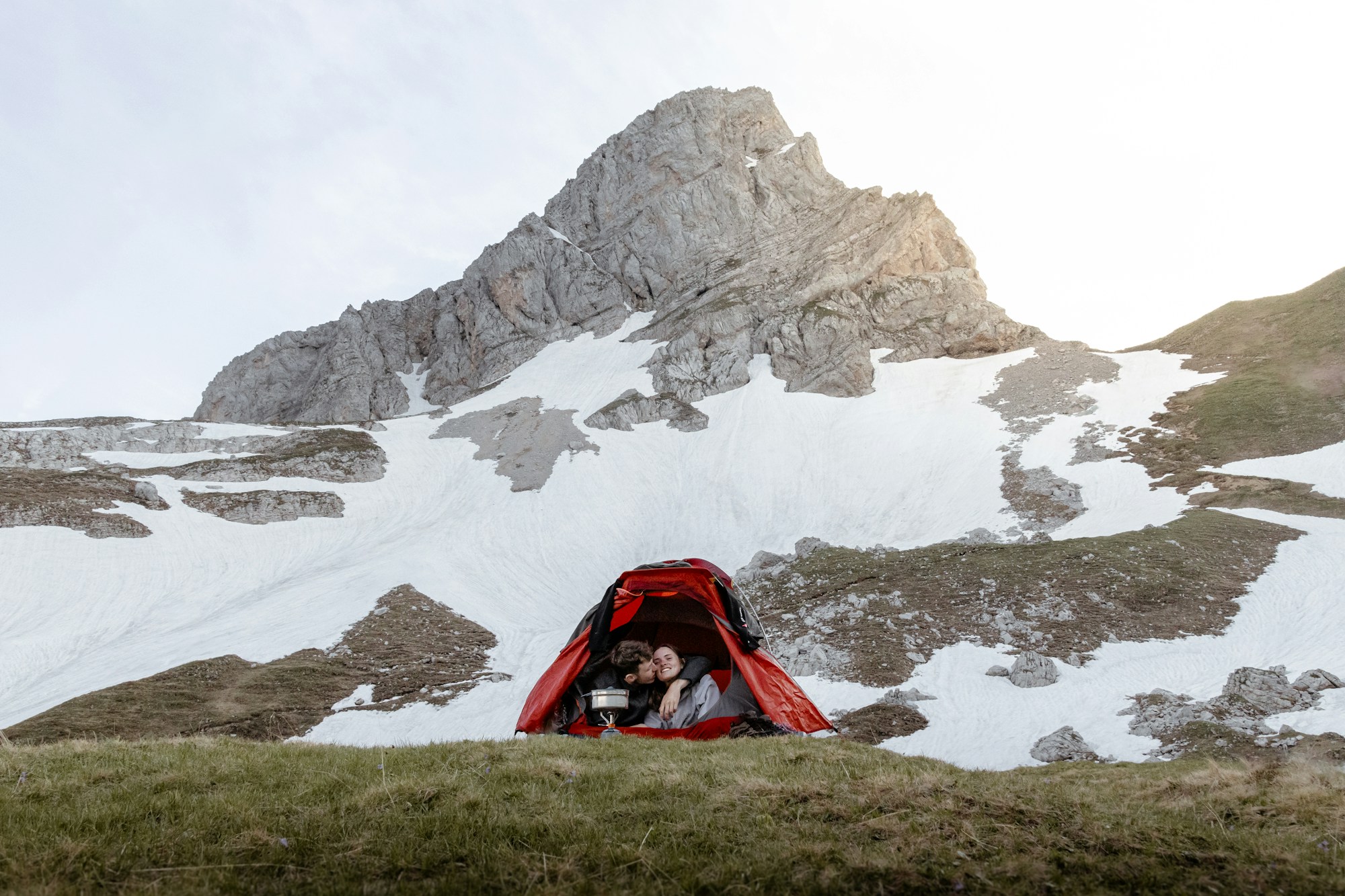
🇫🇷 France — Bivouacking as the only legal escape
France is one of the strictest countries in Western Europe for wild camping. Articles R111-32 to R111-35 of the Urban Planning Code explicitly prohibit it in many situations: coastlines, nature reserves, fire-risk forests, near listed monuments, water catchment areas. However, overnight bivouacking remains widely tolerated in mountain and rural areas — a light shelter pitched at sunset, removed before 9am. In national parks, precise regulations apply: Mercantour (more than 1 hour’s walk from the entrance, between 7pm and 9am), Écrins (overnight bivouac in the core zone between 7pm and 9am), Pyrenees (above 2,000m).
What you can do
- Bivouac for one night (sunset to sunrise) with a light shelter
- Overnight bivouac in national parks with prescribed hours
- Camp on private land with the owner’s permission
What is forbidden
- Camping on beaches and coastlines (systematically fined)
- Lighting campfires anywhere in France
- Staying more than one night at the same spot
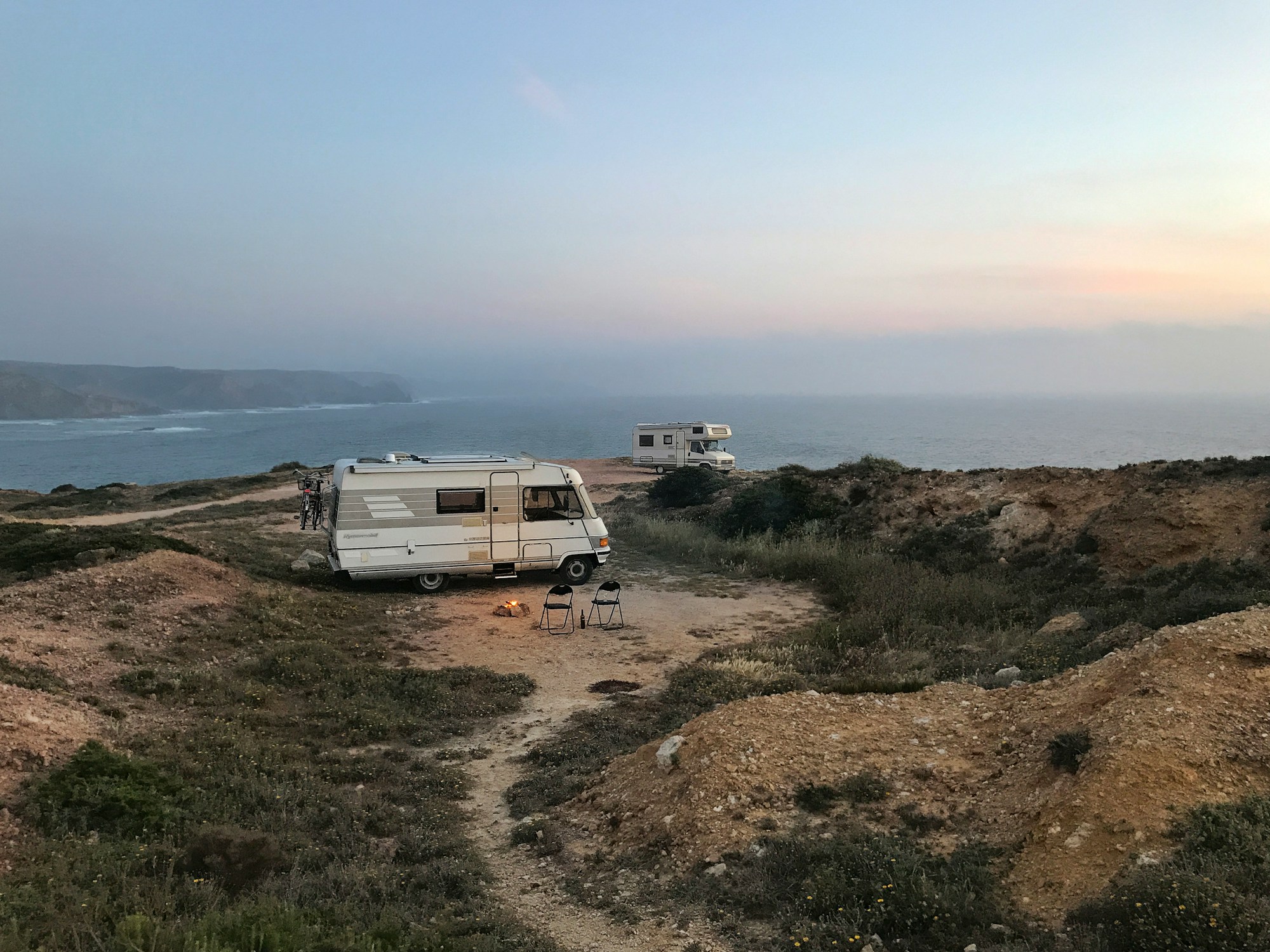
🇵🇹 Portugal — A contrasted territory
Portugal presents a complex regulatory landscape. Officially, wild camping is prohibited outside designated areas. In practice, tolerance varies enormously by region. The Vicentine Coast (Alentejo), one of the wildest in Western Europe, is technically a natural protection zone where camping is regulated — but many travellers bivouac discreetly with tacit tolerance from authorities. The Alentejo interior and parts of the Algarve show more tolerance. National parks (Peneda-Gerês, Serra da Estrela) have managed but unfenced camping areas for modest fees.
The 7 Principles of Leave No Trace
- 1. Plan ahead and prepare — Research local regulations, weather conditions, protected zones
- 2. Travel on durable surfaces — Rock, gravel, dry grass, existing trails
- 3. Dispose of waste properly — Pack it in, pack it out. Bury organic waste 50cm deep, 100m from water
- 4. Leave what you find — No picking protected plants, no moving rocks or cultural objects
- 5. Minimise campfire impact — Use a stove; fires only in existing rings where permitted
- 6. Respect wildlife — Observe from a distance, store food securely (especially in bear country)
- 7. Be considerate of others — Camp discreetly, respect local residents
FAQ — Wild Camping in Europe 2026
What is the difference between wild camping and bivouacking?
Wild camping means setting up a camp (tent, van, hammock) outside official campsites, sometimes for multiple days. Bivouacking is a more temporary and discreet form: a light shelter pitched at sunset, removed before sunrise. In most Continental European countries where wild camping is banned or regulated, only overnight bivouacking is tolerated by authorities.
Does the Allemannsretten apply to campervans and motorhomes?
No. The right of access to nature — Allemannsretten in Norway, Allemansrätt in Sweden, Jokamiehenoikeus in Finland, Scottish Outdoor Access Code in Scotland — applies exclusively to non-motorised travel: hikers, cyclists, kayakers and skiers. Campervans, caravans and motorhomes must use designated parking areas or official campsites in all four countries.
What are the maximum fines for illegal wild camping in Europe?
Fines vary considerably by country. Germany: €50 to €1,000 depending on the Bundesland. France: up to €1,500. Portugal: up to €2,500. Greece (Law 5170/2025): up to €3,000 with risk of imprisonment for repeat offenders. The most severe penalties are in Switzerland and Austria, where protected natural areas can result in fines exceeding €10,000. In Norway, Sweden, Finland and Scotland, no fine is applicable as camping is legal.
Is wild camping allowed in European national parks?
It depends on the country and the park. In Norway and Finland, camping is generally allowed in national parks under the universal right of access. In France, bivouacking is tolerated in several national parks (Mercantour, Écrins, Pyrenees) with strict hours (7pm-9am) and regulated zones. In Scotland, Loch Lomond requires a paid permit between March and September. In most national parks in Central and Southern Europe (Switzerland, Austria, Italy, Spain, Greece), wild camping is banned and enforced.
Will wild camping be banned everywhere in Europe?
The 2025-2026 trend shows tightening regulations in southern countries under overtourism pressure — Greece (Law 5170/2025), Croatia, Iceland. However, the four pioneer countries — Norway, Sweden, Finland and Scotland — are firmly maintaining their historic right of access, which is a fundamental right embedded in law and national culture. Germany is innovating with its Trekking Areas, a model of legally managed wild camping that could inspire other countries to find a balance between nature access and environmental protection.
Our selections for wild camping in Europe
Our Pixidia wild camping itineraries:
Scotland NC500 — 9-day campervan itinerary Portugal Vicentine Coast — 10 days by van Slovenia — 6 days Bled & Soča by van