
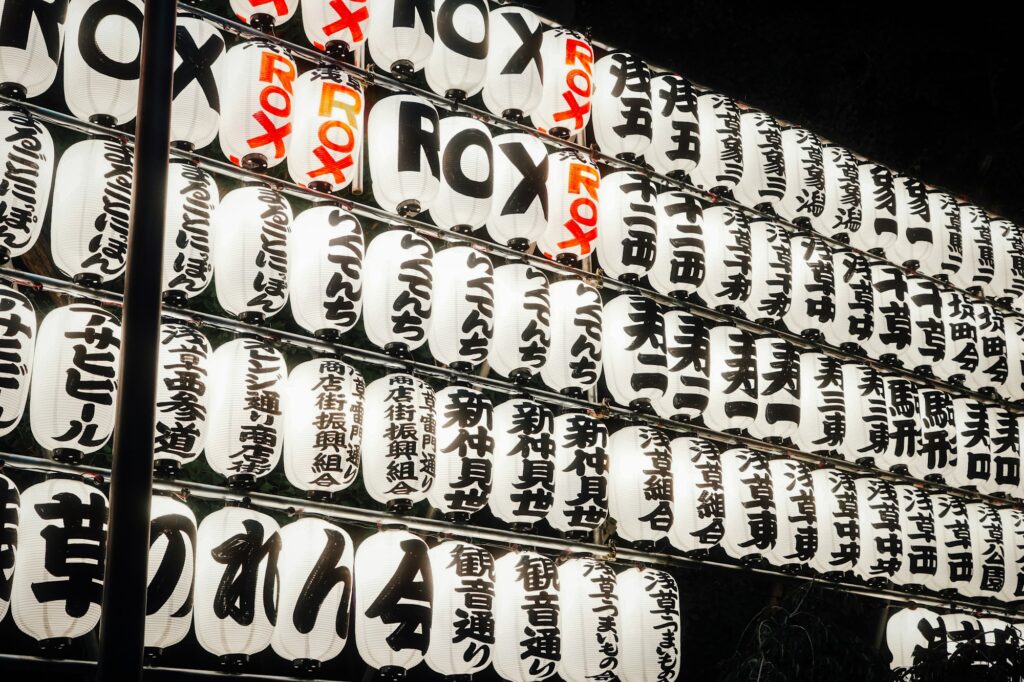
Setsubun 2027 at Senso-ji falls on Wednesday 3 February 2027, according to the risshun calculation published by Watabi, in Asakusa (Tokyo). The 2027 programme was not yet published on 24 November 2026: the 2026 edition serves as a reference, with a procession around 11:30 am and free entry.
Checked on against the open sources cited (Senso-ji temple, Asakusa Tourism Federation, Watabi, JR East).
On 3 February 2027, according to the calculation published by Watabi, the end of winter is celebrated in Asakusa, within the grounds of the Senso-ji temple. Setsubun, the bean-throwing ritual, marks the end of winter in the traditional calendar. The temple publishes its programme every year, but the 2027 programme did not exist yet on the date of verification, 24 November 2026. This guide therefore separates what is confirmed (the date, according to Watabi, and the general running order of 2026) from what remains indicative (the times, the participants), then gives you what you need to organise the day: access, budget, crowds and practical tips from the ground.
1. Getting to Asakusa: which station, which exit
The temple is a few minutes’ walk from the station
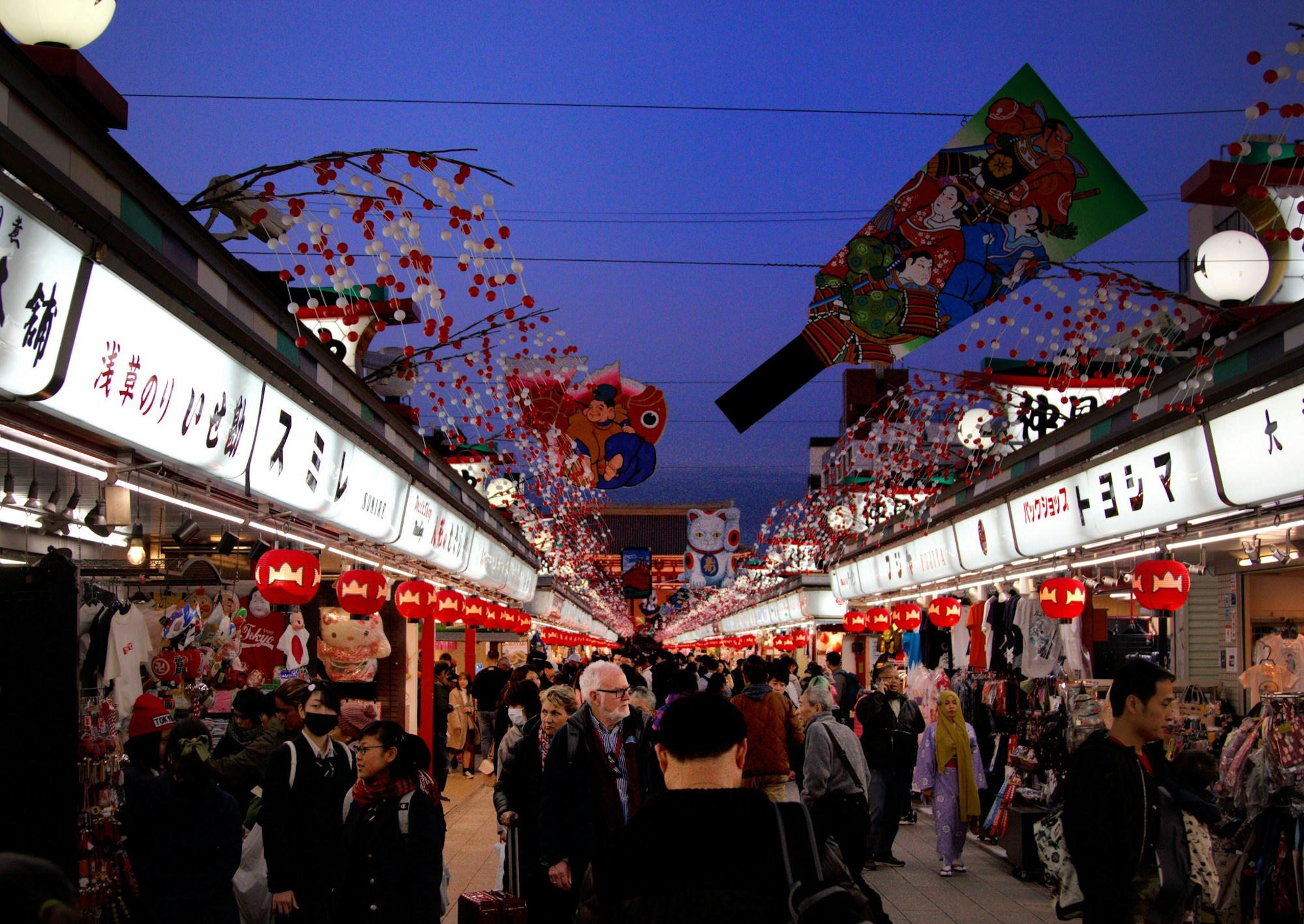
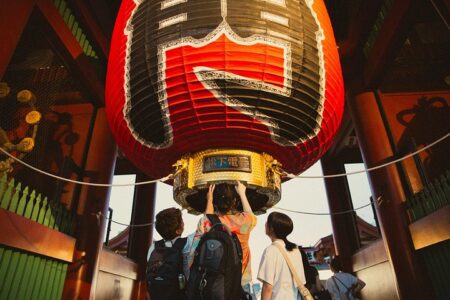
Senso-ji sits in the heart of Asakusa, in the Taitō ward. Asakusa station is served by the Ginza, Toei Asakusa, Tobu Skytree and Tsukuba Express lines. The temple is reached through the Kaminarimon, the Thunder Gate, then along the Nakamise-dori shopping street. From Ginza exit 1, it is a few minutes’ walk (indicative, not timed).
From Ueno, the Ginza line reaches Asakusa in about 5 minutes, and the Toei Asakusa line takes about 16 minutes from Sengakuji, according to Tobu. Airport journeys are detailed in the table below.
| Route | Mode | What to know | Status |
|---|---|---|---|
| Haneda to Asakusa | Direct train on the Keikyu and Toei Asakusa lines, no change | Journey time and fare vary between sources | Direct according to secondary sources; to be checked |
| Narita to Asakusa | Access Express direct to Asakusa or Ginza; Skyliner to Ueno, then Ginza | The Skyliner does not connect to the Asakusa line | Direct according to secondary sources; journey time to be checked |
| Ueno to Asakusa | Ginza line | About 5 minutes | Tobu |
| Sengakuji to Asakusa | Toei Asakusa line | About 16 minutes | Tobu |
| Asakusa station to the temple | On foot, Ginza exit 1 | Journey time not timed | Indicative |
Source: Tobu for Ueno and Sengakuji, checked on 24 November 2026. Journeys from Haneda and Narita are not confirmed on any official page we read: check before you travel.
2. Setsubun 2027 falls on 3 February, but not every year
Wednesday 3 February 2027, the eve of risshun
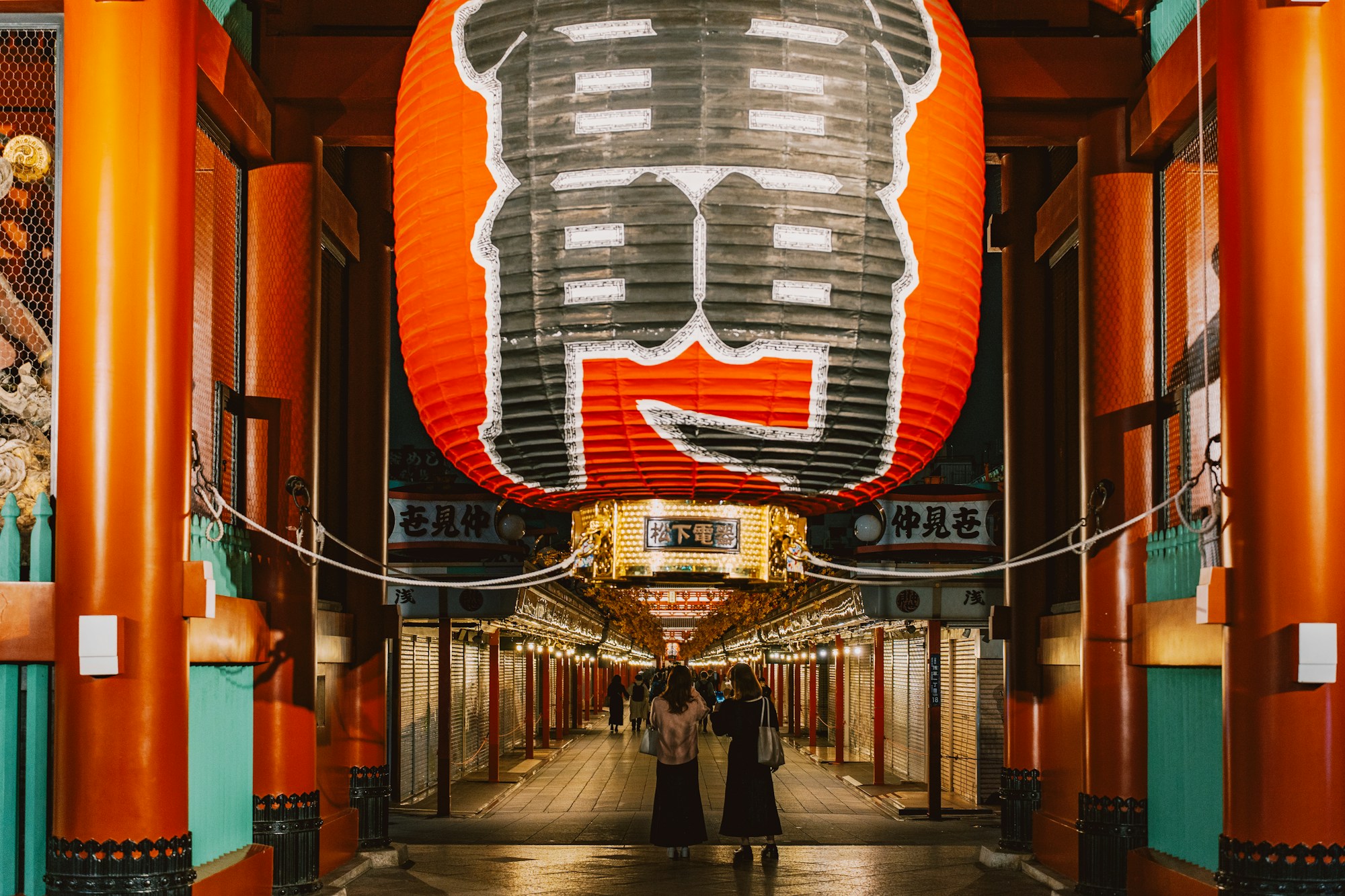
Setsubun literally means « division of the seasons ». The festival marks the eve of risshun, the first day of spring in the traditional calendar. In 2027, risshun falls on 4 February at 10:46 am, Japan time, so Setsubun falls on 3 February, according to the calculation published by Watabi, which cites the almanac of the National Astronomical Observatory of Japan. We did not consult that almanac itself.
The rule that Setsubun always falls on 3 February, repeated by many guides, is therefore fragile: the date follows the eve of risshun, which shifts from one year to the next.
3. The ritual: what the temple announced for 2026
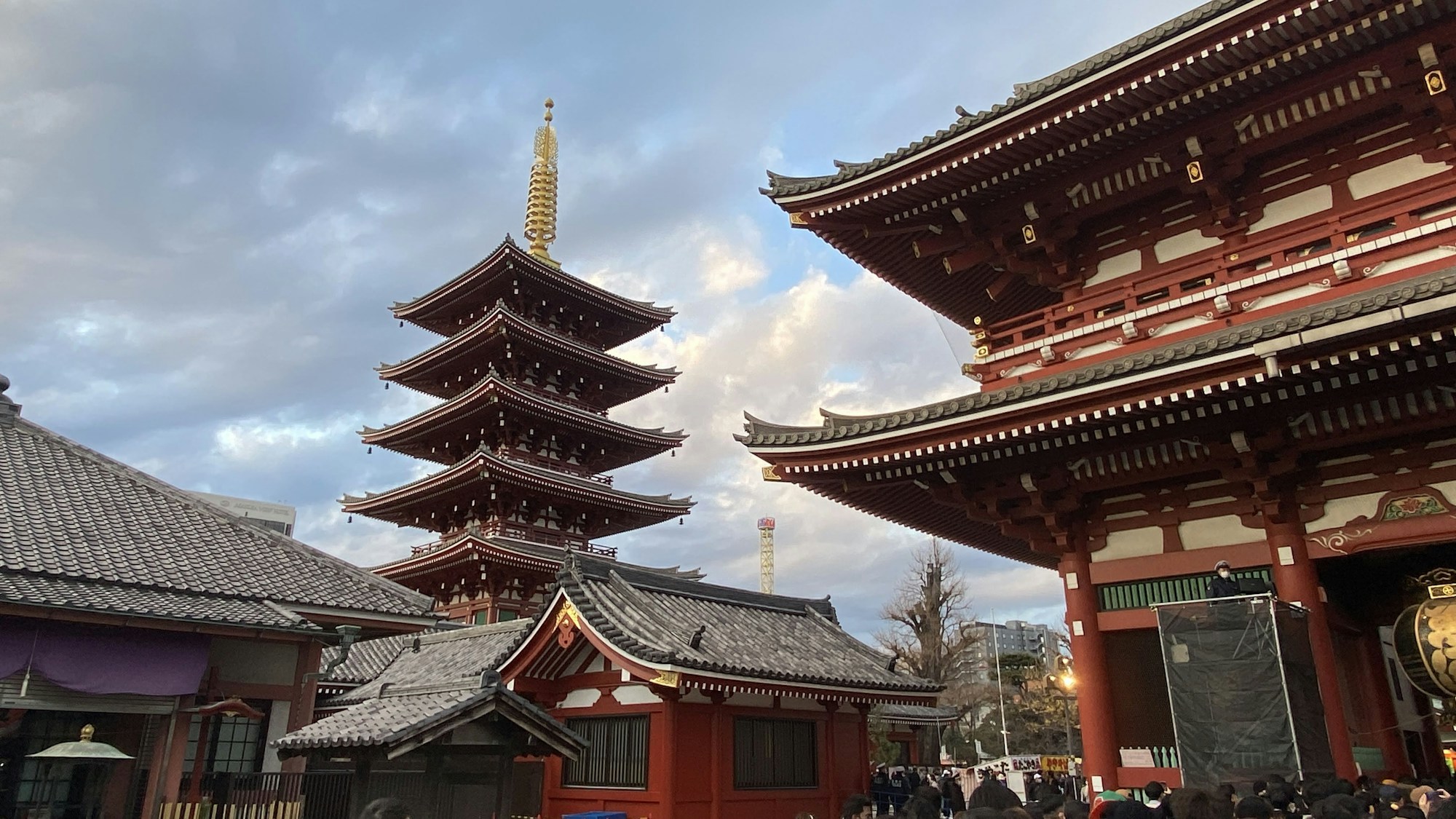
Procession, throwing and dance: the running order of the ritual
Senso-ji follows an order that the temple publishes every year. For the 2026 edition, the procession of men born in the year of the horse set off around 11:30 am, then again around 1:30 pm. Next came the Buddhist ceremony and the bean throwing from the stage set up on the east side of the Hondō, according to the temple’s annual programme, checked on 24 November 2026.
The Fukuju-no-mai dance, of the seven gods of fortune, follows the ritual. It starts around 2 pm according to Time Out, and around 2:30 pm according to the Asakusa Tourism Federation. The two sources do not agree to the minute: read these times as a running order.
The year 2027 is that of the sheep (未). Men and women born in 1955, 1967, 1979, 1991 and 2003 are then called toshiotoko and toshionna, the people of the year. The procession may follow that principle, but no announcement confirms it for 2027.
Highlights
- The bean throwing, after the ritual, from the stage on the east side of the Hondō.
- The Fukuju-no-mai dance, which stages the seven gods of fortune.
- The throwing by celebrities, according to the Federation’s programme.
| Moment | 2026 edition | Source | 2027 status |
|---|---|---|---|
| Procession of men born in the year of the horse | Around 11:30 am and 1:30 pm | Senso-ji | Not published |
| Fukuju-no-mai dance | Around 2 pm (Time Out) or 2:30 pm (Federation) | Time Out; Federation | Not published |
| Throwing by celebrities | From 4 pm according to the text; rounds from 1:30 to 4:30 pm according to the table | Federation | Not published |
| Entry | Free | Federation | Not confirmed for 2027 |
Source: Senso-ji annual programme and Asakusa Tourism Federation, checked on 24 November 2026.
The throwing by celebrities is described by the Federation as four rounds of about 20 minutes, followed by a last round with geishas from the Tokyo Asakusa association. The Federation’s text places the start of this ceremony from 4 pm for the 2026 edition. The names of the 2027 participants are not known.
4. Budget: almost nothing for the ceremony, transport first
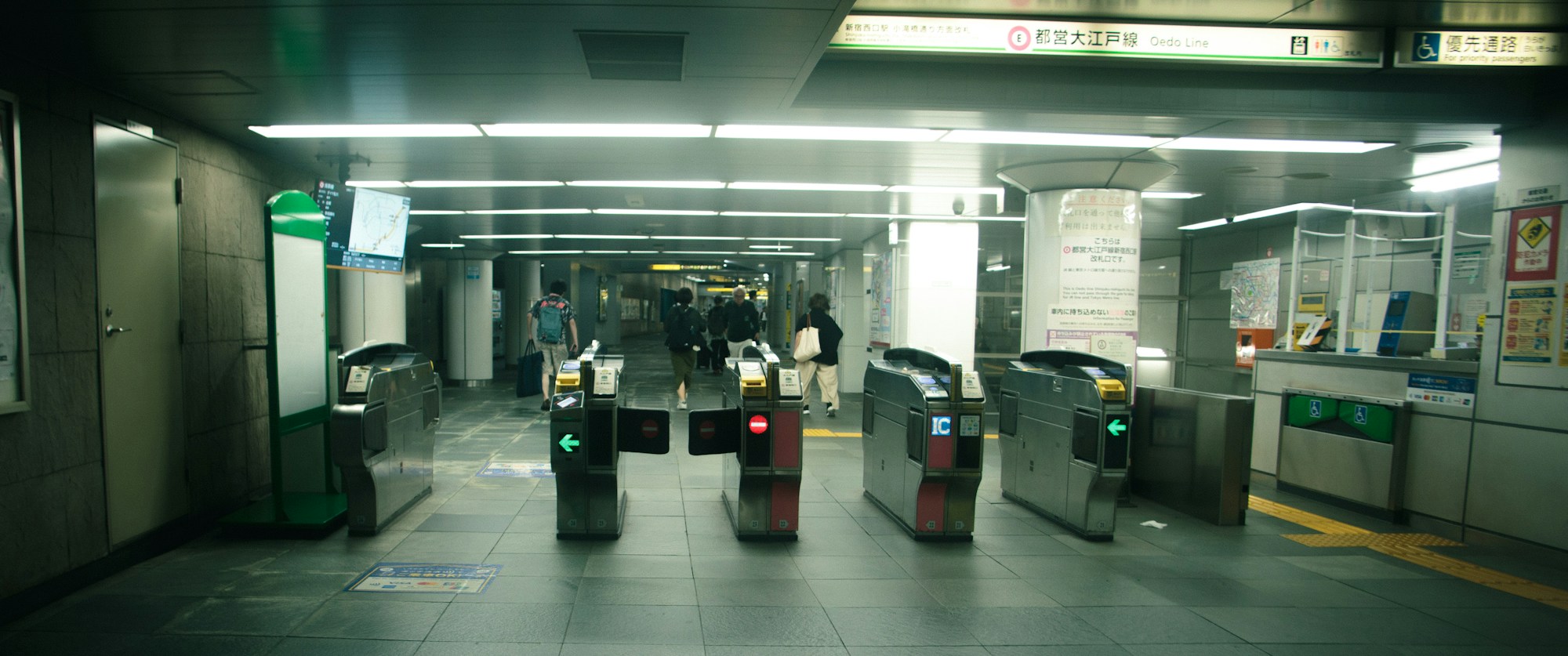
Free entry, real spending on transport and shopping
Entry to the temple and to the ceremony is free. Real spending concentrates on transport, street food, amulets and the paid prayer, the goma. Traveller reports put the prayer at around 3,000 yen, and the omamori, amulets sold on site, at between 500 and 1,000 yen. These are secondary sources: check them on site.
For transport, Tokyo Metro sells a 24-hour Tokyo Subway Ticket, with a 48-hour version, covering the Tokyo Metro and Toei subway lines. Third-party sites still show old prices. Tokyo Metro had announced in January 2026 a « Common One-day » ticket, with a QR version planned for 25 March 2026: check which version is in force on the operator’s website. The amounts in the table were not checked against the operator’s page: check them before you leave.
To convert, get the rate of the day from a currency converter or your bank’s app, and do not fix a figure in your budget. The accommodation tax, paid on top of the room, varies a lot from one hotel to another.
| Pass | Validity | Network covered | Adult fare |
|---|---|---|---|
| Tokyo Subway Ticket 24 hours | 24 hours from first use | Tokyo Metro and Toei subway lines | To be checked before the trip |
| Tokyo Subway Ticket 48 hours | 48 hours | Tokyo Metro and Toei subway lines | To be checked before the trip |
| Common One-day Tokyo Metro and Toei | One day; QR version planned for 25 March 2026 (announcement of January 2026) | Tokyo Metro and Toei subway lines | To be checked before the trip |
Source: Tokyo Metro (operator’s page not checked when this was written); amounts to check before the trip.
5. A day at Senso-ji, step by step
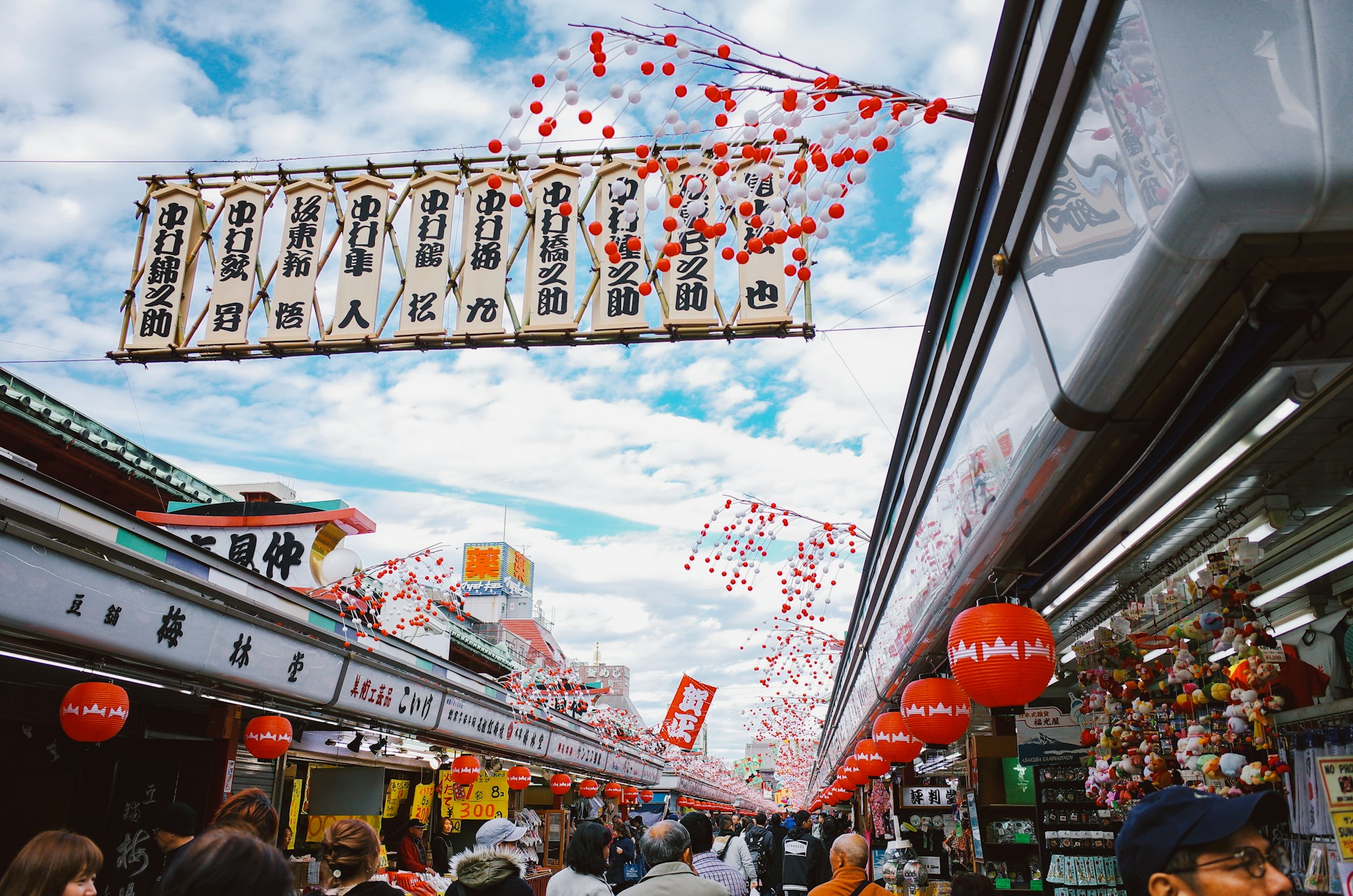
A day that leaves time for the throwing
Here is a typical day, built from the 2026 programme. It is not an official schedule: the times will need adjusting once the temple publishes the 2027 programme.
In the morning, before the crowds
Arrive early to visit the temple and Nakamise street before the area fills up (field tip, not sourced). The opening hours of the Hondō are not confirmed on any page we read: check senso-ji.jp.
At midday, in the nearby streets
The Nakamise shops set their own hours, and street stalls sell the festival specialities, such as ehomaki, the maki roll that is eaten in silence. Set aside time to eat before the procession (field tip, not sourced).
In the afternoon, the ceremony
The ritual and the procession start around 11:30 am (2026 reference), and the throwing follows; the celebrities are announced from 4 pm according to the Federation’s text. No source we read says whether visitors may pick up the beans: do not count on it.
6. Crowds, children and cold: three things to plan for
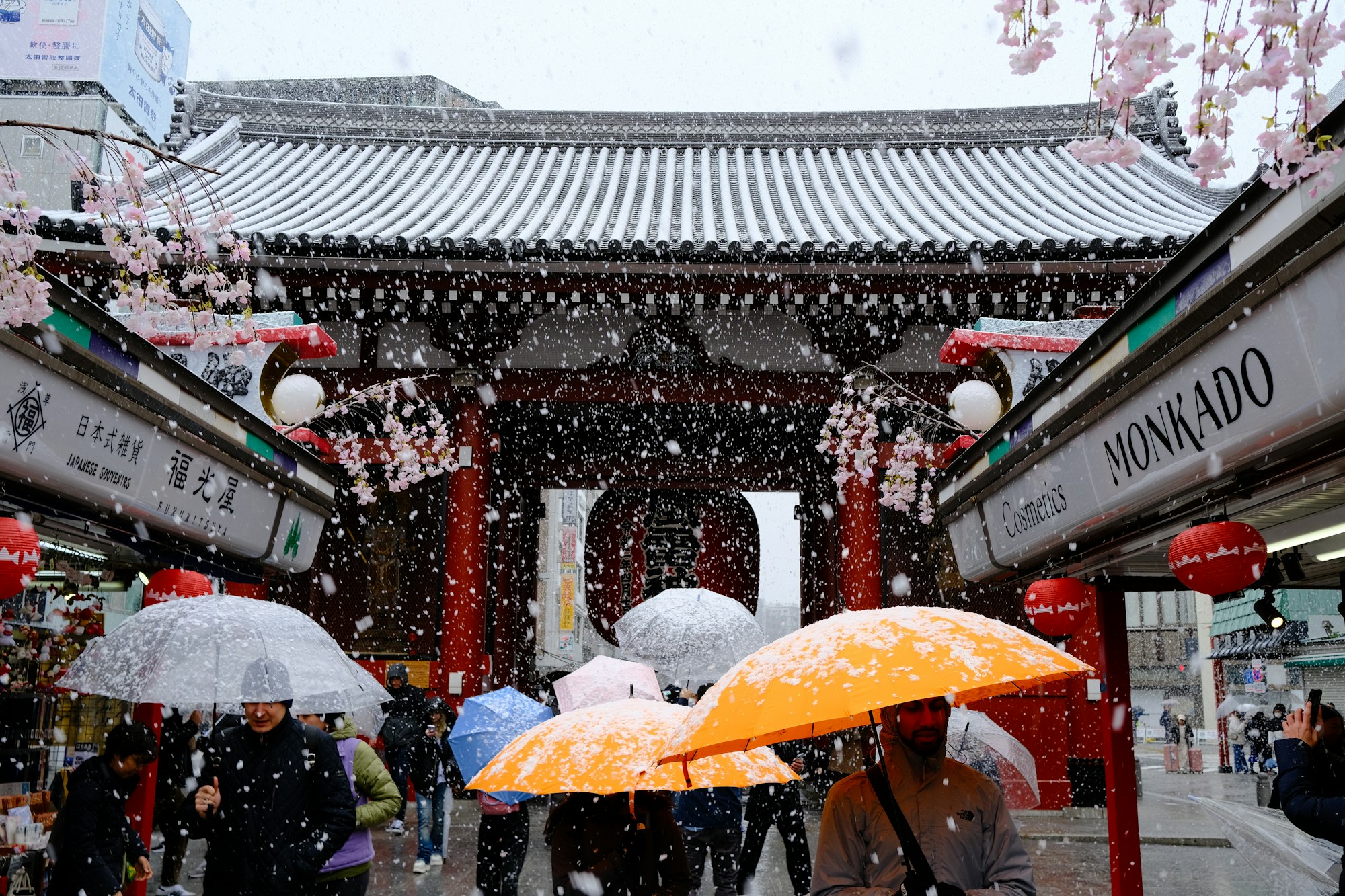
Crowds, child safety and weather
No official attendance figure has been published for the Senso-ji Setsubun. The estimates in circulation vary widely from one source to another and cannot be relied on. What is certain: visitor reports describe dense crowds at the time of the throwings, especially late in the afternoon.
No official warning has been found for this ritual at Senso-ji. As a precaution, for a very young child, stay back from the throwing area (field tip, not sourced).
On the weather, February is Tokyo’s coldest month. The 1991-2020 normals from the Japan Meteorological Agency give an average of 6.1°C, with average minimums of 2.1°C, average maximums of 10.9°C and 56.5 mm of precipitation. The Asakusa Tourism Federation notes a weather precaution: the throwings may be changed in bad weather. No cancellation at Senso-ji has been reported in the recent editions we checked.
7. Setsubun elsewhere in Tokyo: the alternatives
Four temples for a quieter Setsubun
Senso-ji is not the only temple celebrating Setsubun in Tokyo. At Ikegami Honmonji, in Ōta, no 2027 times have been published, and the 3 February date is not confirmed by the temple. The 2026 programme (procession around 1 pm, prayer around 2 pm, throwing around 3 pm, free entry) is given by Time Out and a local guide.
Zōjō-ji, in Shiba, held its Setsubun on 3 February 2026 around 11 am or noon depending on the source, according to Metropolis. Tokyo Tower announces a provisional ceremony for 2027, with no confirmed time.
Narita-san, in Narita, Chiba Prefecture, draws a large gathering every 3 February according to Japanistry, an unofficial source. The official site could not be consulted, so no times are given here. In Kyoto, the Yoshida-jinja shrine holds a demon-chasing rite in late January and early February, without any throwing by celebrities: a useful contrast for understanding the differences between temples.
What other guides don’t tell you
Guides often repeat the same points. Here are five gaps we found in the sources we read.
- The date is not always 3 February. Guides claim « every year on 3 February ». The date follows the eve of risshun, which changes from one year to the next. Watabi (checked on 24 November 2026).
- Many sites still show the 2026 lucky direction. The 2027 direction is given by JR East (checked on 24 November 2026): check it before you eat your ehomaki.
- The shouted formula is not « Oni wa soto ». The local formula is « Senshu manzai, fuku wa uchi », different from « Oni wa soto ». A 2024 source (japanmagazine.fr) describes demon extras: the contradiction is unresolved, so check on site. Watabi (checked on 24 November 2026).
- Entry is free, only the prayer is paid. The paid prayer, the goma, is a separate purchase. Asakusa Tourism Federation (checked on 24 November 2026).
- The celebrity throwing has its own rounds. Four rounds of about 20 minutes, then a last round with geishas, according to the Asakusa Tourism Federation (checked on 24 November 2026).
Practical information
For tourism, a British passport holder can stay in Japan for up to 90 days without applying in advance. The passport must be valid for the length of the stay, according to gov.uk, checked on 24 November 2026.
The opening hours of the Hondō are not confirmed on any page we read: check senso-ji.jp.
Carry cash in yen for the stalls and small shops. Check the rate on the day of travel, with a currency converter or your bank’s app.
The 2027 programme was not published on 24 November 2026. Check senso-ji.jp before you travel: it is the only source that counts for the times.
Frequently asked questions
Which day is Setsubun in 2027?
According to the risshun calculation published by Watabi, Setsubun 2027 at Senso-ji falls on Wednesday 3 February 2027. Risshun falls on 4 February at 10:46 am, Japan time. The temple’s detailed 2027 programme was not published on 24 November 2026: the 2026 times serve as a reference.
Do you have to pay to watch the bean throwing at Senso-ji?
No. Entry to the temple and to the event is free, according to the Asakusa Tourism Federation, and no ticket is needed for the throwing. Purchases are separate: the paid prayer, the goma, which traveller reports put at around 3,000 yen, and the omamori, sold on site.
Does Senso-ji shout « Oni wa soto »?
According to the sources we read, the local formula is « Senshu manzai, fuku wa uchi », not « Oni wa soto ». A 2024 source does describe demon extras at one edition: this contradiction is unresolved, so check on site.
Why does the date of Setsubun change from year to year?
Setsubun falls on the eve of risshun, the first day of spring in the traditional calendar, which shifts from one year to the next. For 2027, the calculation published by Watabi gives 3 February.
What time does the throwing start at Senso-ji?
The 2026 edition announced a procession around 11:30 am and 1:30 pm, then the throwing, and the celebrities from 4 pm, according to the text of the Federation. Its table pointed instead to rounds between 1:30 and 4:30 pm. The 2027 programme is not yet published: use these times as a reference and check the temple’s website before you leave.
Can a child take part in the throwing?
No official warning has been found for this ritual at Senso-ji. As a precaution, for a very young child, stay back from the throwing area and keep an eye on what they put in their mouth (field tip, not sourced).
How do you get to Asakusa from Haneda?
A direct train, with no change, links Haneda to Asakusa on the Keikyu and Toei Asakusa lines, according to secondary sources. Journey time and fare vary between sources: check before you travel. From Narita, Access Express trains run directly to Asakusa or Ginza; journey time to be checked.
Do you need a visa to visit Japan as a Briton?
For tourism, no advance visa application is needed for up to 90 days, with a passport valid for the length of your stay, according to gov.uk. Check the page before you travel: rules can change, and they depend on your nationality.
Which lucky direction in 2027 for eating the ehomaki?
The lucky direction, or ehō, is north-northwest (北北西) in 2027, according to JR East. The ehomaki is eaten in silence, facing that direction.
Sources
- Senso-ji, annual Setsubun programme : 2026 edition programme
- Asakusa Tourism Federation : 2026 times, free entry, celebrity throwing
- Watabi, Setsubun guide : risshun calculation and 2027 date, shouted formula at Senso-ji
- Tobu, Setsubun 2026 : journeys from Ueno and Sengakuji
- JR East, lucky direction : 2027 direction
- National Diet Library, Setsubun : origin of the ritual and tsuina
- gov.uk, Japan entry requirements : stay rules for British passport holders
- Japan Meteorological Agency, normals : Tokyo climate in February, 1991-2020
- Metropolis, Setsubun in Tokyo : Zōjō-ji and other temples
- Time Out Tokyo, Setsubun : dance timings and 2026 programme at Ikegami Honmonji
- Japanistry, Setsubun at Senso-ji : unofficial source, Narita-san
Open sources for this version unless stated otherwise. Metropolis and Japanistry are cited from an excerpt. The 2027 times will need checking on the temple’s website as soon as they are published.

Plan your trip with Pixidia
Pixidia learns how you travel and helps you build a trip that truly fits you and everyone coming along.
Open the planner