

Turkey pairs Istanbul’s imperial history with Cappadocia’s hot-air balloons and the Turquoise Coast’s coves in a single, visa-free trip for French travelers. A tourist stay under 90 days needs no visa, only a passport valid at least 150 days after the entry date. The weak Turkish lira (1 EUR ≈ 53-54 TRY in July 2026) keeps daily budgets from around 55 EUR. A Cappadocia balloon flight runs 200-300 EUR in high season versus roughly 60 EUR in winter. Plan at least 10-12 days, ideally in April-May or September-November, to cover all three regions comfortably.
Turkey in 2026 offers exceptional value for money. Straddling Europe and Asia, this endlessly diverse country benefits from a historically weak Turkish lira against the euro. Istanbul captivates with its imperial mosques and trendy neighborhoods, Cappadocia reveals its lunar landscapes at sunrise, and the Turquoise Coast lines up coves of unreal blue. Add world-class cuisine and streamlined entry requirements for European travelers, and you have the must-visit destination of 2026. This complete guide gives you everything you need for a successful trip.
1. Entry Requirements and Visa: What You Need to Know in 2026
Visa Exemption for French Citizens
French nationals are exempt from visa requirements for any tourist stay not exceeding 90 days within a 180-day period. According to the French Ministry of Foreign Affairs, the passport must be valid for at least 150 days after the date of entry into Turkey.
It is technically possible to enter with a valid national identity card, but this regularly causes difficulties at the border. A passport is therefore strongly recommended.
Key Points
- Check your passport validity (at least 150 days after entry date)
- Take out medical and repatriation insurance before departure
- The e-Visa (official government portal at evisa.gov.tr) applies only to holders of a Schengen visa or residence permit
- Keep a digital copy of your passport in your email
2. When to Visit Turkey?
Four Seasons, Four Atmospheres
Spring (April-May) and autumn (September-November) remain the ideal times to explore Turkey. Temperatures are pleasant, sites are less crowded, and prices are more reasonable than in the middle of summer.
By Region
- Istanbul: April-June and September-October. Avoid the humid heat of July-August.
- Cappadocia: May-June and September-October for hot air balloons. Winter offers magical snowy landscapes at reduced prices.
- Turquoise Coast: May-June and September-October. Sea still warm, fewer crowds.
- Aegean Coast: April-June for Ephesus and Pamukkale (bearable heat). Bodrum in September.
3. 2026 Budget: How Much Should You Plan For?
The Turkish Lira, Your Best Ally
The exchange rate has kept sliding through 2026: after around 51-52 TRY in February, 1 EUR now buys roughly 53-54 TRY (July 2026 update). According to Ou et Quand, the minimum budget is approximately 55 EUR per day per person. But comfort is very affordable thanks to the weakness of the Turkish lira.
Daily Budgets Per Person
- Budget (55-75 EUR): Hostel (20-40 EUR), street food and local restaurants, public transport.
- Mid-range (100-150 EUR): 3-4 star hotel (60-100 EUR), restaurants with a view, a few guided tours.
- Premium (200+ EUR): Cave hotel in Cappadocia, hot air balloon ride, fine dining restaurants, rental car.
For currency exchange, prefer exchange offices (Doviz Burosu) that do not charge commission. According to Le Routard, local transport is 69% cheaper than in France.
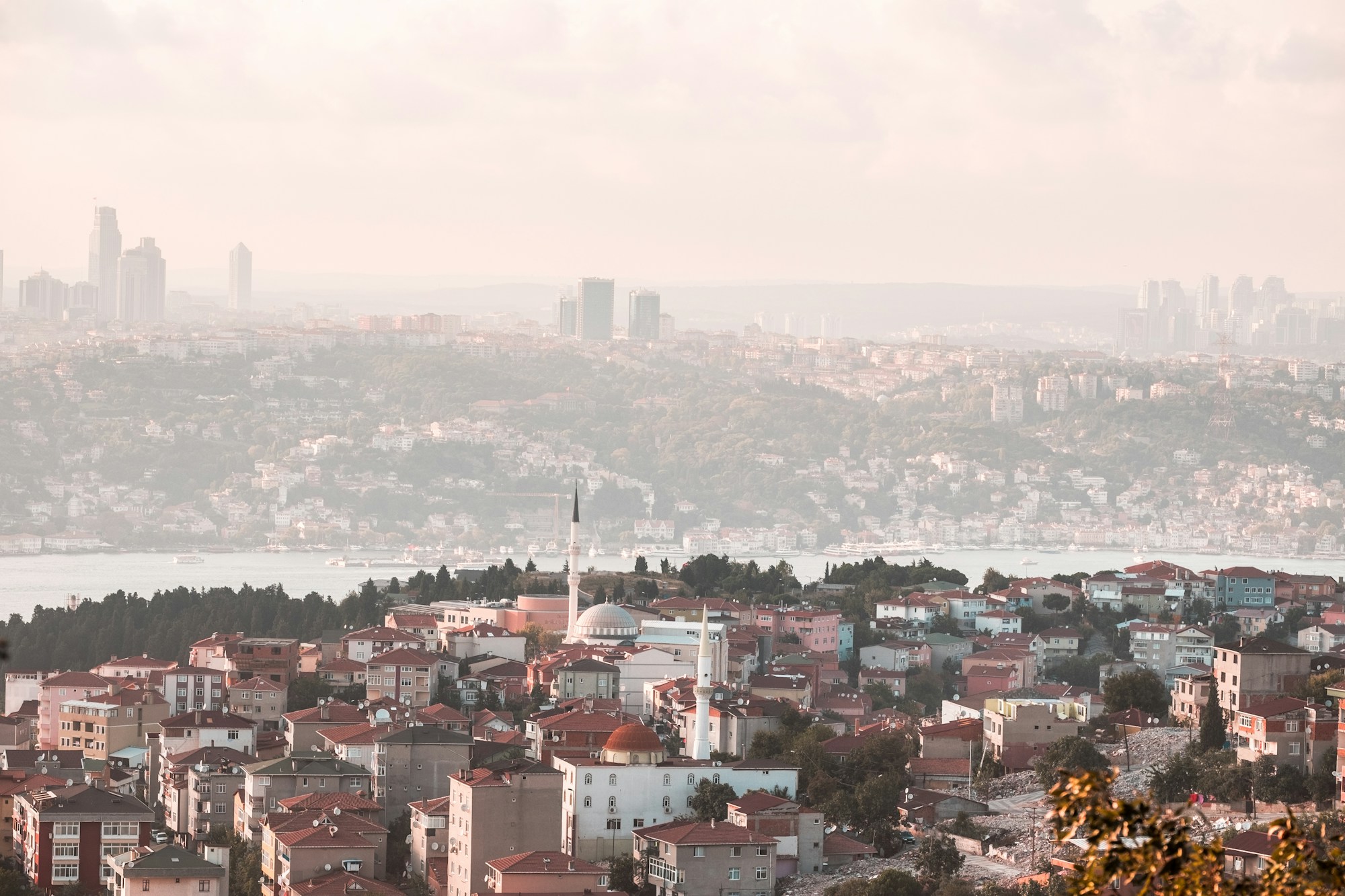
4. Istanbul: Between Two Continents
The City of a Thousand Wonders
Istanbul is a world-city that is as much lived in as it is visited. Hagia Sophia, converted into a mosque in 2020, is now free of charge — a strong selling point for budget travelers. Topkapi Palace, the residence of Ottoman sultans for four centuries, is covered by the Museum Pass Istanbul (105 EUR for 5 consecutive days).
Must-See Highlights
- Sultanahmet: Hagia Sophia, Blue Mosque, Topkapi, Basilica Cistern.
- Grand Bazaar: Over 4,000 shops. Don’t hesitate to bargain — it’s expected and appreciated.
- Bosphorus: Ferry crossing (a few Turkish liras) or sunset cruise.
- Beyoglu: Istiklal Avenue, Galata Tower, street art and third-wave coffee shops.
- Kadikoy (Asian side): Covered market, local restaurants, more authentic atmosphere.
The MuseumPass Turkiye (165 EUR, 15 days) covers sites across the country, including Ephesus and Topkapi. If you visit more than 3-4 national museums, it quickly pays for itself.
5. Cappadocia: Lunar Landscapes and Hot Air Balloons
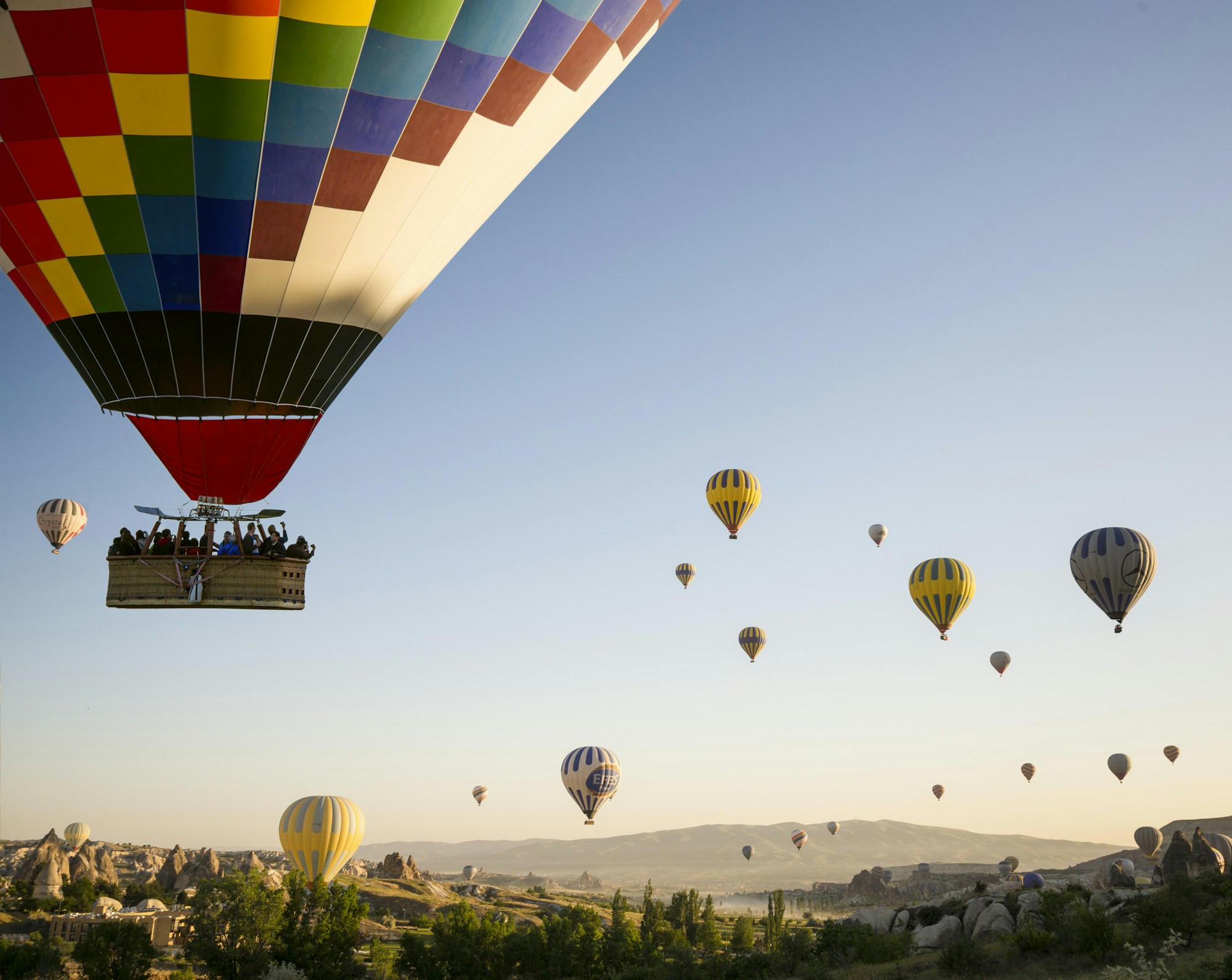
The Spectacle of Fairy Chimneys
Cappadocia is one of the most photographed natural wonders in the world. Its fairy chimneys, rock formations sculpted by erosion, create a surreal landscape best discovered from a balloon. According to TourScanner, a flight costs between 200 and 300 EUR in high season, but can drop to around 60 EUR in winter.
Not to Be Missed
- Hot air balloon ride: Departure at dawn (~5 AM), flight lasting about 1 hour. Book several weeks in advance during high season.
- Goreme Open Air Museum: Byzantine rock-cut churches with thousand-year-old frescoes (UNESCO).
- Underground cities: Derinkuyu (8 levels) and Kaymakli, shelters carved by early Christians.
- Ihlara Valley: 14 km canyon with cave churches and the Melendiz River.
- Cave hotels: Sleep in a converted cave in Goreme, with views of the hot air balloons. Starting from ~100 EUR/night.
The Cappadocia International Hot Air Balloon Festival will be held from August 16 to 18, 2026 according to Envole-moi. A spectacular event, but one that drives accommodation prices up significantly.
6. Turquoise Coast: The Turkish Riviera
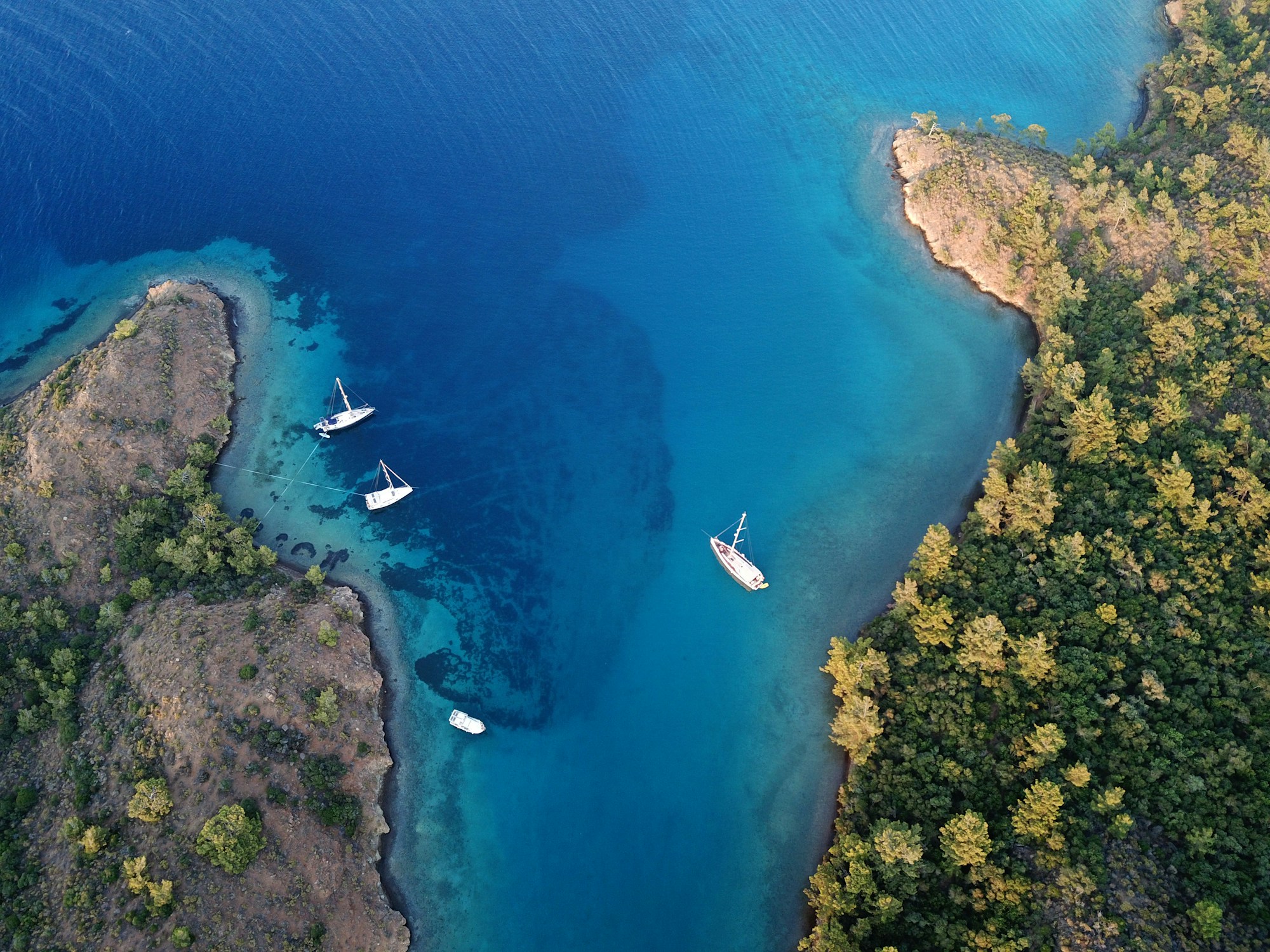
From Fethiye to Kas: A Mediterranean Paradise
The Lycian coast, between Fethiye and Antalya, is Turkey’s seaside postcard. Surreally blue waters, ancient ruins scattered among the vegetation, and a Mediterranean way of life. According to Novo-Monde, this region offers the best of coastal Turkey.
Essential Stops
- Fethiye: The ideal starting point. Lively streets, artisan shops, waterfront restaurants, and Lycian rock tombs carved into the cliff face.
- Oludeniz: The iconic lagoon (« dead sea » in Turkish). The world’s best paragliding spot from Mount Babadag (1,969 m).
- Kaputas Beach: A spectacular cove between Kas and Kalkan, accessed by a staircase of 187 steps carved into the cliff.
- Patara Beach: 18 km of uninterrupted sand, the longest beach in Turkey. A nesting site for loggerhead sea turtles.
- Kas: A small-scale seaside resort with flower-lined pedestrian streets and a picturesque marina. Turkey’s top diving destination.
The Lycian Way (540 km), one of the world’s most beautiful hiking trails according to Le Routard, passes through ancient ruins, secluded beaches, and hilltop villages. Allow 4-5 days for the most scenic sections.
7. Ephesus, Pamukkale and the Aegean Coast
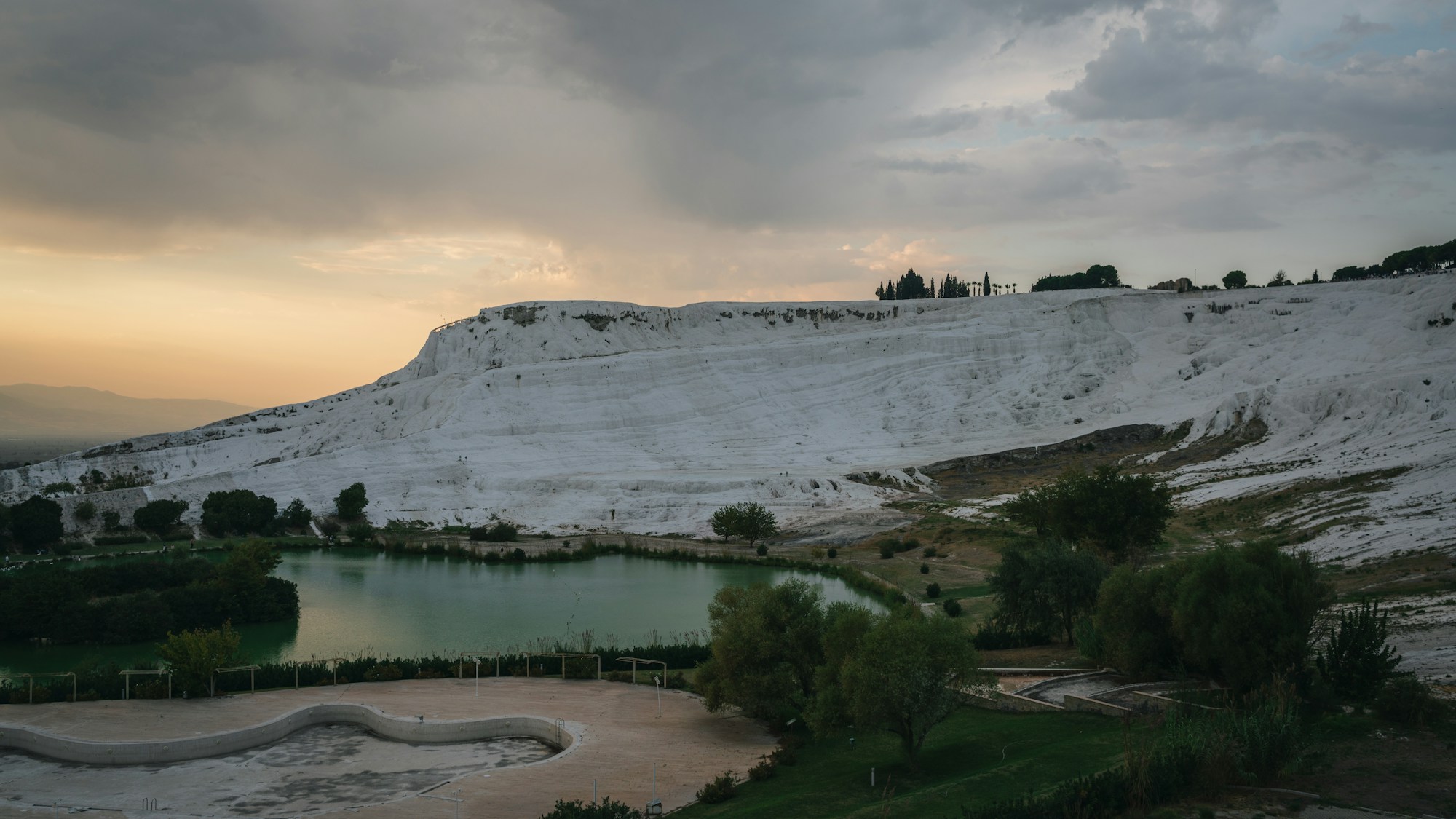
4,000 Years of History Facing the Aegean Sea
Ephesus is one of the most impressive archaeological sites in the Mediterranean. The Library of Celsus, the Great Theatre (25,000 seats), and the Arcadian Way bear witness to the splendor of this ancient city. The nearby town of Selcuk is the ideal base for exploring the site.
Pamukkale (« Cotton Castle ») offers a unique natural spectacle: white travertine terraces fed by calcareous hot springs, listed as a UNESCO World Heritage Site along with the ancient city of Hierapolis. The site is a 2.5-hour drive from Kusadasi/Izmir and 3.5 hours from Bodrum.
Key Stops
- Ephesus: Visit early in the morning to avoid cruise ship groups. The Ephesus Museum in Selcuk perfectly complements the site visit.
- Pamukkale: Swim in Cleopatra’s ancient pool, surrounded by submerged Roman columns.
- Bodrum: Castle of the Knights of St. John, lively marina, and Cokertme Kebabi — a regular fixture in TasteAtlas’s global rankings of the world’s best dishes.
- Izmir: The country’s third-largest city. The Kemeralti Bazaar and Kordon waterfront are worth a visit.
8. Getting Around Turkey
Domestic Flights, Buses and Car Rental
Turkey has an excellent network of domestic flights operated by Turkish Airlines and low-cost carriers (Pegasus, SunExpress). The Istanbul-Kayseri or Nevsehir (Cappadocia) flight takes about 1h15 and remains affordable when booked in advance.
Transport Options
- Domestic flights: The best time-to-cost ratio for long distances. Compare directly on airline websites.
- Long-distance buses: Extensive and comfortable network (Suha, Nevsehirliler). Istanbul→Cappadocia: 12h, 19-35 USD. Reclining seats, Wi-Fi, snacks included.
- High-speed train: Istanbul→Ankara in ~4h30 (~25 EUR), Istanbul→Konya in ~5h. Modern and punctual.
- Car rental: Ideal for Cappadocia and along the coast. Well-maintained roads, cheap fuel. Watch out for aggressive local driving.
- Dolmus: Shared minibuses, very affordable for short trips. No fixed stops — signal the driver when you want to get off.
9. Turkish Cuisine: A Feast at Every Meal
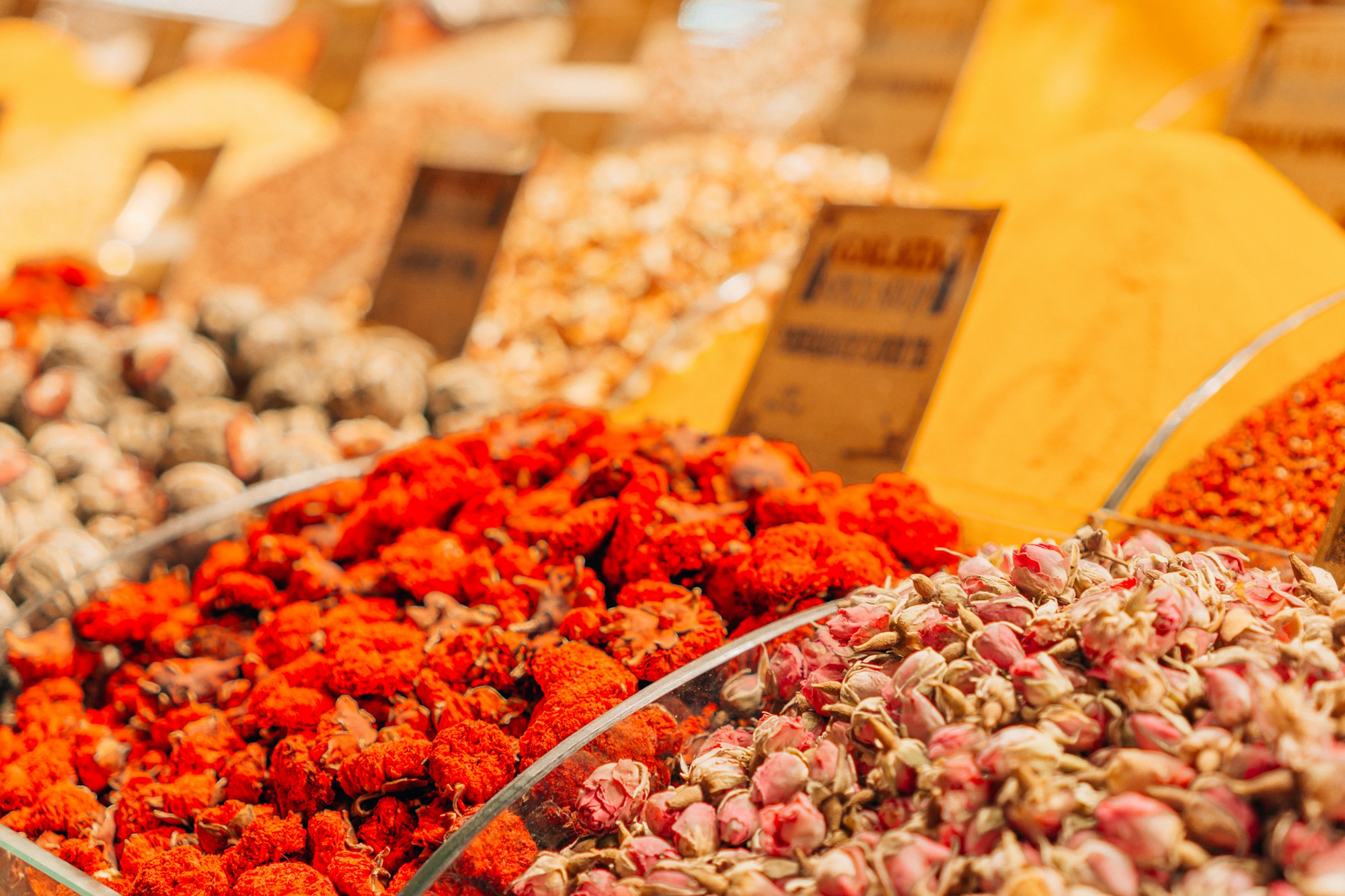
One of the World’s Three Great Cuisines
Turkish cuisine is considered one of the world’s three great culinary traditions alongside French and Chinese. According to TasteAtlas, several Turkish dishes feature among the world’s 100 best-rated dishes.
Must-Try Dishes
- Kofte: Grilled meatballs, served throughout Turkey in dozens of regional variations.
- Pide: The « Turkish pizza » — boat-shaped bread topped with cheese, eggs, or minced meat.
- Menemen: The quintessential Turkish breakfast — scrambled eggs with tomatoes and peppers, served in the pan.
- Doner kebab: The original, nothing like its European counterpart. Meat carved from a vertical rotating spit.
Street Food to Try
- Simit: Sesame-crusted bread ring, ubiquitous and delicious (~0.30 EUR).
- Gozleme: Thin flatbreads cooked on a hot plate, filled with spinach, cheese, or meat.
- Kumpir: Giant baked potato loaded with butter, cheese, and various toppings. An Istanbul specialty.
- Balik Ekmek: Grilled fish sandwich by the Bosphorus. An institution in Eminonu.
On the sweet side, baklava (filo pastry, pistachios, syrup) and Turkish delight (cubes flavored with rose, pistachio, or lemon) are essential. Pair them with a cay (black tea in a tulip glass) or an ayran (salted drinkable yogurt).
10. Practical Tips for Your Trip
Safety, Culture and Daily Life
Safety
According to the French Ministry of Foreign Affairs, tourist areas (Istanbul, Cappadocia, Antalya, Fethiye, Kas, Izmir, Bodrum) are considered safe. However, border areas with Syria and Iraq are strongly advised against (Hatay, Kilis, Gaziantep, Sanliurfa, Mardin, Diyarbakir, Sirnak, Hakkari).
Etiquette
- Mosques: Remove your shoes, cover shoulders and knees. A headscarf is usually provided at the entrance.
- Bargaining: Expected at the Grand Bazaar and markets, but not in restaurants or supermarkets.
- Tipping: 10-15% at restaurants, round up for taxis.
- Photography: Ask permission before photographing people, especially in rural areas.
Connectivity
- Local SIM card: Turkcell, Vodafone, or Turk Telekom at the airport (~5-10 EUR for 10-20 GB).
- eSIM: Available through Airalo or Holafly for compatible smartphones. A convenient solution without local registration.
- Wi-Fi: Available in virtually all hotels, restaurants, and cafes.
11. Suggested Itinerary: 12 Days Between Istanbul, Cappadocia and the Coast
A Balanced Route for a First Trip to Turkey
Combining Istanbul, Cappadocia and the Turquoise Coast in a single trip works well over 10-12 days: one domestic flight saves time between Istanbul and Cappadocia, then a rental car takes over along the coast.
Day-by-Day Outline
- Days 1-4, Istanbul: Sultanahmet (Hagia Sophia, Blue Mosque, Topkapi, Basilica Cistern), the Grand Bazaar, a Bosphorus crossing, and Kadikoy on the Asian side.
- Day 4, transfer: A domestic flight from Istanbul to Kayseri or Nevsehir (~1h15) rather than the 12-hour overnight bus, to keep the next early morning free for a balloon flight.
- Days 5-7, Cappadocia: A sunrise hot air balloon ride, the Goreme Open Air Museum, the Derinkuyu underground city, and a night in a cave hotel.
- Day 7, transfer: Fly back toward the coast (via Istanbul or Izmir depending on availability), or pick up a rental car for more flexibility.
- Days 8-12, Turquoise Coast: Fethiye as a base, the Oludeniz lagoon, Kaputas Beach, Patara’s 18 km of sand, and Kas for diving or a boat trip.
Frequently Asked Questions
Do I need a visa for Turkey in 2026?
No, French nationals are exempt from visa requirements for tourist stays of less than 90 days within a 180-day period. A passport valid for at least 150 days after the date of entry is required. Entry with an identity card is theoretically possible but discouraged in practice.
What budget should I plan for a trip to Turkey?
Expect around 55-75 EUR/day on a budget (hostel, street food, public transport), 100-150 EUR/day for mid-range comfort (3-4 star hotel, restaurants), and 200+ EUR/day for premium (cave hotel, balloon ride, fine dining). The weak Turkish lira (1 EUR ≈ 53-54 TRY as of July 2026) makes Turkey very affordable in 2026.
What is the best time to visit Turkey?
Spring (April-May) and autumn (September-November) are the best times. Temperatures are pleasant, prices are reasonable, and sites are less crowded. Summer (July-August) is ideal for the coast but very hot in Istanbul and Cappadocia.
How much does a hot air balloon ride in Cappadocia cost?
In high season (May-October), a hot air balloon ride costs between 200 and 300 EUR. In winter, prices can drop to around 60 EUR. The flight lasts about 1 hour at sunrise. Book several weeks in advance during high season.
Is Turkey safe for tourists in 2026?
Tourist areas (Istanbul, Cappadocia, Antalya, Fethiye, Kas, Bodrum, Izmir) are considered safe by the French Ministry of Foreign Affairs. Only border areas with Syria and Iraq are strongly advised against.
How do you get around in Turkey?
Domestic flights (Turkish Airlines, Pegasus) cover the entire country at affordable prices. Long-distance buses are comfortable and economical. High-speed trains connect Istanbul to Ankara in 4h30. For exploring Cappadocia or the coast, car rental is recommended.
How many days should I plan for visiting Turkey?
A minimum of 10-12 days is recommended for a classic itinerary: Istanbul (3-4 days) + Cappadocia (2-3 days) + Turquoise Coast (3-4 days). Add 2-3 days if you want to include Ephesus and Pamukkale. Two weeks allow for a comfortable pace.
Is the Museum Pass Istanbul worth it?
The Museum Pass Istanbul (105 EUR, 5 days) is worthwhile if you visit at least 3-4 national museums (Topkapi, archaeological museums, etc.). Note that Hagia Sophia is now free (mosque) and is no longer covered by the pass. The MuseumPass Turkiye (165 EUR, 15 days) is worth it for a multi-city itinerary.
Sources
- French Ministry of Foreign Affairs — Turkey Travel Advisory
- Official e-Visa of the Republic of Turkey — evisa.gov.tr
- Le Routard — Budget and Money in Turkey
- Ou et Quand — Turkey Travel Budget
- The Other Tour — Museum Pass Istanbul 2026
- TourScanner — Cappadocia Hot Air Balloon Prices
- Envole-moi — 2026 Hot Air Balloon Festival
- Novo-Monde — Things to Do Between Fethiye and Kas
- Le Routard — Lycia on the Mediterranean Coast
- Generation Voyage — Turkish Culinary Specialties
- TasteAtlas — Turkish Food: Top 100 Dishes
- Rome2Rio — Istanbul to Cappadocia
Research conducted on February 6, 2026. Prices, exchange rates and sources checked again in July 2026.
Plan Your Trip to Turkey
Discover hundreds of detailed itineraries created by our community of travelers. From Istanbul to Cappadocia and along the Turquoise Coast, find inspiration for your next trip.
Explore All Itineraries