

Iceland in 2026 is not just a destination — it’s a full sensory experience. With the Solar Cycle 25 maximum promising northern lights of rare intensity, hot springs scattered across every corner of the island, and a 1,332-kilometer Ring Road cutting through some of the most spectacular landscapes on Earth, this year offers an exceptional window to discover the land of fire and ice. Whether you’re an aurora hunter, a seasoned hiker, or simply a lover of wide-open spaces, this guide walks you through every step of planning the trip of a lifetime.
1. The Ring Road — The Backbone of the Journey
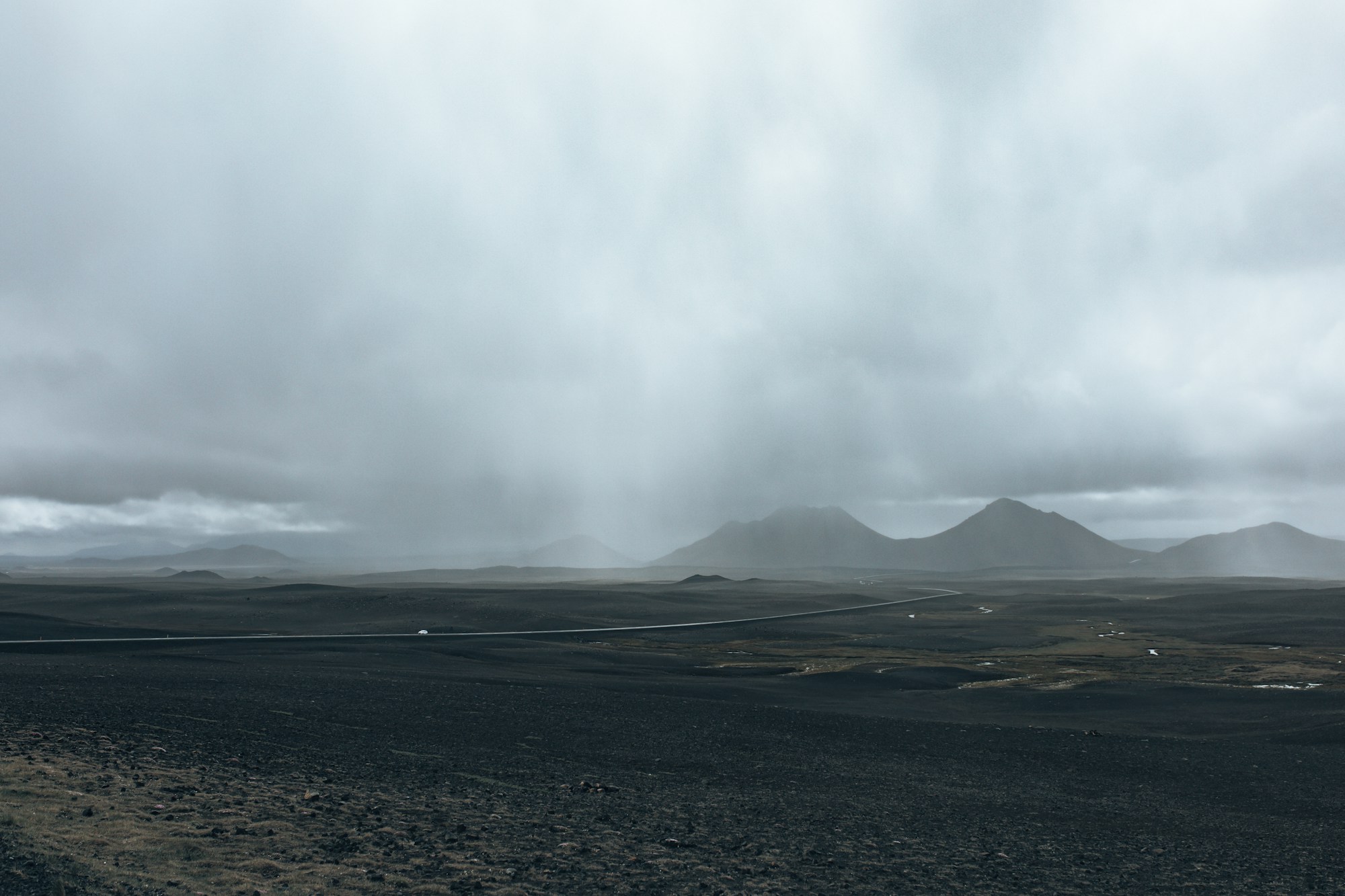
Route 1 — The Complete Loop Around Iceland
The Ring Road (Route 1) circles the entirety of Iceland over 1,332 kilometers — roughly the distance between Cologne and Barcelona. While you could theoretically drive it in 17 hours non-stop, the real adventure lies in exploring its wonders at every turn. Almost entirely paved, it’s accessible by standard vehicle in summer, but a 4×4 becomes essential as soon as you venture off the main road onto the F-Roads.
The counterclockwise direction is recommended by most local guides: you visit the more popular southern sections first, then enjoy increasing tranquility as you head north and east, where tourist numbers drop dramatically.
Highlights
- Almost entirely paved road, accessible by 2WD in summer
- Radically different landscapes every 100 km — glaciers, deserts, fjords, lava fields
- Campsites and guesthouses evenly spaced along the route
- Can be combined with detours to Snaefellsnes, the Westfjords, or the Highlands
2. The Northern Lights — When and Where to See Them in 2026
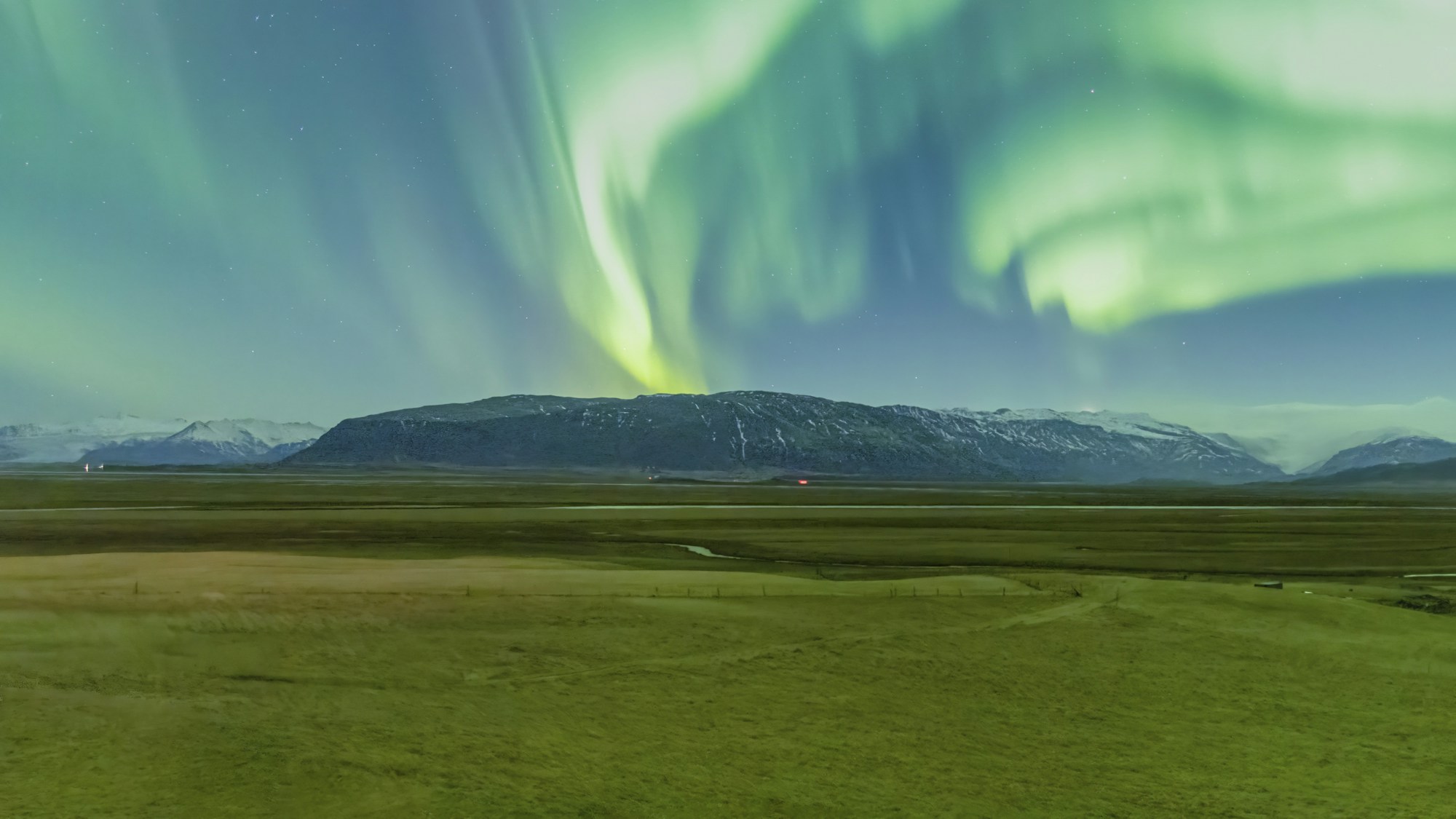
Solar Cycle 25 Maximum: A Rare Window
2026 remains an exceptional year for the northern lights. According to NOAA, the Solar Cycle 25 maximum extends through spring 2026, with activity remaining well above average. In August 2024, sunspot counts had already reached 156.7 — an indicator of exceptional auroral activity. From 2027 onward, solar activity is expected to gradually decline.
To maximize your chances, four conditions must align: darkness (September to April), clear skies, sufficient geomagnetic activity, and absence of light pollution. Check the aurora + cloud cover map from the Icelandic Meteorological Office in real time.
Best Spots in 2026
- Jokulsarlon: northern lights reflecting off the icebergs — one of the most iconic settings in the world
- Thingvellir: history-steeped rock formations on the Golden Circle route
- Westfjords and the North: longer darkness, far from urban lights
- Lake Myvatn: the perfect combination of auroras + geothermal baths (Earth Lagoon)
3. Hot Springs and Geothermal Baths — From the Blue Lagoon to Hidden Gems
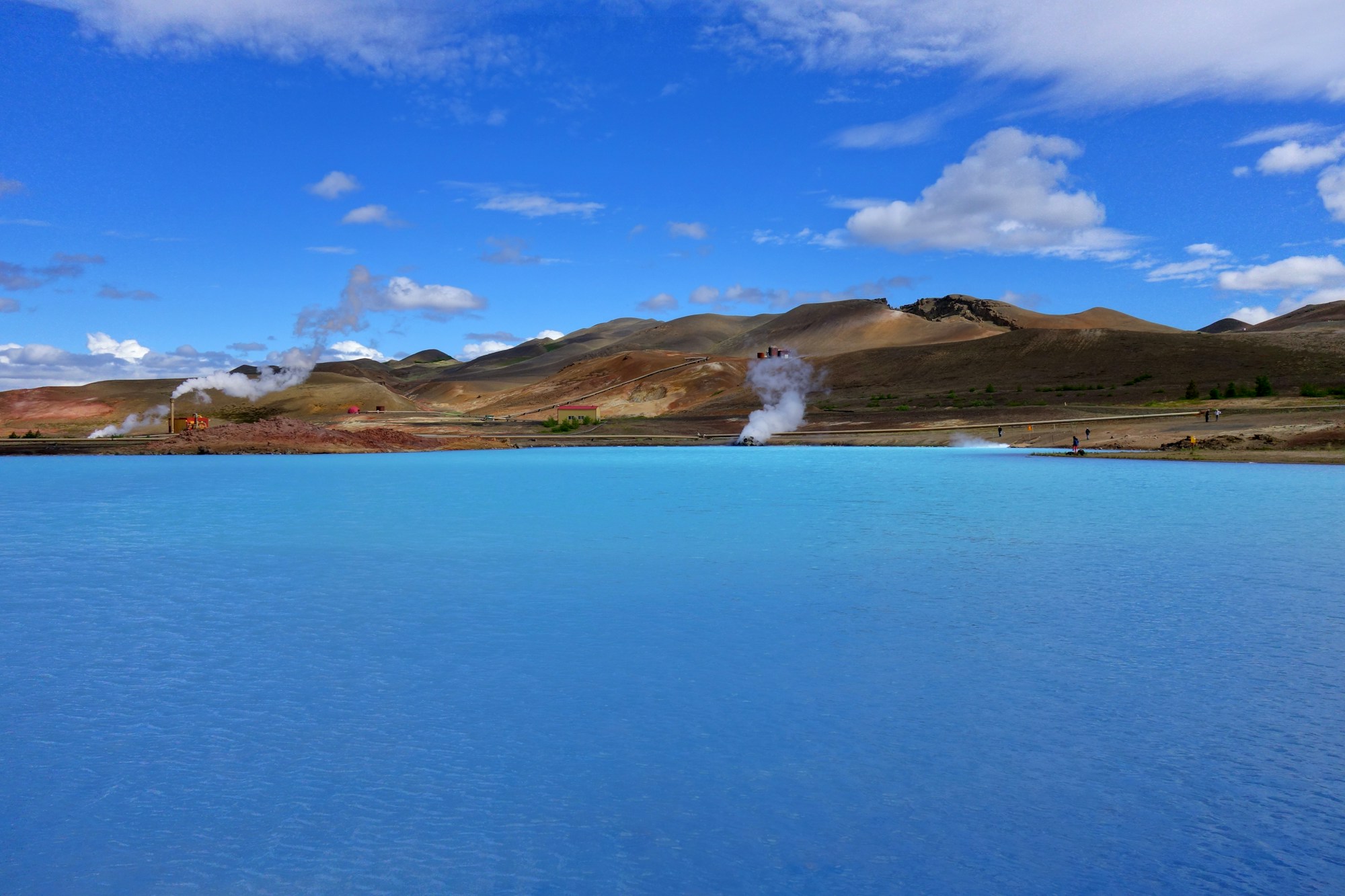
170 Hot Springs Across the Island
Iceland is home to approximately 170 different hot springs and geothermal baths, according to the Iceland Travel Guide. While the Blue Lagoon remains iconic, the most rewarding experiences are often found off the beaten path. Here’s our selection for 2026:
Must-Visit Hot Springs
- Reykjadalur (45 min from Reykjavik) — Naturally hot river, 3 km hike. Free.
- Seljavallalaug — Free pool at the foot of Eyjafjallajokull, 20-minute walk
- Vok Baths (East) — Floating pools on Lake Urridavatn, 7,690 ISK
- GeoSea (Husavik) — Geothermal seawater overlooking the bay, 7,490 ISK
- Krossneslaug (Westfjords) — The anti-Blue Lagoon: isolated, wild, right on the ocean’s edge
New in 2025-2026
The Laugaras Lagoon opened on October 15, 2025 on the Golden Circle, conveniently located near Gullfoss and Geysir. The Myvatn Nature Baths were rebranded as Earth Lagoon Myvatn in October 2025, with an expansion project planned for 2026.
4. The South Coast — Waterfalls, Black Sand Beaches, and Glaciers
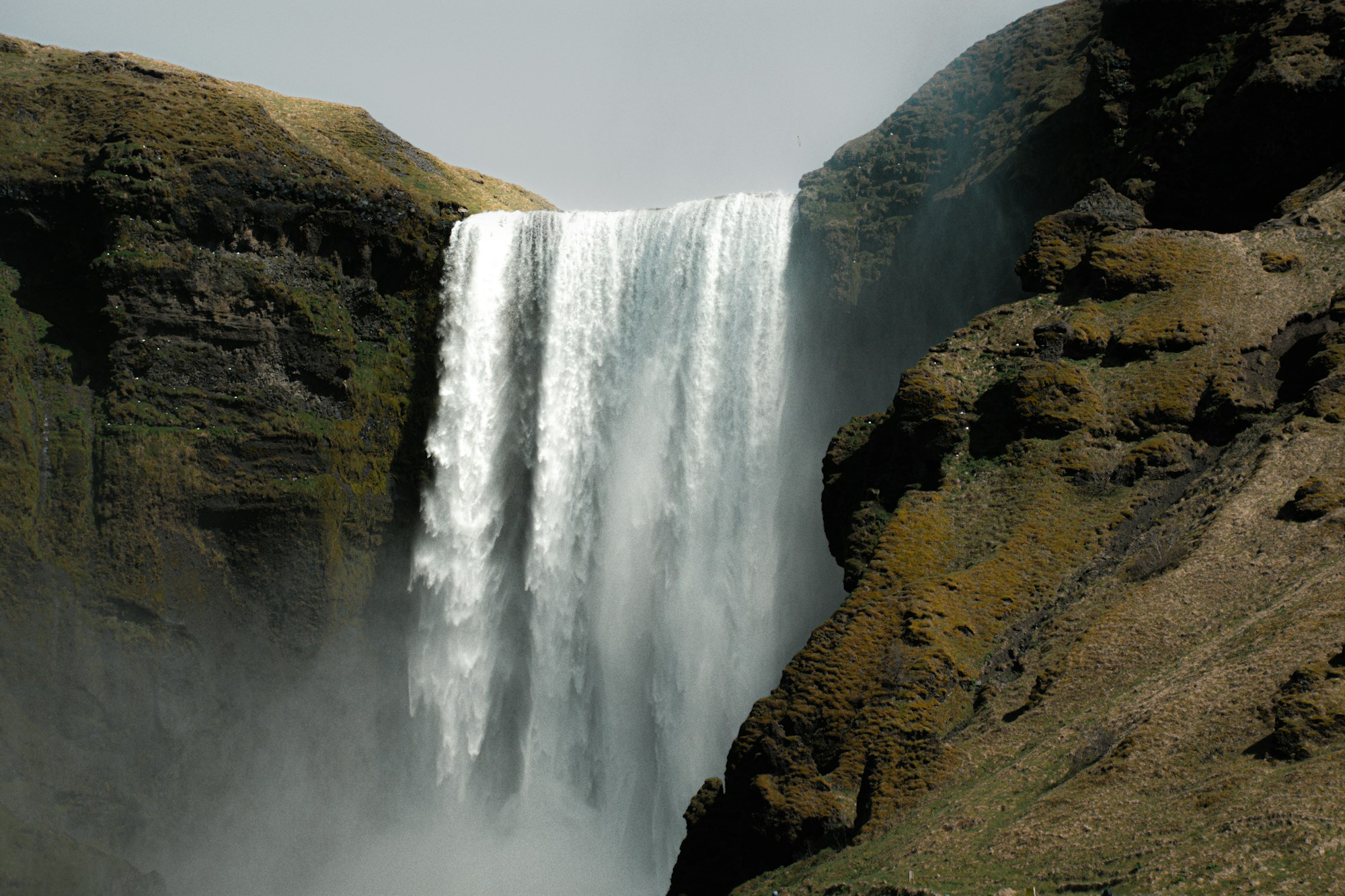
The Richest Section of the Ring Road
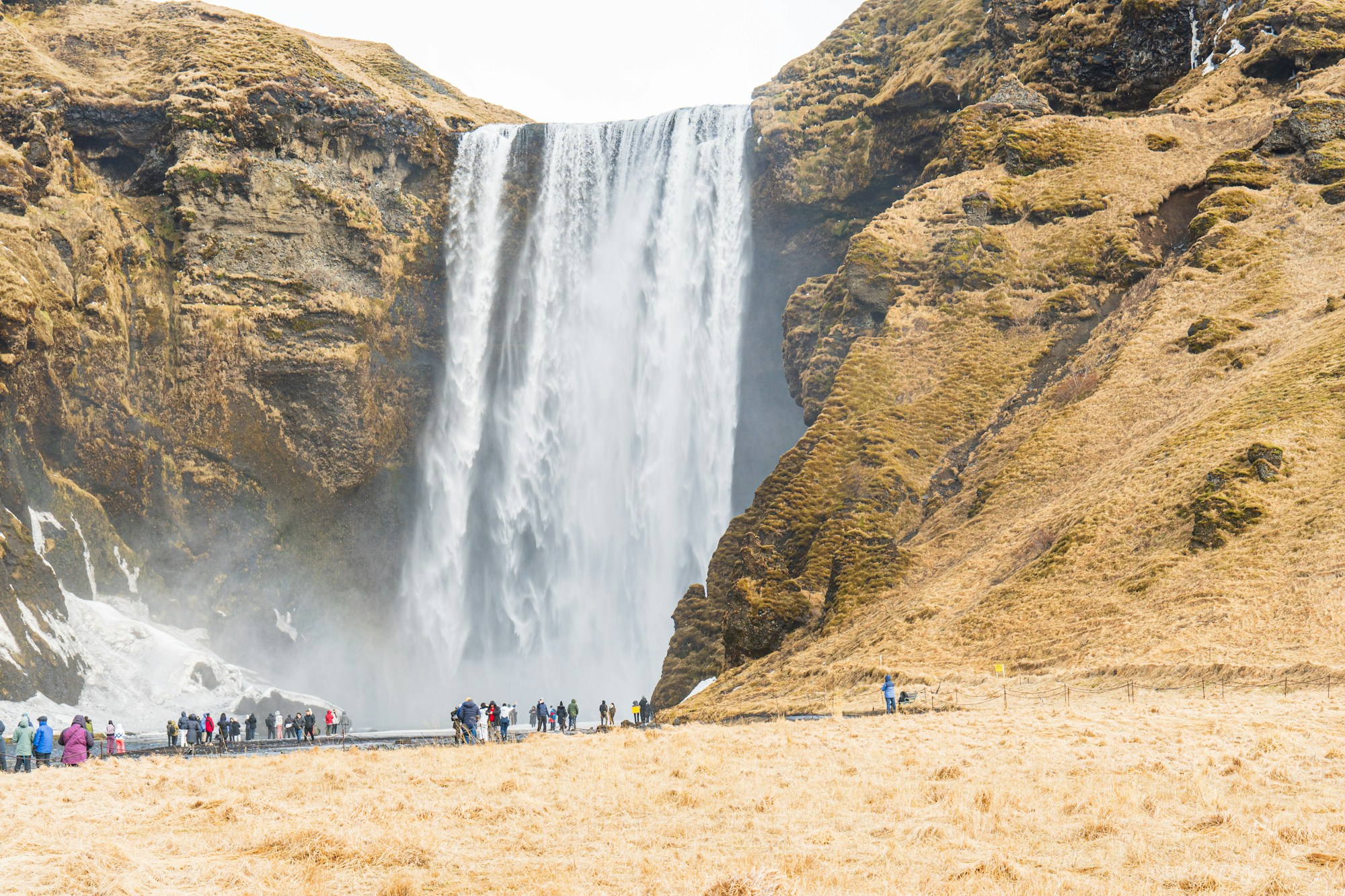
Southern Iceland packs some of the country’s most iconic sites into a single stretch of the Ring Road. The waterfalls Seljalandsfoss (which you can walk behind) and Skogafoss (a 60-meter freefall) follow one another just a few kilometers apart. Further along, the black sand beaches of Reynisfjara and their basalt columns offer an almost otherworldly spectacle.
The moss-covered Fjadrargljufur canyon, carved by millennia of erosion, is an essential stop — one of the most beautiful accessible hikes on the island. Make sure to stay on the marked trails: this ecosystem is incredibly fragile and can take hundreds of years to recover.
Highlights
- Seljalandsfoss, Skogafoss, Svartifoss — a legendary trio of waterfalls
- Reynisfjara — black sand beach and the Reynisdrangar sea stacks
- Glacier hiking on Solheimajokull or Skaftafell
- Seljavallalaug — free thermal pool at the foot of the glacier
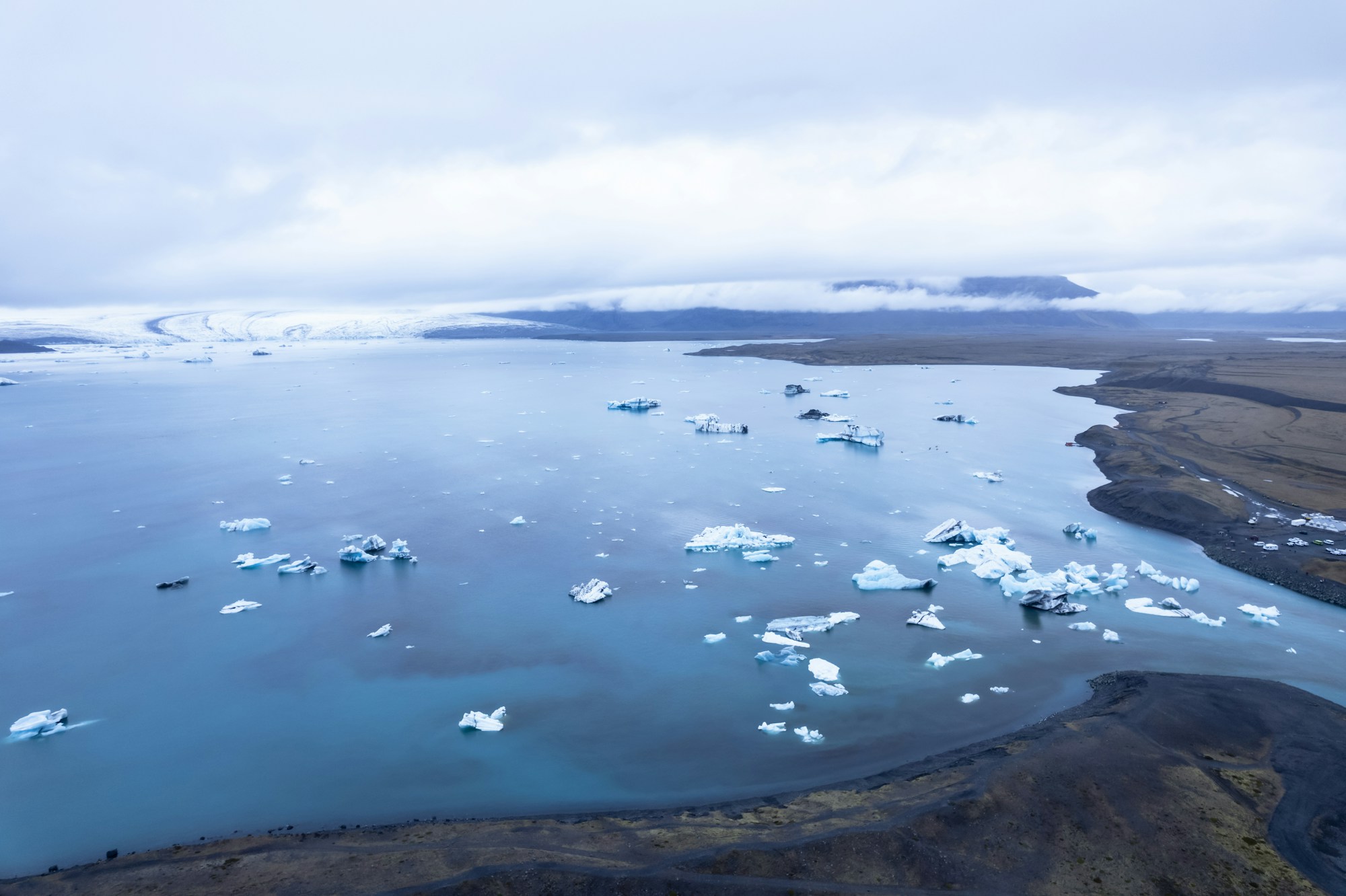
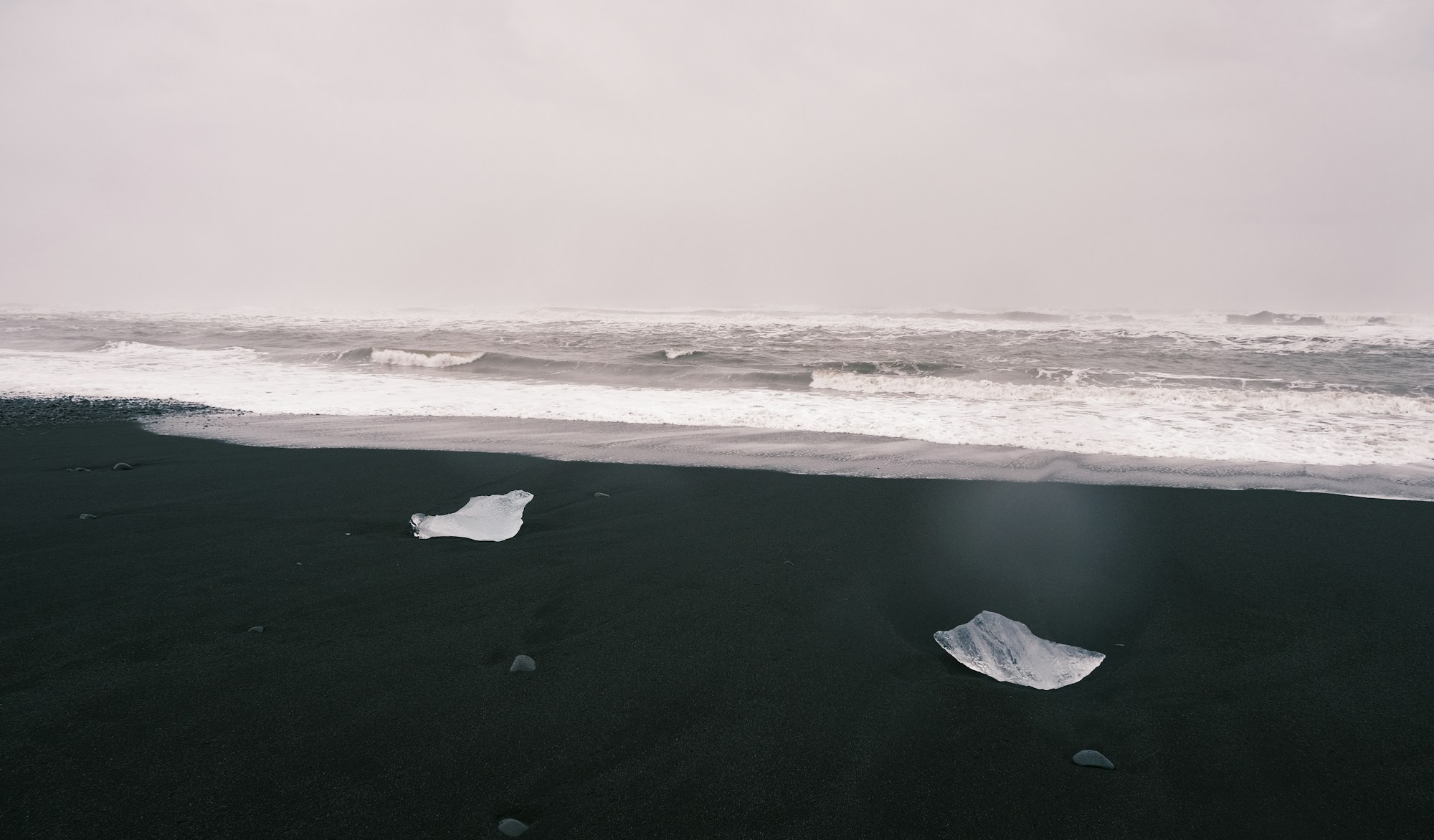
Jokulsarlon and Diamond Beach
The Jokulsarlon glacial lagoon is arguably the most photographed site in Iceland. Turquoise-blue icebergs break off from Vatnajokull — Europe’s largest glacier — and drift slowly toward the ocean. Just across the road, on Diamond Beach, translucent ice chunks wash ashore on volcanic black sand, creating a striking contrast.
It’s also one of the most iconic northern lights locations: imagine the dancing lights reflecting simultaneously off the icebergs and the lagoon’s surface.
Highlights
- Amphibian boat tour among the icebergs (~$40-80)
- Diamond Beach — ice on black sand, free
- One of the best aurora spots on the Ring Road
5. The Wild North — Husavik, Myvatn, and the Diamond Circle
Iceland’s Lesser-Known Side
Husavik is recognized as one of the best whale watching spots in Iceland. Boat excursions ($80-100 per person) offer frequent encounters with humpback whales, fin whales, and occasionally blue whales. After the tour, the GeoSea geothermal baths overlook the ocean — a perfect place to warm up while watching the sunset.
Lake Myvatn, an hour’s drive away, is a concentrated showcase of geological wonders: the Dimmuborgir lava formations, the Hverir fumaroles, and the Viti crater with its rising sulfurous steam. The Earth Lagoon Myvatn (formerly Myvatn Nature Baths) offers a far less crowded alternative to the Blue Lagoon.
The Dettifoss waterfall — the most powerful in Europe — is worth a 30 km detour: fed by the Vatnajokull glacier, it plunges roughly 45 meters into the Jokulsargljufur canyon.
Highlights
- Whale watching from Husavik — among the highest sighting rates in the world
- GeoSea — geothermal seawater facing Skjalfandi Bay (7,490 ISK)
- Dettifoss — the most powerful waterfall in Europe
- Godafoss — « Waterfall of the Gods, » easily accessible from Akureyri
- Foss hot spring — a hot waterfall by a fjord, 10 minutes from Akureyri
6. Snaefellsnes Peninsula — Iceland in Miniature
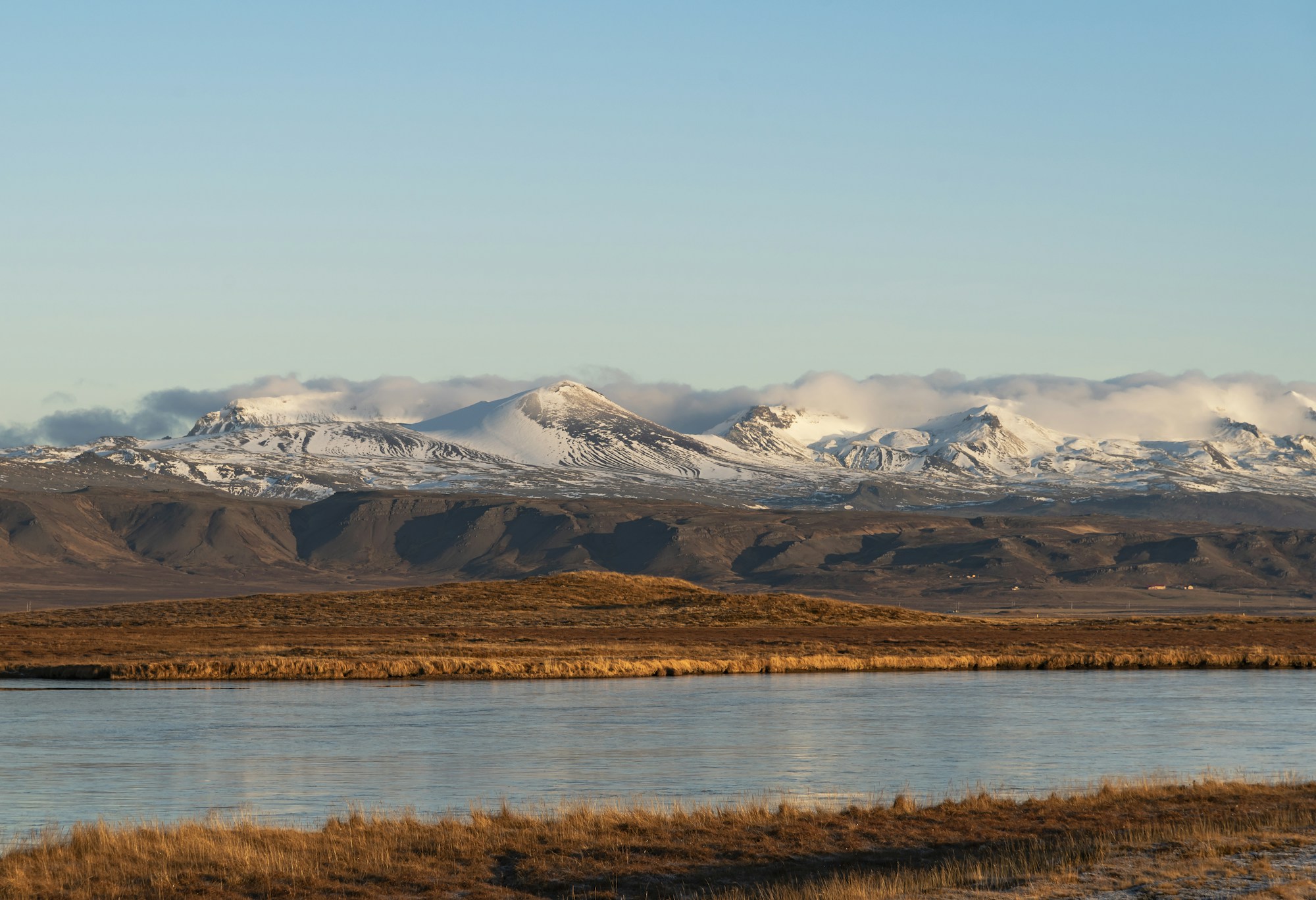
Snaefellsjokull — The Starting Point of Journey to the Center of the Earth
Nicknamed « Iceland in miniature, » the Snaefellsnes Peninsula packs everything that makes the island special into 90 kilometers: glaciers, volcanoes, black sand beaches, basalt cliffs, fishing villages, and lava fields. At its center stands Snaefellsjokull, the subglacial volcano made famous by Jules Verne in Journey to the Center of the Earth and by Icelandic Nobel laureate Halldor Laxness in Under the Glacier.
Kirkjufell, Iceland’s most photographed mountain (also featured in Game of Thrones), is an essential stop. Round it out with Djupalonssandur beach, the black church of Budir, the Londrangar cliffs, and the Gerduberg basalt columns.
Highlights
- Kirkjufell and its waterfall — the quintessential postcard shot
- Snaefellsjokull National Park — varied hikes around the glacier
- Black church of Budir — a legendary aurora spot in winter
- Sturlungalaug — secret hot spring at 40 °C, often deserted
7. The Highlands and Landmannalaugar — The Last Frontier
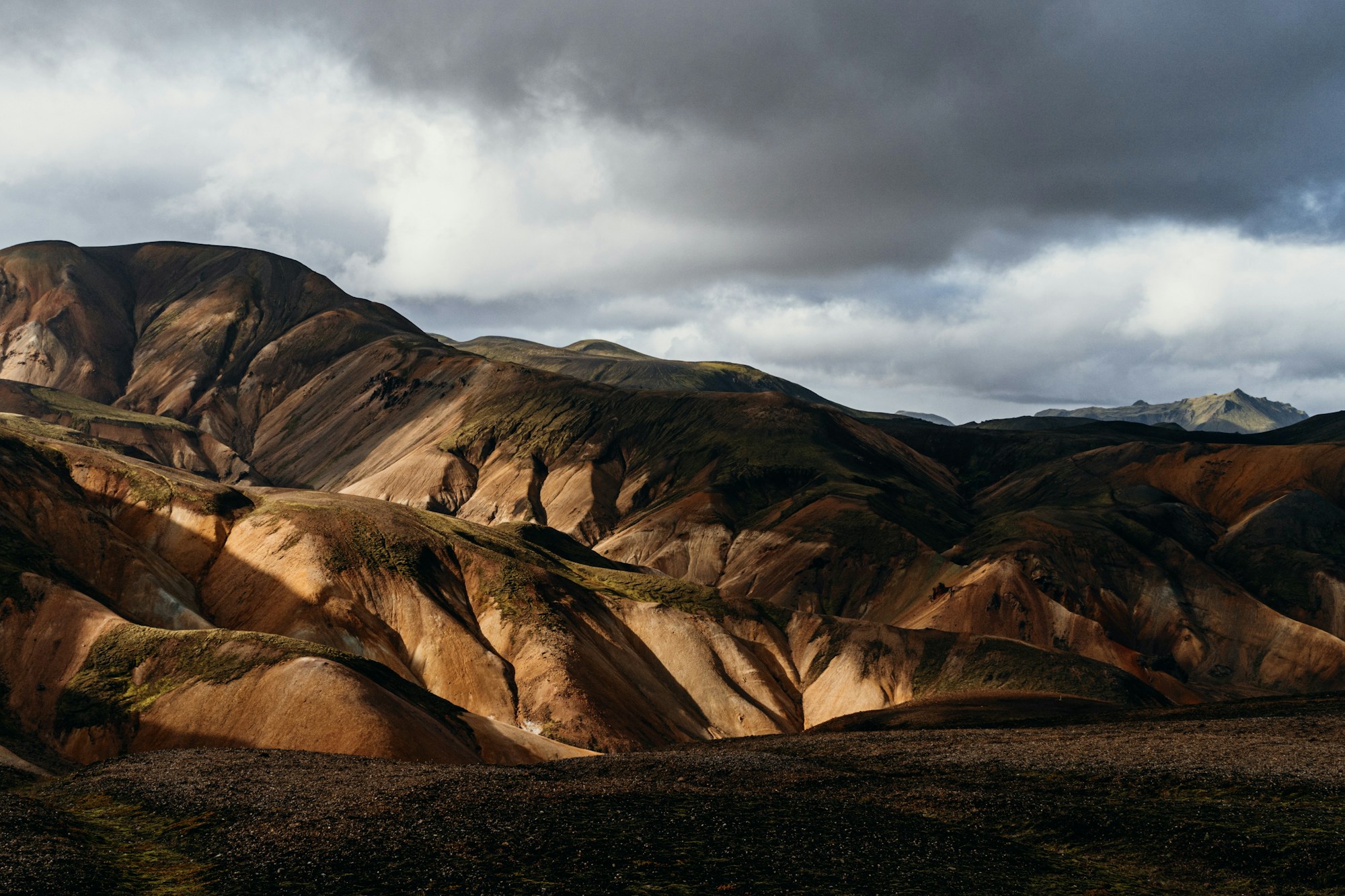
The Uninhabited Interior — Europe’s Last Great Wilderness
Iceland’s interior is Europe’s last great wilderness: no paved roads, no villages, no cell service. Landmannalaugar, the « People’s Baths, » is an extraordinary area of multicolored rhyolite mountains — pink, yellow, green, purple — created by geothermal activity and the cooling of silica-rich magma.
Kerlingarfjoll, further north, offers a « Martian » Iceland: geothermal valleys of Hveradalir, steam, red rhyolite, and structured camping via Highland Base (camping ~3,000 ISK/adult). The Kjolur Road (F35) between Gullfoss and Blonduos is the most accessible Highland route, with the Hveravellir oasis at its midpoint — a natural pool between two glaciers.
The area is closed to tourists 9 months of the year and is only accessible in summer (July-August for most F-Roads). Opening depends on snow and conditions — check vegagerdin.is the week of your visit.
Highlights
- Landmannalaugar — multicolored mountains and a free natural hot spring
- Kerlingarfjoll — Hveradalir geothermal valley, « Red Mars » atmosphere
- Hveravellir — natural bath between the Hofsjokull and Langjokull glaciers
- Strutslaug — hot spring large enough for dozens of bathers, in the middle of nowhere
- Askja and the Viti crater — turquoise waters inside a volcanic crater
8. Budget and Practical Tips for 2026
How Much Does Iceland Cost in 2026?
Iceland remains one of the most expensive destinations in Europe. Here are daily budgets per person according to Budget Your Trip:
| Travel Style | Budget/day/person |
|---|---|
| Backpacker (camping, self-catering) | $109 (13,765 ISK) |
| Mid-range (guesthouse, mix of restaurants) | $252 (31,842 ISK) |
| Luxury (hotels, premium activities) | $585 (73,959 ISK) |
Main Expense Categories
- Car rental: sedan ~$600-900/week; 4×4 ~$2,500/10 days (all-inclusive)
- Campervan: from $110/night (2 pers.) to $300/night (larger models)
- Accommodation: hostel from $60/night, mid-range hotel ~$140/night
- Meals: $15-40 depending on restaurant type
- Gas: ~$8.30/gallon (late 2024-2025)
Money-Saving Tips
- Shop at supermarkets (Bonus, Kronan) and pack your own lunch
- Swap expensive spas for municipal swimming pools ($10-12 max)
- Travel in shoulder season (September or April-May): cheaper and less crowded
- In Iceland, you can skip the cash entirely — credit and debit cards are accepted virtually everywhere
9. Recommended Itinerary: 10-14 Days in Iceland (Summer 2026)
Full Ring Road + Snaefellsnes
| Day | Stage | Driving |
|---|---|---|
| D1 | Arrive at Keflavik, Blue Lagoon or Sky Lagoon, Reykjavik | 1h |
| D2 | Golden Circle: Thingvellir, Geysir, Gullfoss, Laugaras Lagoon | 3-4h |
| D3 | Seljalandsfoss, Skogafoss, Seljavallalaug, overnight in Vik | 3h |
| D4 | Reynisfjara, Fjadrargljufur, Jokulsarlon, Diamond Beach | 4h |
| D5 | East Fjords, Egilsstadir, Vok Baths | 4h |
| D6 | Dettifoss, Asbyrgi canyon, Lake Myvatn | 3h |
| D7 | Myvatn (Earth Lagoon, Dimmuborgir, Hverir), Godafoss, Akureyri | 2h |
| D8 | Husavik (whale watching), GeoSea, Foss hot spring | 3h |
| D9 | Hvitserkur, Hofsos (infinity pool), Blonduos, Borgarnes | 5h |
| D10-11 | Snaefellsnes Peninsula (Kirkjufell, Djupalonssandur, Budir, Sturlungalaug) | 3h/day |
| D12 | Option A: Ferry to Westfjords (Dynjandi) / Option B: Reykjadalur | 4-5h |
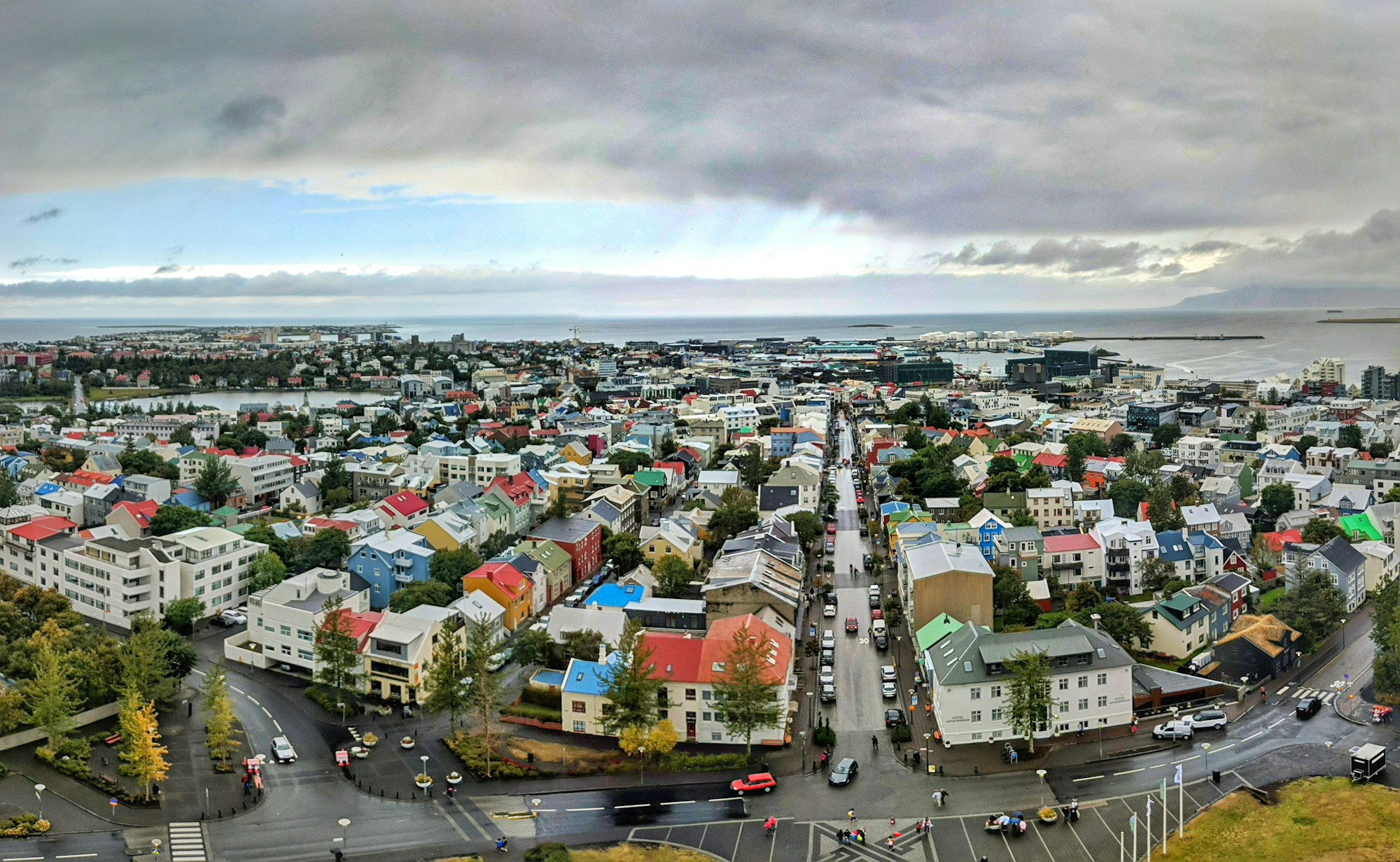
| D13 | Reykjavik: Hallgrimskirkja, Laugardalslaug, museums, shopping | — |
| D14 | Depart from Keflavik | 50 min |
Frequently Asked Questions
Do I need a 4×4 to drive the Ring Road?
No, as long as you stay on the main route (Route 1) and drive in summer, a 2WD vehicle is sufficient. The road is almost entirely paved. However, if you plan to drive on F-Roads (Highlands, certain interior access roads), a 4×4 is mandatory and required by law. In winter, a 4×4 is strongly recommended even on Route 1 due to snow and ice conditions.
Can you drive the Ring Road in winter?
Yes, provided you’re well prepared. From November to March, the country is often blanketed in snow, and December-January offer only 4 to 5 hours of daylight. Hundreds of travelers complete the route each winter successfully. The key: a 4×4 with studded tires, buffer days for road closures, and daily checks on road.is for real-time road conditions.
When is the best time to see the northern lights in 2026?
The season runs from mid-September to early April, with the best conditions between 11 PM and 1 AM. In 2026, solar activity remains high thanks to the Solar Cycle 25 maximum. For the ideal compromise between auroras and exploration, aim for September-October or March: enough daylight for exploring and enough darkness in the evening for auroras. Avoid full moon nights and check the forecasts at vedur.is.
How many days should I plan for Iceland?
For the Ring Road alone, plan a minimum of 7 days (fast pace) to 10-12 days for a comfortable rhythm. Add 2-3 days for Snaefellsnes, 3-5 days for the Westfjords, and 2-3 days for the Highlands. The « complete » trip with detours takes about 3 weeks. For a first visit, 10 to 14 days offers the best balance between thoroughness and enjoyable pace.
Can you park a campervan anywhere for the night?
No. Iceland has implemented strict laws restricting where you can spend the night in a campervan. Parking anywhere overnight is prohibited — you must stay at designated campsites. Fines are significant. The good news: the campsite network is dense and well-maintained along the Ring Road, with rates ranging from $15 to $30 per night.
Do geothermal baths require a nude shower before entering?
Yes, this is a non-negotiable cultural and hygiene rule in Iceland. Before entering any pool — tourist spa or municipal swimming pool — you are required to shower without a swimsuit. Staff may check at some facilities. It’s a tradition deeply rooted in Icelandic culture: respect it, and you’ll be warmly welcomed.
Do I need to bring cash to Iceland?
In Iceland, card is king. You can get by almost entirely without cash — cards are accepted everywhere, including campsites, self-service gas stations, and the smallest shops. The only places that may require cash are certain public restrooms with a small fee. Make sure you have a card with a 4-digit PIN.
What’s new in Iceland for 2025-2026?
Among the new attractions: the Laugaras Lagoon opened on October 15, 2025 on the Golden Circle, near Gullfoss and Geysir. The Myvatn Nature Baths were renamed Earth Lagoon Myvatn with an expansion project in 2026. The Forest Lagoon near Akureyri continues to grow in popularity as an alternative to the Blue Lagoon. Regarding safety, volcanic activity on the Reykjanes Peninsula continues to be closely monitored — check updates from the Icelandic Met Office.
Sources
- GoCampers — Ultimate Ring Road Guide 2026 — Distances, durations, and Route 1 conditions
- The Better Beyond — Driving the Ring Road — Rental costs and 4×4 insurance
- Expert Vagabond — Ring Road Trip Guide — Driving direction and practical tips
- GoCampers — Best Time for Northern Lights 2026 — Solar cycle and aurora forecasts
- Guide to Iceland — Northern Lights — Viewing conditions and recommended spots
- NOAA — Solar Cycle Progression — Official Solar Cycle 25 maximum data
- Icelandic Meteorological Office — Aurora Forecast — Real-time aurora and cloud cover map
- Iceland Travel Guide — Hidden Hot Springs — Secret hot springs across the island
- Guide to Iceland — Best Hot Springs — Top geothermal bath selections
- Vok Baths — Official Prices — Prices and hours for the floating baths in the East
- GeoSea — Official Prices — Prices and information for the Husavik baths
- Budget Your Trip — Iceland — Average daily budgets by traveler profile
- Guide to Iceland — How Expensive is Iceland — Detailed 2025-2026 cost analysis
- We3Travel — Iceland Budget — Breakdown of rental and fuel costs
- Campervan Iceland — How Expensive — Accommodation and campervan prices
- Guide to Iceland — Snaefellsnes — Complete peninsula guide
- Two Wandering Soles — Ring Road Stops — Recommended stops and south coast
- Vegagerdin — Mountain Roads — Mountain road status and openings
- Highland Base — Kerlingarfjoll — Accommodation and camping in the Highlands
- Hveravellir — Geothermal Pool — Natural baths on the Kjolur route
- Lava Car Rental — Cost Guide 2026 — Detailed road trip cost estimates
- A Couple Days Travel — Iceland Budget — Food and money-saving tips
- Iceland Review — Ring Road Closure — Examples of closures and road safety
- Sundlaugar.is — Hofsos — 2026 prices for the infinity pool in the North
Research conducted in February 2026. Prices and conditions are subject to change — always check official websites before booking.
Ready to Plan Your Iceland Trip?
Iceland in 2026 is your chance to witness northern lights of rare intensity, soak in hot springs lost amid lunar landscapes, and drive one of the most beautiful roads in the world. Every kilometer of the Ring Road holds a surprise. Create your custom itinerary with Pixidia and keep all your bookmarks accessible, even offline.
Explore all itineraries