
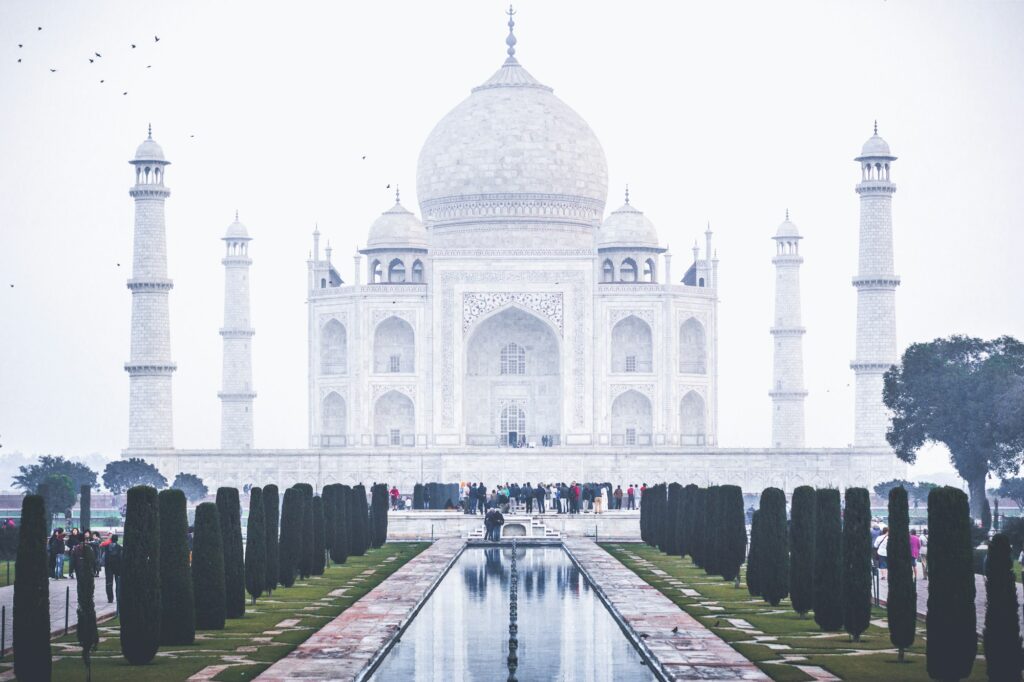
North India in 2026 keeps its promises as one of the world’s most rewarding travel experiences. Rajasthan with its pink and blue sandstone palaces, Delhi with its millennia of layered history, and Varanasi — the eternal city on the banks of the Ganges: this circuit is one of the most captivating journeys in Asia for first-time visitors. This guide brings together the best practical information, must-see destinations and insider tips for a 10 to 21-day trip between October and March 2026.
Before You Go: Visa, Budget and Best Season
Everything You Need to Plan Your Trip
e-Tourist Visa 2026
India’s e-Visa system covers more than 170 nationalities. In 2026, three options exist: the 30-day visa (double entry, $10–25), the 1-year visa (multiple entries, $40) and the 5-year visa (multiple entries, $80). You can now apply up to 120 days in advance. Apply at least 2 weeks before departure via the official portal indianvisaonline.gov.in — avoid third-party agents who overcharge or submit incomplete forms, according to VisaVerge.
Budget by Profile
- Budget: $25–40/day (₹2,000–3,300) — hostels, buses, street food
- Mid-range: $60–100/day (₹5,000–8,500) — 3-star hotels, private transport
- Luxury: $180–300/day (₹15,000–25,000) — palace hotels, private circuit
1. Delhi: The Multi-Layered Gateway
Delhi — A Capital of a Thousand Faces
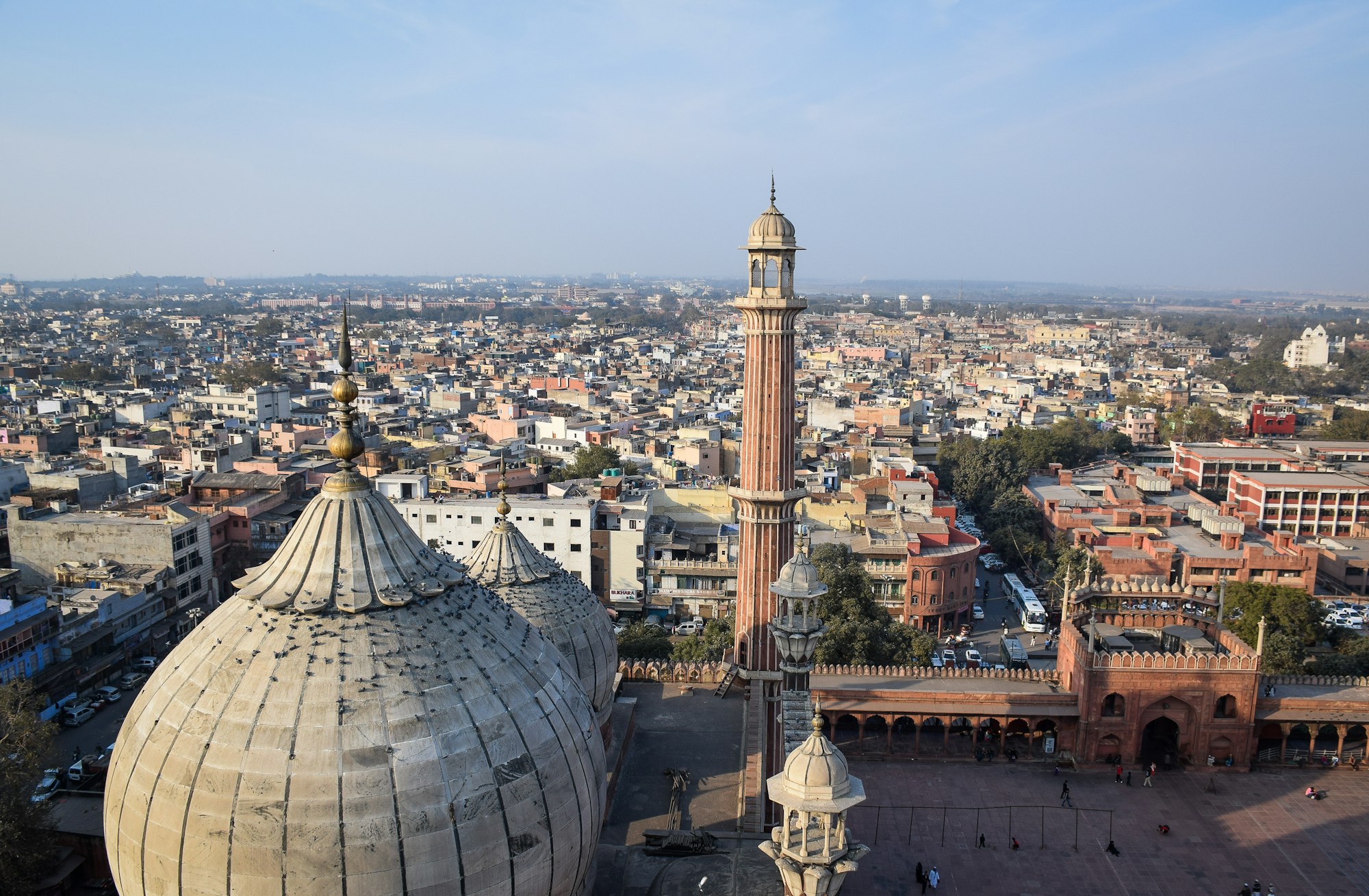
Delhi is far more than a transit hub. It is a city of archaeological layers where every neighbourhood tells a different story — Mughal Empire, Sultanate, British Empire, modern Republic. Spend 1 to 2 days exploring Mughal monuments, street food and Old Delhi, as recommended by India Travel Guide 2026.
Must-Sees
- Red Fort — symbol of the Mughal Empire
- Jama Masjid — India’s largest mosque, stunning views from the minarets
- Qutb Minar — 12th-century Islamic brick tower, UNESCO listed
- Lodhi Art District — India’s first open-air art district, free entry
2. Jaipur: Rajasthan’s Pink City
Jaipur — Royalty and Bustling Markets
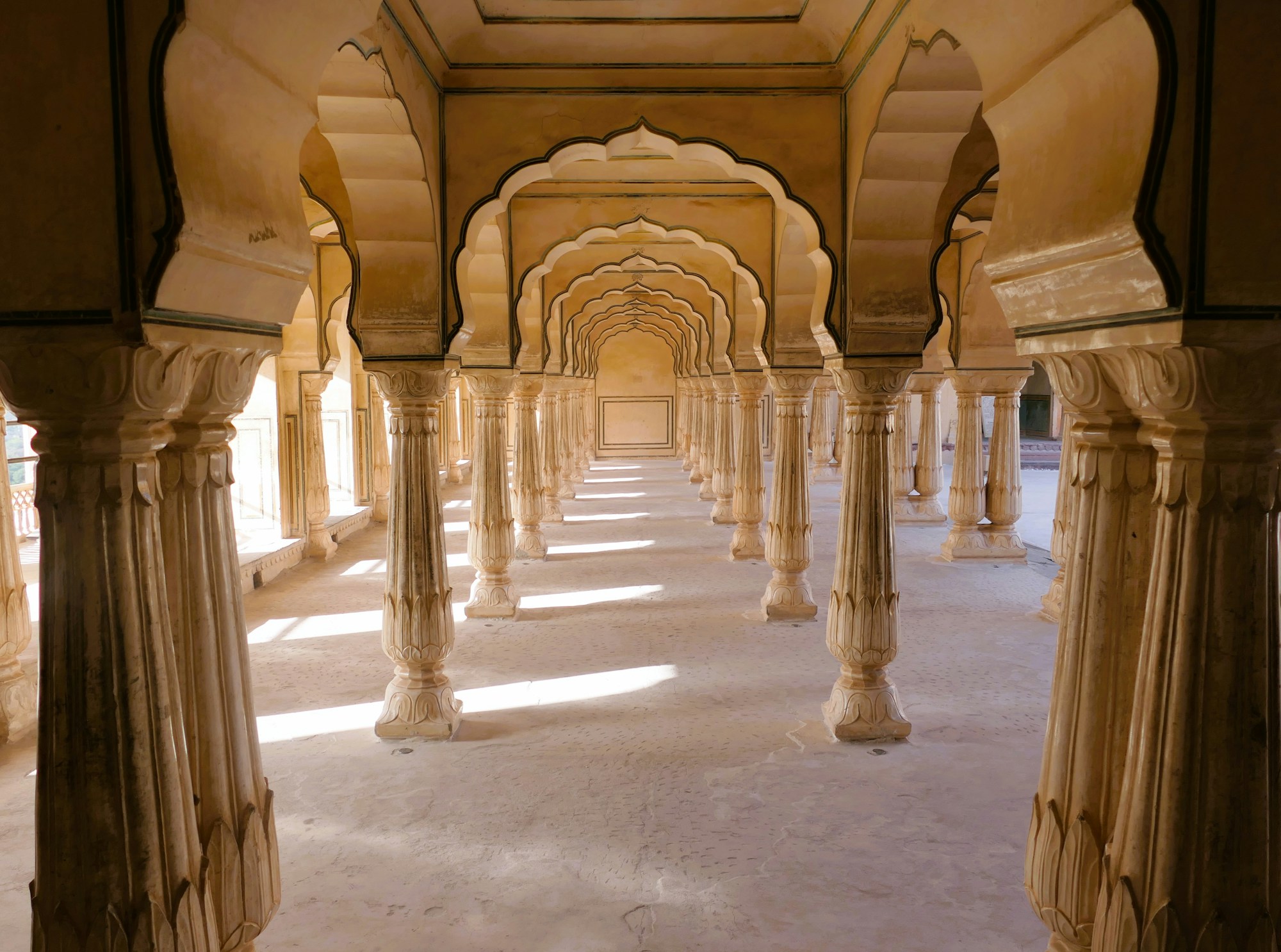
Rajasthan’s capital, 280 km south-west of Delhi, blends luxury stays, vibrant markets and iconic monuments, according to Raj India Tours. The city owes its « Pink City » nickname to the colour of the local sandstone used in its historic buildings.
Must-Sees
- Amber Fort — imposing Rajput palace on a hillside
- Hawa Mahal — « Palace of the Winds » with 953 windows
- City Palace — royal residence with a remarkable museum
- Jantar Mantar — 18th-century astronomical observatory, UNESCO listed
3. Jodhpur: The Blue City and Mehrangarh Fort
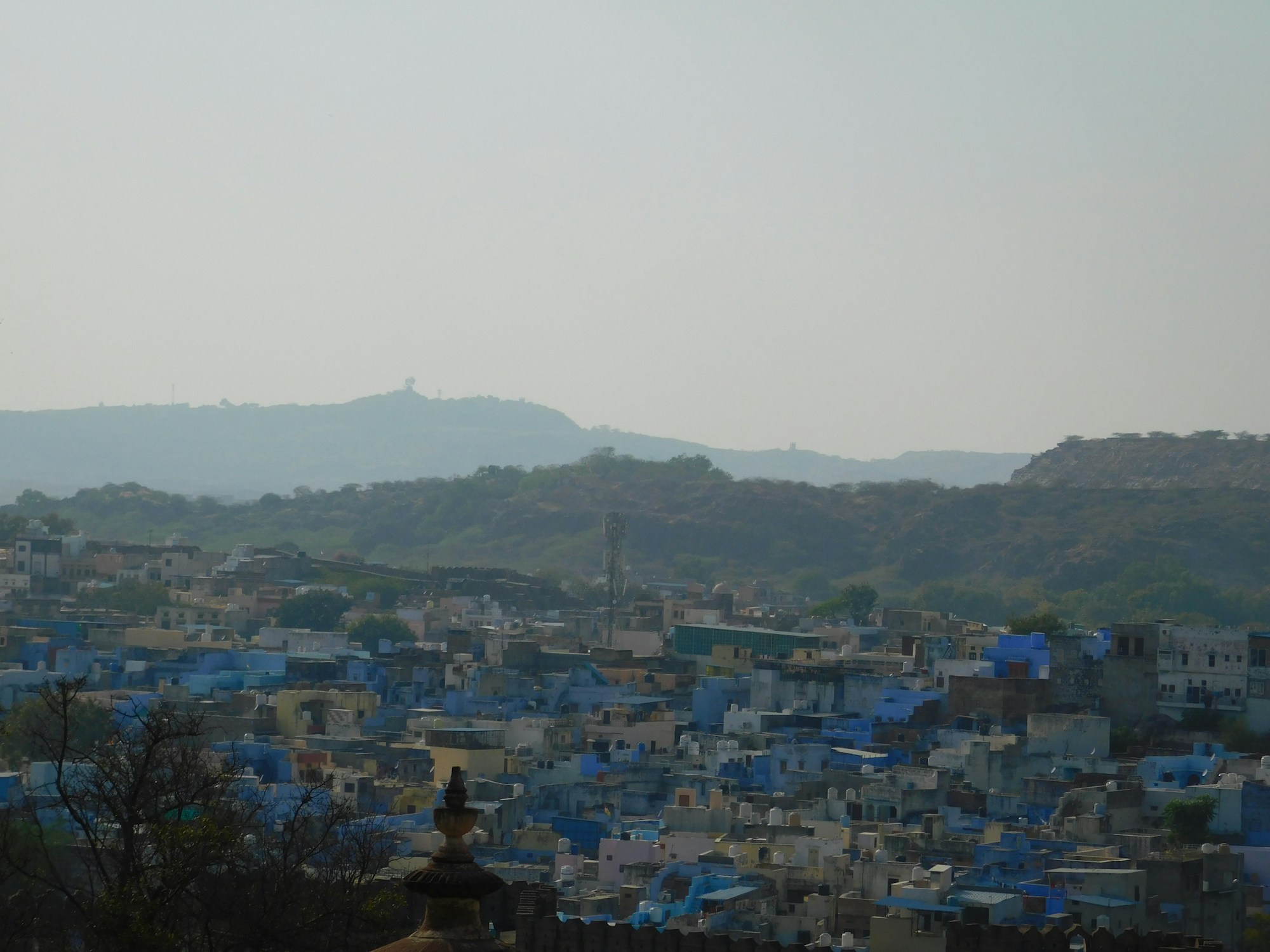
Jodhpur — Indigo and Medieval Power
A 5-hour train ride from Jaipur, Jodhpur is famous for the imposing Mehrangarh Fort perched 122 metres above the city, and its blue-painted houses that blanket the old town. According to Thrillophilia, the blue colour was originally applied by Brahmins to mark their caste, and gradually spread across the whole old city.
Unique Experiences
- Mehrangarh Fort (₹600, audioguide included) — spectacular royal architecture
- Navchowkiya lanes — authentic heart of the Blue City
- Jaswant Thada — white marble cenotaph, the « Taj Mahal of Marwar »
- Sardar Market — spices, textiles and local street food
4. Udaipur: The Romantic City of Lakes
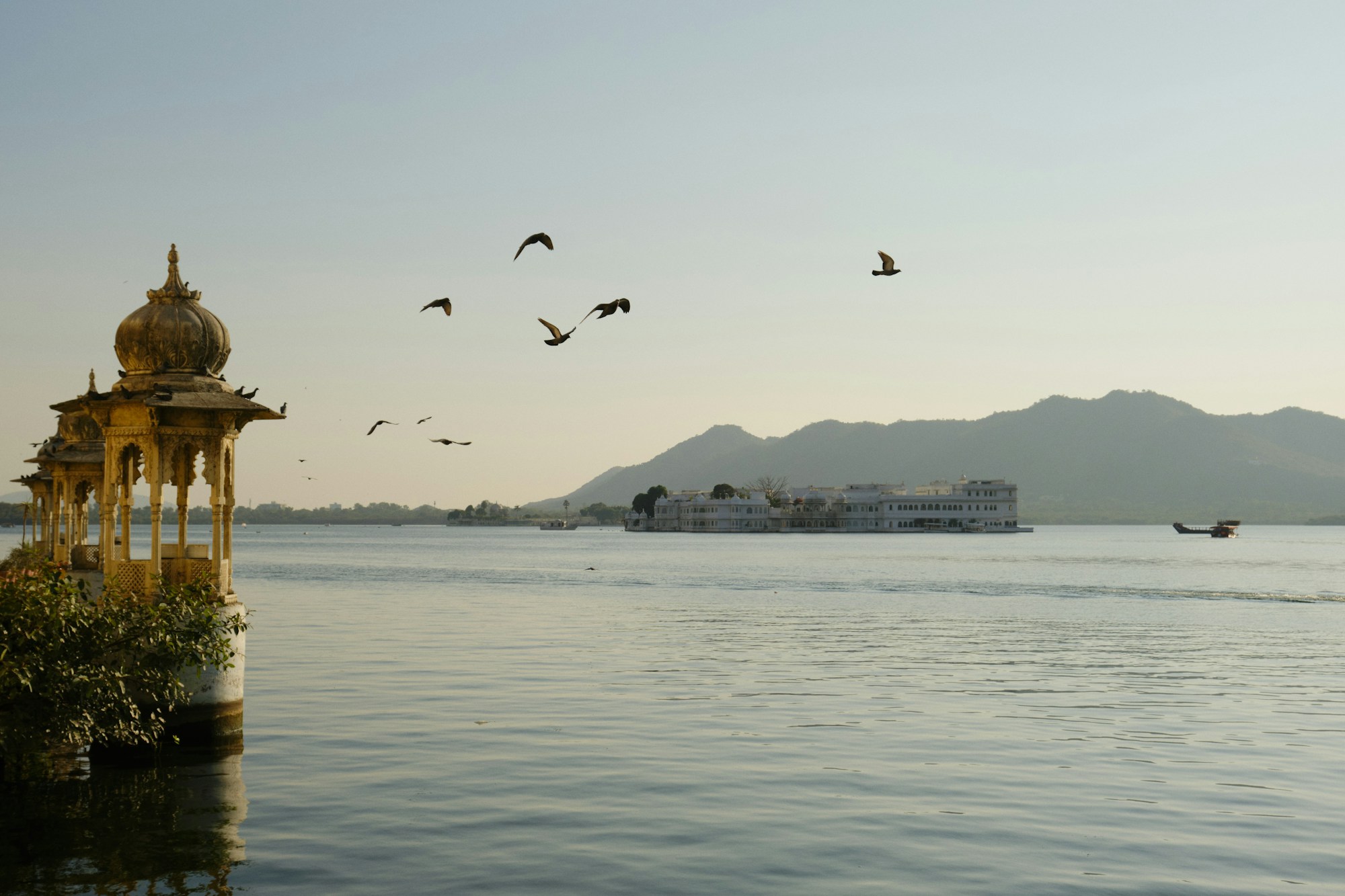
Udaipur — Palaces, Lakes and Sunsets
Often called the « City of Lakes », Udaipur enchants with its picturesque palaces and serene waters. Lake Pichola and the opulent City Palace captivate visitors from all over the world, according to Thrillophilia. It is Rajasthan’s most romantic city.
Must-Sees
- City Palace — Rajasthan’s largest royal palace, lake views
- Lake Pichola — sunset boat ride
- Jagdish Temple — 17th-century Hindu temple, 5 min from City Palace
- Old City Ghats — authentic lakeside daily life
5. Jaisalmer: The Golden City in the Thar Desert
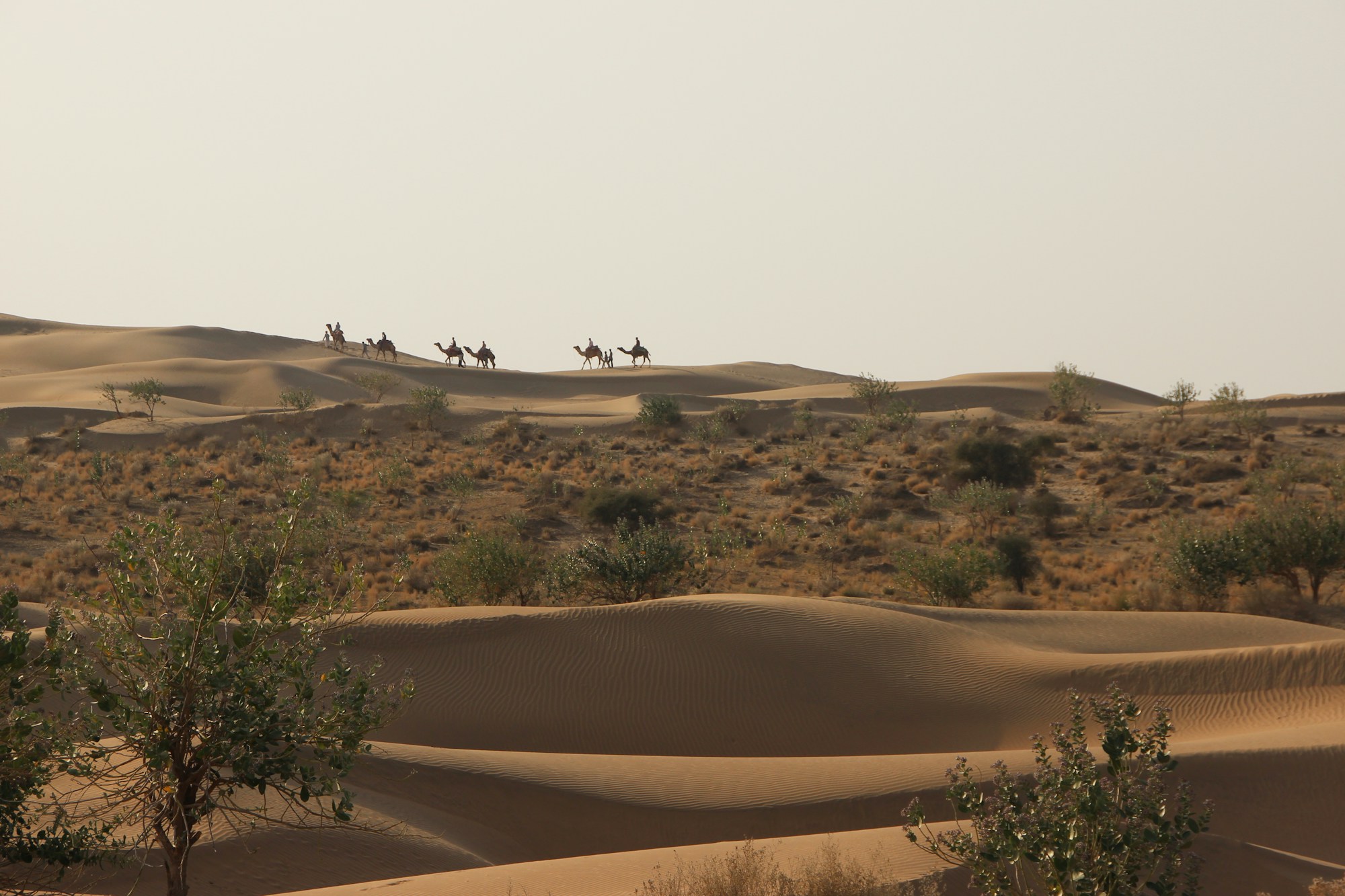
Jaisalmer — Living Fortress and Starry Nights
Jaisalmer Fort is one of the world’s few « living forts », where residents still live and run lively bazaars and wonderful cafés within its narrow lanes, according to Thrillophilia. Built in golden sandstone in the 12th century, it is one of India’s most iconic images. Desert camp nights (dinner + breakfast included) range from ₹1,000 (basic) to ₹8,000 (luxury with live folk music).
Jaisalmer Experiences
- Jaisalmer Fort — UNESCO-listed living fortress, 12th century
- Camel safari at Khuri — authentic, away from the Sam dunes crowds
- Kuldhara ghost village — fascinating historical mystery
- Desert camp night — starry sky and Rajasthani folk music
6. Pushkar: Brahma’s Sacred City
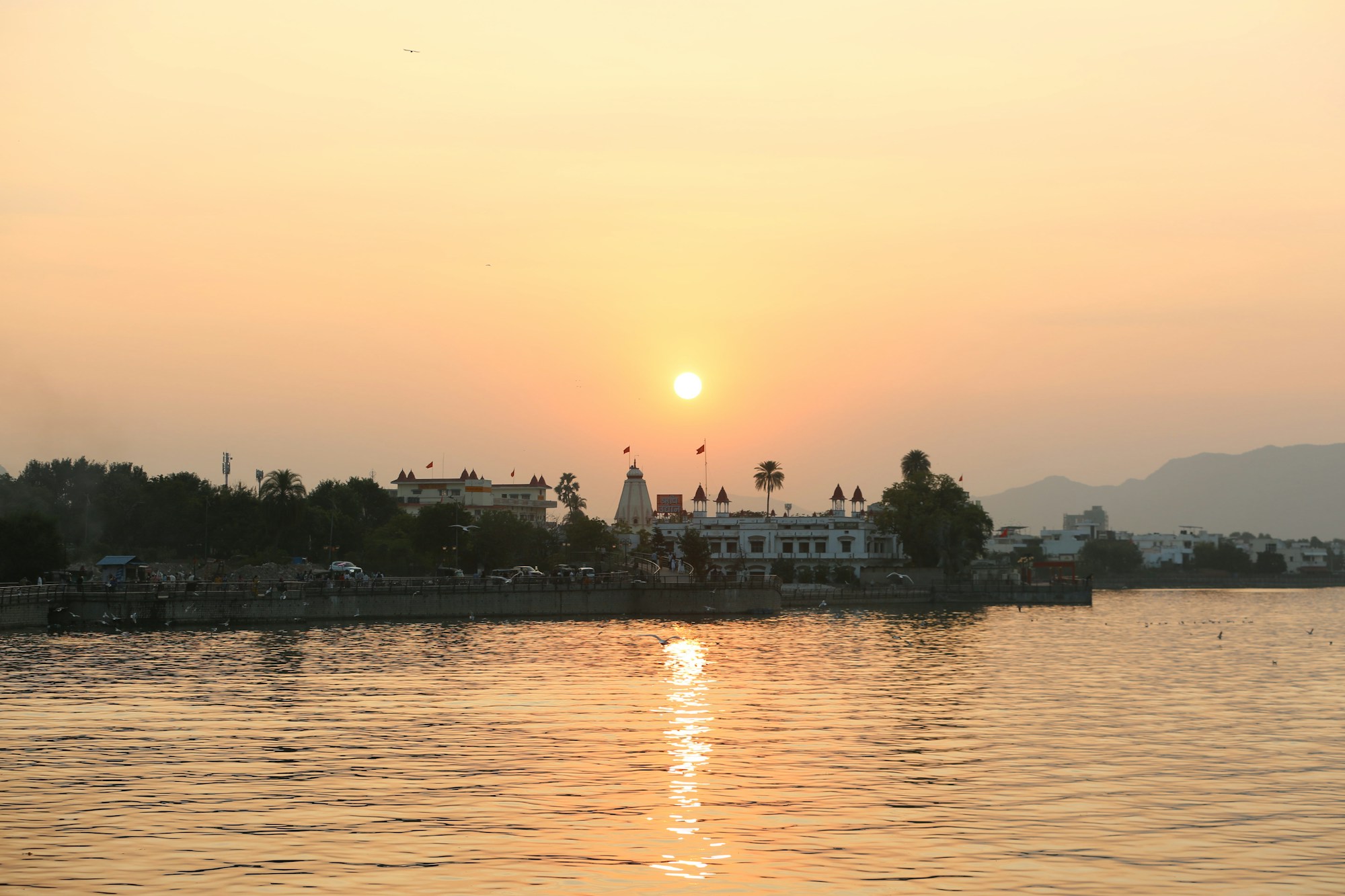
Pushkar — Spirituality and Authenticity off the Beaten Path
Pushkar is the only place on Earth with a temple entirely dedicated to Lord Brahma, the Creator in the Hindu trinity. The town surrounds a sacred lake lined with 52 ghats, where pilgrims have come to purify themselves for millennia. It is one of Rajasthan’s most affordable towns — clean guesthouses start at ₹500/night. The city has no alcohol or meat (strict religious rule), giving it an atmosphere entirely different from the rest of India.
What to See in Pushkar
- Brahma Temple — unique in the world, white marble architecture
- Sacred Lake — 52 ghats, millennium-old pilgrimage
- Savitri Temple — hilltop, panoramic views (cable car or 1h hike)
- Sadar Market — textiles, jewellery and spices at low prices
7. Varanasi: The Eternal City on the Ganges
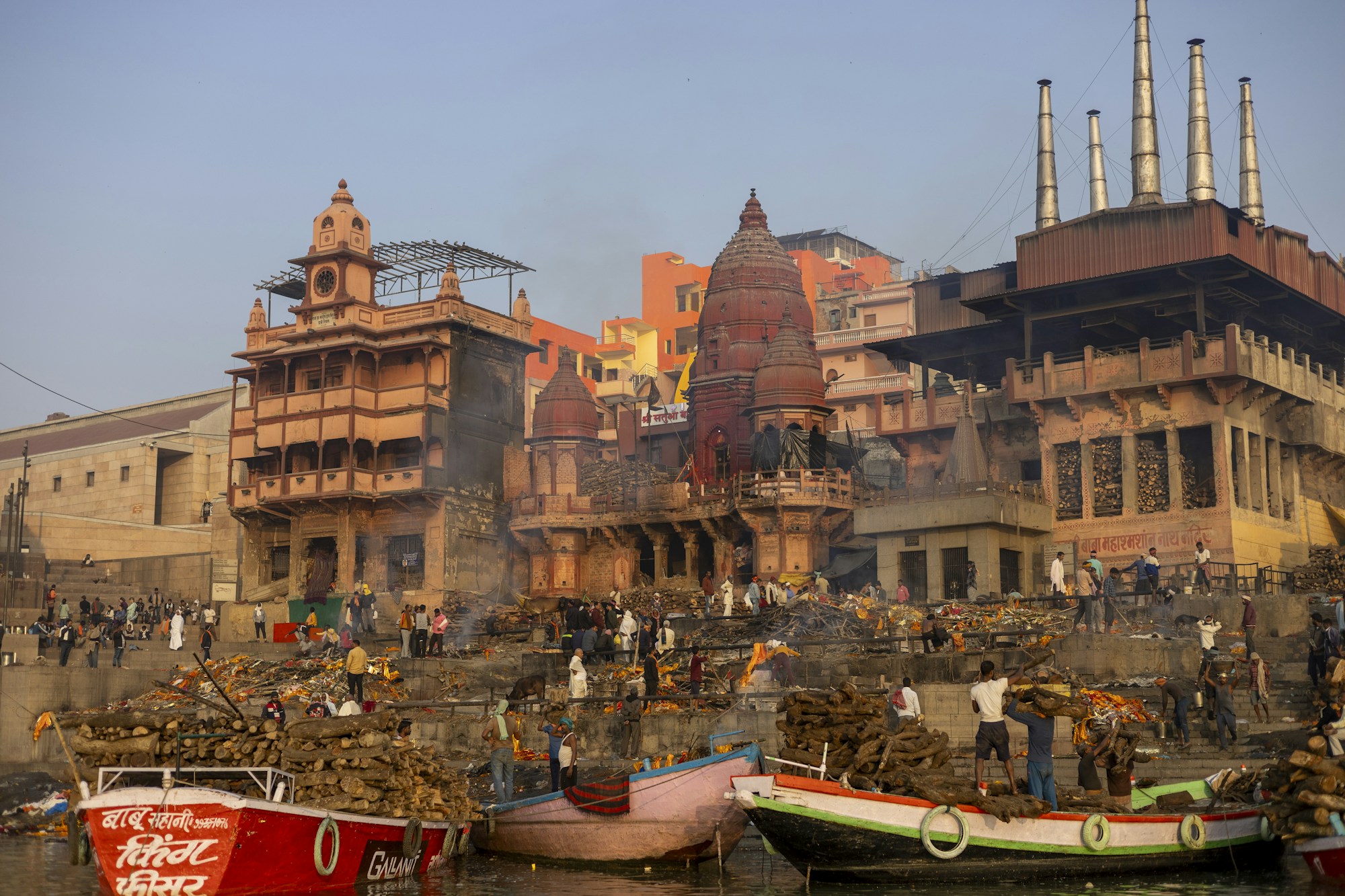
Varanasi — Where Life and Death Meet
Mark Twain called Varanasi « older than history itself ». It is the world’s oldest continuously inhabited city, home to over 1,500 temples. The ghats along the Ganges, where life and death converge in daily ceremonies and ancient practices, offer a profound cultural experience, according to Odynovo Varanasi Guide.
In the evening, the city comes alive with the captivating evening aarti at Dashashwamedh Ghat: a 45-minute prayer ritual that is a mesmerising spectacle, with priests, devotees and brass oil lamps (diyas) illuminating the ghats, according to Wilderness Travel.
Essential Experiences
- Evening aarti — sumptuous nightly ceremony at Dashashwamedh Ghat
- Sunrise boat ride — on the Ganges at dawn
- Manikarnika Ghat — sacred cremation ghat (absolute respect required)
- Benaras Silk — buy direct from weavers for 40–80% less
- Sarnath — day trip (10 km) where Buddha gave his first sermon
The Ideal Itinerary: 15 Days in North India
For a first trip covering Delhi, Rajasthan and Varanasi, 15 to 21 days is the realistic minimum. A classic mistake for first-time visitors is trying to see everything in one trip, according to India Travel Guide 2026. Here is a balanced 15-day itinerary mixing highlights and off-the-beaten-path discoveries.
| Days | Destination | Transport | Journey time |
|---|---|---|---|
| D1–D2 | Delhi — Jama Masjid, Old Delhi, Majnu Ka Tilla | International arrival | — |
| D3–D5 | Jaipur — Amber Fort, Hawa Mahal, markets | Shatabdi Express | 4h30 |
| D6 | Pushkar — sacred lake, Brahma Temple | Bus from Jaipur | 3h |
| D7 | Jodhpur — Mehrangarh Fort, Blue City | Train or bus | 3–5h |
| D8 | Ranakpur + Kumbhalgarh — Jain temples, Great Wall | Private car | 4h to Udaipur |
| D9–D10 | Udaipur — Lake Pichola, City Palace, Old Quarter | Road via Ranakpur | — |
| D11–D12 | Jaisalmer — Golden Fort, desert camp at Khuri | Night train | 7h |
| D13 | Jaisalmer → Varanasi transfer | Flight (via Delhi) or night train | Variable |
| D14–D15 | Varanasi — ghats, aarti, Sarnath | — | — |
Frequently Asked Questions about North India
What is the best time to visit North India in 2026?
October to March is the optimal travel window for northern India — cool and dry, with temperatures between 10 and 25°C. November to January is ideal for Rajasthan. Avoid April through June at all costs: temperatures in Rajasthan can reach 40–50°C and power supplies can be unreliable. According to India Travel Guide 2026, Rajasthan’s forts are busiest during Indian long weekends and school holidays (October–November, late December–January).
How long should I allow for a first trip to North India?
For a first trip covering Delhi, Rajasthan and Varanasi, allow a minimum of 15 to 21 days. Two weeks allow an in-depth exploration of one region, according to India Travel Guide 2026. The classic mistake for first-time visitors is trying to see everything in one trip. A 15-day itinerary lets you cover Delhi (2d), Jaipur (3d), Pushkar (1d), Jodhpur (1d), Udaipur (2d), Jaisalmer (2d) and Varanasi (2d), with travel days included.
How do I get an Indian visa for 2026?
India requires most international travellers to obtain an e-Visa before arrival. The system covers over 170 nationalities. Options in 2026 include: 30-day visa ($10–25), 1-year visa ($40) and 5-year visa ($80). Apply on the official website indianvisaonline.gov.in at least 2 weeks before departure. You can now apply up to 120 days in advance. Avoid third-party sites that mimic the official portal — they overcharge or submit incomplete forms, according to VisaVerge.
What budget should I plan for a North India trip?
The Indian rupee exchanges at approximately 84–86 INR per dollar in 2026, making India one of the most accessible destinations for Western travellers. Budget travellers spend $25–40/day (₹2,000–3,300), mid-range $60–100/day, and luxury $180–300/day, excluding international flights. For a 10-day trip: expect $250–400 (budget), $600–1,000 (mid-range), or $1,800–3,000 (luxury), according to Rajasthan Budget Guide 2026.
How do I travel between cities in Rajasthan?
The Indian Railways network remains the best way to travel between heritage destinations. Book via IRCTC up to 120 days in advance. Recommended trains: Shatabdi Express Delhi–Jaipur (4h30), Vande Bharat Express Delhi–Varanasi (8h). AC Volvo buses are an affordable alternative between major cities. Private car with driver (₹2,000–4,000/day) is the most flexible option for groups of 2 to 4, according to India Travel Guide 2026.
Is Rajasthan safe for solo or couple travel?
Yes, Rajasthan is relatively safe, especially on the main tourist circuit (Jaipur–Jodhpur–Udaipur–Jaisalmer). A few practical precautions: stay in well-rated accommodation on Booking or TripAdvisor, use registered transport apps (Ola, Uber) rather than unmetered rickshaws, avoid isolated areas at night and decline unsolicited « special tour » offers, according to JustWravel.
What is the unmissable experience in North India?
It’s hard to choose just one! The three experiences that most leave their mark: (1) a sunrise boat ride on the Ganges in Varanasi, as the city awakens in golden light and ceremonies begin on the ghats; (2) a night at a desert camp in Khuri near Jaisalmer, under a star-filled sky with Rajasthani folk music; (3) the evening aarti at Dashashwamedh Ghat in Varanasi, a 45-minute nightly ceremony that stays with you forever, according to Lonely Planet.
Is North India suitable for vegetarians?
North India is a paradise for vegetarians. Rajasthan has a deeply vegetarian culinary tradition: dal, sabzi, chapati and khichdi are daily staples. Pushkar is entirely vegetarian (holy city with no meat or alcohol). Varanasi is also predominantly vegetarian. Street food such as kachori-sabzi, jalebi and pani puri are naturally vegan. According to The India Explorer, the traditional Banarasi breakfast (kachori-sabzi and jalebi) at a local Varanasi restaurant is a must-try culinary experience.
Sources
- India Travel Guide 2026 — Complete planning guide for India
- Rajasthan Budget Guide 2026 — Cost breakdown by traveller profile
- India e-Visa Guide 2026 — New India e-visa rules
- VisaVerge — India Visa Rules — Official documents and procedure
- Raj India Tours — Rajasthan Guide 2025 — Rajasthan itineraries and budgets
- Thrillophilia — Udaipur, Jodhpur, Jaisalmer — Full Rajasthan circuit
- Lonely Planet — Varanasi Guide — Essential guide to Varanasi
- Wilderness Travel — Varanasi Beginner’s Guide — Practical tips for Varanasi
- Rajasthan Tours India — Hidden Gems — Rajasthan’s hidden gems
- Rajasthan Tourism — Official Website — Rajasthan Tourism Department
Research conducted on 21 February 2026
Ready to Discover North India?
Delhi, Rajasthan and Varanasi are waiting for you. Find inspiration for your itinerary among our India and Asia trips — planned by travellers for travellers.
Explore India Itineraries