
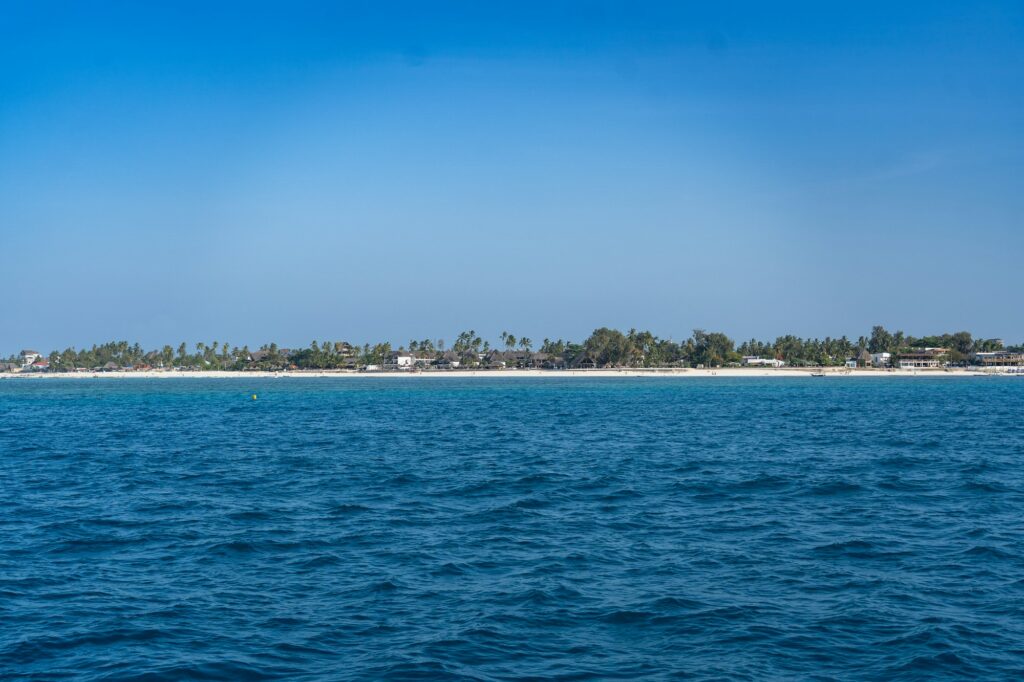
Forty kilometers off the Tanzanian coast, Zanzibar drifts between two worlds. A touch of Africa in sleepy seaside villages, a few remnants of the British Empire, a generous dose of Arabia, all wrapped in the scents of India — that is how Routard describes this island of fragrances. White-sand beaches, turquoise waters, mangrove forests, freshly harvested spices, and labyrinthine alleys steeped in history: Zanzibar packs a staggering diversity of experiences into a remarkably small stretch of land. In 2026, the archipelago remains accessible to every budget, from the backpacker staying in a guesthouse at 38 euros a day to the luxury traveler seeking a five-star resort. Follow this complete guide to plan your trip.
1. Stone Town: the living historic city
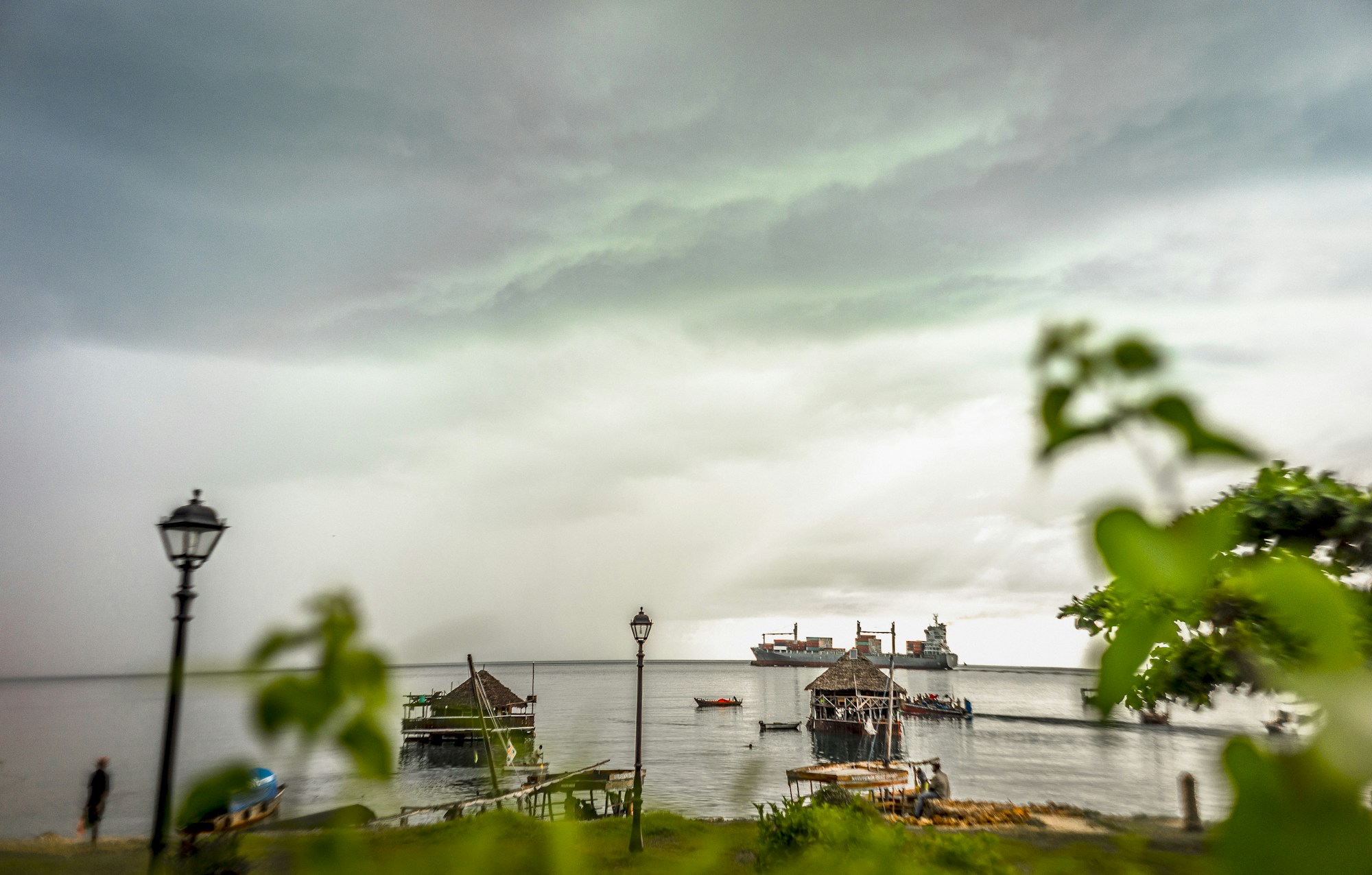
Stone Town, Zanzibar City
The historic heart of Zanzibar, Stone Town is a true labyrinth of narrow alleys, coral-stone houses, and iconic carved wooden doors. A UNESCO World Heritage Site, the town tells the story of Swahili, Arab, Indian, and European influences through its palaces, mosques, and bustling markets, according to the Atalante guide.
Wander among coral houses with wooden balconies, visit the former slave market and the Anglican cathedral, discover Freddie Mercury’s birthplace, and stop by Darajani Market to sample spices, tropical fruits, and local samosas. Stone Town is far more than an open-air museum: it is a living, spiritual city, pulsing to the rhythm of the call to prayer and the aromas of street food, as Passion Monde highlights.
Highlights
- Beautifully preserved 19th-century Swahili-Arab architecture
- Darajani Market: the authentic pulse of the city
- Freddie Mercury’s birthplace and the former slave market
- Spectacular sunsets from Forodhani Gardens
2. Nungwi & Kendwa: the tide-free northern beaches
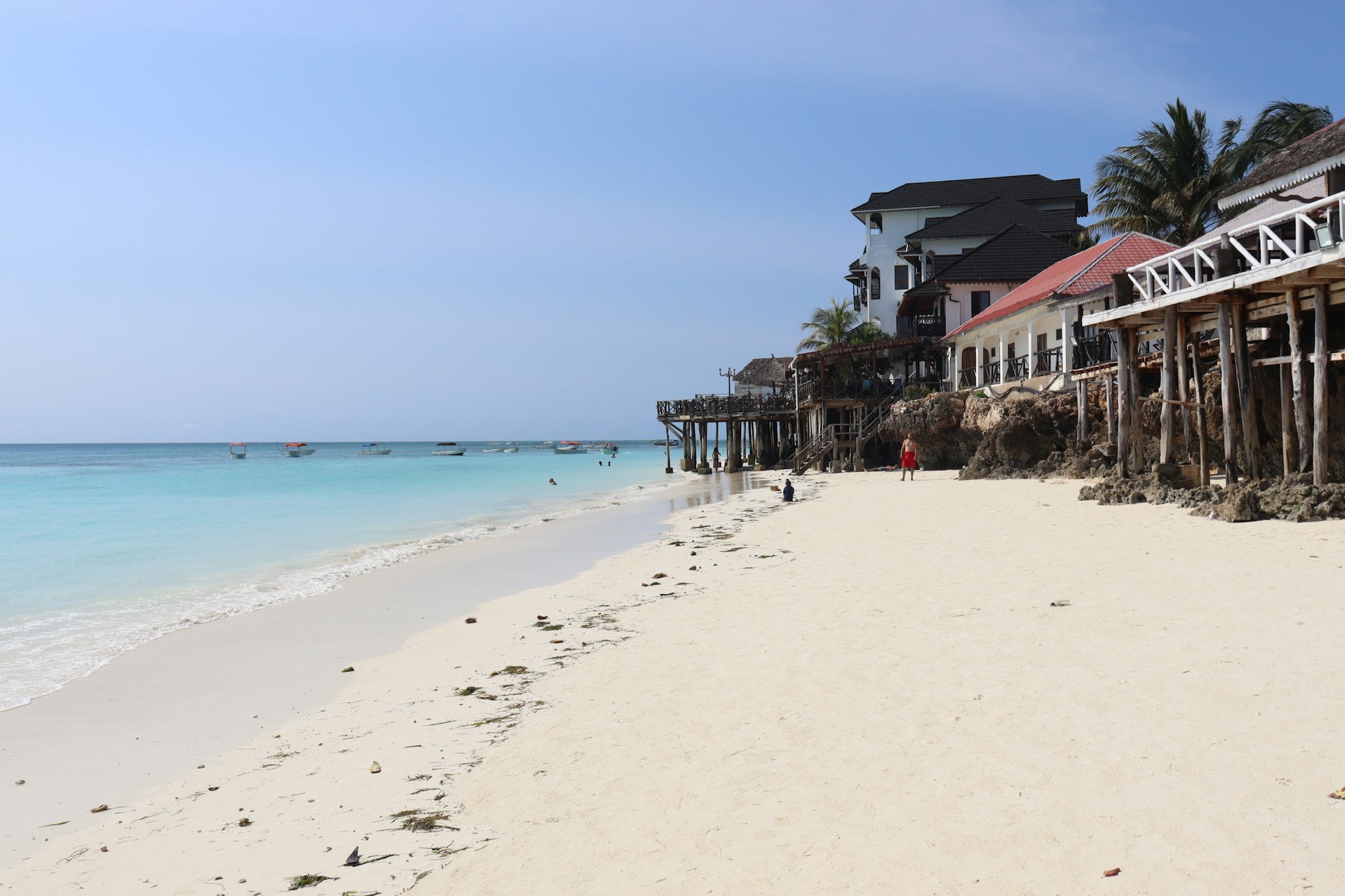
Nungwi & Kendwa, northern tip
Nungwi and Kendwa boast sweeping white-sand beaches, warm turquoise waters, and a low tidal range — perfect for swimming at any time of day, according to Partirou. Unlike the east coast, the water here stays deep enough for a swim around the clock. This is one of the few spots on the island where you can take a dip without waiting for high tide.
Watch the traditional dhow sailboats glide past at sunset, and enjoy superb snorkeling thanks to the exceptionally clear water, according to Atalante. The nightlife here is lively as well.
Highlights
- Swimming possible at any hour thanks to low tides
- Mnarani sea turtle conservation sanctuary
- Snorkeling in crystal-clear waters
- Some of the most stunning sunsets in the archipelago
3. Paje & Jambiani: the kitesurfing capital
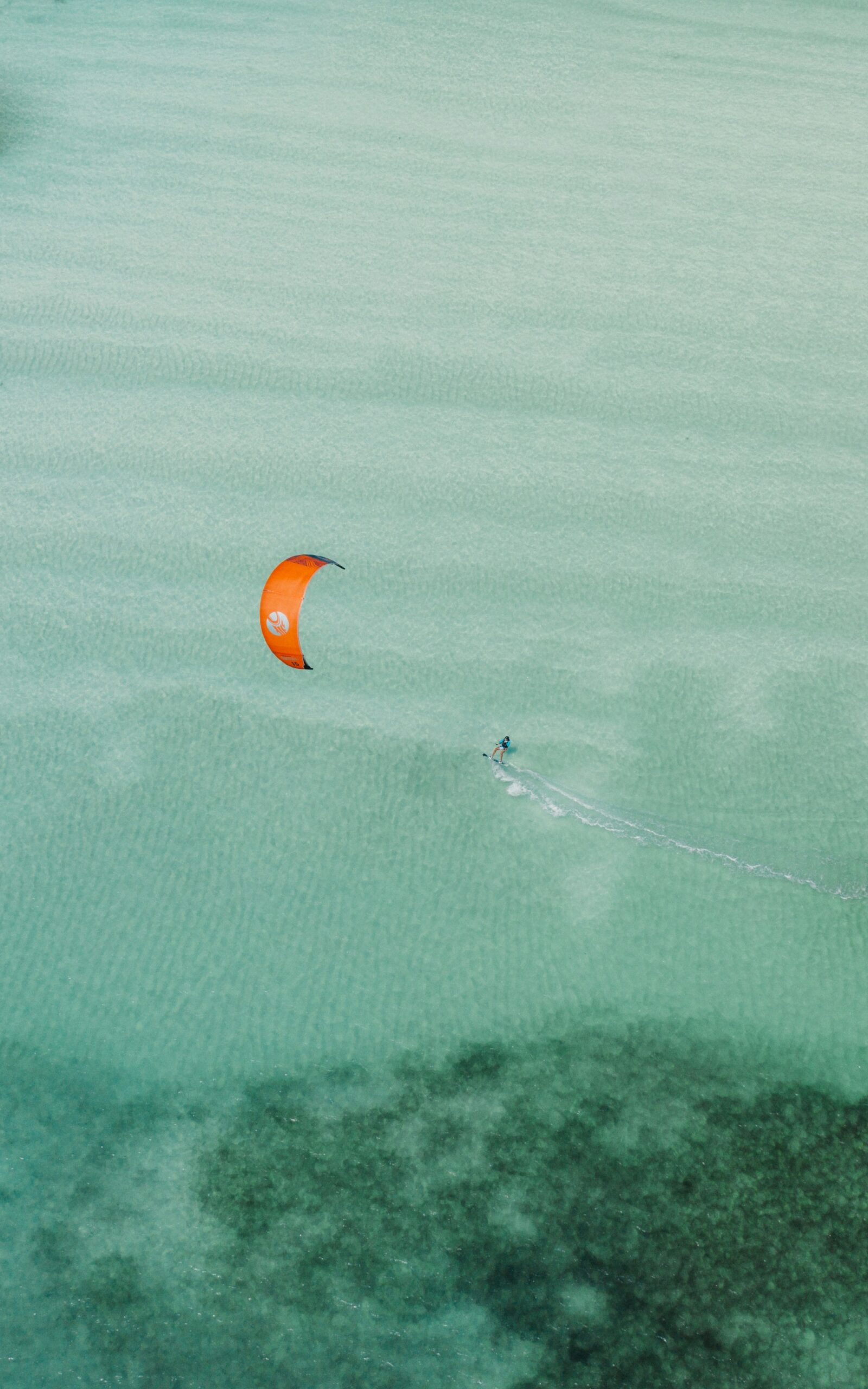
Paje & Jambiani, east coast
Paje and Jambiani, on the east coast, are renowned kitesurfing spots with transparent lagoons, a more peaceful atmosphere, and authentic local life, as described by Passion Monde. The best winds blow from June through September, according to Partirou.
On the southeast coast, Jambiani beach charms visitors with its raw beauty: vast white stretches of sand, an emerald lagoon, leaning palm trees, and a rhythm dictated by the tides. Here you will see fishermen at work, women harvesting seaweed, and children playing at the water’s edge, according to Atalante.
Highlights
- World-class kitesurfing conditions
- Hidden sandbanks that emerge at low tide
- More affordable than Nungwi (guesthouses from $25)
- Authentic and unspoiled fishing villages
4. Dongwe Beach & The Rock Restaurant
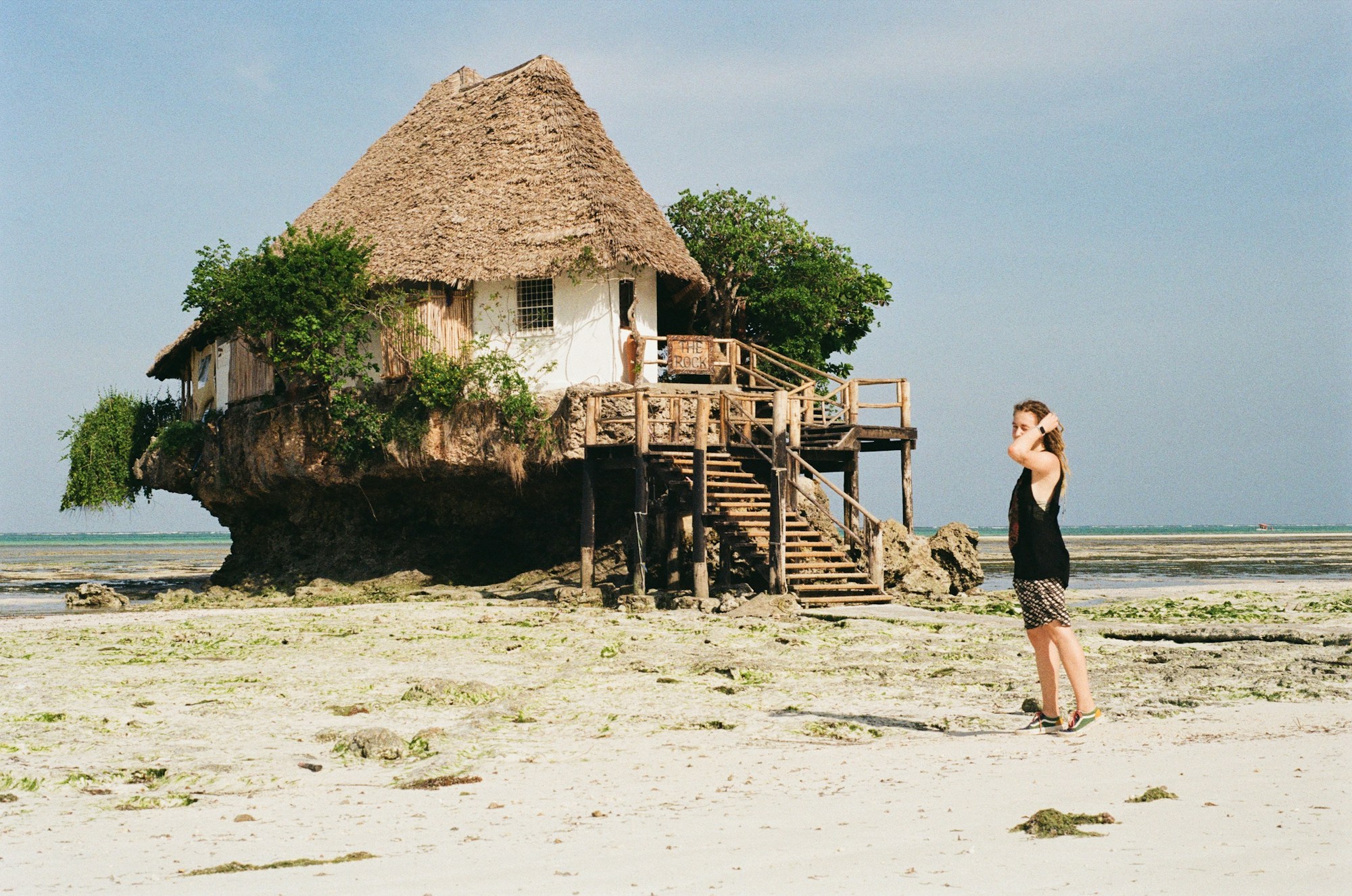
Dongwe Beach, southeast coast
Tucked between Paje and Bwejuu, Dongwe Beach remains under the radar despite its exceptional beauty. With its powdery white sand and azure waters, it creates the perfect setting to unwind far from the crowds, according to the EasyTravel guide.
This is where you will find the famous The Rock Restaurant, perched on a rocky outcrop in the sea. At low tide, you can walk to it on foot; at high tide, the restaurant is surrounded by water, creating a magical atmosphere, as reported by Our Planet in My Lens.
Highlights
- The Rock Restaurant: Zanzibar’s most iconic dining spot
- Secluded and uncrowded beach
- Luxury resorts with private villas and pools
5. Kizimkazi: swimming with dolphins
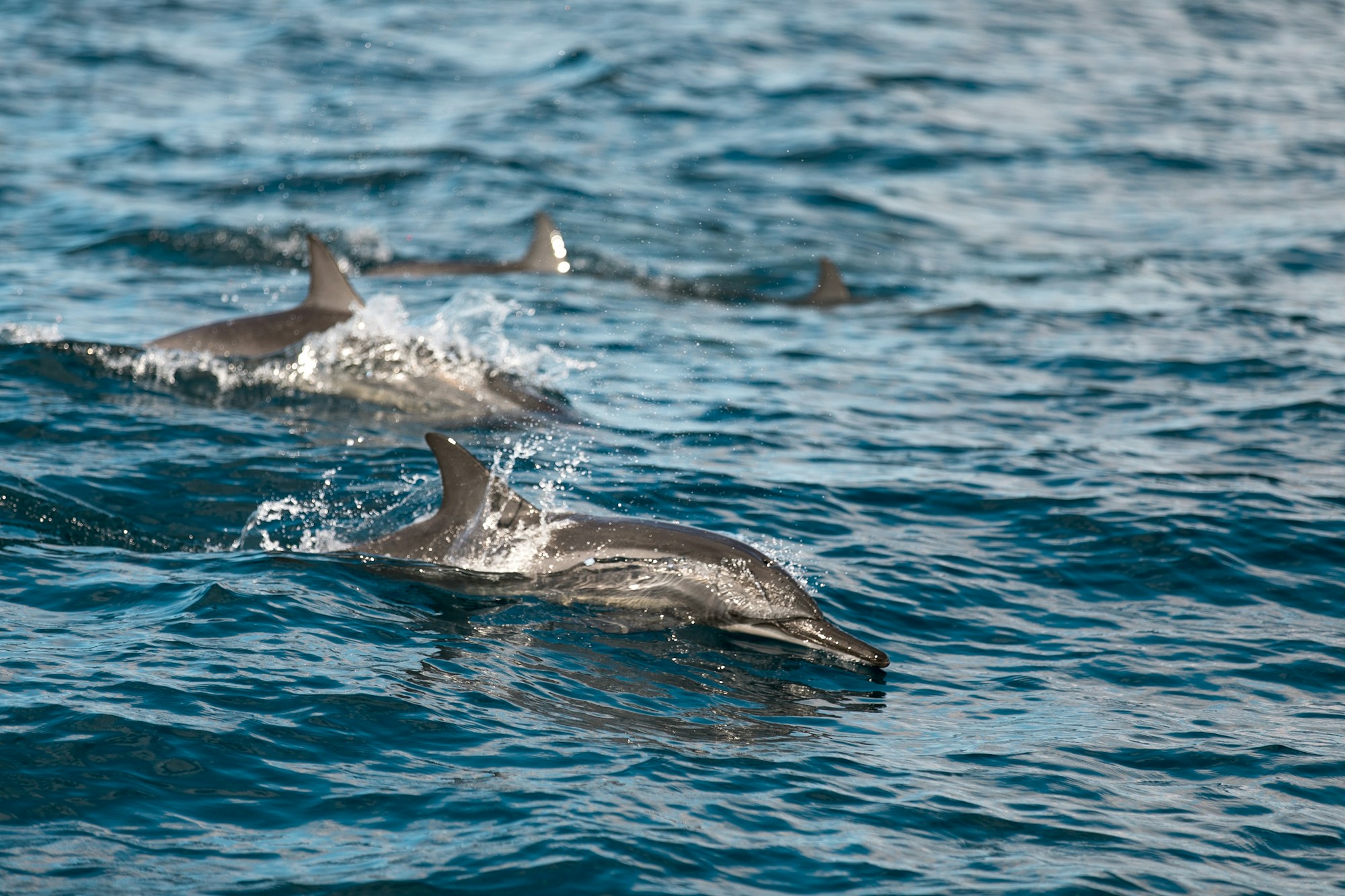
Kizimkazi, south coast
The shallow waters off Zanzibar’s southern cape are a hotspot for bottlenose and humpback dolphins. Bottlenose dolphins can be found here year-round, while humpback dolphins follow a more variable schedule, according to Expedia. The ideal time is early morning, when most dolphins stay near the surface thanks to the cool conditions, according to Zanzibar Nature Trails.
You can also visit the Kizimkazi Mosque, one of the oldest Islamic buildings on the East African coast. According to a preserved Kufic inscription, it was built in 1107 by settlers from Shiraz, as mentioned by TripsPoint.
Highlights
- Swim with wild dolphins in their natural habitat
- 12th-century medieval mosque
- Authentic fishing village with a morning fish auction
6. Jozani Forest: the endemic red monkeys
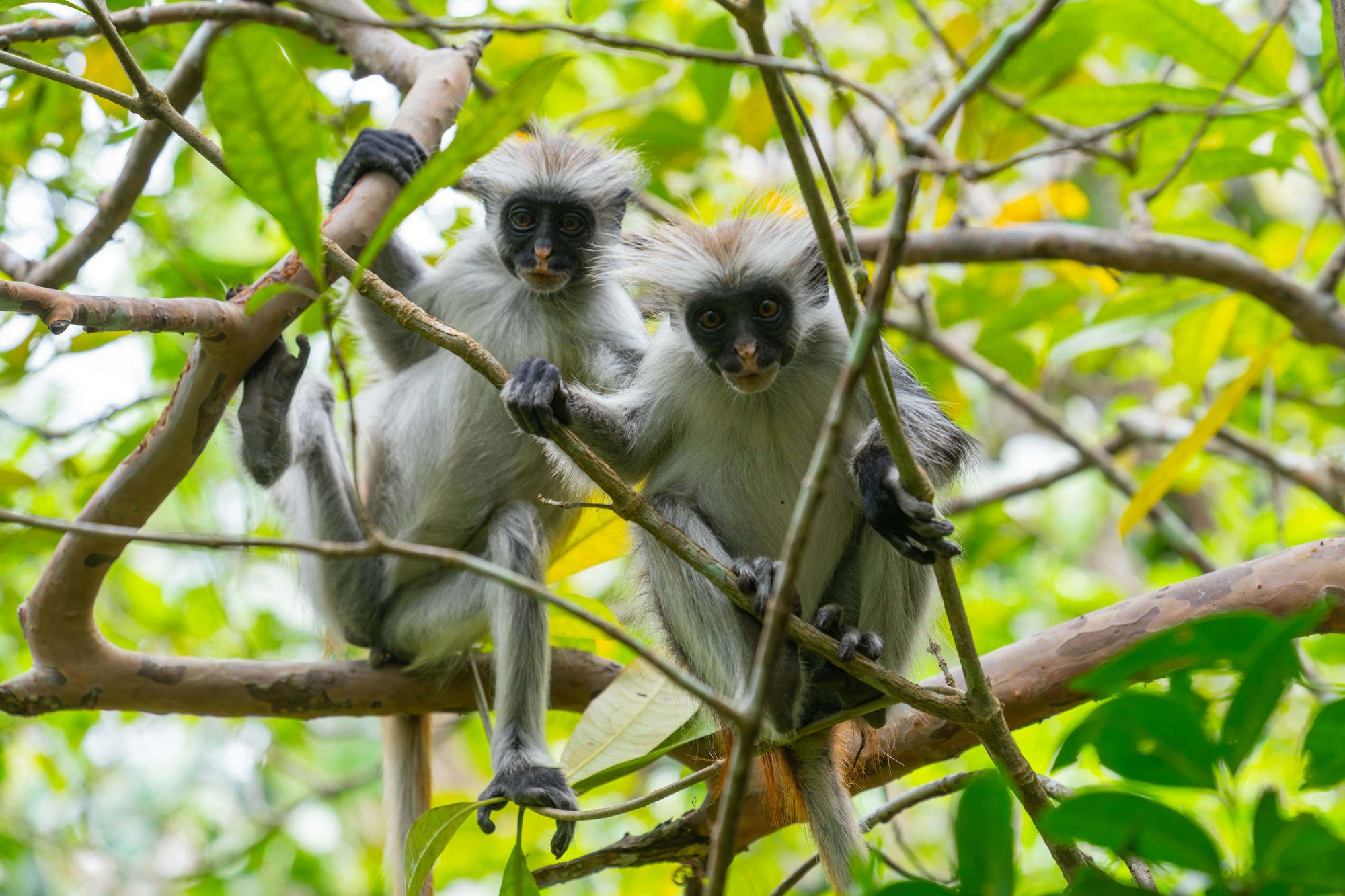
Jozani Chwaka Bay National Park
Located in the heart of the island, Jozani Chwaka Bay National Park is home to the rare Zanzibar red colobus monkeys (Piliocolobus kirkii), found nowhere else on Earth, according to Dhow Inn. This endemic species is critically endangered.
Jozani also harbors a vast area of mangroves — a unique coastal ecosystem. Guided walks along wooden boardwalks let you observe this environment up close without disturbing it, as described by Our Planet in My Lens. Few visitors venture onto the lesser-known trails deep in the forest, an off-the-beaten-path experience in one of Zanzibar’s oldest woodlands, according to Future African Safari.
Highlights
- Spot the red colobus — a species found nowhere else
- Wooden boardwalks through the mangroves
- Budget-friendly entry ($10–12)
7. The Spice Island: plantations and Swahili cuisine
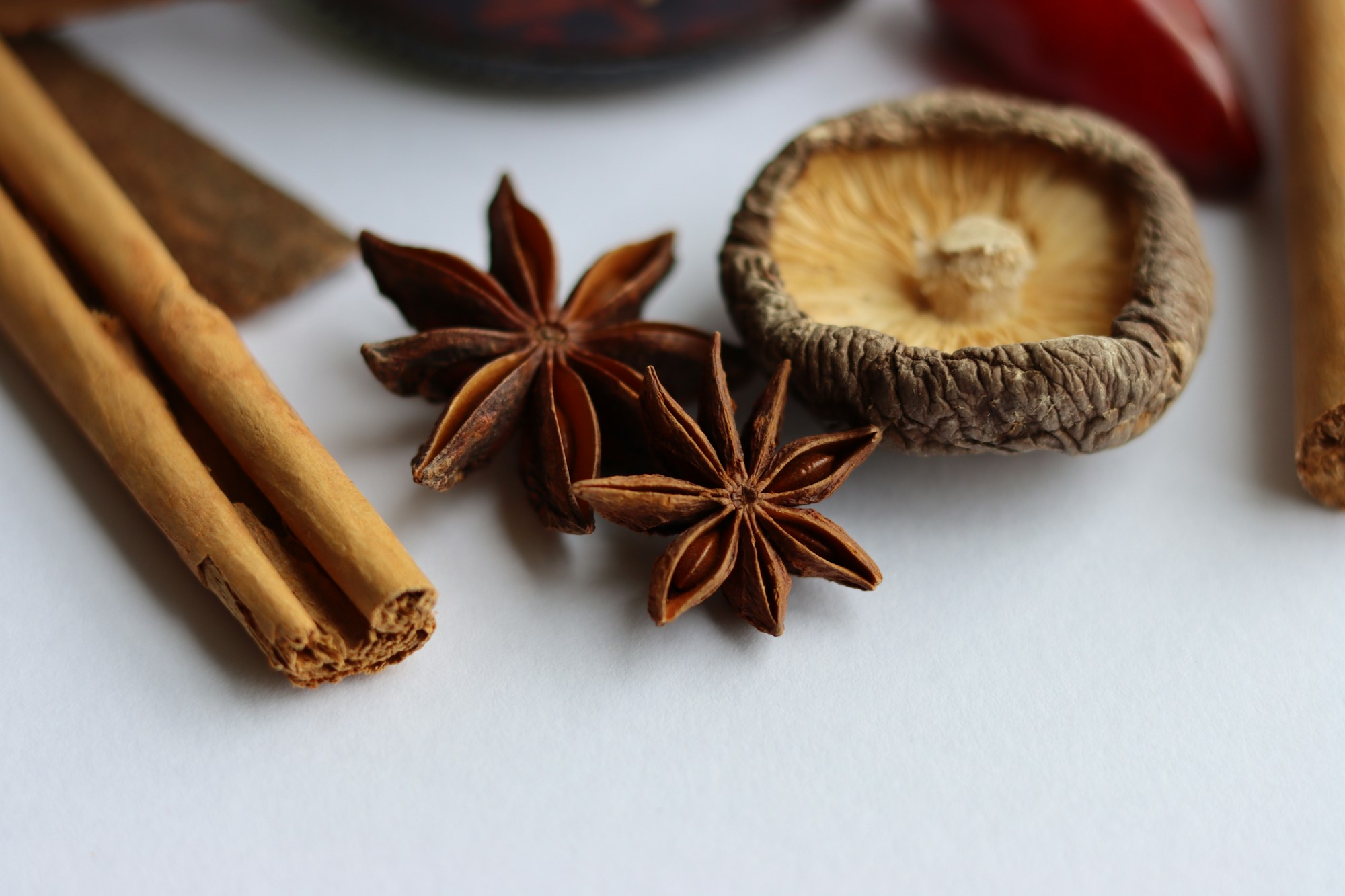
Kizimbani & Kidichi Plantations
Zanzibar is nicknamed « the Spice Island » and for good reason: its fertile soil produces cloves, cinnamon, cardamom, nutmeg, vanilla, pepper, and more. A plantation tour lets you discover how these treasures are grown, their medicinal, culinary, and cosmetic uses, and gives you a chance to meet the locals, as reported by Passion Monde.
At Kizimbani, guided tours let you see, smell, and taste spices freshly pulled from the earth, according to Dhow Inn. Expect to pay around $25 per person for a Swahili cooking class with a local family, according to Advised Traveler. The best time to witness the clove harvest is from July to December, according to Pongwe.
Highlights
- See, smell, and taste spices straight from the source
- Swahili cooking class with a local family
- Zanzibar vanilla: rare and nearly impossible to find in the West
8. Forodhani Night Market: Stone Town’s street food scene
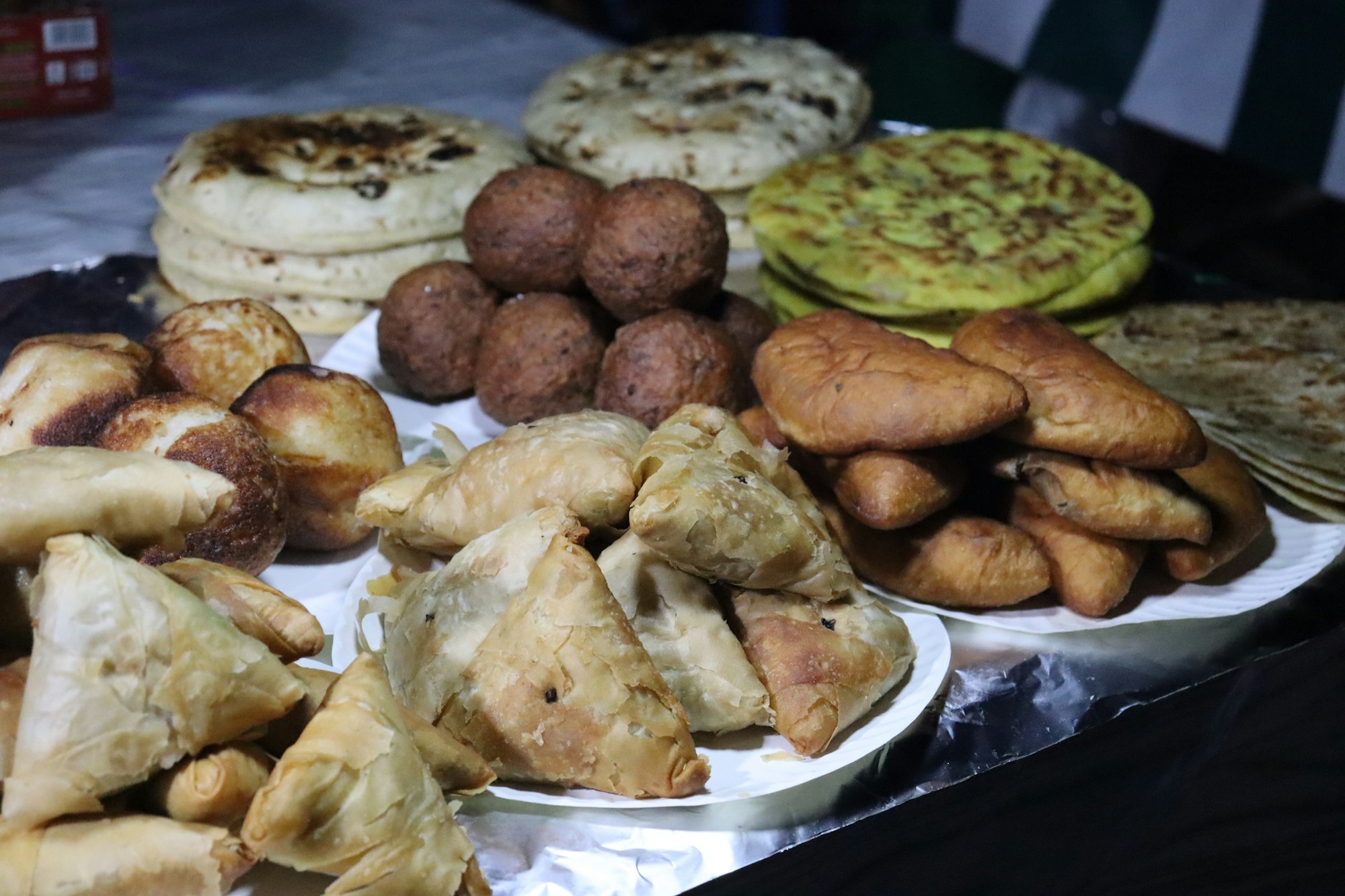
Forodhani Gardens, Stone Town
Every evening at sunset, Forodhani Park transforms into an open-air food market, as described by Afar. Zanzibari cuisine is remarkably diverse: Zanzibar pizza (a stuffed crepe filled with seafood and spices), falafel, sugarcane juice, giant samosas, coconut bread, seafood skewers, and chocolate-drizzled crepes, according to Atlas Obscura.
This night market is the truest reflection of Zanzibar’s wonderful cultural melting pot. The island was a major trading hub at the crossroads of the spice trade. Arab, Persian, Indonesian, Malaysian, Indian, and Chinese merchants all left a lasting mark on Swahili cuisine.
Highlights
- A full street food meal for $5 to $15
- Zanzibar pizza, urojo, and biriyani with local spices
- A one-of-a-kind atmosphere under the stars
9. Pemba Island: the secret diving paradise
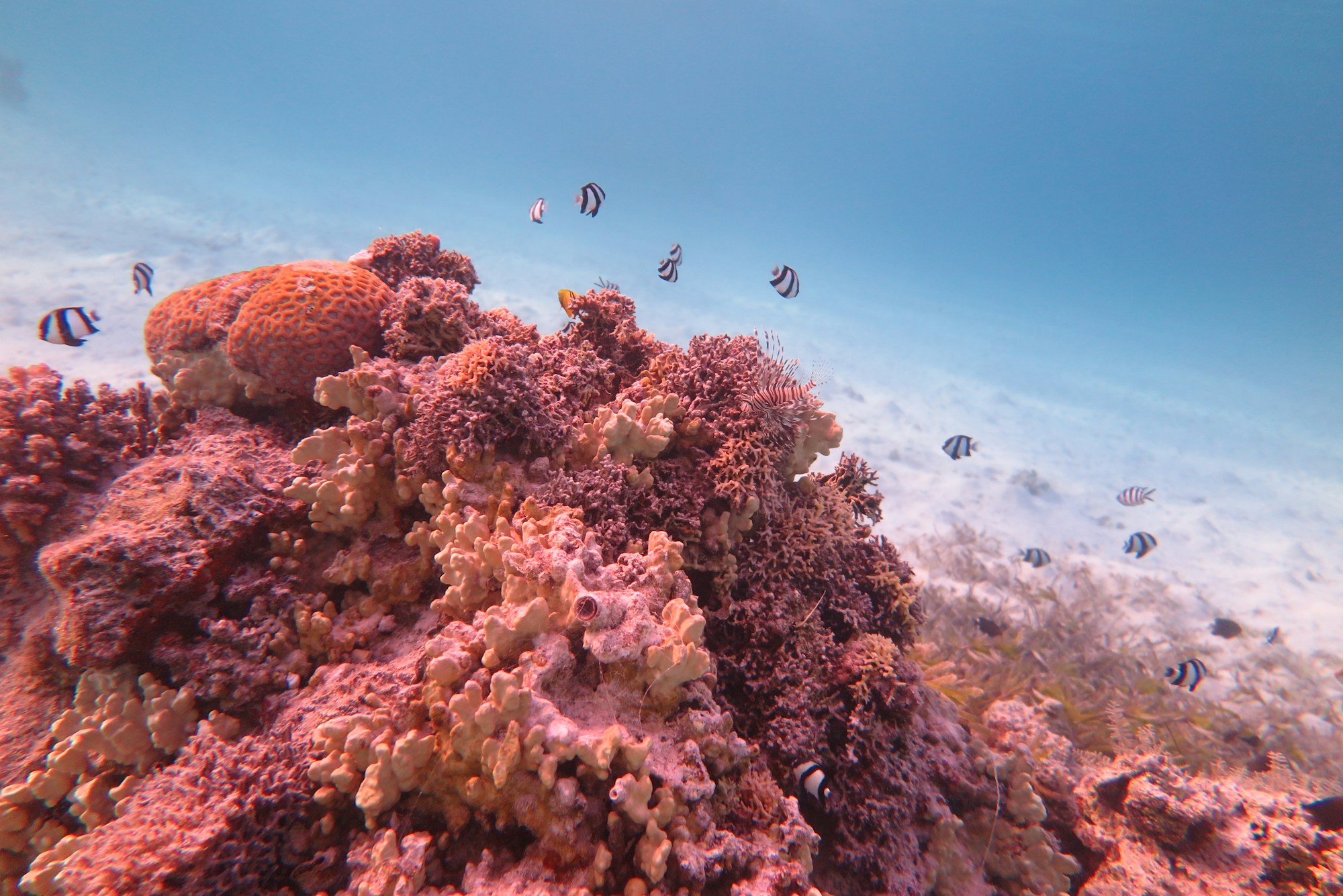
Pemba Island, 80 km north of Unguja
Pemba is Zanzibar’s much quieter sibling. With active conservation programs since 2006, exceptionally clear waters, and thriving corals, Pemba Island is one of the best dive spots in East Africa, according to SeaCrush. Diving in Pemba is truly extraordinary — it boasts the most spectacularly healthy reefs in Africa, according to OrientAfrica Travel.
Off the west coast, the Pemba Channel brings nutrient-rich currents that attract whale sharks and manta rays between October and April, according to SeaCrush. Dive & Stay packages start at $323 per person, including accommodation and breakfast, according to DAN Southern Africa.
Highlights
- The healthiest coral reefs in Africa
- Whale sharks and manta rays (Oct–Apr)
- Underwater room at The Manta Resort
- Far fewer tourists compared to Unguja
10. Chumbe Island & Nakupenda Sandbank: marine treasures
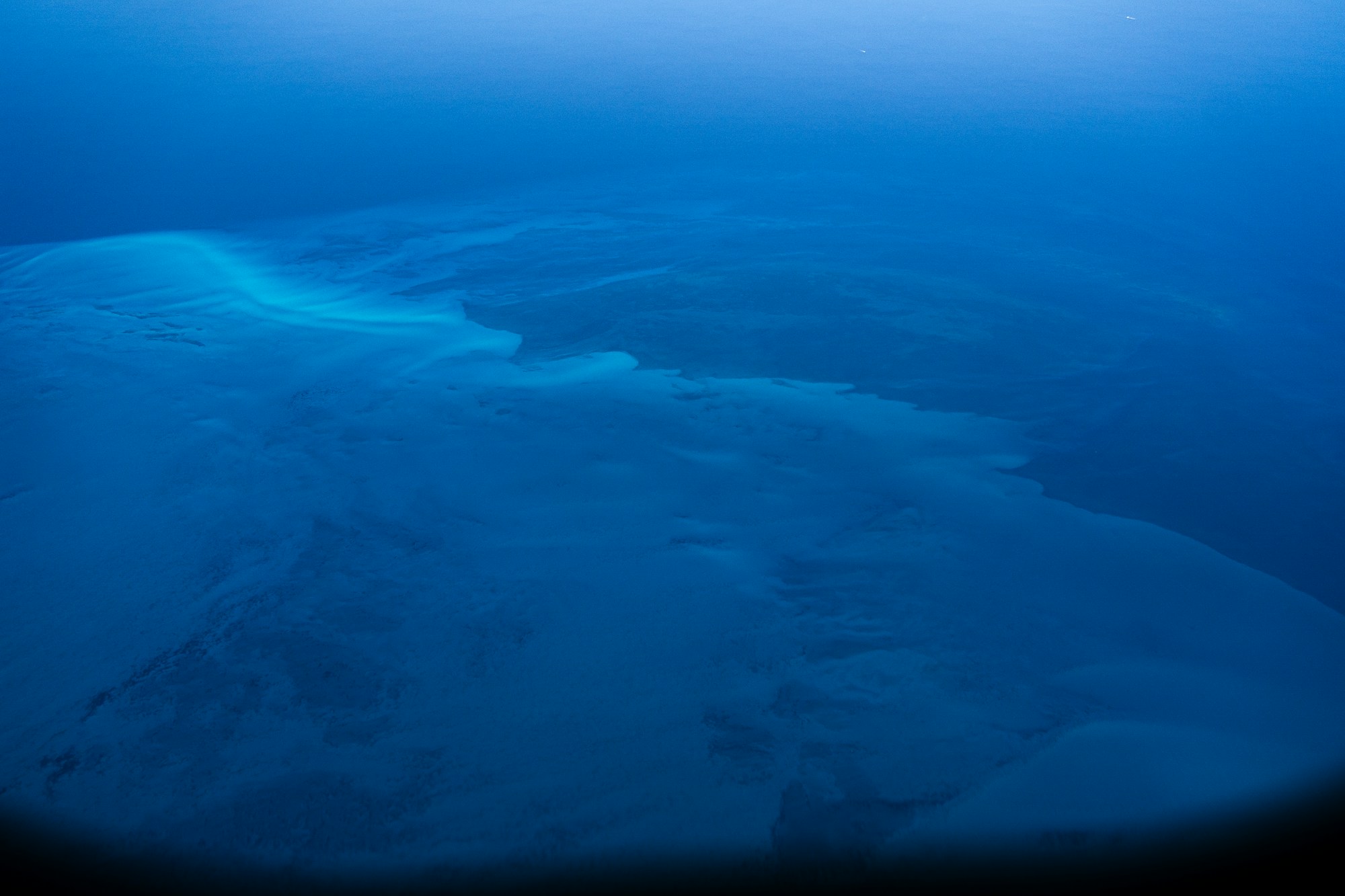
Chumbe Island & Nakupenda Sandbank
Chumbe Island is a protected marine sanctuary that sets the global benchmark for sustainable tourism. Visitors can snorkel through pristine coral gardens, sleep in solar-powered eco-bungalows, and explore a lush forest reserve, according to Dhow Inn. The area is home to over 350 fish species and 40 coral species.
Nakupenda Sandbank (« I love you » in Swahili) is an ephemeral island that vanishes entirely at high tide. Between swims, the crew prepares a freshly grilled seafood lunch right on the sandbank. The pace of the day is deliberately slow, leaving plenty of time to soak in the paradise scenery, as described by Zanzibar Sur Mesure.
Highlights
- Chumbe: 350 fish species, solar-powered eco-lodge
- Nakupenda: a vanishing island in the Indian Ocean
- Exceptional snorkeling in protected waters
Zanzibar 2026 Budget: how much should you plan for?
Zanzibar caters to every type of traveler, whether you have $38 a day for a budget trip or $320 for a luxury experience, according to Le Mag Voyage.
| Profile | Accommodation | Budget/day | One week (excl. flights) |
|---|---|---|---|
| Backpacker | Village guesthouse | $38–60 | $270–420 |
| Mid-range | 3-star beachfront hotel | $80–150 | $560–1,050 |
| Luxury | 4–5-star resort | $200–500 | $1,400–3,500 |
The average cost of a one-week vacation in Zanzibar is around $735 per person, excluding flights, according to Tourlane. For flights from Europe or the US, expect an average of $700 in low season and up to $1,200 during peak holiday periods. By booking early, fares starting from $550 are possible with airlines like Turkish Airlines, according to Cheri fais tes valises.
When is the best time to visit Zanzibar?
The best time to visit Zanzibar is during the dry seasons, from December to February and from June to October. The shoulder seasons, however, have their own advantages: fewer tourists and lower prices, according to Swahili Gecko.
| Season | Weather | Best for | Budget |
|---|---|---|---|
| Dec–Feb | Hot, sunny | Beach, snorkeling | High season |
| Mar–May | Heavy rains | Lower prices (-30%) | Low season |
| Jun–Oct | Dry, cool | Kitesurfing, diving, safari | High season |
| Nov | Short rains | Fewer crowds | Shoulder season |
Frequently asked questions about Zanzibar 2026
Do I need a visa to visit Zanzibar in 2026?
Yes, a visa is required for Tanzania. It can be obtained online (e-visa at eservices.immigration.go.tz) or on arrival at the airport. The visa costs $50 USD and can be paid by credit card at arrivals in Dar es Salaam and Zanzibar, according to Endallah.
How do I get to Zanzibar?
There are no direct flights from Europe or North America to Zanzibar, according to Le Mag Voyage. Connecting flights are available via Istanbul (Turkish Airlines), Nairobi, Dar es Salaam, Johannesburg, Dubai, or Doha, according to EasyTravel. Expect to pay $700–1,200 round-trip depending on the season.
What language is spoken in Zanzibar?
Swahili is the main language of Zanzibar, as in mainland Tanzania, according to Le Routard. English is widely understood in tourist areas. A few useful words: Asante (thank you), Karibu (welcome), Pole-Pole (slowly — the local pace of life).
What are the must-try dishes in Zanzibar?
Do not miss pweza wa nazi (octopus in coconut milk) and urojo (spiced soup), according to Advised Traveler. Zanzibar pizza is a stuffed crepe filled with seafood and local spices. The biriyani is exceptional: the rice is infused with cloves, cinnamon, and cardamom, according to TourRadar.
What cultural customs should I respect in Zanzibar?
Embrace the local pace (Pole-Pole = take it slow). Zanzibar has a predominantly Muslim population: cover your shoulders and knees whenever you leave the beach, especially in Stone Town, according to Le Routard. Women should avoid shorts and bare shoulders outside tourist resorts, according to ScubaTravel.
Can I combine Zanzibar with a Tanzania safari?
Absolutely. Zanzibar is an ideal destination after a mainland Tanzania safari, the perfect way to end a trip with relaxation, contemplation, and discovery, according to Passion Monde. Saadani National Park, located along the Indian Ocean coast, is the only park in Tanzania where you can see zebras or elephants on the beach, according to Zanzibar Sur Mesure.
Is Zanzibar suitable for families?
Yes. The northern beaches offer warm, shallow waters that are ideal for children, according to Partirou. Prison Island with its giant Aldabra tortoises is a hit with younger travelers. Both beginners and experienced riders will find suitable kitesurfing schools on the east coast.
How can I travel responsibly in Zanzibar?
Avoid non-biodegradable sunscreen before swimming, do not collect corals or shells, and follow local guidelines on beaches and in forests, according to Partirou. Avoid mass dolphin excursions and choose certified operators that respect wildlife. Opt for eco-friendly accommodations like Chumbe Island.
Sources
- Le Routard — Zanzibar Guide — Comprehensive travel guide
- Atalante — Zanzibar Must-Sees — Destination guide
- Passion Monde — Zanzibar, the Island of Fragrances — Travel story
- Partirou — Visit Zanzibar 2026 — Complete practical guide
- Tourlane — Zanzibar Travel Budget — Budget estimates
- Cheri fais tes valises — Zanzibar Budget — Detailed budget breakdown
- Future African Safari — Hidden Gems of Zanzibar — Secrets and hidden spots
- Dhow Inn — 7 Off-the-Beaten-Path Experiences — Authentic experiences
- EasyTravel — Dongwe Beach Guide 2025/2026 — Destination guide
- Our Planet in My Lens — Best Things to Do in Zanzibar — Activities
- Atlas Obscura — Zanzibar’s Night Market — Forodhani Gardens
- Afar — Night Market at Forodhani Gardens — Gastronomy
- SeaCrush — Diving Tanzania — Pemba diving
- OrientAfrica Travel — Pemba Island Diving — Diving tours
- DAN Southern Africa — Diving in Pemba Island — Diving guide
- Zanzibar Sur Mesure — Travel packages
- Swahili Gecko — Secrets for Perfect Holidays — Practical tips
- Le Mag Voyage — Zanzibar Budget — 2025-2026 estimates
- Pongwe — Darajani Market — Market guide
- Pongwe — Zanzibar Festivals Guide — Festival calendar
Research conducted on February 24, 2026
Ready to plan your trip to Zanzibar?
Explore our complete travel itineraries for Tanzania and Zanzibar. Organize every step of your trip, from paradise beaches to spice plantations and diving in Pemba.
Explore all itineraries