
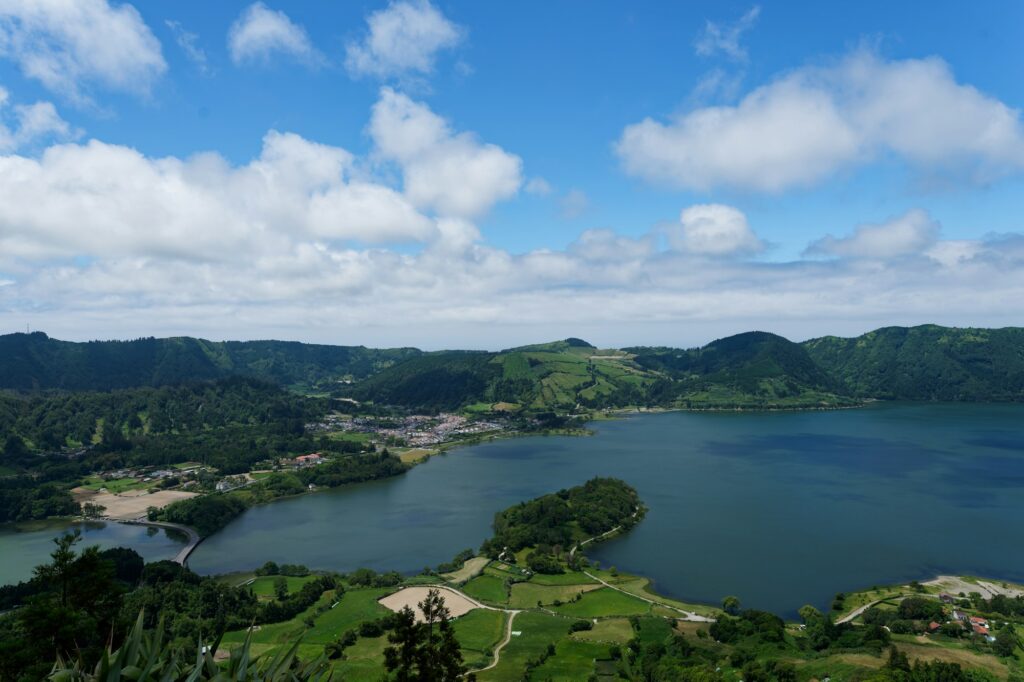
Azores or Madeira: two Portuguese islands, two radically different travel philosophies. On one side, an archipelago of 9 volcanoes lost in the mid-Atlantic, a world sanctuary for cetaceans and a kingdom of raw nature; on the other, an island of suspended subtropical gardens, levada trails winding between cliffs and waterfalls, and an unmatched mild climate. In 2026, both destinations are experiencing growing popularity, but they do not appeal to the same traveler profile. According to Secrets du Monde, while Madeira is sunny, smooth, and accessible, the Azores are secretive and wild. This comparison will help you choose — or plan both.
Which archipelago matches your profile?
- Nature & Hiking: Azores for volcanoes and calderas, Madeira for levadas accessible to all
- Whale watching: Azores without question — 25+ species, 95% probability in April–June
- Families: Madeira recommended first — stable climate, easy trails, complete infrastructure
- Couples: Azores for romantic adventure, Madeira for gentleness and gardens
- Budget travel: Azores slightly cheaper, especially in low season (rooms from €30–50/night in winter)
- Sandy beaches: Porto Santo (Madeira) or Santa Maria (Azores) — both hold some beautiful surprises
- Winter travel: Madeira clearly superior — 20 °C year-round, the Azores can be cold and rainy
1. Nature & Hiking — The Fundamental Comparison
The Azores — Volcanic Nature in Its Purest Form
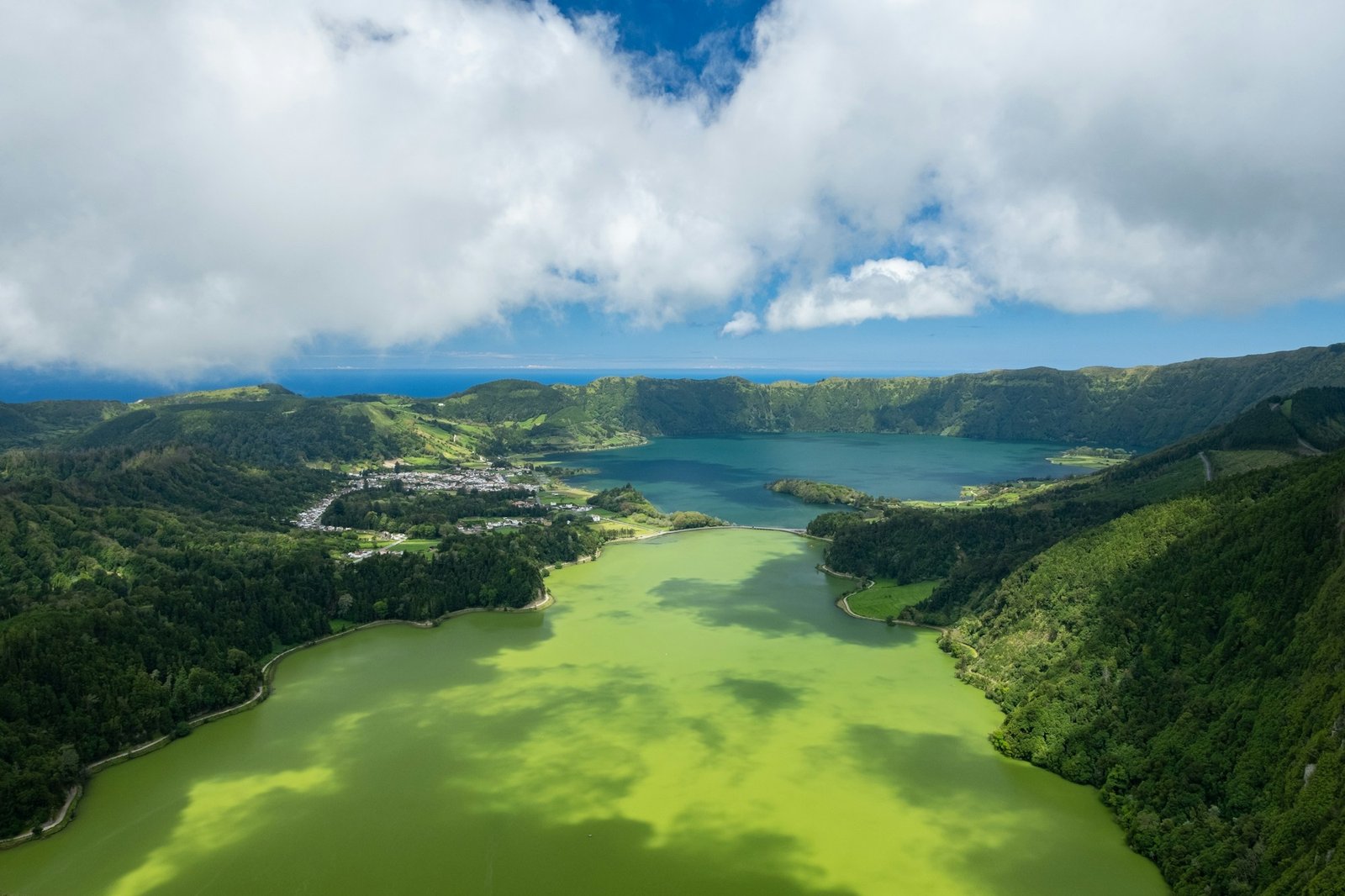
The Azores archipelago is sculpted by volcanic whims: calderas with emerald lakes, solidified lava flows (the fajãs), thermal springs, and cryptomeria forests. On São Miguel, the most accessible of the 9 islands, hikes around Lagoa do Fogo and Sete Cidades rank among the most beautiful panoramas in Europe. According to Secrets du Monde, the hike from Fajã Grande (Flores island) is a total immersion into a natural paradise, with its spectacular cliffs, waterfalls, and views over the Atlantic.
For demanding hikers, the ascent of Pico (2,351 m, Portugal’s highest peak) is the ultimate goal. As for São Jorge, its fajãs — coastal plains formed by solidified lava flows — create micro-ecosystems accessible only on foot, guaranteeing absolute solitude. According to Terra Lusitania, the hike from Fajã de Santo Cristo to Fajã do Cubres is the ultimate end-of-the-world experience.
Hiking highlights in the Azores
- Sete Cidades (São Miguel) — twin emerald lakes in a volcanic crater, 360° panoramas
- Ascent of Pico — the roof of Portugal, an active volcano (last eruption 1720), guaranteed thrills
- Flores & Corvo — Poço do Bacalhau waterfalls, Caldeirão crater, wild hydrangeas in summer
- Furnas (São Miguel) — natural thermal baths, Terra Nostra botanical gardens (entry + baths ~$20)
- Fajãs de São Jorge — secret trails between sky and ocean, accessible on foot only
Madeira — The Levadas: 1,500 km of Trails for Everyone
Madeira has a trail network unique in the world: the levadas, 15th-century irrigation canals transformed into low-gradient hiking paths. These historic irrigation channels run along the mountain slopes, offering hundreds of kilometers of routes accessible to both families and experienced hikers alike. According to Voyage Passions, a headlamp is essential: some tunnels are several hundred meters long.
The finest trails: the Levada dos 25 Fontes (9 km round trip, a cascade of 25 springs, ideal for beginners); the Levada do Caldeirão Verde (mysterious forest with a fairytale atmosphere); the Pico Arieiro–Pico Ruivo hike (summits at 1,818 m with panoramic views above the clouds). According to madere.info, Madeira appeals to both families and seasoned walkers.
Hiking highlights in Madeira
- Levada dos 25 Fontes — low gradient, lush forest, perfect for all levels
- Pico Arieiro – Pico Ruivo — hiking above the clouds, unparalleled views (1,818 m)
- Vereda do Fanal — centuries-old laurels in the mist, a mystical atmosphere (10 km)
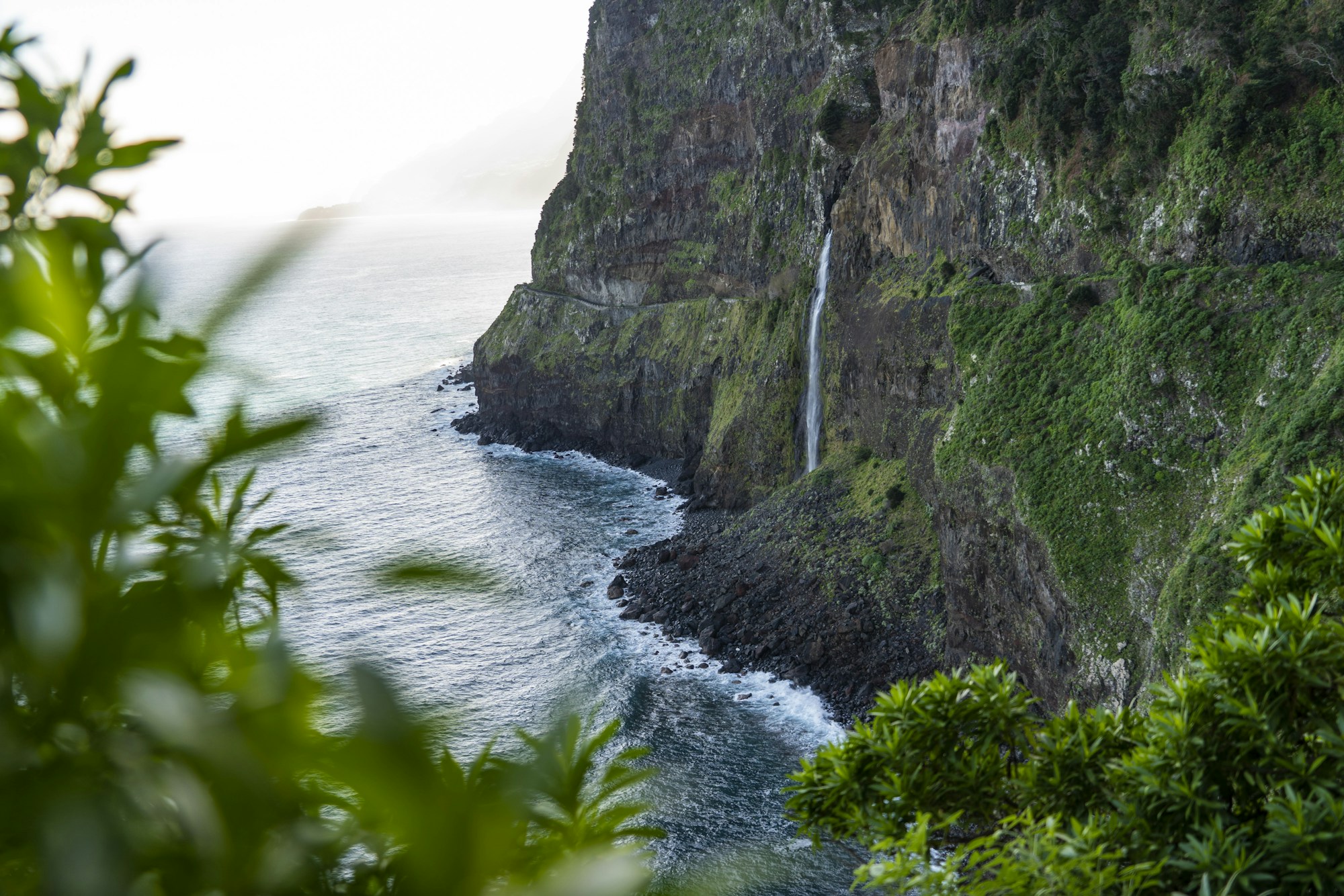
- Véu da Noiva (northern Madeira) — waterfall plunging directly into the ocean from a cliff
- Porto Moniz — natural lava pools accessible on foot from the coastal trails
2. Whale Watching — The Azores’ Major Advantage
The Azores — The World’s Whale Sanctuary
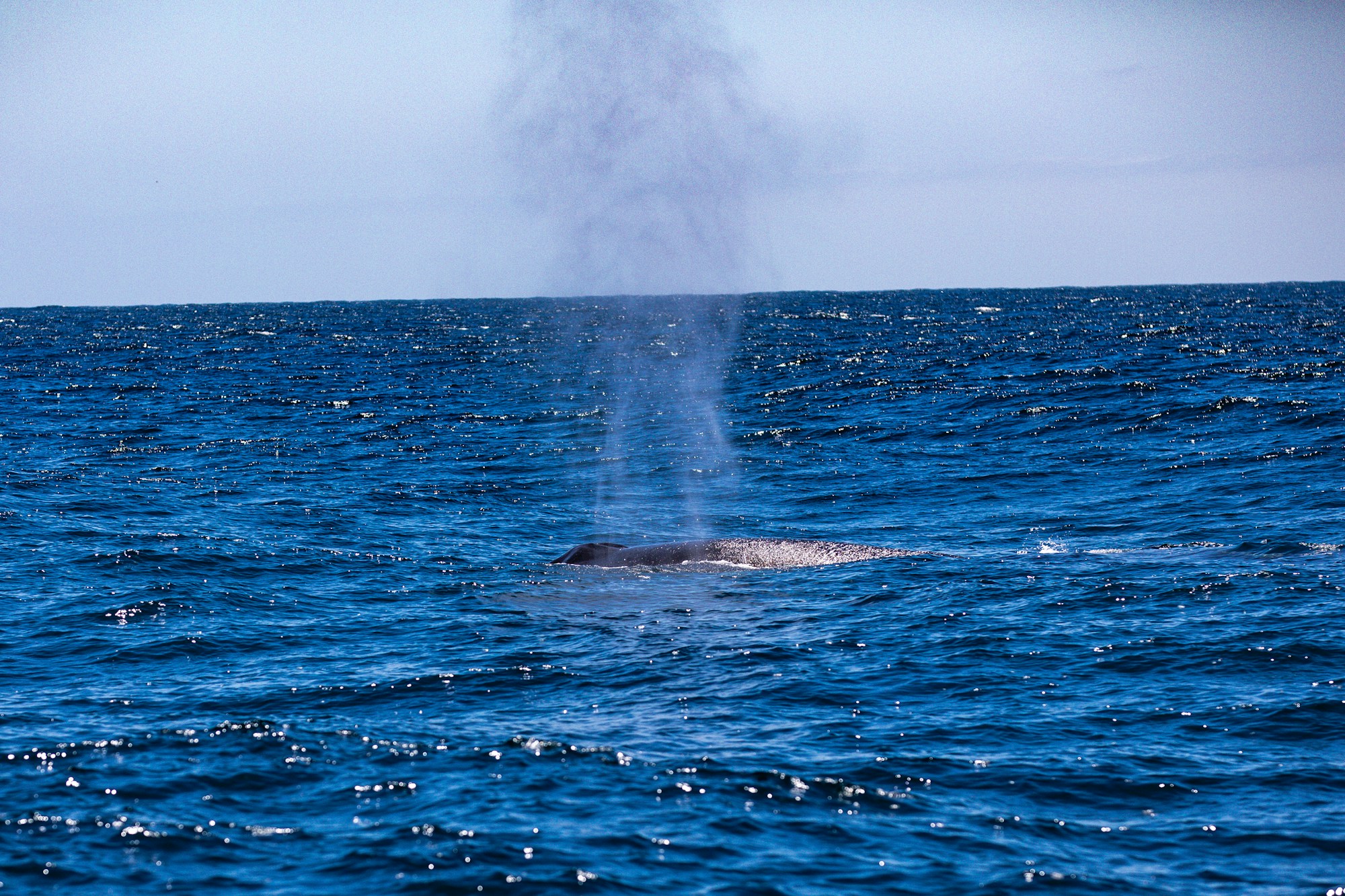
The Azores are currently one of the world’s premier cetacean watching sites, with more than 25 reported species and one of the few places where sperm whales can be observed regularly throughout the year. According to the IWC Whale Watching Handbook, their strategic geographic position between Europe and America attracts both resident species (sperm whales) and migratory ones (blue whales, fin whales).
The best species by season: from March to June, fin whales, blue whales, and sei whales migrate through the archipelago; from June to August, it is the peak season for dolphins (common dolphin, bottlenose dolphin, Risso’s dolphin). According to Orques & Passion, the probability of spotting one or more cetaceans approaches 95% in April–June. Only 5 islands are authorized for excursions: São Miguel, Santa Maria, Terceira, Pico, and Faial.
Tips for whale watching
- Best island — Pico and Faial for sperm whales and dolphins, less crowded
- Responsible operators — choose those who work with marine biologists
- The vigias — historic lookout posts still used to spot spouts before guiding boats
- Swimming with dolphins — possible from June to August under supervised conditions
3. Families & Accessibility — Madeira Leads the Way
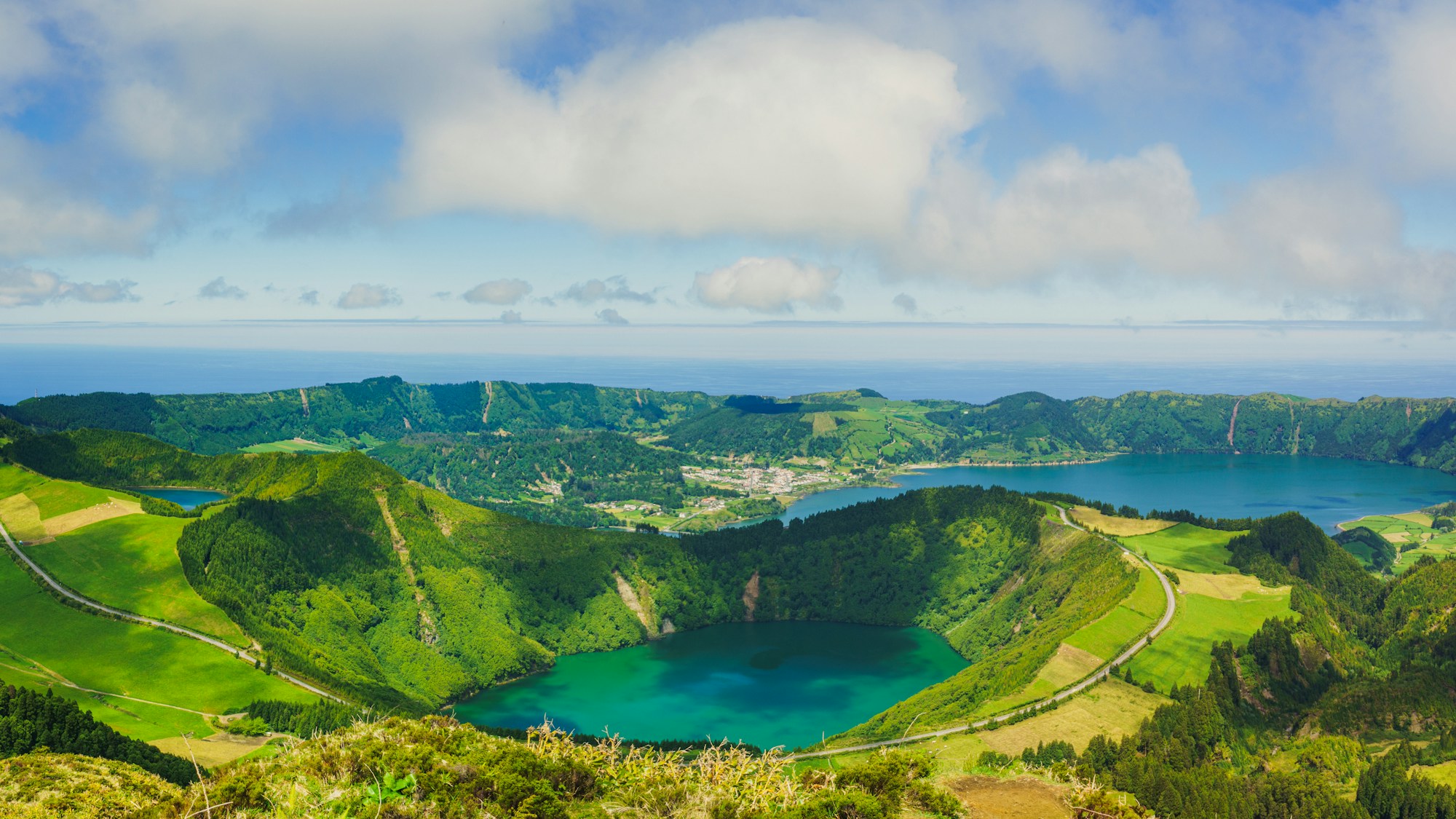
The Azores as a Family — São Miguel, the Most Accessible Island
For families with children, São Miguel offers a rare combination: extraordinary landscapes (Sete Cidades, Furnas) with activities suited to all ages. The thermal baths at Furnas (Terra Nostra, ~$20 including bath entry) are a moment of pure joy for children and parents alike. According to Handivoyage, 3 days on São Miguel are enough for a complete discovery.
However, the Azores have their limitations for families: unpredictable weather, less developed infrastructure, and the need to rent a car (~$70/day) to explore freely. For the secondary islands (Flores, São Jorge, Corvo), transfers by ferry or internal flight (~€80–150) add logistical complexity. According to Be Frenchie, the extreme oceanic climate makes the weather completely unpredictable, which can be frustrating for families with young children.
Family activities in the Azores
- Furnas thermal baths — natural baths heated by geothermal energy (Terra Nostra)
- Canoeing on Sete Cidades — paddling on the crater lakes (~$8/hour)
- Dolphin trip — zodiac excursion to watch dolphins (from age 7)
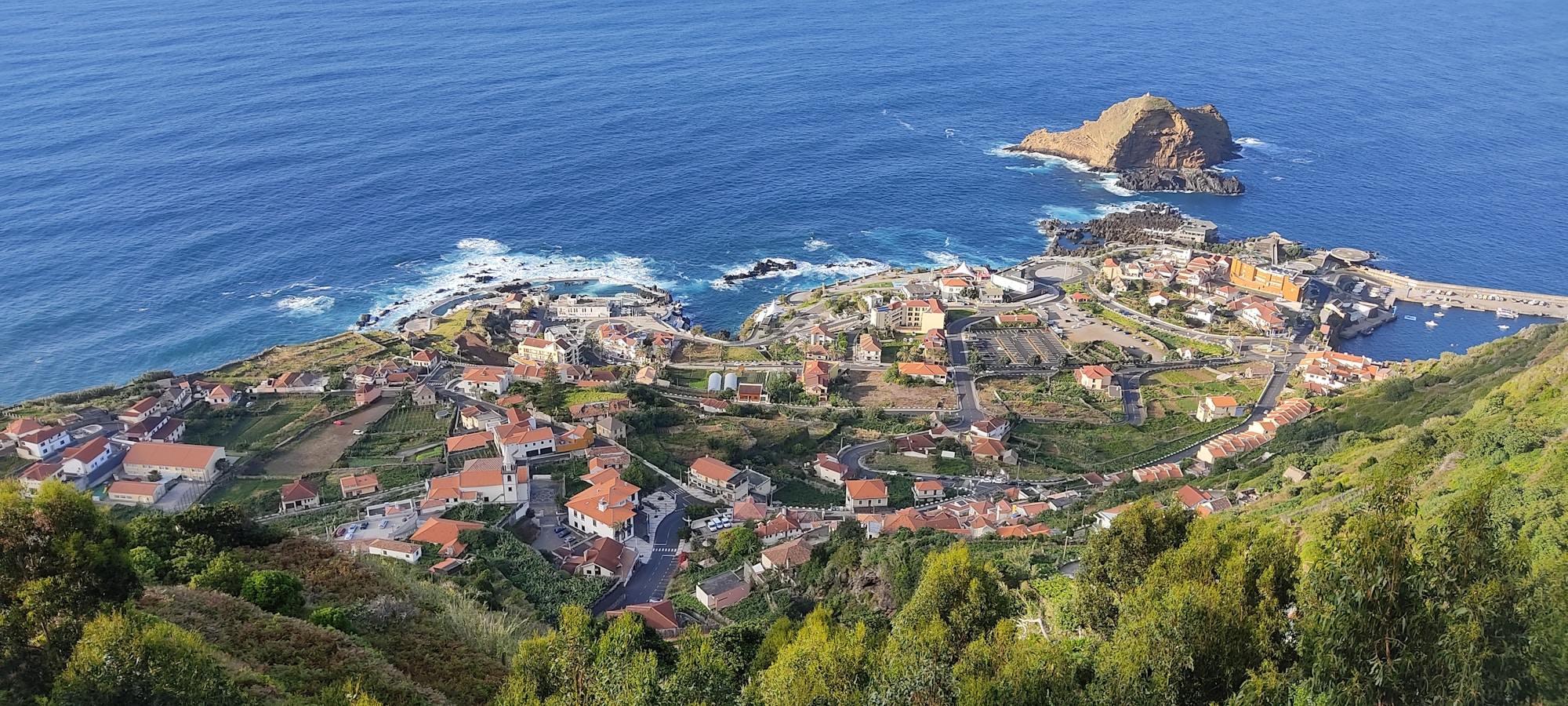
Madeira as a Family — Comfort, Safety, and 1,500 km of Trails
For families with children, Madeira is objectively the best-suited Portuguese island destination. The stable subtropical climate (17–27 °C year-round) means you are unlikely to have your week ruined by Atlantic caprices. The low-gradient levada network allows hikes suitable for children from age 5. According to madere.info, dozens of itineraries are rated « easy, » perfect for exploring without excessive effort.
Funchal, the lively capital, concentrates museums (Casa da Luz, Natural History Museum), covered markets, accessible restaurants, and the cable car to Monte (~$20) that children love. The natural pools of Porto Moniz, carved into volcanic rock at the edge of the Atlantic, are a must-see attraction for families. Access by car from Funchal is easy (1h30). According to Tourlane, with a budget of ~$90/day, a family can enjoy a very pleasant stay in a comfortable hotel.
Family activities in Madeira
- Natural pools of Porto Moniz — swimming in lava basins, crystal-clear Atlantic waters
- Monte cable car — ride up to the gardens, views over Funchal and the bay
- Levada dos 25 Fontes — family hike to a waterfall fed by 25 springs
- Mercado dos Lavradores — Funchal’s flower and exotic fruit market
4. Couples & Romance — Two Ways of Experiencing the World
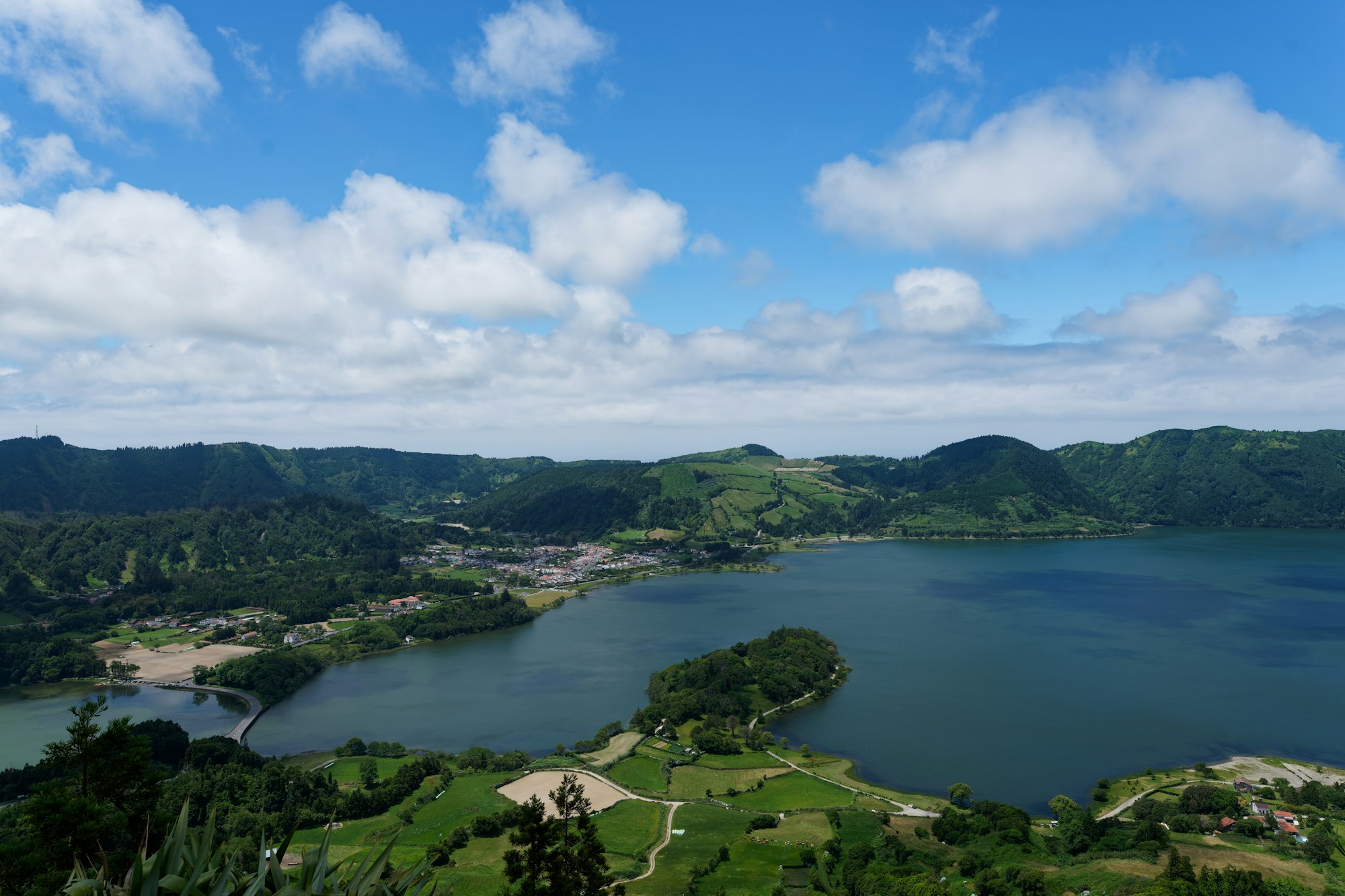
The Azores for Couples — Wild Romantic Adventure
For couples seeking thrills and extraordinary landscapes, the Azores offer an experience that few destinations in the world can rival. Imagine a sunrise at the edge of Lagoa do Fogo (Lake of Fire), alone before this high-altitude mirror surrounded by volcanic vapors. Or a night of stargazing from the island of Flores — thanks to near-total absence of light pollution, the Azores rank among Europe’s best astrotourism sites. According to Chéri Fais Tes Valises, humpback whales surface very close to the shores, offering unique opportunities to observe these giants.
A couple who loves hiking and adventure will appreciate exploring the islands beyond São Miguel: Flores for its secret waterfalls, São Jorge for its fajãs accessible only on foot, Graciosa for its red lava cliffs at sunset. Each island is a discovery in its own right, and the experience of exploring the archipelago together remains an indelible memory, according to Avantage Culture Loisirs.
Romantic experiences in the Azores
- Sunrise at Sete Cidades — the two emerald and turquoise lakes from the miradouro viewpoint
- Night thermal baths at Ponta da Ferraria — natural ocean baths (São Miguel), in the evening
- Stargazing — one of Europe’s least light-polluted skies on Flores or Corvo
- Private catamaran excursion — sunset cruise with dolphins riding the bow wave
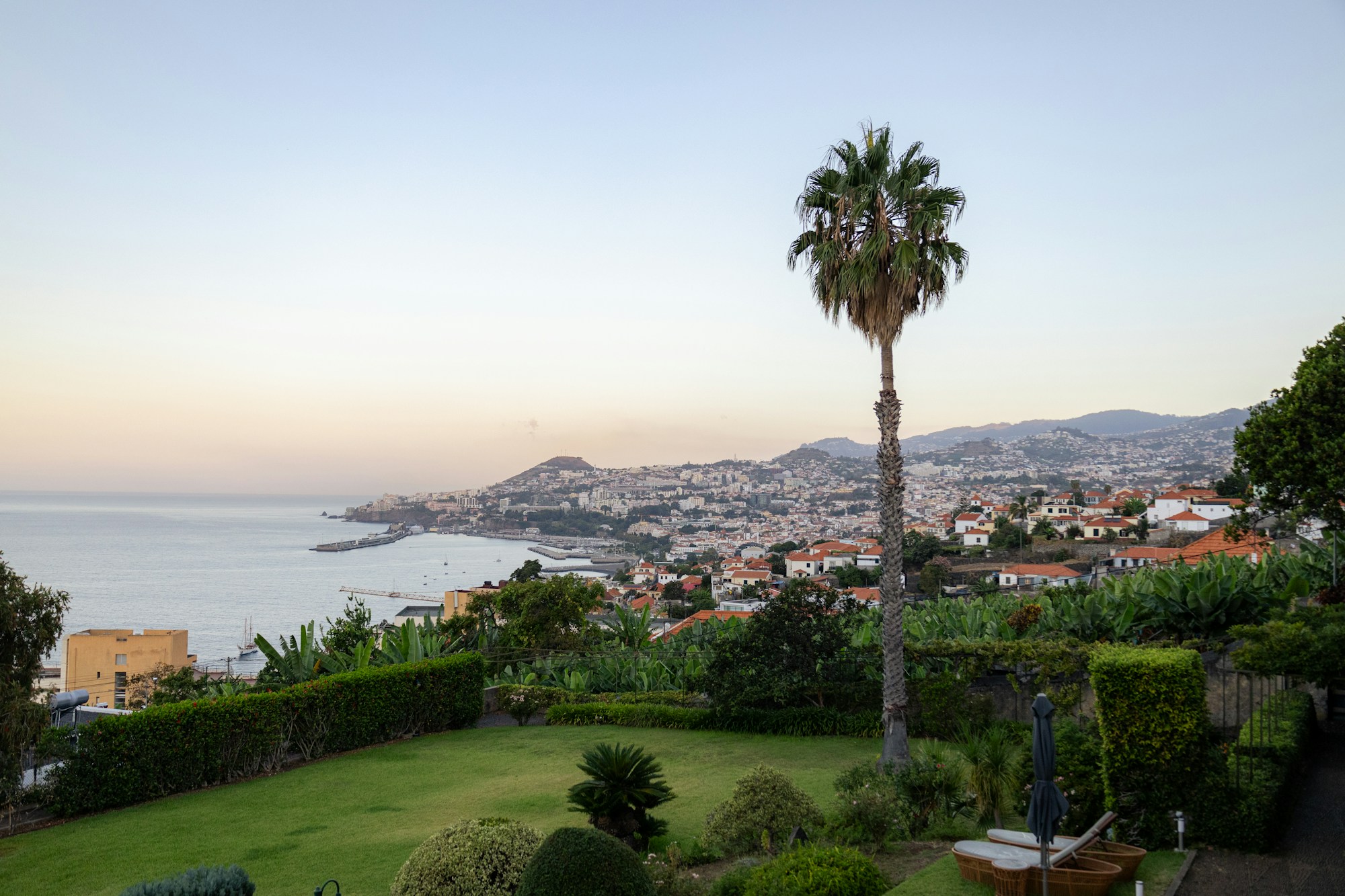
Madeira for Couples — Gentleness and Secret Gardens
For couples who prefer gentleness over adventure, Madeira perfectly combines romance and comfort. Funchal has restaurants with views over the bay, Madeira wines (vinha da madeira) to discover in historic cellars, and sunset strolls along the coastal promenade. According to Manawa, sunsets from the Cabo Girão Skywalk (Europe’s 2nd highest sea cliff, ~590 m) are a timeless classic for couples’ stays.
The botanical gardens of Funchal (Jardim Botânico Municipal) offer a romantic walk among thousands of exotic species. The quintas (quinta manor houses) offer intimate accommodation in manor homes surrounded by gardens. The village of Câmara de Lobos, a favorite of Winston Churchill for his painting, is one of Europe’s most beautiful fishing villages. According to Voyageurs du Monde, Madeira evokes comfort, refinement, and relaxation above all.
Romantic experiences in Madeira
- Cabo Girão Skywalk — sunset from Europe’s 2nd highest sea cliff
- Câmara de Lobos — fishing village painted by Churchill, sunset on a terrace
- Levada do Caldeirão Verde — a mystical hike through a misty forest, just the two of you
- Madeira wine tasting — in a century-old cellar in Funchal, amber wines and their secrets
5. Budget & Accessibility — 2026 Price Comparison
Cost Comparison: Azores vs Madeira in 2026
According to Expatistan, Ponta Delgada (Azores) is 4% cheaper than Funchal (Madeira) in terms of overall cost of living. Both destinations are approximately 23% cheaper than France. But accessibility differs significantly: Madeira benefits from numerous direct flights from Paris, Lyon, Marseille, Bordeaux, and other European cities, whereas the Azores often require a connection through Lisbon.
| Criterion | Azores | Madeira |
|---|---|---|
| 2–3 star hotel (per night) | ~$75 | ~€70–100 |
| 4 star hotel (per night) | ~$110 | ~€140–200 |
| Low season (winter) | €30–50/night | €50–80/night |
| Meal (local restaurant) | ~€20/2 people | ~€8/person |
| Car rental per day | ~$70 | ~€40–70 |
| Typical activity (whale, levada) | $20–50 | €3/trail + taxi |
| Daily budget (comfortable) | ~€75–130 | ~€90–140 |
| Full week (excluding flights) | ~€800–1,200 | ~€1,000–1,430 |
| Direct flights from France | Rare (via Lisbon) | ✅ Numerous |
According to Lotus Eaters Travel, travelers on a tight budget should lean toward the Azores, especially in low season: when visiting in December, comfortable rooms were available for €30–50 per night. For Madeira, a week costs on average $1,430 per person (excluding flights), approximately $205/day for a 4-star experience according to Tourlane.
Tips for saving money
- Travel in May–June or Sept.–Oct. — avoid the July–August peaks and May bank holidays
- Bundle services — car + accommodation + activities as a package for discounts
- Local taverns — avoid hotel restaurants; local tascas serve better food for less
- Free hikes — short levadas and volcanic trails are often free to access
6. Beaches & Relaxation — Porto Santo vs Santa Maria
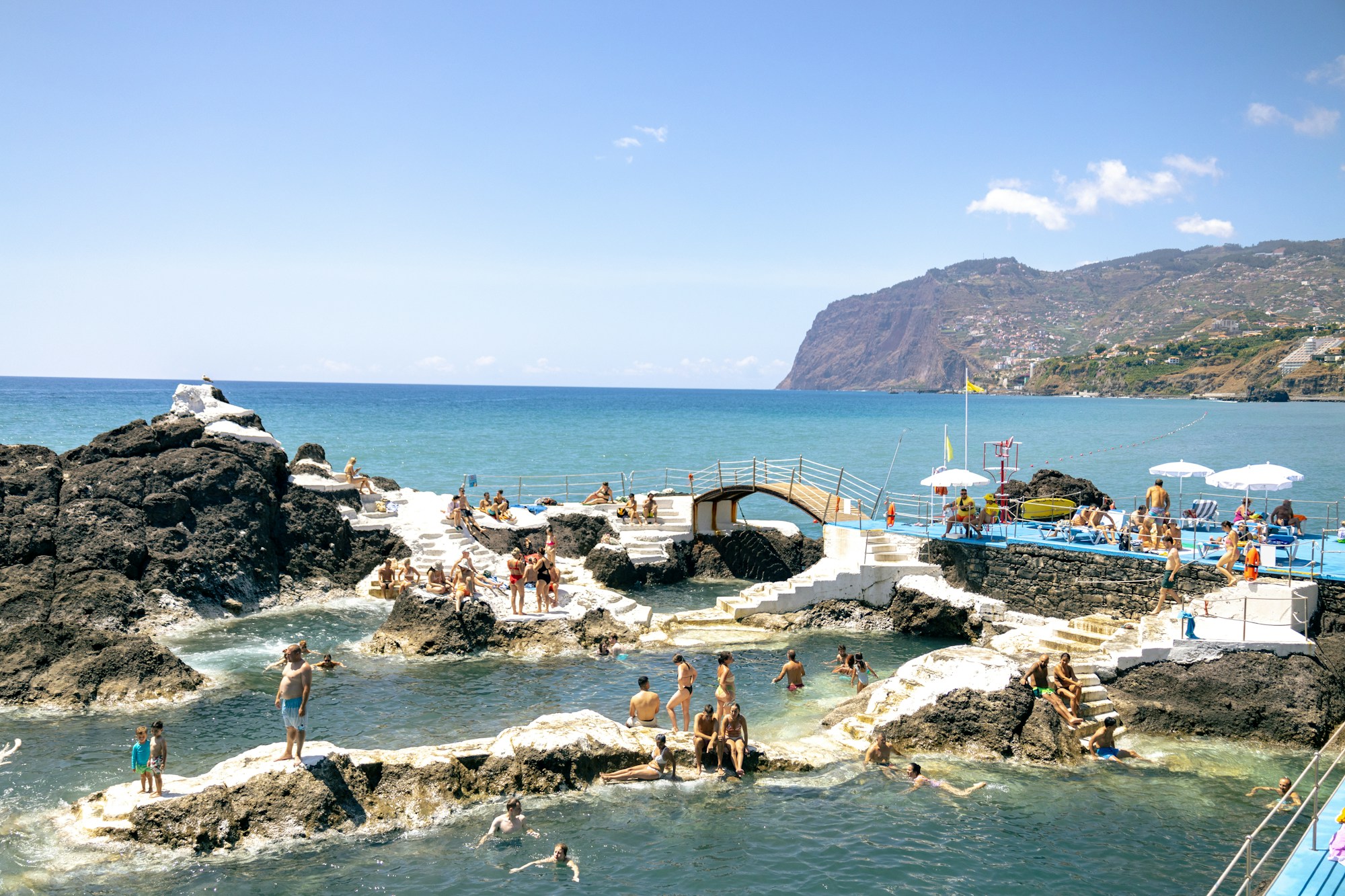
Madeira & Porto Santo — Sandy Beaches and Lava Pools
Madeira island itself suffers from a lack of sandy beaches — its coastline is essentially rocky and volcanic. But the neighboring island of Porto Santo, 45 km to the north, compensates with a 9 km stretch of fine sand considered one of the most beautiful in the Atlantic. According to Musafir in Transit, a ferry from Funchal makes a day trip or a 2–3 day stay straightforward.
Porto Santo’s sand is renowned for its therapeutic properties (rich in magnesium and trace elements), recognized by medicine. The calm, shallow waters make swimming ideal for families. For those staying on the main island, the natural pools of Porto Moniz (lava hollows at the edge of the Atlantic) offer a unique swimming experience, free or nearly free. The lava pools at Doca do Cavacas in Funchal are even more accessible.
Beach highlights in Madeira
- Porto Santo — 9 km beach, therapeutic sand, translucent waters (June–Sept. ideal)
- Porto Moniz — natural lava pools at the ocean’s edge, free access
- Doca do Cavacas (Funchal) — natural pools 20 minutes from the center
7. When to Go — Weather and Ideal Periods
Climate Comparison: Stability vs Authenticity
Madeira enjoys an exceptionally stable subtropical climate year-round. Temperatures range between 17 °C and 27 °C depending on the season, with very small thermal variations. According to Travel For You, rain is concentrated at higher elevations, leaving the south coast around Funchal often sunny. Madeira is therefore perfect for a winter trip, when Europe is shivering.
In the Azores, the climate is mild year-round, but also unpredictable. As the local saying goes, you can experience all four seasons in a single day. Temperatures range from 15 °C in winter to 26 °C in summer. According to Be Frenchie, it is best to avoid December–February for high-altitude treks. Madeira is generally more clement in winter than the Azores, where Atlantic storms can disrupt inter-island connections from November to March.
Recommended periods
- Madeira in winter (Nov.–Mar.) — 18–22 °C, no crowds, minimum rates, lively Funchal
- Azores in spring (Apr.–Jun.) — best whale season, more stable weather, before summer crowds
- Both in summer (Jun.–Sep.) — guaranteed sunshine, but crowds and high prices
- Both in autumn (Sep.–Oct.) — mild weather, local festivals, harvests, excellent value for money
Frequently Asked Questions
Azores or Madeira: which should you choose for a first trip?
For a first trip to a Portuguese archipelago, Madeira is generally more advisable: numerous direct flights from Europe, stable climate, accessible Funchal, and a mature tourist infrastructure. For nature lovers and adventure seekers who are not afraid of unpredictable weather, the Azores offer a more unique and raw experience. For a first trip with children or as a couple seeking peaceful romance, Madeira is the obvious choice. For seasoned travelers looking for an off-the-beaten-track destination, the Azores will be a revelation. According to Splendia, for a first stay in the Azores, São Miguel concentrates the best of the archipelago (Sete Cidades, Furnas, coastlines) on a single island.
Can you combine the Azores and Madeira in a single trip?
There is no direct flight between the two archipelagos. A connection through Lisbon or Porto is required. According to Avantage Culture Loisirs, plan for approximately 14–21 days to combine both in good conditions (1 week Madeira + 1 week Azores minimum). If your time is limited to 10 days, it is better to choose one destination and explore it thoroughly. For the Azores, visiting several islands requires planning internal SATA flights (~€80–150 per leg) or inter-island ferries.
Is it really guaranteed to see whales in the Azores?
Yes — with some caveats. The period from April to June is the most favorable, with a sighting probability approaching 95% according to Orques & Passion. Operators still use the historic vigias (lookout posts) to spot blows before guiding the boats. Outside of season, sperm whales are present year-round around Pico and Faial. However, weather can cancel certain outings in winter. Note that only 5 islands are authorized for whale watching excursions: São Miguel, Santa Maria, Terceira, Pico, and Faial. According to Voyage aux Açores, Pico is the island most renowned for sperm whales.
Do you need to rent a car in the Azores and Madeira?
In the Azores, a car is virtually essential on São Miguel and highly recommended on Pico, Faial, and São Jorge. Public transport is scarce and impractical outside of town centers. Budget ~$70/day for a small car according to Tourlane. In Madeira, the bus network and tourist shuttles cover most sites, but renting a compact car (€40–70/day) opens up scenic routes and access to remote levadas. According to Splendia, a rental is always useful in Madeira for more freedom, but not as essential as in the Azores.
Which Azores island should you visit if you only have 5 days?
With 5 days, the ideal combination is São Miguel (3 days) + Pico/Faial (2 days). São Miguel concentrates the best of the archipelago: Sete Cidades, Furnas, north and south coasts. Pico/Faial offer cetacean watching (whales, dolphins) and an authentic maritime atmosphere. According to Handivoyage, 3 days on São Miguel are enough for a complete discovery. Alternatively, 5 days on São Miguel alone allow you to explore the island in depth, adding a whale watching excursion from Ponta Delgada. For a first short Azores trip, avoid spreading yourself too thin — it is better to enjoy 2 islands fully than to rush through 4.
Is Madeira suitable for seniors and beginner hikers?
Yes, Madeira is very well suited to seniors and beginner hikers. The low-gradient levada network includes dozens of easy routes, perfect for exploring the island’s beauty without excessive effort according to madere.info. The Levada dos 25 Fontes (9 km round trip, minimal elevation gain) is frequently cited as the ideal trail for beginners. The stable climate (no risk of sudden bad weather) and complete infrastructure (buses, taxis, restaurants at every level) make it a very reassuring choice. Note: some trails include narrow ledge sections or dark tunnels — a headlamp and hiking shoes are always recommended.
Are the Azores too touristy in 2026?
São Miguel is experiencing a tourism boom and can feel overcrowded in July–August, particularly around Sete Cidades. But according to Be Frenchie, the other islands of the archipelago remain unspoiled. Flores, Corvo, São Jorge, and Graciosa are sanctuaries of total authenticity, very rarely visited. For an off-the-beaten-track experience, simply move away from São Miguel. Even on São Miguel, the Furnas thermal baths and the north coast remain calm outside of school holidays. In Madeira, Funchal and Monte concentrate the summer crowds; the northern levadas and interior villages stay peaceful year-round.
Which destination offers the best value for money in 2026?
According to Budget Your Trip, the Azores are cheaper than Madeira overall. For a tight budget, the Azores in low season (autumn or winter) represent excellent value: rooms at €30–50/night, restaurants at €10–15/person, free hikes. For those traveling in summer or wanting direct flights without a connection, Madeira offers better accessibility. The general rule: choose the Azores to save money and live an adventure; choose Madeira for comfort, ease of access, and mild winter weather.
Sources
This article was written from official and verified sources:
- Secrets du Monde — Madère ou Açores : quelle île choisir en 2026 ? — Updated December 2025
- Voyageurs du Monde — Madère vs Les Açores : le match en 5 rounds
- Travel For You — Açores ou Madère : sur quelle île partir ?
- Lotus Eaters Travel — Madeira vs The Azores — June 2025
- Orques & Passion — Complete guide to whale watching in the Azores 2025
- IWC Whale Watching Handbook — Portugal (Azores and Madeira)
- Tourlane — Cost of a trip to the Azores 2026
- Tourlane — Cost of a trip to Madeira 2026
- Expatistan — Cost of living comparison: Funchal vs Ponta Delgada — October 2025
- madere.info — The best hikes in Madeira for all levels
- GoPortugal — Top 20 levadas and hikes in Madeira
- Voyage Passions — Madeira, the most beautiful hikes — February 2026
- Secrets du Monde — Hikes in the Azores off the beaten track 2026
- Nos Voyages Heureux — Azores: which island to choose according to your travel style? — May 2025
- Handivoyage — Most beautiful island in the Azores: 2026 guide — March 2026
- Avantage Culture Loisirs — Madeira or Azores: 7 unforgettable experiences — October 2025
- La Vie Sauvage Rando — Azores or Madeira: which island should you go to?
- Be Frenchie — Azores or Madeira: which destination to choose?
- Budget Your Trip — Madeira vs Azores: cost comparison
- Musafir in Transit — Madeira vs Azores
- Chéri Fais Tes Valises — Azores or Madeira: the best destination
- Manawa — Madeira vs Azores: which is best for you? — December 2025
- Terra Lusitania — Azores: Atlantic volcano route
- Splendia — Azores or Madeira: what to choose?
Research conducted in March 2026
Ready to Plan Your Trip to the Portuguese Islands?
Whether you have chosen the wild volcanoes of the Azores or the hanging gardens of Madeira, discover itineraries created by the Pixidia community — travelers who know the best addresses, the secret trails, and the corners of paradise that classic guides dare not mention.
Explore all itineraries