
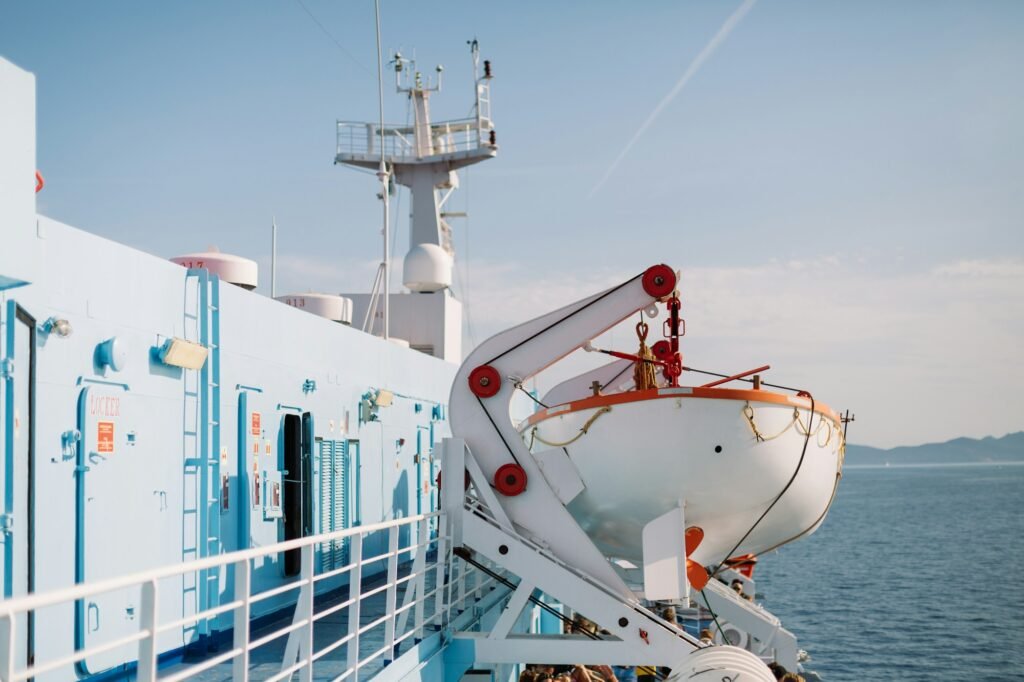
Forget the airport queues and luggage weighed down to the last gram: in 2026, the ferry remains the freest and most spectacular way to cross the Mediterranean. Boarding with your car, campervan or simply a backpack, watching the coastline fade from the upper deck, dining against a sunset backdrop on the open sea: a ferry crossing is not just a journey, it is the start of the adventure. From Corsica to Sardinia, across the Adriatic to the Greek islands, from the Strait of Gibraltar to the Moroccan coast, three major maritime corridors connect southern Europe to the Mediterranean basin. Here is our complete guide to routes, fares and insider tips for smart sailing this summer.
1. France → Italy: Corsica, Sardinia and Tuscany by Ferry
The France-Italy corridor: five major routes and a 2026 newcomer
The France-Italy corridor is the busiest in the western Mediterranean. Corsica Ferries, the undisputed leader on these routes, operates five regular services linking mainland France to Corsica, Sardinia and Tuscany. The Franco-Italian company sails modern vessels — the Mega Express and Mega Andrea — fitted with restaurants, shops and generous outdoor spaces. According to Ferryhopper, fares start at just 21 euros per person for a reclining-seat ticket (no cabin), making this one of the most affordable crossings in the entire Mediterranean.
The Toulon → Porto Torres (Sardinia) route is the ideal gateway for a Sardinian road trip: roughly 10 hours of sailing, mainly overnight, with late-afternoon departures that land you on the island at dawn. According to Sardinias.fr, high-season fares range from 21 to 85 euros per person depending on accommodation type (reclining seat, interior cabin or cabin with porthole). The Nice → Golfo Aranci route, similar in duration (~11h), serves the Costa Smeralda in north-eastern Sardinia, famous for its turquoise waters.
To reach mainland Italy, two options are available for travellers transiting through Corsica. The Bastia → Livorno line, operated by Corsica Ferries, is the fastest (4 to 6 hours) and the most frequent, with up to three daily departures according to SmartFerry. Prices start at 30 euros per person. The Bastia → Genoa/Savona line, run by Moby Lines, offers crossings of 5 to 10 hours from 42 euros. Moby is famous for its themed ferries with cartoon-character hulls — a feature that delights children.
New for 2026: the company is launching new services from Sète to Corsica, according to NetFerry. Fares start at 45 euros per person. This is great news for travellers in southern France who previously had to go to Toulon or Nice to board.
Key Highlights
- 5 Corsica Ferries routes from mainland France to Corsica, Sardinia and Tuscany
- Overnight Toulon-Sardinia crossings: save a night’s hotel costs
- Bastia-Livorno: just 4 hours, up to 3 departures/day
- Campervans accepted from EUR 96 (vehicles up to 7 m)
- New for 2026: Sète → Corsica from EUR 45
2. Italy → Greece: Crossing the Adriatic by Ferry to the Ionian Islands
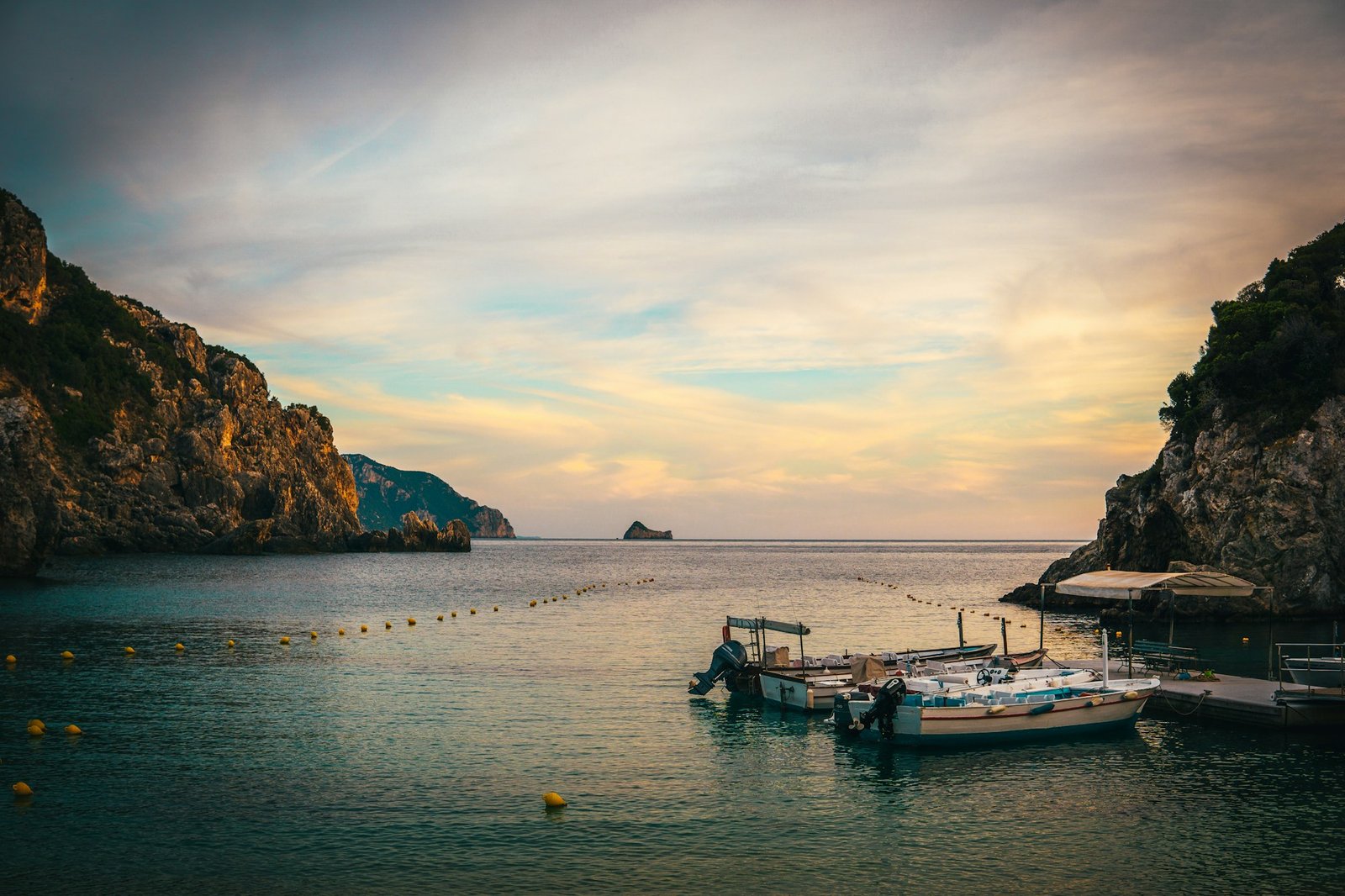
Four Italian ports, one destination: Greece
Crossing the Adriatic by ferry to reach Greece is a Mediterranean travel classic — and probably the most romantic crossing in this guide. Four Italian ports serve the Greek coast, each with its own advantages in terms of price, duration and destinations. Your choice of departure port depends largely on your Italian itinerary and your budget.
From Ancona, Anek Superfast runs crossings to Igoumenitsa (gateway to the Ionian islands) and Patras (Peloponnese) in 15 to 25 hours. According to Ferriesonline.fr, high-season fares range from 80 to 160 euros per person including a cabin. Superfast vessels are among the most modern in the Adriatic fleet, featuring restaurants, bars, a swimming pool and an on-board cinema.
From Bari, two companies share the market. Anek Superfast connects Bari to Corfu and Igoumenitsa in 9 to 12 hours, while Ventouris Ferries offers similar crossings at slightly lower fares (70 to 140 EUR). The stop at Corfu is a major advantage of this route: you can disembark on the Ionian island and catch a later ferry.
The most affordable port is Brindisi, at the very tip of Italy’s heel. Grimaldi Lines operates crossings to Igoumenitsa in just 7 hours, with fares starting at 40 euros per person — the lowest price of all Italy-Greece routes, according to Ferryhopper. This is the ideal option for budget-conscious travellers who want to maximise their time in Greece.
Finally, the Venice → Patras route is the longest (29 to 31 hours) but also the most spectacular. Sailing out of the San Marco basin, with Venice’s silhouette receding on the horizon, is an unforgettable moment. Anek Superfast operates this service with fares from 80 euros. According to Charly Voyage, the Venice-Patras crossing is considered one of Europe’s most scenic maritime routes.
Key Highlights
- Brindisi → Igoumenitsa: the cheapest crossing (from EUR 40, only 7h)
- Venice → Patras: the most scenic (departure from the San Marco basin)
- Optional stopover in Corfu on routes from Bari
- Modern ships with pool, restaurant and comfortable cabins
Points to Note
- Camping on board (sleeping in your vehicle on the car deck) has been discontinued on Italy-Greece routes since 2025
- Seasonal services only (April to October) — few or no crossings in winter
3. Spain → Morocco: From the Strait of Gibraltar to the Long Crossing
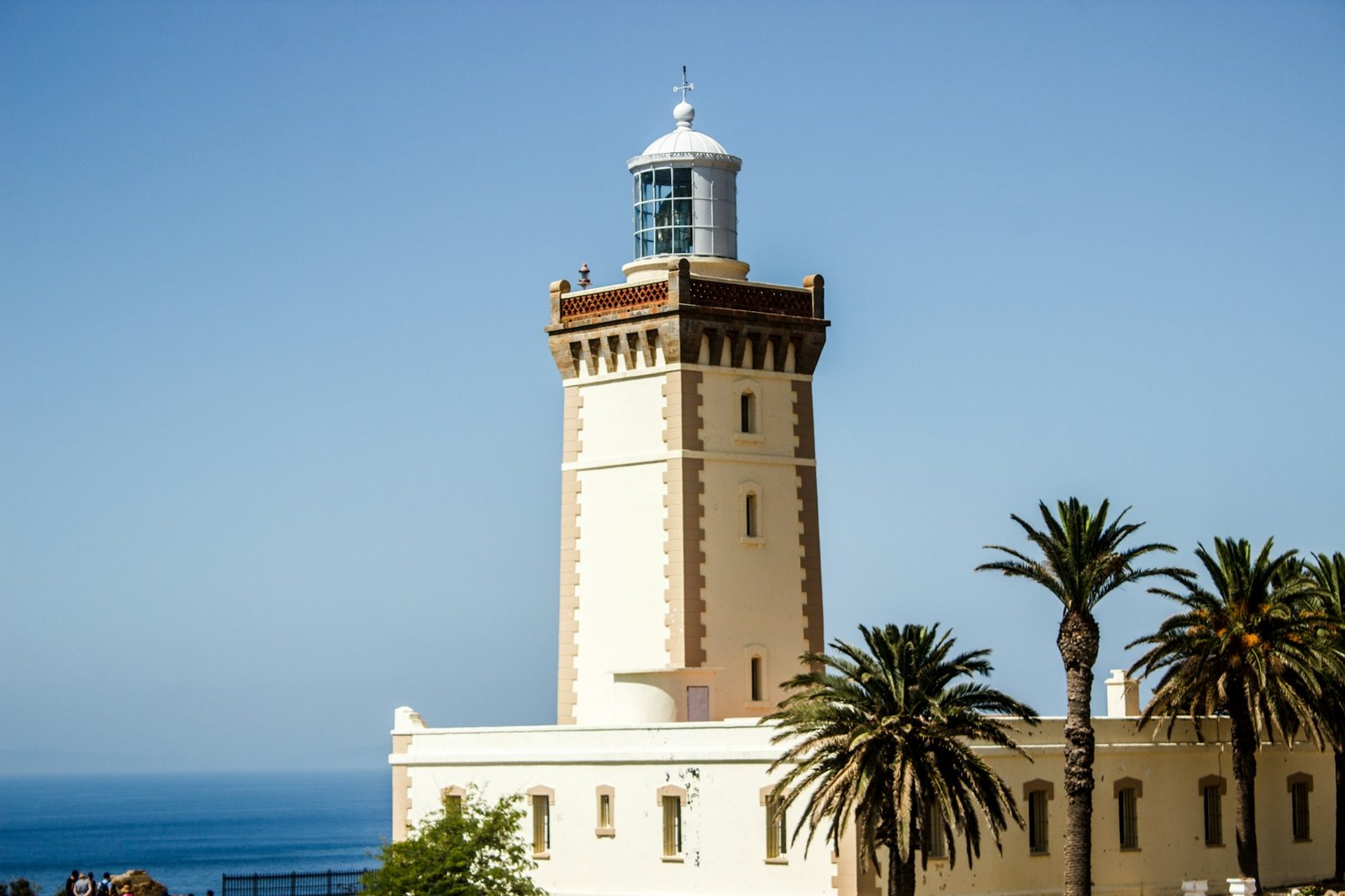
Three corridors to Morocco: express, classic and direct from France
The Strait of Gibraltar is the busiest maritime passage in the Mediterranean. With only 14 kilometres separating Europe from Africa at the narrowest point, the Algeciras → Tangier Med crossing is the fastest and most popular route to Morocco. According to Direct Ferries, three companies compete in this ultra-competitive market: Baleària, FRS and AML (Africa Morocco Link). Between them, they offer up to 20 daily departures in peak season, with crossings of just 1h30. Fares range from 35 to 150 euros per person depending on season and ticket type.
For travellers who prefer a longer crossing but depart from a more accessible port, Barcelona → Tangier Med is an interesting option. GNV (Grandi Navi Veloci) operates this route in 28 to 31 hours, with converted cruise ships offering cabins, restaurants and entertainment areas. Fares start at 130 euros per person according to Bateaubillet.com. GNV also serves Barcelona → Nador, a gateway to Morocco’s Rif region and its mountainous landscapes.
But the hidden gem of this corridor is the Sète → Tangier Med / Nador route, the only direct service between France and Morocco. Operated by GNV, this 38-to-42-hour crossing is a genuine mini-cruise: two nights on board, halal dining available, prayer room and entertainment. According to Direct Ferries, fares start at just 61 euros per person — unbeatable value when you consider that two nights’ accommodation are included. This line is particularly popular with the French-Moroccan community during Operation Marhaba (the summer homecoming).
Key Highlights
- Algeciras-Tangier Med: the fastest crossing (1h30, up to 20 departures/day)
- Sète-Tangier: only direct France-Morocco route, from EUR 61
- Halal dining and prayer room on GNV vessels
- Children aged 4-12: 50% discount with most operators
- Strong competition on the Strait = competitive fares year-round
4. Summer 2026 Price Comparison: All Routes at a Glance
To help you choose the best route based on your budget and available time, here is a summary table of the main Mediterranean ferry routes for summer 2026. Prices shown are for foot passengers (without a vehicle) in high season (July-August), one way.
| Route | Operator(s) | Duration | Foot passenger summer fare | Summer frequency |
|---|---|---|---|---|
| Toulon → Porto Torres | Corsica Ferries | ~10h | 21–85 EUR | 4x/week |
| Nice → Golfo Aranci | Corsica Ferries | ~11h | 21–90 EUR | 4x/week |
| Bastia → Livorno | Corsica Ferries | 4–6h | 30–70 EUR | Up to 3x/day |
| Bastia → Genoa/Savona | Moby Lines | 5–10h | 42–120 EUR | 1–2x/day |
| Ancona → Igoumenitsa/Patras | Anek Superfast | 15–25h | 80–160 EUR | 1x/day |
| Bari → Corfu/Igoumenitsa | Anek Superfast, Ventouris | 9–12h | 70–140 EUR | 1x/day |
| Brindisi → Igoumenitsa | Grimaldi Lines | ~7h | 40–90 EUR | 1x/day |
| Venice → Patras | Anek Superfast | 29–31h | 80–150 EUR | 3x/week |
| Algeciras → Tangier Med | Baleària, FRS, AML | ~1h30 | 35–150 EUR | Up to 20x/day |
| Sète → Tangier Med/Nador | GNV | 38–42h | 61–300 EUR | 2–3x/week |
Indicative prices recorded in March 2026 on Ferryhopper, Direct Ferries and operator websites. Fares vary depending on booking date, travel period and on-board accommodation type. The lowest prices typically correspond to a reclining seat (no cabin) booked several months in advance.
5. Money-Saving Tips and Tricks

Seven strategies to cut the cost of your crossing
Book 2 to 3 months in advance. This is the golden rule for Mediterranean ferries. Operators use a yield management model similar to airlines: the earlier you book, the less you pay. According to Go-Ferry, fares can triple between a March booking and a last-minute purchase in July. Early Booking offers are the single best way to save: -20% with Anek Superfast (until 31 March 2026), Corsica Ferries on round trips (2023-2024 offer, to be reconfirmed for 2026), and similar discounts from Grimaldi Lines for advance bookings.
Travel in May, June or September. The price difference between peak season (15 July – 20 August) and shoulder season is dramatic: up to -40% on the same crossings, according to Ferryhopper. As a bonus, ships are less crowded, temperatures more pleasant and tourist destinations considerably less busy. A Toulon-Sardinia ferry in June often costs under EUR 25 per person, compared to 60 to 85 EUR in late July.
Choose overnight crossings. By picking an evening departure and an early-morning arrival, you save a night’s hotel. The cabin surcharge (20 to 50 EUR per person) is generally less than the cost of accommodation on land. This is especially worthwhile on longer routes such as Toulon-Porto Torres, Ancona-Patras or Sète-Tangier.
Compare round-trip offers. Corsica Ferries consistently offers a -10 to -15% discount on round-trip tickets versus two one-way tickets, according to SmartFerry. The same applies at GNV and Baleària, though percentages vary by period.
Take advantage of children’s fares. Almost all Mediterranean operators offer 50% off for children aged 4 to 12, and free travel for under-4s (on an adult’s lap, no dedicated berth). Some operators such as Moby Lines also offer reduced rates for seniors (65+) and students.
Pick the right time slot. On the ultra-competitive Algeciras-Tangier route, early-morning departures (6am-8am) typically have the lowest fares. Conversely, late-morning and early-afternoon sailings are the most popular and most expensive, according to Direct Ferries.
Use specialist comparison sites. Platforms like Ferryhopper, Direct Ferries and Go-Ferry aggregate fares from all operators so you can compare prices in a few clicks. Be aware, though, that flash promotions are sometimes only available on the operator’s official website.
Deals Summary
- Early Booking: -20% Anek Superfast, -30% Corsica Ferries round trip
- Shoulder season (May, June, Sept.): up to -40% vs August
- Overnight crossing = one hotel night saved
- Round trip: -10 to -15% vs two one-way tickets
- Children 4-12: -50% | Under 4: free
6. Travelling with Your Vehicle: Car, Campervan and Motorcycle
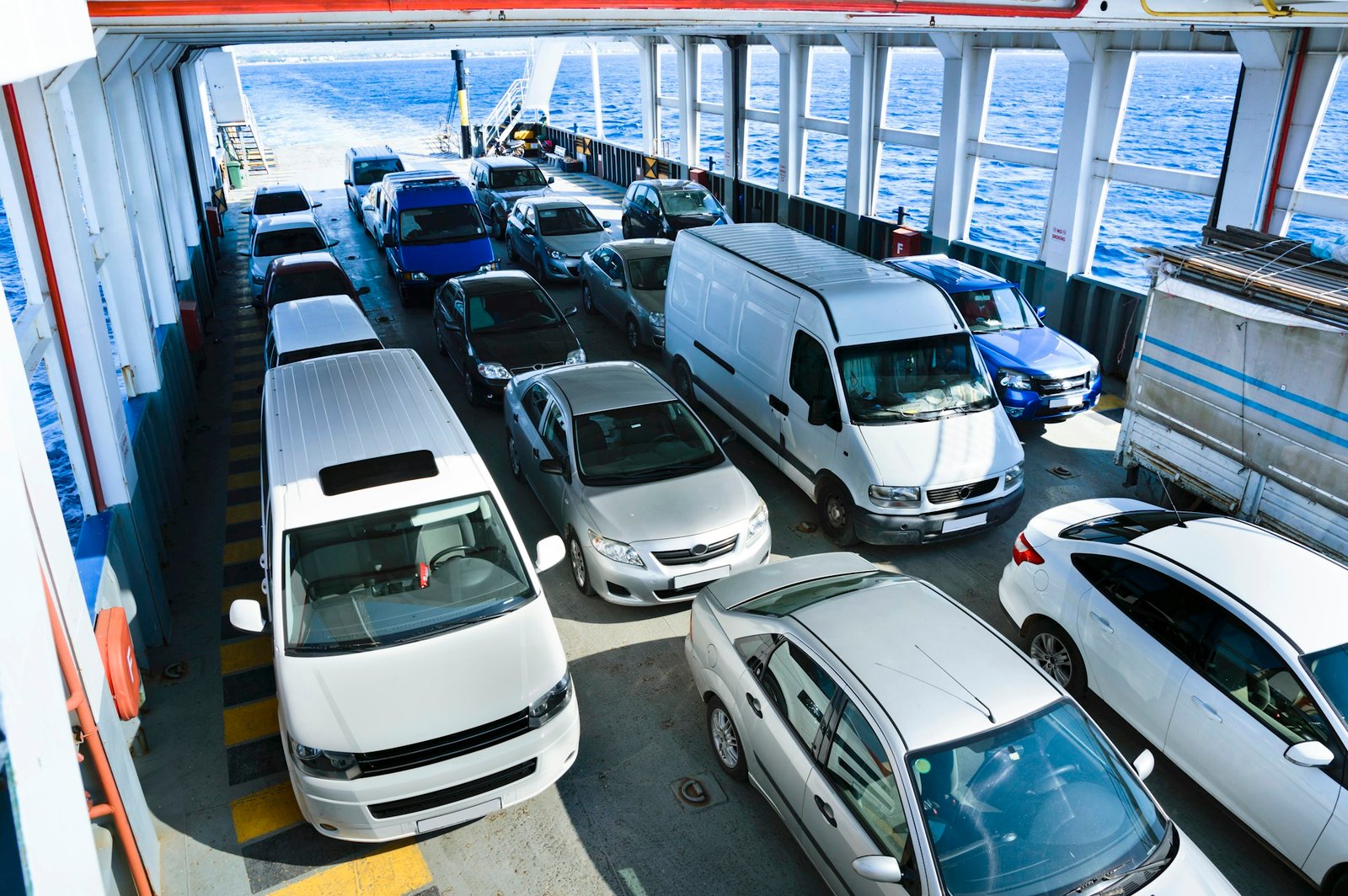
Bringing your vehicle on board: fares, dimensions and rules to know
One of the great advantages of ferries over planes is the ability to bring your vehicle. Whether you travel by car, campervan or motorcycle, all Mediterranean operators offer vehicle transport — but fares and rules vary considerably from route to route.
Car. The vehicle surcharge depends on car length and the chosen route. On France-Sardinia services with Corsica Ferries, expect 50 to 150 euros for a car under 4.50 m (city car/compact), and up to 200 euros for an SUV or minivan over 5 m, according to Sardinias.fr. On Italy-Greece routes, the car surcharge ranges from 80 to 250 euros depending on the operator and season. The Algeciras-Tangier route remains the most affordable, with a vehicle supplement starting at 50 euros.
Campervan. Motorhome owners are the big winners of Mediterranean ferries. Corsica Ferries offers special rates for campervans up to 7 metres from EUR 96 (vehicle + driver), according to the official website. On Italy-Greece routes, the campervan surcharge ranges from 150 to 400 euros depending on vehicle length (6 to 9 m). Vehicles over 9 metres are generally accepted but require a phone booking and a custom quote.
Motorcycle. Bikers generally enjoy favourable fares: expect 30 to 80 euros for a motorcycle supplement on most routes, significantly less than a car. Motorcycles are secured on the vehicle deck with straps provided by the crew. According to Oxygene-plongee.fr, it is recommended to remove panniers and top cases before boarding to make securing easier.
Camping on board: end of an era. Sleeping in your vehicle on the ferry’s car deck — once a very popular practice among campervan owners — has been banned on Italy-Greece routes since 2025, for safety reasons. Anek Superfast, Grimaldi and Ventouris have all discontinued this option. However, camping on board is still possible on some Sardinia and Corsica services with Moby Lines, though it is becoming rarer every year.
Pre-boarding Checklist
- Arrive at the port 1h30 to 3h before departure (3h with a vehicle in peak season)
- Vehicle registration, driving licence and ID readily accessible
- Passport mandatory for crossings to Morocco (6 months validity)
- International green card insurance for Morocco (request from your insurer)
- Book the vehicle supplement at the same time as your passenger ticket
Practical Information for Your Crossing
Frequently Asked Questions About Mediterranean Ferries
When should you book ferry tickets for summer 2026?
Ideally, book 2 to 3 months before your departure date, i.e. between March and May for a summer trip. Operators use dynamic pricing: the earlier you book, the lower the price. According to Ferryhopper, fares can triple between an early booking and a last-minute purchase in July-August. Early Booking promotions (up to -20% with Anek Superfast and -30% with Corsica Ferries) make advance booking even more worthwhile.
What Early Booking offers are available in 2026?
Several operators offer significant discounts for advance bookings in 2026. Anek Superfast gives -20% on all Italy-Greece routes for bookings made before 31 March 2026. Grimaldi Lines also offers reduced fares for advance bookings on Brindisi-Igoumenitsa. The Corsica Ferries Escapade offers of 2023 and 2024 covered Corsica only (30% with a vehicle) and must be reconfirmed for 2026. Check the operators’ websites directly for exact terms, as these deals are updated regularly.
Can you bring your car, campervan or motorcycle on board?
Yes, all Mediterranean ferry operators accept vehicles: cars, campervans, motorcycles and even bicycles. The surcharge varies depending on the type and size of the vehicle. Expect 50 to 200 EUR for a car, from EUR 96 for a campervan up to 7 m with Corsica Ferries, and 30 to 80 EUR for a motorcycle. Maximum accepted dimensions vary by operator: for vehicles over 9 m, a phone booking is often required. Remember to book the vehicle ticket at the same time as your passenger ticket.
Is camping on board still possible in 2026?
Not on Italy-Greece routes. Since 2025, all operators on the Adriatic (Anek Superfast, Grimaldi, Ventouris) have discontinued the « camping on board » option that allowed passengers to sleep in their vehicle on the car deck. This decision was made for fire-safety reasons. However, camping on board is still possible on some Sardinia and Corsica services with Moby Lines, though the practice is dying out. Operators now require the purchase of an on-board accommodation ticket (reclining seat or cabin) in addition to the vehicle ticket.
When is the best time to travel by ferry in the Mediterranean?
The months of May, June and September offer the best balance between weather, fares and crowd levels. Prices are up to 40% lower than peak season (mid-July to mid-August), ships are less crowded and Mediterranean temperatures remain very pleasant (22-28°C). The sea is generally calmer than in winter, reducing the risk of seasickness. For routes to Morocco, avoid the Operation Marhaba period (late June to early August) if you dislike crowded ships, according to Bateaubillet.com.
Do you need a passport for crossings to Morocco?
Yes, a passport is mandatory for any crossing to Morocco (Algeciras-Tangier, Barcelona-Tangier, Sète-Tangier/Nador). Morocco is not part of the Schengen Area and requires a passport valid for at least 6 months from the date of entry. A national ID card alone is not sufficient. For France-Italy and Italy-Greece crossings, however, a valid national ID card is enough, as all these countries are within the Schengen Area. Check the validity of your documents before departure, according to Direct Ferries.
How early should you arrive at the port before departure?
Recommended arrival times vary depending on whether you are boarding with or without a vehicle, and on the port. Without a vehicle: arrive at least 1 hour before departure to check in your luggage and go through security. With a vehicle: allow 1h30 to 3 hours, depending on traffic and the port. In peak season (July-August), 3 hours are recommended at the busiest ports (Algeciras, Ancona, Toulon). Special case: when departing from Venice with Anek Superfast, the company recommends arriving 4 hours before departure if you are boarding a vehicle, due to the remote location of the terminal and enhanced security checks.
Are there discounts for families and children?
Yes, all major operators offer reduced fares for families. The most common rule: -50% for children aged 4 to 12 and free travel for under-4s (without a dedicated berth, on an adult’s lap). Some operators like Moby Lines and GNV also offer senior discounts (65+, -10 to -20%) and student rates on presentation of an ISIC card. Corsica Ferries regularly runs family deals with a flat rate for 2 adults + 2 children. Check the « special offers » section on each operator’s website before booking.
Sources
- Ferryhopper — Mediterranean ferry comparison, real-time schedules and fares
- Direct Ferries — Multi-operator booking platform, crossing guides
- NetFerry — Ferry comparison and maritime service news
- Go-Ferry — Mediterranean crossing search engine
- Corsica Ferries — Official website, France-Corsica-Sardinia-Italy routes
- Moby Lines — Official website, Corsica-Sardinia-mainland Italy routes
- Anek Superfast — Official website, Italy-Greece routes
- Grimaldi Lines — Official website, Brindisi-Igoumenitsa routes
- GNV (Grandi Navi Veloci) — Official website, Barcelona/Sète-Morocco routes
- Baleària — Official website, Strait of Gibraltar routes
- Ferriesonline.fr — Italy-Greece ferry specialist, guides and comparisons
- SmartFerry — Comparison tool and ferry travel advice
- Sardinias.fr — Sardinia specialist guide, ferries and road trips
- Bateaubillet.com — Crossing bookings and practical advice
- Charly Voyage — Travel blog, Adriatic ferry reviews
Research conducted on March 16, 2026
Ready to Set Sail?
Discover our itineraries in Italy, Greece and Morocco to plan your next Mediterranean adventure.
Explore all itineraries