

Five weeks after the latest volcanic eruption on the Reykjanes Peninsula, the same question keeps coming up: is it safe to travel to Iceland? The short answer: yes, absolutely. Keflavík Airport has never closed, the Blue Lagoon reopened on March 5, the Golden Circle is 100% accessible, and the northern lights of March 2026 are expected to be exceptional thanks to the peak of Solar Cycle 25. Unlike the 2010 Eyjafjallajökull eruption that paralyzed European air traffic, the Reykjanes eruptions are effusive — lava flows, not ash clouds. In fact, Iceland has probably never been better prepared to welcome travelers than in this spring of 2026. Here is our complete status report, with sources, so you can travel with peace of mind.
The Reykjanes Eruption: What Happened
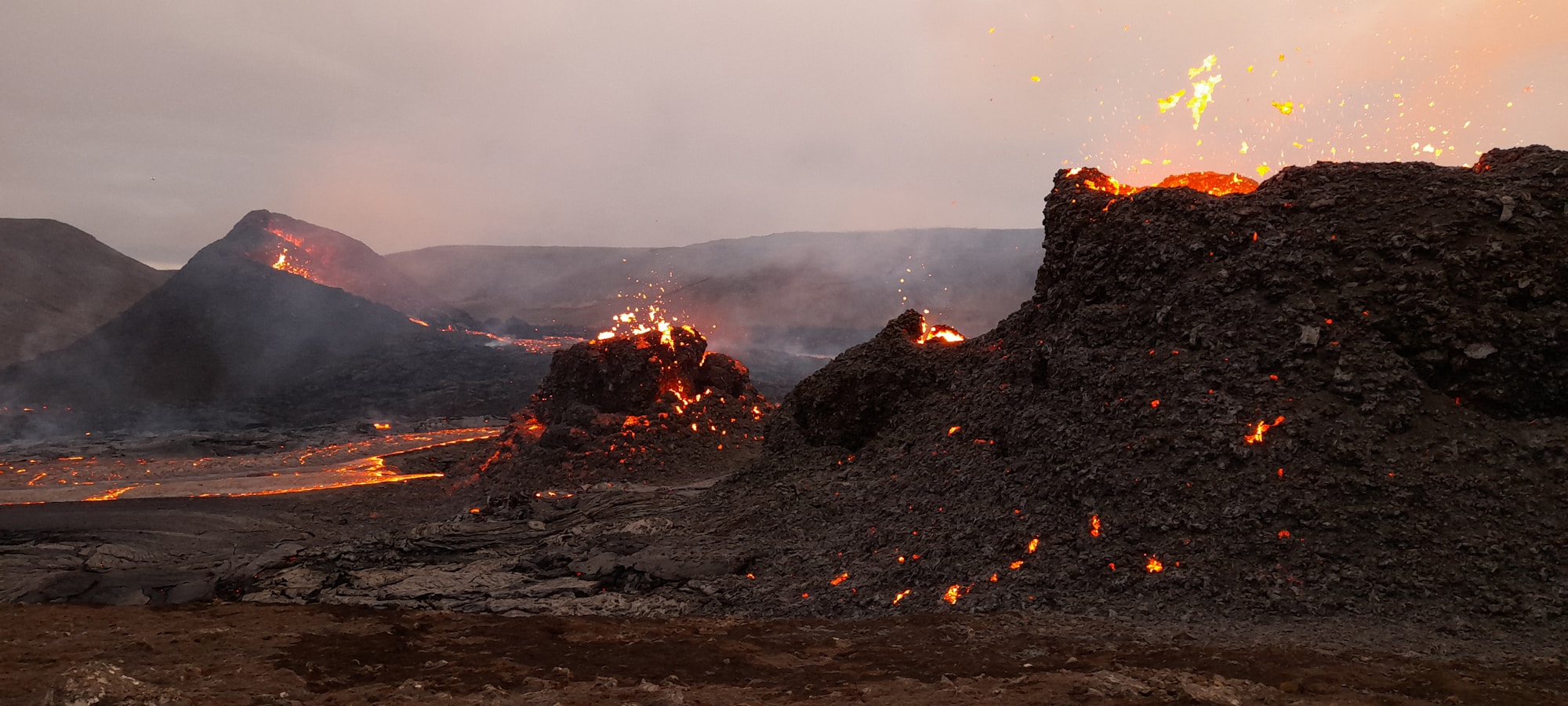
9 eruptions in 20 months — and zero impact on tourism
Since December 2023, the Reykjanes Peninsula has experienced an unprecedented eruptive series at the Sundhnúkagígar fissure system, approximately 50 km southwest of Reykjavík. According to Wikipedia and data from the Icelandic Meteorological Office (Veðurstofa), nine eruptions occurred between December 2023 and August 2025.
The crucial point to remember: all these eruptions are effusive. Unlike the explosive eruption of Eyjafjallajökull in 2010, which launched an ash cloud into the stratosphere and paralyzed European air traffic for six days, the Sundhnúkagígar eruptions produce lava flows that move slowly and remain confined to a restricted area in the southwest of the peninsula.
Timeline of Key Events
- Dec. 18, 2023 — First eruption at Sundhnúkagígar, start of the series
- Jan. 2024 — Lava flow threatening Grindavík (town evacuated since Nov. 2023)
- Feb. – Nov. 2024 — Several successive eruptions, construction of protective barriers
- Aug. 2025 — Ninth and most recent eruption to date
- Jul. 2025 — Opening of a hiking trail at Sundhnúkagígar
According to Voyage Islande, no eruption is active as of March 23, 2026. However, the Veðurstofa notes that magma continues to accumulate beneath the Svartsengi area, meaning new eruptions remain possible. This is precisely why Iceland’s monitoring system is among the most advanced in the world: seismic sensors detect any activity hours, even days in advance.
Safety Zones and Current Restrictions
A tiny restricted zone, a country fully open
Restrictions only apply to a very limited perimeter around the active fissures of Sundhnúkagígar and the evacuated town of Grindavík, in the southwest of the Reykjanes Peninsula. According to SafeTravel.is (the official travel safety website of the Icelandic government), this area is clearly marked and permanently monitored.
The French Ministry of Foreign Affairs classifies Iceland at normal vigilance level — the lowest level, identical to Sweden or Norway. No recommendation against traveling to Iceland has been issued, even during active eruptive phases.
What is open (the entire rest of the country)
- Reykjavík — Normal life, no restrictions
- Golden Circle — Thingvellir, Geysir, Gullfoss: 100% accessible
- South Coast — Jökulsárlón, Skógafoss, Vík: all open
- Northern Iceland — Akureyri, Húsavík, Mývatn: no impact
- Blue Lagoon — Reopened since March 5, 2026
- Keflavík Airport — Operational, no flight disruptions
What is restricted
- Immediate zone around Sundhnúkagígar (access prohibited without authorization)
- Town of Grindavík (evacuated, access limited to residents)
Keflavík Airport: Flights That Never Stopped
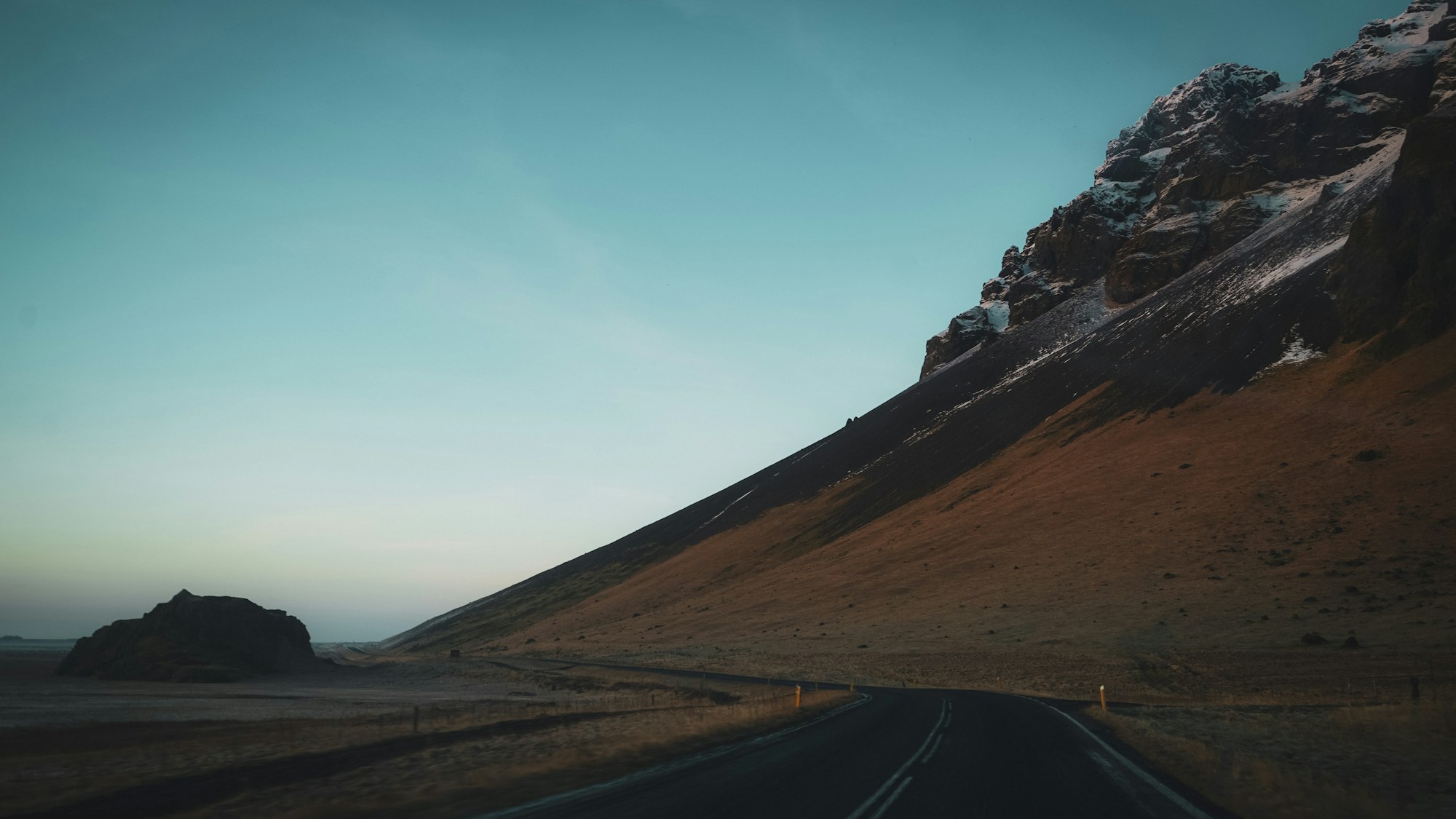
Zero flight cancellations since the start of the eruptive series
This is probably the most reassuring point in this report. According to Islande Explora and Guide to Iceland, no flights have been cancelled or diverted since the start of the Sundhnúkagígar eruptive series in December 2023. Keflavík International Airport, located approximately 20 km from the eruptive zone, is operating normally.
The reason is simple: the Reykjanes eruptions are effusive and do not produce ash clouds that could disrupt air navigation. This is a fundamental difference from the 2010 Eyjafjallajökull eruption, which was subglacial and explosive — the contact between magma and ice generated a volcanic ash plume projected up to 9 km in altitude.
Airlines serving Keflavík from Paris
- Icelandair — Direct flight Paris CDG → Keflavík (3h30), from ~€250
- PLAY — Icelandic low-cost, direct flights from Paris CDG, from ~€200
- Transavia — Seasonal flights (spring-summer), competitive fares
- With stopover — SAS via Copenhagen, Lufthansa via Frankfurt
Blue Lagoon: Open and Operational
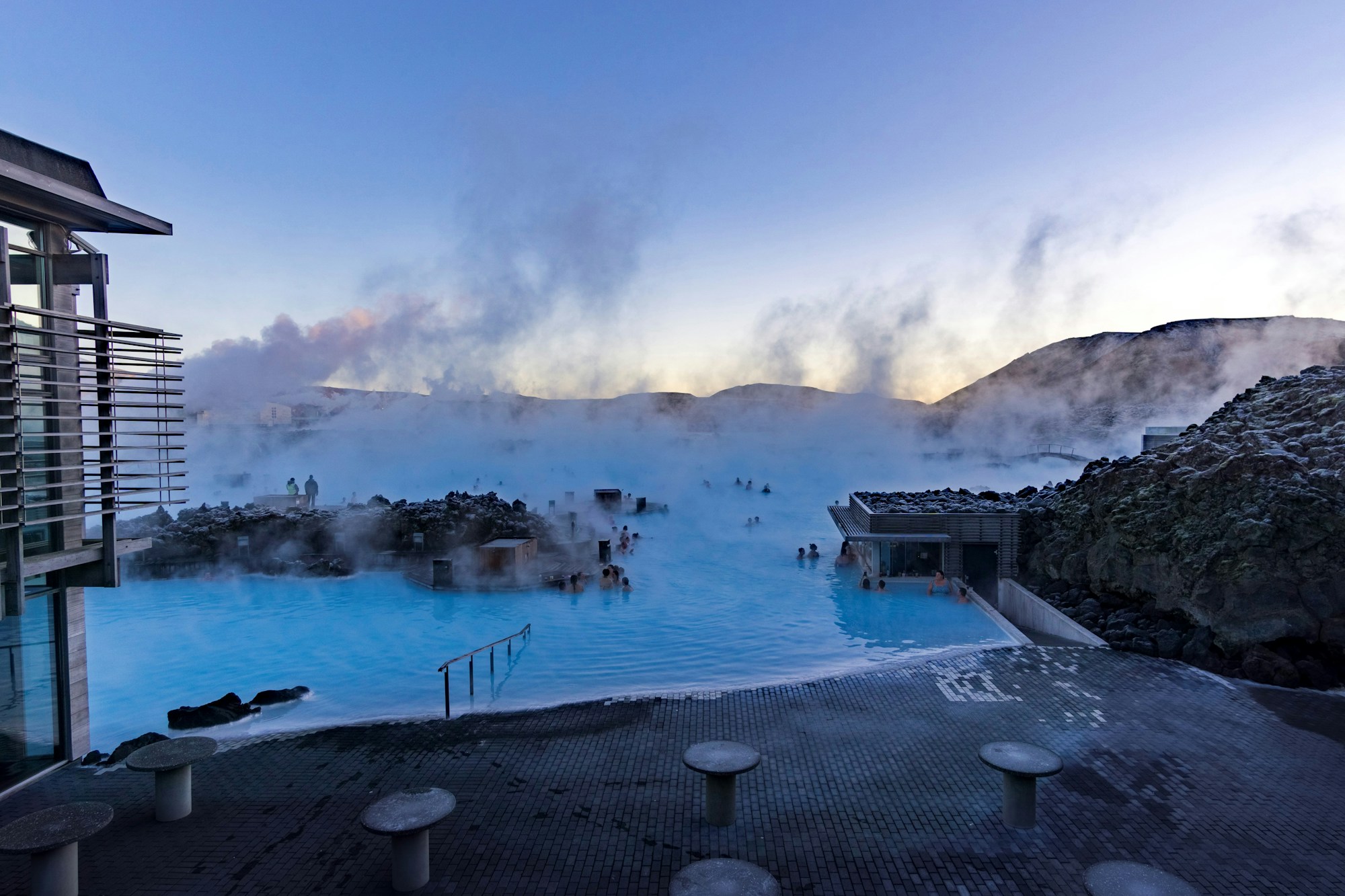
The geothermal gem has reopened its doors
The Blue Lagoon, located halfway between Keflavík Airport and Reykjavík, has experienced several temporary closures since November 2023 due to its relative proximity to the Sundhnúkagígar eruptive zone. However, according to the official Blue Lagoon website, the complex has been reopened to the public since March 5, 2026 and is operating with normal hours.
According to Guide to Iceland, the previous closures were always precautionary measures, not the result of damage. The protective barriers built around the Svartsengi geothermal area (which feeds the Blue Lagoon) have proven effective during each eruption.
Available packages
- Comfort — Lagoon access, mud mask, drink included (~€80)
- Premium — Comfort + bathrobe, second mask, reserved restaurant (~€100)
- Retreat Spa — High-end experience with private area (~€350)
The Golden Circle: 100% Accessible
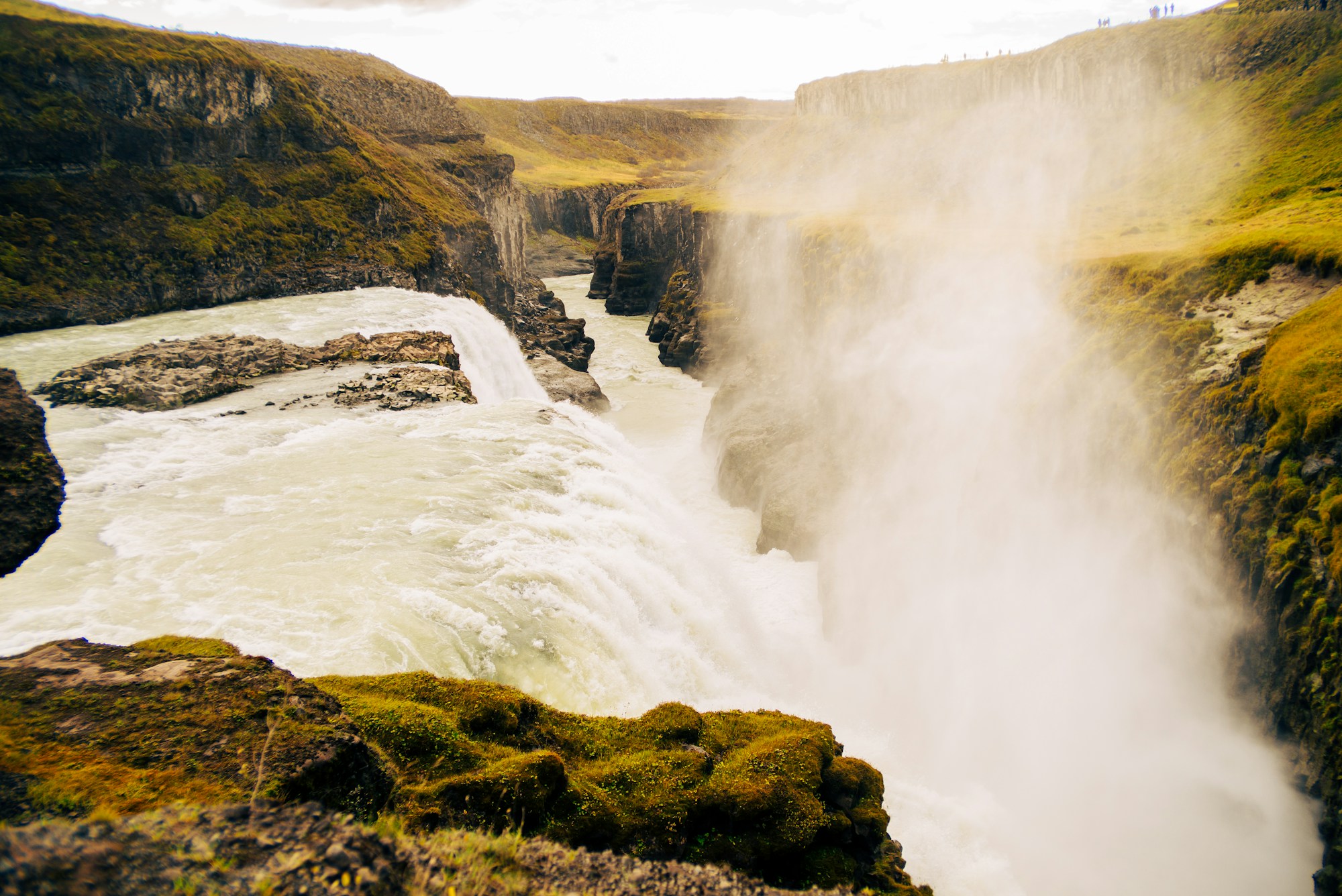
Thingvellir, Strokkur, Gullfoss — the legendary trio
The Golden Circle, Iceland’s most popular tourist route, is located more than 100 km from the eruptive zone and has never been affected by the Sundhnúkagígar eruptions. According to Zigzag Voyages, the three iconic sites are fully open and accessible:
Must-see attractions
- Þingvellir National Park — UNESCO site, tectonic rift between the American and Eurasian plates. Snorkeling possible in the Silfra fissure (crystal-clear water at 2°C, 100 m visibility)
- Geysir and Strokkur — Strokkur erupts every 5 to 10 minutes, a guaranteed spectacle at every visit
- Gullfoss — The « Golden Waterfall, » one of the most powerful in Europe. Spectacular in March with snow
New in 2025-2026: Laugarás Lagoon
Opened in late 2025, Laugarás Lagoon is the new geothermal complex on the Golden Circle. More intimate than the Blue Lagoon and significantly cheaper, it offers an ideal alternative for travelers who want to combine culture and relaxation in one day. Source: Zigzag Voyages.
South Coast: Glaciers and Ice Caves
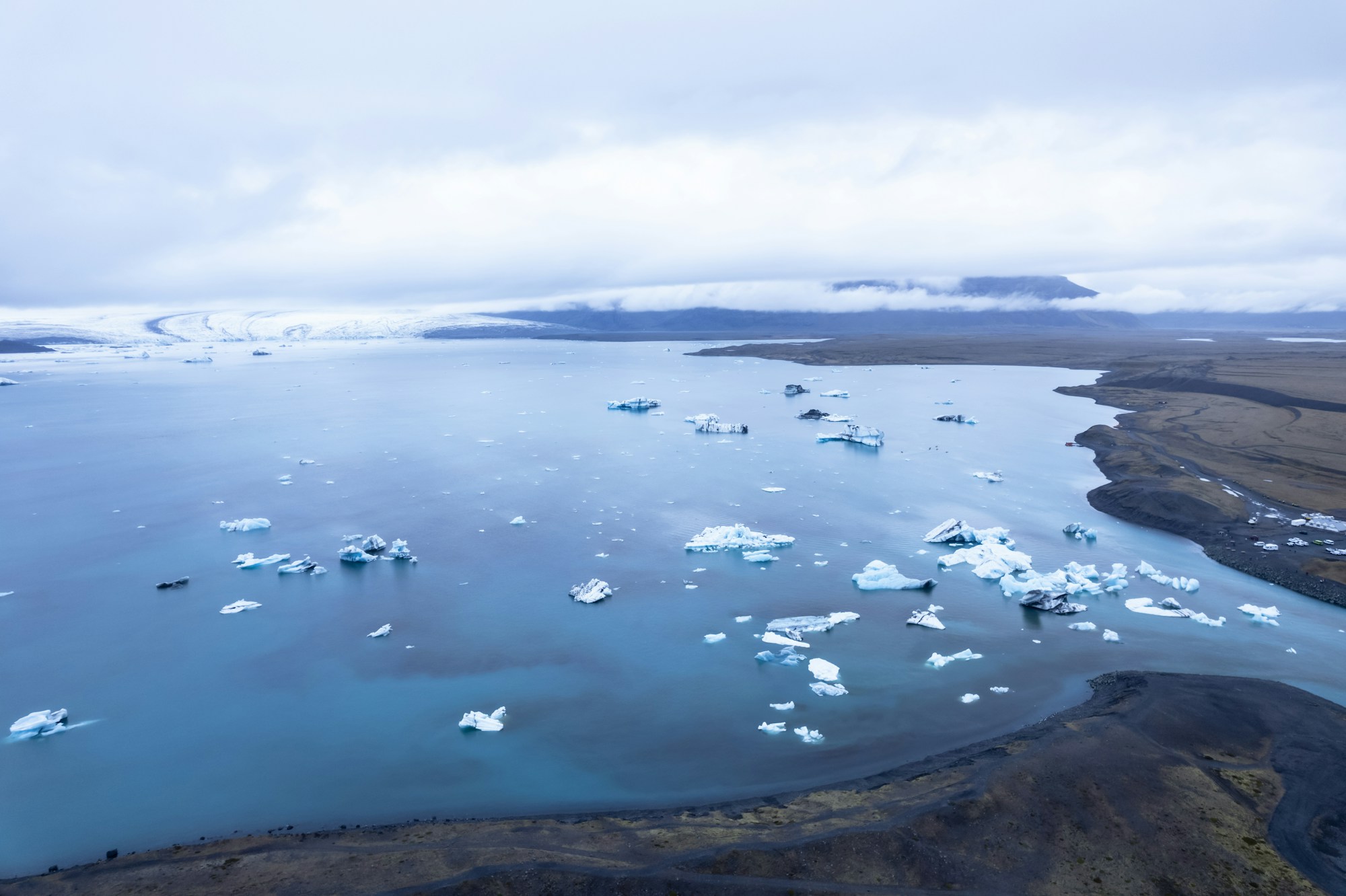
Last window for ice caves — until end of March
Iceland’s south coast, more than 200 km from the Sundhnúkagígar zone, is completely unaffected by volcanic activity. According to the French Ministry of Foreign Affairs, no restrictions are in effect on the Ring Road (Route 1) serving all south coast sites.
March 2026 is the last window of the season to visit the famous ice caves of the Vatnajökull glacier. According to Finding the Universe, these blue ice cathedrals are only accessible between November and March, before spring melting makes them unstable.
Must-see sites on the south coast
- Jökulsárlón — The iconic glacial lagoon, icebergs floating in turquoise water. Diamond Beach right next door
- Skógafoss — 60 m waterfall, one of Iceland’s most photographed sites
- Seljalandsfoss — The unique waterfall you can walk behind through a trail behind the curtain of water
- Vík í Mýrdal — Black sand beach, Reynisfjara basalt columns
- Vatnajökull ice caves — Guided tours required (~€150 per person)
Reykjavik and Northern Lights: March 2026, an Exceptional Window
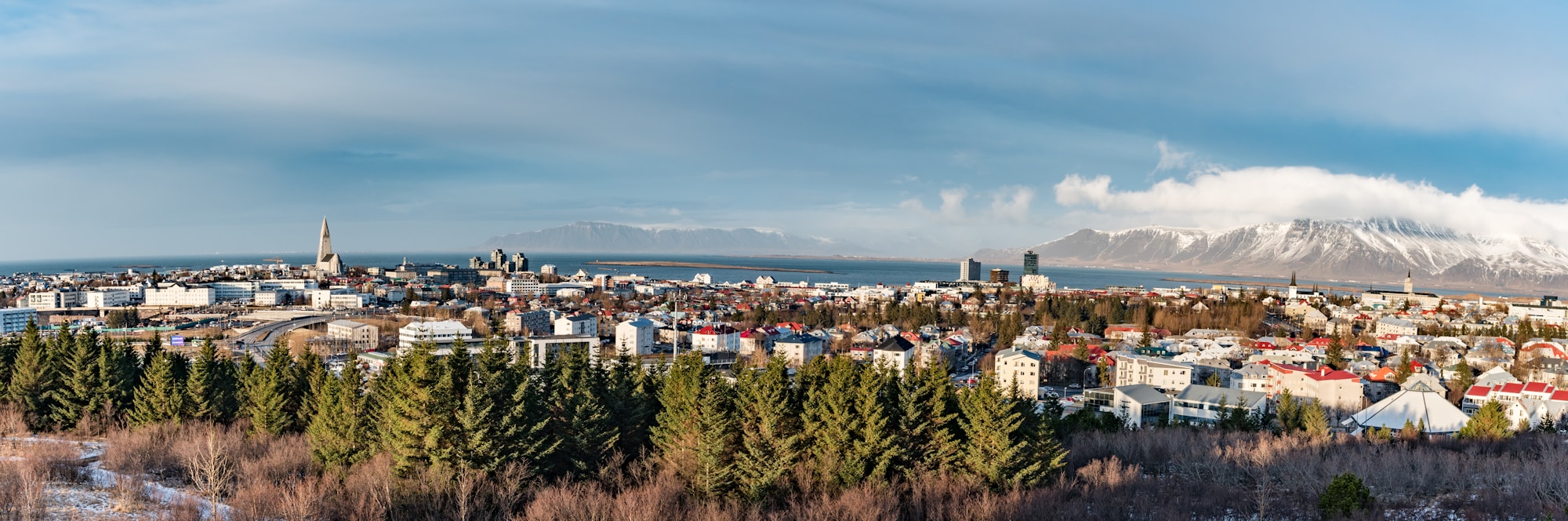
The world’s northernmost capital is living normally
Reykjavík, located approximately 50 km northeast of the eruptive zone, has experienced zero impact from the Sundhnúkagígar volcanic series. According to Guide to Iceland, daily life, restaurants, museums, and tourist activities continue exactly as before the eruptions.
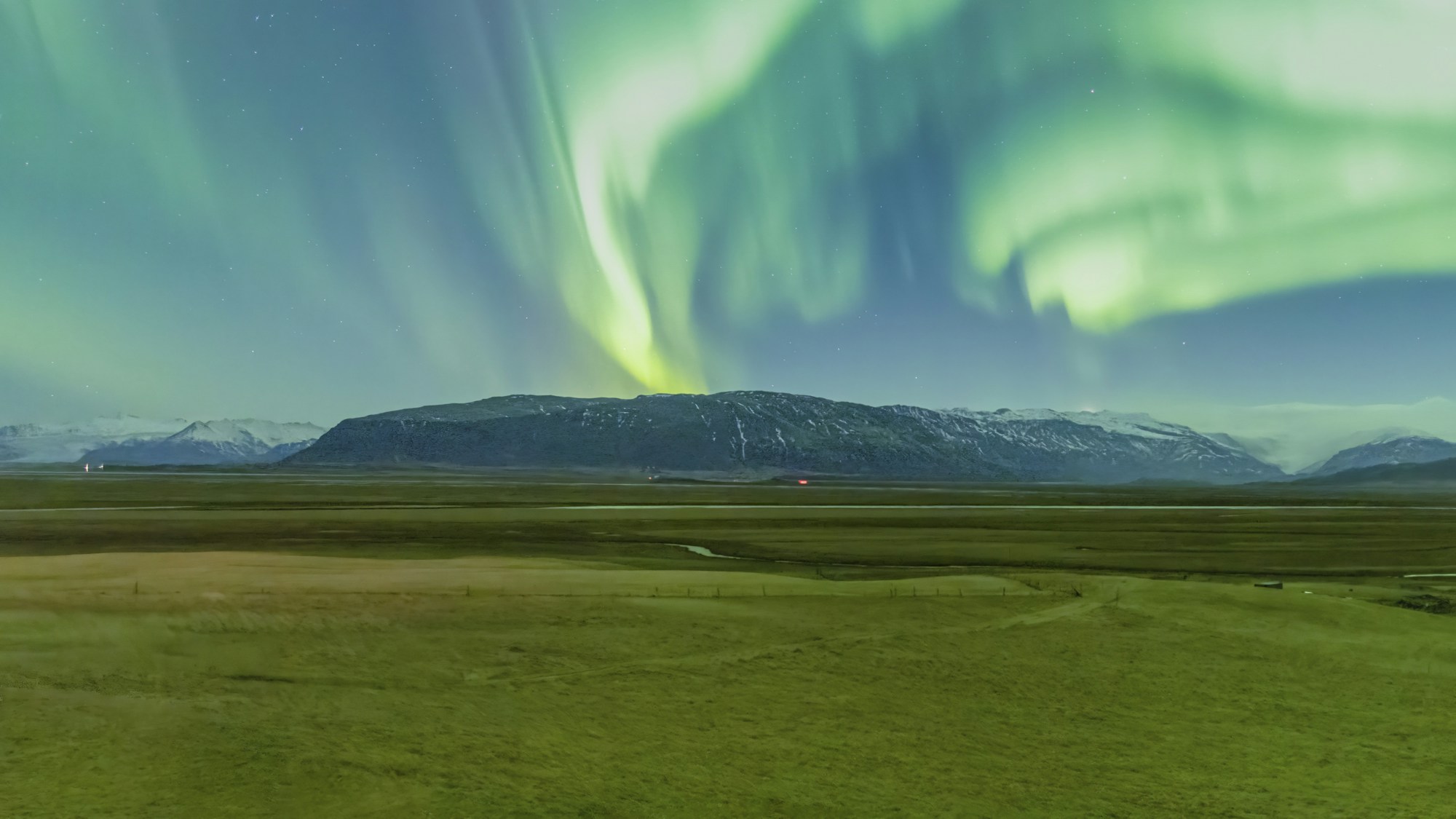
But the real draw of March 2026 in Iceland is the northern lights. Solar Cycle 25 is currently at its peak activity — a phenomenon that won’t recur for another 11 years. According to Evaneos, the northern lights of winter 2025-2026 are the most spectacular in over a decade. March offers the ideal combination: nights dark enough and long enough (sunset around 7:30 PM) while already enjoying generous daylight hours for activities.
Where to see the northern lights
- Grótta (Seltjarnarnes lighthouse) — 10 min from Reykjavík, little light pollution
- Þingvellir — Vast sky, spectacular setting above the lake
- Vík — Basalt columns add a unique dimension to photos
- Jökulsárlón — Northern lights reflected in the glacial lagoon: the holy grail for photographers
What to do in Reykjavík
- Hallgrímskirkja — The iconic church, panoramic view from the bell tower
- Harpa — Award-winning concert hall with spectacular architecture
- Perlan — Interactive museum with planetarium dedicated to the northern lights
- Laugavegur — Shopping street, galleries, cafés, and lively nightlife
- Sky Lagoon — Alternative to the Blue Lagoon, by the sea in Reykjavík itself
Travel Insurance: What a Volcanic Eruption Does (and Doesn’t) Cover
EU Regulation 261/2004: refund yes, compensation no
If a volcanic eruption were to cause the cancellation of your flight, EU Regulation 261/2004 partially protects you. According to the legal analysis by RetardVol, a volcanic eruption is classified as an « extraordinary circumstance », which means:
- Full ticket refund — The airline is required to refund you or reroute you
- Care and assistance — Meals, hotel, and transport in case of extended wait at the airport
- No flat-rate compensation — The €250 to €600 compensation provided by the regulation does NOT apply to « extraordinary circumstances »
Why take out additional travel insurance
The European Health Insurance Card (EHIC) covers medical care in Iceland under the same conditions as in your home country. However, it does not cover trip cancellation, repatriation, or lost luggage. According to AXA, specific travel insurance is recommended, particularly for:
- All-cause cancellation — Covers cancellation of accommodation and excursions in case of eruption
- Medical repatriation — Essential for outdoor activities (glaciers, hiking)
- Trip interruption — Refund of unused services
Practical Info: Budget, eSIM, and Preparation
Estimated budget for 10 days in Iceland (per person)
| Category | Budget | Comfort | Luxury |
|---|---|---|---|
| Round-trip flight (Paris) | ~€200 | ~€300 | ~€450 |
| Accommodation/night | €60-80 | €100-150 | €200-350 |
| Car rental/day | €80 | €130 | €200 |
| Meals/day | €30-40 | €60-80 | €120-200 |
| Total 10 days/person | ~€1,400 | ~€2,200 | ~€3,500+ |
Good to know for 2026
- New mileage tax (2026) — 6.95 ISK/km for rental vehicles. For a 2,500 km road trip, expect approximately 17,000 ISK (~€110) extra
- Card payment everywhere — Iceland is nearly cashless, even for a €2 coffee
- Tap water is drinkable and excellent — No need to buy bottles
- No tipping — Service is included in Icelandic prices
Our travel essentials
Nomad Insurance: global coverage from $56/4 weeks. 10% off via our link.
From $56 / 4 weeksFrequently Asked Questions About Iceland Tourism After the Eruption
Is it dangerous to travel to Iceland right now (March 2026)?
No. The French Ministry of Foreign Affairs classifies Iceland at normal vigilance level, the lowest level. Only a very restricted area around Sundhnúkagígar (Reykjanes Peninsula) is off-limits. The rest of the country — Reykjavík, Golden Circle, south coast, north — is entirely safe and open to visitors.
Are flights to Iceland disrupted by the volcanic eruption?
No. No flights have been cancelled or diverted since the start of the eruptive series in December 2023. The Reykjanes eruptions are effusive (lava flows) and do not produce ash clouds. Keflavík International Airport is operating normally, with direct flights from Paris starting at €200.
Is the Blue Lagoon open despite the eruption?
Yes. The Blue Lagoon has been reopened since March 5, 2026 with normal hours (8 AM – 9 PM). Comfort entry starts at 11,990 ISK (~€80). The protective barriers around the complex have proven effective. Book online in advance as time slots fill up quickly.
Can you drive around Iceland (Ring Road) in March 2026?
The Ring Road (Route 1) is open and drivable in March, but winter conditions persist in the north and east of the country. A 4×4 vehicle is strongly recommended. Note: F-roads (highland tracks) are closed until late May/early June. Check road conditions in real time at road.is. The new 2026 mileage tax (6.95 ISK/km) applies to rental vehicles.
What is the difference between the 2026 eruption and the 2010 eruption (Eyjafjallajökull)?
The difference is fundamental. The 2010 Eyjafjallajökull eruption was explosive and subglacial: the contact between magma and ice produced a massive volcanic ash plume that paralyzed European air traffic for 6 days. The Sundhnúkagígar eruptions are effusive: magma flows on the surface as lava flows, without projecting ash into the atmosphere. Zero impact on flights.
Does my travel insurance cover cancellation due to a volcanic eruption?
If your flight is cancelled due to an eruption, EU Regulation 261/2004 guarantees a full ticket refund or rerouting. However, the flat-rate compensation (€250-600) does not apply because an eruption is an « extraordinary circumstance. » To cover cancellation of your accommodation and excursions, travel insurance with all-cause cancellation coverage is recommended.
Can you see the northern lights in Iceland in March 2026?
Yes, and March 2026 is actually an exceptional time to see them. Solar Cycle 25 is at its peak activity, producing northern lights of rare intensity — a phenomenon that won’t recur for another 11 years. March offers dark enough nights (sunset around 7:30 PM) while enjoying milder temperatures than mid-winter. Check forecasts at vedur.is and aim for a Kp index of 3 or higher.
What budget should I plan for 10 days in Iceland in 2026?
Plan for approximately €1,400 per person for a budget trip (hostels, home cooking, small car), €2,200 for a comfortable stay (3* hotels, restaurants, SUV), and €3,500 or more for a luxury trip (design hotels, premium 4×4, fine dining). These estimates include round-trip flight from Paris, accommodation, car rental, and meals for 10 days. Don’t forget the new mileage tax of 6.95 ISK/km (~€110 for 2,500 km).
Sources
- French Ministry of Foreign Affairs — Travel Advice: Iceland
- Veðurstofa Íslands (Icelandic Meteorological Office) — Real-time seismic and volcanic data
- SafeTravel.is — Official travel safety website of the Icelandic government
- Wikipedia — 2023-2025 Sundhnúkagígar eruptions
- Voyage Islande — Volcanic news and tourism information
- Guide to Iceland — Leading tourism guide
- Islande Explora — Francophone Iceland travel specialist
- Visit Reykjanes — Reykjanes Peninsula tourism office
- Blue Lagoon (official site) — Hours, prices, and availability
- Zigzag Voyages — Golden Circle practical guide
- Finding the Universe — Ice caves and south coast guide
- Evaneos — Northern lights and custom travel in Iceland
- RetardVol — Legal analysis of EU Regulation 261/2004 and volcanic eruptions
- AXA — Travel insurance and volcanic risk coverage
- Road.is — Real-time road conditions in Iceland
- Veðurstofa — Northern lights forecast
Research conducted on March 23, 2026. Information on schedules, prices, and access conditions may change — check official websites before your departure.
Ready to Discover Iceland?
Iceland won’t wait — and neither will the northern lights of this solar cycle. Whether you dream of monumental waterfalls, glacial lagoons, or geothermal baths under the Nordic sky, our detailed itineraries guide you day by day for an unforgettable trip.
Explore Iceland itineraries