
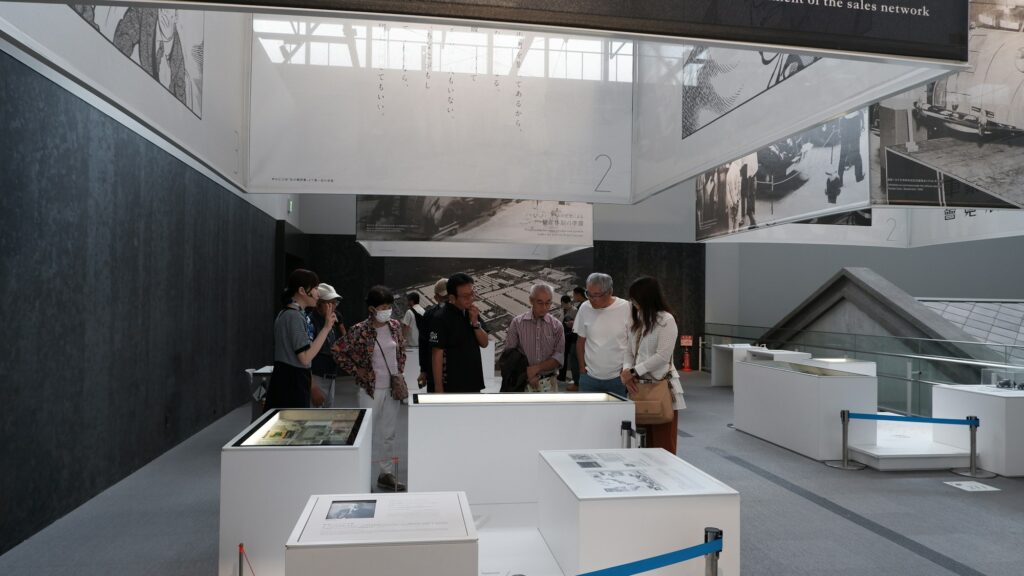
2026’s must-see art retrospectives at a glance
2026 is a landmark year for European art: Yayoi Kusama’s retrospective opens at the Stedelijk Museum Amsterdam (Sept 11, 2026 – Jan 17, 2027, ~€22.50), and Marina Abramović becomes the first living artist shown at the Gallerie dell’Accademia in Venice (May 6 – Oct 18, 2026, ~€15–18), running alongside the 61st Venice Biennale In Minor Keys (May 9 – Nov 22, 2026, ~€35–45). Also on: Tracey Emin at Tate Modern London and Kusama’s expanded edition at Museum Ludwig Cologne. Pixidia’s tip: visit Venice and Amsterdam in September–October, when both flagship shows overlap and crowds thin out.
2026 is an exceptional year for contemporary art lovers in Europe. While the art world holds its breath, two major exhibitions are already being called the events of the decade: Yayoi Kusama’s world retrospective arrives at the Stedelijk Museum in Amsterdam in September, and Marina Abramović makes history at the Gallerie dell’Accademia in Venice, running concurrently with the 61st Venice Biennale. These are exhibitions that don’t travel. If you want to see them, you travel to them — and it’s worth every kilometre.
1. Yayoi Kusama at the Stedelijk Museum Amsterdam
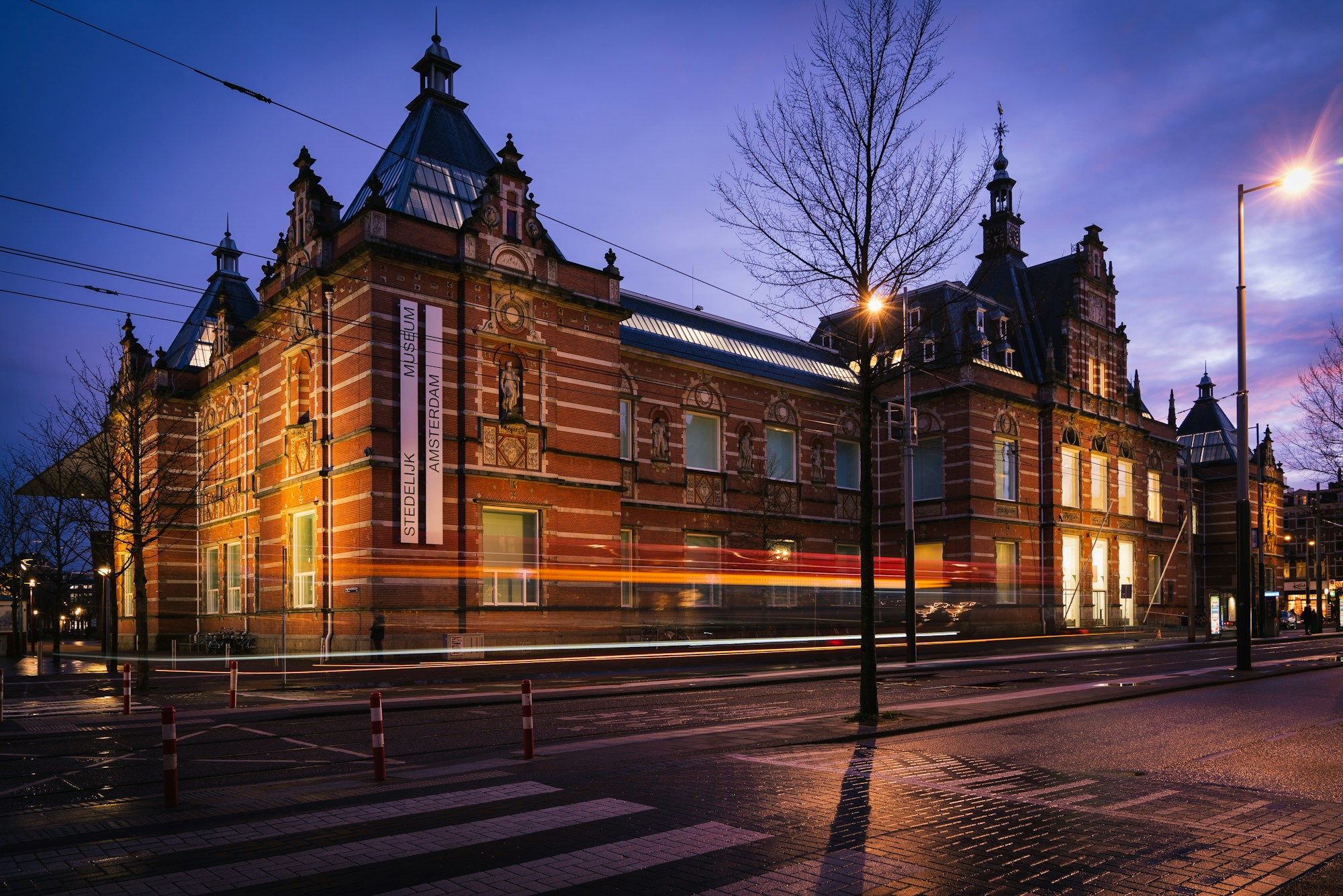
Stedelijk Museum Amsterdam — A Lifetime Retrospective
On September 11, 2026, the Stedelijk Museum Amsterdam opens one of the most anticipated exhibitions of the decade: a sweeping retrospective dedicated to Yayoi Kusama, one of the most influential and pioneering artists of the 20th and 21st centuries. According to the Stedelijk Museum, the exhibition will trace more than seven decades of revolutionary work, from her early paintings in Matsumoto to her most recent creations in Tokyo.
What makes this retrospective unique: over 130 works never shown in Europe will be on display, alongside new productions created specifically for this occasion. Highlights include early works — the Infinity Nets and accumulation sculptures — Narcissus Garden (1966/2025), a brand-new Infinity Mirror Room and an immersive environment created exclusively for Amsterdam. According to Artdependence, the exhibition will span painting, sculpture, installation, drawing, fashion, collage, happenings and live performance.
Exhibition highlights
- Over 130 works never shown in Europe — a continent premiere
- New Infinity Mirror Room created exclusively for Amsterdam
- Seven decades of creation: 1950s to present, across all mediums
- Narcissus Garden (1966/2025) and monumental accumulation sculptures
- Friday late opening until 10pm — fewer crowds, magical artificial lighting
2. Marina Abramović « Transforming Energy » at the Gallerie dell’Accademia in Venice
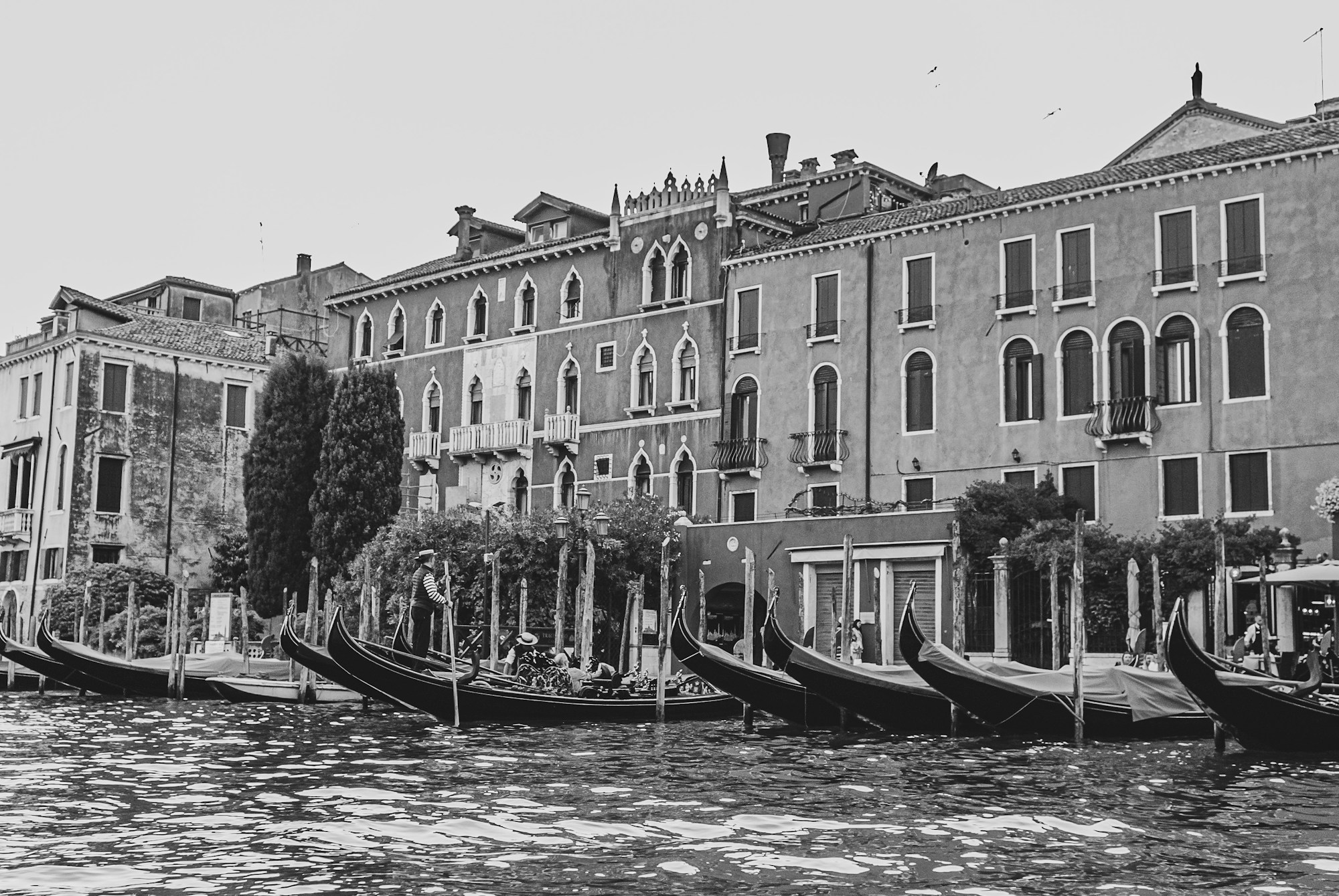
Gallerie dell’Accademia — An Absolute First in History
Marina Abramović makes history in 2026 by becoming the first living artist to be honoured with a major exhibition at the Gallerie dell’Accademia in Venice. According to the Gallerie dell’Accademia, Transforming Energy opens on May 6, 2026 — in parallel with the 61st Venice Biennale — and marks the artist’s 80th birthday.
At the heart of the exhibition: a series of interactive Transitory Objects — beds and structures embedded with crystals — on which visitors are invited to lie, sit or stand, activating what Abramović calls the « transmission of energy ». Iconic works like Imponderabilia (1977), Rhythm 0 (1974), Light/Dark (1977), Balkan Baroque (1997) and Carrying the Skeleton (2008) are shown alongside projections of past performances and new works created for the occasion.
One of the most striking moments is the direct dialogue between Abramović and Titian. Her Pietà (with Ulay, 1983) enters into conversation with Titian’s final Pietà, housed in the Gallerie dell’Accademia. As Bloom Settimocielo notes, two works five centuries apart, united by the same universal themes: love, loss, sacrifice, transformation.
Why this exhibition is unforgettable
- First exhibition of a living artist in the Gallerie’s two-hundred-year history
- Unprecedented Abramović–Titian dialogue across five centuries
- Interactive Transitory Objects: a physical and sensory experience
- Artist’s 80th birthday — exhibition conceived as a testament
- Private after-hours visits available for an exclusive experience
3. The 61st Venice Biennale « In Minor Keys » — Art as a Space for Listening
Giardini, Arsenale and Urban Sites — Koyo Kouoh’s Testament
The 61st Venice Art Biennale runs from May 9 to November 22, 2026 under the title In Minor Keys. According to Designboom, this edition carries exceptional symbolic weight: its curator, Koyo Kouoh — the first African woman to hold this position — passed away in May 2025, months after her appointment. The Biennale chose to honour her project exactly as she had conceived it.
In Minor Keys positions the Biennale as an exploration of quieter, more intimate artistic frequencies — modes of expression that resist spectacle in favour of subtlety, vulnerability and poetic persistence. The theme proposes art as a space for care, listening and sensory attention — a necessary response to the hyperconnectivity and noise of our era. 111 artists from around the world participate in this edition.
What you need to know
- Two main sections: Central Pavilion (Giardini) and Arsenale — allow two half-days
- National pavilions at the Giardini — including the renovated French Pavilion with Yto Barrada
- Satellite sites at Forte Marghera: sculptures by Ogunbiyi, Orlow and Aragno on the lagoon
- Multi-day pass covering all sites — ideal over a minimum of 3 days
4. Yayoi Kusama at Museum Ludwig Cologne — The Forgotten Stop on the Circuit
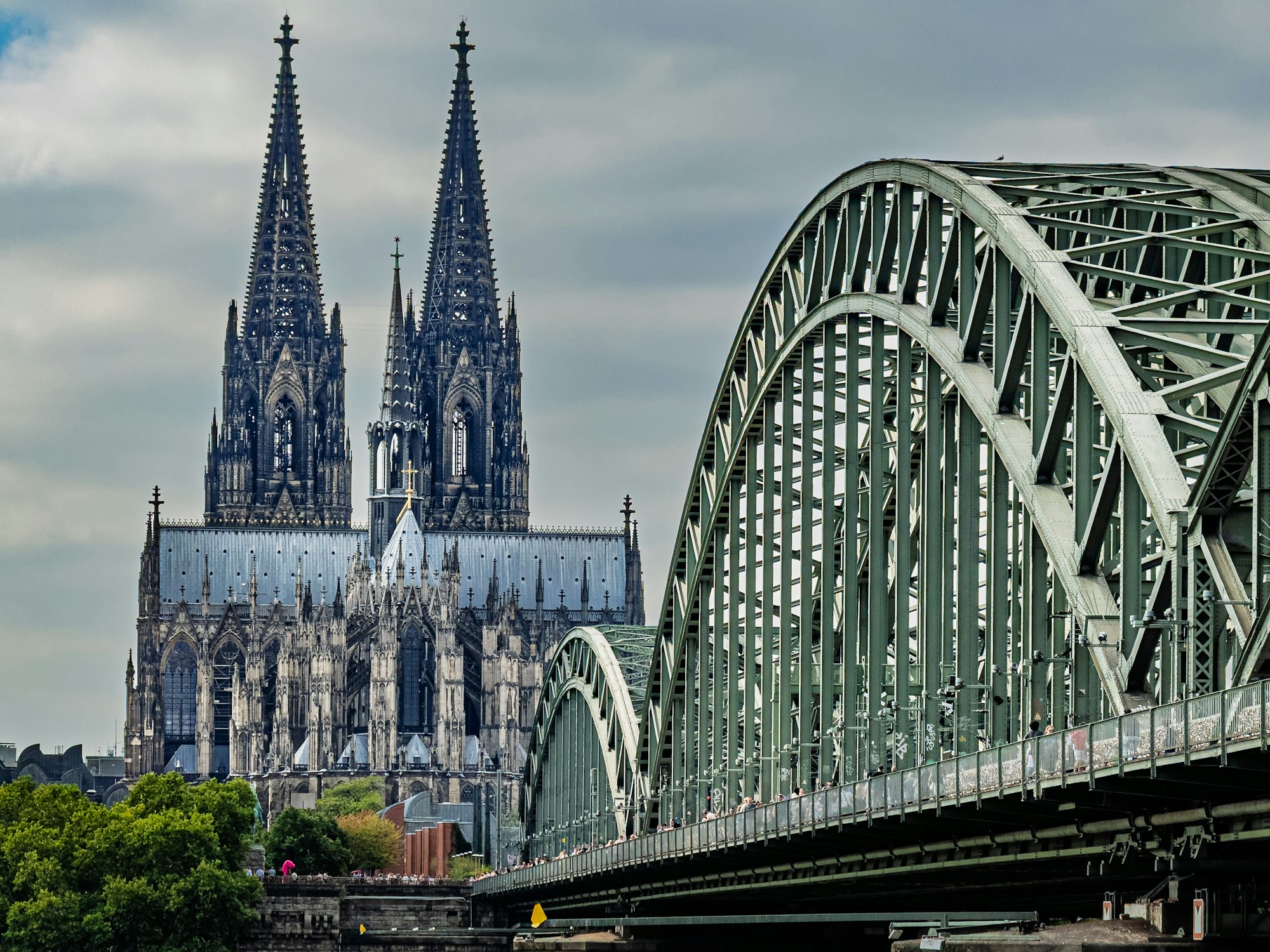
Museum Ludwig — Over 300 Works Including Exclusive Installations
To mark its fiftieth anniversary, Museum Ludwig in Cologne dedicates a major exhibition to Yayoi Kusama, from March 14 to August 2, 2026. According to Museum Ludwig, over three hundred works will span painting, drawing, sculpture, installation, fashion, performance and literature.
This Cologne version is not a duplicate of the Amsterdam retrospective: it includes several major installations absent from other stops, including Kusama’s very first major installation, Aggregation: One Thousand Boats Show (1963); the environment I’m Here but Nothing (2000/2026), a living space bathed in black light with countless fluorescent adhesive dots; and the imposing coloured bronze Flowers That Speak All About My Heart Given to the Sky on the panoramic terrace. As E-Flux recalls, in 1976 Peter and Irene Ludwig donated Kusama’s Compulsion Furniture (1966) to the city of Cologne — giving this retrospective a deeply moving « homecoming » dimension.
Why you shouldn’t skip Cologne
- 300+ works including exclusive installations absent from Amsterdam and Basel
- Exhibition extends onto panoramic terraces with Rhine views
- MuseumsCard valid 2 days at all Cologne museums — excellent value
- Logical stop on the « Kusama circuit »: Cologne → Amsterdam by train (2h30)
5. Tracey Emin « A Second Life » at Tate Modern London
Tate Modern — The Year’s Most Intimate Retrospective
Tate Modern dedicates to Tracey Emin the most comprehensive retrospective ever mounted on the British artist. Over 90 works trace forty years of career — painting, video, textiles, neons, sculpture and installation — in an intimate journey between love, trauma, illness and rebirth. According to Finestre sull’Arte, the exhibition is curated by Maria Balshaw, Director of Tate.
Diagnosed with aggressive cancer in 2020 requiring radical surgery, Emin now lives in a « second life » — and in this new existence, she creates more work than ever. The exhibition draws its power from this: recovery as a creative engine. As Artnet reports, My Bed (1998) is placed in the second half of the exhibition — Emin hopes for a reconceptualisation of the work as a place of recovery, not just scandal.
6. Paris’s Artistic Spring — Calder, Matisse and More
Paris, Capital of Major Retrospectives in 2026
Paris reinvents itself as the world capital of retrospectives in 2026. Alexander Calder takes over the Fondation Louis Vuitton from April 15 to August 16 to celebrate the centenary of his arrival in France and the fiftieth anniversary of his death. According to the Fondation Louis Vuitton, Dreaming in Balance is the first exhibition to dedicate the entire Fondation — and its adjacent lawn — to a single artist, creating a dialogue between Calder’s mobiles and Frank Gehry’s glass architecture. The Calder Circus returns to Paris for the first time in fifteen years, thanks to an exceptional loan from the Whitney Museum.
At the renovated Grand Palais, Henri Matisse takes centre stage from March 24 to July 26, 2026 with a retrospective dedicated to his most radical period: the cut-outs (1941–1954). This technique — little known to the general public — would directly influence minimalism, pop art and contemporary graphic design. His most revolutionary facet.
Paris 2026 cultural calendar
- Leonora Carrington — Musée du Luxembourg (Feb 18 – Jul 19, closing very soon): surrealism, mysticism and rebellion — final days to catch this show
- Henri Matisse — Grand Palais (Mar 24 – Jul 26): the cut-outs, his radical late masterwork
- Martin Parr — Jeu de Paume (Jan – Jun 21, now closed): posthumous retrospective on consumer society
- Alexander Calder — Fondation Louis Vuitton (Apr 15 – Aug 16): the Calder Circus returns to Paris
Practical Travel Information
Nomad Insurance: global coverage from $56/4 weeks. 10% off via our link. Perfect for multi-country art trips.
From $56 / 4 weeksStay connected from the moment you land in Amsterdam, Venice or Paris. Instant activation, no physical SIM card needed.
From €4.50Frequently Asked Questions
Do you really need to book in advance for the Kusama at the Stedelijk Amsterdam?
Yes, absolutely. The Stedelijk Museum only admits a limited number of visitors each day. The previous Kusama exhibition at the Fondation Beyeler in Basel generated queues of several hours without a reservation. According to the Stedelijk, tickets for the Kusama exhibition will be sold separately — sign up for the museum newsletter today to be alerted when sales open. Book a weekday slot: autumn 2026 weekends will sell out within hours.
How do you combine the Venice Biennale and the Abramović exhibition in a single trip?
Both exhibitions run concurrently from May 9 to October 18, 2026. Ideally, arrive on May 6 or 7: visit the Abramović at the Gallerie dell’Accademia before the crush of the professional Biennale preview (May 7–8), then spend 2–3 days on the Biennale itself. According to Les Bons Plans de Venise, plan a minimum of 4 nights to avoid exhaustion: the Biennale spreads across the Giardini, the Arsenale and various sites around the city. Buy your Biennale tickets in advance at labiennale.org.
Is the Kusama train circuit across Europe feasible in 2026?
Yes! The Kusama exhibition tours three cities: Basel (Fondation Beyeler, closed in January 2026), Cologne (Museum Ludwig, March 14 – August 2, 2026) and Amsterdam (Stedelijk Museum, September 11, 2026 – January 17, 2027). According to the official Kusama website, the Cologne → Amsterdam circuit is entirely feasible by train: Paris–Cologne in 2 hours (TGV), Cologne–Amsterdam in 2.5 hours (Intercity). Note: the Cologne version includes several exclusive installations absent from Amsterdam — it’s not a duplicate but an enriched version.
Is Venice during the Biennale in May hellish or magical?
Both, depending on when you arrive. The first days (May 6–8) are reserved for professionals — intense but unique in the world. From May 9, the general public floods in. If you prefer serenity, go to Venice in September–October: both exhibitions (Biennale + Abramović) are still open until late October, hotel prices have dropped 30–50%, and Venice’s autumn light is incomparable. According to the organisers, the Abramović exhibition is designed to allow visitors to truly take their time — something much easier outside the summer rush.
Which museum passes offer the best value for Amsterdam?
According to Which Museum, Amsterdam offers several options: the Museumkaart (~€70/year, unlimited access to 400 Dutch museums), and the I Amsterdam City Card (24h/48h/72h/96h, covering Stedelijk + Rijksmuseum + Van Gogh Museum + unlimited public transport + a canal cruise). If you plan to visit more than 3 museums over a 48-hour stay, the I Amsterdam City Card is the most cost-effective. Children and young people up to 18 get free entry to the Stedelijk.
Will « In Minor Keys » be different from previous Biennale editions?
Yes, deliberately so. According to Designboom, In Minor Keys resists spectacle and monumentality in favour of subtlety, vulnerability and poetic persistence. If you’re looking for provocative performances or monumental « Instagram-first » installations, look elsewhere. If you want a Biennale conceived as a space for listening and care — probably the most emotionally powerful of the decade, as it is the artistic testament of Koyo Kouoh — this is it.
Sources
- Stedelijk Museum Amsterdam — Yayoi Kusama Retrospective 2026, official announcement
- Artdependence Magazine — Major Yayoi Kusama Retrospective in Amsterdam 2026
- Gallerie dell’Accademia di Venezia — Marina Abramović: Transforming Energy (official)
- ARTnews — Marina Abramović at the Venice Accademia 2026
- La Biennale di Venezia — 61st International Art Exhibition (official)
- Designboom — Venice Art Biennale 2026: « In Minor Keys »
- Museum Ludwig Cologne — Yayoi Kusama (official)
- Tate Modern — Tracey Emin: A Second Life (official)
- Fondation Louis Vuitton (press release) — Calder, Dreaming in Balance
Research conducted on March 25, 2026. Fact-checked and refreshed in July 2026 (exhibition status verified: Martin Parr now closed; Leonora Carrington closing very soon).
Ready to Plan Your 2026 Cultural Journey?
Amsterdam, Venice, Cologne, London, Paris — 2026 is the year of the great retrospectives. Create your custom itinerary and organise every step of your trip.
Explore all itineraries