

Dubai in 2026 — go or cancel? The question has never been more complex. On one hand, a showcase city that fascinates millions of travelers every year; on the other, a regional geopolitical context that has changed everything in just a few weeks. Not to mention the unknown laws, hidden costs, and heat that can kill. This guide tells you what travel agencies systematically leave out — so you can make an informed decision.
1. Dubai’s Security Situation in 2026: What Your Travel Agent Won’t Tell You
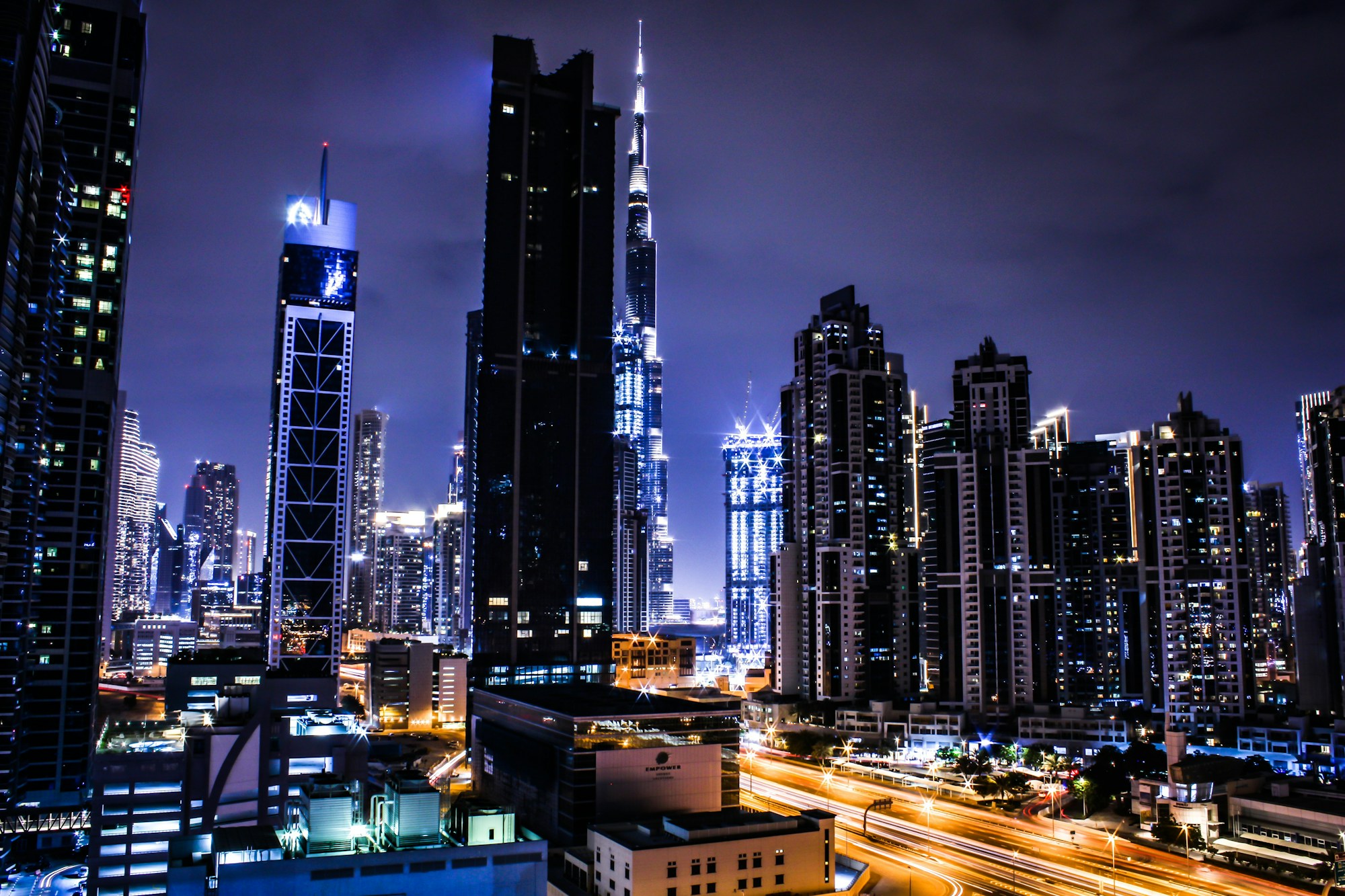
Geopolitical Context 2026: The Real Situation
In 2026, Dubai faces an unprecedented situation. According to Jetpac Global, escalating regional tensions led to missile and drone strikes on UAE territory in early 2026. The U.S. State Department issued a Level 3 advisory — strongly recommending reconsidering any travel. Airspace restrictions disrupted many routes, and some embassies were temporarily closed.
On March 27, 2026, the Australian government warned its citizens in the UAE: « We have reasons to believe there are heightened risks around hotels in Dubai, including a continuing threat in the vicinity of the Le Meridien hotel on Airport Road. » Smartraveller.gov.au notes that the situation could deteriorate without notice.
However — and this is the nuance travel agencies overlook — this threat is geopolitical, not criminal. Outside the regional context, Dubai remains structurally one of the safest cities in the world for ordinary crime. Camera density, zero-tolerance policies and state-of-the-art law enforcement make this a model security city for residents and tourists.
2. The Laws Travel Agencies Don’t Dare Explain
What’s Legal (and What Isn’t)
Dubai is not Las Vegas in the Gulf sun, even if it borrows that image. According to Roafly, ignorance of the law is never accepted as a valid defense. Here’s what the brochures don’t show.
What’s Forbidden (and Surprises Foreign Tourists)
- Swearing in public or in WhatsApp messages: up to one year in prison and 10,000 AED fine. This extends to social media.
- The middle finger: considered a « violation of honor. » Risk of deportation and prison.
- Poppy seeds (in luggage!): controlled substance in the UAE. Confiscation and imprisonment.
- Drones: strict regulations, numerous no-fly zones. Always check permits beforehand.
- Certain prescription medications: some common painkillers containing codeine or tramadol are controlled. Check your medicine cabinet before leaving.
What You Can Do
- Alcohol: legal for non-Muslims in licensed establishments (hotel restaurants and bars). Personal license no longer required since 2020.
- Unmarried couples: legally allowed to stay together in hotels since 2020.
- Dress code: casual in tourist areas, modest at souks and places of worship.
3. The Real Budget in Dubai: What Agencies Hide (and How to Save)
Budget by Traveler Profile
Dubai has a reputation for being prohibitively expensive. The truth is more nuanced. According to Embassy Alliance, a mid-range traveler spends around 1,500 AED per day (~$408), while a budget traveler can manage on 650 AED (~$177).
Major attractions are indeed expensive: the Burj Khalifa costs around $60, the Dubai Aquarium around $60. But there are authentic alternatives at virtually no cost. Prices in tourist districts like Jumeirah or Downtown are 2–3 times higher than in local neighborhoods.
Where to Actually Save Money
- Driverless metro: under $1 per trip
- Abra (water taxi) across the Creek: $0.30 — one of the city’s best experiences
- Desert safaris: 50% cheaper when booked in Deira rather than through hotel agencies
- Local restaurants in Bur Dubai: quality meals for $15–20
- Burj Khalifa fountain: free nightly show from outside
4. The Heat That Can Kill: The Danger Nobody Really Explains
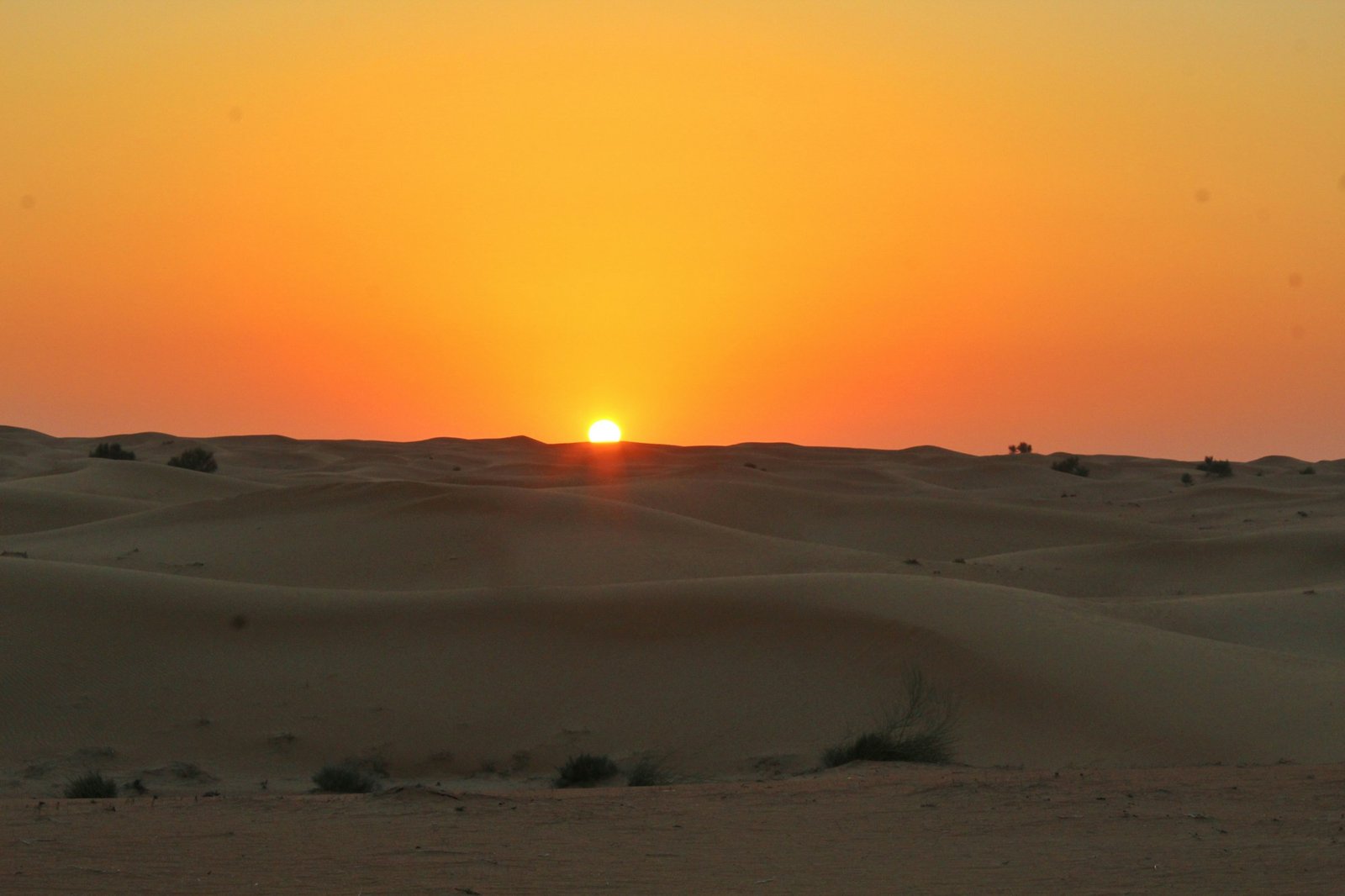
40 to 62°C Feels Like: The Reality of Dubai in Summer
Dubai’s heat is not just an inconvenience. In summer, it can be lethal. According to bne IntelliNews, a heatwave pushed the apparent temperature to 62°C in Dubai in 2024, with the combination of high humidity and air temperature reaching theoretical limits of human heat tolerance. In May 2025, the city recorded 46°C — the highest May temperature ever measured.
First Response Healthcare warns that when the human body overheats above 40°C, it can trigger potentially fatal heatstroke. Summer begins from the last week of April and lasts until early October.
What This Means Practically for Your Trip
- Outdoor walks over 20 minutes: virtually impossible June–August
- Comfortable beach: reserved for November–March
- Air-conditioned spaces (malls, hotels, metro) remain accessible year-round
- Nighttime activities (souks, fountains, walks) are ideal in summer if you accept 30°C at midnight
5. Visa and Entry: The Complete Guide by Nationality (2026)
Who Can Enter Without a Visa — and the Traps to Know
According to dubai.com, citizens of most EU countries (except Ireland) receive a free visa on arrival valid for 90 days. Americans, Canadians and Australians are entitled to 30 days. Mexicans get 180 days — one of the most generous agreements in the world.
For nationalities requiring a prior visa, the process is entirely online, minimal in documentation (passport copy + photo) and takes 2–5 working days for $60–100 depending on the duration.
Traps Nobody Warns You About
- Israel-stamped passport: may cause difficulties despite evolving UAE-Israel diplomatic relations. Check current situation.
- Previous UAE visa not cancelled: must be formally cancelled by GDRFA before a new one can be issued.
- Good news for 2026: UAE automatically extended all visas expiring between February 28 and March 31, 2026 — no penalties for travelers concerned.
- Passport validity required: minimum 6 months from entry date.
7. Reality vs. Fantasy: The Dubai That Influencers Don’t Show
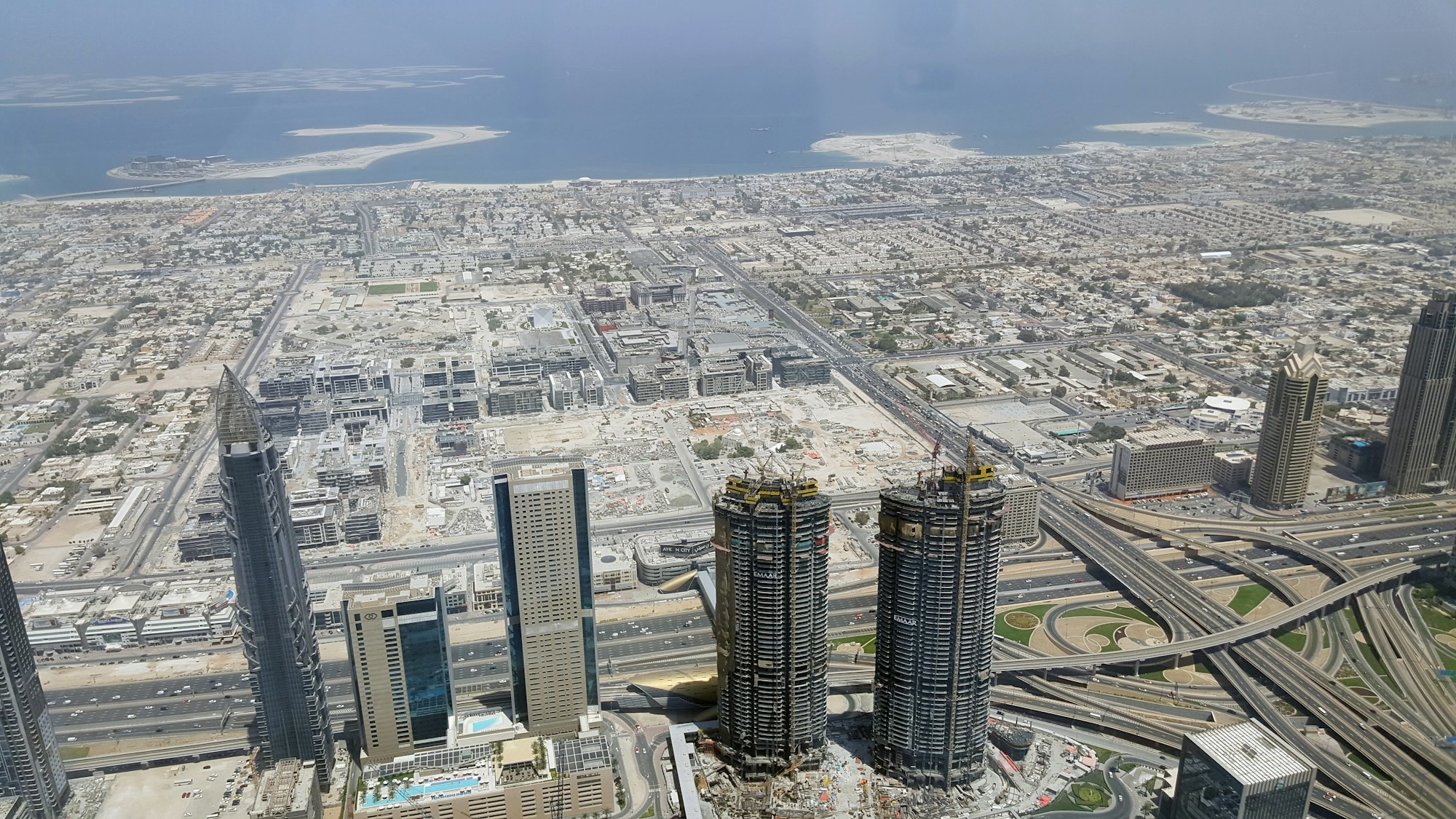
What the Brochures Deliberately Omit
Radical Storage sums it up perfectly: « Dubai is efficient, clean, predictable, and emotionally sterile. Once the ‘wow’ effect fades, boredom sets in — not because Dubai lacks attractions, but because it lacks depth. »
From May to September, temperatures regularly exceed 40°C, making outdoor activities impossible. This reality contrasts sharply with the idyllic beach scenes in tourism marketing. In summer, most movement happens in air-conditioned spaces — which destroys one of the greatest pleasures of travel: wandering freely.
What’s Overrated
- Shopping: Dubai remains expensive by global standards, contrary to what marketing claims
- Cultural immersion: difficult in a city designed to consume, not to discover
- Miracle Garden: frequently described as overhyped by travelers who visited
What’s Genuinely Worth It
- Architectural innovation: the city is a genuine feat of engineering
- Luxury experiences: hotels, restaurants, yachts — excellence is guaranteed
- Authentic cultural diversity: 200 nationalities cohabit in a fascinating megacity
8. Al Fahidi: Dubai’s Hidden Soul That Agencies Never Mention
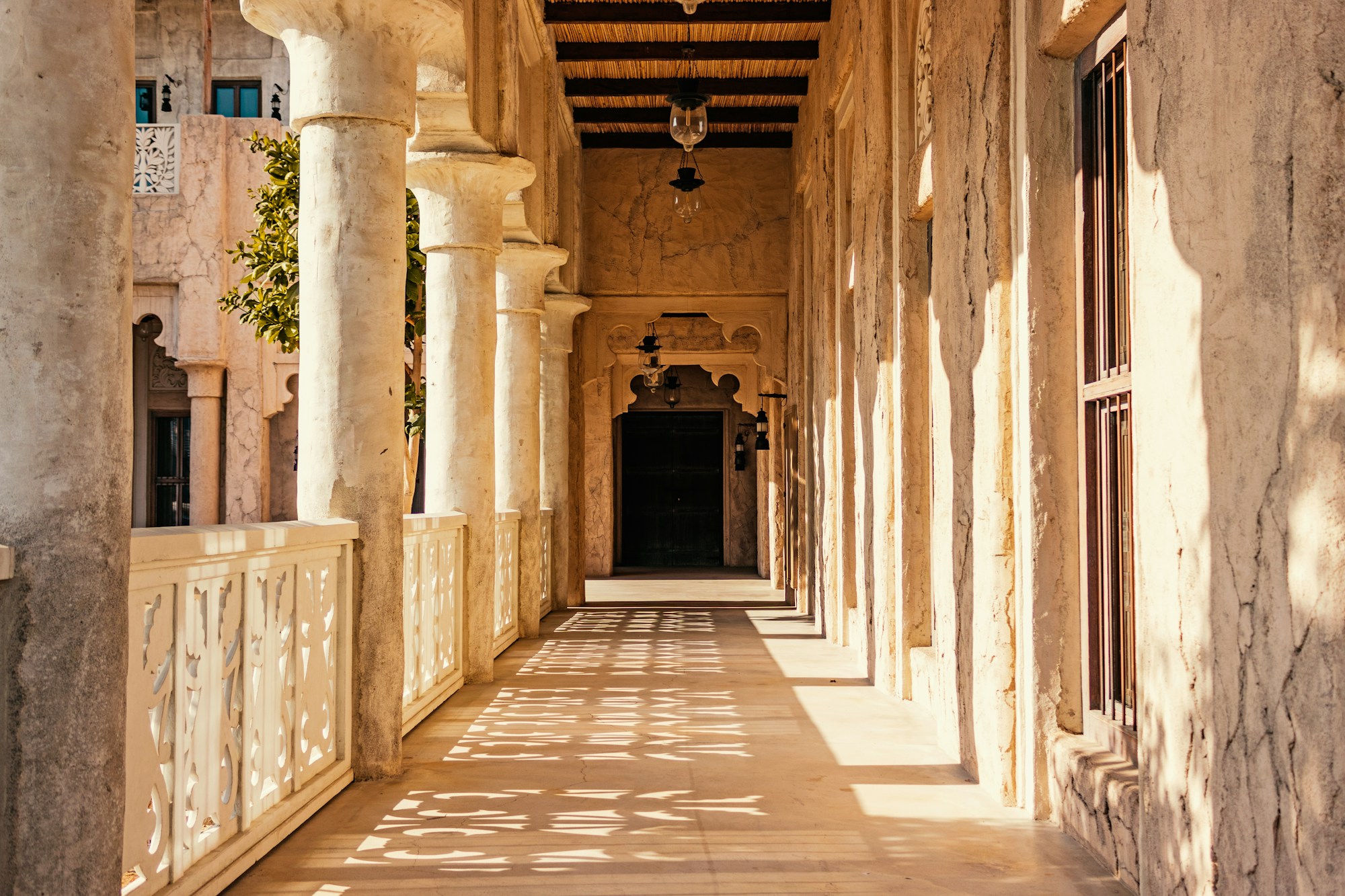
The Anti-Dubai That Explains Everything
If you only visit one place to understand the real Dubai, choose Al Fahidi. This preserved 19th-century neighborhood is the only place where Dubai proudly shows its age. Traditional coral-plaster houses adorned with wind towers (barjeel) represent one of the region’s most ingenious vernacular architectures: these towers captured the Gulf breeze to naturally ventilate interiors without electricity.
According to Dubai Today, the neighborhood offers a slower pace and clearer vision of Dubai’s heritage, which many residents recommend to visiting friends who only associate the city with towers and malls.
Don’t Miss
- Dubai Museum (entry: 3 AED) — the cheapest attraction in the whole city
- Free art galleries in the alleyways
- Abra across the Creek (1 AED — one of Dubai’s best experiences)
- Independent cafés with Creek views
9. Deira, Gold Souk and Spices: The Other Authentic Dubai
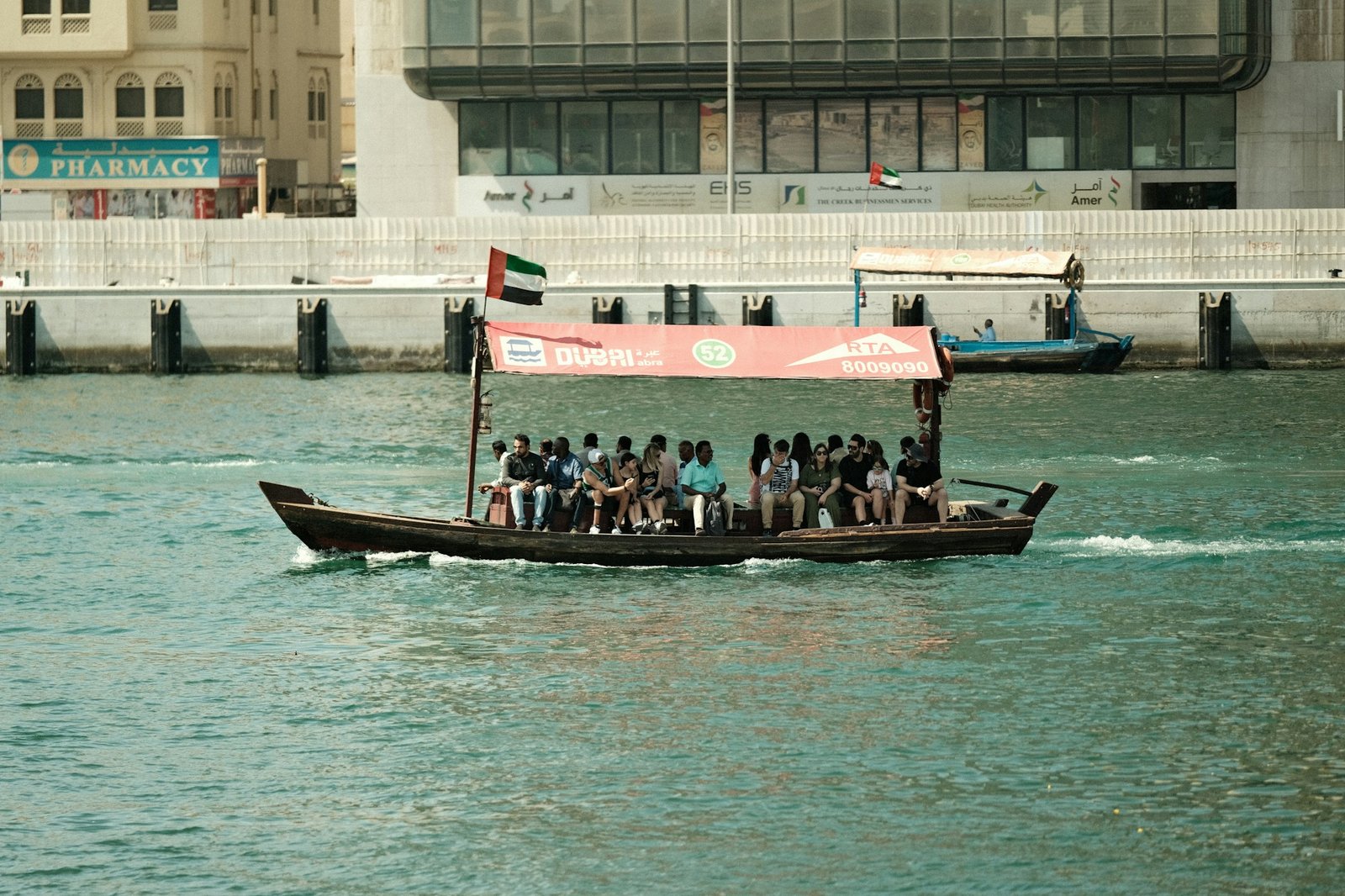
Dubai’s Real Cosmopolitanism
While Downtown Dubai is designed to impress cameras, Deira is designed to live in. This is where the majority of migrant workers — Indian, Pakistani and African merchants — who power the city’s real economy reside. Deira hasn’t been « touristic-fied. » According to Against the Compass, you rub shoulders with merchants negotiating in Hindi, Urdu, Tamil and Arabic — an authentic cosmopolitanism that brochures never show.
Deira’s Gold Souk offers some of the world’s cheapest 24-karat gold jewelry, with live prices displayed per gram. Even without wanting to buy, walking through the illuminated stalls is a unique photographic experience. Two steps away, the Spice Souk fills the air with saffron, cardamom, sumac and wild Yemeni thyme.
10. Dubai Marina: When the City of Tomorrow Is Truly Worth the Trip
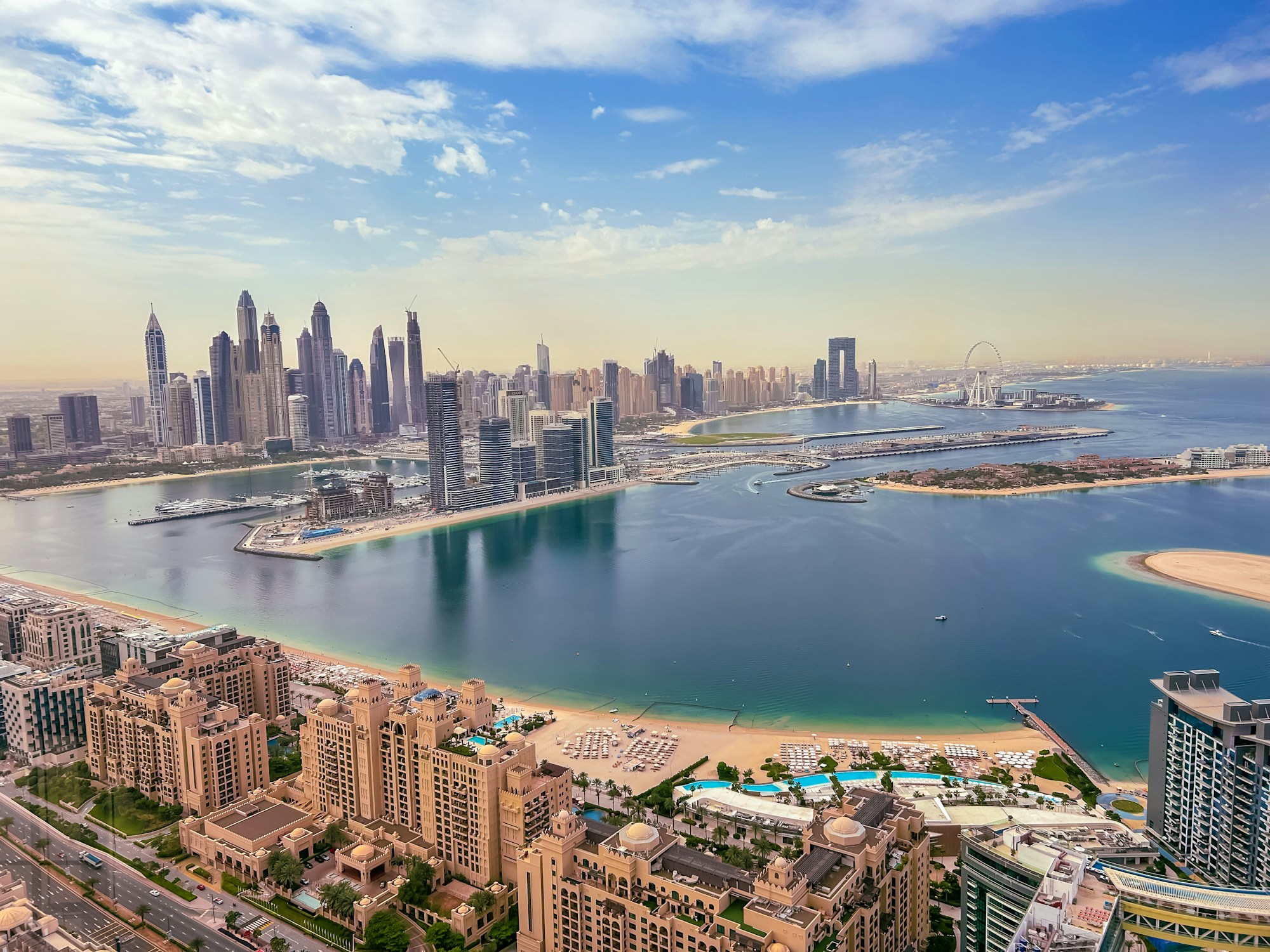
The Experience That Changes Your Perception of Dubai
Dubai Marina is where spectacular architecture meets daily life. But most tourists visit at the wrong time: on summer afternoons or crowded December weekends. The real Dubai Marina reveals itself at dawn in winter, when kayakers paddle on calm water between skyscrapers lit by the sunrise.
Nomadic Matt recommends Pier 7 — seven floors of waterfront restaurants and bars — and the canal walks where workers, expat families and joggers mingle. A rarity in Dubai: watching local life rather than tour groups.
11. When to Visit Dubai: The Honest Monthly Guide
The Calendar Your Travel Agency Won’t Show You
According to UAE Expert Hub, November is probably the best compromise: 30°C by day, 20°C at night, prices 20–30% cheaper than peak season (December–February), and smaller crowds. All outdoor activities are comfortable.
- Nov.–Mar. (peak season): 15–25°C, ideal for everything. Hotel prices 30–50% higher.
- Sep.–Oct. (shoulder season): 30–35°C, smaller crowds, falling prices. Recommended.
- Apr.–May (spring): 35–40°C, heat setting in but outdoor activities still possible in mornings.
- Jun.–Aug. (summer): 40–46°C + extreme humidity. 40% savings but severely reduced travel quality.
Practical Information for Your Dubai Trip
Stay connected from landing. Instant activation, no SIM swap needed. Essential since VoIP is blocked in the UAE.
From €4.50Nomad Insurance: global coverage from $56/4 weeks. Covers geopolitical risks. 10% off via our link.
From $56 / 4 weeksFrequently Asked Questions About Dubai in 2026
Is it safe to travel to Dubai in 2026?
The answer depends entirely on your travel dates. In early 2026, regional geopolitical tensions led to official alerts from French, American, Australian and Canadian governments. The city remains functional and safe for ordinary crime, but the regional situation can change rapidly. Always check your government’s travel advisory before booking, choose flexible tickets and get insurance covering geopolitical cancellations.
What is the real budget for a week in Dubai?
A week in Dubai typically costs between $1,500 and $2,500 per person (excluding flights), including mid-range accommodation, food, local transport and sightseeing. Add the return flight ($400–900 from Europe) and hotel taxes not included in displayed prices (about +12%). A budget traveler can manage on $85–115/day using the metro, eating at local restaurants and choosing free activities.
Do Americans need a visa for Dubai?
No. US citizens receive a free visa on arrival valid for 30 days. Your passport must be valid for at least 6 months from the date of entry and have at least one blank page.
Can you drink alcohol in Dubai?
Yes, alcohol is legal in Dubai for non-Muslims, but only in licensed establishments (hotel restaurants and bars). Since 2020, a personal license is no longer required to consume alcohol. However, drinking in public, on the beach or in unauthorized spaces remains a criminal offense.
When is it really inadvisable to visit Dubai?
Absolutely avoid June through August: temperatures of 40–46°C, sometimes extreme humidity above 85%, outdoor activities virtually impossible. Also avoid periods of active geopolitical tensions — check government alerts in real time before each trip.
Can you travel to Dubai on a tight budget?
Yes, if you know the right tips. With $50–80 per day, you can experience the best of Dubai: metro ($1/trip), abra on the Creek ($0.30), Dubai Museum (3 AED), biriyani at local Bur Dubai restaurants ($15–20), Burj Khalifa fountain show (free from outside). Keys: avoid hotel restaurants, tourist districts Jumeirah/Downtown, and prefer Deira for shopping.
What laws must you absolutely know before going to Dubai?
The laws most tourists don’t know: (1) Swearing in public or in WhatsApp messages is a criminal offense (up to one year in prison and 10,000 AED fine); (2) The middle finger gesture leads to deportation; (3) Some common prescription medications (codeine, tramadol) are controlled in UAE; (4) Drones require prior authorizations; (5) Illegal parking, loud noise at night and « indecent » behavior in public are severely punished.
Is Dubai really worth visiting in 2026?
It depends on your expectations. If you’re after architectural innovation, luxury experiences and human diversity, Dubai remains a unique experience. However, if you want authentic cultural immersion, sustainable tourism or unconstrained outdoor wandering, Dubai may disappoint. And in 2026, the regional geopolitical situation adds a variable you cannot ignore. Our advice: if you decide to go, plan ahead, travel prepared, and visit Al Fahidi and Deira — the two neighborhoods that show the city’s true soul.
What is the best time to visit Dubai if you decide to go?
Late autumn to early spring (roughly November to March) is the most comfortable window, with mild days that suit desert safaris and old-town walks. From May to September, temperatures regularly exceed 40°C, so outdoor plans become difficult. September–October is a cheaper shoulder period, with hotel rates around the Marina often well below peak season. Whatever the month, check your government’s current travel advisory shortly before booking.
Sources
- Jetpac Global — Is It Safe to Travel to Dubai? (March 2026)
- Smartraveller Australia — UAE Travel Advisory (2026)
- Government of Canada — UAE Travel Advice (2026)
- US State Department — UAE Travel Advisory
- Roafly — Dubai Tourist Bans & Laws (January 2026)
- Embassy Alliance — Dubai Travel Guide 2026
- bne IntelliNews — Dubai heatwave 62°C (July 2024)
- Dubai.com — Visa Requirements by Nationality
- Mazeed — Hotel Tax in Dubai (2026)
- Radical Storage — Is Dubai Overrated? (2025)
- Against the Compass — Travel Dubai on a Budget (2026)
- Dubai Today — Best Time to Visit Dubai 2026
- UAE Expert Hub — Best Time to Visit Dubai (February 2026)
- Nomadic Matt — Dubai Travel Guide (2025)
Research conducted on April 1, 2026
Ready to Plan Your Dubai Trip?
Browse our itineraries to organize your stay in the Emirates — from express business trips to cultural immersion in old Dubai.
Explore all itineraries