

On February 28, 2026, Israeli-American strikes on Iran triggered the worst aviation crisis since the pandemic. Within 48 hours, eight airspaces closed simultaneously, over 12,900 flights were cancelled, and a million passengers were stranded. Airline by airline, airport by airport — here is the complete picture as of April 7, 2026, including which routes still work, which have resumed, and the alternatives that are emerging.
The February 28, 2026 Crisis: What Happened
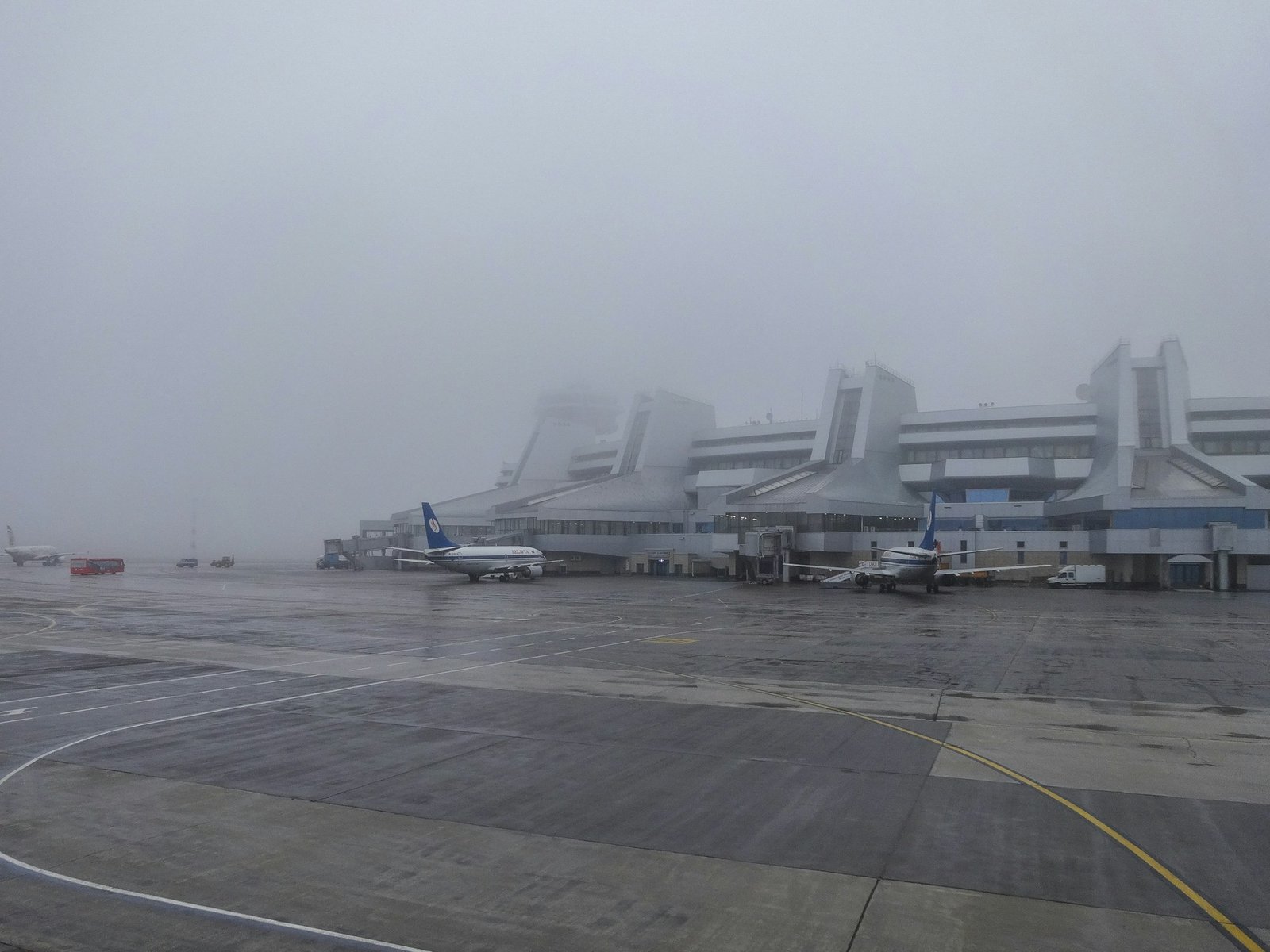
8 Airspaces Closed, 1 Million Passengers Stranded
- Outbreak date: February 28, 2026, Israeli-American strikes on Iran
- 12,903 flights cancelled within 48 hours (≈ 40% of scheduled departures, per Cirium)
- 8 airspaces closed: Iran, Israel, Iraq, Jordan, Qatar, Bahrain, Kuwait, UAE
- Jet fuel: from $88 to $216 per barrel (+145%)
- Over 1 million passengers directly affected worldwide
According to France 24, the simultaneous shutdown of the three major Gulf transit hubs (Dubai, Doha, Abu Dhabi) is unprecedented in commercial aviation history. While regional disruptions had occurred before, never had a closure of this duration — over 24 hours — paralysed so many intercontinental connections at once.
The immediate consequence for travellers: all flights transiting through Gulf hubs to reach Asia, Africa or Oceania were cancelled or severely delayed. Alternatives quickly dried up, driving prices sky-high on the few remaining operational routes.
Quick Dashboard: Airline Status as of April 7, 2026
| Airline | Tel Aviv | Dubai | Doha | Beirut |
|---|---|---|---|---|
| Air France | ❌ until Apr 19 | ❌ until Apr 19 | ✅ indirect | ❌ until Apr 19 |
| Lufthansa Group | ❌ until May 31 | ❌ until May 31 | ❌ | ❌ |
| British Airways | ❌ until May 31 | ❌ until May 31 | ❌ until Apr 30 | ❌ |
| KLM | ❌ until May 17 | ❌ until May 17 | ❌ | ❌ |
| Turkish Airlines | ❌ | ❌ | ❌ | ❌ |
| Emirates | ❌ | ✅ reduced schedule | — | ❌ |
| Qatar Airways | — | ❌ | ✅ gradual recovery | ❌ |
| El Al | ⚠️ < 5% capacity | — | — | — |
| Wizz Air | ❌ until Apr 20 | ❌ mid-Sept. | ❌ | ❌ |
European Airlines: Air France, Lufthansa, British Airways
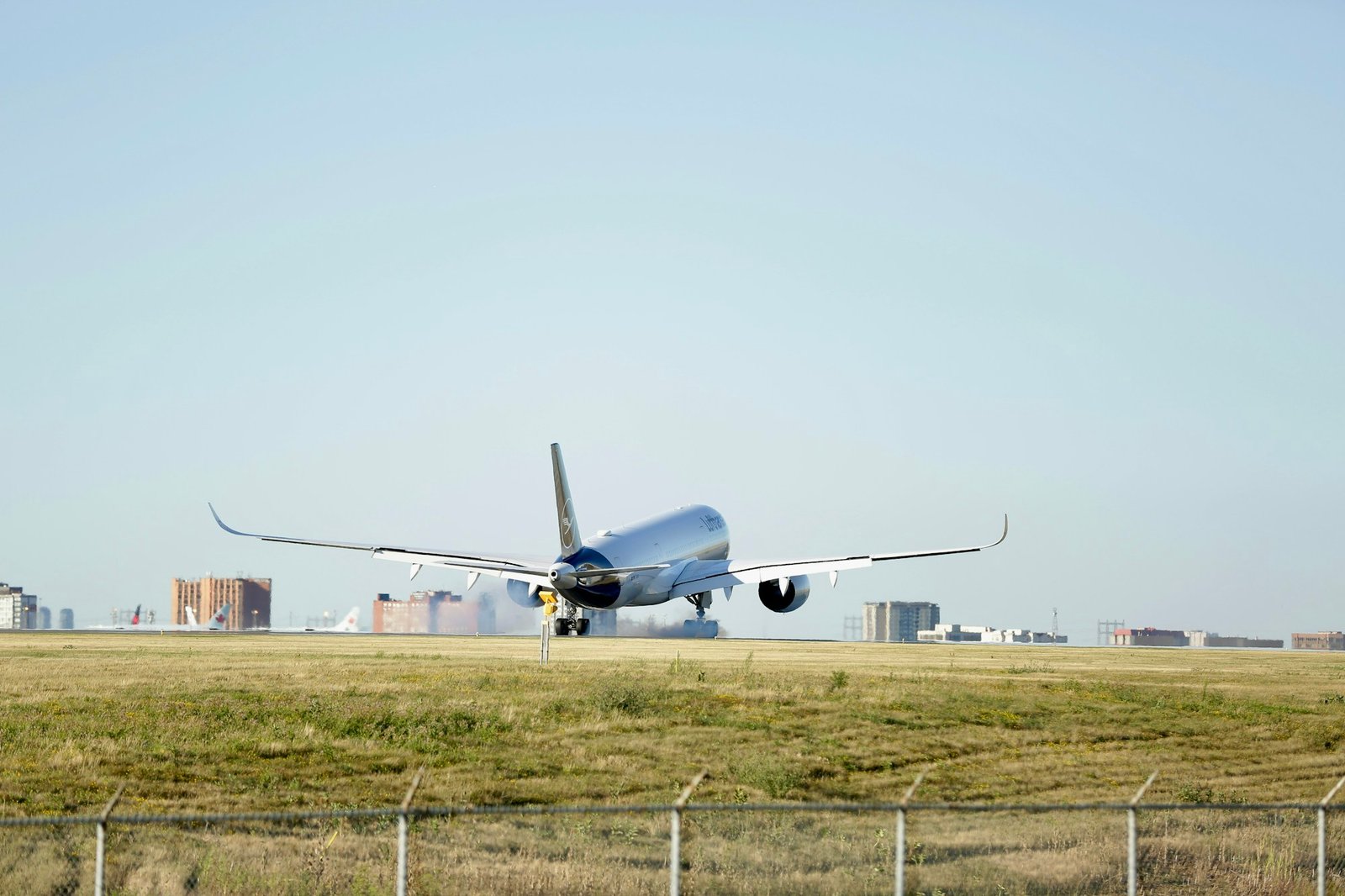
Air France — Suspended until April 19, pivot to Asia
- Suspended until April 19: Dubai, Riyadh, Tel Aviv, Beirut
- Increased capacity: Bangkok, Phuket, Singapore, Delhi, Tokyo (extra A380/A350)
- Free changes until April 26 (KLM also until April 26)
- Paris–Bangkok direct: approx. €900–€3,500 depending on availability
Faced with Gulf airspace closures, Air France immediately pivoted to Asia. From March 4 onwards, the airline deployed larger aircraft on Paris–Bangkok, Paris–Phuket and Paris–Singapore routes to absorb passengers stranded by the Dubai and Doha hub shutdowns. Reinforcements will continue throughout summer 2026, with additional flights to Bangkok, Singapore, Bangalore, Tokyo and Osaka.
Lufthansa Group — All subsidiaries suspended until May 31
Lufthansa, Swiss, Austrian Airlines, Brussels Airlines, ITA Airways and Edelweiss all suspended flights to Dubai and Tel Aviv until May 31, 2026. The group’s fuel hedging stands at 82% for Q1 and 77% for the full year, providing solid protection through the autumn. CEO Carsten Spohr announced the group is ready to launch a new route to Kuala Lumpur and expand Southeast Asian operations.
British Airways — Free rebooking until June 1, 2026
British Airways extended cancellations to Amman, Bahrain, Dubai and Tel Aviv until May 31. Doha flights are suspended until April 30. In return, the airline is adding capacity to Caribbean destinations. Passengers may rebook free of charge until June 1, 2026, or change origin/destination without fee if the new journey is within the same country or within 750 miles.
easyJet & Ryanair: Low-Cost Airlines Facing the Fuel Cost Crisis
Margins Under Pressure Despite Hedging
- easyJet: Tel Aviv return plans cancelled for now
- easyJet hedging: 84% of H1 needs at $715/tonne (very competitive)
- Ryanair: rules out any flight cancellations
- Ryanair hedging: ~$67/barrel, best level in the sector
- Summer 2026 fares: 20–40% higher than 2025
Neither carrier is directly exposed to Gulf airspace closures, as they operate primarily within Europe and the Mediterranean basin. However, both are absorbing the full force of the jet fuel price surge, which threatens their structurally tight margins. easyJet continues opening new European routes: Paris CDG–London Stansted from March 5, Montpellier–Manchester from March 30, and Strasbourg–Marrakech from May 3, 2026. Ryanair stands out with its roughly $67/barrel fuel lock-in — well below current market rates. The airline is expanding with a new Moroccan base in Rabat, three aircraft stationed in Tirana, and 10 new routes from Bratislava.
Turkish Airlines: Istanbul, the New Hub of the World

10 Countries Suspended, Yet Istanbul Captures All the Traffic
- Countries suspended: Bahrain, Saudi Arabia, Iran, Iraq, Jordan, Kuwait, Lebanon, Oman, Qatar, Syria, UAE
- IST hub: 85 million passengers in 2025, crossroads of 3 continents
- Extra flight time: 1.5–3 hours longer depending on Asian destination
- Paris–Bangkok via Istanbul: from €650 (vs. up to €5,000 for some direct options)
Paradoxically, the crisis has made Istanbul the great winner of the global aviation disruption. While Turkish Airlines had to suspend flights to conflict-affected Gulf and Middle Eastern countries, Istanbul Airport immediately emerged as the major alternative hub for passenger and cargo traffic between Europe, Asia and Africa. With 85 million passengers in 2025, Istanbul has the capacity and connectivity to absorb redirected traffic. The extra flight time (1.5–3 hours depending on destination) is real, but the price differential often remains very attractive.
Emirates & Qatar Airways: The Gulf Hubs’ Gradual Recovery
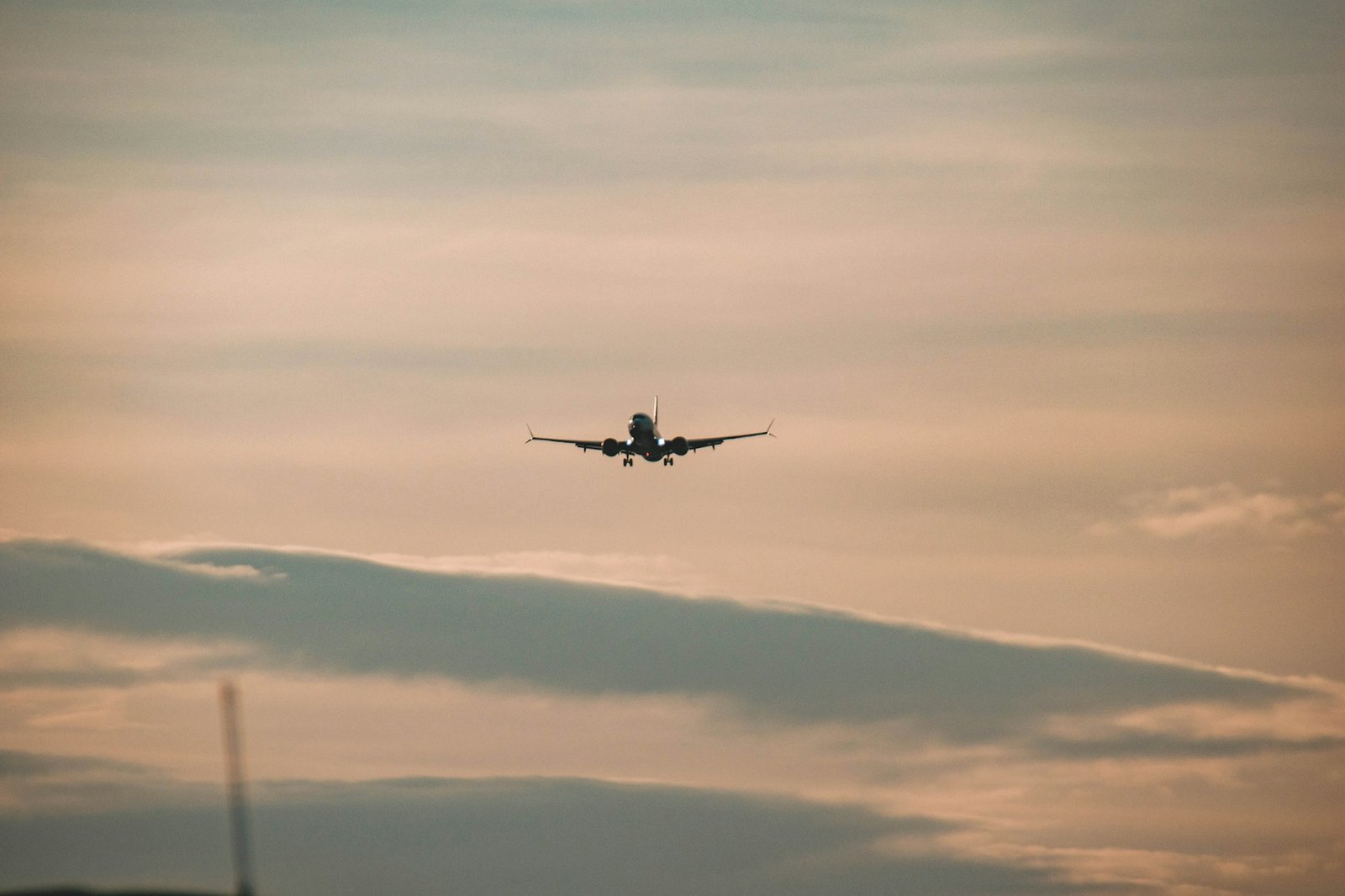
Emirates — 127 Destinations from Dubai
- DXB and AUH: fully operational since April 4, 2026
- 127 destinations in current schedule (near-complete network outside the Middle East)
- France: 2 daily flights to Paris, 5x/week to Nice, 3x/week to Lyon (A380)
- March 16 incident: fuel tank fire at DXB (drone attack), quickly resolved
- Fares to Paris up 30–50% on pre-crisis levels
Emirates, one of the world’s three most productive airlines, took the full force of the crisis before gradually restoring operations. Emirates, Etihad Airways, Qatar Airways and Lufthansa jointly confirmed on April 4, 2026 that both Dubai International (DXB) and Abu Dhabi (AUH) are fully operational, according to Travel and Tour World.
Qatar Airways — Doha Targeting 120 Destinations by Mid-May
- 120 destinations planned by mid-May 2026 (vs. 170 before the conflict)
- Paris–Doha: approx. 14 flights/week in April (vs. 24 in normal times)
- Asia restored: Bangkok, Singapore, Tokyo, Mumbai, Manila, Jakarta, Bali, Phuket, Maldives
- Still suspended: Dubai (DXB), Abu Dhabi (AUH), Bahrain (BAH), Beirut (BEY)
flydubai & Air Arabia: Gulf Low-Cost Carriers Back in Business
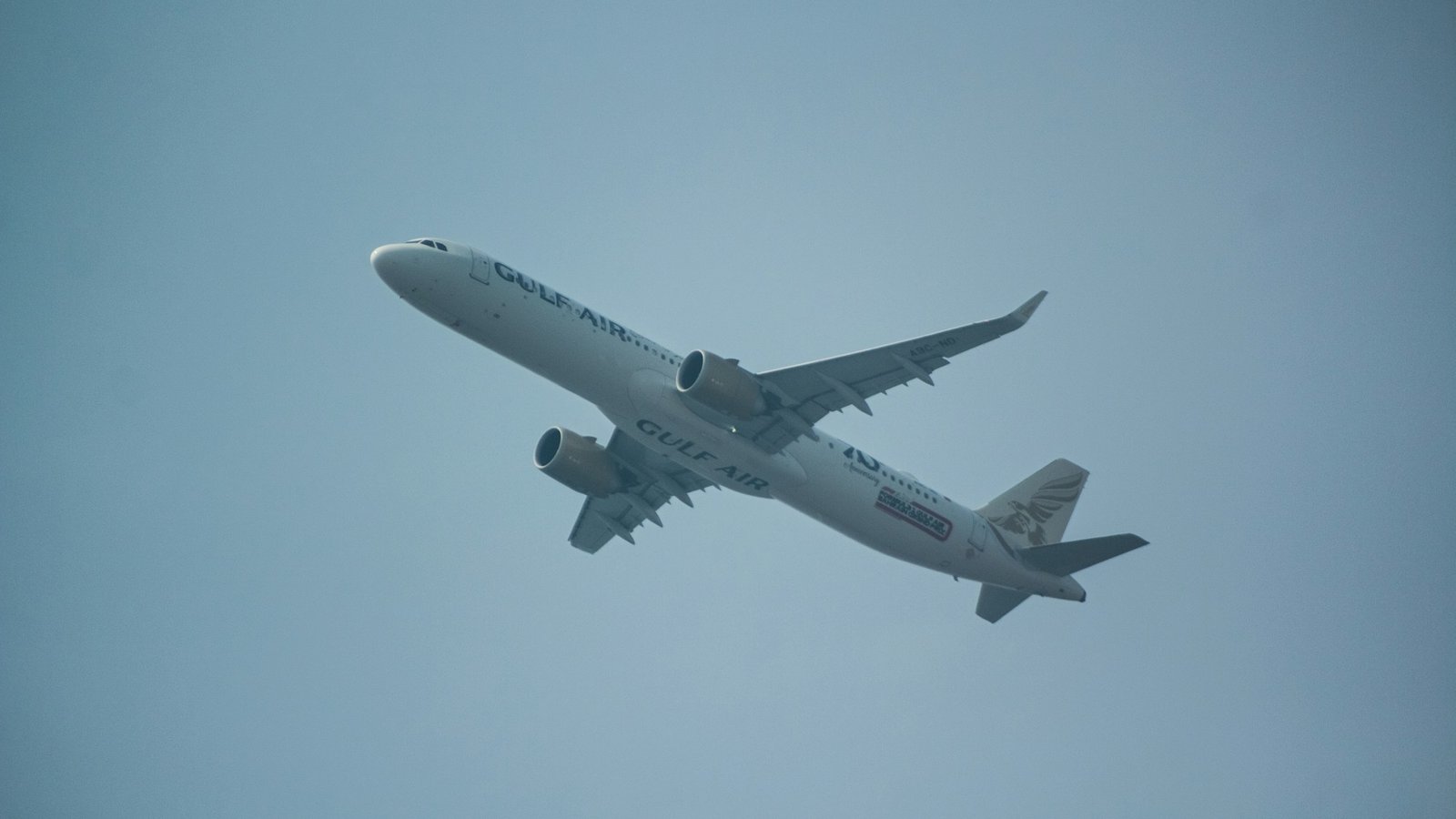
flydubai: 100+ Destinations and Return to Basel-Mulhouse
flydubai stands out as one of the fastest carriers to restore service from the Gulf. The Emirates low-cost subsidiary now offers over 100 destinations from Dubai — 29 more than in mid-March — with the resumption of Basel-Mulhouse (3x/week on Boeing 737 MAX from March 30). Air Arabia, based in Sharjah (UAE), remains heavily constrained, with flights to UAE, Lebanon, Jordan, Syria and Iraq still suspended. Gulf Air (Bahrain) has relocated some operations to Dammam Airport (Saudi Arabia, 85 km away), offering 3x/week to Paris until April 12, daily London flights, and connections to Frankfurt, Athens, Casablanca, Cairo and Bangkok.
El Al: Israel at 5% Capacity, a Critical Air Bridge
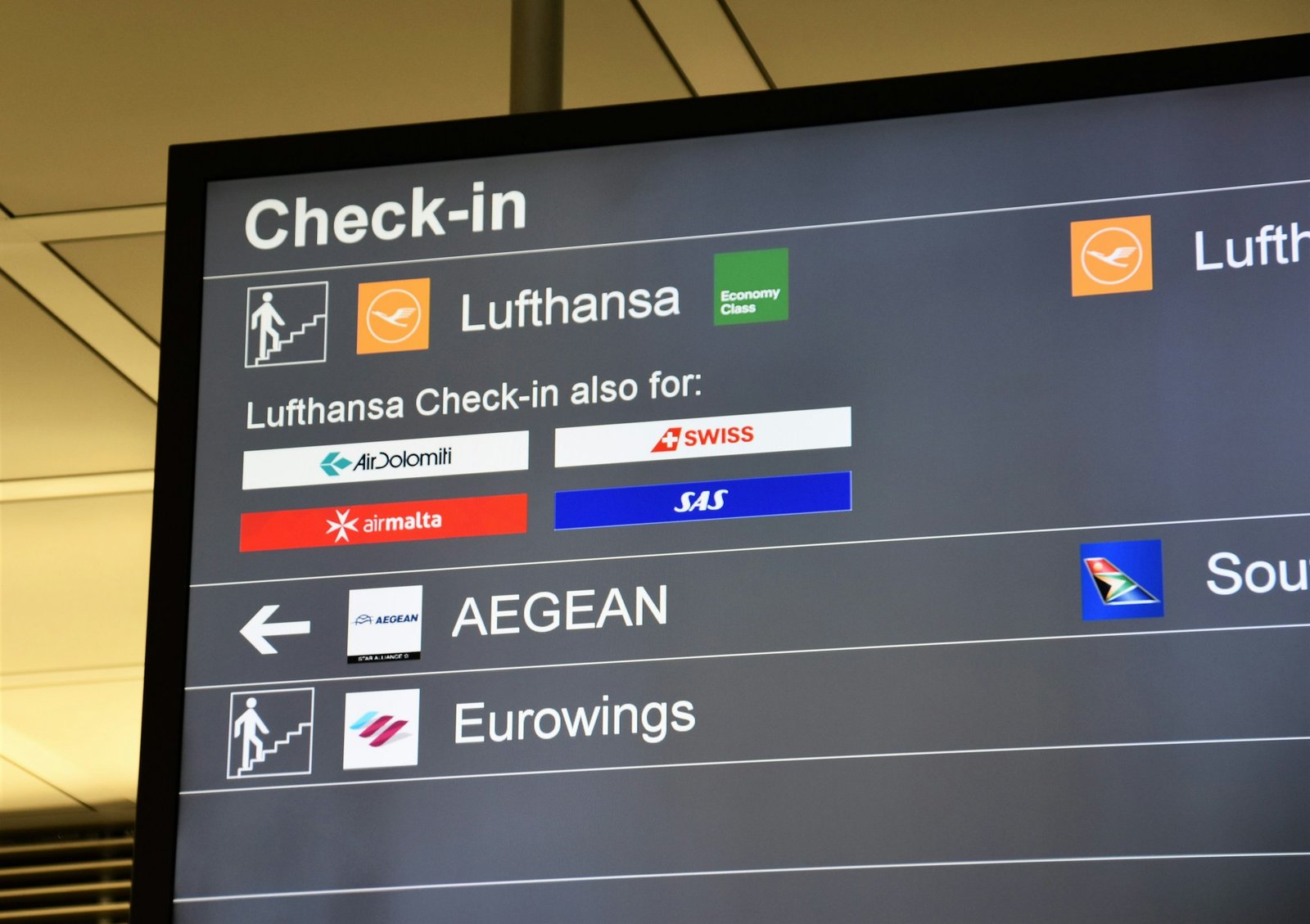
Ben Gurion Airport Under Extreme Pressure
- El Al: approximately 5% of normal capacity
- Limit: 1 flight per hour, 50 departing passengers (raised to 100 from April 5)
- Maintained routes: Paris, London, Milan, Rome, Athens (Europe) + New York JFK/EWR, Miami, Los Angeles (USA)
- Multiple missile alerts and shelter evacuations inside terminals
- Travel advisories: most Western governments advise against travel to Israel
Ben Gurion Airport (TLV) faces the most critical situation in the region. The Israeli Ministry of Transport has imposed unprecedented restrictions: a maximum of one arrival and one departure per hour, with an initial cap of 50 passengers per outbound flight. Since April 5, this has been raised to 90–100 passengers per flight. El Al plans to shift most of its long-haul flights — particularly to New York, Bangkok and Hanoi — to Aqaba Airport (Jordan) and Taba Airport (Egypt), where aircraft can depart without the passenger cap imposed at Tel Aviv.
Impacted Airports: Hub-by-Hub Situation
The Five Hubs to Watch
Dubai DXB: Was targeting 99.5 million passengers in 2026. A March 16 drone-triggered fuel tank fire briefly shut down operations, but full operations resumed on April 4. Both DXB and AUH are confirmed operational.
Doha DOH: Hamad International recorded over 2,000 flight cancellations at the crisis peak. Recovery is gradual since March 18: Qatar Airways is targeting 120 destinations by mid-May 2026.
Tel Aviv TLV: Ben Gurion is the region’s most fragile hub. From March 22, traffic was capped at one flight per hour with 50 passengers per departure. Missile sirens have forced several terminal evacuations. Since April 5, the limit has been raised to 90–100 passengers.
Beirut BEY: A few commercial services have resumed, but very limited. Emirates has suspended flights to Lebanon. Middle East Airlines (MEA) maintains some European connections but at greatly reduced capacity.
Muscat MCT — The Hidden Emergency Hub: Oman has become the Gulf’s discreet evacuation hub. Over 97,000 travellers have transited through Muscat since the crisis began. Oman Air has added daily frequencies to Kuala Lumpur and Bangkok. The airport, designed for 20 million passengers/year, is effectively absorbing overflow traffic redirected from Dubai and Abu Dhabi.
Alternative Routes: The 5 Corridors That Still Work
Bypassing the Middle East: Routes That Actually Work
- Route 1 — Via Helsinki (Finnair): 11 Asian destinations (Bangkok, Phuket, Tokyo, Seoul, Shanghai) via polar route. Paris–Bangkok in ~16h. From €350 combining a budget Paris–Helsinki + Finnair Helsinki–Bangkok.
- Route 2 — Via Istanbul (Turkish Airlines): broad Asian network, 1.5–3h longer than pre-crisis. From €650 Paris–Bangkok.
- Route 3 — Via Addis Ababa (Ethiopian Airlines): 65+ Asian and African destinations, new Lyon–Addis Ababa in July 2026. From €700–900 Paris–Bangkok.
- Route 4 — Direct Paris–Singapore (Singapore Airlines/Air France): most direct option for Southeast Asia and Oceania. Singapore hub fully operational for intra-Asia connections.
- Route 5 — Via Casablanca (Royal Air Maroc): 9 new international routes in 2026, including Casablanca–Los Angeles (June 7, 3x/week Boeing 787). RAM is negotiating to acquire 787 Dreamliners grounded by Emirates and Qatar Airways.
Europe–Asia seat capacity has been cut by roughly 50%, which explains the dramatic price surges across all booking platforms. The Helsinki (Finnair) + Istanbul (Turkish) combination currently offers the best cost-to-convenience balance for most Asian destinations.
Price Impact: Jet Fuel and Fares on Fire
+145% on Jet Fuel, Pre-Crisis Prices Unlikely Before 2027
- Jet fuel: $88 → $216/barrel (+145% since February 28)
- Paris–Bangkok: up to €5,000 one-way (vs. ~€500 in normal times)
- European low-cost: summer 2026 fares up 20–40% vs. 2025
- Delta & American Airlines: each absorbed $400 million in extra fuel costs in March 2026
- The crisis creates « no winners » among airlines (Ulysse.com)
For travellers, current prices are partly inflated by speculation and urgency. At full airspace reopening, a partial correction is expected. If possible, wait a few weeks before booking summer 2026 flights, unless immediate travel is unavoidable. Two scenarios remain in play: an optimistic one with partial Strait of Hormuz reopening by July 2026 and near-normal prices by year end; and a pessimistic scenario of prolonged conflict keeping jet fuel at critical levels all summer with lasting fare increases into 2027.
Practical Travel Information
If your flight was cancelled less than 14 days before departure, EU regulation EC 261/2004 provides up to €600 in compensation. AirHelp handles your case at no upfront cost.
Up to €600 compensationStay connected even during unexpected stopovers or rerouting to a new country. Instant activation, no physical SIM needed.
From €4.50Nomad Insurance: global coverage from $56/4 weeks. Ideal for travellers whose plans may change at short notice. 10% off via our link.
From $56 / 4 weeksFAQ — Your Questions About the Middle East Aviation Crisis
My flight to Dubai was cancelled. Am I entitled to a refund?
Yes, for flights departing from the European Union, EU regulation EC 261/2004 applies. In the event of cancellation, your airline must either refund you in full or offer re-routing. If the cancellation occurs less than 14 days before departure, fixed compensation also applies: €250 for flights under 1,500 km, €400 between 1,500 and 3,500 km, and €600 for longer flights. Note: if the airline invokes « extraordinary circumstances » (war, airspace closure), compensation may be refused — but a full refund is always due.
Does travel insurance cover cancellations related to war?
Not necessarily. Most standard travel insurance policies explicitly exclude damages related to armed conflict. Check for « war exclusion » or « force majeure clause » in your policy terms. If travelling to a risk zone, opt for a premium policy that specifically covers geopolitical crises — verify the exact guarantees before purchasing.
What is the best alternative to reach Asia this summer without flying through the Gulf?
Europe-Asia seat capacity has been cut by roughly 50%, driving dramatic price surges. The four best alternatives for reaching Southeast Asia from Europe are: (1) Istanbul via Turkish Airlines (€650–1,500), best balance of cost and frequency; (2) Helsinki via Finnair (from ~€350 combining low-cost Paris–Helsinki + Finnair Helsinki–Bangkok, polar route, ~16h); (3) Addis Ababa via Ethiopian Airlines (€700–900); (4) Direct Paris–Singapore via Singapore Airlines or Air France (most expensive but most direct).
Are the Dubai and Doha hubs open?
Partially. Dubai (DXB) and Abu Dhabi (AUH) were confirmed as fully operational on April 4, 2026. Emirates is operating a 127-destination schedule from Dubai. Doha (DOH) is recovering progressively: Qatar Airways is targeting 120 destinations by mid-May 2026. Some intra-Middle East routes from these hubs remain suspended.
When can we expect flights to the Middle East to return to normal?
Two scenarios remain in play. The optimistic scenario anticipates a partial Strait of Hormuz reopening enabling a gradual thaw from July 2026, with near-normal prices by year end. The pessimistic scenario envisions a prolonged conflict keeping jet fuel at critical levels all summer, with mass cancellations on long-haul routes and sustained fare increases into 2027. In either case, prices have already baked in a significant speculative risk premium that should partially unwind once airspaces fully reopen.
Is El Al still operating? Can I book flights with Israeli airlines?
El Al is operational but severely limited. Since mid-March 2026, El Al has been running a handful of routes via specially negotiated corridors over Greece, Cyprus, and northern Europe. These extremely long-haul diversions cover only the highest-demand destinations: New York, London, Paris, Frankfurt, and Athens. Prices are very high. You can book El Al flights, but verify your route status on elal.com before purchasing. EU regulation EC 261/2004 applies to El Al flights departing from EU airports.
My connecting flight passes through a closed airspace. What should I do?
Contact your airline immediately. If your entire trip is booked under one booking reference, the airline is obligated to reroute you at no extra cost or offer a full refund. If you booked separately, each carrier covers only its own segment. Do not miss a flight without notifying the carrier first — this may void your remaining segments. Steps: (1) call the airline, (2) keep all written correspondence, (3) file a claim with AirHelp or your national aviation authority if your rights are not honoured.
Should I get an eSIM in case I’m rerouted through an unexpected country?
Yes — an eSIM is highly recommended for any travel affected by the Middle East crisis. Unexpected stopovers (Athens, Istanbul, Muscat, Helsinki) mean you may need local data without a physical SIM. Providers like Airalo offer instant-activation regional eSIMs for 190+ countries. Activate before your trip and switch profiles mid-journey as needed. Typical cost: €4.50–€15 for 7 days regional data.
Sources
- L’Écho Touristique — Airline-by-airline commercial measures
- Voyages-d-affaires.com — Updated cancellations tracker
- Al Jazeera — Airspace closures, February 28, 2026
- Air Journal — Israel eases restrictions (April 5, 2026)
- Gulf Business — Full cancellations list
- Ulysse.com — Alternative routes summer 2026
- Travel and Tour World — DXB and AUH operational (April 4)
- Ulysse.com — Airline fuel hedging rankings
Plan Your Trip with Confidence
Despite the crisis, the world remains accessible. Discover our hand-picked itineraries for destinations that remain easily reachable in 2026.
Explore available itineraries