
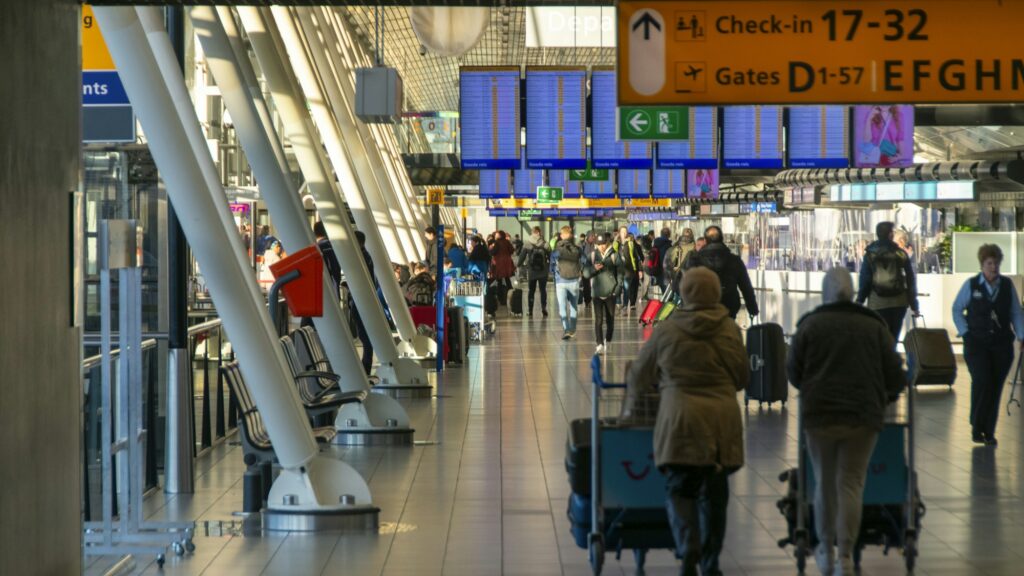
Since February 28, 2026, the war that broke out in Iran has disrupted global air travel on an unprecedented scale. The hubs of Dubai, Doha and Abu Dhabi were partially taken out of service, over 52,000 flights cancelled in two weeks, and French airports — Charles de Gaulle, Nice Côte d’Azur, Marseille-Provence — find themselves on the front line of a massive operational readjustment. Delays, extraordinary queues, ground handling under pressure, lengthened connections: here is what you need to know before travelling this summer 2026 from a French airport.
As of 16 October 2026, none of the EASA conflict-zone bulletins (CZIB) concerns France. Current bulletins cover the Persian Gulf, the Gulf of Oman, Iraq, Iran, Saudi Arabia, Jordan, Lebanon and Syria; all are valid until 16 November 2026, except Syria (30 November 2026). Cancellations can have other causes, such as strikes: check your flight status with your airline.
Paris-Charles de Gaulle: Europe’s hub under immediate shock

In Paris, « we can clearly see that traffic has been impacted by approximately 7% in passenger numbers at CDG, 1% at Orly, » announced ADP CEO Philippe Pascal in the first days. But this figure conceals a far deeper disruption in long-haul connection flows. Some 300 flights were under threat of cancellation within a week. On the weekend of 28 February, 130 flights had already been cancelled, affecting 35,000 passengers.
CDG, Air France’s global hub and SkyTeam pivot, suffered a double shock: direct suspension of flights to and from the Middle East on one side, and a massive influx of transit passengers seeking alternative routes to Asia on the other. An aggravating factor: since 29 March 2026, no Air France flight departs from Orly. This marks the end of 74 years of operations from that airport. All flights to overseas territories — Guadeloupe, Martinique, Réunion, French Guiana — have been transferred to Roissy-CDG.
The deployment of the EES (Entry/Exit System) across the entire Schengen area from 10 April 2026 adds a further layer of complexity. CDG, Europe’s second-busiest airport, had recorded 7.1 million passengers during its July 2025 peak. The combination of Middle East crisis + EES + Orly transfer represents, according to ADP, a major risk of congestion for summer 2026.
Nice Côte d’Azur: six long-haul Middle East routes at risk
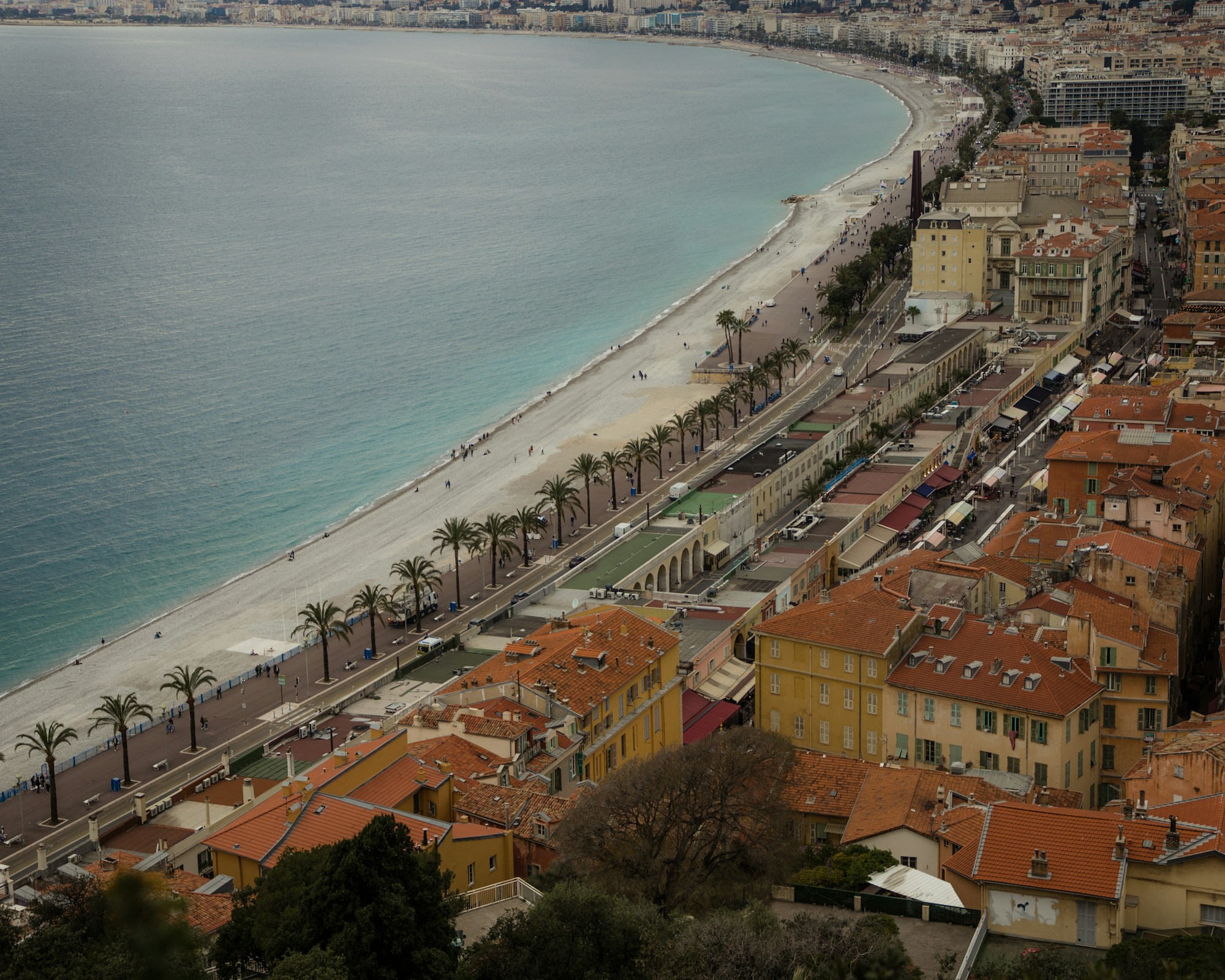
Nice Côte d’Azur ranks third among French airports with 15.23 million passengers in 2025. Its distinguishing feature: it is the only French airport outside Paris to host the A380 on scheduled Emirates flights. Yet Emirates is precisely one of the carriers most severely affected by the crisis. In April 2026, the Dubai-based airline offers only two daily flights to Paris and five weekly flights to Nice in A380, compared to a much denser pre-conflict schedule.
Nice’s long-haul summer 2026 programme had been built on heavy exposure to the Middle East. With the opening of Boston, the number of long-haul routes reached 15, including seven to the United States, two to Canada and six to the Middle East. These six routes are now either suspended or operating in severely degraded mode.
The new Terminal 2 extension, inaugurated this spring with the promise of absorbing increased demand, has arrived at the worst possible moment. The airport had already warned before the conflict that its facilities were « reaching saturation levels ». The partial diversion of Emirates traffic towards Nice and the influx of transit passengers seeking alternative routes risk structurally worsening this situation from the summer peak onwards.
Marseille-Provence: the double shock and technological strengths

Marseille-Provence airport, France’s fourth-busiest served by 34 airlines and 131 destinations, suffered what could be called a double shock. On one side, direct cancellations related to the conflict: Transport Minister Philippe Tabarot confirmed that Marseille is among the French airports directly impacted by cancellations from 28 February, alongside CDG, Orly, Nice, Lyon and Grenoble. On the other, Air France’s Orly restructuring led the carrier to strengthen its domestic connections from CDG, with 10 daily rotations to Marseille, drawing more passengers towards the Paris hub while creating new connections to manage at Roissy.
On the ground handling front, Marseille nevertheless stands as a model. Since 2024, a self-service area at Terminal 1 offers check-in kiosks with biometric enrolment for passengers who have not completed the process on their smartphone, as well as biometric baggage drops. These tools, unique in France, are a valuable asset for smoothing traffic under pressure.
On the positive side: French travellers who cancelled their Middle East destinations are turning massively to Corsica, the PACA region, Brittany and Occitania. Marseille is thus becoming a preferred departure point for Mediterranean alternative tourism, generating record influxes on certain short-haul routes.
The collapse of Gulf hubs: the scale of the shock
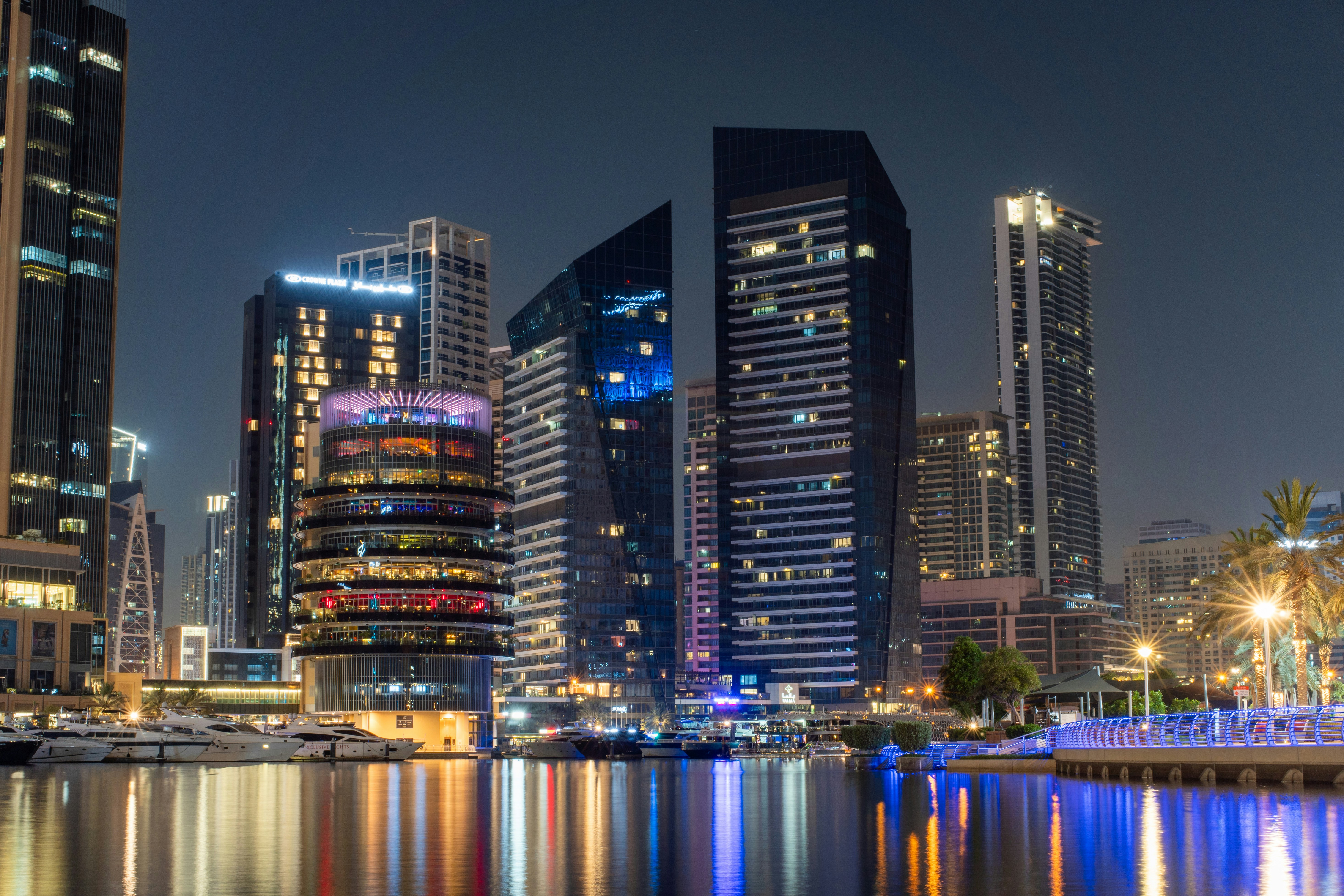
Until 27 February 2026, the regional hubs of Abu Dhabi, Dubai, Doha and Bahrain processed in normal times around 526,000 passengers per day. Roughly one in three travellers transited through this region to reach Europe from Asia. The shockwave triggered by US-Israeli military operations and Iranian counter-strikes swept everything away within hours.
Dubai (DXB) and Abu Dhabi (AUH) airports were the target of direct strikes, with a heavy human toll among staff and travellers. Between 28 February and 13 March, over 52,000 flights were cancelled. Emirates now operates 327 daily flights, compared to 517 before the conflict — only 63.2% of its global capacity maintained.
Restricted zones include the airspace of at least 11 countries: Iran, Iraq, UAE, Qatar, Saudi Arabia, Jordan, Israel, Lebanon, Kuwait, Bahrain and Oman. This near-total closure of Gulf airspace is causing a dangerous concentration of traffic on increasingly narrow corridors between Europe and Asia, EASA warned in early April.
Status of suspensions by airline (April 2026)
| Airline | Suspended destinations | Until |
|---|---|---|
| Air France | Dubai, Riyadh, Tel Aviv, Beirut | 3 May 2026 |
| British Airways | Amman, Bahrain, Dubai, Tel Aviv | 31 May 2026 |
| Wizz Air | Dubai, Abu Dhabi, Amman | Mid-September 2026 |
| Lufthansa Group | Tel Aviv, Beirut, Oman, Dubai | October 2026 |
| Air Baltic | Dubai | End October 2026 |
For a detailed overview of routes suspended by airline, see our full guide: Airlines and the Middle East 2026: suspended, diverted and new routes.
Ground handling: the silent saturation of French airports
The crisis has revealed a structural fragility in European ground handling. Over 2,000 flights were cancelled and 20,000 delayed in 24 hours, representing 18% of total cargo capacity impacted. Diversions to third airports and saturation of alternative routes caused missed connections, prolonged waiting times and temporarily stranded travellers.
At CDG, pressure comes from three directions: re-routing passengers stranded from the Gulf, influx of alternative Asia transit, and absorption of domestic operations transferred from Orly. EASA explicitly recommends allowing expanded connection margins at Roissy-Charles de Gaulle. Regional airports (Nice, Marseille) are less impacted in volume but remain vulnerable to any sudden transit influx.
The EES rollout worsens the context: since 10 April 2026, all non-Schengen travellers must register their biometric data at each entry/exit into the European space. The gradual deployment schedule (10% since October 2025, 50% from 10 March, full switch in April) creates variability in border processing times that can double queues at checkpoints.
Airport checklist — Summer 2026
- Arrive at least 3h30 before any international flight from CDG
- Online check-in 24 hours before departure
- Cabin baggage only if possible to avoid luggage queues
- Check your flight status on the airline’s app
- Keep all evidence of delays (screenshots, email confirmations)
- Photograph departure boards in case of cancellation
- Contact AirHelp if delay > 3h or cancellation to assess your compensation rights
The price explosion: +30% to +400% depending on the route
The Iran war triggered an unprecedented surge in prices on Asia-Europe routes. Fares between Asia and Europe quadrupled following the closure of Gulf hubs in early March. Passengers faced increases of between 150% and 400% depending on routes, while economy class was fully booked for one to two weeks on most strategic connections.
From France: Air France added €50 per long-haul ticket from 11 March 2026, and up to €200 in business class on Japan and Asia flights. The carrier now charges up to €319 fuel surcharge on certain transatlantic flights. Corsair, Air Austral, Air Caraïbes and French Bee imposed €60 supplements.
Two mechanisms explain these rises: the oil price surge linked to the blockade of the Strait of Hormuz (20% of global supply), and the systematic lengthening of flight times by 1 to 2 hours to avoid closed airspaces. These extra costs will not disappear in the short term even after partial reopening of corridors.
Air France: the forced strategic pivot towards Asia
Air France has suspended its routes to and from Dubai, Riyadh, Tel Aviv and Beirut until 3 May 2026 (4 May for Dubai departures). As these suspensions fall under « extraordinary circumstances », the carrier is not required by European regulation to pay the flat-rate compensation of €250 to €600.
In return, Air France has freed aircraft and slots which it is redirecting towards Asia. From 4 March 2026, the carrier is deploying larger-capacity aircraft on Bangkok, Singapore, Delhi, Mumbai, Shanghai, Tokyo and Phuket. Additional flights are being added from Bangkok, Singapore and Delhi. This represents a major strategic pivot for the carrier.
On new openings, Air France launched its Paris-CDG/Las Vegas route on 15 April 2026, 3 flights per week in Airbus A350-900 (departing 13:40, arriving 15:35 local time after 10h55 of flying). A symbolic opening in a tense geopolitical context.
The airlines benefiting from the crisis: the 4 reliable alternatives
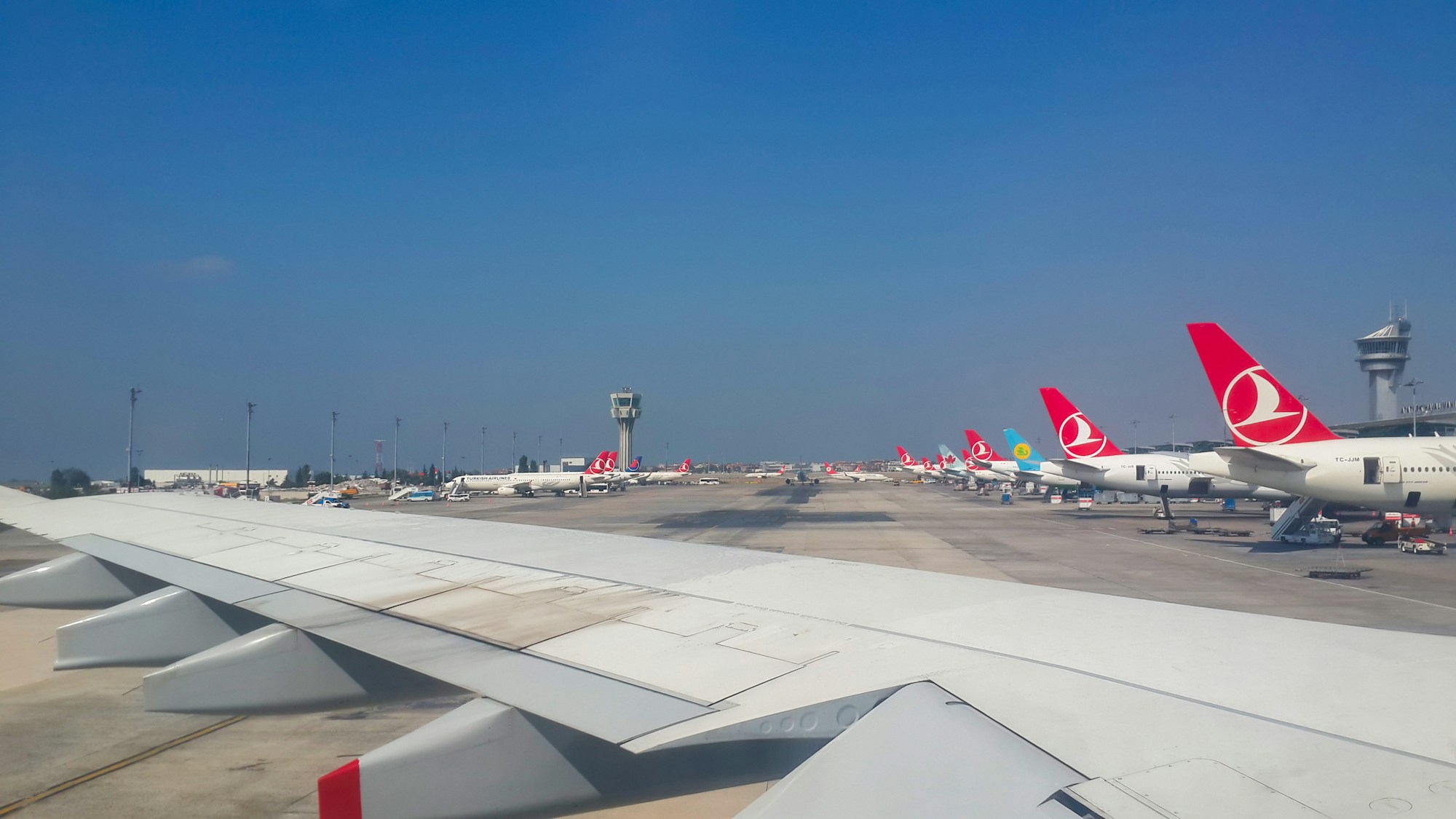
The redistribution is clear. On one side, the losers: Emirates, Qatar Airways and Etihad, whose operations remain largely disrupted. On the other, hubs outside the conflict zone are massively capturing diverted traffic.
Turkish Airlines via Istanbul is the most reliable bridge. The carrier serves 85 destinations in Asia from Istanbul and bypasses closed zones by routing flights through the Caucasus to the north or via Egypt and the Red Sea to the south. Fares, usually between €800 and €1,200 return, are currently up 30 to 50%.
Finnair via Helsinki is the big surprise. The Finnish carrier recorded 904,400 passengers in February 2026, up 6.9%, with +11.3% on its Asian routes — the only carrier in the European top 5 to show growth. It serves 11 destinations in Asia from Helsinki via the polar route, flying over Norway, Svalbard and the North Pole, entirely outside conflict zones.
Ethiopian Airlines via Addis Ababa is the underestimated African alternative, with connections to over 65 destinations in Asia and Africa. The carrier launches a new Lyon–Addis Ababa route from July 2026 (3 flights per week on A350-900), opening direct access from France to South and Southeast Asia.
Passenger rights: what you can legally demand
The legal situation is complex. Since flight suspensions fall under « extraordinary circumstances » (an armed conflict), airlines are not required by European regulation EC 261/2004 to pay the flat-rate compensation of €250 to €600. However, full ticket refund or re-routing to your destination remain absolute rights, whatever the reason for cancellation.
For holiday packages, consumer law offers strong protections: the agency or tour operator must offer either fee-free cancellation with full refund within 14 days, or a modification of the trip. Vouchers may be offered, but the customer retains the right to refuse them and demand a cash refund.
On travel insurance: the majority of policies exclude damage related to war. Look for « armed conflict exclusion » or « force majeure clause » in your general terms. If a war clause appears in the exclusions — which is the case in most policies — coverage is void for events directly or indirectly linked to the conflict, even if your ticket was purchased before it started.
Air France practical case: if you have a trip planned to/from Tel Aviv or Beirut, you can rebook without charge in the same cabin until 17 May 2026, or cancel and obtain a voucher valid for one year with the option to change your destination.
Europe’s winning destinations: the Mediterranean as refuge
Tourist flows are shifting massively towards the Mediterranean. Greece, Croatia, Portugal and Sicily are capturing part of the diverted demand. In France, Corsica, the PACA region, Brittany and Occitania are recording a record influx of travellers who have redirected their Middle East plans towards European alternatives.
The advantage is twofold — financial and logistical. A substitute Mediterranean trip (Greece or Croatia, 7 nights, flight + hotel from Nice) ranges from €800 to €1,400, compared to €1,200 to €2,500 for a Gulf destination before the crisis. Tour operators have quickly adapted their offers, with very attractive last-minute promotions on European summer destinations.
Practical tips for travelling calmly despite the crisis
Stay connected to track your flights in real time and contact your airline from anywhere. Instant activation before departure.
From €4.50Medical coverage and repatriation assistance if you get stranded abroad. Check the « armed conflict » exclusion clauses before purchasing.
From $1.87/dayFAQ — Your questions about French airports and the 2026 crisis
How much time should I allow at CDG for an international connection in 2026?
Due to the combination of Middle East crisis + EES rollout + Orly operations transfer to CDG, you should now allow at least 3h30 to 4h for any connection involving an extra-Schengen or transatlantic flight at Paris-Charles de Gaulle. For intra-Schengen connections, allow at least 2h30. These recommendations apply until the end of summer 2026, the peak saturation period.
Is my flight via Dubai or Doha still possible this summer 2026?
Some routes remain severely disrupted. Emirates operates a reduced network at around 63% of its global capacity, with two daily flights to Paris and five weekly flights to Nice. Routes to Abu Dhabi, Amman, Beirut and Riyadh are suspended until October 2026 for some carriers. The practical recommendation is not to book transit via the Gulf before receiving official confirmation of full resumption.
Am I entitled to a refund if my Middle East flight is cancelled?
Yes, partially. An armed conflict constitutes « extraordinary circumstances » under European regulation EC 261/2004: airlines are not required to pay the flat-rate compensation of €250 to €600. However, a full ticket refund or re-routing to your destination remain absolute rights. Air France also offers fee-free rebooking until 17 May 2026 for Tel Aviv and Beirut flights, or a voucher valid for one year with the option to change destination.
What is the best alternative to reach Asia from France this summer?
Three reliable options exist: Turkish Airlines via Istanbul (85 Asian destinations, hub outside conflict zone), Finnair via Helsinki (polar route, +11.3% Asian passengers in February 2026) and Air France direct (with rerouting via Turkey and the Caucasus, adding 1h30 to 2h). For South and Southeast Asia, Ethiopian Airlines launches a new Lyon–Addis Ababa route in July 2026. Prioritise flexible tickets and check each airline’s cancellation policy.
Why have long-haul flight prices increased so much from France?
Two main causes: the fuel price surge linked to the blockade of the Strait of Hormuz (20% of global oil supply transits through it) and the systematic lengthening of flight times by 1 to 2 hours to avoid the 11 closed airspaces. Air France added €50 per long-haul ticket and up to €319 in fuel surcharge on certain transatlantic flights. These extra costs will not disappear immediately when air corridors reopen.
Does my travel insurance cover me if my trip is cancelled due to the Iran war?
Most likely not. The majority of travel insurance policies include an « armed conflict » exclusion or « force majeure » clause. Carefully check your policy’s general terms before travelling. If this exclusion is present — which is the case in most policies — coverage is void for events directly or indirectly related to the conflict. However, European regulation EC 261/2004 remains your best protection: it guarantees refund or re-routing regardless of the situation.
Is Nice airport quieter than CDG right now?
Nice is indeed less impacted than CDG in passenger volume, but it is particularly exposed on Middle East routes which accounted for 6 of its 15 summer long-haul destinations. The Emirates programme from Nice is operating at reduced capacity. The main recommendation remains to confirm the status of any flight to the Gulf before heading to the airport.
Which French airports are least disrupted by the Middle East crisis?
Regional airports without direct routes to the Middle East (Bordeaux, Nantes, Lille, Strasbourg, Lyon on certain routes) are generally less impacted in terms of direct cancellations. However, all French airports indirectly suffer from the crisis through fuel price increases and longer flight times. Lyon is even gaining a new Ethiopian Airlines route to Addis Ababa from July 2026. Marseille, despite being the fourth-busiest nationally, benefits from ground handling innovations (biometrics) that help it better absorb traffic peaks.
Sources
- L’Écho Touristique — ADP: disruptions for several weeks
- France Info — Airlines destabilised by the war
- Air Journal — Impact on global aviation capacity
- Ulysse News — EES and CDG summer 2026
- Ulysse News — Domino effects on French travellers
- Euronews Travel — $40 billion in tourism losses
- Déplacements Pros — Impact on airfares
- Actu-Aero — Air France summer 2026 pivot to Asia
- Wego Blog — Turkish Airlines as crisis alternative
Plan your trip despite the crisis
Discover thousands of itineraries to safe alternative destinations, planned by our community of travellers.
Explore destinations