
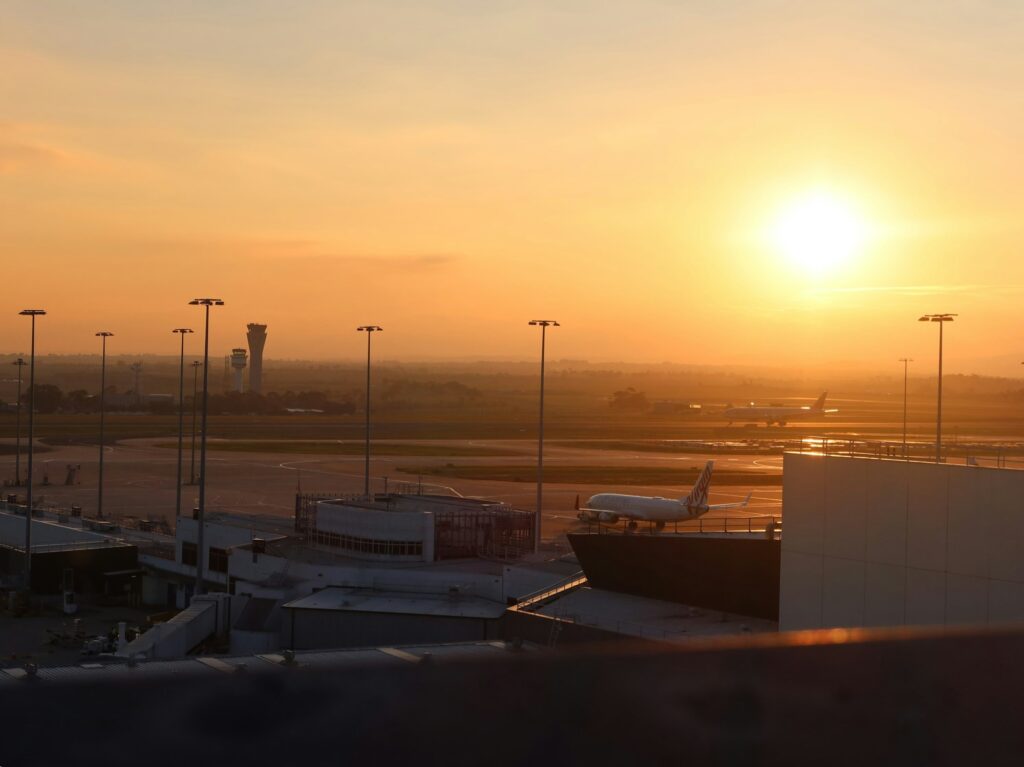
The 2026 US-Iran oil crisis is an unexpected accelerator for aviation decarbonization. SAF now represents 0.8% of global jet fuel (about 2.4 million tonnes in 2026, according to IATA, with production expected to rise by more than 26%). With Brent above $126 a barrel at the end of April 2026, the SAF/conventional kerosene price gap has narrowed to approximately 2x (vs 3x before the crisis). Air France-KLM, Lufthansa, United Airlines, and Singapore Airlines all target 3 to 5% SAF in 2026. Your ticket shows a surcharge of 1.5 to 12% depending on the airline — but ReFuelEU mandates make this change inevitable by 2030.
In April 2026, the conflict between the United States, Israel, and Iran pushed crude oil prices above $126 per barrel. For airlines, this is a financial catastrophe — one that is paradoxically turning into a historic opportunity for sustainable fuel. Why? Because SAF (Sustainable Aviation Fuel), long shunned for its high cost, is suddenly far less irrational when fossil kerosene is overheating. The result: accelerated purchase contracts, record production, and a regulatory dynamic (ReFuelEU, US SAF Grand Challenge) that can no longer be stopped. A complete overview of 2026 data and what it concretely means for your next flight.
The 2026 US-Iran War: An Unlikely Catalyst for SAF
From Oil Above $126 to SAF: The Mechanics of the Paradox
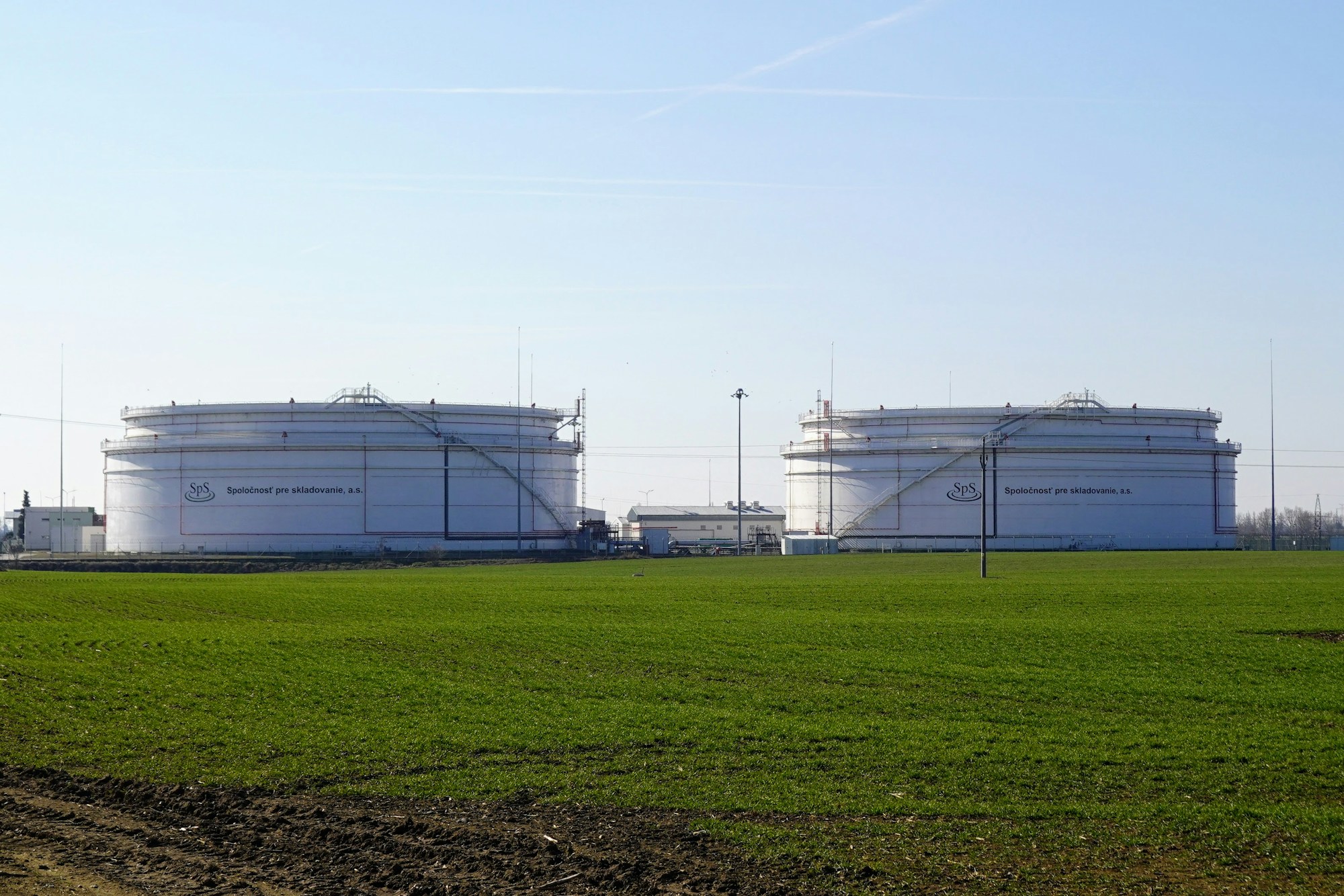
Before the price surge triggered by the US-Israel vs Iran conflict, sustainable aviation fuel cost approximately 2.5 to 3 times more than fossil kerosene. This was the main reason airlines cited for slow adoption. But with oil above $126 per barrel in spring 2026, conventional kerosene itself exceeds $1.30/liter — and the gap with SAF (between $2.20 and $2.60/liter according to Platts, April 2026) is now only about a factor of 2, or even less in some cases.
As a result, several airlines accelerated or expanded their long-term SAF contracts in Q1-Q2 2026. According to FlightGlobal (May 2026), major European hubs — Amsterdam Schiphol (AMS), Paris-CDG, and Frankfurt (FRA) — are even reporting local SAF shortages at spring peak, signaling demand momentarily outpacing supply. Paradoxically, the decade’s worst oil crisis is accelerating aviation’s energy transition faster than any public policy had ever managed.
The geopolitical dimension is also noteworthy: for the first time, airlines are explicitly citing reduced dependence on Middle Eastern fossil markets as a strategic motivation — not just an environmental one — for their SAF commitments. Our article on transpolar flights 2026 details how Air France-KLM, Lufthansa, and KLM have already begun rethinking their routes in the face of regional instability.
SAF in Numbers 2026 — A Silent Revolution
2.4 Million Tonnes Produced, and Still Not Enough
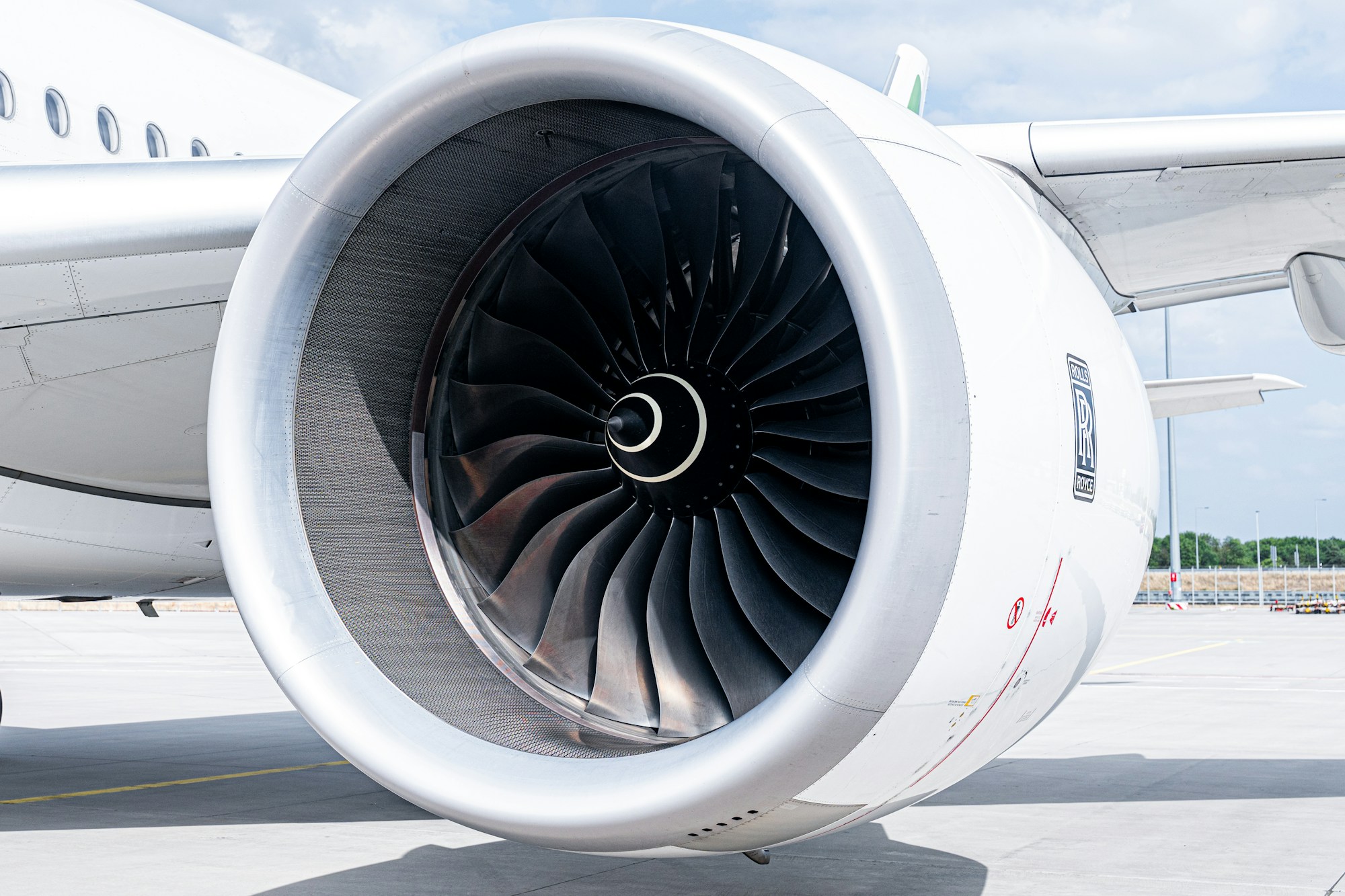
The latest figures from the International Energy Agency (IEA, 2026 Aviation Report) are telling: global SAF production is estimated at approximately 2.4 million tonnes in 2026, with an expected increase of more than 26%. This now represents 0.8% of jet fuel consumed by global commercial aviation, according to IATA estimates. The growth is exponential, driven by both mandatory regulations (see ReFuelEU section) and industrial-scale economies.
Yet this is still insufficient compared to IATA’s ambitions (IATA 2026 analysis), which target 10% of the global mix by 2030, and the European Union’s mandate of 6% for flights departing the EU from 2030. For comparison, aviation accounts for approximately 2.5% of global CO₂ emissions, or 3.5% when including contrail warming effects.
On prices, SAF spot rates in Europe and the US oscillate between $2.20 and $2.60 per liter in April-June 2026 (Platts, Q2 2026), compared to approximately $1.65-$1.85/liter in 2025. The simultaneous rise in fossil kerosene (to $1.30/liter with Brent above $126/barrel) brings the SAF/conventional kerosene ratio to approximately 1.8-2x — its historically lowest level. Our analysis of 2026 flight ticket prices explains in detail how the kerosene crisis feeds into your fares.
What Goes into Your Tank — SAF Sources
Used Cooking Oil, Agricultural Waste, and Captured CO₂ — A Mix in Full Transformation
Contrary to a common misconception, SAF is not a single technology but a set of different production pathways (ICCT, SAF Cost Analysis 2026). The most mature remains used cooking oil (UCO), which represents 55% of the global market in 2026. These used oils, collected from restaurants, are transformed via a hydroprocessing (HEFA) method into fuel. Problem: the resource is limited, and too strong a dependence on UCO risks creating supply tensions from 2028-2030.
The second pathway, agricultural waste and forest residues (29% of the market), offers a theoretically larger potential. Companies like LanzaJet use an « Alcohol-to-Jet » (ATJ) technology: biomass ferments to produce ethanol, which is then converted into synthetic kerosene. LanzaJet thus produces 110 million liters per year in 2026, with active joint ventures with British Airways and Singapore Airlines.
The third pathway — and the most promising long-term — is Power-to-Liquid (PtL): CO₂ captured from the atmosphere is combined with green hydrogen (produced by electrolysis from renewable energy) to synthesize kerosene. Companies like Synhelion or Sunfire are pioneers. Though still costly, this technology already represents 10% of SAF production in 2026 and is growing rapidly. Its advantage: a near-zero carbon footprint (it consumes atmospheric CO₂), and theoretically unlimited scalability.
- HEFA (hydroprocessed oils) — the most mature pathway, but resource-limited
- ATJ (Alcohol-to-Jet) — fermented biomass, good scalability
- Power-to-Liquid (PtL) — CO₂ + green H₂, the future technology
- MSW-to-jet (urban waste) — Fulcrum BioEnergy, World Energy
Pioneer Airlines in SAF 2026
Air France-KLM, Lufthansa, United, Singapore — The Front Runners
Air France-KLM is the European leader on SAF with a minimum 5% fuel target for 2026, through long-term contracts with Neste, TotalEnergies, and DG Fuels. The airline introduced a « SAF eco-contribution » of €1 to €11 per ticket depending on destination and class from early 2025. The group has also invested in SAF production through its partnership with TotalEnergies at French refinery sites.
Lufthansa Group (including SWISS and Austrian Airlines) has offered « Green Fares » since 2025: for a 7 to 12% surcharge on the ticket, the passenger offsets their flight with 10% SAF on the journey. An innovative approach that allows the airline to fund its SAF purchases directly through willing passengers. The group’s 2026 target is 4% SAF in actual flight operations, with a 10% target for 2030.
United Airlines is the American leader in contractual SAF commitments, with over 3% of its fuel in SAF in 2026 and an « Eco-Skies Alliance » program of one billion dollars over 2025-2028 to co-fund SAF purchases with corporate clients. United sources from World Energy, Neste, and Fulcrum BioEnergy. Singapore Airlines, finally, targets 5% SAF in 2026 through partnerships with Neste (Singapore site) and LanzaJet, with regular SAF flights on its Europe, Australia, and Japan routes.
What’s the Impact on Your Plane Ticket?
1.5% to 12% Surcharge — and That’s Just the Beginning
The good news first: in 2026, the bulk of the SAF surcharge is still absorbed by airlines, not fully passed on to your ticket. Current estimates (Air France-KLM, Lufthansa, easyJet 2026 data) place the effective surcharge at 1.5% to 5% per ticket for SAF blend rates of 2 to 6%. In practice, this represents €2 to €14 depending on destination and travel class (Air France, SAF surcharge 2026).
Voluntary options like Lufthansa’s Green Fares (+7 to 12% for 10% SAF on your flight) or similar programs at KLM allow passengers who wish to go further. In contrast, 100% SAF flights remain experimental (several airlines conducted test flights in 2023-2024) and would show an 80 to 200% surcharge — completely incompatible with the current mass market.
The IATA projection for 2030 is more cautious: with 10 to 15% unsubsidized SAF in the mix, tickets could be 8 to 15% more expensive on average. But these figures assume regulatory mandates are not accompanied by subsidies. As the next section shows, US tax credits (IRA) and European mechanisms (InnovFin) could significantly reduce this figure. The question of rights in case of flight disruption remains important: our complete guide on force majeure and traveler rights in 2026 details your legal remedies for cancellations related to the regional crisis.
ReFuelEU and the SAF Grand Challenge — The Regulations Changing Everything
The EU and US Constrain the Market — and That’s What’s Driving Progress
The European ReFuelEU Aviation regulation (European Commission, 2026) is the world’s most ambitious regulatory framework: it mandates a minimum SAF percentage for all flights departing from an EU airport, with financial penalties for non-compliance. The roadmap is clear:
- 2025: 2% SAF mandatory for all EU flights
- 2030: 6% SAF
- 2035: 20% SAF
- 2050: 70% SAF
On the American side, the SAF Grand Challenge targets 3 billion gallons per year of SAF by 2030 (~11.3 billion liters), more than 100% above 2025 levels. The Inflation Reduction Act (IRA) offers tax credits of $1.25 to $1.75 per gallon of SAF depending on its carbon profile — a massive incentive that has already triggered billions in investment in American production facilities. State mandates (California, Oregon, Washington) are even accelerating this timeline, with 2026 blend mandates more ambitious than the federal level. The UK, for its part, targets 10% SAF in all British flights by 2030.
Neste, LanzaJet, Velocys — The SAF Giants
From Startups to Multinationals: Who Produces Tomorrow’s Fuel
Neste (Finland) is by far the world’s largest SAF producer with a capacity of 2.5 billion liters per year in 2026, spread across its refineries in Porvoo (Finland), Rotterdam (Netherlands), Singapore, and the US West Coast (Neste press releases 2026). The company supplies Air France-KLM, KLM, Lufthansa, United Airlines, and Singapore Airlines, and announced in 2025 a further expansion of its Singapore capacity to 3.5 billion liters by 2027.
World Energy (United States) operates from Los Angeles and Houston, with supply agreements with United, Air France, KLM, and Lufthansa. LanzaJet, meanwhile, is the pioneer in Alcohol-to-Jet (ATJ) technology with 110 million liters produced in 2026 in cooperation with British Airways and Singapore Airlines. For the Power-to-Liquid (PtL) pathway, Velocys (UK/US) and Swiss Synhelion are leaders, with industrial pilots already active in 2026.
In the municipal solid waste category, Fulcrum BioEnergy (Nevada, USA) and GEVO are targeting large volumes with long-term contracts with Delta Airlines. Global competition is intensifying, and China is also beginning to develop its own SAF capabilities — a development that could weigh on prices in the coming years.
The Future of Decarbonized Air Travel — Hydrogen, Electric, and SAF
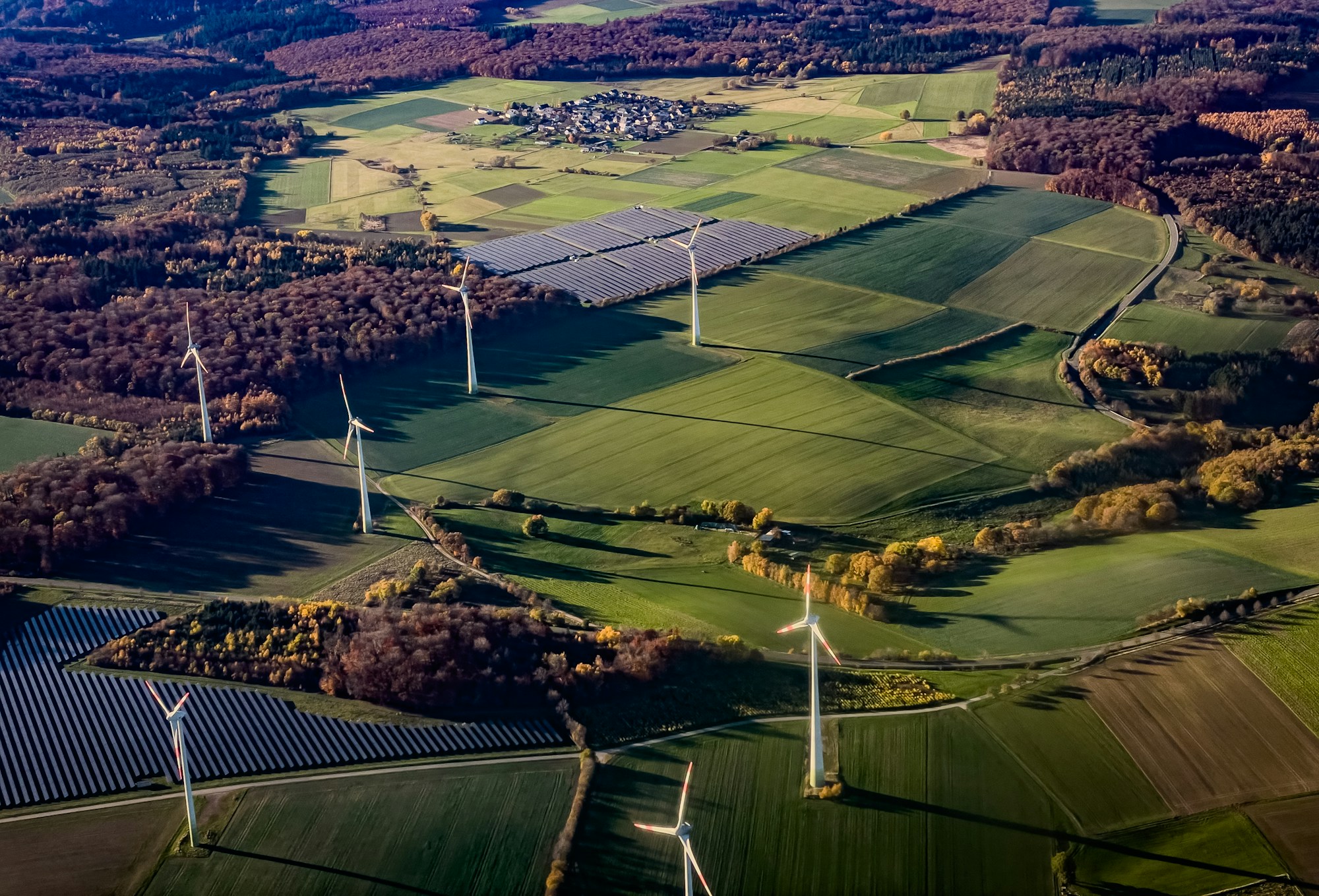
SAF until 2040, Hydrogen After — and Electric for Short-Haul
SAF will remain the pivotal technology for aviation decarbonization until at least 2040, according to industry consensus. Why? Because the two alternatives — hydrogen and electric — will not be commercially mature for medium and long-haul before several decades. Hydrogen (Airbus ZEROe program, Universal Hydrogen) is in demonstration phase for regional aircraft under 1,500 km, with commercialization expected after 2035. Electric aircraft (Heart Aerospace, Eviation) are relevant for the 9 to 19-seat market under 500 km, with commercial launches expected in 2026-2028.
For a Paris-New York, Paris-Singapore, or Paris-Tokyo route, however, SAF is the only at-scale solution in the 2026-2040 horizon. Good technical news: in 2026, 100% SAF certification was officially obtained for several flagship models — the Airbus A350-900XWB and Boeing 787 Dreamliner, among others — even if 100% SAF flights remain experimental for now. The ATR 72 (regional turboprop aircraft) has also received this certification, opening the door to fully decarbonized local routes.
The other future avenue is Power-to-Liquid (PtL) synthetic fuel: this is not liquid hydrogen, but synthetic kerosene produced from captured CO₂ and green hydrogen. Key advantage: PtL is backward-compatible with all existing engines. Companies like Synhelion (Switzerland) or Sunfire (Germany) are pioneers, with facilities expected to scale up rapidly after 2026-2027. Join our Pixidia travel magazine to follow all sustainable travel developments.
Practical Info for Your Next Flight
Stay connected without roaming fees. 190+ destinations, activated in 2 minutes.
From €4.50Cancellation, medical, and baggage coverage to travel with peace of mind amid geopolitical disruptions.
From $56/28 daysIn case of flight disruption, recover up to €600 compensation with no upfront fees.
Up to €600 refundedWhat exactly is SAF (Sustainable Aviation Fuel)?
SAF (Sustainable Aviation Fuel) is a synthetic fuel compatible with existing aircraft engines, produced from non-fossil raw materials: used cooking oils (UCO), agricultural and forest waste, municipal solid waste, or CO₂ captured from the atmosphere combined with green hydrogen (Power-to-Liquid). SAF reduces CO₂ emissions by 50 to 80% over its entire lifecycle compared to conventional kerosene. It can be blended up to 50% with fossil kerosene (current blend) or, for certified aircraft like the Airbus A350 and Boeing 787, theoretically at 100% — although 100% SAF flights remain experimental in 2026.
How much does SAF cost compared to conventional kerosene in 2026?
In April-June 2026, SAF trades between $2.20 and $2.60 per liter on European and American spot markets (Platts, Q2 2026). With fossil kerosene at around $1.30/liter (oil above $126/barrel), the SAF/kerosene ratio is approximately 1.8 to 2x — its historically lowest level, thanks to the crude oil spike triggered by the US-Iran crisis. Before this crisis (2025), the same ratio was 2.5 to 3x. Long-term, experts forecast a gradual price rebalancing as SAF production scales up and economies of scale take hold.
Will the 2026 oil crisis really accelerate the transition to SAF?
Yes, 2026 data confirms it. With oil above $126/barrel following the US-Israel vs Iran conflict, the price gap between SAF and conventional kerosene has narrowed to the point where several airlines accelerated or expanded their SAF contracts in Q1-Q2 2026. FlightGlobal (May 2026) even reports local SAF shortages at some major European hubs (AMS, CDG, FRA) — a sign that demand is momentarily outpacing supply. Global production is expected to rise more than 26% in 2026 (0.8% of global jet fuel). Furthermore, airlines now explicitly cite reduced dependence on Middle Eastern fossil markets as a strategic motivation — not just environmental. The risk: if oil falls back below $80/barrel, the economic argument weakens, and only regulation (ReFuelEU, US mandates) will continue to carry the transition.
What surcharge should I expect on my plane ticket due to SAF?
In 2026, the visible surcharge on your ticket remains modest: between 1.5% and 5% depending on the airline and destination, or €2 to €14 for an Air France flight depending on class. Lufthansa optionally offers « Green Fares » at +7-12% for a flight with 10% SAF. These surcharges remain partly absorbed by airlines. By 2030, with mandates at 6-10%, IATA estimates an average surcharge of 8 to 15% per ticket if SAF is not subsidized. US tax credits (IRA) and European mechanisms can reduce this figure. In practice, continuing to compare fares and choosing an airline committed to SAF remains the best strategy.
What is ReFuelEU and why does it matter for travelers?
ReFuelEU Aviation is a European regulation mandating a minimum SAF percentage in all flights departing from a European Union airport. The progressive timeline is: 2% in 2025, 6% in 2030, 20% in 2035, and 70% in 2050. This regulation applies to all airlines (European or not) operating from the EU, with financial penalties for non-compliance. For travelers, this means their flights from Paris, Amsterdam, Frankfurt, or Rome will include a growing proportion of SAF over the years — with no specific action required on their part. It’s also a strong signal for the industry: SAF producers know there is a captive demand, which facilitates financing of new capacity.
Is SAF enough to decarbonize aviation on its own?
No, and the industry openly admits it. SAF is the pivotal solution for 2026-2040, but it has limits: UCO feedstocks are finite, PtL pathways are still expensive, and even a 100% SAF rate does not reduce all emissions to zero (notably the impact of contrails). Complete decarbonization of aviation will require a combination of SAF, Power-to-Liquid synthetic fuels (CO₂ + green H₂), liquid hydrogen for regional aircraft (after 2035), electric planes for very short distances (after 2026-2028), and an overall reduction in non-essential air travel. SAF is a crucial milestone, but not a final solution.
Sources
- IEA — Aviation Report, 2026 update
- IATA — Analysis & Energy Transition Reports, 2026
- European Commission — ReFuelEU Aviation Progress Report, 2026
- ICCT — SAF Cost and Impact Analysis, 2026
- FlightGlobal — « SAF demand surge, supply squeeze in Europe Q2 2026 »
- Air France-KLM — ESG Report 2025-2026
- United Airlines — Eco-Skies Alliance 2026 update
- Lufthansa Group — Green Fare & SAF Strategy 2026
- Neste — Press Releases 2026
- Singapore Airlines — Sustainability Report 2026
- Delta Air Lines — SAF update 2026
Explore our travel guides
Analysis, guides, and inspiration for informed and responsible travel.
Discover the magazine