
Commercial partnership. This article contains affiliate links. If you book through these links, Pixidia earns a small commission at no extra cost to you. Learn more
The total solar eclipse of 12 August 2026 is the only one of the 21st century visible from Iceland — the previous one over Reykjavik was in 1433. Totality will last between 1 minute in Reykjavik and 2 minutes 7 seconds on the Snæfellsnes Peninsula. These 7 experiences let you make the most of your stay before, during and after the two minutes of daytime darkness. My top recommendation: book the private Reykjanes tour first — it positions your group right inside the totality path.
On 12 August 2026 at 17:48 UTC, the Moon will completely block the Sun above Iceland. For travellers on the Snæfellsnes Peninsula, this means two minutes and seven seconds of artificial night in the middle of the Arctic summer — an event Jules Verne anticipated when he chose the Snæfellsjökull glacier as the entrance to the centre of the Earth. For those staying in Reykjavik, it will be exactly one minute. Seven seconds may seem trivial; it actually means two and a half hours of driving and an entirely different landscape.
I built this selection around a specific angle: not just the eclipse, but the complete trip surrounding it. In August 2026, three astronomical and natural events overlap simultaneously in Iceland — the total eclipse, the final weeks of the puffin season (they return to sea around 15 August), and the Perseid meteor shower peak the night before. These 7 experiences each cover a different moment of this exceptional stay: the evening before in Reykjavik, the morning of 12 August on Þingvellir or Kirkjufell, totality from Reykjanes or Snæfellsnes, and the days that follow along the South Coast or in the Westman Islands.
My starting recommendation: the private Silfra snorkelling on the morning of 12 August (UNESCO zone inside the totality path), followed by the private Reykjanes tour in the afternoon for totality from the recent lava fields. Products are sorted by chronological relevance to your stay. All prices are in euros, per adult, « from » rates. Logistics depend on hiring a car from Keflavik — essential for choosing your viewing spot based on real-time forecasts on vedur.is.
Why Iceland for the 2026 eclipse: the Pixidia angle
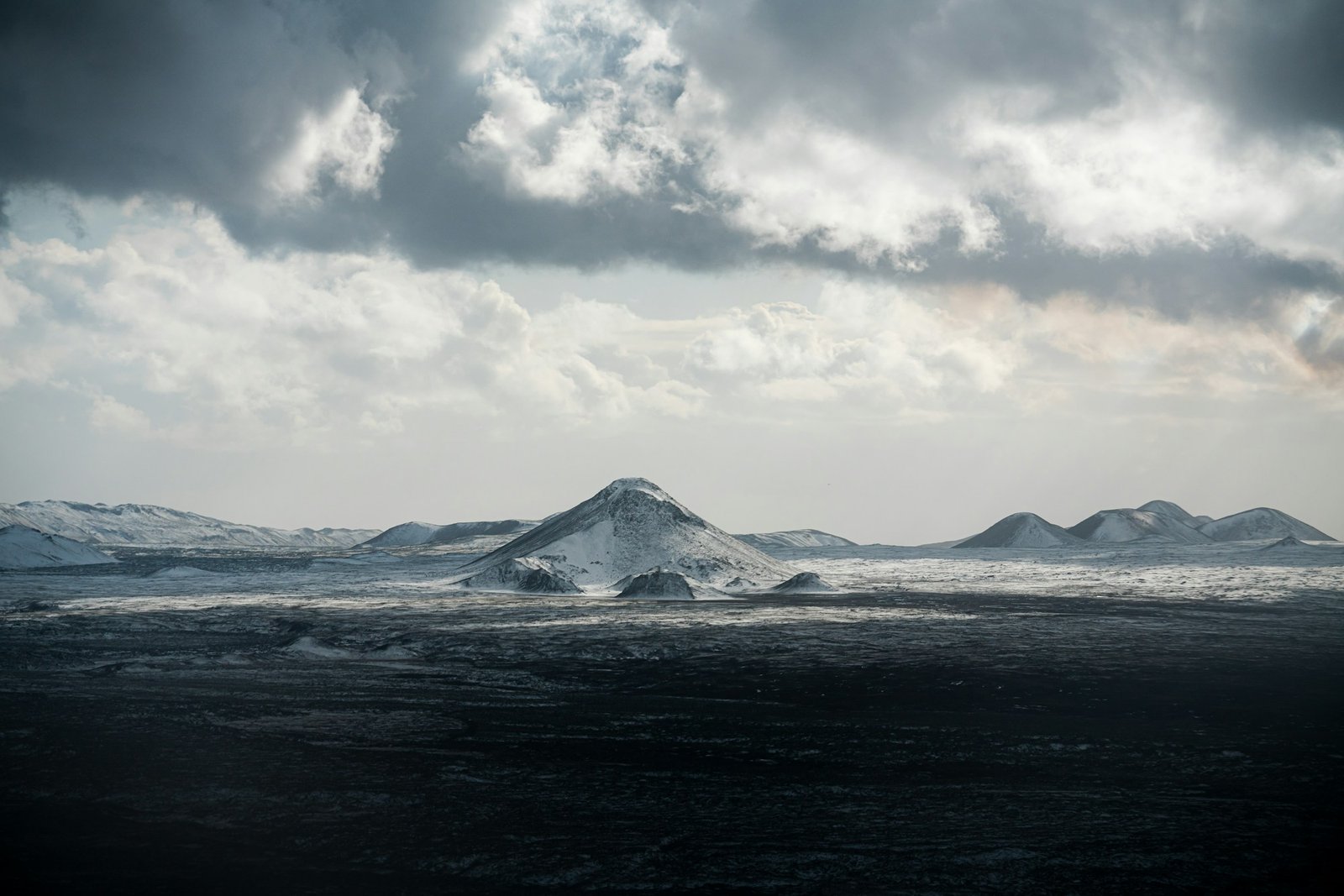
The total solar eclipse of 12 August 2026 crosses Iceland from west to east in seven minutes, entering through the Westfjords and leaving the mainland at the tip of the Reykjanes Peninsula. It is the only occurrence in the 21st century where a total eclipse passes over Iceland — the next one is not expected until 2196, according to calculations by eclipse2026.is.
The maximum totality path runs along the northern edge of Snæfellsnes. At Hellissandur and Ólafsvík, the duration reaches 2 min 07 s and 2 min 05 s respectively — twice as long as in Reykjavik. The Iceland Eclipse Festival at Hellissandur (11–15 August 2026, 3,333 tickets) positions this exact zone as the festive epicentre: Above & Beyond, CloZee and Maribou State perform around the astronomical event. The night of 11–12 August also coincides with the Perseid meteor shower peak, visible to the naked eye from Iceland’s interior, far from any light pollution.
The Reykjanes Peninsula offers an alternative just 45 km from Reykjavik: 1 min 40 s totality at Garður, from the coastal lighthouses or the recent lava fields left by the Grindavík eruptions (2023–2025). This site suits travellers who want to stay close to Keflavik International Airport for their return flight. Average cloud cover in August reaches 70–80% in Iceland; the mobility strategy between the two peninsulas based on vedur.is forecasts is detailed in the practical section below.
The 7 best experiences for the 2026 solar eclipse in Iceland
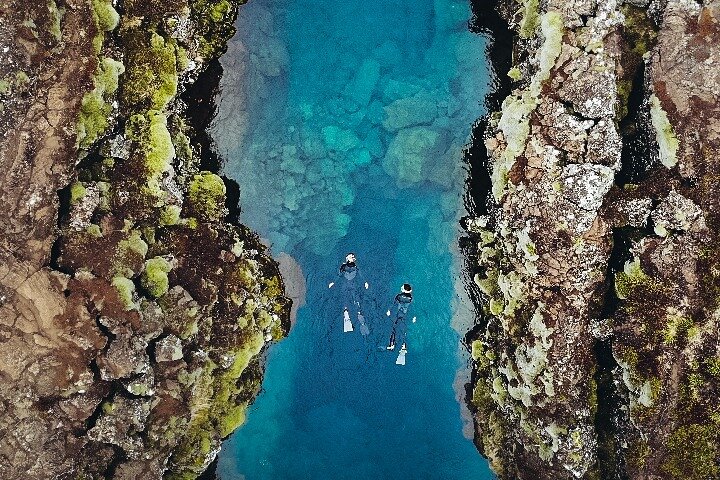
1. Private Silfra snorkelling — between two continents
I place this snorkelling first because it combines two experiences you cannot have any other way: diving between the North American and Eurasian tectonic plates in 2–4°C water, and being physically inside the eclipse totality path on the morning of 12 August. Þingvellir National Park, 45 km from Reykjavik, has been a UNESCO World Heritage Site since 2004 — horizontal visibility exceeds 100 m in water filtered through lava for 30 to 100 years. This private group (max 6) includes drysuits, equipment and underwater photos: nothing to organise yourself.
- Private group max 6, drysuits provided
- Underwater photos included — unique setting between two continents
- Þingvellir inside the totality path — ideal morning programme on eclipse day

2. Reykjavik food tour — arrival and local immersion
This walking food tour through central Reykjavik is my choice for the arrival evening (day 0) or the day after the eclipse (day +1), when legs are still fresh and the urge to explore the city is strong. Local Icelandic guides lead the tasting: pickled herring, plain skyr, smoked Icelandic lamb, geothermal bread baked underground, then several craft beers in independent breweries. The starting point is outside the Lutheran church in the city centre, two minutes’ walk from most hotels in the Miðborg district.
- Local Icelandic guides, no tourist script
- Craft beer and cocktail tastings included
- Perfect for arrival evening or day after the eclipse
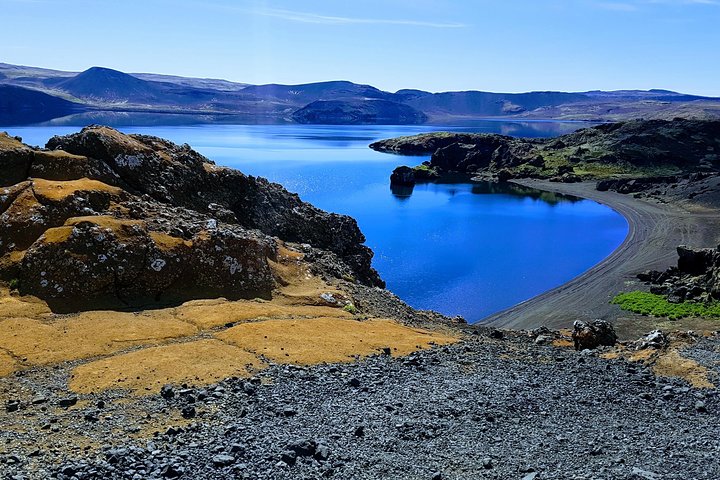
3. Private Reykjanes tour — totality from the lava fields
This is the standout product in this selection for family groups or groups of friends. The Reykjanes Peninsula is 45 km from Reykjavik — a 40-minute drive versus 2h30 for Snæfellsnes — making it well suited to a last-minute weather mobility strategy. Totality lasts 1 min 40 s from Garður; the coastal lighthouses offer an unobstructed sea horizon, and the recent Grindavík lava fields (eruptions 2023–2025) create a striking lunar landscape for watching the darkening. The tour begins with a 50-minute documentary at the Volcano House on the history of Icelandic eruptions — essential context for understanding what you see afterwards. Divided by 6 people, the cost works out at around £310 per person.
- 45 km from Reykjavik — maximum weather flexibility on eclipse morning
- 1 min 40 s totality from the Garður lighthouses
- Private group up to 9 in a luxury Mercedes minivan
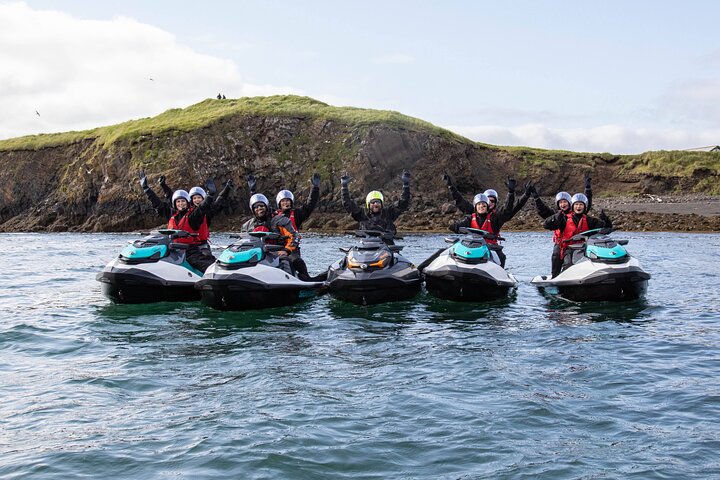
4. Puffin jet ski Reykjavik — last window before migration
Puffins nest on the cliffs of the islands close to Reykjavik from May to mid-August. On 12 August 2026, they are still present — but the first birds leave the colonies around 10–15 August and do not return until spring. This jet ski tour in Reykjavik Bay is probably the only way to watch them flying just above the waves while navigating freely on open water. I recommend this tour on the morning of 12 August, before heading towards the eclipse zone in the early afternoon, to combine both rare natural events of this trip in a single day.
- August = final weeks of puffins before winter migration
- Reykjavik Bay, departure from the old harbour
- 2h — ideal format for a morning before the eclipse
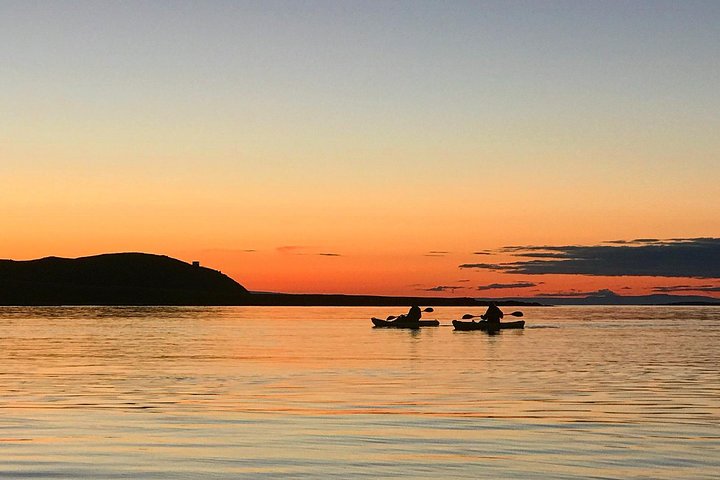
5. Kirkjufell kayaking — Iceland’s most photographed mountain
Mount Kirkjufell (463 m) rises directly above the sea at Grundarfjörður, on the north coast of Snæfellsnes. It is Iceland’s most photographed mountain — and on 12 August 2026, it will sit at roughly 1 minute 50 seconds inside the totality path. This 3-hour kayak from Stykkishólmur offers a water-level perspective of this instantly recognisable peak, in the complete silence of a sheltered bay. I recommend this tour for the morning of 12 August if you are planning to watch the eclipse from Snæfellsnes: it anchors your stay in the totality zone several hours before the 17:48 UTC window.
- Water-level view of Kirkjufell — iconic photographic setting
- Totality zone 1 min 50 s — Snæfellsnes north coast
- Departure Stykkishólmur, Vestur Adventures office
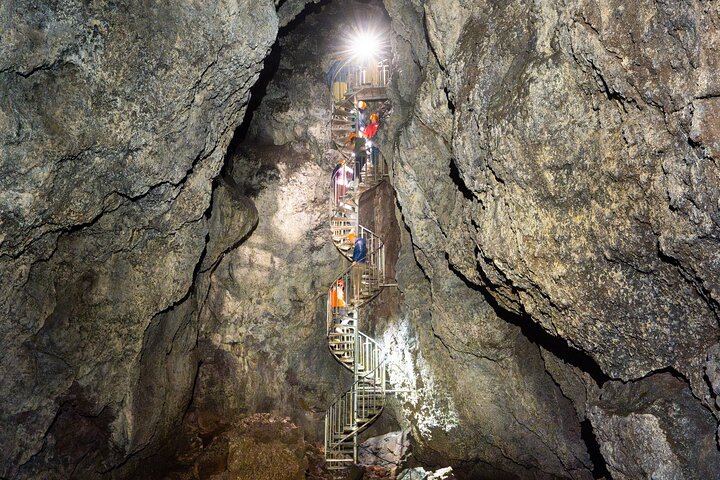
6. Vatnshellir lava cave — at the heart of maximum totality
Vatnshellir is an 8,000-year-old lava cave at Hellnar, on Route 574 a few kilometres from the Snæfellsjökull glacier. This entry point sits precisely inside the maximum totality zone: 2 min 07 s at Hellissandur, just 5 km away. At £34 per person, it is the most affordable product in this selection and the one that offers the best value for anchoring yourself at Hellnar from the morning of 12 August. The combination of lava cave in the morning, lunch at Arnarstapi or Hellnar, then watching the eclipse from the coastal cliffs at 17:48 UTC makes the optimal « one-day eclipse on Snæfellsnes » programme on a moderate budget. For those looking for a more complete Iceland itinerary, it is also an ideal base on the peninsula.
- Hellnar = heart of the 2 min 07 s totality zone
- £34 — best value in this selection
- 8,000-year-old lava cave at the foot of Snæfellsjökull (Jules Verne)
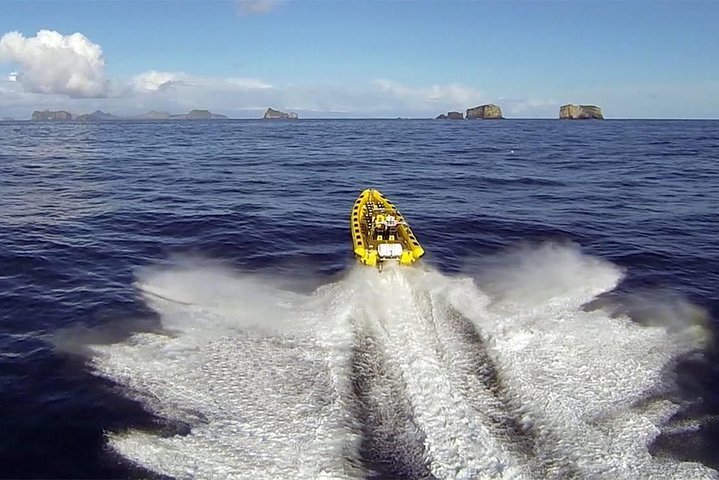
7. Westman Islands RIB — volcanic extension post-eclipse
The Westman Islands (Vestmannaeyjar) are not inside the totality path on 12 August, but they represent the logical extension of a 5–7 day trip centred on Icelandic volcanic geology. In 1973, the Eldfell eruption covered a third of the town of Heimaey in lava — and residents returned to live beside the cooled crater. This 2-hour RIB speedboat tour around the basalt cliffs takes in the Elephant Rock, sea caves, abundant wildlife and islands shaped by recent volcanic activity. From Reykjavik, the ferry from Landeyjahöfn (South Coast, Route 1) reaches the islands in 35 minutes. Combine this with the South Coast of Iceland for a full day on day +2 after the eclipse.
- Islands shaped by the historic 1973 eruption
- Elephant Rock, sea caves, volcanic wildlife
- 35-min ferry from Landeyjahöfn — ideal for day +2 post-eclipse
Planning your trip for the 2026 eclipse
4G connection from the moment you land at Keflavik — essential for checking vedur.is in real time on the morning of 12 August and adapting your viewing spot.
Get my Iceland eSIMNomad Insurance: global coverage from $56/4 weeks. Covers cancellation, repatriation and adventure sports including glacier, cold-water snorkelling and jet skiing. 10% off via our link.
Get coveredeasyJet, Icelandair, Wizz Air — from £180 return in August 2026. Book before June for the best fares during the eclipse period.
Check flights London–KeflavikÞingvellir, the Geysir hot springs and Gullfoss waterfall in one fully guided day. The classic Icelandic itinerary for the morning after totality.
Book my Golden Circle day +1Practical tips for the eclipse on 12 August 2026
Eclipse glasses are compulsory. Viewing the partial phases (16:47–17:48 GMT) without ISO 12312-2 certified glasses causes irreversible retinal burns. Only during the 2 minutes of totality is it safe to remove them. Buy yours before travelling — stocks in Iceland sell out from June onwards.
Weather and mobility strategy. Cloud cover in Iceland averages 70–80% in August. The golden rule: check vedur.is 3 days and 1 day before to identify the clearer zone between Snæfellsnes (north) and Reykjanes (south). Route 1 lets you switch between the two peninsulas within 3 hours from Reykjavik. A hire car from Keflavik Airport is essential for this flexibility.
Accommodation. The Westfjords and Snæfellsnes have been fully booked since early 2026 for the week of 10–14 August. Reykjavik remains the central hub with quick access to Reykjanes (40 min) and the possibility of reaching Snæfellsnes in 2h30. Budget for 7 nights: £850–£1,200 in a 3-star hotel in Reykjavik, or £120–£380 at a campsite with equipment. Booking in advance is non-negotiable for this period.
Partial phase and totality window. The partial phase begins at 16:47 GMT. Iceland is on UTC+0 all year round. Totality in Reykjavik lasts from exactly 17:48:12 to 17:49:18 GMT. On Snæfellsnes, it runs from approximately 17:47:30 to 17:49:37 depending on your viewing position. The Sun sits at 24.5° above the horizon during totality — a low angle ideal for photographers wishing to include a volcanic landscape in the frame.
Iceland Eclipse Festival. The festival at Hellissandur (11–15 August, eclipse.is) is positioned precisely in the maximum totality zone. Capacity is limited to 3,333 tickets. If festival tickets are sold out, the public spaces at Hellnar, Arnarstapi and Ólafsvík remain freely accessible without a booking.
Frequently asked questions about the 2026 solar eclipse in Iceland
How long does totality last depending on your location?
The duration of totality varies with your position in the path: 2 minutes 7 seconds at Hellissandur and Ólafsvík (Snæfellsnes north), roughly 2 minutes 5 seconds at Arnarstapi (Snæfellsnes centre), 1 minute 50 seconds at Grundarfjörður (north coast), 1 minute 40 seconds at Garður and Sandgerði (Reykjanes), and exactly 1 minute in Reykjavik. The longer the duration, the further the drive from Reykjavik. Snæfellsnes maximises duration but requires 2h30 of driving; Reykjanes offers the shortest totality with only 40 minutes’ travel.
Snæfellsnes or Reykjanes: which should I choose to watch the eclipse?
Snæfellsnes offers the longest totality (2 min 07 s) in a setting of glaciers, volcanoes and sea — an exceptional photographic backdrop. Reykjanes is just 45 km from Reykjavik (40 min) and allows a last-minute decision based on weather that morning. If vedur.is forecasts better clear-sky odds for Reykjanes, stay close. If Snæfellsnes looks clearer, leave the previous evening. Travelling from Snæfellsnes to Reykjanes on the morning of 12 August is not feasible — the two drives are incompatible within the same day without an overnight stay. The private Reykjanes tour is the choice for maximum flexibility; the Kirkjufell kayak and Vatnshellir cave are the choices for Snæfellsnes.
What if the sky is completely overcast on 12 August?
Average cloud cover in Iceland in August reaches 70–80%. There is no guarantee of clear skies. Backup strategy: check vedur.is 3 days and 1 day before to choose the least cloudy zone between Snæfellsnes and Reykjanes. If both peninsulas are overcast, Reykjavik is the last resort (1 minute of totality, even through a thin cloud layer). Should the eclipse be entirely hidden, the other experiences on this trip — snorkelling, kayaking, the cave — retain their interest regardless of the weather on that single day.
What budget should I plan for a 7-day eclipse trip to Iceland?
Three budget levels: budget (£1,300/person, camping + van rental, low-cost flights, Vatnshellir cave + food tour), mid-range (£1,700/person, Reykjavik hotel, hire car, 3–4 Viator activities including jet ski and kayak), comfort (£2,100+ /person, premium hotel, private Reykjanes tour for the group, Silfra snorkelling, Golden Circle). Flights from London average £180–£250 return when booked before June 2026. Accommodation accounts for £850–£1,200 for 7 nights in a 3-star hotel in Reykjavik.
Do I need special glasses to watch a solar eclipse?
Yes, ISO 12312-2 certified eclipse glasses are compulsory for all partial phases (before and after totality). These glasses are 100,000 times darker than ordinary sunglasses. During the 1–2 minutes of complete totality only, it is safe to remove them and view the solar corona with the naked eye. It is strongly recommended to buy your glasses before travelling from the UK or online — stocks in Iceland disappear from June onwards.
Sources
- eclipse2026.is — Official data on the eclipse path and totality durations in Iceland — accessed 2026-05-25
- visitreykjavik.is — Reykjavik totality duration, sun angle, 1433 historical record — accessed 2026-05-25
- eclipse.is — Iceland Eclipse Festival 2026, programme and tickets — accessed 2026-05-25
- vedur.is — Iceland weather forecasts (cloud cover tracking tool for eclipse day) — accessed 2026-05-25
- nationaleclipse.com — Historical data on total eclipses over Iceland — accessed 2026-05-25
- helioclipse.com — Totality durations by geographic point on Reykjanes/Keflavik — accessed 2026-05-25
Ready for the eclipse of the century in Iceland?
On 12 August 2026, Iceland will experience its first total solar eclipse since 1433. Accommodation on Snæfellsnes is already almost fully booked. Reserve your experiences now to secure the best time slots.
See experience #1 — Silfra snorkelling