

The Seville European Film Festival (SEFF) runs from Friday 6 to Saturday 14 November 2026, for its 23rd edition. There is no public accreditation: screenings are bought per film or on a named pass. Ticket prices for 2026 and the opening of ticket sales had not been announced when this guide was written on 9 October 2026. The official selection has 15 films, and the official venue list names three cinemas. Tip: lock in your screenings first, then plan your sightseeing around them.
For nine days, Seville hosts a European film festival you watch in the cinema, but you also live it around the city. This guide explains how to buy your screenings, which cinemas to pick, how to reach the city from London or Madrid, and how to fill your days outside the screenings. The information is given as it was published on the date of writing, and anything still unknown is flagged as such.
1. Organising your days between cinemas and the city

Seville during the festival: building your days
A film festival runs on screening times, and Seville is best seen between two films. The detailed programme (titles, times and the cinema for each screening) had not been published as of 9 October 2026, according to the official pages we checked. The easiest approach is to block out the structure of your days before you know the films: book two or three slots for sightseeing, then fill the gaps with screenings once the schedule is out.
The historic centre is walkable, and the three cinemas on the official list sit in different parts of the city: the Nervión area, the Alameda and the María Luisa park district. The distances between them were not measured for this guide, so check them on a map before planning a walk between two screenings.
Key points
- Keep half a day free for the centre, outside screening times.
- Pick a midday activity rather than one that overlaps a screening.
- Have a rainy-day plan: the Museo de Bellas Artes works as a fallback.
Why this tour? Between two screenings, a walk around the centre is a practical way to fill an afternoon in Seville. According to the product description, the route stops at four bars and restaurants, with more than eight tastings and four drinks, led by a local guide who explains Sevillian life and its habits.
2. The festival at a glance

A city-run festival, founded in 2004
The Festival de Cine Europeo de Sevilla, known as SEFF, is organised by Seville City Council through the ICAS, the Instituto de Cultura y Artes de Sevilla. It was founded in 2004. The 23rd edition runs from Friday 6 to Saturday 14 November 2026, nine days in all, according to the official press accreditation page.
The heart of the festival is its official competition, the Official Selection. It has 15 films in 2026, according to the official news of 28 September 2026, when the selection was presented in Madrid. The jury awards the Giraldillos: the Golden Giraldillo for best film, plus prizes for best direction, best acting and best screenplay, according to the English Wikipedia entry on the festival.
The festival publishes attendance figures. In 2024, for its 21st edition, the official report counts 385 screenings, 168 titles and 58,015 admissions, according to the official news list. In 2019, the 16th edition drew around 80,000 admissions. The 2025 report could not be read in the documents available, so this guide does not rely on any 2025 figure.
Key points
- A tight official competition that structures the programme.
- A professional side, FRAME, alongside the public programme.
- A festival open to the public through ticket sales, with no Cannes-style red carpet of celebrities.
3. Tickets, passes and accreditation
How to get into screenings
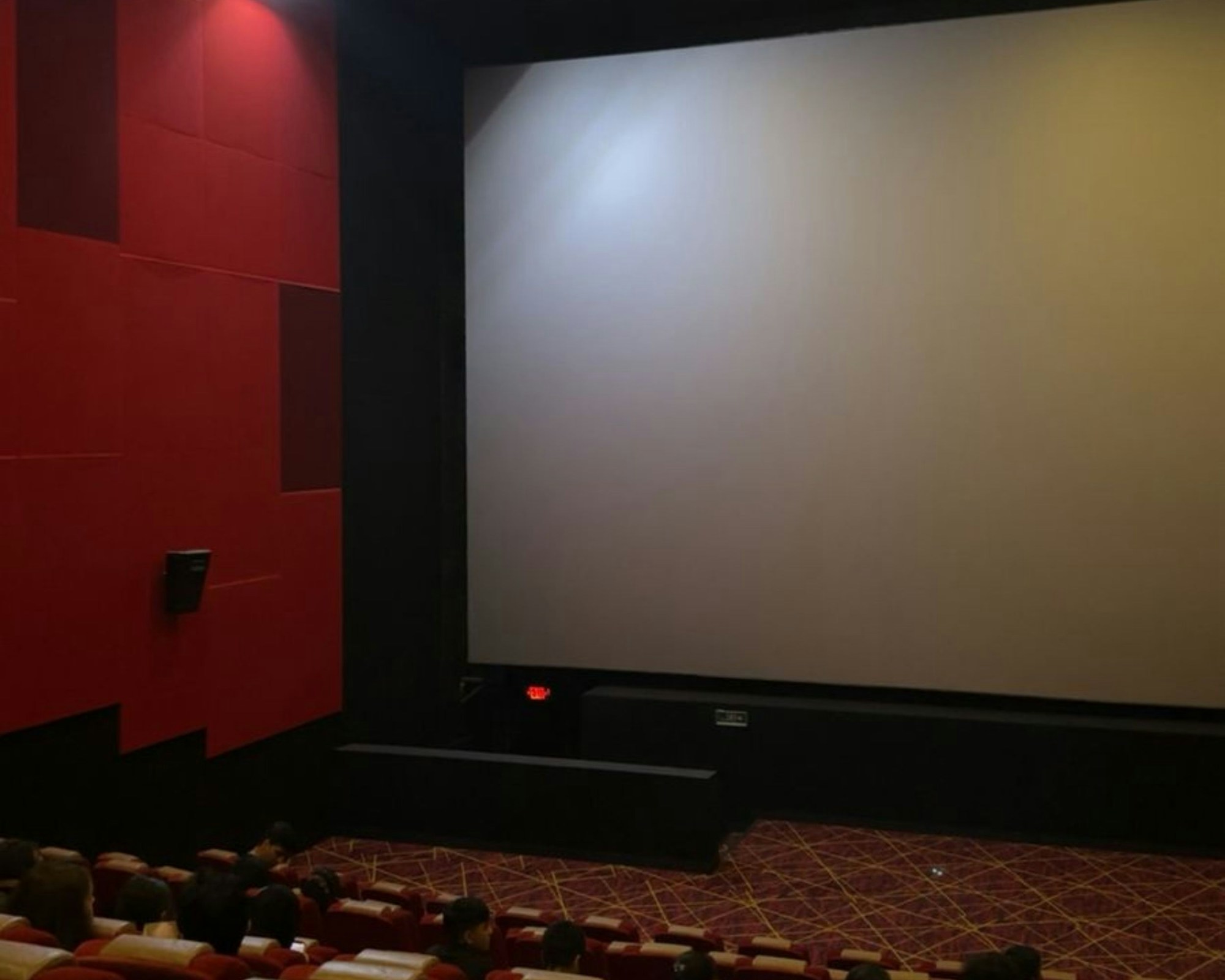
To be clear from the start, because many pages suggest otherwise: there is no public accreditation. The public gets into screenings by buying a ticket for each film, or a pass. Accreditation is for the press and the industry, as the official news of 7 October 2026 explains.
The 2026 ticket prices had not been published when this guide was written, and the opening of ticket sales had not been announced. Check the festival’s official site before you go.
Passes exist. They are named, cover a set number of films chosen at purchase, and work out cheaper per film than single tickets. Their sale dates and 2026 prices are not confirmed. If you plan to see a lot of films, watch for the opening of sales so you can compare both options.
On refunds, the official FAQ, in an undated version, says tickets cannot be changed or refunded, except if the programme changes or the festival is cancelled. Count that in your budget: an early purchase should be treated as a firm expense.
Key points
- Note the screenings you want as soon as the schedule is published.
- Compare a single ticket with a pass once their prices are out.
- Read the official FAQ before you pay, because the exchange conditions are strict.
4. The cinemas and how to get there
The three cinemas on the official list
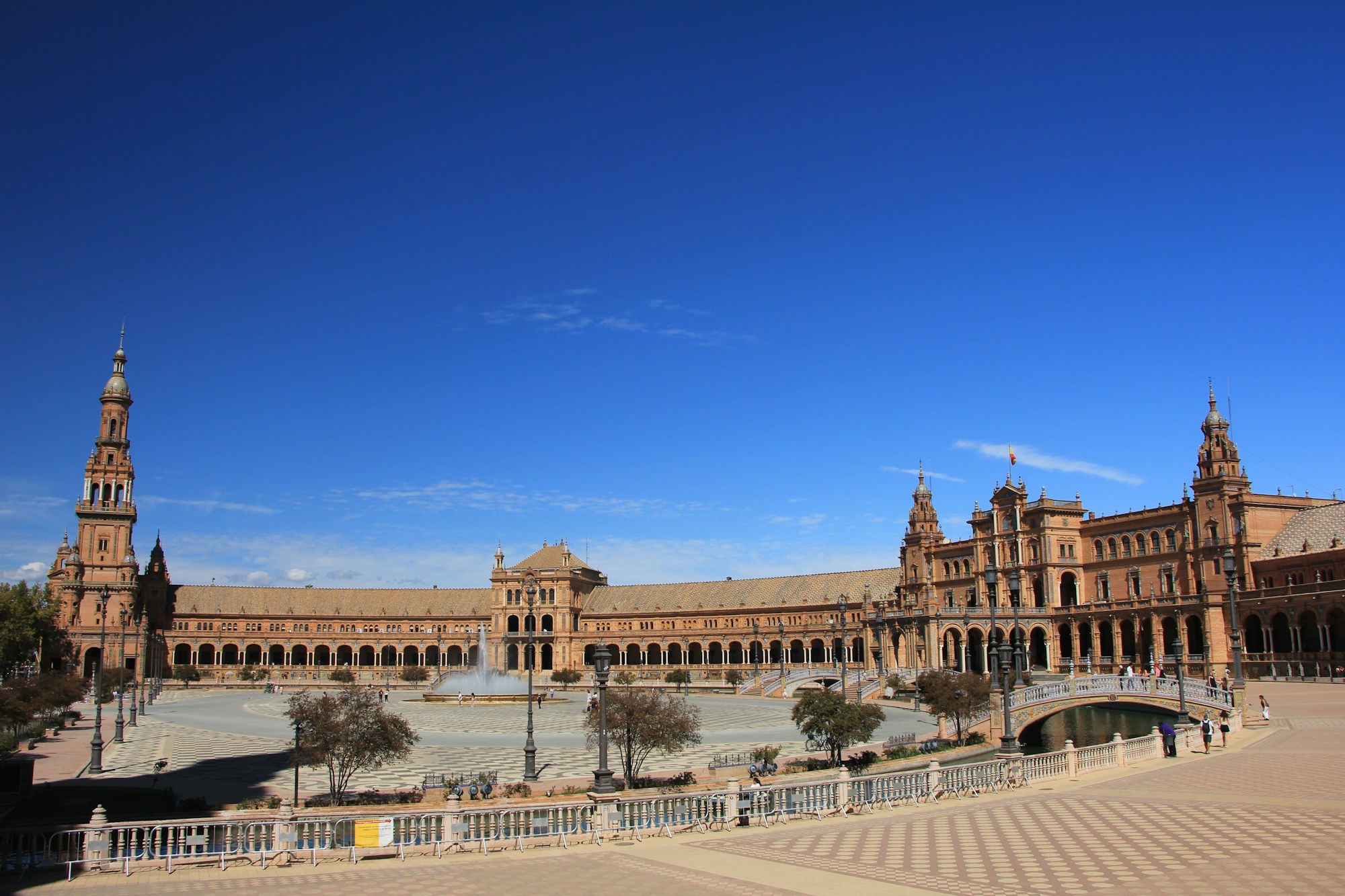
The official 2026 venues page lists three places: MK2 Cinesur Nervión Plaza (calle Luis de Morales, 3), Alameda Theatre (calle Crédito, 13) and Lope de Vega Theatre (avenida María Luisa, s/n). These are the cinemas to plan around for the 2026 edition.
The Lope de Vega sits near the María Luisa park and the Plaza de España, an area you can also see on foot. The MK2 Nervión Plaza is close to Nervión metro station, according to a travel blog. The Alameda is a walk from the centre, in a livelier area in the evening.
This guide lists the three cinemas on the official 2026 venues page. Check the venue for your screening when you buy.
Key points
- Pick one cinema per area to limit trips between screenings.
- Arrive before the start: the margin absorbs a trip you underestimated.
- Group screenings from the same neighbourhood on the same day.
5. Programme: sections, films and guests

What is confirmed and what is still to come
The detailed 2026 programme (titles outside the competition, times and the cinema for each screening) had not been published as of 9 October 2026. What is confirmed on that date is the Official Selection: 15 films in competition, presented in Madrid at the Palacio Longoria on 28 September 2026. The titles will appear on the official site as they are released.
The festival poster was unveiled on 14 June 2026 under the title « Godard se asoma las setas ». The festival has also announced guests and tributes for 2026. Check those on the official page before you build a programme around a personality, as they have not been cross-checked against a second source.
Other sections mentioned in older guides (Rampa, for new filmmakers; Alumbramiento, for films without a distributor in Spain; Panorama Andaluz, for Andalusian cinema) existed in 2025. Their return in 2026 is not confirmed on an official page. Don’t count on them until you have read the schedule.
To choose, a simple method works: start with the Official Selection, the most stable part of the festival, then add screenings from another section that appeals to you. Book the films that only screen once before the ones that come back.
Key points
- Start with the 15 films of the official competition.
- Check the language version of each film on its page: the screening language is not confirmed at this stage.
- Keep a backup screening for each strong time slot of the day.
6. Getting to Seville from London or Madrid

Three ways to arrive
From London, nonstop flights to Seville run from Gatwick. According to a flight aggregator’s Gatwick to Seville page, the trip takes about 2 hours 45 minutes to 3 hours 10 minutes, and the carriers listed include British Airways, easyJet and Vueling. Nonstop service from Heathrow is unclear in the sources we checked, so confirm the airline before you book. Timetables change by season: check the November 2026 schedule before you fix your dates.
From Madrid, the AVE high-speed train covers the trip in about 2 h 30 on the fastest direct journey, according to Trainline. The average direct journey is close to 2 h 37, according to Omio. Trains leave from Santa Justa station, and the first departures are early in the morning.
| Option | Typical time | Watch out |
|---|---|---|
| Nonstop flight from London | About 2 h 45 to 3 h 10 from Gatwick | Airlines and timetables change by season: check November 2026 |
| AVE train from Madrid | About 2 h 30 on the fastest direct trip | Departures from Santa Justa, times vary by day |
| Shuttle or taxi from the airport | About 10 km to the centre | Fares and journey times not checked for this guide |
For the airport transfer, allow for a shuttle or a taxi. The distance is about 10 km. Fares and journey times were not checked for this guide, so check them before you travel.
Entry for UK travellers: no visa is needed for a short stay. The UK government’s travel advice says you can visit Spain, and the wider Schengen area, for up to 90 days in any 180-day period. Your passport must have been issued less than 10 years before you arrive, and must be valid for at least 3 months after you leave the Schengen area. The EU’s Entry/Exit System is being rolled out across Schengen, and the UK guidance covers it. The EU travel authorisation (ETIAS) had no fixed start date when this guide was written. Check the gov.uk Spain entry requirements before you fly.
Key points
- A nonstop flight from London leaves more time in Seville before your first screening.
- The train from Madrid skips the airport and fits in a day.
- Book your airport transfer before you land, to avoid the taxi queues.
7. Seville beyond the screenings
Monuments to see between films
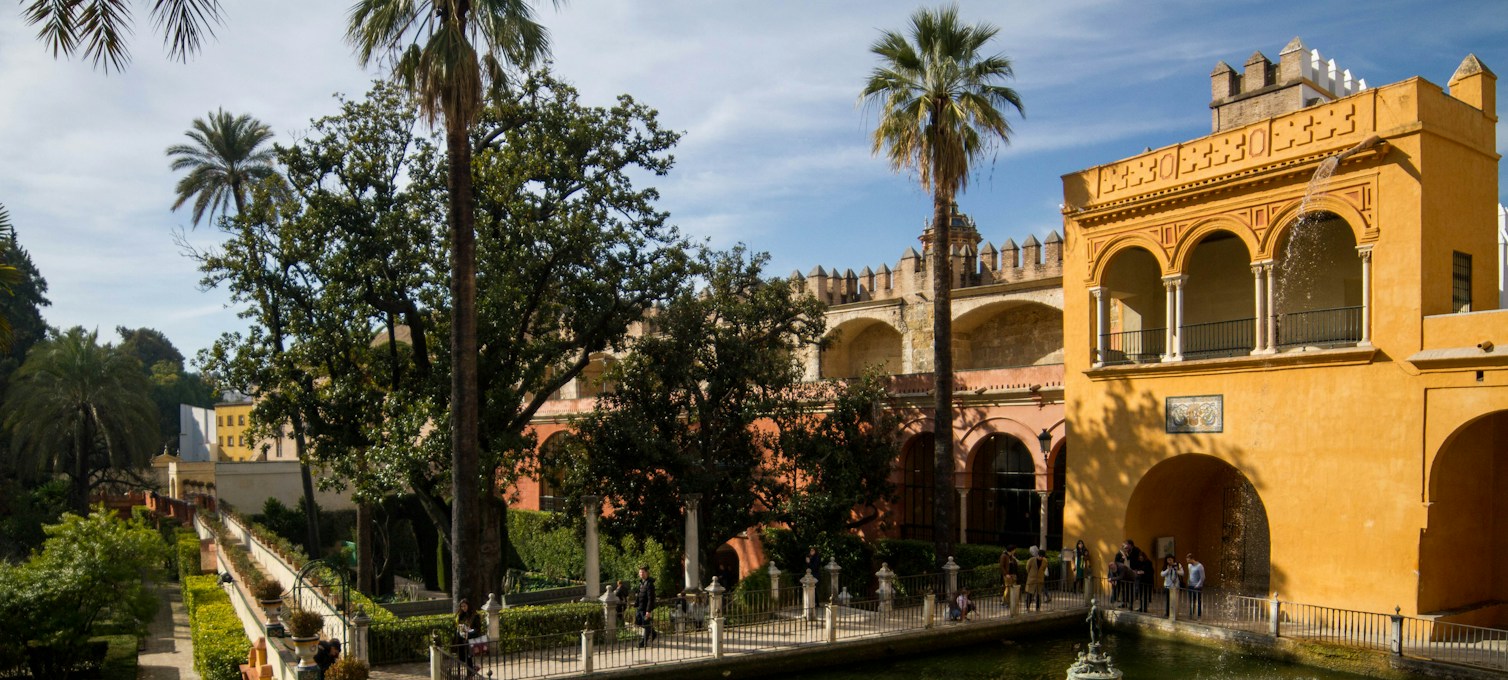
The Real Alcázar is the most in-demand monument in the city. You can buy its entry ticket online or on site. The sources we checked disagree on the 2026 price, so check the official Alcázar website for the current fare. A guided visit, in a group or private, can save you time in a tight slot. Our guide Alcázar of Seville: private tour or group ticket? compares the two options.
The cathedral and the Giralda tower take one to two hours to visit. The cathedral square is an easy walk from the centre, which makes it a good stop before or after a screening. The Museo de Bellas Artes, with its inner courtyard, is a calmer alternative if the weather turns.
Plaza de España and María Luisa park can be visited freely, without a ticket. They are the places to choose for an hour-long walk late in the afternoon, before the evening screening. Both are near the Lope de Vega, one of the festival’s three cinemas.
If your schedule allows, Italica, the Roman site outside the city, can be reached by bus from the Plaza de Armas, according to a 2025 guide. Distance and times were not checked for this guide, so confirm them before you leave.
Key points
- Book the Alcázar for a morning slot, when visitor numbers are lower.
- Enjoy Plaza de España at the end of the day, on foot.
- Have a covered backup plan for rainy days.
8. Which trip suits your profile
Five ways to experience the festival
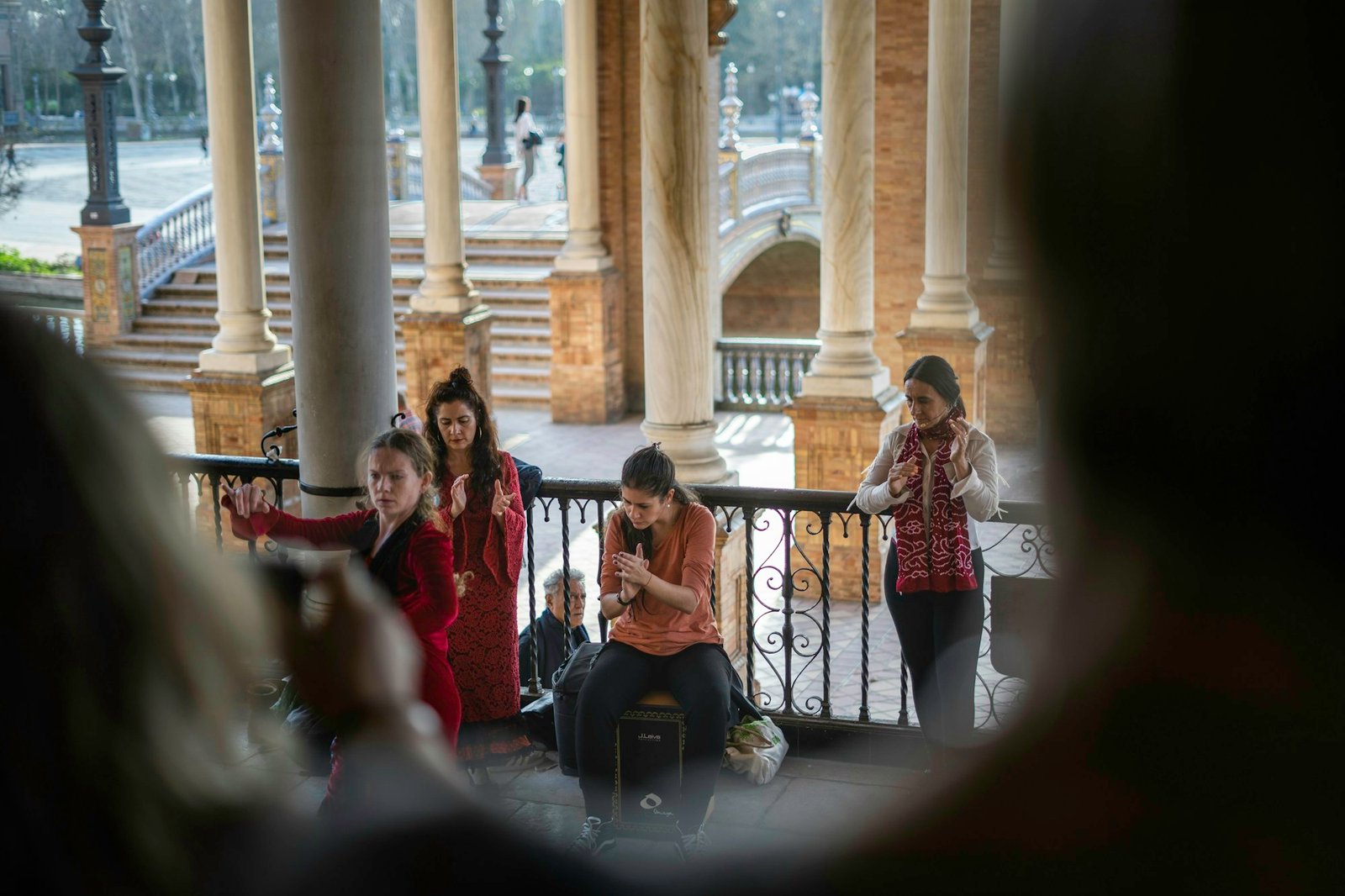
For a first time, limit yourself to two or three screenings during the festival, and keep Saturday 14 November for the city. A single guided visit of the Alcázar or the cathedral is enough to get a feel for the centre.
As a couple, the idea is to pair an evening screening with a shared activity during the day. The food tour of the centre suits two people, and the price per adult is based on a group of two.
On a budget, the single ticket is the most flexible option, until the 2026 prices are published. Free places like Plaza de España and María Luisa park have no entry fee. Lunch can be had in a neighbourhood bar rather than in the busy centre.
For a film buff, the essential is to build your programme around the Official Selection, then leave free slots to avoid clashes between two films. There is no point in watching four films in a day if the trips between cinemas eat half the time.
For a visitor with reduced mobility, check the accessibility of each monument before you book, since most older buildings in the centre were not designed for that. The festival cinemas can be reached by public transport or taxi, which limits the walking.
Key points
- Match the number of screenings to how long you are staying.
- Plan one activity per half-day, not two.
- Check the terms of each booking before you pay.
9. Common mistakes to avoid

What wastes time or money
The first mistake is trusting a guide that repeats the 2025 dates. This year’s festival runs from 6 to 14 November 2026. The second is mixing up the cinemas: an old list can send you to a cinema that no longer hosts the festival.
The third is assuming that an accreditation opens the doors to screenings. It doesn’t exist for the public. The fourth concerns tickets: they are not refundable except in case of cancellation or a programme change. So buy with your flight and train times in mind.
One last mistake, less obvious, is planning too tightly. Between the walk to the cinema, the queue at the entrance and the time to collect your ticket, a screening needs about half an hour of margin.
Key points
- Check every date on the official site before booking a flight or a hotel.
- Confirm the cinema for each screening when you buy.
- Take out travel insurance if the money at stake is high.
10. Other events in Seville, and other film festivals

If you come back for another season
Seville has two major events a year, very different from the November festival. The Feria de Abril takes place in April and turns the city into a street party. The Semana Santa punctuates spring with its processions. If you are choosing between these dates and November, compare the atmosphere, accommodation prices and how crowded the city is.
If film interests you beyond Seville, our overview of the 2026 film festivals in Cannes, Venice and Berlin helps you compare formats. The Seville festival stands out for its human scale and its roots in city life, rather than for a red carpet.
Key points
- One city, three moods depending on the season.
- A November stay is quieter than a spring one.
- Dedicated guides cover each big event in the city.
Practical information and bookings
Aviasales compares flights from your departure airport. Prices shown are indicative and change with the date, so compare them on the day you book.
Indicative prices, check them on the day you bookFestival tickets are not refundable, except in case of cancellation or a programme change. Travel insurance can protect the money you have spent on flights and accommodation.
Price depends on trip length and age, on the insurer’s siteFrequently asked questions
What are the festival dates in 2026?
The festival runs from Friday 6 to Saturday 14 November 2026, nine days in all, for its 23rd edition. These dates appear on the official press accreditation page. The 2025 dates (7 to 15 November) still circulate in some guides, but they do not apply to 2026.
Do I need accreditation to attend screenings?
No. There is no public accreditation. Accreditation is for the press and the industry: the press can apply until 21 October 2026, according to the official news of 7 October 2026. The public gets into screenings by buying tickets.
How much does a screening cost in 2026?
2026 ticket prices were not yet published when this guide was written; check the festival’s official site before going. The official price will appear on the official site when ticket sales open.
Which cinemas host the festival?
The official 2026 venue list has three cinemas: MK2 Cinesur Nervión Plaza, Alameda Theatre and Lope de Vega Theatre, according to the venues page. Check the cinema for your screening before you go.
How many films are in competition?
The 2026 Official Selection has fifteen films in competition, according to the official announcement of 28 September 2026. The jury awards the Golden Giraldillo for best film, plus prizes for best direction, best acting and best screenplay. The full programme of the other sections had not been published when this guide was written.
Are tickets refundable?
According to the official FAQ, in an undated version, tickets cannot be changed or refunded, except if the programme changes or the festival is cancelled. Passes are named. A travel insurance policy can cover part of the money you have spent on flights or accommodation around the screenings.
How do I get from Madrid to Seville by train?
Do UK travellers need a visa for Spain?
No visa is needed for a short stay. According to the UK government, you can visit Spain and the Schengen area for up to 90 days in any 180-day period. Your passport must have been issued less than 10 years before you arrive and be valid for at least 3 months after you leave the Schengen area. ETIAS, the EU travel authorisation, had no fixed start date when this guide was written, so check gov.uk before you fly.
Sources
- Press accreditation 2026, Festival de Cine Europeo de Sevilla: dates and accreditation calendar
- Accreditation now open for the 23rd edition: accreditation types, professional fee, no public accreditation
- Official section of the 23rd edition: fifteen films in competition
- Festival venues 2026: official list of three cinemas
- Official festival FAQ: tickets, passes, refunds
- Official news: attendance figures for 2019 and 2024
- Seville European Film Festival (Wikipedia, EN): history and prizes
- Sevilla Secreta, festival guide: 2025 ticket outlets, prices not used
- Trainline, Seville and Madrid timetables: train journey time
- Omio, Madrid and Seville trains: average direct journey time
- Flightsfrom, Gatwick to Seville nonstop routes: flight time and airlines (aggregator data, schedules change)
- UK government, Spain entry requirements: visa-free stay, passport rules, Entry/Exit System
Sources checked on 9 October 2026. Prices, timetables and dates should be checked on official websites before any purchase.

Plan your trip with Pixidia
Pixidia learns how you travel and helps you build a trip that truly fits you and everyone coming along.
Open the planner