

IATA’s Jet Fuel Price Monitor reports the global average jet fuel price every week, per barrel, and it is the reference to check for the current figure. IATA’s June 2026 AGM in Rio put the extra fuel bill at $100 billion, so fares stay high.
$1,730 per ton. That’s the price jet fuel hit on March 19, 2026 — more than double its pre-crisis level. Since the strikes of February 28, 2026 on Gulf petroleum infrastructure and the near-total blockade of the Strait of Hormuz, global aviation is facing an unprecedented storm. The IATA, representing 85% of global air traffic, has confirmed an unavoidable 20–40% fare increase for summer 2026. But behind this headline figure lie very different realities depending on the airline, the route, and your departure country. This complete guide explains everything — and gives you the keys to travel smarter while paying less.
1. Jet Fuel at $1,730/Ton: Anatomy of an Unprecedented Shock
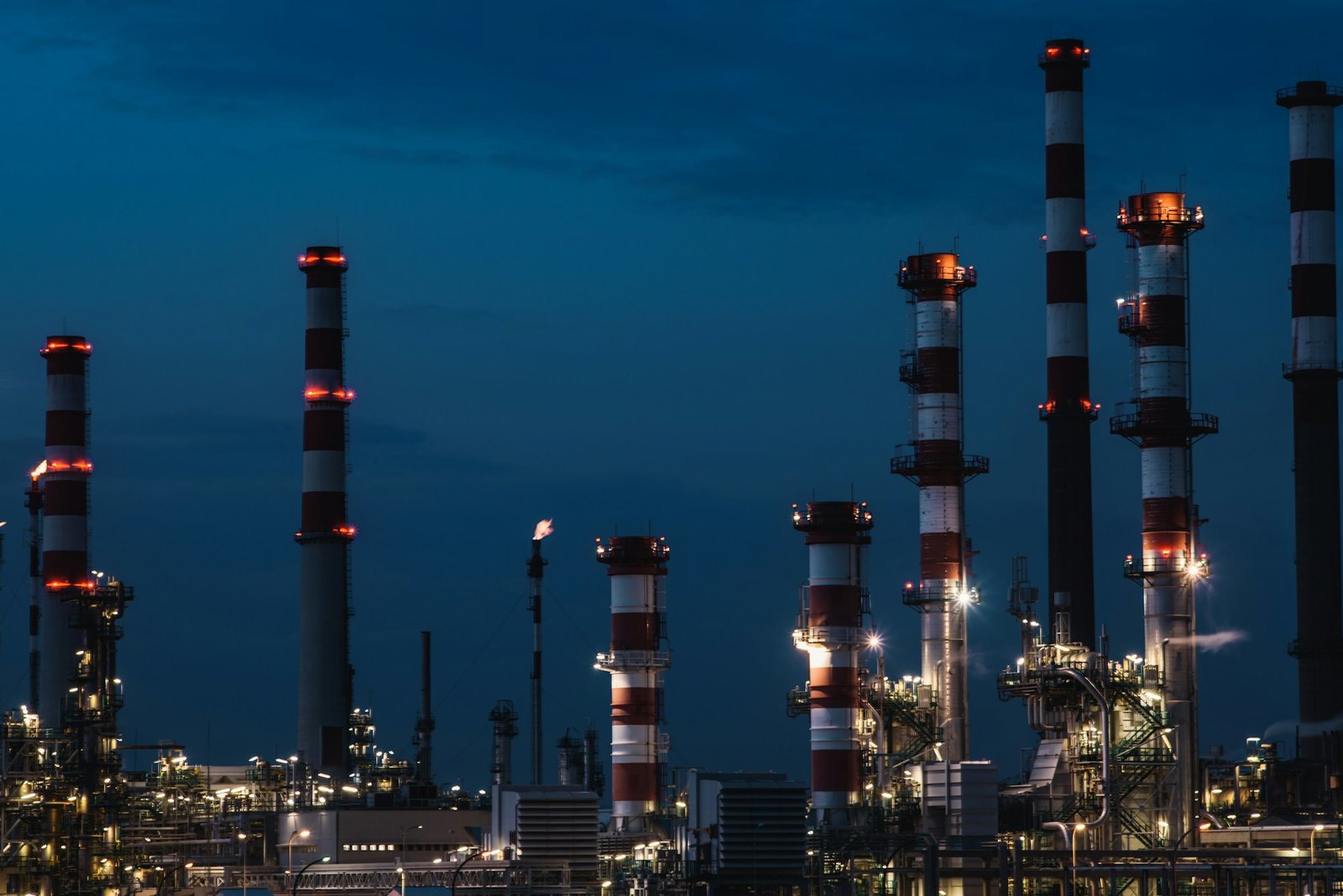
Why Jet Fuel Is Rising Faster Than Crude Oil
Since the February 28, 2026 strikes and the near-total blockade of the Strait of Hormuz, jet fuel hasn’t merely tracked crude oil — it has far outpaced it. According to RTBF, prices in Northwest Europe rose from $830 to $1,528 per ton (+84%), while in Singapore — Asia’s main trading hub — aviation fuel hit $230 per barrel, an all-time record.
The reason is simple but often misunderstood: jet fuel is a refined product, not crude. About one-fifth of global aviation fuel trade transited the Strait of Hormuz daily, and nearly half of European jet fuel imports originated from there. Cutting this artery creates a physical shortage in a market where fuel accounts for 20–40% of an airline’s costs.
Secondary Effects: Diversions and Physical Shortage
- 11 airspaces closed on Europe-Asia routes
- +90 to 120 extra minutes per diverted flight
- Up to $20,000 extra cost per diverted flight
- 29,000 flights cancelled out of 51,000 scheduled since early March (56%)
- ~600 aircraft grounded due to fuel shortages
Where to Track the Jet Fuel Price in 2026
The IATA Jet Fuel Price Monitor is the reference for jet fuel prices. It gives a global average per barrel for each reported week, so check its latest week before relying on any number in this article. Its most recent week is more useful than any figure quoted here.
2. Fuel Hedging: Who Is Protected, and For How Long?
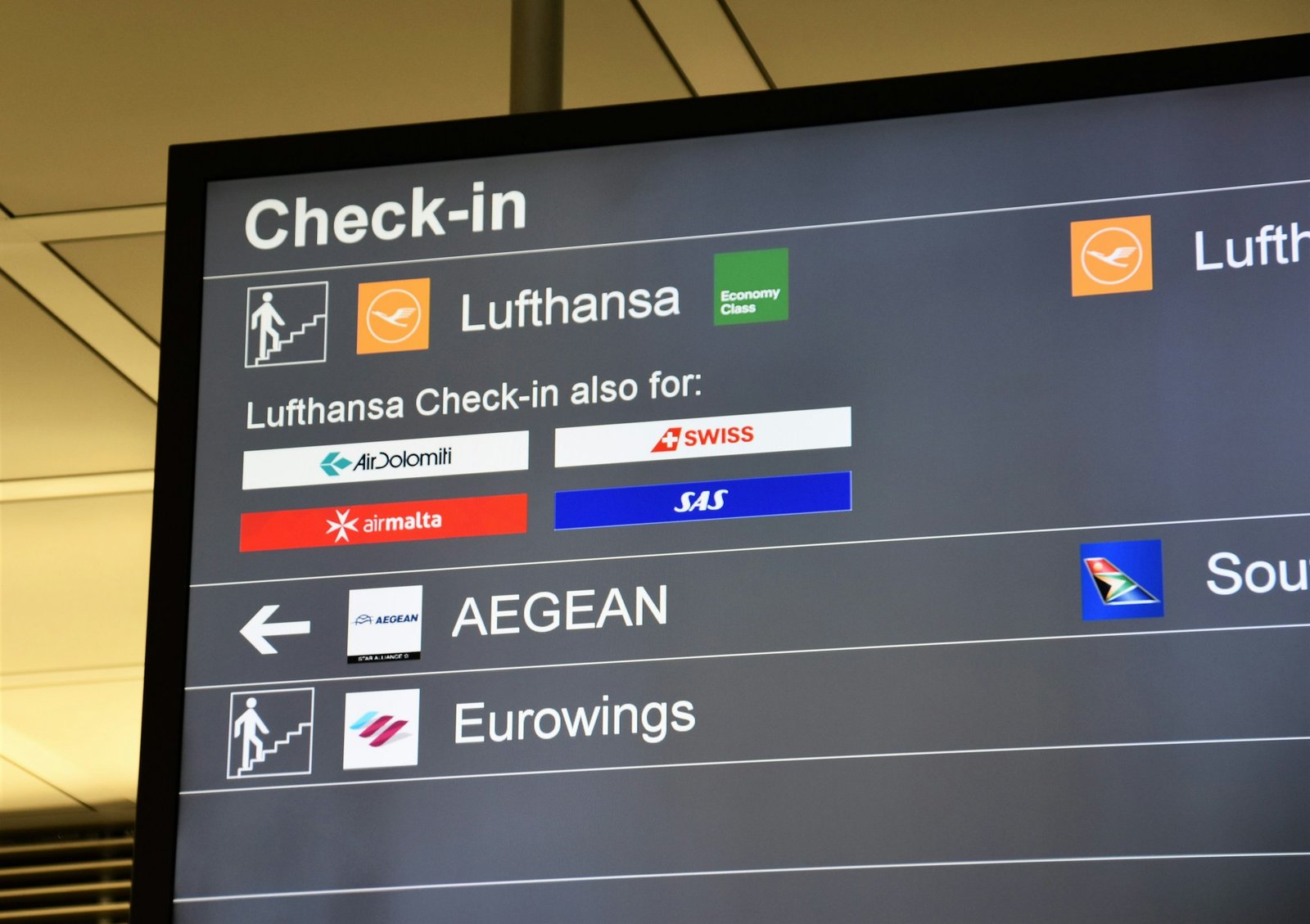
Airline Rankings by Protection Level
Fuel hedging is a mechanism by which airlines buy fuel in advance at a fixed price, protecting themselves from sudden price spikes. But this protection is temporary and partial — it never covers 100% of needs. According to Ulysse.com, here is the ranking of airlines by protection level:
Tier 1 — Highly Protected (Book Now)
- Ryanair: 84% hedged at $77/barrel for the current quarter, 80% for coming months
- easyJet: 84% covered in H1 2026 ($715/ton), 62% in H2 ($688/ton)
Tier 2 — Well-Covered Airlines
- Lufthansa: 82% in Q1, 77% annual average
- Air France-KLM: 70% in Q1, but only 60% in Q3 (summer holidays)
- IAG (British Airways, Iberia): 75% in Q1, 58% in Q3
Tier 3 — High-Risk Airlines
- SAS: 0% coverage, already 1,000 flights cancelled
- US carriers (Delta, United, American): almost unhedged
3. The Concrete Impact on Your Fares: From +15% to +200%
What You’ll Pay Depending on Your Destination
From March 11, 2026, Air France-KLM imposed a €50 round-trip surcharge in economy. For transatlantic business class flights, the fuel surcharge can reach €319 per journey. Ben Smith, CEO of Air France-KLM, warned that up to 45% of Asia flights could be threatened if the supply crisis persists.
In the US, the situation is even more brutal: US carriers having abandoned hedging, the price of a gallon of jet fuel jumped from $2.50 to $3.93 in a week, representing according to Delta’s CEO $400 million in extra costs. Average ticket prices reached $465, the highest level since 2019, according to NBC News.
4. Flying to Asia in 2026: Alternative Routes That Work
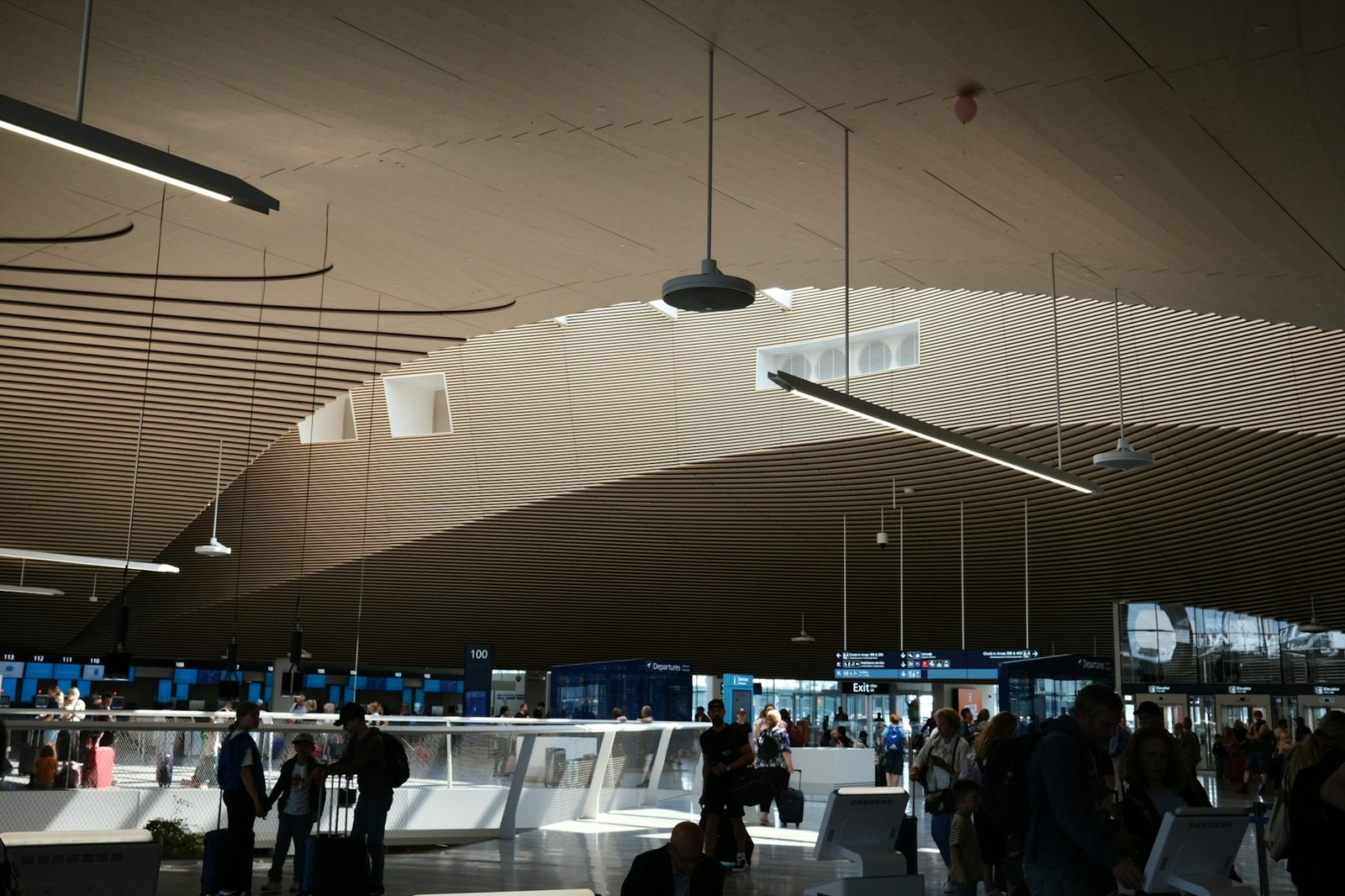
4 Corridors to Reach Asia Without Going Through the Gulf
The Gulf crisis has redrawn the global aviation map — see our full breakdown of Middle East airspace closures for the bigger picture. Here are the four best alternatives to fly to Asia from Europe:
Finnair via Helsinki — The Arctic Route
Helsinki has become Europe’s strategic hub to Asia. Finnair reports +11.3% growth on Asian routes and operates Helsinki-Bangkok in Airbus A350 (10h). Combining a budget flight Paris-Helsinki (€40–80) with Finnair to Asia gives you Paris-Bangkok from €350 and Paris-Tokyo from €550. The Arctic route overflies no conflict zones and Helsinki-Vantaa offers quick connections. Allow at least 3 hours connection time if booking two separate tickets.
Ethiopian Airlines via Addis Ababa — The Southern Corridor
The big surprise of the crisis. Ethiopian serves over 65 Asian destinations via a corridor completely outside the conflict zone. Expect €700–900 round-trip Paris-Bangkok. The airline operates Bangkok, Tokyo, Seoul and Mumbai from Addis. Lyon is now the third French gateway to Ethiopian after Paris-CDG and Marseille.
Turkish Airlines via Istanbul — The Pivot Hub
Despite suspending Gulf routes, Turkish Airlines maintains Asia routes via the Caucasus and Central Asia. Expect €650–1,500 for Paris-Bangkok. The Turkish e-visa takes 5 minutes online — perfect for an extended layover in Istanbul.
Chinese Airlines — Masters of the Polar Route
Air China, China Southern and China Eastern added 2,900 extra flights to Europe for summer 2026, now controlling 83% of China-Europe capacity. They’re the only ones overflying Russia, saving fuel and avoiding conflict zones. Fares: Paris-Beijing from €627, Paris-Singapore via Shanghai from €610. Western carriers are taking a different path — see how Air France, KLM and Lufthansa reroute over the North Pole instead.
Quick Comparison: The 4 Alternative Corridors at a Glance
| Corridor / Carrier | Sample Route | Round-Trip From | Why It Works |
|---|---|---|---|
| Finnair — Arctic route via Helsinki | Paris–Bangkok / Paris–Tokyo | €350 / €550 | No conflict-zone overflight; A350 direct Helsinki–Bangkok (10h) |
| Ethiopian Airlines — Southern corridor via Addis Ababa | Paris–Bangkok | €700–900 | 65+ Asian destinations reachable, entirely outside the conflict zone |
| Turkish Airlines — Pivot hub via Istanbul | Paris–Bangkok | €650–1,500 | Caucasus/Central Asia corridor; 5-minute e-visa for a layover stop |
| Chinese carriers — Polar route | Paris–Beijing / Paris–Singapore (via Shanghai) | €627 / €610 | Only carriers overflying Russia; now 83% of China-Europe capacity |
5. French Airport Taxes: An Added Burden for French Travelers
A Double Penalty for Travelers Departing from France
While most European countries keep airport taxes moderate, France raised its Solidarity Tax on Air Tickets (TSBA) from €2.63 to €7.40 for economy intra-European tickets. For long-haul flights, it rises to €40 in economy for destinations beyond 5,500 km, and up to €120 in business/first class. According to the French aviation authority (DGAC), these hikes were almost entirely passed on by airlines to passengers.
The European paradox is striking: while France was raising its tax, Sweden was abolishing its own and Germany was considering reducing it. The result: capacity growth from French airports was just 1.5% in Q2 2025, versus 4.5% European average.
6. Your Rights in Case of Cancellations and Delays
EU261 Regulation: What the Airline Owes You
EU Regulation EU261 provides for a fixed compensation in case of cancellation or delay over 3 hours. Airlines will very likely invoke the fuel shortage as an « extraordinary circumstance, » exempting them from the flat-rate compensation — see our dedicated guide to force majeure and traveller rights for the Middle East crisis specifically. However, even in this case, the airline must cover meal, accommodation and transport costs between hotel and airport. And your pre-purchased ticket price remains locked — no retroactive increases are possible.
7. 10 Concrete Strategies to Pay Less in 2026
Expert-Validated Tips
These tactics work in any market — for the full toolkit of tools and techniques, see our guide to finding cheap flights in 2026.
- Book now, don’t wait: As long as the crisis lasts, prices won’t drop. Airlines adjust fares upward week after week.
- Choose well-hedged airlines: Ryanair and easyJet need to pass on the increase less immediately thanks to their hedging.
- Be flexible with dates: Shifting departure by a day or two can save 40–60% on some routes. Monday is the cheapest day to book an international flight (−7% average).
- Prefer August over June-July: Demand drops after mid-July, leading to more affordable prices on many routes.
- Use secondary airports: Or better yet, Geneva, Brussels or Amsterdam to avoid the French TSBA on long-haul flights.
- Opt for strategic connecting flights: Google Flights data shows connecting flights save an average of 22%. Via Helsinki, Addis Ababa or Istanbul, a layover can also become a mini-destination.
- Set up price alerts: Google Flights and Kayak alert you when fares drop. If you can change date or airline, take advantage of these windows.
- Use loyalty miles: Flying Blue, Oneworld and Star Alliance allow redemptions on alternative routes. Award seat availability exists, particularly midweek.
- Book flexible tickets: If you book at $500 and prices drop to $350 two weeks later, you can call the airline and get $150 back as credit — as long as you have a flexible fare.
- Consider the train for short and medium routes: On 8 out of 10 European destinations, trains are already cheaper than planes at March 2026 prices. Eurostar from €39, Paris-Barcelona TGV from €49.
8. Update: What Has Actually Happened Since Spring 2026
From Crisis Peak to Fragile Normalization
By June 2026, a peace deal between the United States and Iran allowed the Strait of Hormuz to reopen gradually — but the aviation industry is still absorbing the shock. At its Annual General Meeting in Rio de Janeiro on June 8, 2026, IATA director general Willie Walsh confirmed that jet fuel costs had risen 70% year-over-year, adding $100 billion to the global industry’s fuel bill for 2026. Net profits are set to halve, from $45 billion in 2025 to $23 billion in 2026, with margins Walsh described as « wafer-thin. » Forbes reports Fitch Ratings has since revised its outlook for the global airline sector to « deteriorating. »
The pressure proved fatal for at least one carrier: budget airline Spirit Airlines ceased operations in May 2026, unable to absorb the near-doubling of its fuel costs. For travelers, the reopening of Hormuz has not translated into cheaper tickets yet. According to airfare-tracking app Going, US domestic fares were still running 17% higher for Independence Day travel and roughly 18% above last year for the rest of summer 2026, while international fares had largely stabilized back to 2025 levels, per TIME.
Practical Travel Information for 2026
Find the cheapest tickets among 1,000+ airlines and agencies. Price alerts included.
Free — compare in 30 secondsStay connected from landing in 200+ countries. Instant activation, no SIM swap needed.
From €4.50Nomad Insurance: global coverage from $56/4 weeks. 10% off via our link. Essential in unstable times.
From $56 / 4 weeksFrequently Asked Questions About Airfare Prices in 2026
Why did jet fuel reach $1,730/ton in 2026?
The strikes of February 28, 2026 against Iran triggered the near-total blockade of the Strait of Hormuz by the Revolutionary Guards. This strait handles about 30% of the jet fuel consumed in Europe. The immediate shortage on the refined products market drove the price per ton from $750 to $1,730 by March 19, 2026.
By how much will airfares increase this summer 2026?
IATA confirms a 20–40% fare increase for summer 2026 compared to 2025. European short-haul flights are least affected thanks to budget airline hedging. For certain long-haul routes via the Gulf, expect surcharges of 40–200% depending on the corridor and destination.
Can my airline raise the price of a ticket I’ve already paid for?
No. Once you’ve paid, the transport contract is concluded and the price is locked. The airline cannot retroactively raise the price citing higher fuel costs. Partial exception: package holidays (flight + hotel), where an increase exceeding 8% of total cost can be passed on under strict conditions.
Which airlines are safest to fly with this summer?
For European flights: Ryanair (84% hedged) and easyJet (84% in H1) remain the most stable. For Asia: Finnair via Helsinki, Turkish Airlines via Istanbul, Ethiopian Airlines via Addis Ababa, and Chinese carriers (Air China, China Southern, China Eastern) offer the most reliable routes, outside the conflict zone. Avoid airlines with 0% coverage such as SAS.
What are the prospects for the end of 2026?
Two scenarios: optimistic — a ceasefire and reopening of the Strait of Hormuz would allow a gradual return to normal prices in 2–3 months. Pessimistic — a prolonged conflict would keep jet fuel above $1,500/ton all summer, causing massive long-haul cancellations. United’s CEO estimates the barrel could stay above $100 until end of 2027.
Has the jet fuel crisis eased by summer 2026?
Partially. A US-Iran peace deal reached by June 2026 allowed the Strait of Hormuz to reopen gradually, but fares have not caught up yet: US domestic tickets were still 17–18% above 2025 levels going into summer, and IATA reported a $100 billion industry-wide extra fuel cost with profits halving to $23 billion. Budget carrier Spirit Airlines ceased operations in May 2026 under the financial pressure. Expect gradual, not immediate, relief.
Is it cheaper to book a connecting flight instead of a direct one in 2026?
Yes, in many cases. Google Flights data shows connecting itineraries save an average of 22% over direct flights across routes analyzed in 2026. On Europe-Asia corridors this strategy does double duty: routing through Helsinki, Addis Ababa or Istanbul instead of flying direct avoids the Gulf conflict zone entirely, and a longer layover can double as a short stopover visit rather than dead time at the gate.
How much is jet fuel today?
The reference price is published every week by IATA’s Jet Fuel Price Monitor, which gives a global average per barrel. The figures in this article date from 2026 and do not show the current week, so use the latest weekly release of the monitor.
Sources
- RTBF — The jet fuel surge is pushing fares higher
- Ulysse.com — Airfare hikes, jet fuel and war 2026
- Ulysse.com — Summer 2026 survival guide
- Ulysse.com — Summer 2026: alternative Asia routes
- Ulysse.com — Finnair and the Arctic route to Asia
- Ulysse.com — Chinese airlines Paris-Asia: comparative guide
- Air Journal — Inevitable airfare increase
- PBS NewsHour — Jet fuel prices and airfares are rising
- NBC News — Global jet fuel shortage raising cost of air travel
- NPR — Jet fuel prices double, leading airlines to increase baggage fees, raise fares
- TIME — Why summer travelers may still be met with high airfares after the US-Iran deal
- Forbes — Airlines take $100 billion jet fuel hit, plunging profits by 50% in 2026
Original research conducted April 1, 2026 — updated July 16, 2026 with the latest developments (Strait of Hormuz de-escalation, IATA AGM figures).
Ready to Plan Your Next Trip?
Despite the jet fuel crisis, there are still smart ways to travel. Explore our tailor-made itineraries to find destinations accessible to your budget in 2026.
Explore all itineraries