
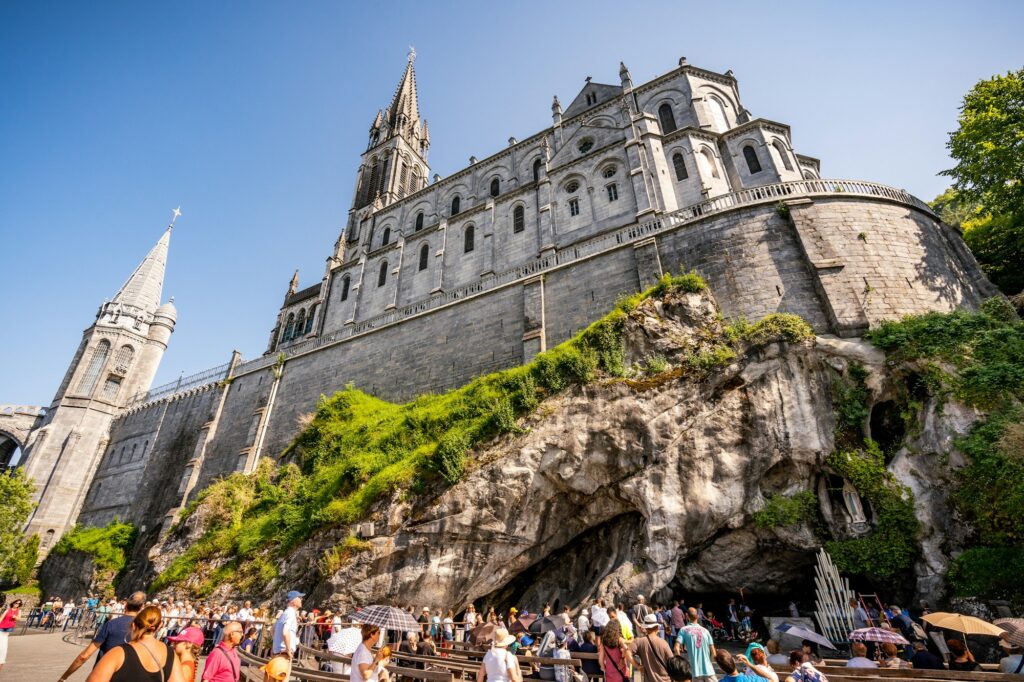
European shrines are breaking records in 2026 thanks to the closure of the Holy Land. Lourdes welcomed 3.4 million pilgrims in 2025, Fátima 6.5 million, and the Camino de Santiago recorded more than 530,000 walkers (+15%). Since 7 October 2023, pilgrimages to Israel have plummeted by 68% (from 3 million to 961,000 visitors in 2024). For 2026, Lourdes, Fátima and Compostela offer spiritually rich alternatives, accessible from €300, with key dates between May and October.
The Holy Land closed, and Catholic Europe found itself facing unprecedented demand. Since October 2023, millions of Christian pilgrims who had planned trips to Jerusalem, Bethlehem or Nazareth have been left without a destination — and are turning en masse to the great shrines of the old continent. Lourdes, Fátima, Compostela, Medjugorje, Assisi, Loreto, Czestochowa: seven names that now resonate as spiritual alternatives worthy of a once-in-a-lifetime journey. This comprehensive guide analyses each destination with the most up-to-date data, realistic budgets and the advice travel agencies won’t give you.
Why the Holy Land Remains Inaccessible in 2026
The Impact of 7 October 2023 on Global Religious Tourism
The official figures from the Israeli Central Bureau of Statistics are unambiguous: after welcoming approximately 3 million visitors in 2023, Israel received only around 961,000 in 2024, a drop of more than 68% in a single year. The economic situation is catastrophic for local Christian communities: according to Bishop Shomali, auxiliary bishop of the Latin Patriarchate, « a third of the Christians of Bethlehem and Jerusalem live directly from tourism, and another third indirectly. »
In 2025, only 1.3 million people visited Israel. Israeli authorities are cautiously hoping for 2 to 3 million tourists in 2026, but the return remains uncertain for many religious travel operators. Mirroring this collapse, European shrines are recording historic attendance peaks. Our complete guide to pilgrimage in the Holy Land in 2026 details alternatives for those who still wish to go.
1. Lourdes (France) — The Essential Marian Shrine
The City of Miracles — 3.4 Million Pilgrims in 2025
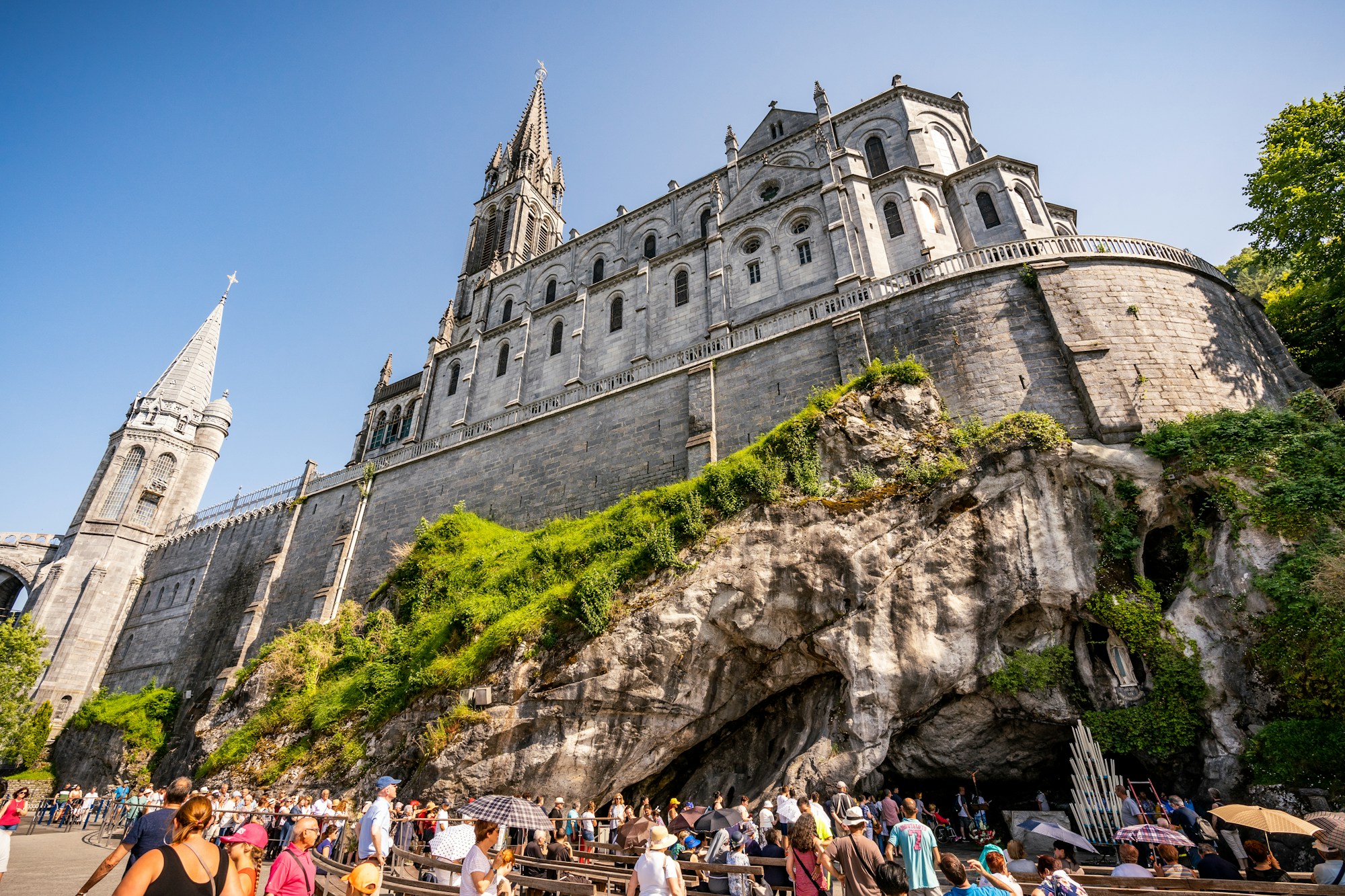
Lourdes is Europe’s leading Catholic pilgrimage site by capacity and France’s most visited site outside of Paris. The town welcomed 3.4 million pilgrims in 2025, with a noticeable increase in groups from Central and Eastern Europe redirected from the Holy Land. With 140 hotels representing more than 11,000 beds, it is France’s most hotel-dense city after Paris.
Lourdes is centred on the Grotto of Massabielle, where the Virgin Mary appeared to Bernadette Soubirous in 1858, and the surrounding Sanctuary. The evening torchlight procession, which gathers tens of thousands of participants in high season, remains one of the most moving spectacles in Europe. Contrary to popular belief, Lourdes can also be experienced in a very small group or alone — moments of contemplation by the Gave de Pau, away from the crowds, offer a uniquely meditative experience.
Highlights
- Grotto of Massabielle — site of the 18 apparitions of 1858
- Lourdes Baths for the sick and pilgrims
- Torchlight procession every evening in season
- Direct train access from Bordeaux and Toulouse
2. Fátima (Portugal) — 6.5 Million Pilgrims in a Jubilee Year
The Miracle of the 1917 Apparitions
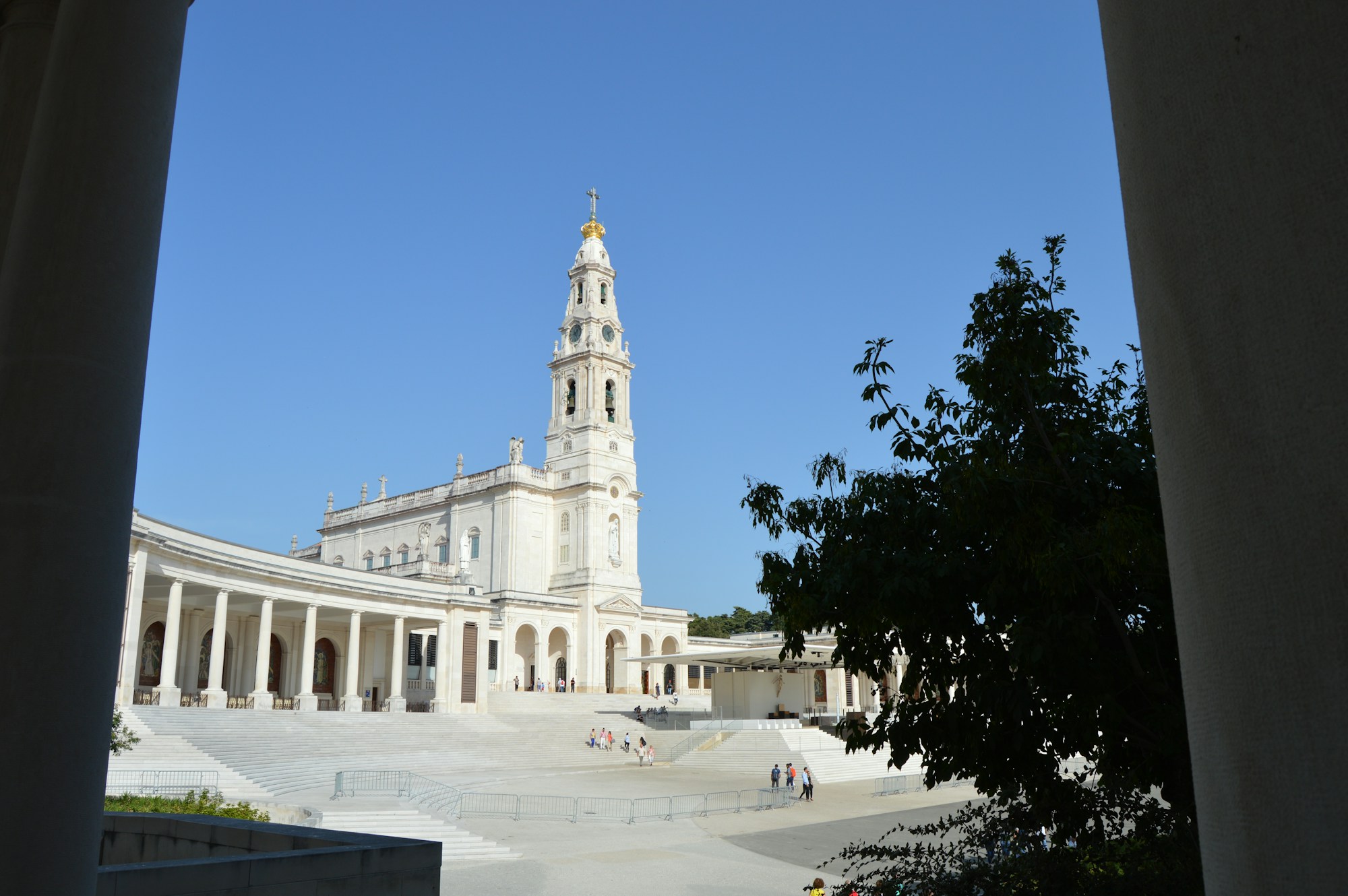
Fátima is the site of the Virgin Mary’s apparitions to the three shepherd children (Francisco, Jacinta and Lúcia) in 1917. The Fátima Sanctuary welcomed approximately 6.5 million pilgrims in 2025, its best result in years, partly thanks to the redirection of pilgrimages that could no longer travel to the Holy Land. The Cova da Iria, a vast open-air esplanade housing both the Basilica of Our Lady of the Rosary and the Basilica of the Holy Trinity inaugurated in 2007, is one of the world’s greatest Marian sanctuaries.
The dates of 12 and 13 May (anniversary of the first apparition) and 12 and 13 October (anniversary of the last apparition, the « Miracle of the Sun ») draw hundreds of thousands of pilgrims from around the world. The Via Sacra, a Way of the Cross between Valinhos and the sanctuary, is traditionally walked on one’s knees over 10 to 11 kilometres — an impressive act of devotion, but entirely optional. For accommodation, religious houses offer nights for €35–60, and family hotels less than 1 kilometre away from €70–100.
Highlights
- Chapel of the Apparitions — spiritual heart of the sanctuary
- Pius XII and Francisco and Jacinta Marto Museums
- Unforgettable night vigils on 12 May and 12 October
- Easy combination with Lisbon (1h30 by coach or car)
3. Santiago de Compostela — 530,000 Pilgrims, an Historic Record
The Transformative Walk — Beyond the Spiritual
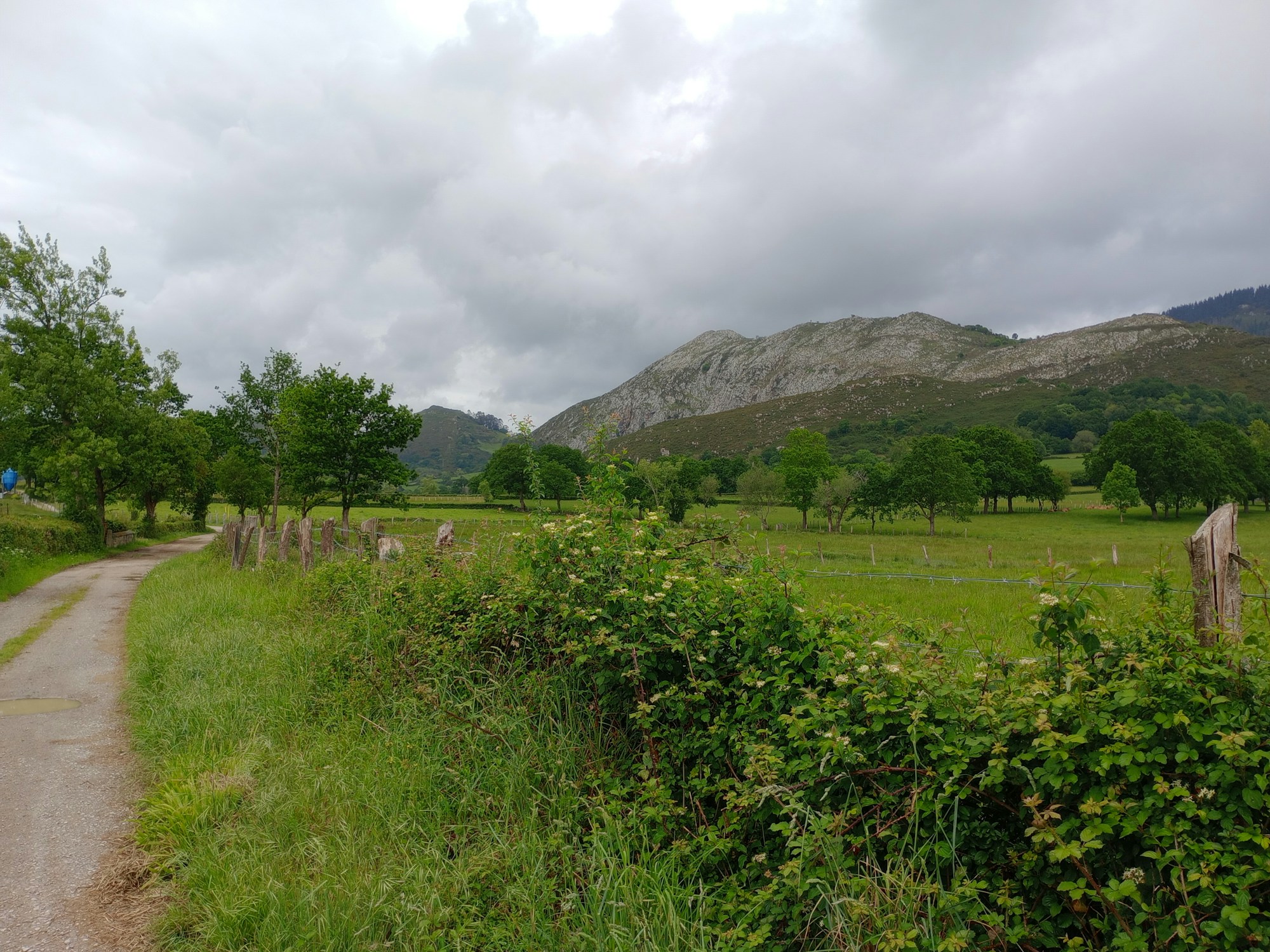
The Camino de Santiago recorded more than 530,000 pilgrims in 2025, a 15% increase on 2024, an absolute record. The Camino stands apart from other shrines by being primarily a transformative walking experience, accessible to people of all beliefs: approximately 20% of walkers are Protestant, and a large proportion describe themselves as « non-believers searching for meaning. »
The classic route (Camino Francés, from Saint-Jean-Pied-de-Port) remains the most popular, but the Coastal Camino Portugués is growing fastest: Porto’s excellent air links to European cities have made it the favourite variant for travellers from France, the Netherlands and Germany. For walkers with only a week available, the last 100 kilometres from Sarria (in Galicia) are sufficient to receive the Compostela certificate. September remains the preferred month (over 15% of all arrivals), offering the ideal balance between pleasant weather and moderate crowds.
Highlights
- Cathedral of Santiago — masterpiece of Romanesque art
- Compostela — the certificate awarded to pilgrims who walk 100 km
- Extraordinary international community on the trails
- Albergues (pilgrim hostels) from €10–20/night
4. Medjugorje (Bosnia-Herzegovina) — Official Vatican Recognition in 2024
2.2 Million Pilgrims a Year Since Vatican Recognition
Medjugorje is the site of alleged Marian apparitions since 1981. After decades of ambiguity, the Vatican officially authorised pilgrimages to Medjugorje in 2024, lifting the restrictions that had weighed on bishops for 40 years. This recognition gave new momentum to the site, which already welcomes 2.2 to 2.5 million visitors a year. The village of Medjugorje, nestled in the hills of Bosnia-Herzegovina, has a remarkable hospitality infrastructure for such a remote location: hundreds of family guesthouses offer full-board stays at competitive rates (€600–750 for 6 days with transfers).
The « visionaries » who testify to the apparitions continue to gather crowds each month. Apparition Hill (Podbrdo) and Cross Mountain (Križevac, 520 m) are the two main pilgrimage sites. The International Youth Festival (early August) brings together more than 50,000 young people from around the world every year.
Highlights
- Apparition Hill (Podbrdo) — site of the first visions in 1981
- Križevac Cross — spectacular panorama over Herzegovina
- All-inclusive pilgrimage programmes from €600
- Easy to combine with Mostar (30 km, UNESCO Old Bridge)
5. Loreto and Assisi (Italy) — Two Spiritual Gems in One Journey
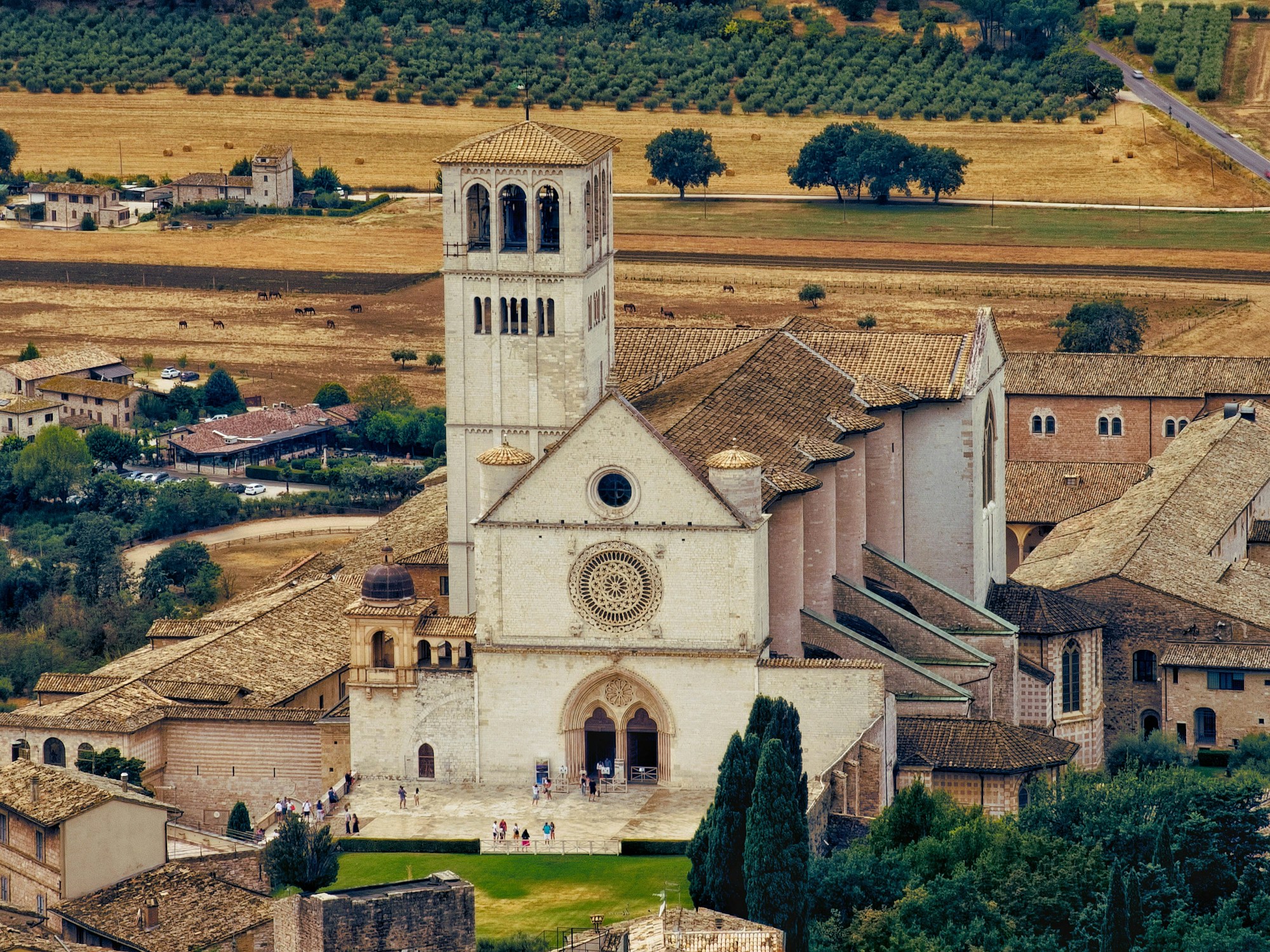
The Santa Casa and the Saint of Assisi — The Ideal Itinerary on the Holy Road
Loreto houses the Santa Casa, believed to be the house where the Virgin Mary lived the Annunciation in Nazareth. According to tradition, it was miraculously transported from the Holy Land in 1291. With 3 million visitors a year, the Basilica della Santa Casa is a major Marian sanctuary of the Catholic Church. Interest in Loreto has particularly increased since 2023 — many pilgrims see it as a symbolic way of bringing the Holy Land closer to Europe.
Assisi, just two hours away by road, is the birthplace of Saint Francis and Saint Clare, founders of the Franciscans and the Poor Clares. The Basilica of Saint Francis of Assisi, inscribed on the UNESCO World Heritage List, attracts 5 million visitors a year. Its Giotto frescoes, among the most important in Western art, make this place uniquely compelling. A journey combining Loreto and Assisi over 6 to 7 days is the ideal itinerary, offered by many Italian pilgrimage operators.
Highlights
- Assisi: Giotto’s Franciscan fresco cycle in the Basilica — UNESCO
- Loreto: Santa Casa miraculously transported from Nazareth
- Easy train access from Rome (2h) and Florence (2h30)
- Umbrian landscapes — one of Italy’s most beautiful regions
6. Kraków and Częstochowa (Poland) — In the Footsteps of John Paul II
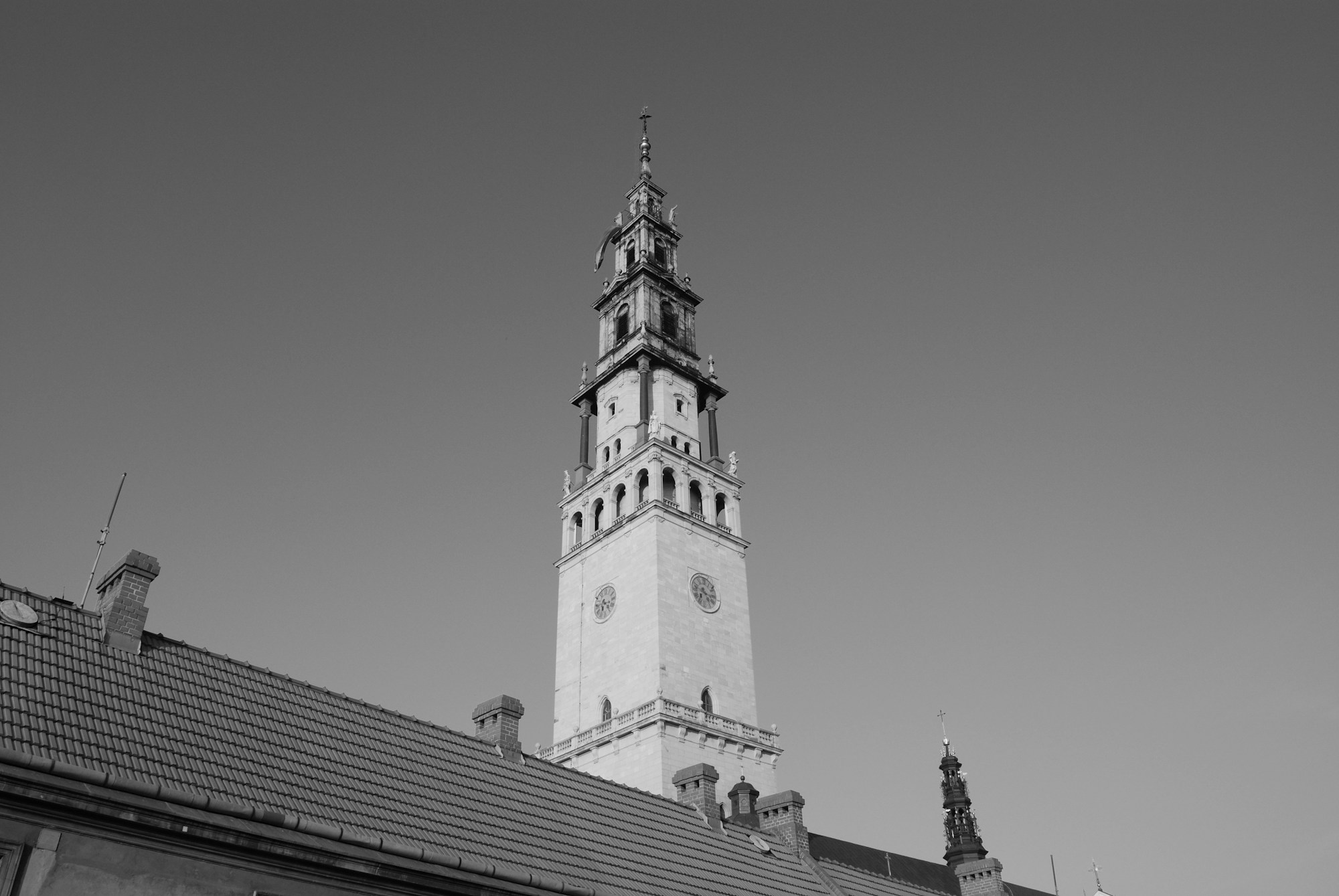
4 to 5 Million Pilgrims — The Great Polish Catholic Tradition
The pilgrimage to Jasna Góra in Częstochowa is the heart of Polish Catholic spirituality. The fortress-monastery of the Pauline Fathers houses the icon of the Black Madonna (Our Lady of Częstochowa), one of the most venerated religious paintings in the world. Every 15 August, hundreds of thousands of pilgrims converge on Jasna Góra on foot from all across Poland — some groups walk for 9 days from Warsaw.
Kraków is inseparable from Saint John Paul II, born in Wadowice (50 km away) and Archbishop of the city before becoming Pope. The John Paul II Museum and the Church of Divine Mercy attract hundreds of thousands of pilgrims annually. The Divine Mercy Sanctuary at Łagiewniki, founded on the visions of Saint Faustina, is one of the most important sanctuaries in the contemporary Catholic world. An 8-day circuit combining Kraków, Wadowice, Auschwitz-Birkenau (memorial visit), and Częstochowa is offered by many specialist tour operators.
Highlights
- Jasna Góra — the Black Madonna and the medieval fortress-monastery
- Kraków — John Paul II’s home and the diocese of his life
- Divine Mercy Sanctuary at Łagiewniki
- Direct flights Paris–Kraków (LOT, Ryanair) from €60
Practical Information for Your Pilgrimage
Stay connected across all of Europe (France, Portugal, Spain, Italy, Poland) from the moment you land. Instant activation on your smartphone.
From €4.50Medical coverage, emergency assistance and repatriation for all European countries. Essential for pilgrim groups travelling across borders.
From €1.50/dayFrequently Asked Questions About Christian Pilgrimages in 2026
Which is the most popular Christian pilgrimage in Europe in 2026?
Fátima is the European shrine that welcomed the greatest number of pilgrims in 2025, with 6.5 million visitors. Lourdes follows with 3.4 million, and the Camino de Santiago with 530,000 walkers reaching Santiago. Medjugorje attracts 2.2 to 2.5 million people per year, and Loreto and Assisi in Italy count respectively 3 million and 5 million annual visitors.
Can you still go on pilgrimage to the Holy Land in 2026?
The situation in Israel and the Palestinian territories remains unstable in 2026. After a 68% drop in foreign visits in 2024 (from 3 million to 961,000 visitors), the number recovered to 1.3 million in 2025. Israeli authorities hope for 2 to 3 million tourists in 2026, but many religious travel operators still advise against group travel. Always consult official government travel advice before any departure. Our complete guide to the Holy Land pilgrimage 2026 details all the alternatives.
What budget should you plan for the Camino de Santiago?
The average budget for the last 100 kilometres of the Camino (from Sarria) is €300 to €500, including nights in albergues (€10–20/night) and pilgrim meals (€10–15/day). For the full route from Saint-Jean-Pied-de-Port (790 km, 30–35 days), budget €1,500 to €2,500 depending on comfort. The Coastal Camino Portugués from Porto (250 km, 10–14 days) costs €700–1,200.
Is Medjugorje officially recognised by the Vatican?
In 2024, the Vatican officially authorised pilgrimages to Medjugorje, lifting the restriction on bishops. This decision does not mean the apparitions have been recognised as authentic — the question remains open — but it officially validates the site as a place of pilgrimage. The Dicastery for the Doctrine of the Faith published a declaration in 2024 acknowledging the many « spiritual fruits » of Medjugorje.
What are the key dates not to miss for pilgrimages in 2026?
The unmissable dates at European shrines in 2026: Fátima on 12–13 May (1st apparition) and 12–13 October (Miracle of the Sun); Lourdes on 15 August (Assumption) and the national diocesan pilgrimage; Assisi on 4 October (feast of Saint Francis); Loreto on 10 December (Translation of the Santa Casa); Częstochowa on 15 August (great Polish national procession). For the Camino, September is the ideal month for pleasant weather and moderate numbers.
Do you have to be Catholic to walk the Camino de Santiago?
No. About 20% of Camino walkers are Protestant, and a large proportion describe themselves as non-believers or seekers of meaning. The Camino is above all a human and physical experience of transformative walking. The Compostela (pilgrimage completion certificate) is awarded to anyone who has walked the last 100 kilometres for spiritual or religious reasons. A different document, the Certificado de Distancia, is issued to walkers with other motivations.
How do you organise a pilgrimage to Fátima from abroad?
Several options are available: direct flight to Lisbon (from around €50), then car rental or coach to Fátima (1h30). Many dioceses and specialist operators offer all-inclusive stays of 5 to 7 days with a guide, from €700. The best periods are mid-May and early October, but book accommodation 6 months in advance for the apparition dates.
Sources and References
- Aleteia — « Revenir est un acte d’espérance en Terre Sainte » (déc. 2025) — données chute du tourisme en Israël (-68 %)
- Times of Israel — Israël mise sur les pèlerins chrétiens pour relancer le tourisme (2026)
- Sanctuaire de Lourdes — site officiel — données de fréquentation 2025
- Sanctuaire de Fátima — site officiel — 6,5 millions de pèlerins en 2025
- Aleteia — Nouveau record d’affluence sur le Chemin de Compostelle (janv. 2026)
- Medjugorje — site officiel du sanctuaire — reconnaissance Vatican 2024
- Compostelle.fr — statistiques et variantes du Camino Portugués
- Aleteia — Israël veut faire revenir les pèlerins en Terre Sainte (sept. 2024)
- Shrines of Europe — réseau des sanctuaires européens
Research completed on 19 April 2026. Attendance figures and prices are subject to change.
Ready to Plan Your Pilgrimage?
Draw inspiration from the itineraries of travellers who have walked the Camino, visited Lourdes or discovered Catholic Poland. Hundreds of authentic experiences await you.
Explore all itineraries