

When temperatures soar past 40 °C across Southern Europe, there’s only one urge: escape to cooler climes. In 2026, the coolcation — a blend of cool and vacation — has emerged as the defining summer travel trend. According to Europe Incoming, searches for Nordic destinations have surged dramatically: Bergen has seen a 37% jump in bookings, while according to Backpacker Advice, coolcation-related searches have skyrocketed by ~3,000% in a single year. Forget the packed Mediterranean beaches sweltering under 45 °C: it’s time to head for Scotland, Norway, Sweden, Finland and Iceland, where summer temperatures hover between 10 and 23 °C, daylight lasts nearly 24 hours and the landscapes are breathtaking. Here are 5 destinations for a refreshingly cool summer, complete with budgets, best travel periods and practical tips.
Travellers choose Scotland for a coolcation because its summers stay mild: VisitScotland gives the average maximum temperatures of around 17°C (63°F) in June, July and August, normally the warmest months in Scotland. Averages hide daily variations, so check the forecast before you book your trip.
Source: VisitScotland, checked on
1. The Scottish Highlands — Glen Coe, NC500 and the Isle of Arran
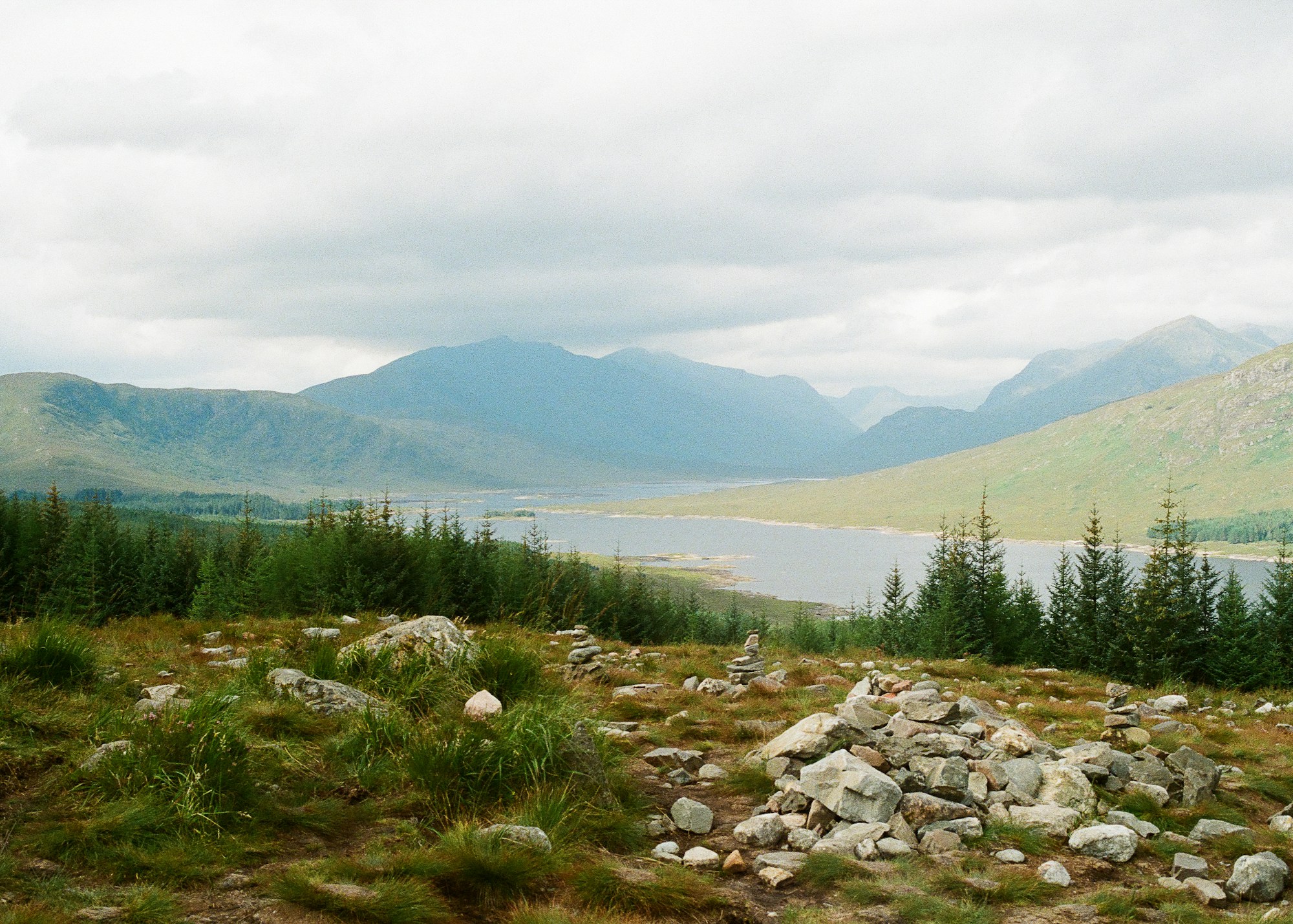
Glen Coe, NC500 and the Isle of Arran
Scotland is fast becoming Europe’s number one coolcation destination. According to Travel and Tour World, Mediterranean heat is driving more and more travellers northward, making Scotland the ultimate summer refuge in 2026. And for good reason: the Highlands offer some of Europe’s most spectacular landscapes, with temperatures that rarely exceed 18 °C even at the height of summer. Glen Coe, the ancient caldera of an extinct supervolcano, is a natural amphitheatre of jagged mountains, waterfalls and lush green valleys. This is where iconic scenes from Harry Potter, Braveheart and Skyfall were filmed.
For road trip enthusiasts, the North Coast 500 (NC500) is Scotland’s answer to Route 66: an 830-kilometre loop that winds along the wild northern coastline, past deserted white-sand beaches, crumbling castles and wind-battered cliffs. The best time to go is May-June, before the tourist influx and the infamous Scottish midges. For a more intimate experience, the Isle of Arran, nicknamed « Scotland in miniature », is accessible by ferry from Glasgow and offers the whole country in condensed form: mountains, distilleries, stone circles and wild beaches, all with summer temperatures capping at 18 °C.
Budget-wise, Scotland remains remarkably affordable for a northern destination. Expect to spend between 80 and 130 € per day (accommodation, food, transport), with the option of wild camping entirely legally thanks to the Scottish Outdoor Access Code, which permits responsible bivouacking on most Scottish land. One thing to note: Edinburgh is introducing a tourist tax in 2026, a first for Scotland.
Highlights
- NC500: 830 km of some of Europe’s most spectacular wild coastline
- Legal wild camping — bivouacking is a right in Scotland
- Isle of Arran by ferry: « Scotland in miniature » in a single weekend
- Whisky, lochs and castles: an inexhaustible cultural heritage
- Affordable budget: 80-130 €/day all-inclusive
2. The Norwegian Fjords — Bergen, Sognefjord and the Lofoten Islands
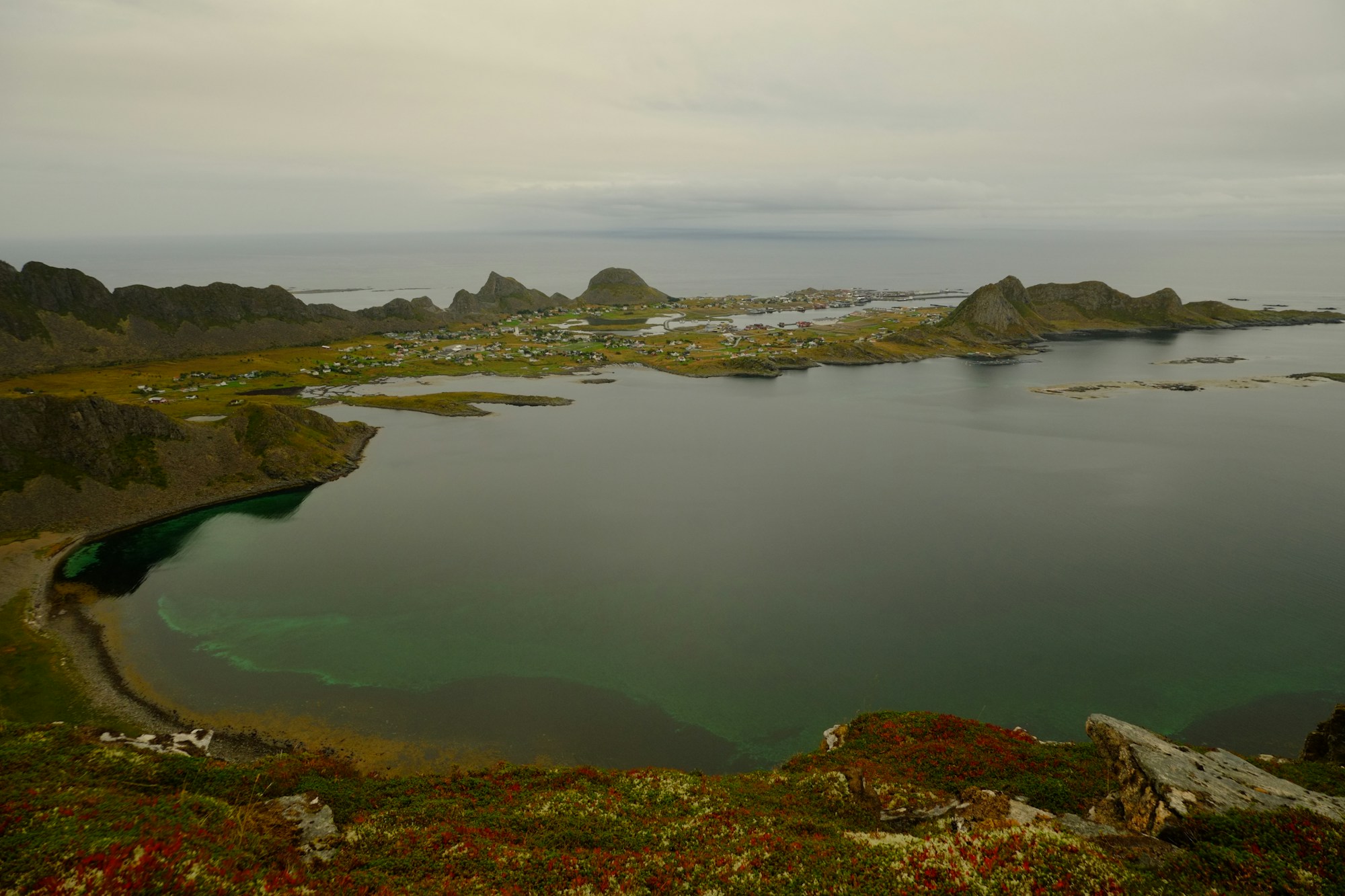
Bergen, Sognefjord and the Lofoten Islands
Norway embodies the very essence of the coolcation. According to Europe Incoming, Bergen has seen its summer bookings surge by 37%, confirming the growing appeal of the Norwegian fjords for travellers fleeing the heat. And there’s good news for budgets: according to Arctic Norway Tours, the Norwegian krone has weakened in recent years, making the country significantly more affordable than before for eurozone visitors. Bergen, the gateway to the fjords, charms visitors with its historic Bryggen wharf (a UNESCO World Heritage Site), its colourful wooden houses and its legendary fish market.
From Bergen, the Sognefjord — Norway’s longest and deepest fjord (204 km) — opens up like an aquatic corridor flanked by towering cliff walls. Further north, the Geirangerfjord, a UNESCO World Heritage Site, boasts spectacular waterfalls and farms clinging to sheer cliff faces. But the true Nordic revelation is the Lofoten Islands, beyond the Arctic Circle: razor-sharp peaks rising from the ocean, white-sand beaches with turquoise waters (yes, in Norway!), fishing villages with red cabins on stilts (rorbuer), all bathed in the midnight sun from late May to mid-July.
The daily budget in Norway runs around 110-180 €, split between accommodation (~110 €), transport (~9 € on public transit) and food (~22 € if you cook some of your meals). The rorbuer in the Lofoten Islands offer excellent value for money: these converted former fishermen’s cabins let you cook and live to the rhythm of the tides. Thanks to the allemannsretten (right of public access to nature), wild camping is legal everywhere in Norway, provided you respect nature and stay at least 150 metres from dwellings.
Highlights
- Sognefjord and Geirangerfjord: UNESCO World Heritage Sites
- Midnight sun in the Lofoten Islands: hiking at 11pm under a golden sky
- Rorbuer: authentic fishermen’s cabins with ocean views
- Allemannsretten: legal wild camping throughout the country
- Weakened Norwegian krone: the euro goes further than before
3. Dalarna and the Swedish Lakeland — The Heart of Traditional Sweden
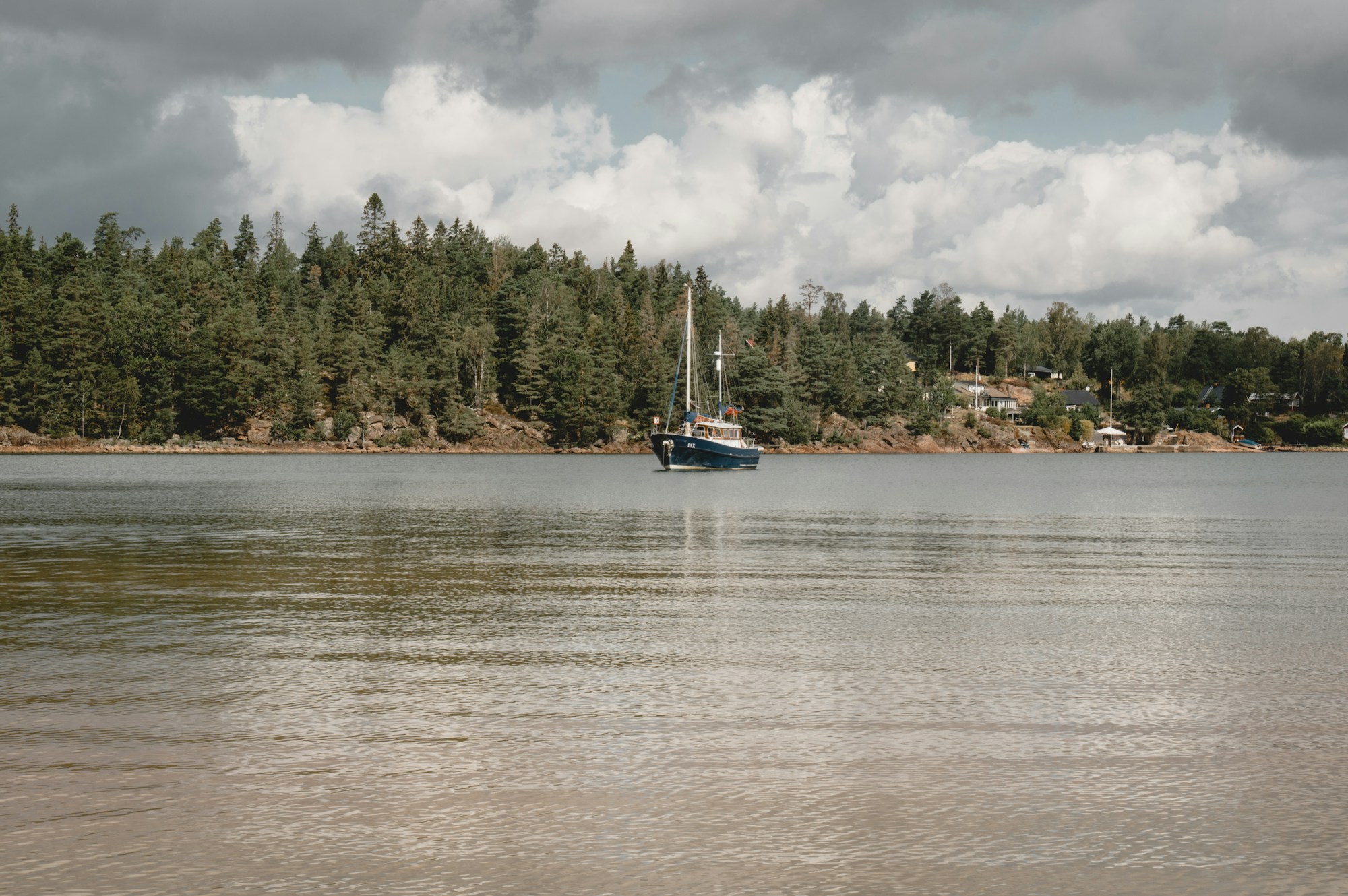
Dalarna: red cottages, lakes and Midsommar
If Norway is the land of fjords, Sweden is the land of lakes and endless forests. The Dalarna region, about three hours northwest of Stockholm, is considered the cradle of Swedish identity: this is where you’ll find the famous stugor (cottages) painted in Falun red, the tranquil shores of Lake Siljan and the country’s most vibrant traditions. According to The Gap Decaders, Sweden ranks among Europe’s most recommended coolcation destinations, with pleasant summer temperatures of 19 to 23 °C and up to 18 hours of natural daylight per day.
The highlight of the Swedish summer is Midsommar (the summer solstice), celebrated around June 21st with dances around the maypole, crowns of wildflowers and feasts of pickled herring and strawberries with cream. In Dalarna, this celebration takes on a special significance: the festivities in the village of Leksand, on the shores of Lake Siljan, draw thousands of Swedes and remain among the country’s most authentic. Beyond Midsommar, the region offers hiking in the surrounding mountains, kayaking on crystal-clear lakes, visits to the historic Falun copper mines (a UNESCO World Heritage Site) and local craftsmanship, notably the famous Dalahäst (Dala horses, hand-painted wooden figurines).
The budget in Dalarna is very reasonable for Scandinavia: expect 80 to 130 € per day, especially if you rent a stuga by a lake and cook with local produce. Sweden also benefits from the allemansrätten (right of public access to nature), which allows wild camping, berry and mushroom foraging, and swimming in any lake — a privilege that makes a Swedish coolcation both free and unforgettable.
Highlights
- Midsommar in Dalarna: Sweden’s most authentic cultural experience
- Allemansrätten: the right to camp, swim and forage freely in nature
- Stugor by the lake: iconic red cottages to rent for a full immersion
- Falun Mines (UNESCO): 1,000 years of underground history
- Easy on the wallet: 80-130 €/day, very affordable for Scandinavia
4. The Finnish Lakeland — The Lake District, Tampere and Saunas
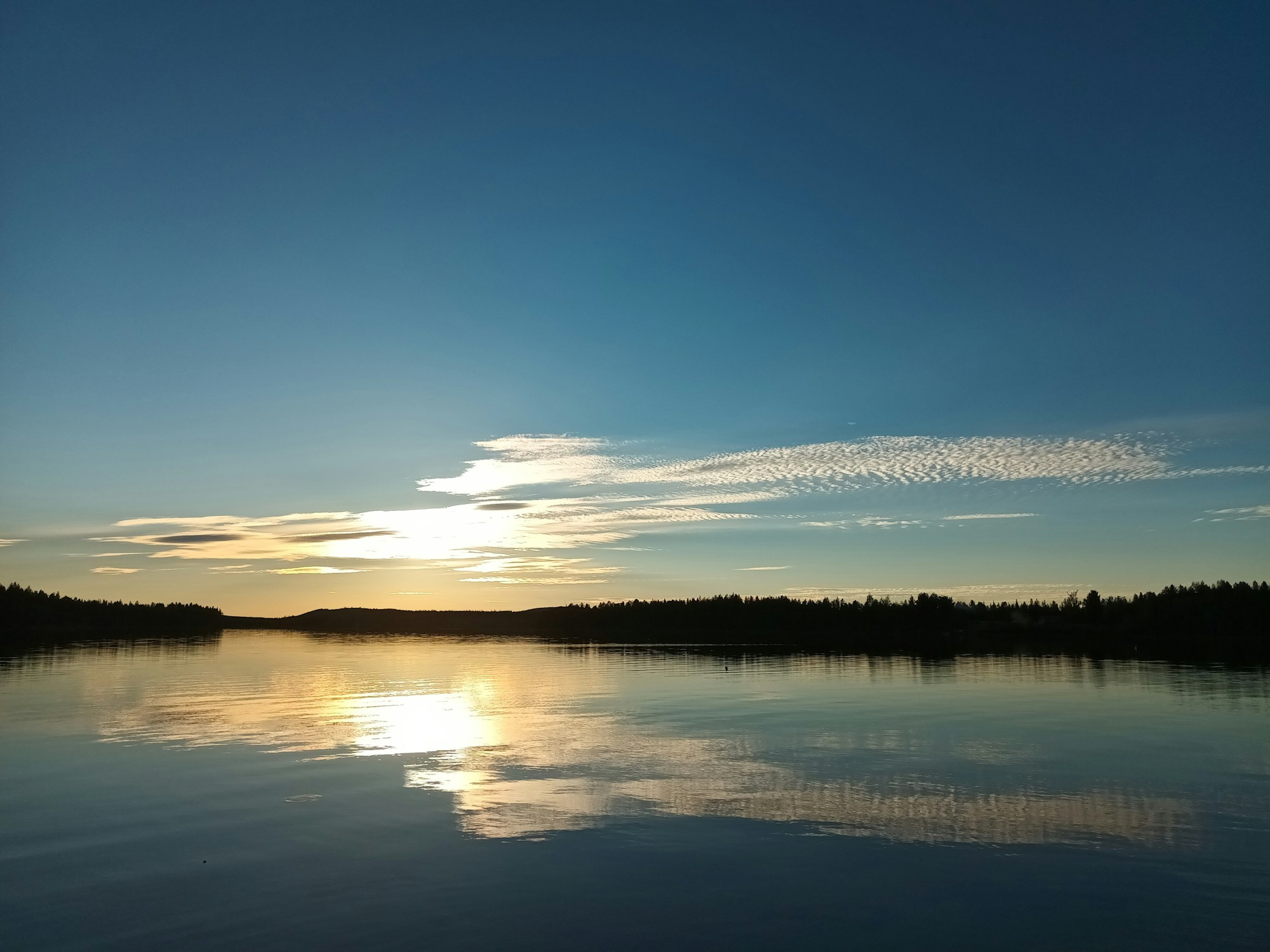
188,000 lakes, saunas and white nights
Finland is a country where water reigns supreme: 188,000 lakes dot its territory, and nearly 500,000 summer cottages (mökki) line their shores. The Finnish Lakeland, a vast region in the heart of the country, is a paradise for the contemplative coolcation. According to Adventure.com, the Lakeland is one of the best ways to understand why Finland is consistently ranked the happiest country in the world. Here, time slows down: you paddle across mirror-still lakes surrounded by birch forests, pick wild blueberries, swim in 20 °C waters before retreating to the sauna, all under a sky that stays bright until 11pm.
The city of Tampere, self-proclaimed « sauna capital of the world », is an essential stop. With over 70 public saunas, including the spectacular Rajaportti (Finland’s oldest public sauna, in operation since 1906) and the modern Kuuma on the shores of Lake Näsijärvi, the city offers a total immersion in this millennia-old tradition. The Finnish ritual is simple yet powerful: heat the body in a sauna at 80-100 °C, then plunge into the cold lake, repeat three times, and finish with a craft beer on the dock. The Lake Saimaa region, Finland’s largest lake system, was designated the European Region of Gastronomy 2024, and its specialities — kalakukko (fish-stuffed bread), muikku (fried vendace) and arctic berries — delight adventurous palates.
Budget-wise, the Finnish Lakeland runs between 100 and 180 € per day. The most affordable and authentic option is to rent a mökki (wooden cabin) by a lake: most come with a private sauna, a dock and a canoe. In northern Finland, the midnight sun shines without interruption from late May to late July; in the south, expect 19 hours of daily daylight in June. This exceptional luminosity transforms every activity — fishing, hiking, canoeing — into an almost mystical experience.
Highlights
- 188,000 lakes: Europe’s most lake-dotted country
- Tampere: 70+ public saunas, the sauna capital of the world
- Mökki: private lakeside cabins with sauna included
- Saimaa: European Region of Gastronomy and home to the ringed seal
- The happiest country in the world: a way of life to experience first-hand
5. Northern Iceland and the Westfjords — Akureyri and Beyond
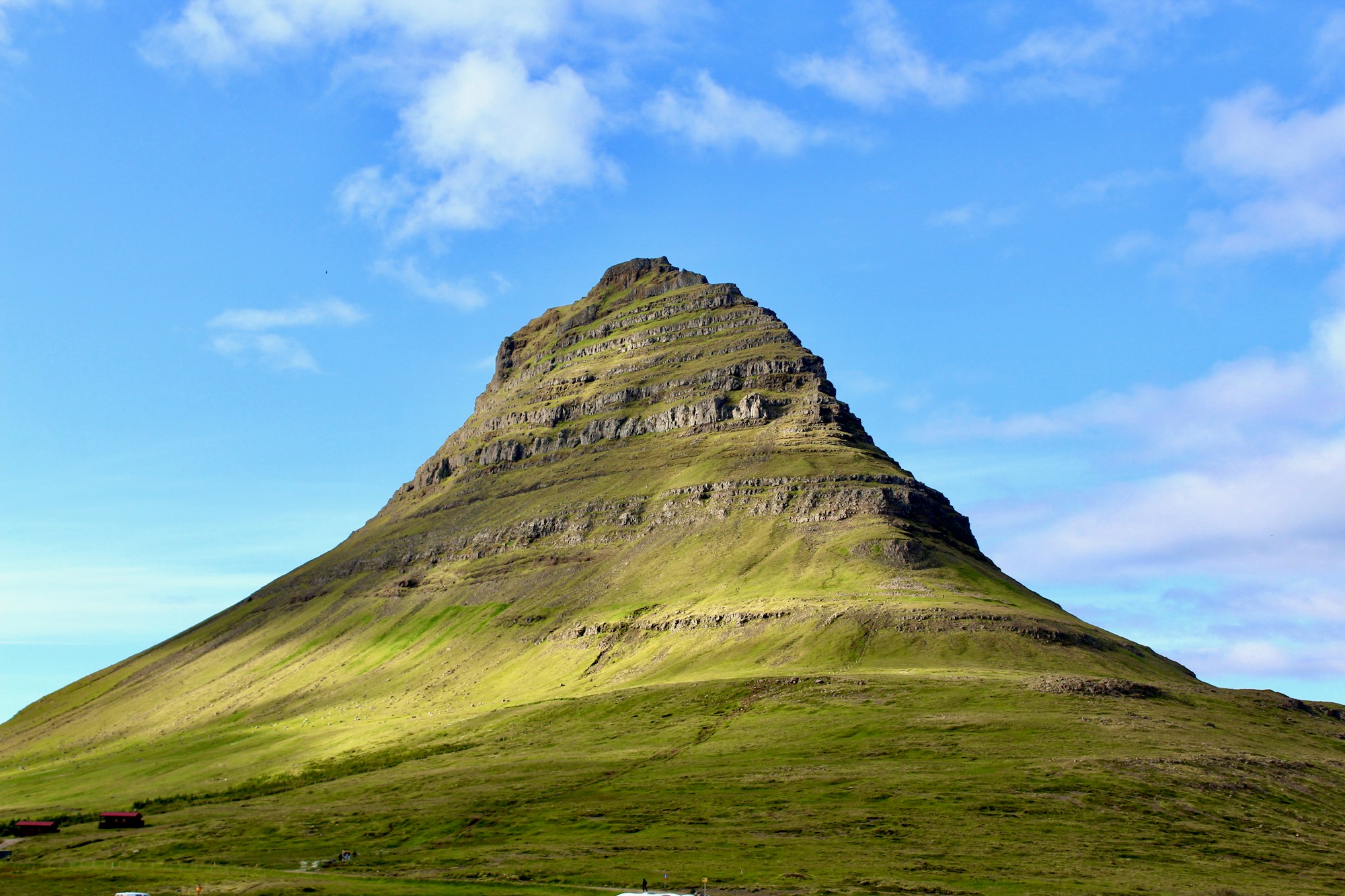
Akureyri, the Westfjords and Secret Iceland
Iceland is a coolcation destination by its very nature — literally. According to Travel and Tour World, Iceland ranks among the world’s best coolcation destinations for its scenic beauty and ideal summer climate. But forget the overcrowded Golden Circle and the touristy south: Iceland’s true gem lies in the north and the Westfjords, two regions that remain largely under the radar. Akureyri, the « Capital of the North » with its 19,000 inhabitants, makes an ideal base: nestled at the end of a fjord surrounded by mountains, it offers an Arctic botanical garden, humpback whales in Eyjafjörður fjord, and direct access to the geothermal wonders of Lake Mývatn and the spectacular Dettifoss waterfall.
The Westfjords are Iceland’s best-kept secret. According to tourism statistics, only 10% of visitors venture into this isolated peninsula in the northwest, making it a sanctuary of absolute tranquillity. Winding roads hug deserted fjords, cliffs teeming with millions of puffins (Europe’s largest colony at Látrabjarg cape), wild hot springs and fishing villages where time seems to stand still. The region is perfect for travellers seeking solitude and raw landscapes, far from the Golden Circle tour buses.
The total solar eclipse of 12 August 2026 crossed the Arctic Ocean, north-east Greenland, the western tip of Iceland and Spain, according to IGN. If your goal is an affordable, peaceful coolcation, aim for June or early July. Budget-wise, expect 120 to 200 € per day. The Camping Card, at around 200 €, grants access to over 40 campsites across the country and represents a major saving for a two-week road trip.
Highlights
- Westfjords: only 10% of tourists — solitude and awe-inspiring landscapes
- Akureyri: whale watching and geothermal baths at Mývatn
- Midnight sun: 24 hours of daylight in June for limitless hiking
- Camping Card (~200 €): 40+ campsites for a budget-friendly road trip
- Puffins, whales, waterfalls, geysers: a unique density of natural wonders
Comparison of the 5 Destinations
| Destination | Summer temp. | Budget/day | Best period | Key highlight |
|---|---|---|---|---|
| Highlands, Scotland | 15-18 °C | 80-130 € | May-June | NC500 road trip + legal wild camping |
| Fjords, Norway | 12-18 °C | 110-180 € | June-August | UNESCO fjords + midnight sun in the Lofoten Islands |
| Dalarna, Sweden | 19-23 °C | 80-130 € | June-August | Midsommar + stugor by the lake |
| Lakeland, Finland | 18-22 °C | 100-180 € | June-August | 188,000 lakes + sauna culture |
| Northern Iceland & Westfjords | 10-15 °C | 120-200 € | June-July | Volcanic landscapes + only 10% of tourists |
Frequently Asked Questions About Coolcations
Is Scandinavia really affordable for a summer trip?
It’s more affordable than you might think, especially in 2026. According to Arctic Norway Tours, the Norwegian and Swedish krona have weakened against the euro, boosting Europeans’ purchasing power. By renting a cottage (stuga in Sweden, mökki in Finland) and cooking your own meals, you can keep to a budget of 80 to 130 € per day in Sweden and Scotland. Wild camping, which is legal in all four Nordic countries and in Scotland, eliminates a large chunk of accommodation costs. Iceland remains the priciest destination, but the Camping Card (~200 € for 40+ campsites) helps keep expenses in check.
Do you need a car to explore these destinations?
It depends on the destination. In Scotland (NC500) and Iceland (Westfjords), a rental car is virtually essential — a 4×4 for Icelandic tracks. In Norway, public transport (trains, ferries, express buses) is excellent: the Norway in a Nutshell circuit is entirely doable without a car. In Sweden and Finland, trains serve the main cities, but a car is recommended for exploring the more remote lake areas. Also consider carpooling via BlaBlaCar, which is widely used in Scandinavia.
What is the midnight sun and does it affect sleep?
The midnight sun is a natural phenomenon that occurs above the Arctic Circle in summer: the sun never sets, providing 24 hours of continuous daylight. In the Lofoten Islands (Norway) and northern Iceland, it lasts from late May to mid-July. Further south (Dalarna, Finnish Lakeland), the sun sets briefly but the sky remains bright all night (white nights). This can disrupt sleep for the first few days. Bring a sleep mask and portable blackout curtains (clips + black fabric). After 2-3 days, most travellers adjust and enjoy the seemingly endless golden evenings.
When should you go to avoid the crowds in 2026?
The Nordic high season runs from mid-June to mid-August. To avoid the crowds, aim for late May-early June or September. In Scotland, May-June is ideal (no midges, fewer tourists). In Norway, early June already offers the midnight sun with fewer crowds. In Iceland, the total solar eclipse of 12 August 2026 has already passed; according to IGN it only reached the western tip of the island. Opt for June-July if you want a quieter, more affordable Iceland.
Are midges in Scotland really a problem?
Yes, midges (tiny biting insects) can spoil a trip to the Highlands if you’re unprepared. They are most active from mid-June to late August, especially in humid, calm, overcast conditions at dawn and dusk. The solution: visit in May or early June (before their season), stick to windy coastal areas rather than damp valleys, and bring Avon Skin-So-Soft, the Scots’ go-to repellent. On windy or sunny days, midges are virtually absent.
Can you combine several destinations in a single trip?
Absolutely, and it’s even recommended. Low-cost airlines like Norse Atlantic, Play (via Reykjavik) and SAS connect Scandinavia at reasonable prices. A classic 3-week itinerary could be: Scotland (flight from France, 5 days on the NC500) → Norway (flight Edinburgh-Bergen, 5 days in the fjords) → Sweden (train Bergen-Stockholm then Dalarna, 4 days) → Finland (ferry Stockholm-Helsinki then the Lakeland, 5 days). Iceland is better suited as a separate trip given its remote location. The Interrail pass covers Sweden, Norway and Finland for a fixed fare.
Which destination should you choose for a first Nordic trip?
For a first trip, we recommend Scotland or Norway. Scotland is the most accessible from France (2-hour direct flight, driving on the left but excellent road infrastructure, English-speaking), with a moderate budget and an immense variety of landscapes. Norway impresses with the grandeur of its fjords and offers excellent public transport (no car needed). Sweden is ideal for families seeking relaxation. Finland appeals to nature and sauna lovers. Iceland is the most spectacular but also the most demanding in terms of budget and driving.
What impact did the 2026 solar eclipse have on Iceland?
The total solar eclipse of 12 August 2026 crossed the Arctic Ocean, north-east Greenland, the western tip of Iceland and Spain, according to IGN. According to IGN, the path of totality reached only the western tip of Iceland. Check current availability and prices on booking platforms before you travel, as they change quickly in summer. The eclipse of 12 August 2026 has already taken place. If your goal is a peaceful coolcation at a reasonable price, June or early July are good options.
What is the average temperature in Scotland in July?
VisitScotland does not publish a July-only figure on its weather page. It states that June, July and August are normally the warmest months, with average maximum temperatures around 17°C (63°F). Check the forecast for your exact dates and region before you book. Source checked on 18 October 2026.
Sources
- Europe Incoming — How Coolcationing Is Redefining Summer Travel (Bergen +37%)
- Travel and Tour World — Scotland Set to Become the Ultimate Summer Escape 2026
- Travel and Tour World — Iceland, Denmark and Scotland Leading Coolcation Destinations
- Backpacker Advice — Coolcation Destinations: recherches en hausse de ~3 000 %
- Arctic Norway Tours — Coolcation in Arctic Norway (affaiblissement de la couronne)
- The Gap Decaders — Europe’s Best Coolcation Destinations (Suède, Dalarna)
- Adventure.com — Finnish Lakeland: Summer in the Happiest Country
- VisitScotland — Scottish Outdoor Access Code (camping sauvage légal)
- Visit Norway — Allemannsretten et camping sauvage en Norvège
- Visit Finland — Finnish Lakeland (188 000 lacs, mökki, saunas)
- Inspired by Iceland — Westfjords, Akureyri et éclipse solaire 2026
Research conducted in February 2026. Budgets are indicative per person, excluding international flights.
Ready to plan your coolcation?
Discover detailed itineraries to Scotland, Scandinavia and Iceland with day-by-day accommodation, transport and activities. Filter by destination, budget and duration to plan your cool summer getaway, stress-free.
Explore all itineraries