

76% of Millennials and Gen Z plan a solo trip. This figure, from an American Express study, illustrates a deep-rooted shift: solo travel is no longer the exception — it’s the new normal. Yet taking the leap can still feel daunting. Which destination should you pick? How do you handle being alone? What budget should you plan for? This comprehensive guide brings together ten of the world’s safest destinations, detailed budgets, 3-to-7-day itineraries, and all the practical advice you need to turn your first solo trip into an unforgettable experience.
1. Why travel solo in 2026?
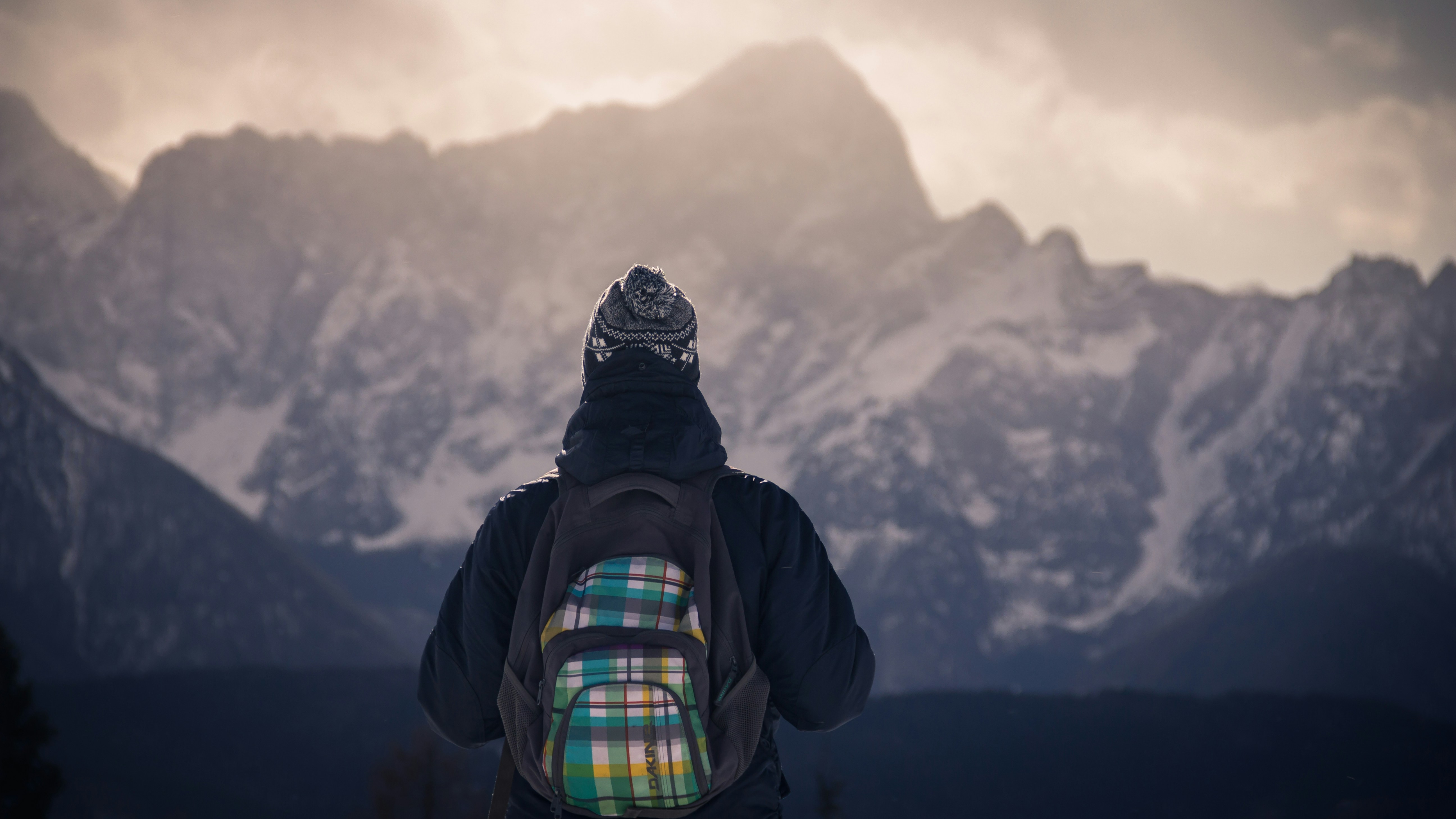
Solo travel: much more than a trend
Solo travel has boomed in recent years. According to Tourisme Digital, the solo travel market in France grew from $48.9 million in 2024 to a projected $114 million by 2030 — an annual growth rate of 15.2%. The typical solo traveler profile has also evolved: according to American Express, 76% of Millennials and Gen Z plan a solo trip.
But why travel alone? 52% of French travelers cite the freedom to explore at their own pace as their main motivation. 43% travel to disconnect and recharge. Far from the stereotype of the lonely, sad traveler, the 2026 trend is clear: « solo but not lonely », as identified by Skyscanner.
What solo travel gives you
- Self-confidence: Navigating a foreign country on your own builds an inner strength that carries over into every aspect of your life.
- Authentic connections: When you’re alone, you’re more approachable. Locals and fellow travelers naturally gravitate toward you.
- Total flexibility: Feel like extending a stop, changing your route, or spending the whole day in a cafe? No one to convince.
- Self-discovery: Solo travel is a rare opportunity to reconnect with yourself, away from daily routines and constant demands.
2. Solo travel budget: how much to plan per destination?
Budgets for every wallet
Daily budgets vary significantly depending on the destination. Here is a comparison based on a « beginner solo traveler » profile (hostels or budget hotels, local meals, public transportation), excluding flights.
Daily budget comparison (accommodation + meals + transportation)
- Thailand (Chiang Mai): 25-50 EUR/day — The budget champion. Hostels from 8 EUR, meals from 2 EUR.
- Bali (Ubud): 30-60 EUR/day — Excellent value for money. Accommodation from 10 EUR, meals from 3 EUR.
- Portugal (Lisbon): 42-73 EUR/day — According to Lisbon Guide, the prato do dia (daily special) costs around 10 EUR.
- Croatia: 50-90 EUR/day — Slightly pricier in summer along the Dalmatian coast.
- Slovenia: 50-80 EUR/day — Small country, small prices. Hostels from 30 EUR, meals from 8 EUR.
- Scotland: 70-110 EUR/day — Pricier than Southern Europe, but a truly unique experience.
- New Zealand: 70-120 EUR/day — The WHV lets you work to fund your trip.
- Canada (Quebec): 80-130 EUR/day — French-speaking, making it ideal if the language barrier worries you.
- Japan (Tokyo + Kyoto): 80-130 EUR/day — The 7-day JR Pass costs around 260 EUR in 2026.
- Iceland: 100-160 EUR/day — The most expensive destination, but also the safest in the world.
3. Safety: the golden rules of solo travel
Traveling alone with peace of mind
Safety is the number one concern for first-time solo travelers. Good news: all ten destinations in this guide rank among the safest in the world according to the Global Peace Index. Here are the essential rules to follow.
The 7 golden rules
- Share your itinerary with someone you trust via WhatsApp or Google Maps (real-time location sharing).
- Arrive during the day in each new city. Book your first night’s accommodation in advance.
- Scan your documents (passport, insurance, tickets) and store them in a secure cloud service.
- Split your money: carry two bank cards — one on you, one at your accommodation. Use a money belt for transit.
- Register with your embassy or consular services. For example, French citizens should sign up on Ariane, the Ministry of Foreign Affairs service for nationals abroad.
- Trust your gut. If a situation feels wrong, leave. Always.
- Respect local customs: dress codes, traditions, and expected behavior.
Essential safety apps
According to We3Travel, here are the apps to install before you leave:
- bSafe: Real-time GPS, SOS alerts, voice activation.
- Life360: Location sharing with trusted circles.
- GeoSure: Neighborhood-by-neighborhood safety scores.
- Google Translate (offline): Download the languages for your destinations before you leave.
Travel insurance
Never travel without insurance. Make sure your policy covers medical repatriation and healthcare expenses abroad. SafetyWing offers flexible coverage tailored to solo travelers and digital nomads.
4. Portugal: Lisbon and Porto, the Mediterranean no-brainer
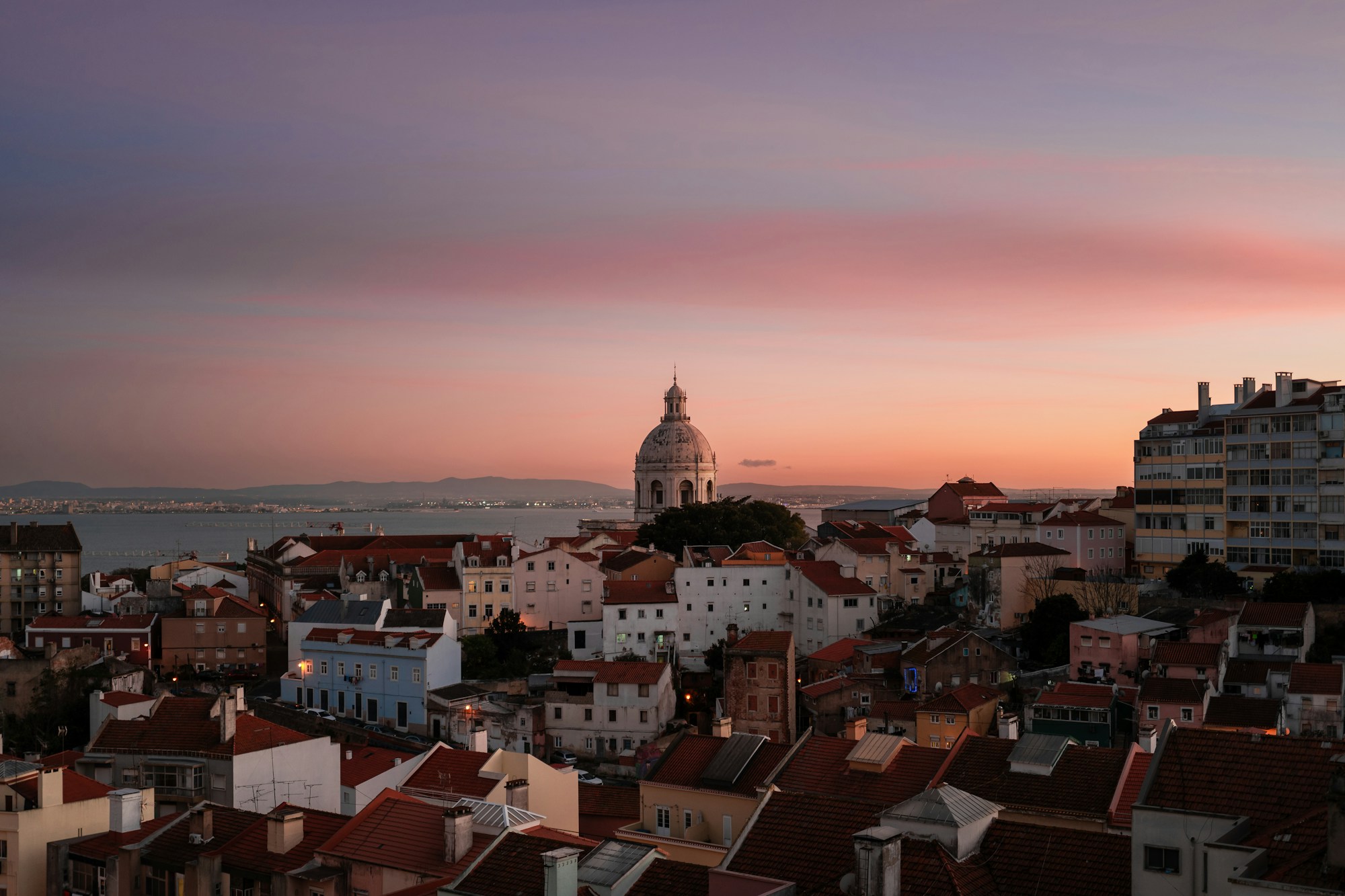
The ideal choice for a first solo trip
Portugal is arguably the best first solo destination in Europe. With over 280 sunny days a year and 70% of attractions within walking distance according to Bonjour Lisbonne, the Portuguese capital is effortless to explore. The cost of living remains affordable: expect around 15-25 EUR per night in a hostel and 10 EUR for a prato do dia (full daily special with soup, main course, and a drink).
The hostel culture is particularly well-developed, with communal spaces designed to encourage socializing. Porto, a 3-hour train ride away, offers a more intimate atmosphere and wine cellars to explore.
Beginner itinerary: 5 days Lisbon + Porto
- Day 1: Alfama — Get lost in the narrow streets, listen to fado in the evening at an authentic local venue.
- Day 2: Belem in the morning (tower, pasteis de nata), LX Factory in the afternoon (creative vibe, cafes).
- Day 3: Day trip to Sintra (30 min by train). Pena Palace, sunset at Miradouro da Senhora do Monte.
- Day 4: Train to Porto. Ribeira, Vila Nova de Gaia wine cellars, Dom Luis Bridge at dusk.
- Day 5: Porto — Lello Bookshop, Palacio de Cristal gardens, francesinha for lunch.
5. Japan: Tokyo and Kyoto, ultimate safety
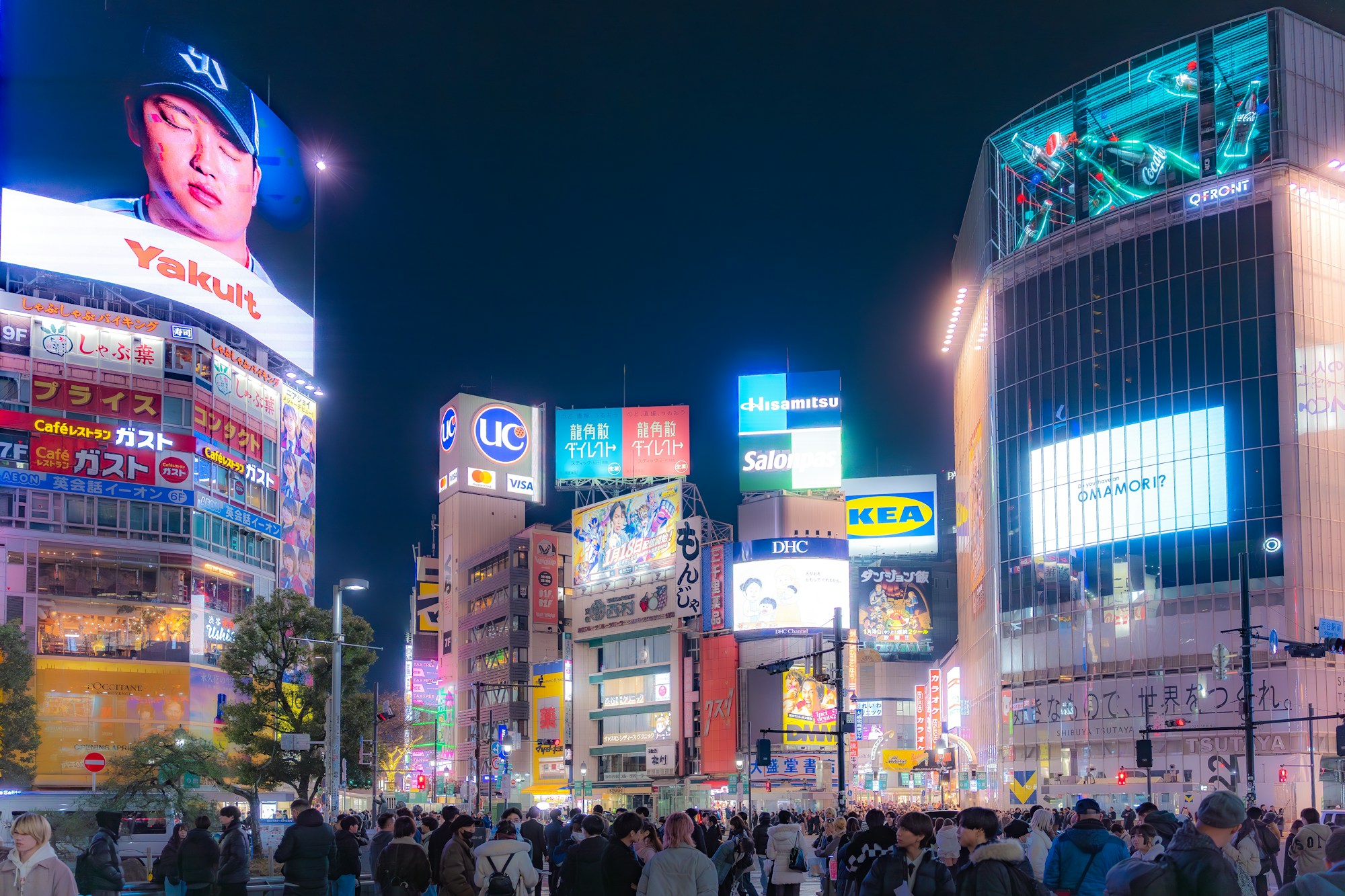
The country where dining alone is a cultural norm
Japan is a solo traveler’s paradise. Crime is virtually nonexistent, public transport runs with 99% punctuality, and the culture of hitori (doing things alone) is deeply ingrained. According to Japan Guide, eating alone at a ramen counter or at a ticket-vending restaurant is perfectly normal — in fact, it’s the most common practice.
Expect around 80 to 140 USD per day for mid-range travel according to Finding Alexx. Capsule hotels (25-50 USD per night) offer a uniquely Japanese experience at unbeatable prices in central locations.
Beginner itinerary: 7 days Tokyo + Kyoto
- Days 1-3 (Tokyo): Shibuya, Shinjuku, Senso-ji Temple in Asakusa, Akihabara, easy hike up Mount Takao.
- Day 4: Shinkansen to Kyoto (2h15 with the JR Pass). Check in, Gion district in the evening.
- Days 5-6 (Kyoto): Fushimi Inari (early morning), Arashiyama (bamboo grove), Kinkaku-ji, tea ceremony.
- Day 7: Day trip to Nara (45 min) — park deer, Great Buddha at Todai-ji.
6. Iceland: the safest country in the world
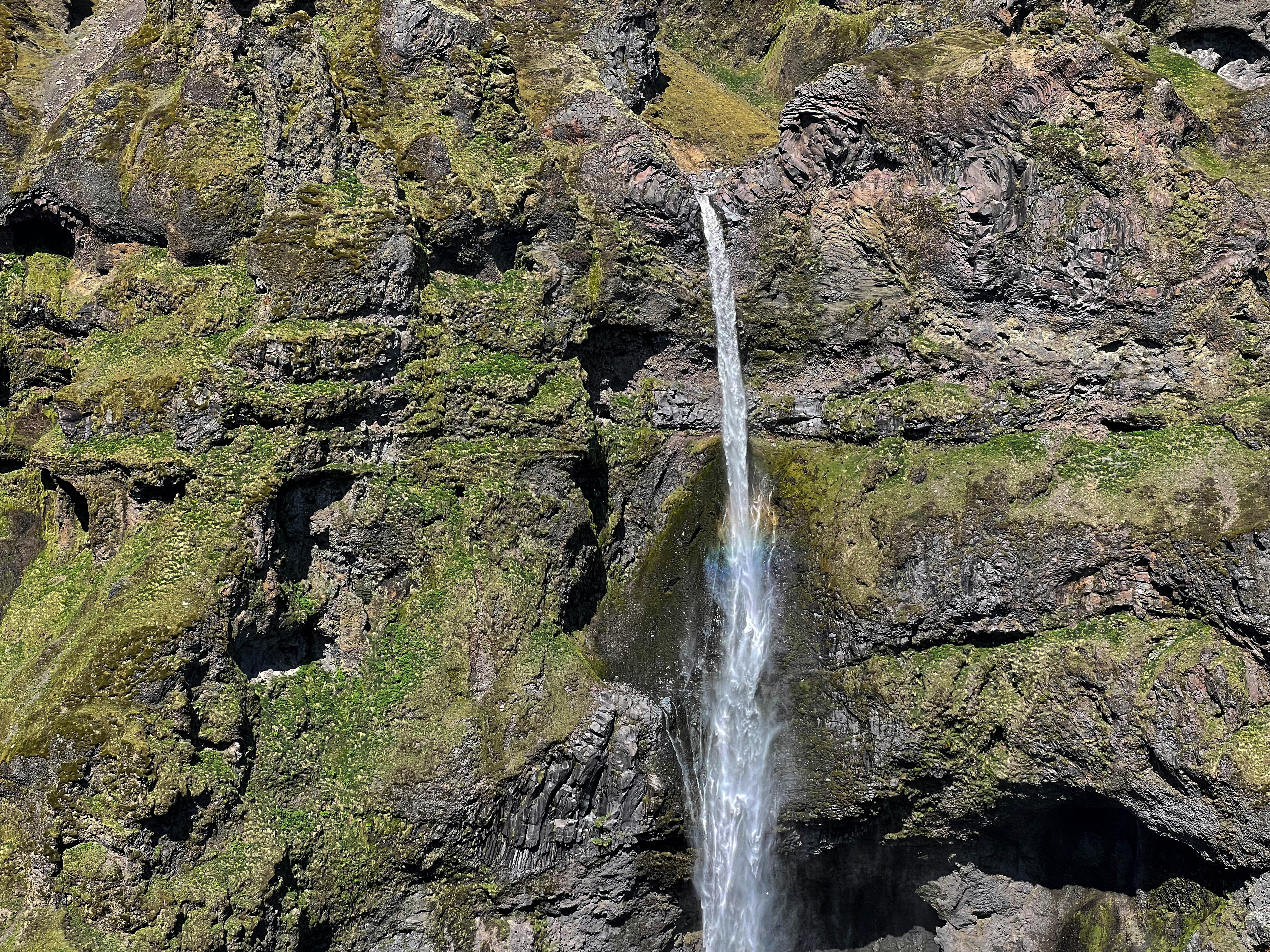
Breathtaking nature in complete tranquility
Iceland has topped the Global Peace Index for years. For a first solo trip, it’s the ultimate « zero stress » destination. Organized tours let you discover waterfalls, geysers, and glaciers in a group, making it easy to meet people while avoiding the logistical challenges of winter driving.
The budget is admittedly high (expect 100 to 160 EUR per day), but the experience is unmatched. Bonus supermarkets help keep food costs down, and HI Iceland hostels offer well-equipped shared kitchens.
Beginner itinerary: 5 days Golden Circle + South
- Day 1: Reykjavik — Colorful city center, Hallgrimskirkja, Harpa, Sun Voyager. Evening out on Laugavegur.
- Day 2: Golden Circle (organized tour) — Thingvellir, Geysir, Gullfoss. Great for meeting other travelers.
- Day 3: South Coast — Seljalandsfoss, Skogafoss, Vik black sand beach.
- Day 4: Jokulsarlon (glacier lagoon) or guided glacier hike.
- Day 5: Blue Lagoon or Sky Lagoon, then back to Reykjavik.
7. New Zealand: adventure made accessible
The backpacker’s playground
New Zealand boasts one of the best backpacker infrastructures in the world. Hostels are plentiful, well-maintained, and designed for sharing. The Working Holiday Visa (WHV), available to 18-35 year olds, lets you work on-site to fund your trip — a unique advantage for extended stays.
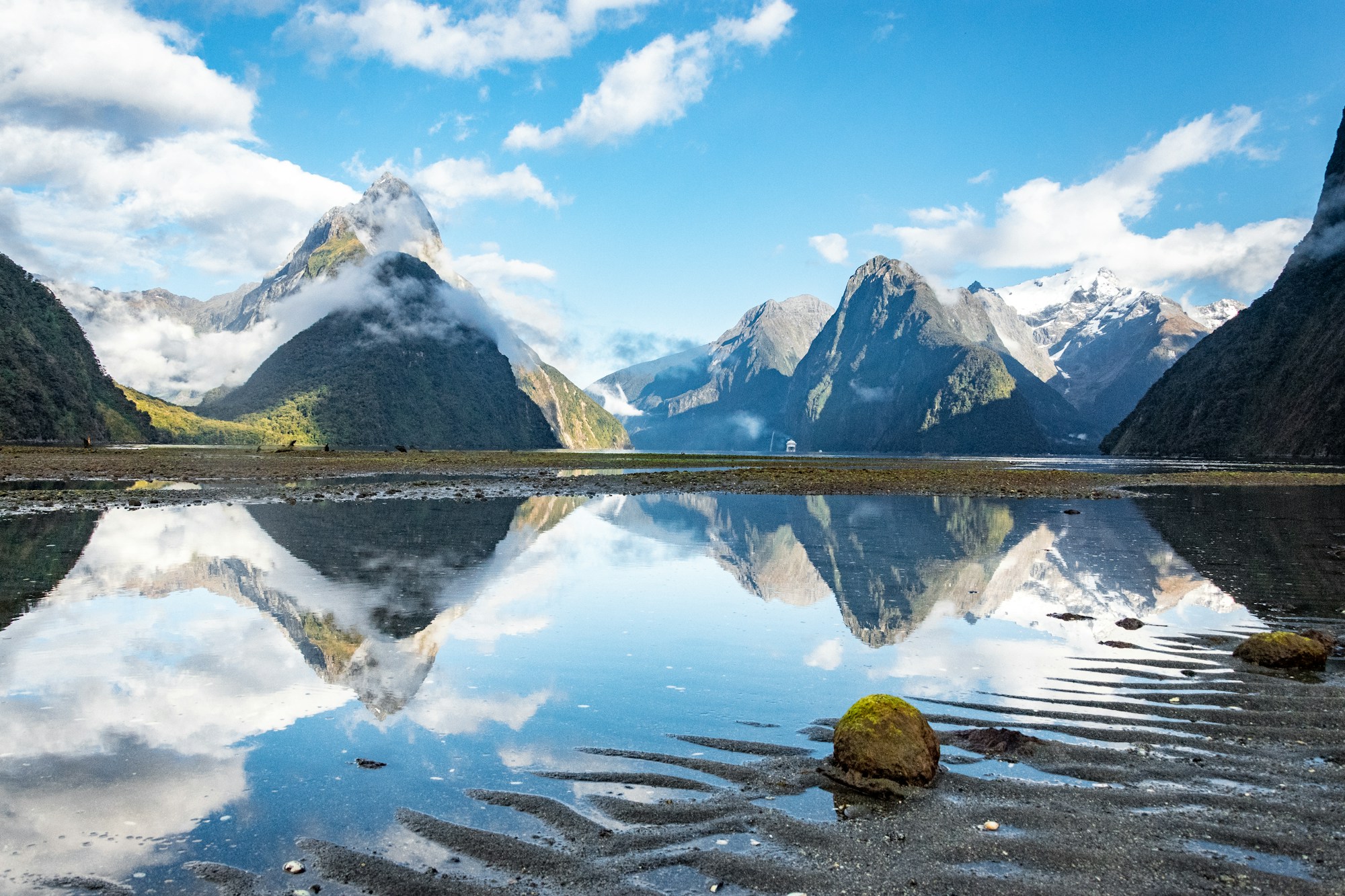
From Milford Sound to the thermal springs of Rotorua, from Fox Glacier to the golden beaches of Abel Tasman, every day brings a different landscape. English is the official language, eliminating the language barrier entirely.
Beginner itinerary: 7 days South Island
- Days 1-2 (Queenstown): « Adventure capital. » Milford Sound cruise, Ben Lomond Track hike.
- Days 3-4 (Wanaka + glaciers): Lake Wanaka, Roy’s Peak (iconic hike), Fox Glacier.
- Days 5-6 (Abel Tasman): Sea kayaking, coastal hike, wild beaches.
- Day 7 (Kaikoura): Whale watching, roadside crayfish.
8. Northern Thailand: Chiang Mai, the budget capital
The best value for money in the world
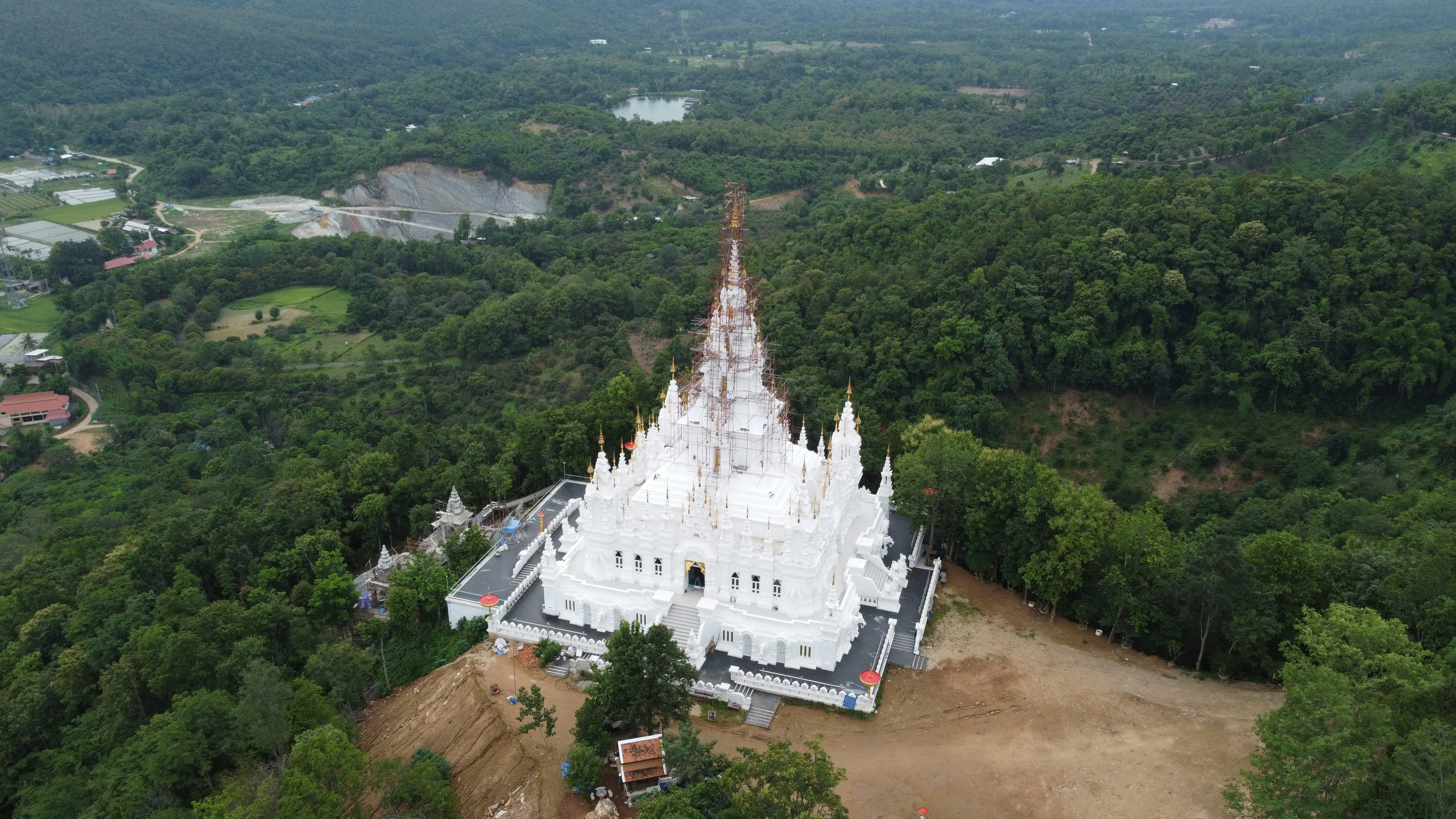
Chiang Mai is the top destination for budget-conscious solo travelers. A hostel costs from just 8 EUR per night, a night market meal from 2 EUR, and a traditional Thai massage from 5 EUR. The city attracts an international community of digital nomads and solo travelers, making it incredibly easy to connect with others.
Thai cooking classes, meditation retreats, and hikes in the surrounding mountains provide natural opportunities to socialize. The old city, encircled by moats, is easy to explore on foot or by scooter.
Beginner itinerary: 5 days Chiang Mai and surroundings
- Day 1: Old city — Wat Phra Singh and Wat Chedi Luang temples, night market.
- Day 2: Thai cooking class (half-day). A great way to meet other travelers.
- Day 3: Doi Suthep (mountaintop temple) + coffee in the Nimmanhaemin neighborhood.
- Day 4: Nature excursion — Hike in Doi Inthanon National Park or visit an ethical elephant sanctuary.
- Day 5: Wellness day — Massage, yoga, Sunday Walking Street market.
9. Scotland: Highlands and lochs for nature lovers
The call of the wild in an English-speaking country
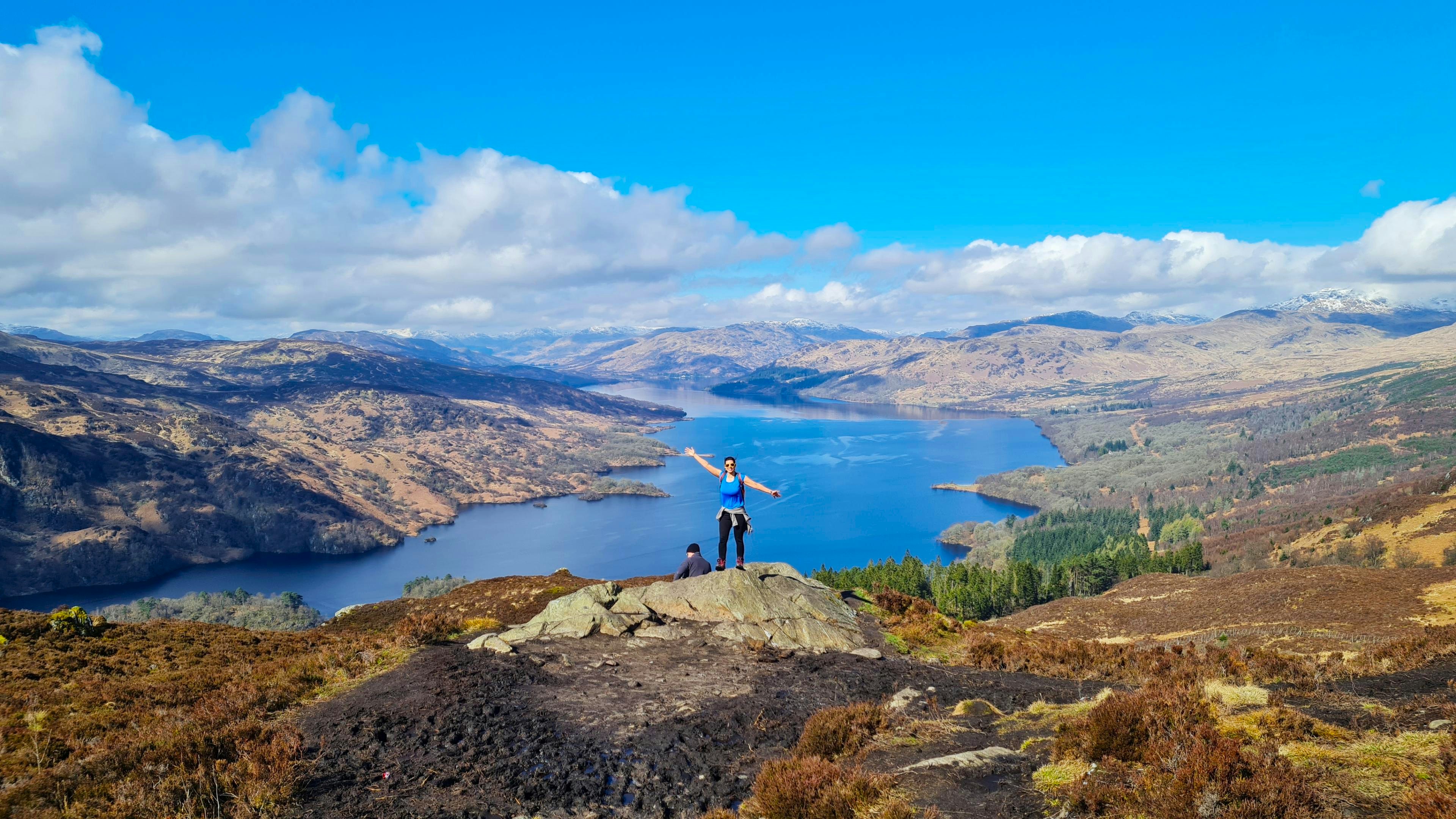
Scotland combines the ease of an English-speaking country with jaw-dropping scenery. The Highlands offer an experience of chosen solitude — mirror-like lochs, glacial valleys, and hiking trails like the West Highland Way (154 km) that attract thousands of solo hikers every year.
Edinburgh, a compact and safe city, makes an ideal base. The Scottish pub culture naturally encourages conversation, and SYHA-type hostels offer excellent quality throughout the Highlands.
Beginner itinerary: 5 days Edinburgh + Highlands
- Day 1 (Edinburgh): Royal Mile, castle, Arthur’s Seat at sunset.
- Day 2 (Edinburgh): Dean Village, Calton Hill, evening at a Grassmarket pub.
- Day 3: Organized Highlands tour — Glencoe, Fort William, Loch Ness (group tour, perfect for socializing).
- Day 4: Isle of Skye or Loch Lomond — Hike to the summit of Ben A’an (2h, spectacular views).
- Day 5: St Andrews or Stirling — Castles, golf, history.
10. Slovenia: the green heart of Europe
Small country, big experience
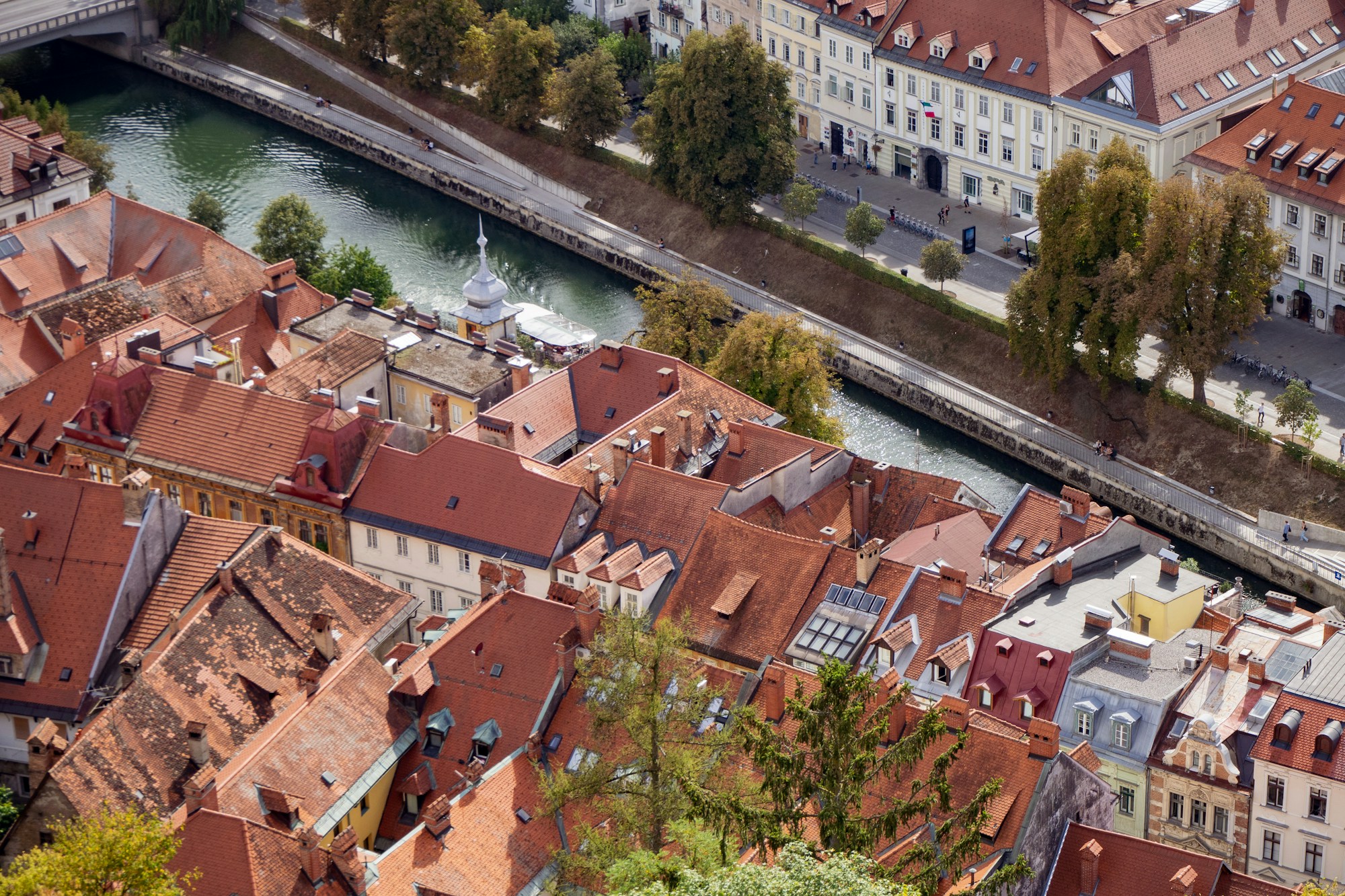
Often overshadowed by Italy and Croatia, Slovenia is one of Europe’s best-kept secrets. Rated Level 1 by the U.S. Department of State, it offers exemplary safety. Ljubljana, its capital, is compact, walkable, and filled with riverside cafes — perfect for a first solo trip.
Slovenia’s unique advantage? Its size. According to BudgetYourTrip, the average budget in Ljubljana is around 98 EUR/day, but staying in hostels and eating local can bring it down to 50-60 EUR/day. And you can literally have breakfast in the Alps and dinner by the Mediterranean.
Beginner itinerary: 5 days Ljubljana + Soca
- Day 1 (Ljubljana): Old town, castle, Central Market (Plecnik Market).
- Day 2: Tivoli Park by bike, Ljubljanica riverbanks, Friday food market.
- Day 3: Day trip to Lake Bled (1h30 by bus). Walk around the lake, medieval castle.
- Day 4: Transfer to Bovec (Soca Valley). Beginner rafting — ideal for meeting other travelers.
- Day 5: Soca Valley hike (turquoise waters), visit Kobarid.
11. Canada: Quebec and British Columbia, French-speaking adventure abroad
Grand nature without the language barrier
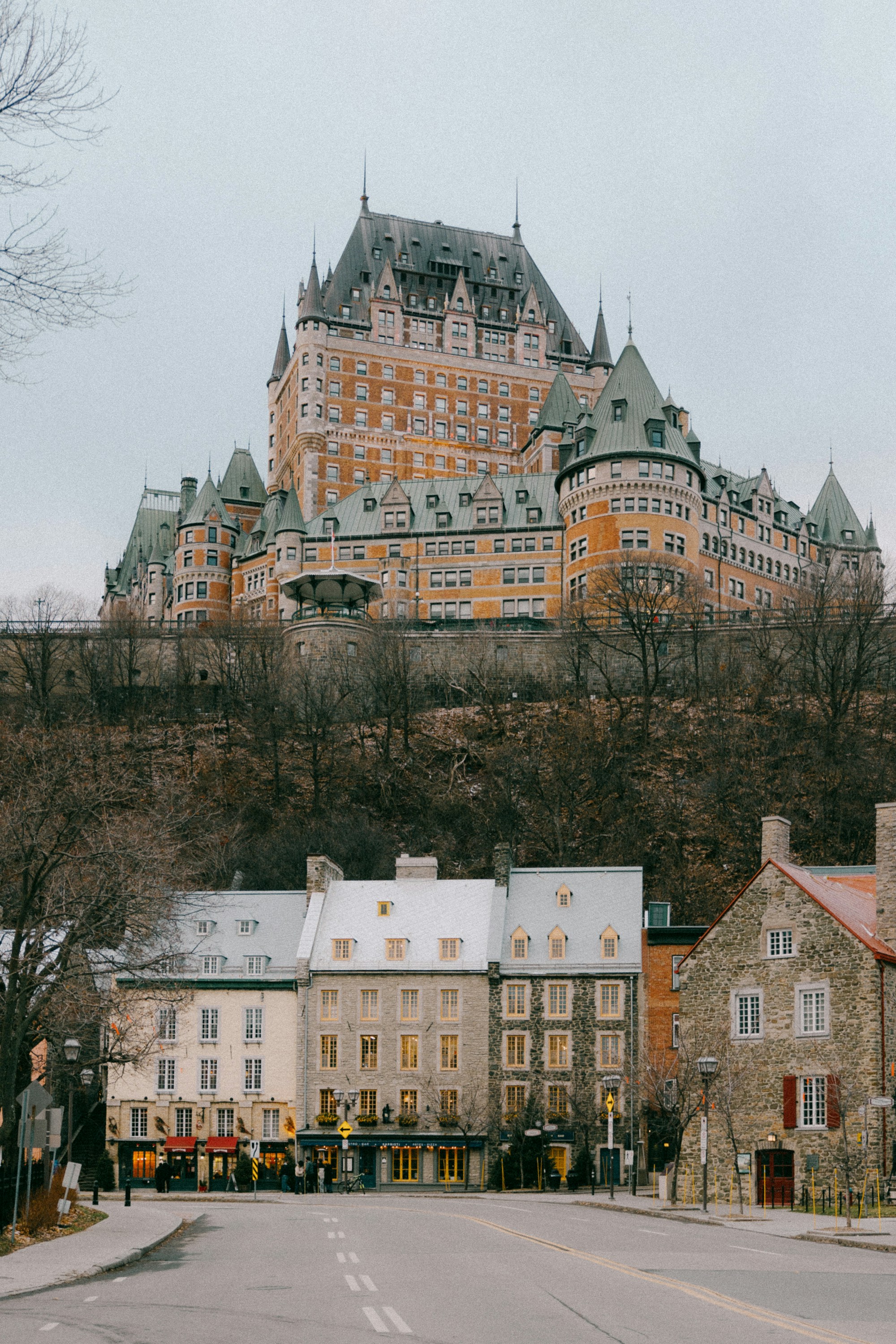
Canada is a reassuring choice for a first long-haul solo trip: excellent safety, flawless infrastructure, and French-speaking communities in Quebec. Quebec City, with its cobblestone streets and European charm, offers a gentle change of scenery. British Columbia (Pacific coast) appeals to those drawn to wild nature.
The IEC (International Experience Canada) program, available to 18-35 year olds, lets you work and travel for up to two years — an ideal option for funding a longer solo adventure.
Beginner itinerary: 7 days Quebec + Montreal
- Days 1-3 (Quebec City): Old Quebec, Chateau Frontenac, Ile d’Orleans, Montmorency Falls, Petit-Champlain district.
- Day 4: Drive to Montreal (3h) via the south shore of the St. Lawrence. Stop in Trois-Rivieres.
- Days 5-6 (Montreal): Plateau Mont-Royal, Jean-Talon Market, Old Port, Mont Royal at sunset.
- Day 7: La Mauricie National Park or whale watching in Tadoussac (in season).
12. Bali: Ubud, between rice terraces and wellness
The haven for digital nomads and soul seekers
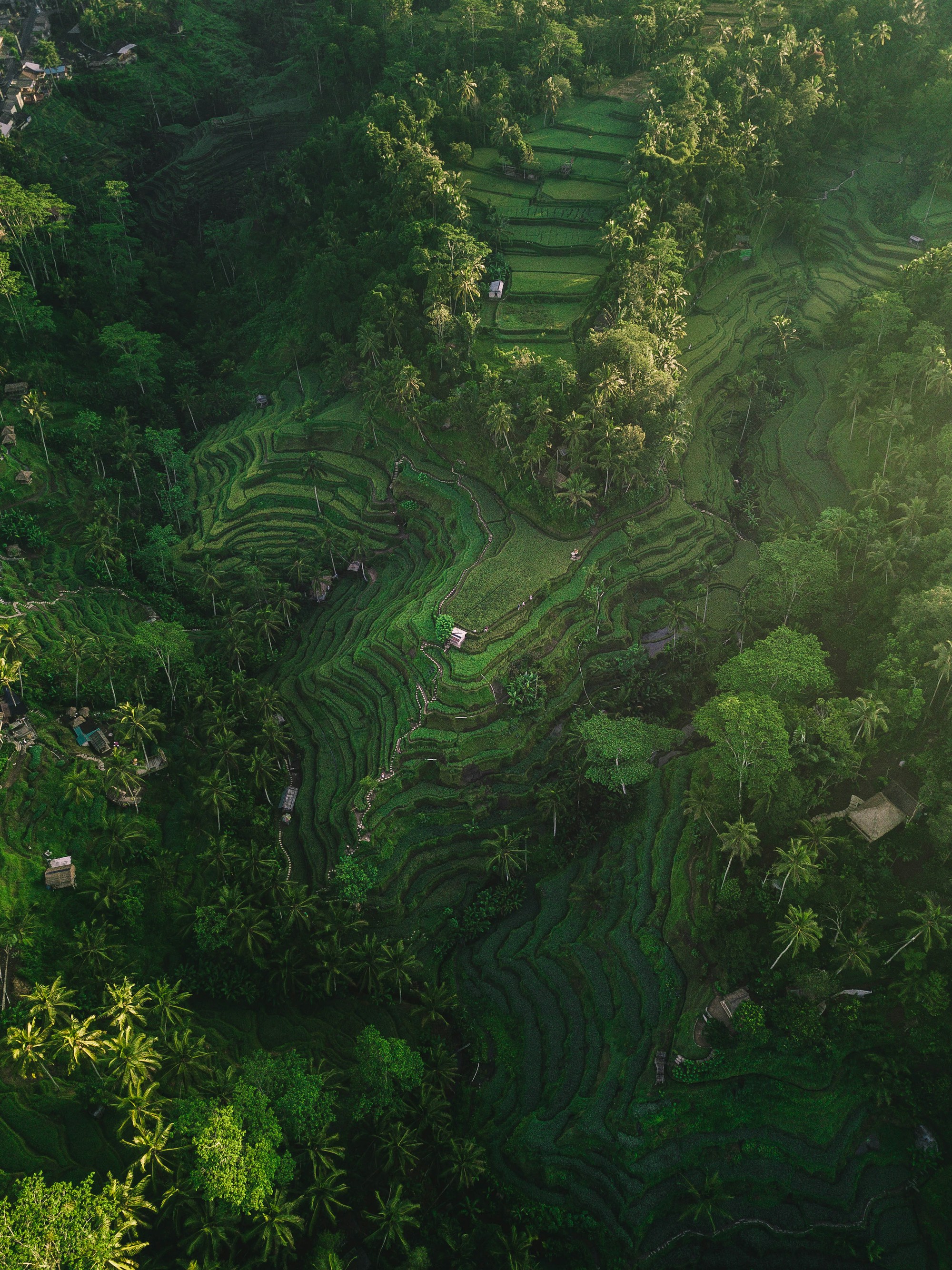
Bali has become the mecca of solo travel in Southeast Asia. Ubud, nestled among rice terraces, attracts yoga enthusiasts, meditation practitioners, and vegetarian food lovers. The budget is unbeatable: 10 EUR for comfortable accommodation, 3 EUR for a nasi goreng at a local warung, 5 EUR for a yoga class.
The digital nomad and solo traveler community is huge, making it easy to connect at co-working cafes and wellness retreats. The southern coast (Canggu, Uluwatu) tends to attract surfers.
Beginner itinerary: 5 days Ubud + South
- Day 1 (Ubud): Tegallalang rice terraces, Monkey Forest, Ubud Market.
- Day 2: Sunrise yoga class, Tegenungan Waterfall, Tirta Empul Temple.
- Day 3: Balinese cooking class + afternoon at the spa (Balinese massage from 10 EUR).
- Day 4 (Canggu/Uluwatu): Surf lesson or beach day. Uluwatu Temple and kecak dance at sunset.
- Day 5: Seminyak — Shopping, beach clubs, brunch at an Instagram-worthy cafe.
13. Croatia: the Dalmatian coast made simple
Medieval walls and turquoise coves
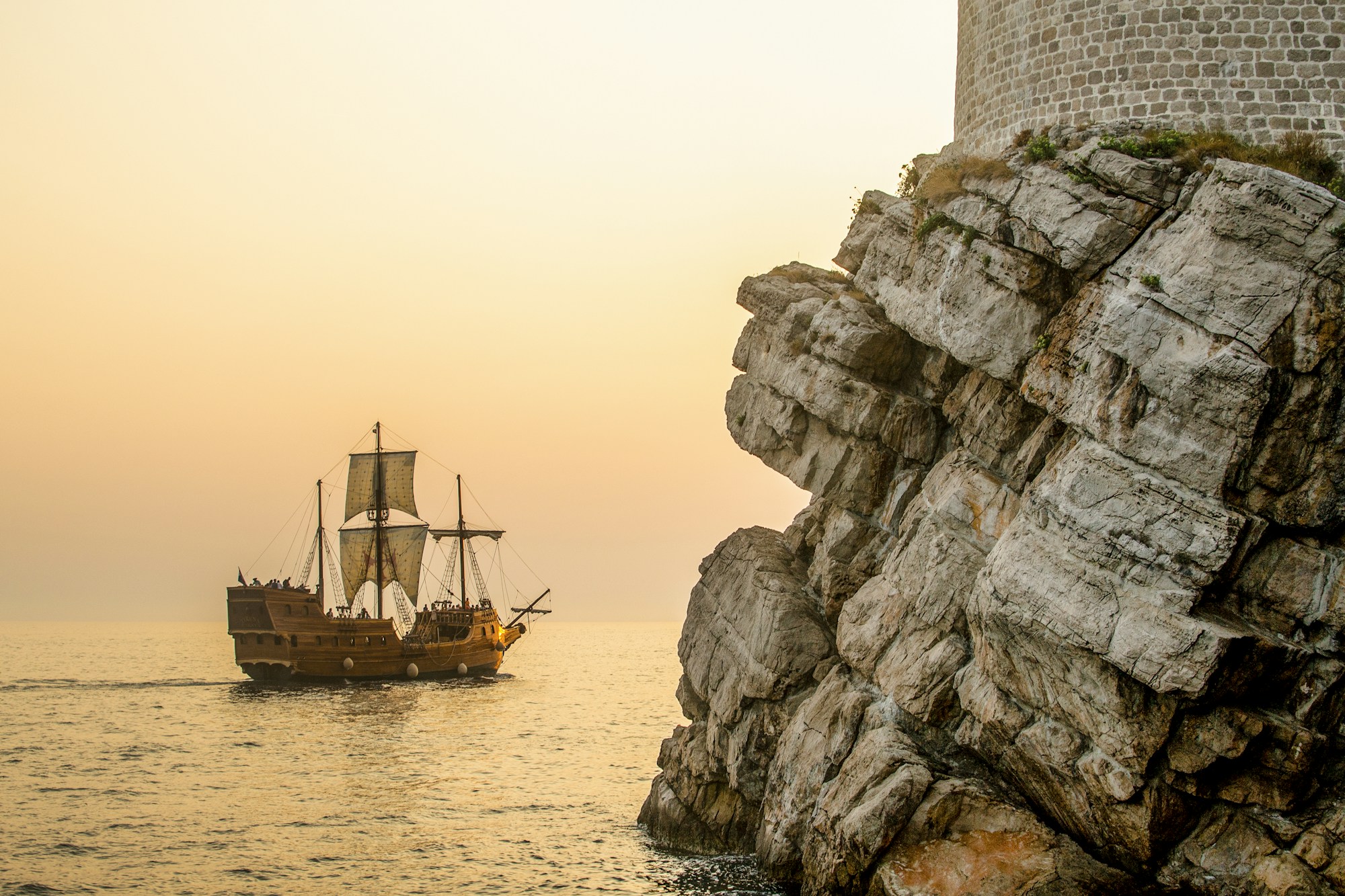
Croatia offers a perfect package for solo travelers: a compact coastline, historic towns, and an efficient ferry system that lets you island-hop without complicated planning. Split and Dubrovnik make ideal bases, with plenty of hostels and lively nightlife in season.
The country joined the Schengen area and the eurozone in 2023, further simplifying formalities for European travelers. Prices remain more accessible than neighboring Italy, especially outside the July-August peak season.
Beginner itinerary: 5 days Split + islands
- Day 1 (Split): Diocletian’s Palace, fruit market, Riva (waterfront promenade). Free walking tour in the morning.
- Day 2: Ferry to Hvar Island (2h). Town of Hvar, Spanish fortress, hidden beaches.
- Day 3: Boat excursion to the Pakleni Islands. Snorkeling, secluded cove, grilled fish lunch.
- Day 4: Return to Split. Day trip to Krka waterfalls (national park) — swimming allowed.
- Day 5: Bus to Dubrovnik (4h30) or flight. City walls tour, sea kayaking around the ramparts.
14. How to meet people and handle loneliness
Solo doesn’t mean lonely
The number one fear of first-time solo travelers is loneliness. Yet according to Ulysse, 38% of French travelers go abroad specifically to make new connections. Here’s how to turn that worry into an opportunity.
5 proven ways to socialize
- Stay in a hostel (even in a private room). Communal spaces — kitchen, lounge, rooftop — are designed to create connections. On your first evening, simply ask « Want to grab dinner together? »
- Join a free walking tour on your first morning. It’s the fastest way to spot other solo travelers and form a small group for the rest of your stay.
- Use Timeleft or Eatwith. In 2026, these apps organize dinners among strangers in dozens of cities. They’re perfect for the evening, when loneliness can weigh heaviest.
- Sign up for a group activity: cooking class, guided hike, surf lesson, yoga session. Shared activities break the ice naturally.
- Spend time in a coworking space even if you’re not working. The atmosphere is relaxed and perfect for spontaneous coffee-break conversations.
Embracing (and enjoying) time alone
The first two days are often the hardest. That’s normal. Don’t confuse « being alone » with « being lonely. » Bring a book or a journal for solo meals — it gives you something to do and can even become a pleasant ritual. After a few days, you’ll realize that chosen solitude is a luxury, not a punishment.
Frequently asked questions about solo travel
Is traveling alone dangerous?
No, as long as you choose an appropriate destination and follow common-sense rules. All ten destinations in this guide rank among the safest in the world according to the Global Peace Index. By preparing your trip, sharing your itinerary with someone you trust, and getting travel insurance, you minimize the risks. Millions of people travel solo every year without any incident.
What is the minimum budget for a first solo trip?
The budget depends heavily on the destination. In Southeast Asia (Thailand, Bali), expect 25-50 EUR per day excluding flights. In Southern Europe (Portugal, Croatia, Slovenia), plan for 50-80 EUR per day. For Japan or Canada, budget 80-130 EUR per day. Iceland is the most expensive at 100-160 EUR per day. These budgets include hostel accommodation, local meals, and local transportation.
What is the best destination for a woman traveling alone?
Japan, Iceland, and Portugal are consistently ranked among the safest destinations for women traveling alone. Japan in particular offers an exceptional sense of safety at all hours. New Zealand and Canada are also excellent choices. The key is to research local cultural norms and adapt your attire and behavior accordingly.
Is it weird to eat alone at a restaurant abroad?
Not at all. In 2026, solo dining has become common worldwide. In Japan, it’s actually the cultural norm: ramen counters and ticket-vending restaurants are designed for solo diners. In Europe, sit at a tapas bar counter or a bistro bar — it’s the best spot to chat with the bartender or your neighbors. Bring a book if you need something to do during the first few days.
How do you meet people when traveling solo?
Hostels remain the most effective way: communal spaces naturally foster connections. Free walking tours, cooking classes, and group activities (hiking, surfing, yoga) create instant bonds. In 2026, apps like Timeleft organize dinners among strangers in dozens of cities. Couchsurfing Hangouts also lets you join local activities.
Do you need to speak English to travel solo?
Basic English greatly facilitates travel, but it’s not essential. Google Translate in conversation mode (downloadable for offline use) is a game-changer. At minimum, learn 5 words in the local language: hello, thank you, please, sorry, goodbye. For a first trip without English, Portugal and Canada (Quebec) are ideal choices thanks to their French-speaking communities.
What travel insurance should you choose for a solo trip?
Choose insurance that covers at minimum medical expenses abroad, medical repatriation, baggage theft, and trip cancellation. SafetyWing is popular among solo travelers and digital nomads for its flexibility (monthly subscription). Also check whether your credit card already offers travel coverage (Visa Premier, Mastercard Gold). Don’t forget to register with your country’s consular services for citizens abroad.
How many days should you plan for a first solo trip?
For a first solo trip, 5 to 7 days is the ideal length. It’s long enough to move past the initial nervousness, immerse yourself in a destination, and create lasting memories, but short enough to avoid feeling overwhelmed. A 3-4 day city break (Lisbon, Ljubljana) can be an excellent first test if you’re still hesitating.
Sources
- Le Petit Journal — Solo but not lonely: the 2026 travel trend
- Tourisme Digital — Solo travel market in France
- American Express — Global Travel Trends 2024
- HRIMAG — Solo, Slow and Silence: 2026 trends according to Hilton
- L’Echo Touristique — 7 travel trends for 2026 according to Skyscanner
- Institute for Economics & Peace — Global Peace Index
- We3Travel — 14 Apps for Safer Solo Travel in 2026
- Collette — Solo Travel Safety Tips: Modern Guide
- Ulysse — Solo travel 2026: destination guide
- Bonjour Lisbonne — Practical guide to Portugal
- Japan Guide — Complete guide to Japan
- U.S. Department of State — Slovenia Travel Advisory
- BudgetYourTrip — Ljubljana Travel Costs
- Booking.com — Top Travel Trends 2026
- Expedia — Unpack ’26: Travel Trends
- Ministry of Foreign Affairs — Travel advice
- ETIAS — Travel authorization requirements for Europe
- Travel Tourister — Safest Countries for Solo Female Travelers 2026
- Squaremouth — Solo Travel Is on the Rise
Research conducted on February 6, 2026
Solo itineraries ready to go
Need a concrete plan? Here are three detailed itineraries with budgets, stages and practical tips for solo travel.
Thailand, Laos & Cambodia
22 days · Budget: €2,541 (excl. flights)
Cultural immersion across three Southeast Asian countries: Chiang Mai temples, Mekong cruise and Angkor temples.
View itinerary →Morocco: Tangier → Chefchaouen
6 days · Budget: €793 (excl. flights)
Medinas, scenic train rides and Rif mountain hikes — a short solo trip ideal for your first journey outside Europe.
View itinerary →India: Kerala & Backwaters
15 days · Budget: €2,268 (excl. flights)
Culinary immersion, houseboat cruise through the backwaters and Kovalam beaches — a truly transformative solo adventure.
View itinerary →Plan your first solo trip
Discover hundreds of detailed itineraries created by our community of travelers. From Portugal to Japan and Iceland, find the inspiration and practical advice you need to take the leap and travel solo in 2026.
Explore all itineraries