
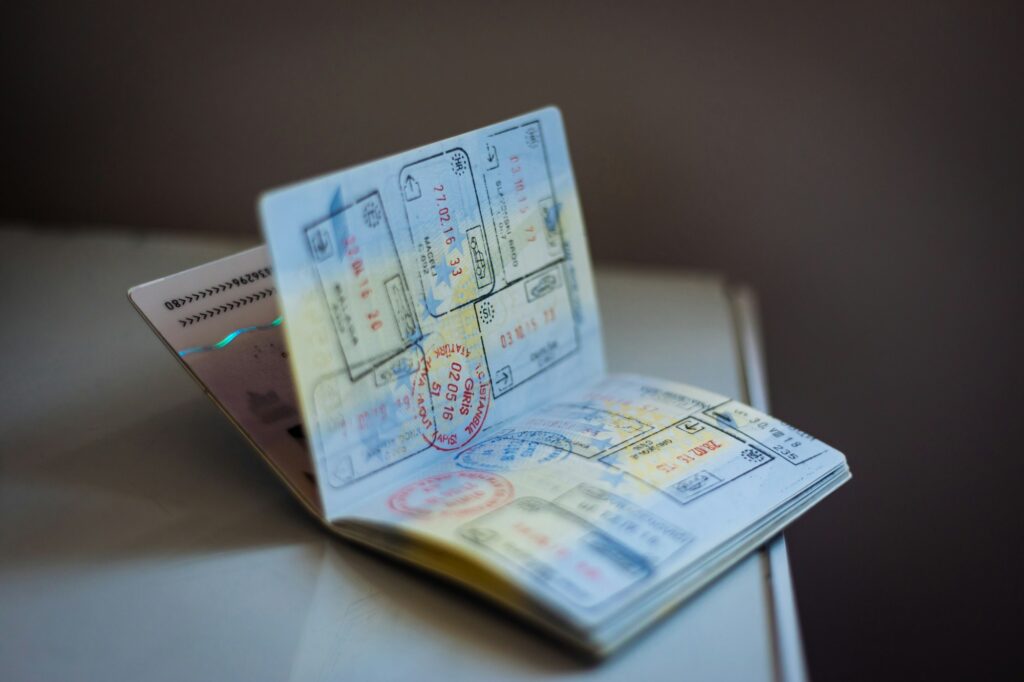
Are you Franco-Iranian or Franco-Lebanese and planning to visit family? What you don’t know could cost you your freedom. In France, dual nationality is a recognized right exercised by hundreds of thousands of people. But once on the soil of your second nationality country, your French passport can become legally non-existent — and with it, all French consular protection.
This guide explains the real, documented and recent risks faced by Franco-Iranian and Franco-Lebanese dual nationals: arbitrary arrests, passport confiscation, impossibility of French consular intervention, and impact on travel to the United States. Risks that are little-known, underestimated, and that have already destroyed lives.
The legal paradox: when your French passport has no value
France fully allows multiple nationalities. It is possible to hold two or even three nationalities under French law. According to service-public.gouv.fr, this freedom is exercised without restriction on the French side.
But this freedom creates a dangerous illusion when the second nationality country refuses to recognize this dual status. This is precisely the case with Iran — and, to a lesser extent, Lebanon. French nationals who, upon setting foot in their country of origin, become exclusively Iranian or Lebanese in the eyes of local authorities, losing de facto all French consular protection.
According to the French Ministry of Foreign Affairs, Iranian authorities do not recognize dual nationality. Franco-Iranian dual nationals who enter Iran will not be able to seek French consular protection, regardless of how they entered the country.
This non-recognition is a deliberately used diplomatic weapon. It creates a total blind spot in which no consular protection is possible. For Paris, a Franco-Iranian is fully French; for Tehran, they are only Iranian. The international rule of dominant nationality confirms this legal void: a State cannot grant diplomatic protection to one of its nationals against a State whose nationality that person also holds.
Iran: absolute red zone and state hostage diplomacy
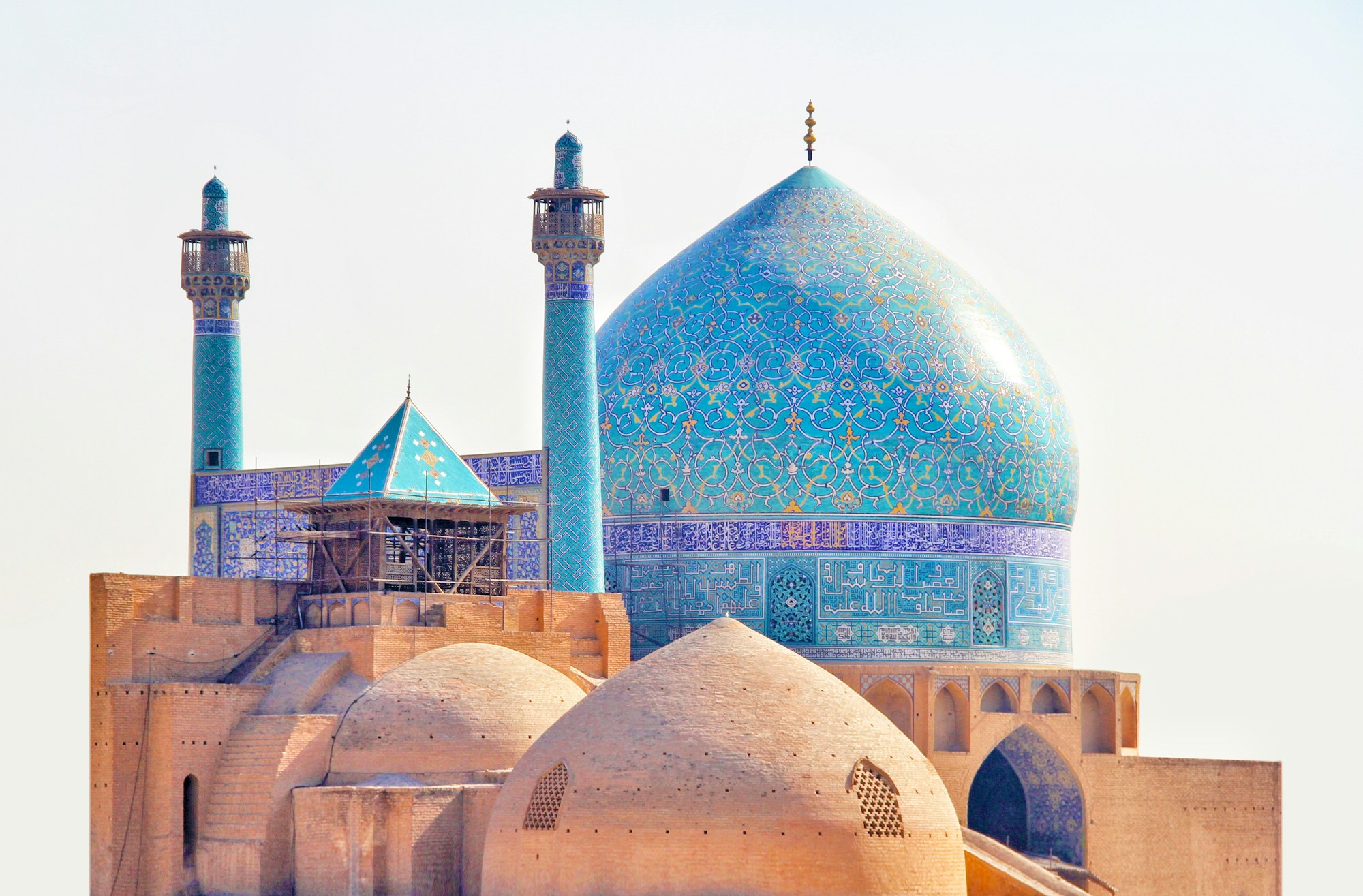
The entire Iranian territory is classified red by France’s Quai d’Orsay — the maximum alert level, rarely used. French nationals, including dual nationals, are formally advised against traveling to Iran for any reason. This classification reflects a documented reality: Iran practices what the Quai d’Orsay itself calls « hostage diplomacy ».
The principle is cynical but effective: Franco-Iranian nationals are arbitrarily arrested on vague charges of espionage or « threats to national security. » They are then used as bargaining chips in diplomatic negotiations with France and Western countries. According to the IFRI (French Institute of International Relations), this strategy has been a deliberate element of Iranian foreign policy for several decades.
According to the Quai d’Orsay, French consular visits are not permitted for Franco-Iranian nationals detained in Iran. The French Embassy will not necessarily be informed of the arrest. Even if it is, its requests for access are granted rarely, randomly, and with very short notice.
Evin Prison: the hidden destination of dual nationals
Evin Prison, in Tehran, has become the symbol of this diplomacy. Since the 1980s, it has housed a disproportionate number of dual nationals and foreigners, many of whom have committed no crime recognized under international standards. In September 2022, during the Mahsa Amini protests, the IRGC (Revolutionary Guards) targeted Evin detainees — Human Rights Watch documented treatment that, by international law definitions, constitutes torture.
After the Israel-Iran conflict of June 2025: increased repression
The context has dramatically deteriorated since June 2025. Following hostilities between Iran and Israel, Iranian authorities have reinforced military presence across the country and intensified the hunt for people suspected of espionage or national security threats. According to the Canadian government, since this conflict, the number of arrests of foreign travelers has increased, and in many cases, Iranian authorities have not notified foreign embassies of these arrests.
New visa restrictions were also introduced in September 2025: nationals from Western Europe, Australia, the United States, and Canada must now visit Iran as part of an approved guided tour. Independent travel is prohibited.
The faces of risk: French nationals detained in Iran (2022–2025)
These risks are not theoretical. Here are the most emblematic documented cases:
Cécile Kohler and Jacques Paris (2022–2025)
In November 2025, French teacher Cécile Kohler and her partner Jacques Paris were released from Evin Prison in Tehran, where they had been detained for 1,277 days — between May 2022 and November 2025. According to Wikipedia, even after their release from prison, they remained under house arrest at the French Embassy in Tehran, unable to leave the country. Cécile Kohler was not Franco-Iranian — she was an ordinary French citizen who came as a tourist. This illustrates that the risk concerns not only dual nationals, but any French person.
Fariba Adelkhah
A Franco-Iranian researcher at CERI/Sciences Po, she was arrested in June 2019 and sentenced to six years in prison. Her case revealed to the public that Franco-Iranians — including those engaged in scientific research — are particularly vulnerable. Her Iranian nationality was the key that allowed authorities to block all French consular intervention.
The common trap: passport confiscation
In May 2007, Iranian authorities temporarily confiscated the passport of Franco-Iranian journalist Mehrnoush Solouki, preventing her from leaving the country. Passport confiscation is a documented tool used to force a dual national to remain under Iranian control. According to Human Rights Watch, this mechanism deliberately targets dual nationals who came to visit family, with no visible political or media activity.
Security agents at Tehran’s Imam Khomeini International Airport target travelers returning from European destinations to collect financial and personal information. According to the Center for Human Rights in Iran, never put sensitive contacts, political conversations, or photos of protests on your phone or computer before entering Iran.
Lebanon: a different trap, but equally real for Franco-Lebanese nationals
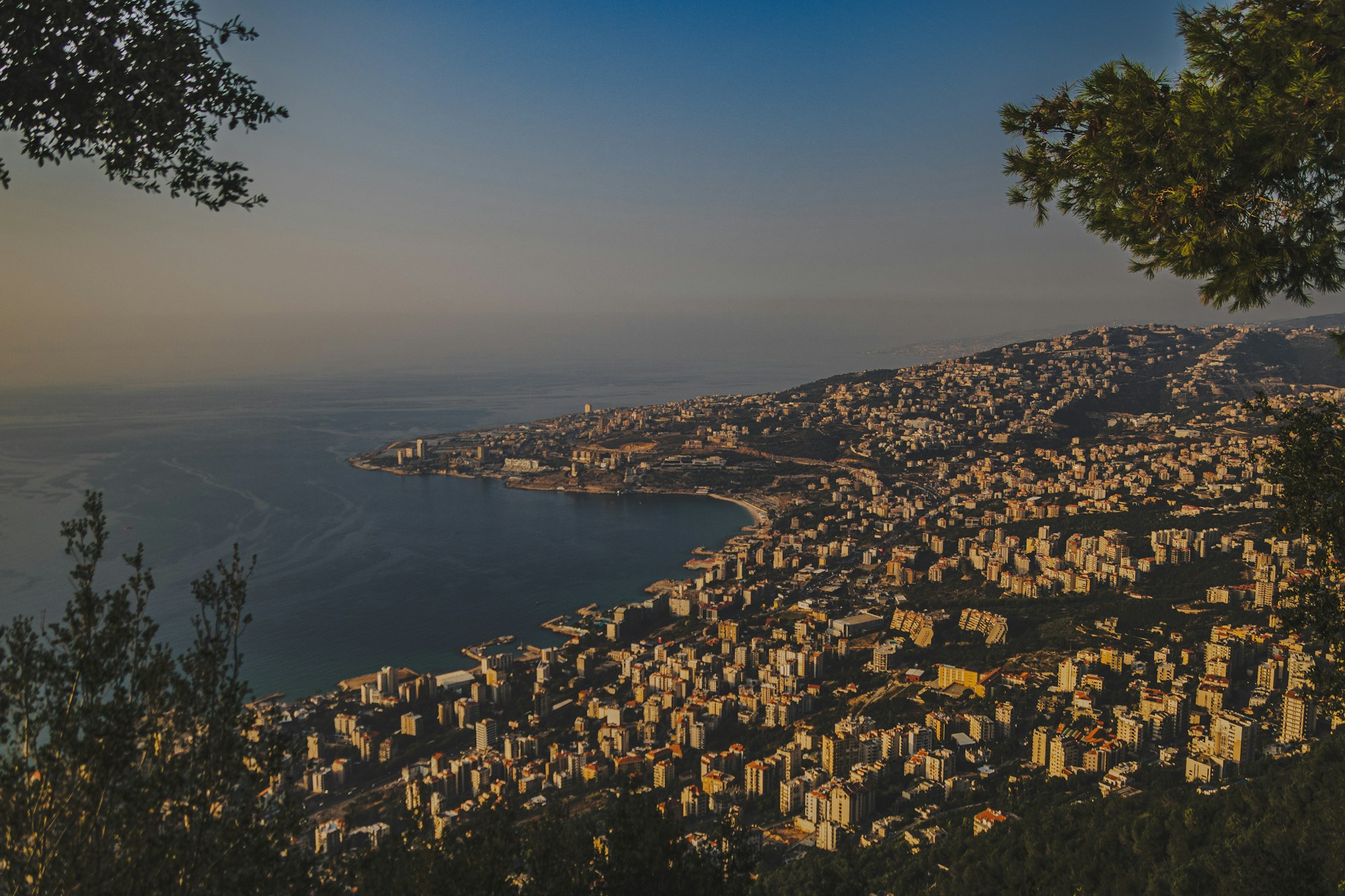
Unlike Iran, Lebanon officially recognizes dual nationality and encourages it for its diaspora. But this recognition creates a different trap: being Franco-Lebanese means Lebanese authorities consider you primarily Lebanese on their territory, with all the obligations that entails.
According to the French Ministry of Foreign Affairs, given the volatile security context in Lebanon and the region, French nationals are strongly advised not to travel to Lebanon unless for imperative reasons. The situation remains uncertain and highly volatile, despite the ceasefire with Israel that came into effect on November 27, 2024. Israeli strikes continue regularly, particularly in the South and East of the country.
The Israeli stamp trap
For a Franco-Lebanese person who has visited Israel, returning to Lebanon can become a nightmare. According to the Belgian SPF Foreign Affairs, access to Lebanese territory is refused to holders of a passport, plane ticket, or any document showing a visit to Israel. An unauthorized visit to Israel is criminally punishable in Lebanon. If you are Franco-Lebanese and have visited Israel, request a clean French passport before any trip to Lebanon.
Areas to absolutely avoid
According to the Swiss DFAE, the following areas are formally advised against:
- South Lebanon (south of the Litani River): near-daily Israeli airstrikes despite the ceasefire
- The Bekaa Valley (Baalbek-Hermel): presence of non-state armed groups, regular clashes
- Southern Beirut suburbs (Dahiye): Borj el Barajneh, Haret Hreik — areas not entirely controlled by official forces
- Tripoli and the Akkar governorate: high tensions, armed clashes between factions
A systematically collapsing infrastructure
Beyond security risks, Lebanon presents a vital risk linked to the collapse of its infrastructure. According to Human Rights Watch, power cuts exceed 20 hours per day in several regions. Medically, hospitals require upfront payment and evacuations to Jordan or Cyprus are sometimes necessary in serious emergencies. Never travel to Lebanon without medical repatriation insurance covering evacuations to a third country.
The ESTA trap: your Franco-Iranian dual nationality bans you from the United States
A little-known and lasting side effect of Franco-Iranian dual nationality: it prevents you from traveling to the United States under the ESTA program (Visa Waiver Program). This restriction is permanent and irrevocable.
According to demandevisa.fr, if you currently are or have ever been the holder of an Iranian passport, you cannot benefit from the ESTA visa waiver program to travel to the United States. This rule applies even if you no longer hold the Iranian passport. Having held an Iranian passport at any point in your life is sufficient to ban you from ESTA.
Those affected include: any person with dual Iranian, Iraqi, Sudanese, or Syrian nationality, as well as anyone who has traveled to or resided in Cuba since January 12, 2021. The same rule applies to holders of Libyan, Yemeni, or Somali passports. Source: GoByAva.
Required alternative: the American B1/B2 visa. Expect 3 to 6 months processing time, $185 in fees, in-person appointments at the US Embassy, and extensive documentation proving the legitimacy of your trip. The United States may request justification for all your travels to Iran and any activity that could present a national security risk.
The survival checklist before any departure
Faced with all these risks, here are the concrete measures every Franco-Iranian or Franco-Lebanese person must take before any trip.
Universal measures (Iran and Lebanon)
- Register on Ariane from the French Ministry of Foreign Affairs (free): diplomatie.gouv.fr. This registration allows the embassy to be informed of your presence on the territory and can speed up intervention in a crisis.
- Leave copies of documents (passports, birth certificates, local lawyer contacts) with a trusted person in France before leaving. In case of arrest, your family must be able to act immediately.
- Take out travel insurance covering medical repatriation and crisis situations (see the practical info section).
- Memorize emergency numbers: French Embassy in Tehran (+98 21 64 09 40 00); Crisis Center of the Quai d’Orsay from France (01 45 31 60 00, 24/7); French Consulate General in Beirut (+961 1 420 000).
- Never store on your phone political conversations, photos of protests, sensitive contacts, or content that could be interpreted as hostile to the regime.
Specific to Iran
- Avoid all gatherings, even peaceful ones.
- Leave Iranian territory as soon as possible if you are already there.
- Know that French bank cards are completely unusable in Iran — bring cash only.
- Do not rely on accounts from travelers who « had a great experience »: arrests are unpredictable and often linked to political inferences unrelated to the reality of your trip.
Specific to Lebanon
- Keep food supplies, medications, and water stocked at home (Consulate General recommendation).
- Never photograph military installations or buildings guarded by security forces.
- If you have visited Israel, request a clean French passport before any trip to Lebanon.
- Check the French Consulate General in Beirut’s alerts daily.
1. Immediately contact the Crisis Center of the Quai d’Orsay (01 45 31 60 00). 2. Contact the Center for Human Rights in Iran (CHRI). 3. Make no public statement without consulting a specialized lawyer — this can worsen the situation. 4. Iranian authorities pressure families to conceal cases under false security pretexts. Do not give in.
Iran vs Lebanon: comparative risk table for dual nationals
| Criterion | Iran (Franco-Iranian) | Lebanon (Franco-Lebanese) |
|---|---|---|
| Dual nationality recognition | ❌ Not recognized | ✅ Recognized |
| Risk of arbitrary arrest | 🔴 Very high — state strategy | 🟠 High in southern/eastern areas |
| French consular protection | ❌ Blocked for dual nationals | ⚠️ Limited (treated as Lebanese citizen) |
| Passport confiscation | 🔴 Documented practice | ⚠️ Rare but possible at borders |
| Impact on US ESTA | 🔴 Permanently banned | ✅ Not affected |
| Security stability (2025–2026) | 🔴 Active conflicts, increased arrests | 🟠 Very fragile post-ceasefire |
| Military service | ⚠️ Potential obligations for men | ✅ Abolished since 2007 |
| Medical infrastructure | ⚠️ Accessible but under state surveillance | 🔴 In systemic collapse |
Frequently asked questions for Franco-Iranian and Franco-Lebanese dual nationals
I am Franco-Iranian. If I enter Iran with my French passport, am I protected?
No. According to the Quai d’Orsay, French consular visits are not permitted for Franco-Iranian nationals detained in Iran. Regardless of which passport you enter with: once on Iranian soil, you are exclusively Iranian in the eyes of the authorities. Iran does not recognize dual nationality — your French passport has no legal value on its territory.
Can my detention in Iran last for years even if I’ve done nothing wrong?
Yes. Cécile Kohler and Jacques Paris were detained for 1,277 days at Evin Prison in Tehran, between May 2022 and November 2025, without having committed any crime recognized under international standards. According to Wikipedia, even their release from prison was not total: they remained under house arrest at the French Embassy. Espionage charges or threats to national security are systematically used, even against simple tourists.
Can Iranian authorities confiscate my passport when leaving the country?
Yes. Passport confiscation is a documented tool. In May 2007, Iranian authorities confiscated the passport of Franco-Iranian journalist Mehrnoush Solouki, preventing her from leaving the country. According to Human Rights Watch, this mechanism is deliberately used to force dual nationals to remain under the control of Iranian authorities and to cooperate with investigations.
I am Franco-Lebanese. Can the French Embassy intervene if I am arrested in Lebanon?
With difficulty. Lebanese authorities consider you primarily Lebanese on their territory, which significantly reduces the scope for French consular action. According to the Belgian SPF Foreign Affairs, Europeans who also hold Lebanese nationality must be aware that local authorities consider them as Lebanese citizens — it may thus be difficult for foreign authorities to provide them with consular assistance.
Does my Franco-Iranian dual nationality prevent me from entering the United States with ESTA?
Yes, permanently. If you are or have ever been the holder of an Iranian passport, you cannot benefit from the ESTA program to travel to the United States. According to demandevisa.fr, this restriction applies even if you no longer hold the Iranian passport. You will need to apply for a B1/B2 visa at the US Embassy, with processing times of up to 3 to 6 months and fees of $185.
Does Lebanese military service apply to Franco-Lebanese nationals?
No, since 2007. According to the Lebanese government, mandatory military service officially ended on February 10, 2007. Franco-Lebanese nationals born after that date are not subject to Lebanese conscription. However, men holding Iranian nationality theoretically have military obligations toward Iran, which authorities can invoke to justify their detention on Iranian territory.
What should I do if a Franco-Iranian relative is arrested in Iran?
Here is the recommended sequence of action: 1. Immediately contact the Crisis Center of the Quai d’Orsay (01 45 31 60 00, 24/7). 2. Contact the French Embassy in Tehran (+98 21 64 09 40 00). 3. Contact the Center for Human Rights in Iran (CHRI). 4. Make no public statement initially without consulting a specialized lawyer — this can worsen the situation. Note: Iranian authorities pressure families to conceal cases.
Is there a safer period to travel to Lebanon as a Franco-Lebanese national?
Not currently. According to the Quai d’Orsay, the situation remains uncertain and highly volatile despite the ceasefire of November 27, 2024. Israeli airstrikes continue regularly in the South and East of the country. If travel is absolutely imperative (family emergency), avoid periods of maximum regional tension, stay in central Beirut or Jounieh (north), and check French Consulate General in Beirut alerts daily.
Sources
- French Ministry of Foreign Affairs — Travel advice: Iran
- French Ministry of Foreign Affairs — Travel advice: Lebanon
- Human Rights Watch — Iran: Targeting of Dual Citizens and Foreign Nationals
- IFRI — Hostage Diplomacy of the Islamic Republic of Iran
- Wikipedia — Detention of Cécile Kohler and Jacques Paris
- Government of Canada — Travel advice: Iran
- Swiss DFAE — Travel advice: Iran
- Swiss DFAE — Travel advice: Lebanon
- Belgian SPF Foreign Affairs — Practical information for Lebanon
- DemandeVisa.fr — ESTA and Iranian nationality
- Center for Human Rights in Iran — New interrogations at airports
- Euractiv — European tourists in Iran despite strong warnings
- L’Orient-Le Jour — French Consulate General recommendations in Lebanon
Plan your trip with Pixidia
Discover our detailed itineraries for safer destinations in the Middle East and Mediterranean, and use our planning tools to travel with peace of mind.
Explore destinations