

Japan 2026 tourist changes: key facts
Japan’s tourist rules are shifting fast in 2026. The departure tax has tripled to ¥3,000 since July 2026, Kyoto’s lodging tax now reaches ¥10,000 a night for luxury ryokan, and JR East railway fares rose up to 14.6% in March 2026, the first hike since 1987. In-store tax-free shopping ends November 1st, 2026, replaced by an airport refund system. The mandatory JESTA travel authorization only arrives in 2028. Bottom line: 2026 remains the best year to visit, before JESTA and further tax hikes take effect.
Japan in 2026 is entering a new era. In-store tax-free shopping ends, the departure tax triples, Kyoto lodging taxes skyrocket, Mount Fuji quotas tighten, the JR Pass hits historic highs, and the JESTA is on the horizon: the rules are changing deeply for foreign travelers. The good news — the yen remains historically weak (€1 ≈ ¥160), and Japan remains one of Asia’s most accessible destinations. A complete breakdown of everything changing to help you plan your trip with confidence.
1. End of Immediate Tax-Free Shopping from November 1st, 2026
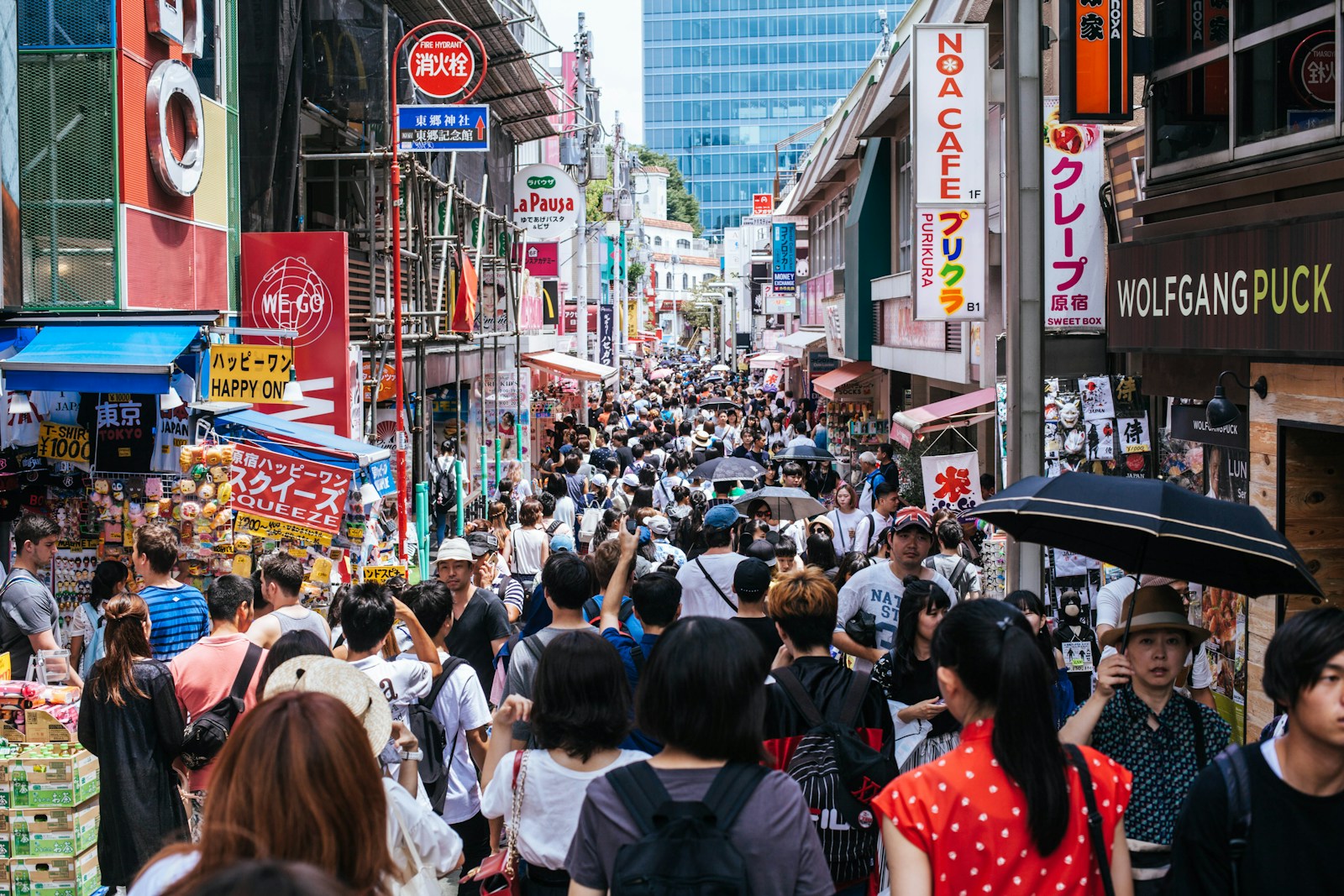
No more instant refund at the register: welcome to deferred reimbursement
Passed by the Japanese Parliament on March 31, 2026, a new law ends the instant in-store tax-free system. Until October 31, 2026, nothing changes: for any eligible purchase exceeding ¥5,000 (~$35), the price is immediately reduced by 10% at checkout. From November 1st, 2026, you’ll pay the consumption tax at purchase and then claim a refund at customs when departing Japan.
Why the change? The Japanese government discovered that out of 57 visitors who purchased over ¥100 million in tax-free goods in 2022, only one had actually exported their purchases out of the country. The new system, similar to European procedures, aims to curb abuse and illegal resale on Japanese soil. Refunds will be made in cash or to a registered bank card.
What gets simpler: category merger
- The two categories « general goods » and « consumables » merge: no more sealed plastic bags for cosmetics and food products
- Refunds are available in cash or by bank card at customs
- Department stores offer central tax-free counters to consolidate purchases
2. Departure Tax Tripled: ¥3,000 Per Person from July 2026
From ¥1,000 to ¥3,000: a 200% increase already included in your airline ticket
Since July 2026, all travelers departing Japan — Japanese and foreign alike — pay an international departure tax raised to ¥3,000 per person (~$20), triple the previous rate (¥1,000). Added directly to the price of airline and ferry tickets, this tax now applies to all international flights departing Japan.
Exception: transit passengers who leave Japan within 24 hours remain exempt. The revenues — estimated at an additional ¥130 billion per year — will be allocated to improving tourist infrastructure and promoting less-visited destinations.
Real budget impact
- Solo traveler: +$14 on the return ticket
- Couple: +$28 on the return flight
- Family of 4: +$56 to factor into your total budget
3. Kyoto’s Lodging Tax Explodes: Up to $65 Per Night Per Person
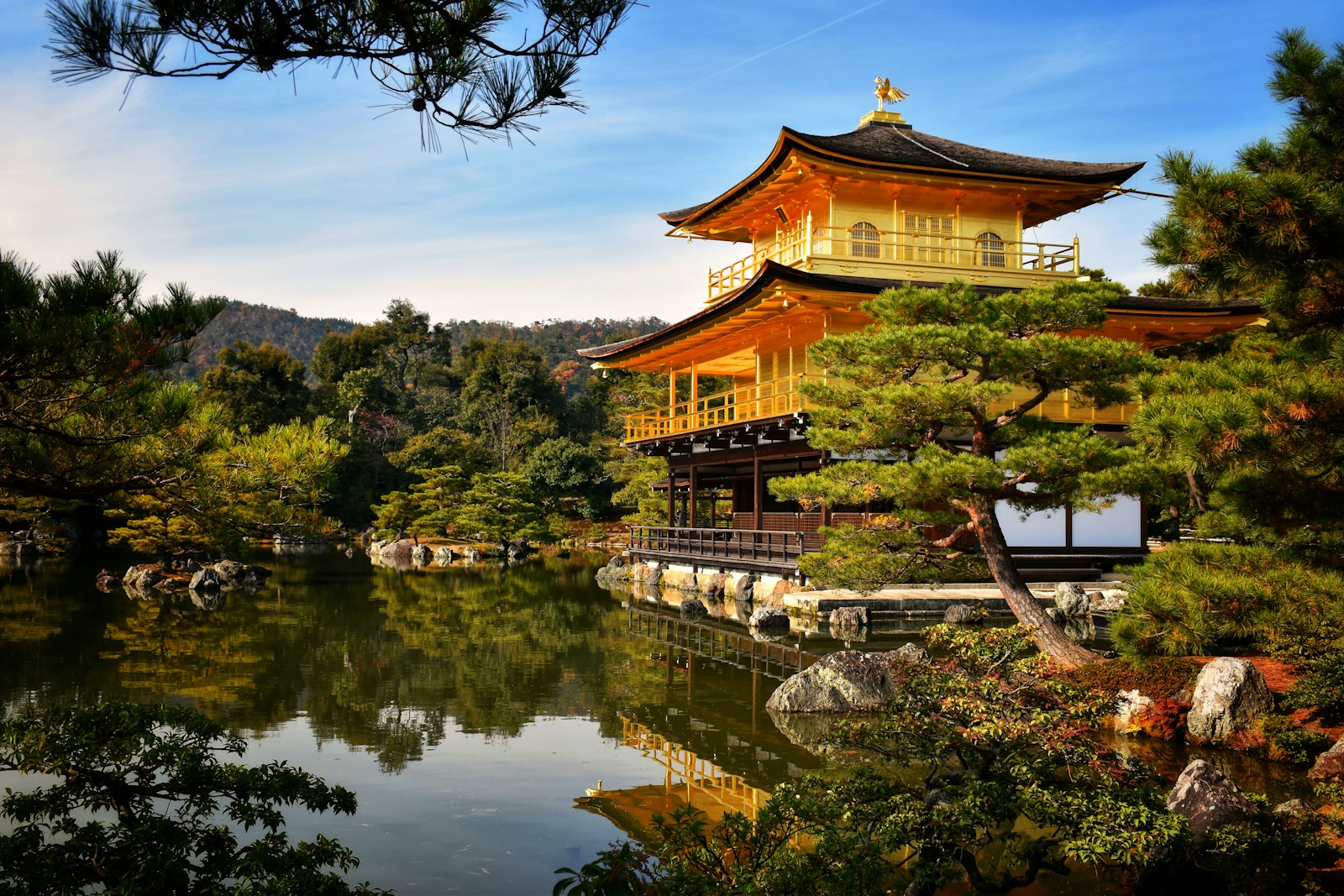
Japan’s highest accommodation tax comes into force in Kyoto
Since March 2026, Kyoto — Japan’s ancient imperial capital — has charged the country’s highest tourist accommodation tax. The rate is progressive: from an unchanged ¥200 for the cheapest hotels, up to ¥10,000 per person per night (~$65) for luxury ryokan charging ¥100,000 or more per night.
The full breakdown: under ¥6,000/night (¥200 tax, unchanged); ¥6,000–¥19,999/night (¥400); ¥20,000–¥49,999/night (¥1,000); ¥50,000–¥99,999/night (¥4,000); ¥100,000 and above (¥10,000). These funds — estimated at ¥12.6 billion per year — are dedicated to heritage conservation and public transport.
The smart strategy: satellite cities
- Otsu (10 min from Kyoto): Lake Biwa views, significantly lower taxes, direct train access to Kyoto
- Osaka (15 min by Shinkansen): Perfect base for Kyoto day trips
- Avoid cherry blossom season (late March–April) and autumn foliage season (mid-November) for more reasonable prices
4. Dual Pricing: Himeji Leads the Way, Others Will Follow
+150% entry fee at Himeji Castle for non-residents from March 2026
Himeji Castle — a UNESCO World Heritage Site and considered Japan’s finest surviving feudal castle — has applied a two-tier pricing system since March 1st, 2026. The adult admission jumps from ¥1,000 to ¥2,500 for non-residents (+150%), while Himeji residents keep the ¥1,000 rate. Good news: entry is now free for all visitors under 18.
This dual pricing model is gaining traction: the Japan Tourism Agency confirms that a broader differentiated pricing system is under consideration for other landmark sites. Over 60% of Japanese residents reportedly support the measure.
Tips for your Himeji visit
- Combine the castle with the adjacent Kokoen Garden (~¥1,000 extra) for a full day
- Arrive at opening (9am) to avoid midday tour groups
- The castle is visible from many points in the city without paying admission — great for free photos
5. Mount Fuji: Tightened Quotas and ¥4,000 Climbing Permit
4,000 hikers/day maximum and a ¥4,000 permit on the Yoshida Trail
Mount Fuji — Japan’s sacred symbol and UNESCO site — endured catastrophic over-tourism: over 400,000 people climbed it over two months in summer, roughly 7,000 hikers per day. Traffic jams, litter, and environmental degradation forced the government to act.
Since July 2025, hikers on the popular Yoshida Trail pay ¥4,000 (~$27) for a climbing permit — double the previous year. A quota of 4,000 people per day is also enforced on this route. The towns of Fuji-Kawaguchiko and Fuji-Yoshida will introduce a ¥100/night additional tax for tourists staying in the area in 2026.
As of July 2026, the climbing season is in full swing (early July to mid-September) and the daily quota fills quickly on weekends, so check availability well ahead if you want to summit this year. Prefer to admire Fuji without the crowds, quota, or permit? A day trip to Hakone offers postcard views of the mountain from Lake Ashi, plus onsen and easy access from Tokyo.
The alternative: Mount Daisen, the « Fuji of the Sea of Japan »
- Mount Daisen (Tottori Prefecture, 1,709 m): Nicknamed « Hoki Fuji », comparable silhouette, no quota, no paid permit
- Zero foreign tourists, accessible hike, spectacular Sea of Japan views
- Accessible from Osaka (3h) or Hiroshima (2h30)
6. JR Pass Reform: Historic Price Increase from March 2026
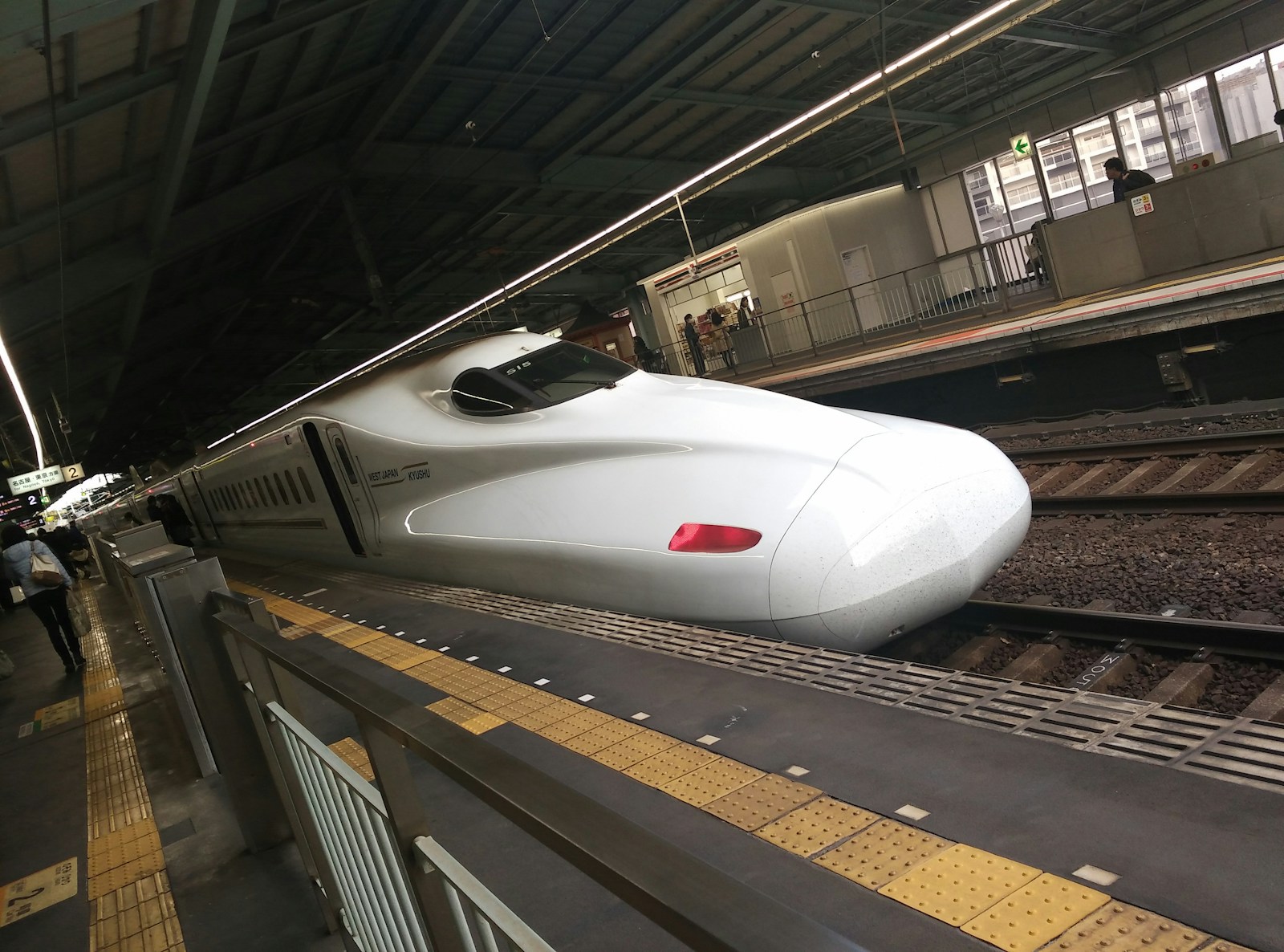
First JR East fare increase since 1987: +14.6% on regular tickets
For the first time since 1987, Japan Railways East (JR East) raised its fares from March 2026: +14.6% on regular tickets, +12.4% on Shinkansen, and up to +30.3% on commuter passes. This follows similar adjustments by JR Kyushu and JR Hokkaido in April 2025. Long-distance round-trip tickets (over 601 km) and Shinkansen « multi-ride » packs are also discontinued.
The national JR Pass (purchased before departure) remains available, but its value depends entirely on your itinerary. At ¥50,000 (~$325) for 7 days, it only pays off if you string together long journeys — e.g., Tokyo–Osaka–Hiroshima–Kyoto–Tokyo. For a stay limited to two or three cities, individual tickets or regional passes are often better value.
Smart alternatives to the national JR Pass
- JR Kansai-Hiroshima Pass (5d, ~¥17,000): Osaka, Kyoto, Hiroshima, Miyajima — unbeatable for the Kansai region
- JR East Tohoku Pass (5d, ~¥30,000): Tokyo north to Sendai, Aomori, Nikko
- Hayatoku (advance tickets): 20–30% discount on Shinkansen if booked 30 days ahead
- New: regional passes are now available to all foreign passport holders (residents, students, workers), not just temporary tourists
7. JESTA: Japan’s Mandatory Electronic Travel Authorization — Coming in 2028, Not 2026
The electronic travel authorization — get ready for 2028
The JESTA (Japan Electronic System for Travel Authorization) is Japan’s future electronic travel authorization, similar to the US ESTA or Australia’s ETA. In 2026, no action is required: citizens of the US, UK, EU, Canada, Australia, and most Western countries continue to travel to Japan with just a valid passport for tourist stays under 90 days.
From 2028, nationals of approximately 71 countries will need to obtain this online authorization before departure. The estimated cost is around ¥3,000 (~$20), valid for multiple entries over 3 years (or until passport expiry).
What JESTA will change in 2028
- Mandatory online application before departure (recommended lead time: 72h minimum)
- Pre-security screening for visa-exempt countries
- Japan has been advancing the project since late 2025, but no application is yet available
8. Alternative Destinations: Avoid Surcharges and Crowds in 2026
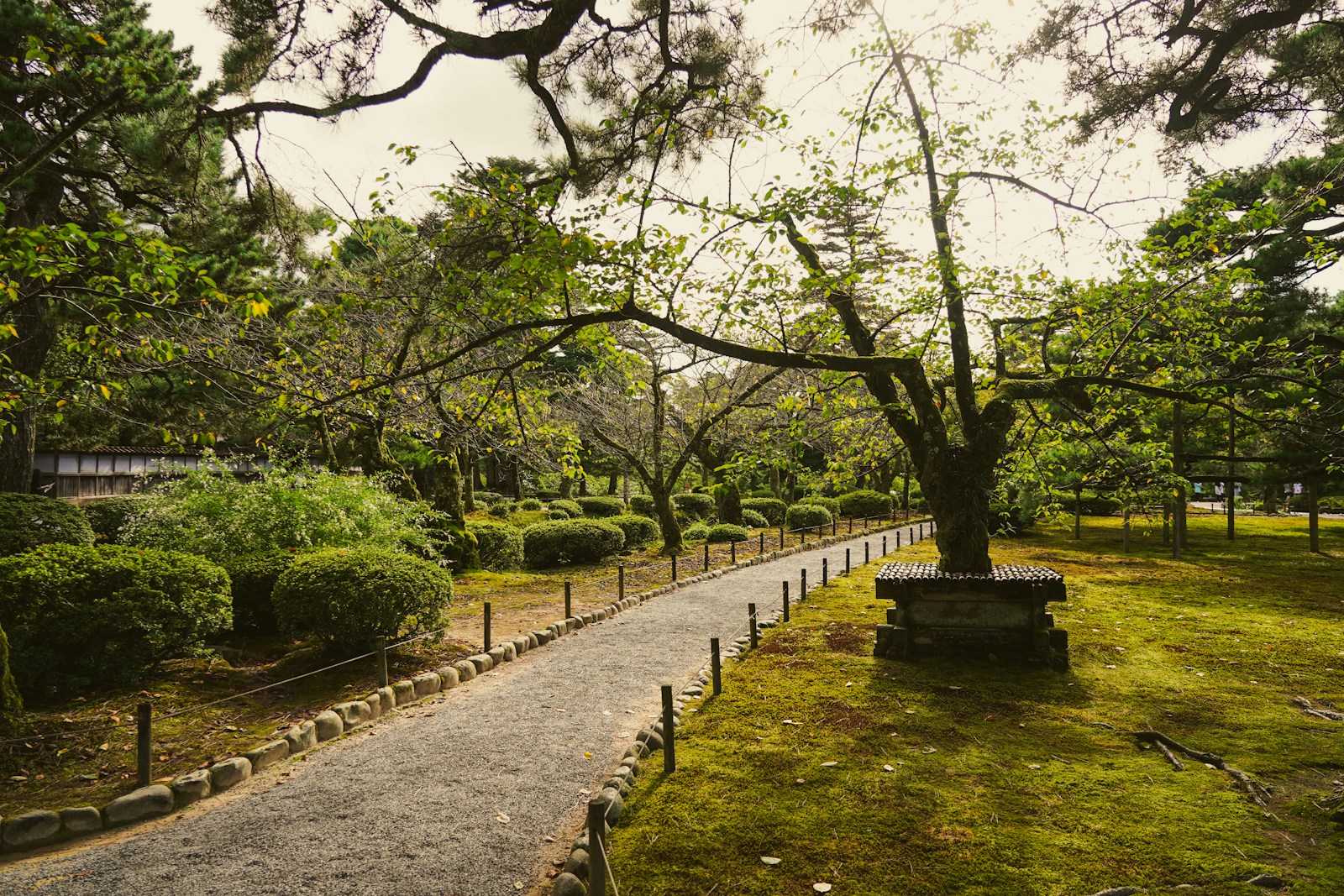
Kanazawa, Matsue, Tottori, Tohoku: authentic Japan without the new taxes
Kanazawa (金沢) — Nicknamed « Little Kyoto », this city in Ishikawa Prefecture offers exceptional architectural heritage spared from WWII bombing. Its Kenroku-en garden — ranked among Japan’s top three — historic geisha districts (Higashi Chaya, Kazue-machi), and gold leaf workshops (Kanazawa produces 99% of Japan’s output) make it uniquely remarkable. Daily budget: ¥8,000–¥15,000, significantly lower than Kyoto.
Matsue and Shimane Prefecture (松江) — Japan’s least-visited prefecture draws less than 0.2% of foreign visitors. Matsue, set between the Sea of Japan and two lakes, has an intact feudal-era castle, the Izumo Taisha shrine (dedicated to the deity of connections), and a Hokusai museum with 1,600 works from just ¥300. Accessible in 2h40 from Okayama.
Tottori Prefecture — Japan’s only sand dunes, Mount Daisen (the « other Fuji »), an annually renewed sand sculpture museum, and dramatic coastline offer total escapism. Zero foreign tourists, zero overtourism taxes, free access to the dunes.
Tohoku Region — In northern Honshu, Aomori, Akita, Iwate, and Miyagi prefectures hold legendary festivals (Aomori Nebuta, Akita Kanto in August), mountain hot springs, and authentic rural hospitality. No new tourist taxes, prices 30–40% lower than the Tokyo–Kyoto–Osaka triangle.
Why these destinations in 2026?
- None of the new overtourism taxes (Kyoto lodging, Fuji permit, Himeji dual pricing) apply in these regions
- Daily budget 30–50% lower than major tourist cities
- JR East Pass (Tohoku) and regional passes cover these destinations efficiently
9. Complete Japan 2026 Budget: Factor in All New Taxes
Everything to budget for a trip to Japan in 2026
In 2026, the yen remains historically weak against the euro and dollar (€1 ≈ ¥155–165). The cost of daily life is approximately 14% lower than in France. However, the new 2026 taxes must now be factored into your budget.
Summary of new 2026 taxes
| Tax | Amount | When | Who |
|---|---|---|---|
| Departure tax | ¥3,000/person (~$20) | From July 2026 | Everyone |
| Deferred tax-free | Airport refund | From November 2026 | Tax-free shoppers |
| Kyoto lodging (mid) | ¥400–¥1,000/night/person | From March 2026 | Hotels ¥6,000–¥50,000 |
| Kyoto lodging (luxury) | ¥10,000/night/person (~$65) | From March 2026 | Ryokan ¥100k+ |
| Himeji entry (tourist) | ¥2,500 (~$17) | Since March 2026 | Non-residents |
| Mount Fuji permit (Yoshida) | ¥4,000 (~$27) | Summer season | Hikers |
| Fuji-Kawaguchiko lodging | ¥100/night | 2026 | Local accommodations |
Daily budget by traveler type (excluding new taxes)
- Budget: $85–$110/day — hostel, public transport, local restaurants
- Comfort: $160–$270/day — 3-star hotel, mix of restaurants
- Luxury: $425+/day — ryokan, Michelin-starred dining, private driver
Best budget periods in 2026
- January–February: Fewer tourists, low prices, Japanese New Year events
- Mid-May to mid-June: After Golden Week, before rainy season — excellent value
- September: After summer crowds, before autumn foliage visitors — ideal
Practical info for your trip to Japan
Stay connected from the moment you land in Tokyo or Osaka. Instant activation, 4G/5G data, no physical SIM needed.
From $5Medical and trip cancellation coverage for your Japan trip. The Japanese government is considering mandatory travel insurance for foreign visitors by 2028.
From $1.50/dayFAQ — Frequently asked questions about Japan 2026
Do US/UK/EU citizens need a visa for Japan in 2026?
No. In 2026, citizens of the US, UK, EU countries, Canada, and Australia remain visa-exempt for tourist stays under 90 days in Japan. A valid passport is all you need. The JESTA (Japan’s electronic travel authorization, similar to the US ESTA) will not be mandatory until 2028 and is not required for 2026 travel.
Does the Tax-Free system still work in Japan in 2026?
Yes, until October 31, 2026. Until that date, the instant in-store tax refund remains in force for eligible purchases over ¥5,000. From November 1st, 2026, the new system requires tourists to pay the 10% consumption tax at purchase, then claim a refund at customs when departing Japan. Plan extra time at the airport if you travel after November 2026.
Is the JR Pass still worth it in 2026?
It depends entirely on your itinerary. The 7-day JR Pass at ¥50,000 (~$325) pays off if you chain long Shinkansen journeys (e.g., Tokyo–Hiroshima–Kyoto–Tokyo). For a trip limited to two or three nearby cities, individual tickets or regional passes (JR Kansai-Hiroshima, JR East Tohoku) are often cheaper. Calculate your routes on Jorudan or NaviTime before purchasing.
How much does a 2-week trip to Japan cost in 2026?
For 14 days in Japan in 2026, budget $2,200–$6,000 per person all-in (flights + accommodation). Breakdown: flights $550–$1,300, accommodation $550–$2,700, local transport $220–$550, food $330–$1,100, activities $110–$550. The most common comfortable budget is around $3,300–$3,800. Add the 2026 new taxes (departure, lodging, entry fees) based on your specific itinerary.
Is dual tourist/resident pricing widespread in Japan in 2026?
It’s rapidly expanding. Himeji Castle made it official in March 2026 (¥2,500 for non-residents vs. ¥1,000 for local residents). The Japan Tourism Agency is studying an extension to other major sites. In 2026, it remains limited to a few pioneering sites, but the trend is clearly toward broader adoption in the coming years.
What’s the best time to visit Japan to avoid crowds AND the new taxes?
Aim for May–June (after Golden Week, before the rainy season) or September–October. Avoid cherry blossom season (late March–April) and autumn foliage (mid-November) when new lodging taxes and crowds peak simultaneously. Explore alternative regions (Kanazawa, Matsue, Tohoku, Tottori) that have not yet introduced the new tourist surcharges.
Is travel insurance required for Japan in 2026?
Not yet mandatory in 2026, but strongly recommended. The Japanese government is considering requiring private health insurance for foreign visitors as part of its anti-overtourism measures. Japanese healthcare is excellent but can be very expensive without coverage. Travel insurance is especially prudent if you plan to hike (Mount Fuji, Japan Alps) or engage in outdoor sports.
Is it better to visit Japan in 2026 or wait until 2027–2028?
2026 is still the most advantageous year on all fronts: weak yen, no JESTA, departure tax still ¥1,000 until July, instant tax-free until November. In 2028, JESTA will be mandatory (~$20 extra), rail prices will have continued rising, and the yen may have strengthened. If you’re on the fence, go in 2026 — and don’t limit your itinerary to just the « Golden Route » Tokyo–Kyoto–Osaka.
Sources and references
- The Japan Times — Japan to triple departure tax to combat overtourism
- Fox News — Kyoto: tourist tax up to $65 per night
- Newsweek — Dual pricing for tourists in Japan
- AFAR — Mount Fuji and Gion, Kyoto quotas
- Japan Experience — JR fare increases 2026
- VisasNews — Japan JESTA electronic travel authorization
- Travel And Tour World — Japan departure tax tripling 2026
- The Japanist — 2026 Japan Travel Costs: Hidden Taxes & Fees Guide
- Le Routard — JR Pass: major fare increase
- JNTO — Japan National Tourism Organization
Ready to plan your Japan trip in 2026?
Explore our Japan itineraries, crafted by our passionate community of travelers.
Browse Japan itineraries