

Japan in 2026 is not the Japan of 2019. After the post-pandemic reopening and Osaka Expo 2025, the archipelago has undergone profound changes. The yen remains historically weak against the euro and dollar, offering unprecedented purchasing power to international travelers. But this windfall comes with new realities: JR Pass price increases, tax-free system reforms, and anti-overtourism measures at iconic sites. This comprehensive guide gives you all the keys to prepare a successful trip to the Land of the Rising Sun.
1. Entry Requirements: Visa and Visit Japan Web
Visa Exemption for EU/US Citizens
Good news for international travelers: no visa is required for tourist stays of less than 90 days for most Western countries. However, procedures have gone digital. The Visit Japan Web service has become essential for pre-registering your immigration and customs information.
This portal generates QR codes that significantly speed up border crossing. While the Japanese government is preparing the JESTA system (similar to the US ESTA) for 2030, the current visa exemption system remains in effect in 2026.
Key Points
- Register 1-2 weeks before your departure
- Beware of fraudulent paid sites (the official service is free)
- Take a screenshot of your QR codes before departure
2. JR Pass 2026: The New Transportation Reality
+70%: The National JR Pass Is No Longer Worth It
Since the massive 70% increase in October 2023, the national JR Pass (~50,000 JPY for 7 days) is no longer cost-effective for a classic Tokyo-Kyoto-Tokyo itinerary. The winning strategy in 2026: mix Regional JR Passes with individual tickets.
Recommended Regional Passes
- JR West Kansai-Hiroshima Pass (5 days, ~17,000 JPY): Osaka, Kyoto, Hiroshima, Miyajima. Unbeatable value.
- JR East Tohoku Pass (5 days, ~30,000 JPY): Tokyo to the north (Sendai, Aomori).
- Hayatoku Tickets: 20-30% discounts on Shinkansen booked 30 days in advance.
For local travel, IC cards (Suica, Pasmo, Icoca) are available again since March 2025 after the semiconductor shortage. The digital version on iPhone (Apple Wallet) is the standard.
3. Budget 2026: How Much Should You Plan?
The Weak Yen: Your Ally (But Watch for Inflation)
In 2026, the exchange rate remains favorable to Western travelers. However, Japanese inflation has pushed accommodation prices up by +30% compared to 2019. The good news: eating out remains very affordable.
Daily Budget Per Person
| Category | Budget | Comfort | Luxury |
|---|---|---|---|
| Accommodation | $55-85 USD | $110-195 USD | $325+ USD |
| Food | $22-33 USD | $44-75 USD | $165+ USD |
| Transport | $16-27 USD | $33-55 USD | $87+ USD |
| Total/day | $93-145 USD | $185-325 USD | $580+ USD |
Important Change: New Tax-Free System
Starting November 2026, the Tax-Free system is evolving: VAT (10%) will no longer be deducted at checkout, but refunded at the airport. Plan extra time at departure and keep your receipts.
New since July 1, 2026: the International Tourist Tax (departure tax) rises from 1,000 to 3,000 yen per departure from Japan. Transitional rules apply to tickets bought before that date, so ask your airline which rate applies to your ticket.
For the full picture of the 2026 changes for tourists (tax-free, JR Pass, site quotas), read our Japan 2026 changes for tourists.
4. Tokyo: What’s New in 2026
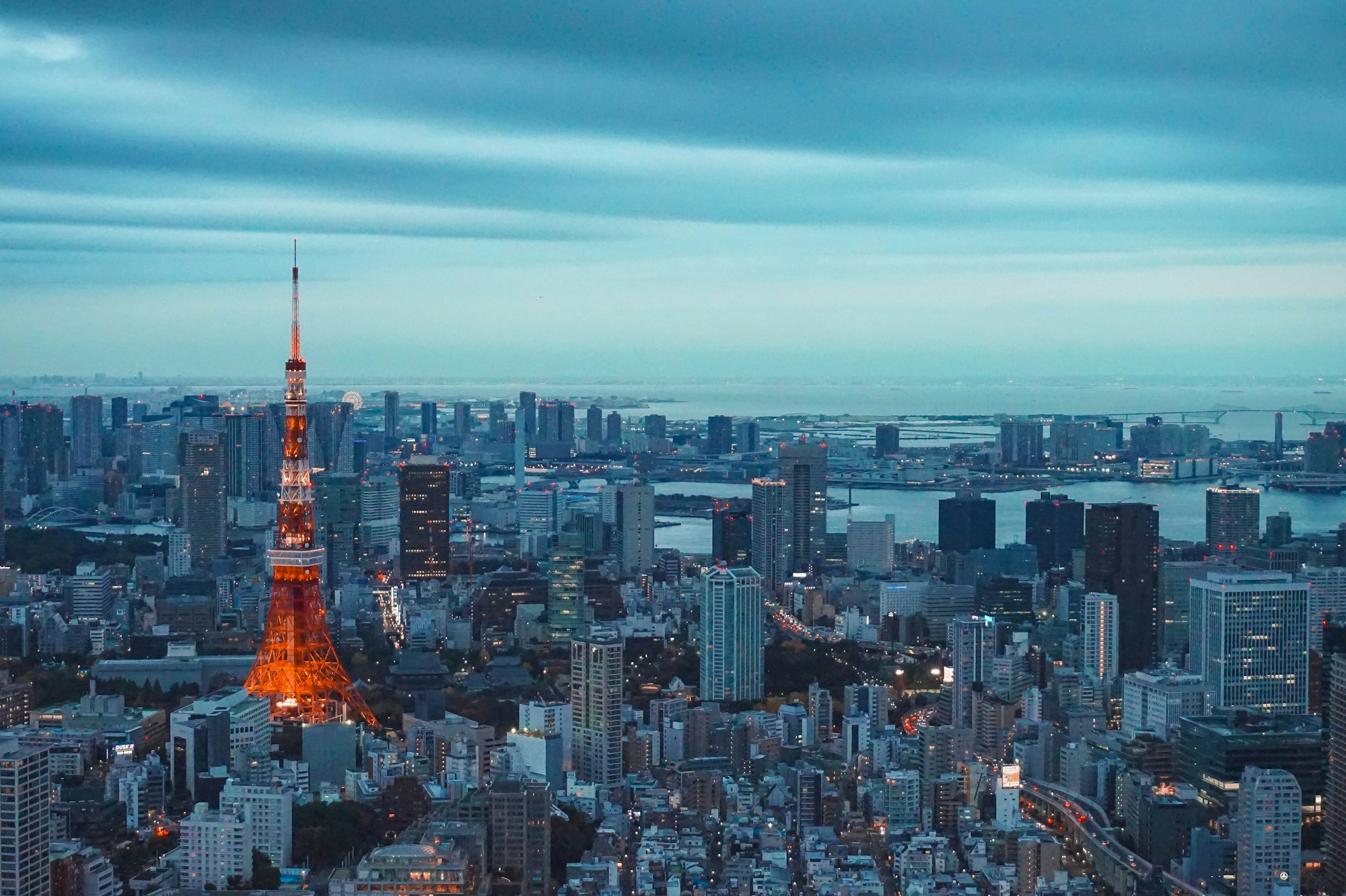
The Capital in Constant Evolution
Tokyo continues to reinvent itself. Azabudai Hills, inaugurated in late 2023, has become the new cultural hub with teamLab Borderless relocated there. The Toyosu district now houses the legendary fish market and a new gastronomic complex (Senkyaku Banrai).
2026 Highlights
- PokePark Kanto (February 2026): World’s first immersive Pokemon park
- MoN Takanawa (March 2026): Ultra-modern new district near Shinagawa
- teamLab Borderless: Reopened at Azabudai Hills with new installations
Emerging Neighborhoods
Beyond Shibuya and Shinjuku, explore Shimokitazawa (vintage culture), Koenji (live music), and Yanaka (preserved retro atmosphere). These neighborhoods offer a more authentic experience, away from tourist crowds.
5. Kyoto: Tradition Meets New Rules
The Former Imperial Capital
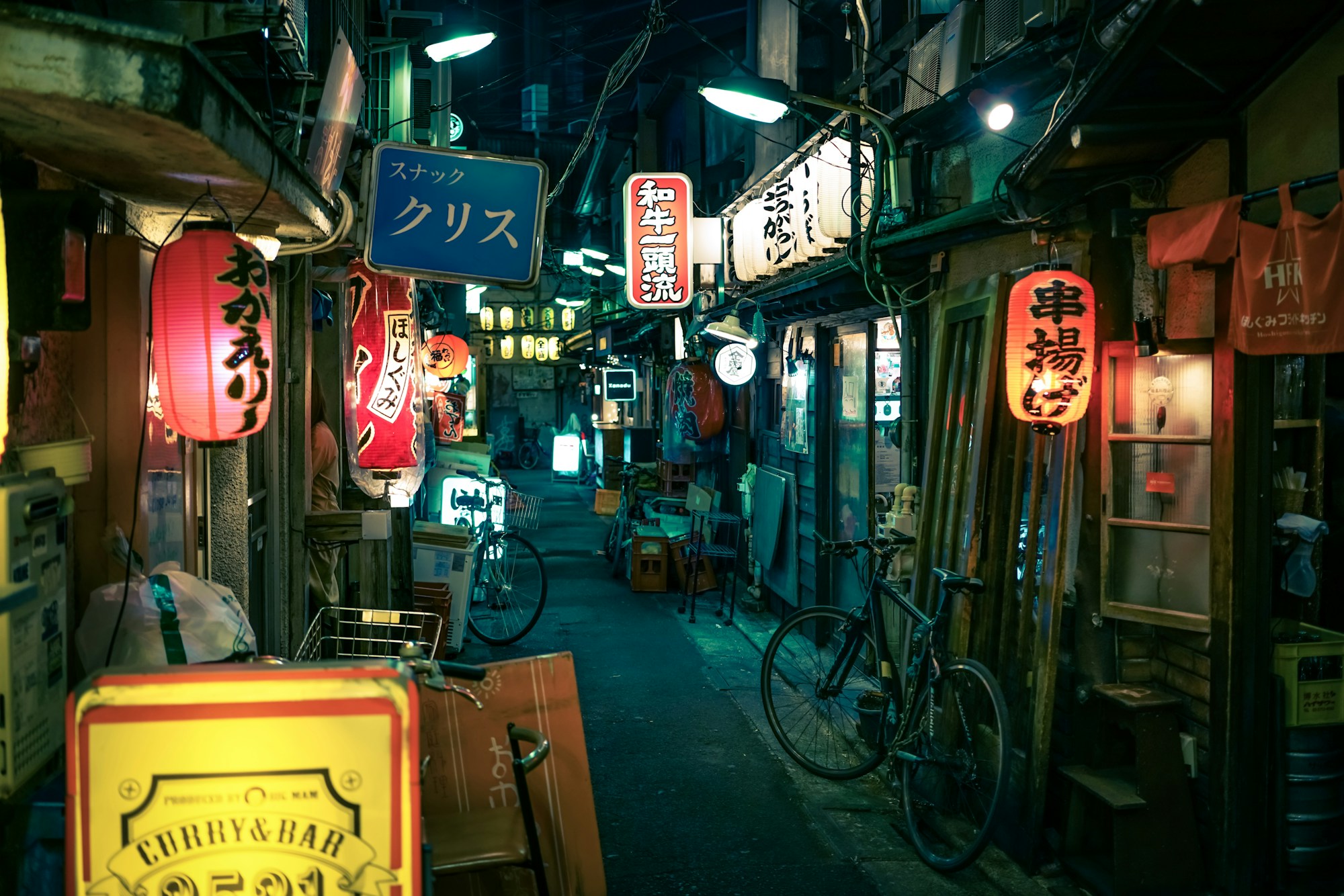
Kyoto remains a must-visit, but the city has taken measures against overtourism. The accommodation tax increases in March 2026 and photos are now prohibited and subject to fines in Gion’s alleyways to protect geishas.
Major New Attraction: teamLab Biovortex Kyoto
Opened in October 2025 near Kyoto Station, this new immersive museum offers an alternative to crowded sites. It’s an opportunity to discover teamLab’s digital art in an intimate setting.
Alternatives to Overcrowded Sites
- Fushimi Inari: Arrive before 7am or after 5pm to avoid crowds
- Arashiyama: Prefer the lesser-known Sagano bamboo forest
- Kinkaku-ji: Visit Ginkaku-ji (Silver Pavilion) instead, more peaceful
6. Osaka: Food and Theme Parks
The Street Food Capital
Osaka, nicknamed « Japan’s kitchen, » benefits from the legacy of Expo 2025 with new hotel and transportation infrastructure in the bay area. The atmosphere is more relaxed than Tokyo, and prices are gentler.
Major Highlight: Donkey Kong Country
Universal Studios Japan opened Donkey Kong Country in late 2024, increasing the park’s size by 70%. The mine cart roller coaster is revolutionary. Note: entry to Super Nintendo World requires a reserved time slot.
Must-Do Activities
- Dotonbori: The vibrant heart of Osaka, perfect for nighttime street food
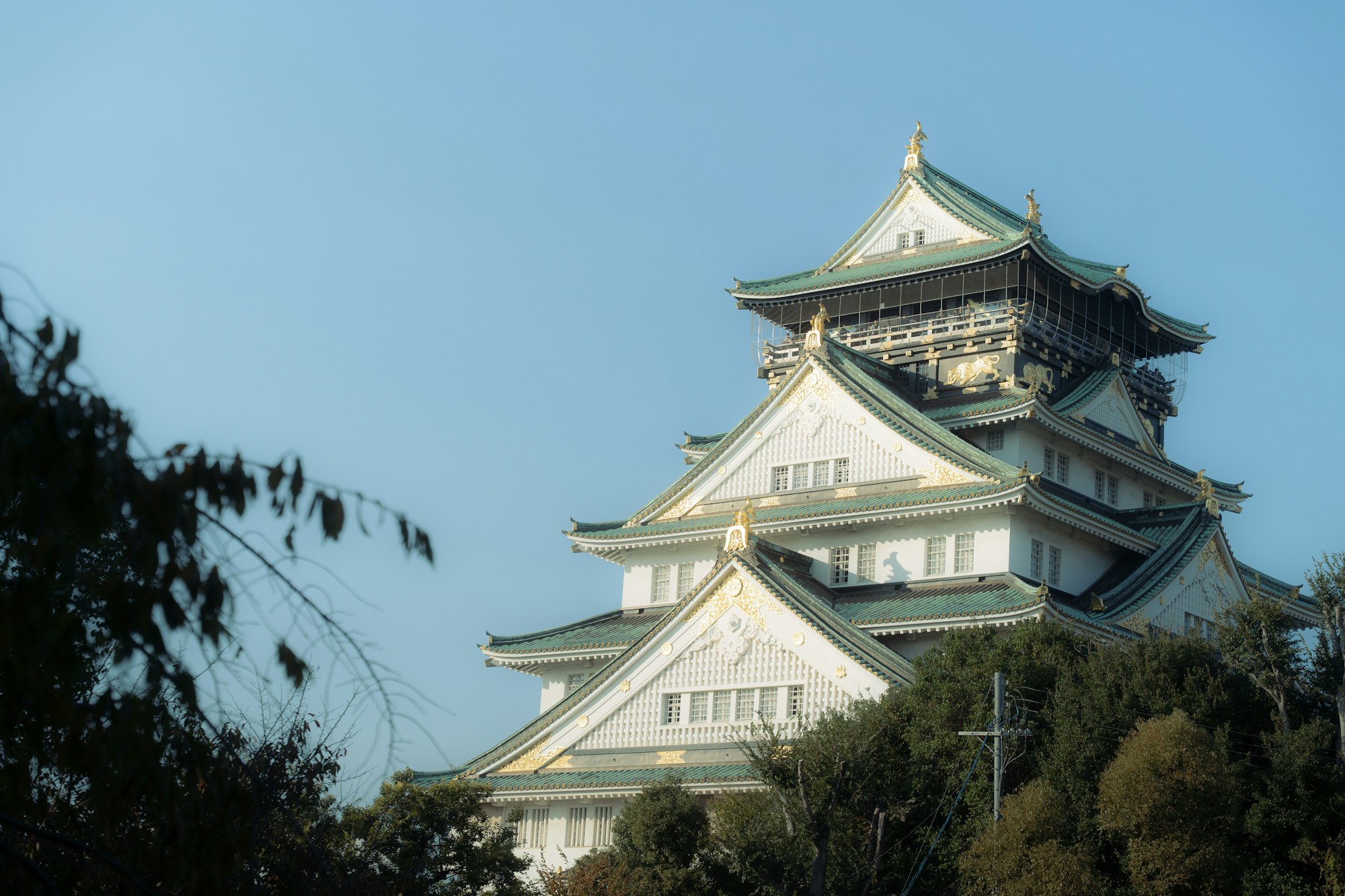
- Osaka Castle: Panoramic views and historical museum
- Nintendo Museum Uji (October 2024): 30 min away, dive into Nintendo history
8. When to Go? Best Times to Visit in 2026
Every Season Has Its Charm
Spring (March-May): Sakura
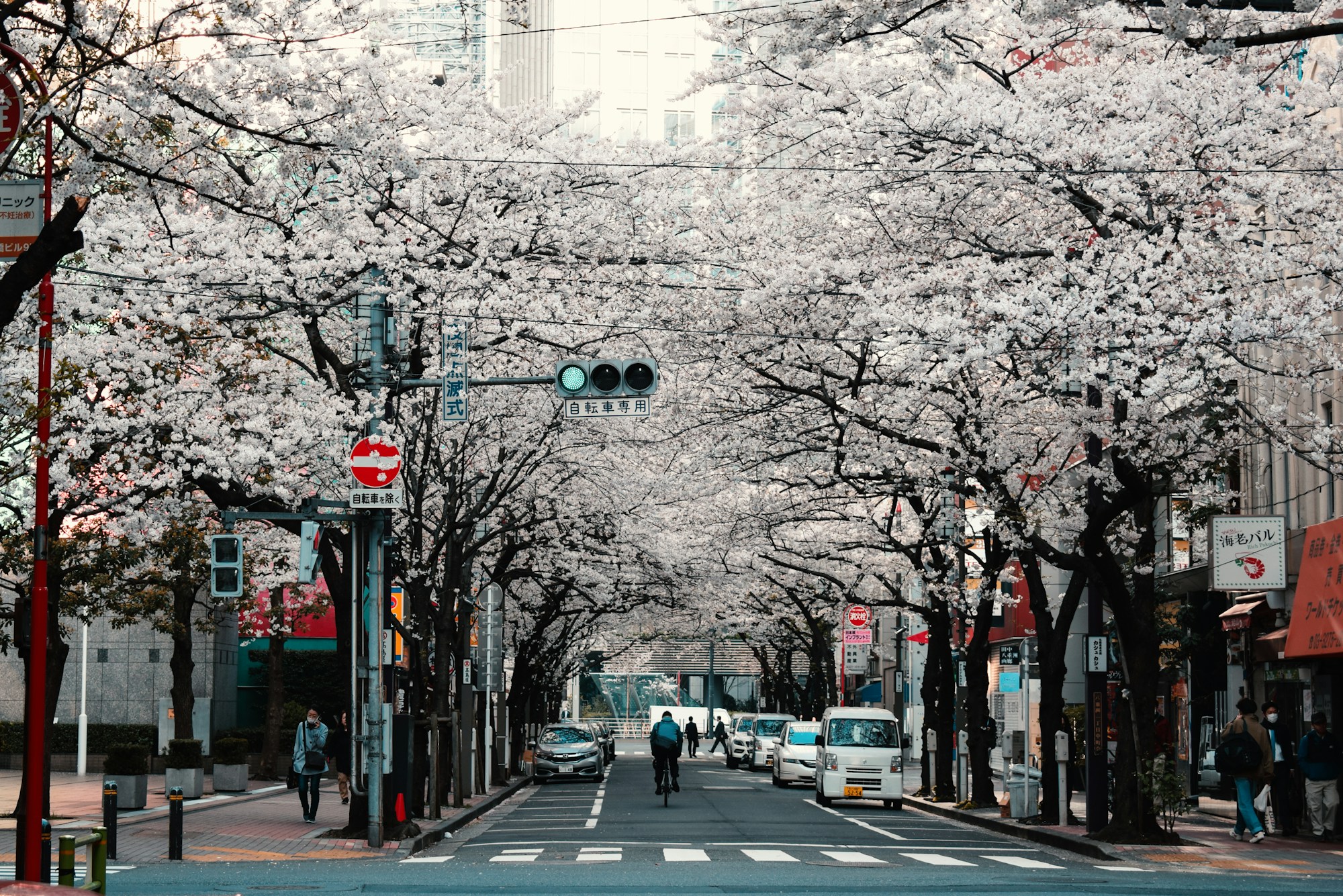
The most popular period. Cherry blossoms bloom from south to north between late March and early May. Book 6 months in advance for this period. Prices are at their highest.
Autumn (October-November): Momiji
Maple trees turn red and gold. Less crowded than spring, autumn offers ideal weather and spectacular landscapes, especially in Kyoto and the Japanese Alps.
Winter (December-February): Onsen and Snow
Prices are at their lowest (except New Year’s). It’s the ideal season for mountain hot springs, ski resorts in Hokkaido and Nagano, and winter cuisine (crab, hotpot).
Times to Avoid
- Golden Week (April 29 – May 5): Japanese travel en masse, prices and crowds at maximum
- Obon (mid-August): Return to ancestral villages, saturated transport
- Tsuyu (June): Rainy season, intense humidity except in Hokkaido
9. Practical Tips for International Travelers
Everything You Need to Know Before You Go
Connectivity
eSIM is king in 2026. Services like Ubigi or Airalo offer 10 GB for ~$16 USD without physical hardware. Pocket WiFi remains useful for families. 5G service is available in all major cities.
Essential Apps
- Google Maps: Transport and reviews, works perfectly in Japan
- Japan Official Travel App (JNTO): Emergencies and free Wi-Fi spots
- VoiceTra: Ultra-precise voice translation (developed by the Japanese government)
- Ecbo Cloak: Store your luggage in shops when lockers are full
Essential Etiquette
- Don’t talk on the phone on public transport
- Remove your shoes before stepping on tatami
- Never stick your chopsticks upright in rice (funeral symbol)
- Keep a small bag for your trash: bins are rare
Tattoos and Onsens
Getting better, but still complicated. More and more establishments accept small tattoos covered with a patch. Look for « Tattoo Friendly » onsens or rent a private bath (kashikiri).
10. Ready to Go? Discover Our Osaka-Kyoto Itinerary
Creative 12-Day Osaka and Kyoto Journey
Want a turnkey itinerary? Our 12-day journey takes you to discover Osaka and Kyoto with a focus on art, crafts, and Japanese creativity. Selected accommodations, bookable activities, optimized transport.
Discover the Full ItineraryFrequently Asked Questions
Do I need a visa for Japan in 2026?
No, citizens from most Western countries benefit from visa exemption for tourist stays of less than 90 days. Registration on Visit Japan Web is recommended to speed up border crossing.
Is the JR Pass still worth it in 2026?
Rarely for a classic first trip (Tokyo-Kyoto-Osaka). After the 70% increase in 2023, the national pass (~$340 USD for 7 days) is only worth it for very long journeys. Prefer regional passes like the JR West Kansai-Hiroshima Pass (5 days, ~$115 USD).
What budget should I plan per day in Japan?
Plan $93-145 USD/day budget style (hostel, konbini, bus), $185-325 USD/day comfort (3* hotel, local restaurants, trains) and $580+ USD/day luxury (ryokan, kaiseki). The weak yen remains favorable to Western travelers in 2026.
When is the best time to visit Japan?
Spring (March-May) for cherry blossoms and autumn (October-November) for maple leaves are the most popular. Winter offers low prices and mountain onsen experiences. Avoid Golden Week (April 29 – May 5) and Obon (mid-August).
How long should I stay in Japan?
A minimum of 10-14 days is recommended for a first trip covering Tokyo, Kyoto, and Osaka. To explore off-the-beaten-path destinations (Shikoku, Tohoku, Kyushu), plan 3 weeks. A month allows for complete immersion.
Do I need cash in Japan?
Yes, always. While contactless payment is progressing, many small restaurants, temples, and IC card machines require cash. 7-Eleven ATMs (Seven Bank) accept all international cards.
Can I travel with tattoos in Japan?
The situation is improving but remains complicated for traditional onsens. More establishments accept small tattoos covered with a patch. Look for « Tattoo Friendly » onsens or rent a private bath (kashikiri). In daily life, tattoos pose no problem.
Do I need to book restaurants in advance?
For gourmet or popular restaurants in Tokyo and Kyoto, yes, sometimes 1-2 months in advance via sites like TableCheck or Omakase. For regular meals (ramen, izakaya), it’s not necessary but expect to queue during peak hours.
Sources
- Digital Agency Japan – Visit Japan Web – Official Japan entry portal
- Japan Rail Pass Official – JR Pass rates and conditions
- Japan Guide – JR Pass Calculator – Cost-effectiveness calculator
- Japan National Tourism Organization – Official tourism office
- Visit Kanazawa – Kanazawa tourism office
- Visit Kyushu – Kyushu tourism office
- Ine Tourism Association – Official Ine guide
- Japan Guide – Iya Valley – Iya Valley guide
- Yakushima Tourism Association – Yakushima tourism office
Research conducted on February 2, 2026
Plan Your Trip to Japan
Discover hundreds of detailed itineraries created by our community of travelers. From classic Tokyo-Kyoto to hidden destinations, find inspiration for your next journey.
Explore All Itineraries