
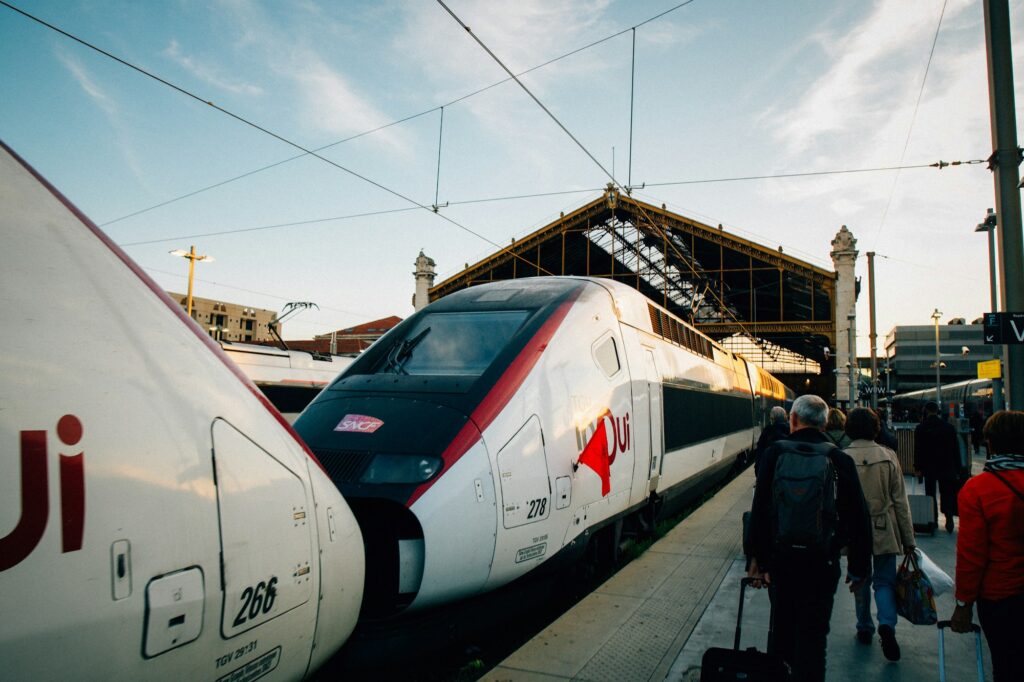
The TGV M (Avelia Horizon) makes its inaugural trip on November 6, 2026, on its first route, from Paris Gare de Lyon to Marseille. One trainset can carry up to 740 passengers in its maximum configuration, and the train is 97% recyclable.
Checked on
On November 6, 2026, a new era begins for train travel in France. Known as the TGV M or Avelia Horizon, the brand-new fifth-generation TGV InOui will welcome its first passengers on the Paris-Lyon-Marseille line. With 740 seats, 5G WiFi connectivity, an unprecedented backup battery system, and 97% recyclable materials, this train represents France’s largest rail renewal programme in thirty years: 3.5 billion euros, 115 trainsets ordered from Alstom, and over one million kilometres of testing. From its eco-responsible design to the new Le Bistro bar car, enhanced accessibility, and the rollout schedule to Italy and Belgium, here is everything you need to know about the train that will transform your travels.
1. Avelia Horizon — the 5th generation TGV
An unprecedented industrial programme
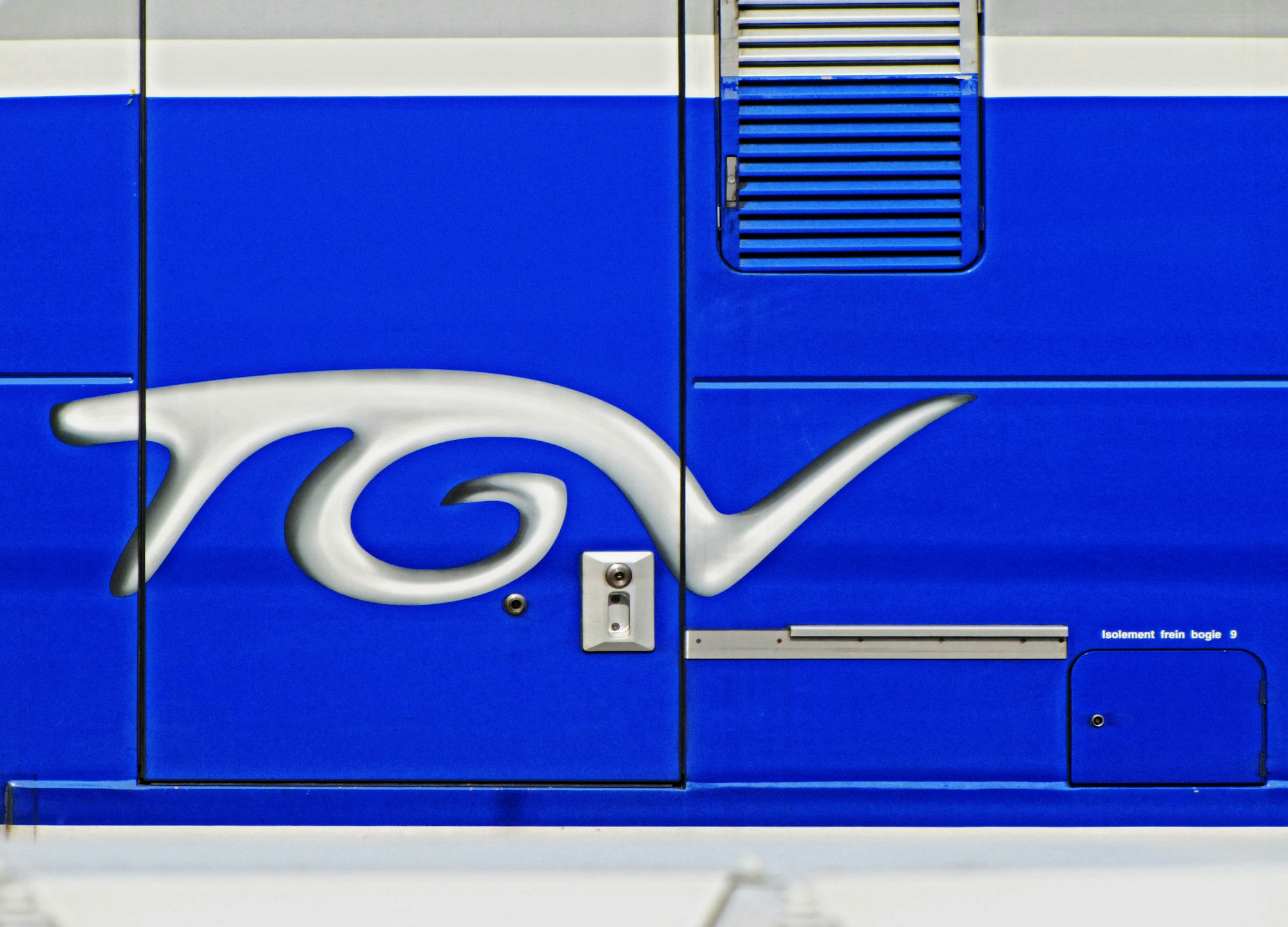
The TGV M story dates back to 2015-2016, when SNCF launched a tender to design the successor to the TGV Duplex. According to SNCF Group, Alstom was selected and signed an initial order worth 2.7 billion euros in 2018. The programme subsequently expanded to 115 trainsets for a total of 3.5 billion euros, making the Avelia Horizon the largest rail contract ever awarded in France.
Manufacturing involves 11 Alstom sites spread across France, from La Rochelle (body assembly) to Belfort (bogies), via Villeurbanne (power electronics) and Tarbes (traction). More than 4,000 direct jobs are involved, not counting subcontractors. As reported by Wikipedia, the programme is a cornerstone of France’s rail industry.
Before carrying a single passenger, the TGV M will have covered one million kilometres of testing — an absolute record in TGV history. These tests, conducted at the Velim test circuit in the Czech Republic and then on the French network, cover traction, braking, dynamic behaviour, ERTMS signalling, and climate resilience. The train was originally due to be ready for the 2024 Paris Olympics, but delays during the certification phase pushed the launch back to November 6, 2026.
2. 740 seats and modular architecture
A one-of-a-kind double-deck TGV
The TGV M goes from 8 to 9 carriages, a first in double-deck TGV history. This additional carriage, combined with optimised interior space, delivers a 20% increase in capacity compared to the current TGV Duplex. According to SNCF Group, the trainset can accommodate up to 740 passengers in its maximum configuration (intended for Ouigo) or around 600 seats in the InOui version fitted with the Le Bistro bar car.
The major innovation lies in the modular interior architecture. The seats and fittings are designed to be reconfigured in just half a day. In practice, SNCF can convert a first-class carriage into second class — or vice versa — depending on seasonal demand. This unprecedented flexibility allows the offering to be tailored precisely to needs: more first class on weekday business routes, more second class at weekends and during holidays.
At 202 metres long, the TGV M remains compatible with all platforms on the French network. In multi-unit configuration (two coupled trainsets), the train can carry over 1,000 passengers, making it the highest-capacity double-deck high-speed train in the world. According to Railway Technology, no other manufacturer currently offers a double-deck TGV with such modularity.
- +20% capacity thanks to the 9th carriage and optimised space
- 1st/2nd class modularity reconfigurable in half a day
- Full compatibility with the existing high-speed network and 202 m platforms
- Multi-unit operation: two coupled TGV M trainsets for over 1,000 passengers
3. 5G WiFi, USB ports and multimedia portal
Connected from departure to arrival
No more unreliable WiFi on current TGVs. The new TGV InOui features 5G WiFi connectivity designed to support simultaneous video streaming on hundreds of devices. According to Ulysse, the network infrastructure has been completely redesigned with multi-band antennas and signal amplifiers built into the windows, maintaining a stable connection even at 320 km/h.
Every seat has a power outlet and a USB port. A mini smartphone holder is built into the back of the seat in front, allowing you to watch a film or join a video call hands-free. The free multimedia portal includes a library of films, series, podcasts and newspapers accessible without an internet connection, streamed directly from the onboard server.
Another welcome addition: the ability to order from the bar car online from your seat via the TGV InOui app, and either have it delivered or be notified when your order is ready. No more queuing in the corridor between carriages.
4. The « Graft » battery — no more breakdowns in the middle of nowhere
A world first in rail history
This is arguably the most spectacular innovation of the TGV M: the « Graft » backup battery, a world first for a high-speed train. According to SNCF Group, these onboard batteries allow the train to reach the nearest station under its own power in the event of a catenary power failure. Gone is the nightmare of a TGV stranded in open countryside for hours, without air conditioning or lighting.
Beyond the backup battery, the TGV M incorporates over 400 technical innovations that make it considerably more energy-efficient. Overall electricity consumption is reduced by 20% compared to the TGV Duplex, and consumption per seat drops by 30% thanks to the increased capacity. According to Mediarail, this is a significant gain considering SNCF operates around 450 TGVs on its network.
Regenerative braking is another major asset: during deceleration phases, the motors act as generators and feed energy back into the catenary. This recovered energy powers other trains running on the same network, creating a virtuous circle. According to Railway Technology, this technology, combined with improved aerodynamics and a lighter trainset, makes the TGV M one of the most efficient high-speed trains in the world.
- Graft battery: enough autonomy to reach the next station
- 400+ innovations integrated into the design
- -20% energy consumption compared to the current TGV Duplex
- Regenerative braking: braking energy is fed back into the grid
5. 97% recyclable — an eco-designed train
The greenest TGV ever built
The TGV M was designed from the outset with a fully integrated eco-design approach. According to SNCF Group, 97% of the trainset’s materials are recyclable at end of life, compared to around 90% for previous generations. Every component was chosen to minimise its environmental footprint over the train’s entire life cycle — approximately 40 years of operation.
The TGV M’s streamlined nose, longer and more aerodynamic than that of the Duplex, is not just for looks: it significantly reduces air resistance, directly contributing to the 20% drop in energy consumption. The innovation extends to the reflective exterior paint, a technology borrowed from the aerospace industry. This special coating reflects sunlight and limits body heat build-up, thereby reducing the strain on air conditioning in hot weather — a major source of energy use, particularly on the Mediterranean routes in summer.
To accommodate and maintain these new trainsets, SNCF is investing 300 million euros in upgrading its Technicentres, the maintenance workshops spread across the country. New onboard diagnostic tools will enable predictive maintenance, reducing downtime and optimising trainset availability. The TGV M is a central pillar of SNCF’s decarbonisation strategy, which aims to cut CO2 emissions by 50% by 2030.
6. Reimagined comfort — Le Bistro, bikes and accessibility
A design by AREP and Nendo
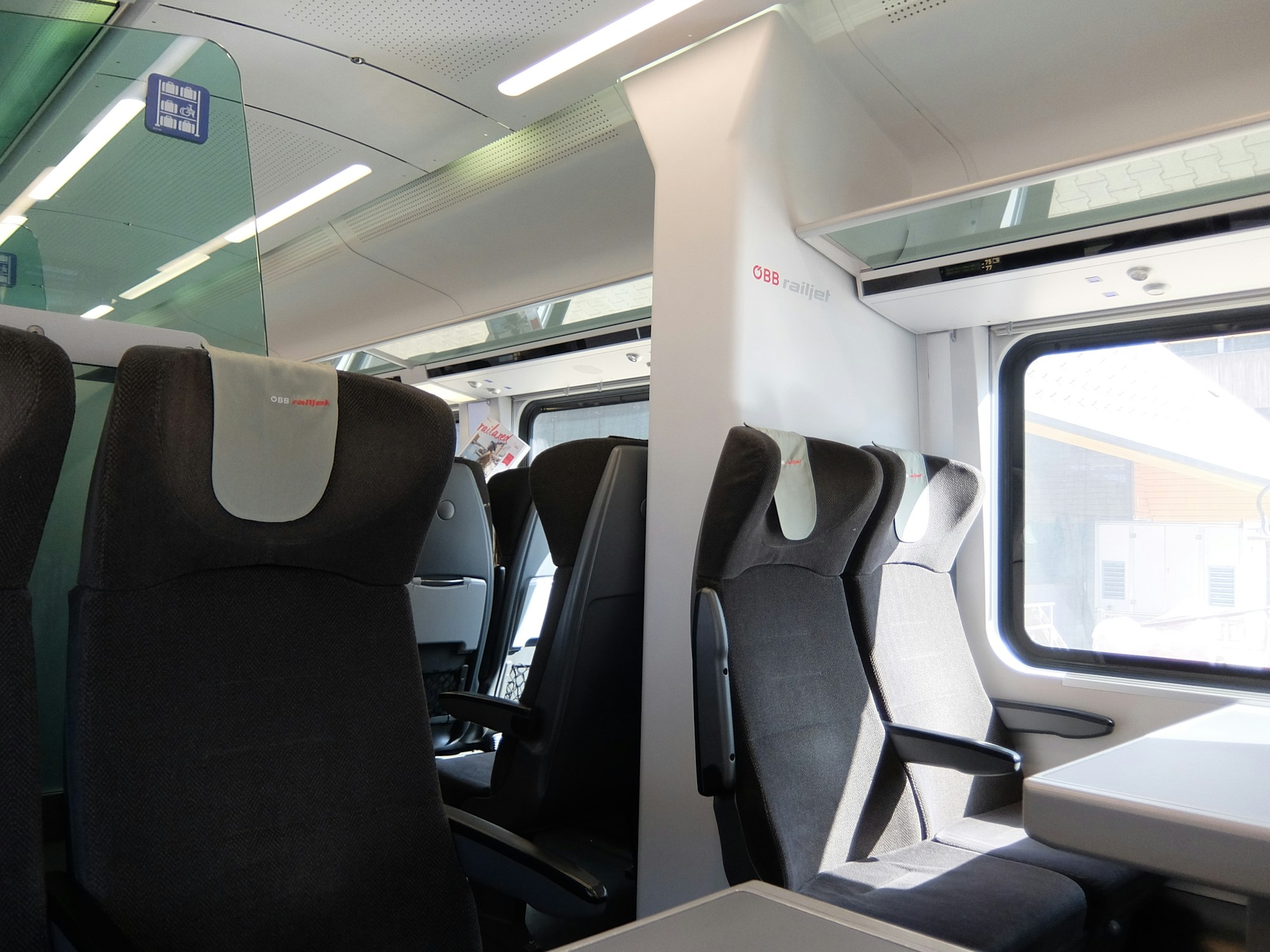
The « Flow » interior concept was developed jointly by French architecture firm AREP (an SNCF subsidiary) and the prestigious Japanese studio Nendo, led by designer Oki Sato. According to RailwayPro, the goal was to create an airy, flowing space, removing visual barriers between levels and encouraging the natural movement of passengers.
The seats underwent meticulous development. Upholstered in a 3D fabric made from 85% wool, they were tested on 125 different body types to ensure optimal comfort for all builds. Designed for a 30-year lifespan, they feature an enlarged tray table, a cup holder, and the smartphone holder mentioned earlier. According to Déplacements Pros, the seating is noticeably more comfortable than on the current Duplex trains, with better lumbar support.
Le Bistro: a reinvented bar car
The bar car gets a new name and a new dimension: Le Bistro now spans two levels and offers 28 seated places. On the menu: a barista area with speciality coffee, touchscreen ordering kiosks to skip the queues, and a self-service fridge stocked with sandwiches, salads and cold drinks. It is a genuine social space on board, designed for lunch breaks as well as informal work.
Bikes and accessibility
Cyclists will be delighted: the TGV M has 3 bike areas accommodating up to 8 fully assembled bikes, compared to the often non-existent or limited space on current Duplex trains. Accessibility takes a major leap forward with 5 wheelchair spaces (up from 2 previously), an integrated autonomous lift for boarding, and larger adapted toilets. According to Faire-face.fr, disability organisations have welcomed these improvements, while remaining vigilant about effective implementation at stations.
7. Prices, tickets and money-saving tips
No extra cost for passengers
Good news: travelling on the new TGV M will not cost any more. SNCF has confirmed that the InOui fare structure remains unchanged. Whether you end up on a new-generation trainset or a classic TGV Duplex, the ticket price will be the same for any given route, date and class. The 3.5 billion euro investment is absorbed by SNCF’s overall modernisation plan.
Indicative fares
| Route | Prem’s (from) | Standard (full fare) | Duration |
|---|---|---|---|
| Paris → Lyon | ~€20 | ~€60-100 | ~2h |
| Paris → Marseille | ~€25 | ~€80-130 | ~3h15 |
To get the best fares, the strategy remains the same: book as early as possible. Prem’s tickets, which are non-exchangeable and non-refundable, offer the lowest prices. Standard-fare tickets are changeable and refundable free of charge up to 7 days before departure. According to SNCF Connect, sales typically open between 4 and 6 months before the travel date.
Discount cards
- Carte Avantage (€49/year): guaranteed -30% for you and up to 3 companions
- Carte Liberté (€399/year): -45% on full fares in 1st and 2nd class, ideal for frequent travellers
- Youth fares: -30% for 12-27 year olds with the Carte Avantage Jeune
- Senior fares: -30% for over-60s with the Carte Avantage Senior
8. Where and when — the rollout schedule
A phased rollout from 2026 to 2031
Phase 1: the Paris-Lyon-Marseille route (autumn 2026)
The first trainsets will enter service on November 6, 2026 on France’s busiest line: Paris-Lyon-Marseille. According to voyages-d-affaires.com (October 15, 2026), SNCF reportedly had seven trainsets by mid-October 2026 and plans thirteen by the end of 2026. The delivery pace will then accelerate to 12 trainsets per year from 2027.
Phase 2: Italy (September 2027)
The TGV M will cross the Alps from September 2027. SNCF plans 13 daily return services serving 10 Italian cities, including Milan, Turin, Genoa and Rome. This is a major commercial offensive in Italy, a market previously dominated by Trenitalia and Italo. According to Déplacements Pros, the TGV M trainsets destined for Italy will be configured bilingually with signage and announcements in both French and Italian.
Phase 3: Brussels and international routes
SNCF has placed an additional order for 15 quad-voltage trainsets from Alstom for 600 million euros. These trainsets, capable of running on four different electrical supply systems, are intended for services to Brussels and potentially other northern European destinations. Delivery is expected between 2028 and 2029.
What comes next?
| Programme | Timeline | Details |
|---|---|---|
| Eurostar Celestia | 2031 | 30 trains, €2 bn, replacing e300/e320 |
| Velvet/Proxima | 2028 | 12 trainsets for the Atlantic route (Paris-Bordeaux) |
| ONCF Morocco | 2029-2030 | 18 trains Tangier-Marrakech, Alstom export |
The Avelia Horizon platform is thus set to become the backbone of France’s high-speed network and to be exported internationally, confirming Alstom’s leadership in the double-deck TGV segment.
9. Current TGV Duplex vs new TGV M — the comparison
| Criterion | Current TGV Duplex | New TGV M |
|---|---|---|
| Carriages | 8 | 9 |
| Capacity | ~630 seats | 740 seats |
| WiFi | 4G | 5G streaming |
| USB | Not standard | USB-A/C per seat |
| Energy consumption | Baseline | -20% |
| Recyclability | ~90% | 97% |
| Backup battery | No | Yes (Graft) |
| Bike spaces | Limited | 8 fully assembled |
| Wheelchair spaces | 2 spaces | 5 spaces + lift |
| Bar car | Standard bar | Le Bistro, 2 levels, 28 seats |
| Launch | — | November 6, 2026 |
Practical info for your trip
Frequently asked questions about the new TGV InOui 2026
When will the new TGV InOui enter service?
The new TGV M (Avelia Horizon) will make its inaugural trip on November 6, 2026 on the Paris-Lyon-Marseille line. SNCF reportedly had seven trainsets by mid-October 2026 and plans thirteen by the end of 2026. The rollout will then gradually extend to other lines, with Italy in September 2027 and Brussels in 2028-2029. Source: SNCF Group.
How can I tell if my train will be a TGV M or a classic TGV?
SNCF has not yet announced an official way for passengers to know in advance whether their train will be a TGV M or a classic Duplex. Keep an eye on updates on SNCF Connect from June 2026: the rolling stock type may appear in the journey details when booking. In any case, the ticket price will be the same regardless of the trainset.
Will tickets be more expensive on the new TGV?
No. SNCF has confirmed that the InOui fare structure remains strictly unchanged. Travelling on the TGV M will not cost a single cent more than a journey on a current TGV Duplex. Prem’s tickets, standard fares, the Carte Avantage and the Carte Liberté all apply in exactly the same way. The 3.5 billion euro investment is funded by SNCF’s fleet renewal plan.
What is the « Graft » battery?
The « Graft » battery is a world first in high-speed rail. It consists of onboard backup batteries that allow the TGV M to reach the nearest station under its own power in the event of a catenary power failure. Passengers retain lighting, air conditioning and WiFi throughout the emergency journey. Source: SNCF Group.
Can I bring my fully assembled bike on the TGV M?
Yes. The TGV M has 3 bike areas accommodating up to 8 fully assembled bikes, a significantly higher capacity than current TGV Duplex trains. A bike reservation is mandatory and can be made at the same time as purchasing your ticket on SNCF Connect. The bike supplement remains at €10 per journey. Be sure to book early, as spaces are limited and in high demand during the summer season.
When will the TGV M arrive in Brussels and Italy?
The TGV M is planned for Italy from September 2027, with 13 daily return services covering 10 cities including Milan, Turin and Rome. For Brussels, 15 quad-voltage trainsets have been ordered for 600 million euros, with delivery expected between 2028 and 2029. Later, the Eurostar Celestia programme (30 trains, 2 billion euros) will take over for cross-Channel services from 2031. Source: Déplacements Pros.
Is the TGV M manufactured in France?
Yes, entirely. The TGV M is built by Alstom across 11 industrial sites in France: La Rochelle (assembly), Belfort (bogies), Villeurbanne (electronics), Tarbes (traction), Ornans (motors), Le Creusot (TGV bogies), Saint-Ouen (design), Aix-en-Provence (systems), Toulouse (signalling), Reichshoffen (carriages) and Petit-Quevilly (transformers). The programme supports more than 4,000 direct jobs. Source: Wikipedia.
What USB ports are available on board?
Every seat on the TGV M has a power outlet and a USB port. The first 20 trainsets delivered are fitted with USB-A ports (the standard rectangular format). Later trainsets will be fitted with USB-C ports (the newer oval format). If your device only has a USB-C port, consider bringing a small USB-A to USB-C adapter for the first months of operation.
Sources
- SNCF Group (official) — Official page for the new TGV InOui, technical specifications and schedule
- Wikipedia — Avelia Horizon — Programme history, technical data, Alstom manufacturing sites
- Ulysse.com — TGV M passenger features: 5G WiFi, multimedia portal, USB
- Railway Technology — Technical analysis of the Avelia Horizon project, innovations and performance
- Faire-face.fr — New TGV InOui accessibility: wheelchair spaces, lift, adapted toilets
- Déplacements Pros — Tour of the TGV M interior, Le Bistro, seats, Italy rollout
- Generation-NT — Delivery schedule and Paris-Lyon-Marseille launch
- Voyager en train — Ticket sales opening, booking tips and price alerts
- RailwayPro — « Flow » concept by AREP and Nendo for the TGV M interior design
- Mediarail.be — Full TGV M technical sheet, energy performance and Graft battery
Research conducted on March 16, 2026
Ready to plan your next train journey?
Discover itineraries from our travellers across France and Europe.
Explore itineraries