
The World Heritage map has just grown larger. In July 2025, UNESCO inscribed 26 new sites at its 47th session in Paris, bringing the list to 1,248 properties across 170 countries. And the story doesn’t stop there: in July 2026, the city of Busan, South Korea, will host the 48th annual session of the World Heritage Committee, where several French and international candidacies will be reviewed. Brittany megaliths, a submerged Jamaican pirate city, 50,000-year-old Australian petroglyphs, D-Day beaches, Cathar castles… here are the sites reshaping the world heritage map in 2025-2026.
The Major 2025 Inscriptions: 26 New World Heritage Sites
The 47th session of the World Heritage Committee concluded in Paris in July 2025 with 26 new inscriptions, marking a historic session dominated by three major trends: the rise of African heritage, the recognition of memorial sites, and the valorisation of prehistoric and indigenous heritage. Here are the most remarkable sites to visit now.
1. Carnac Megaliths and the Shores of Morbihan (France)
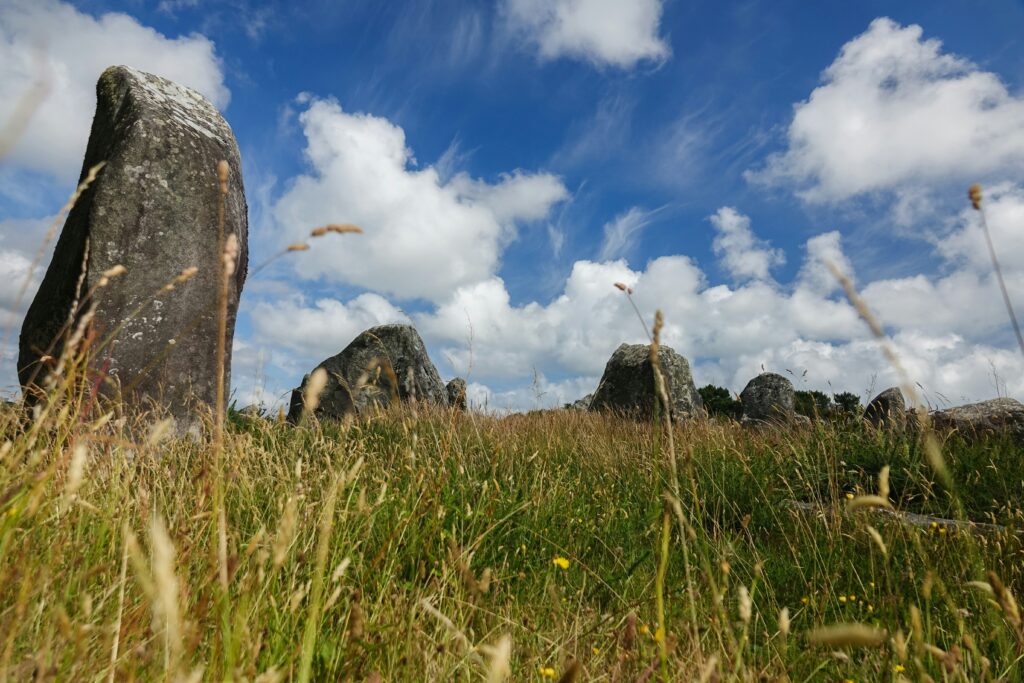
Brittany’s First UNESCO Site
With more than 3,000 standing stones spread over 10 km of Breton moorland, the Carnac alignments constitute the world’s largest Neolithic megalithic complex. Erected between 4500 and 3300 BC, they testify to a complex social and spiritual organisation that archaeologists are still deciphering. The UNESCO dossier also covers the Gavrinis Cairn, the Saint-Michel tumulus, the Locmariaquer dolmens and around thirty communes of the Gulf of Morbihan — an exceptional serial property encompassing more than 500 monuments.
Discover the Carnac alignments, beaches and exceptional megalithic sites with a GPS-guided e-fatbike circuit.
Free cancellation available
2. Port Royal (Jamaica)
The « Sodom of the Caribbean » Resurfaces from the Deep
In June 1692, an earthquake followed by a tsunami submerged two-thirds of Port Royal, the former pirate capital and hub of the North American slave trade. Today, this partly submerged city offers an exceptional underwater archaeological site: cobbled streets, warehouse buildings, 17th-century domestic furnishings preserved in anaerobic silt. UNESCO recognises the site’s outstanding universal value for its testimony to the colonial period, the slave trade and Caribbean buccaneering.
3. Murujuga (Australia) — 50,000 Years of Petroglyphs
The World’s Largest Rock Art Complex
Murujuga holds more than one million petroglyphs carved on red granite rocks by the Murujuga (Ngarda-Ngarli) people over 50,000 years — making it the world’s most significant rock art complex by number and chronological continuity. Depicted are now-extinct animals (thylacines, giant tortoises), human figures, and hunting scenes witnessing the evolution of sea levels since the Ice Age.
4. Memorial Sites of the Khmer Rouge Atrocities (Cambodia)
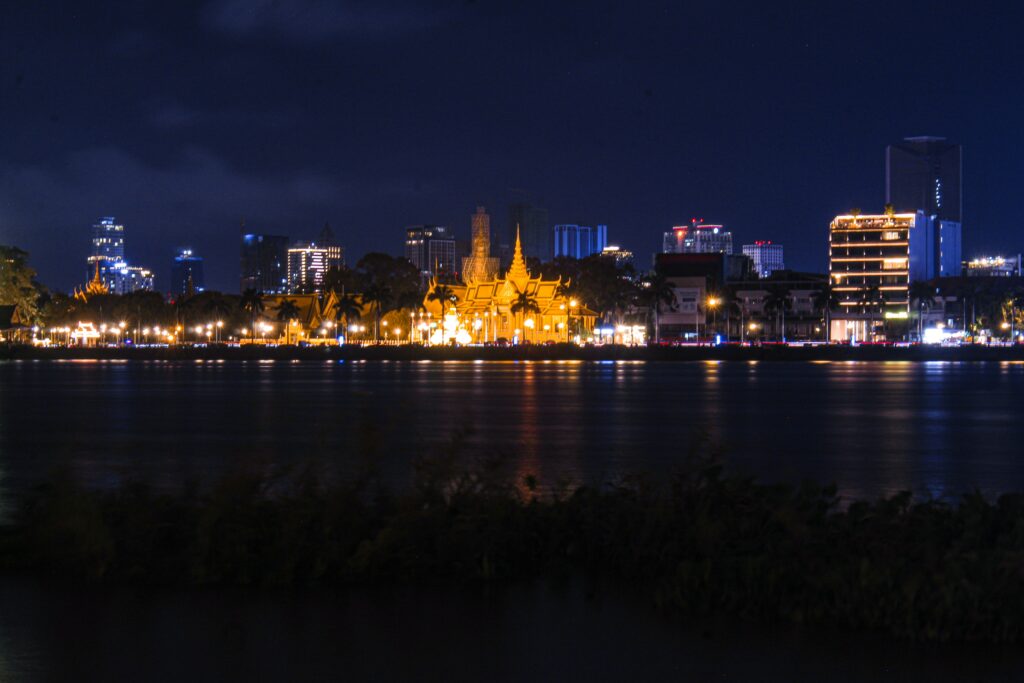
Cambodia’s Genocide Memorial Joins World Heritage
The S-21 detention centre (Tuol Sleng Genocide Museum) and the Killing Fields of Choeung Ek became the first genocide memorial sites in Southeast Asia to join the World Heritage List. Between 1975 and 1979, the Khmer Rouge regime exterminated between 1.5 and 2 million Cambodians, nearly a quarter of the population.
Tuol Sleng S-21 and the Killing Fields of Choeung Ek: essential guided visits to understand and remember.
Free cancellation available
2026 Candidacies: What France Hopes to Inscribe at Busan
The 48th session of the World Heritage Committee will be held in Busan, South Korea, from 19 to 29 July 2026. Two French dossiers will be examined there for the first time in formal evaluation: the Normandy D-Day beaches and the Royal Fortresses of Languedoc.
5. D-Day Landing Beaches of Normandy (France) — 2026 candidacy
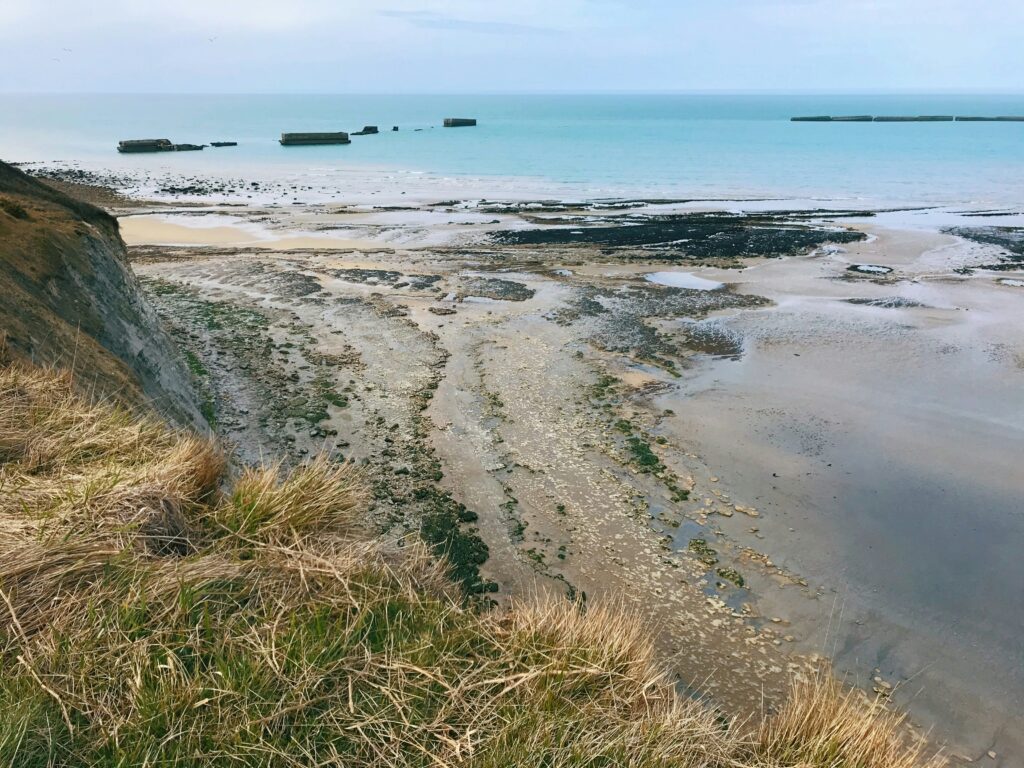
Omaha, Utah, Gold, Juno and Sword Towards UNESCO
The « Normandy 44 » dossier proposes the inscription of a serial property covering the five D-Day beaches of 6 June 1944 — Omaha, Utah, Gold, Juno and Sword — along with the Mulberry artificial harbours, the American Cemetery at Colleville-sur-Mer (172 ha, 9,388 graves) and several memorials. The dossier was submitted as a transnational Franco-British candidacy, with Canada and the United States as associated states.
Relive the history of June 6, 1944 with an expert guide: Omaha Beach, Pointe du Hoc, the American Cemetery at Colleville-sur-Mer.
Free cancellation available
6. Royal Fortresses of Languedoc (France) — 2026 candidacy
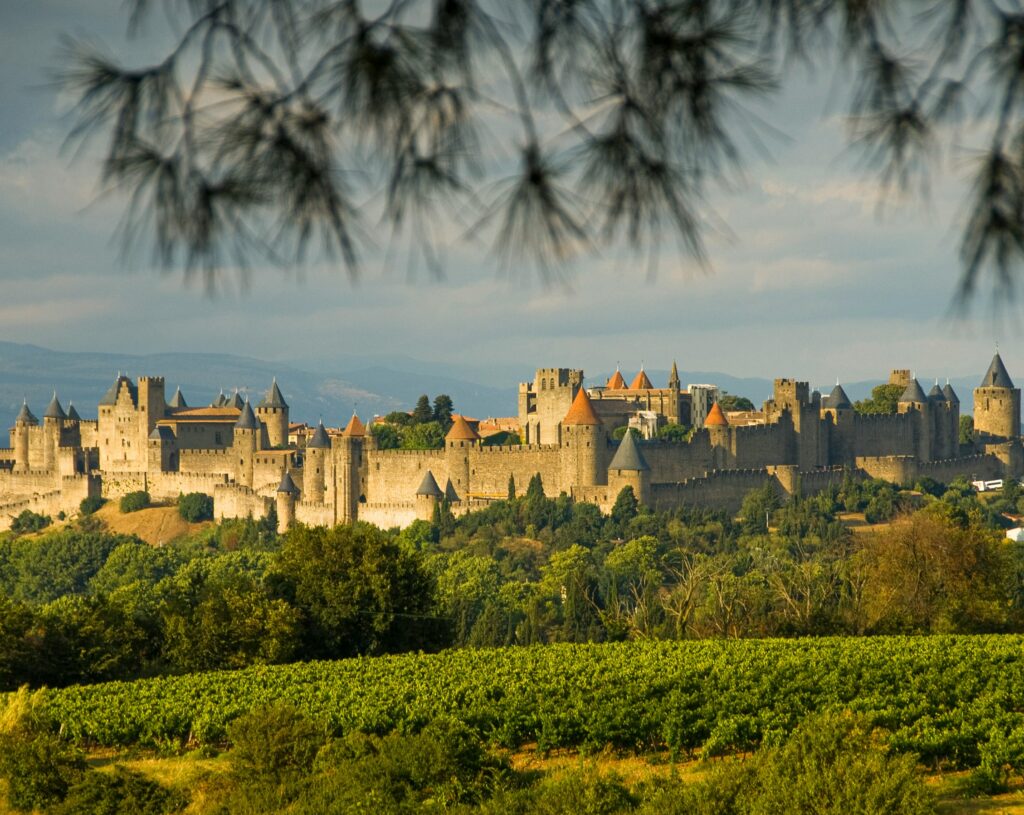
Carcassonne, Peyrepertuse, Quéribus and the Rest
The « Royal Fortresses of Languedoc » dossier proposes a serial inscription of nine medieval castles and fortresses in southern France: the Cité of Carcassonne (already individually inscribed since 1997), Peyrepertuse, Quéribus, Aguilar, Puilaurens, Termes and others, linked by their role in the French royal policy of the 13th-century Albigensian Crusade.
Explore the stunning medieval walled city of Carcassonne — Château Comtal, ramparts and towers — with a passionate expert guide.
Free cancellation available
UNESCO 2025-2026 Trends: What the Inscriptions Reveal
Planning Your Visit to the New UNESCO Sites
Carnac, Phnom Penh, Kingston, Normandy… no roaming fees. Plans available in 190+ countries.
From €4.50Jamaica, Cambodia, Sierra Leone, Australia… solid medical and cancellation coverage is essential.
From $56 / 4 weeksFrequently Asked Questions About New UNESCO Sites
How many UNESCO World Heritage Sites are there in 2025?
After the 47th session in July 2025, the UNESCO World Heritage List contains 1,248 properties across 170 countries, including 900 cultural, 218 natural and 39 mixed sites.
Is Carnac officially a UNESCO World Heritage Site?
Yes. The Carnac Megaliths and the Shores of Morbihan were officially inscribed on the UNESCO World Heritage List on 12 July 2025, at the 47th session of the World Heritage Committee in Paris. It is the first Breton site and the first French megalithic ensemble to join the list.
When is the UNESCO World Heritage Committee session in 2026?
The 48th session of the World Heritage Committee will be held in Busan, South Korea, from 19 to 29 July 2026. This is where the 2026 candidacies — including the Normandy D-Day Beaches and the Royal Fortresses of Languedoc — will be decided.
Will the Normandy D-Day Beaches be inscribed as UNESCO World Heritage in 2026?
The Franco-British dossier for the Normandy D-Day Landing Beaches is currently being evaluated by ICOMOS. The final decision will be made in July 2026 in Busan. ICOMOS has raised concerns about the notion of authenticity for a war landscape transformed over 80 years, making the outcome uncertain.
How does UNESCO evaluate a World Heritage candidacy?
To be inscribed, a property must demonstrate Outstanding Universal Value meeting at least one of UNESCO’s 10 criteria (I–VI for cultural properties, VII–X for natural properties). The dossier is first evaluated by ICOMOS (cultural sites) or IUCN (natural sites), which issue a recommendation. The World Heritage Committee (21 member states) then votes in plenary session. The full process typically takes 2 to 3 years from candidacy submission.
Sources and References
Plan your World Heritage journey
Carnac, Normandy, Cambodia or Carcassonne — build your personalized itinerary with Pixidia to organize every step of your UNESCO 2025-2026 heritage tour.
Create my itinerary on Pixidia