
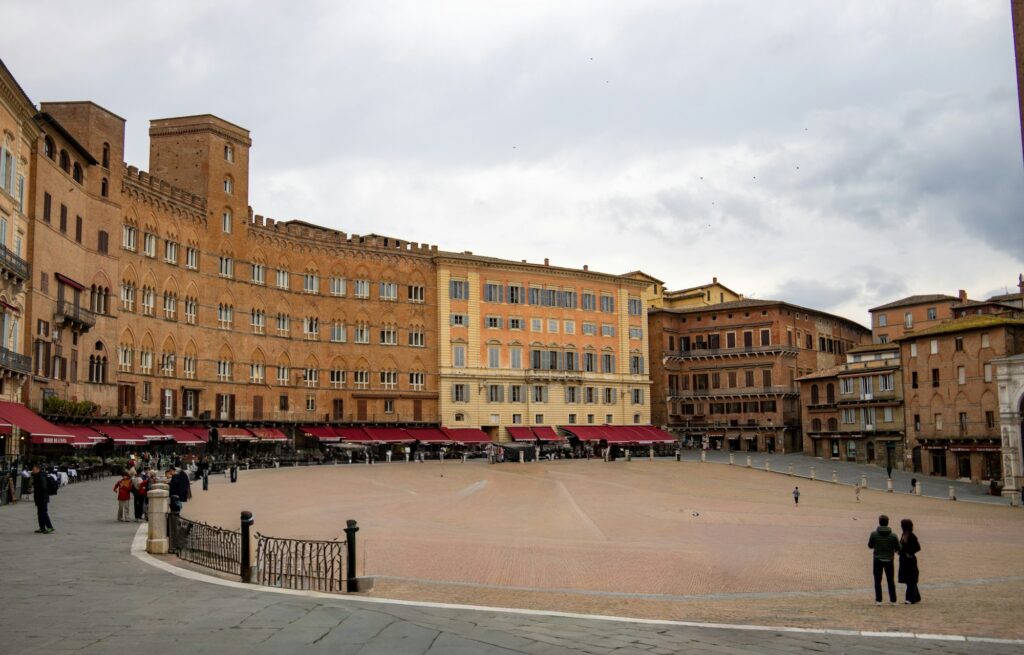
The Palio dell’Assunta 2026 takes place on Sunday 16 August in Siena, on the Piazza del Campo, with no change of date despite falling on a Sunday this year. Ten contrade line up at around 7 pm, including the Aquila, chasing the « cappotto » after its 3 July win — a feat the contrada has never managed in over three centuries. The central standing area of the Piazza is free to access. Book your accommodation now: rooms around the Piazza fill up fast ahead of the Ferragosto peak.
Twice a year, Siena’s Piazza del Campo turns into a racetrack for under 90 seconds that set the whole city alight. On 16 August 2026, it’s time for the second of the year’s two Palios: the Palio dell’Assunta, dedicated to the Assumption of the Virgin Mary. This edition looks set to be a special one — the Aquila, freshly out of a 34-year drought after its July win, was drawn to race again and now has a shot at the « cappotto » it has never pulled off in over three centuries of history. Between a brand-new drappellone, a procession unique to this date and the height of summer heat, here’s everything you need to know to follow this race like no other.
Palio dell’Assunta 2026: dates, location and the essentials
The year’s second Palio, dedicated to the Assumption
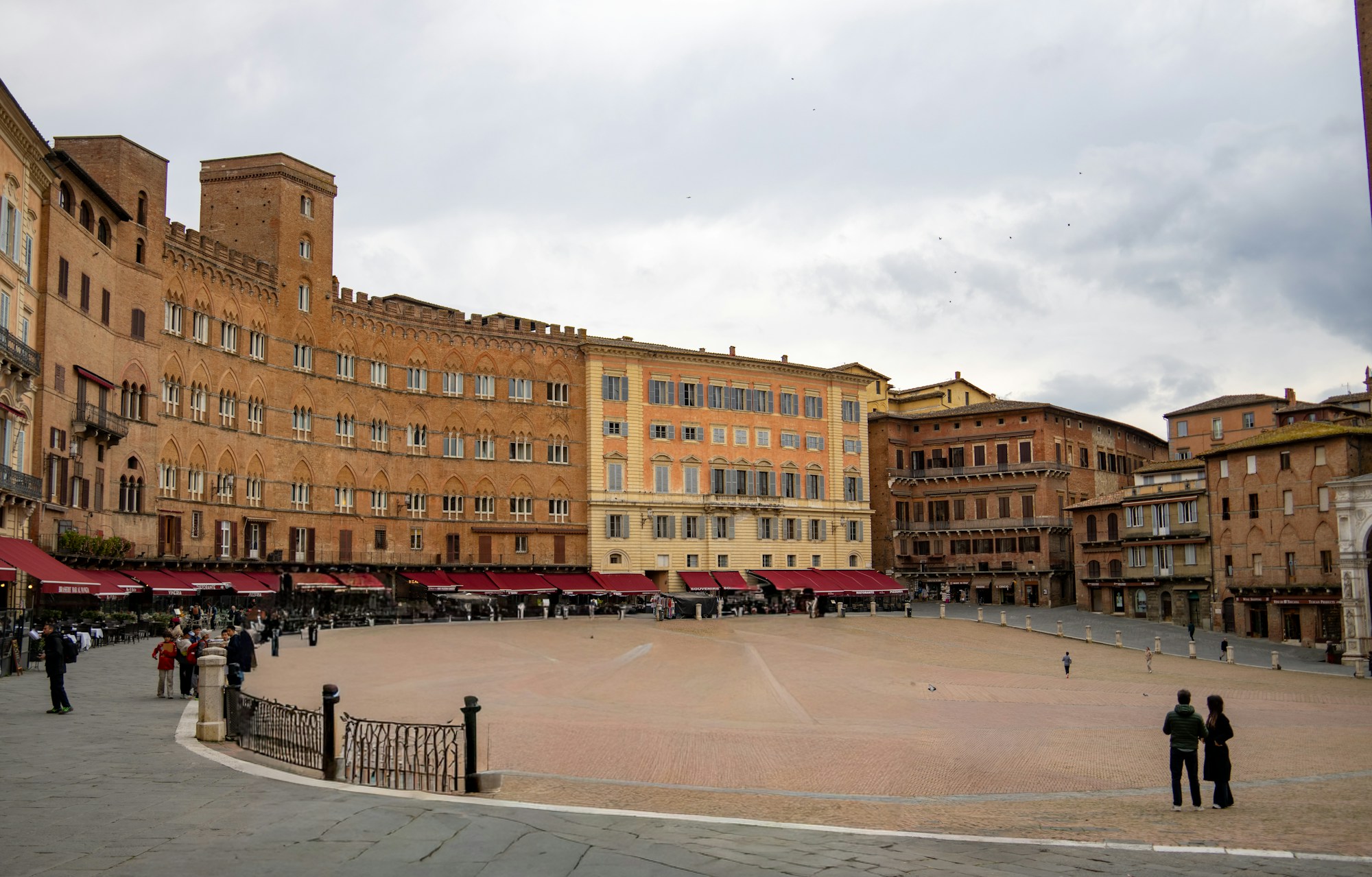
The Palio dell’Assunta is the second of the two Palios run every year on the Piazza del Campo, dedicated to the Assumption of the Virgin Mary. It falls on a Sunday this year, which might suggest a date shift by analogy with other moveable religious calendars — it isn’t the case. No rule moves the Palio’s two traditional dates, 2 July and 16 August, whatever day of the week they land on, as confirmed unambiguously by The Siena Visitor, cross-checked against the official programme from the Comune di Siena.
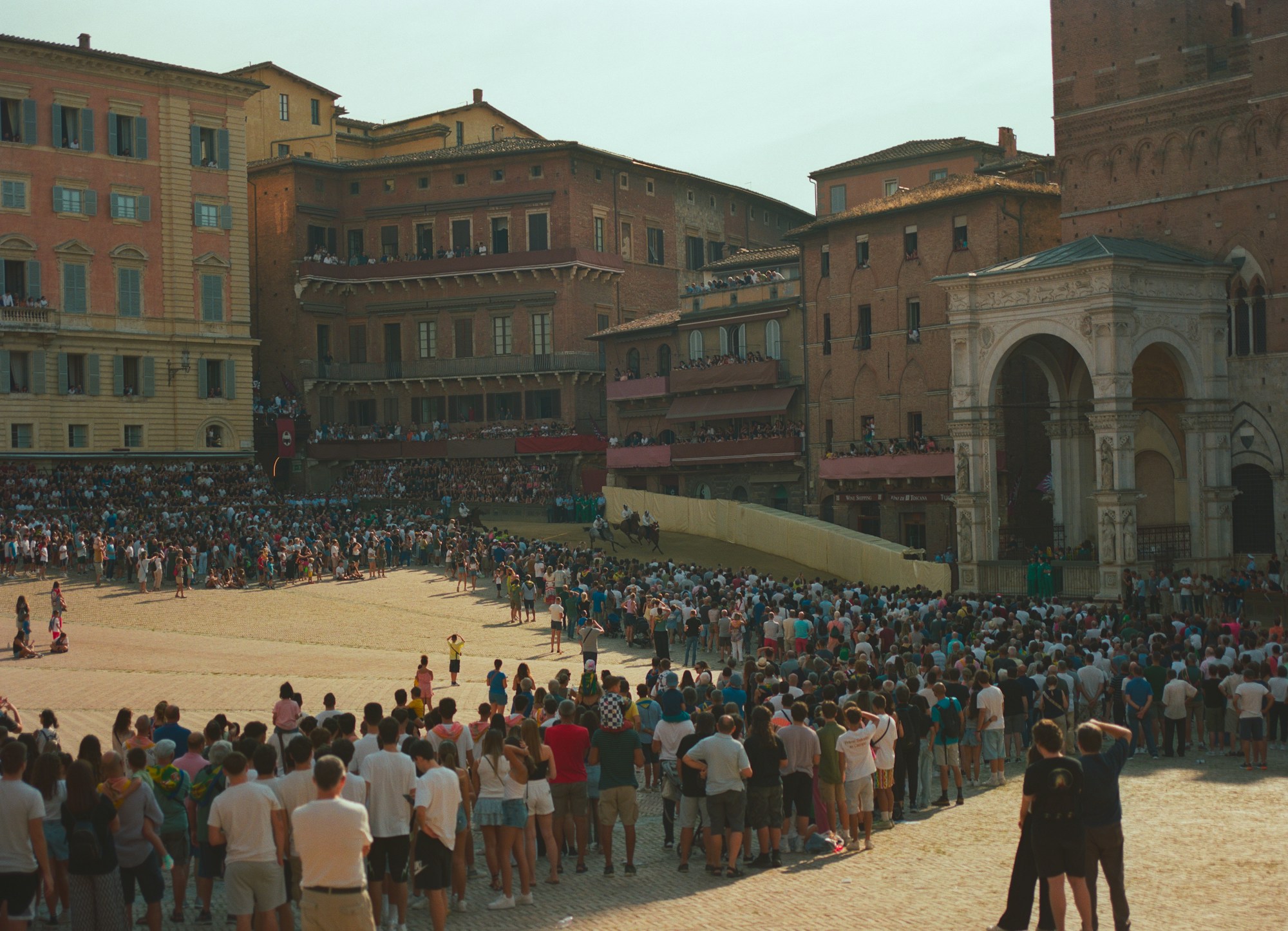
The race itself lasts under 90 seconds, but it’s preceded by an entire afternoon of ceremony. The horse blessing takes place at around 3 pm in each contrada’s church, followed by the Carabinieri parade at 4:45 pm and the Corteo Storico’s entrance onto the Piazza at 4:50 pm — over 600 performers in 15th-century costume — before the start (the Mossa) is usually given at around 7 pm, confirmed by at least six independent sources including the Adnkronos news agency.
Highlights
- A race of under 90 seconds, preceded by an entire afternoon of ceremony from 4:45 pm
- Free, ticket-less access to the central standing area of the Piazza del Campo
- Free live broadcast on LA7 for anyone who can’t be there in person
Plenty of visitors use their trip to Siena as a springboard into the surrounding Tuscan countryside, among vineyards and centuries-old wine cellars.
The Aquila and the cappotto dream: the big story of the 2026 edition
After 34 years without a win, the Aquila drawn to attempt the double
On 3 July 2026, the Aquila contrada won July’s Palio di Provenzano (postponed by a day for rain), with jockey Giovanni Atzeni, known as « Tittia », riding Diodoro — ending a 34-year drought since its last win in 1992, according to Il Post. Two days later, on 5 July, the draw picked the Aquila as one of three contrade selected by lot to race again on 16 August, alongside Onda and Giraffa: a statistically rare stroke of luck that opens the door to the « cappotto » — winning both Palios in the same calendar year, one of the most prestigious feats in Sienese tradition.
The Aquila has never pulled off this double in over three centuries of history. Its captain, Duccio Carapelli, talks about it without overselling it, but doesn’t hide it either: « Cerco di tenere tutta la contrada con i piedi per terra, però confesso che anch’io ci penso » (« I try to keep the whole contrada level-headed, but I confess I think about it too »), before adding, more boldly: « Puntare al cappotto? Perché no? » (« Aim for the cappotto? Why not? »), according to SienaFree. Tittia adds an extra layer to the story: with 12 wins to his name, he’s already achieved the cappotto three times in his career — just never with the Aquila, according to Wikipedia. In total, only 11 contrade have ever pulled off this double, 17 times in all since 1633.
Highlights
- 3 July 2026 win with Tittia on Diodoro, after 34 years without one
- Cappotto never achieved by the Aquila in over three centuries
- Tittia, already a three-time cappotto winner, but never with this contrada
This August edition unfolds against a particular backdrop: July’s Palio di Provenzano had itself just been postponed for the third year running because of bad weather (2024, 2025, 2026) — an unprecedented record in the race’s history. Nothing so far suggests 16 August will see a similar scenario, but weather tension remains, this year more than most, a palpable undercurrent.
Hour-by-hour programme: from the Tratta to the Mossa
As with every edition, four days of ritual precede the race, building up to Sunday 16 August. The programme below is drawn from the official schedule published by the Comune di Siena.
| Day | Date | Programme |
|---|---|---|
| Tratta | Thursday 13 August | Trials on 34 horses from 9 am, draw assigning a horse to each contrada in the afternoon, 1st prova at 7:15 pm |
| Trials and procession | Friday 14 August | 2nd prova at 9 am, Processione dei Ceri e dei Censi at 4 pm (drappellone blessing at the Duomo), 3rd prova at 7:15 pm |
| Prova Generale | Saturday 15 August | 4th prova at 9 am, Prova Generale (the most-watched trial) at 7:15 pm, propitiatory dinners (cene propiziatorie) in the contrade streets that evening |
| Race day | Sunday 16 August | Jockey’s Mass at 7:45 am, Provaccia at 9 am, horse blessing around 3 pm, Corteo Storico on the Piazza at 4:50 pm, Mossa around 7 pm |
One small difference from the July edition: in August, the race starts around 30 to 40 minutes earlier in the evening, an adjustment tied to sunset, which comes earlier in mid-August than at the start of July.
Highlights
- The last entry point to the Piazza (via Duprè) closes at 5:45 pm on race day
- The six prove (trial runs) are free and far less crowded than race day itself
- The Saturday evening Prova Generale is traditionally the most-watched of the rehearsals
The 10 contrade racing on 16 August and their rivalries
Seven contrade by right, three drawn by lot on 5 July
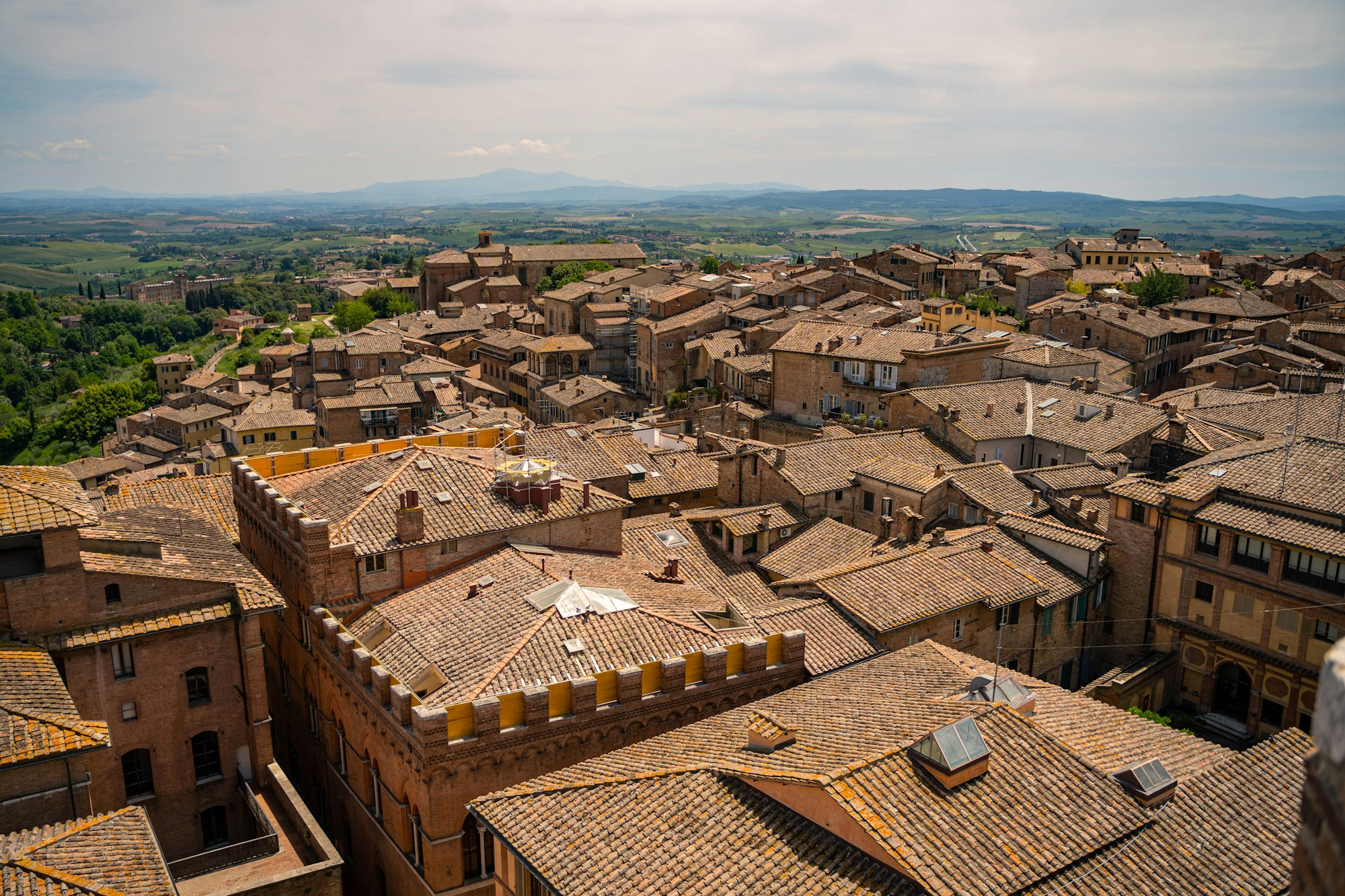
Of the 17 contrade Siena has counted since a 1729 reform, only 10 race in any given edition: 7 that didn’t take part in the previous August edition (« di diritto », by right) and 3 drawn by lot from the remaining 10. For 16 August 2026, that draw took place on 5 July, according to idealista.it. One notable detail: the Nicchio returns after serving a one-edition suspension (two official strikes on top of an earlier sanction), according to Gazzetta di Siena. It’s also the contrada with the longest drought of this edition — 28 years without a win since 1998, just ahead of the Chiocciola (27 years).
| Contrada | Status | Last win |
|---|---|---|
| Nicchio | By right | 1998 (28 years) |
| Chiocciola | By right | 1999 (27 years) |
| Istrice | By right | 2008 |
| Torre | By right | 2015 |
| Selva | By right | 2023 |
| Lupa | By right | 2024 |
| Oca | By right | 2025 (67th overall) |
| Giraffa | Drawn by lot | 2019 |
| Onda | Drawn by lot | 2024 |
| Aquila | Drawn by lot | 3 July 2026 |
Another rare feature of this edition: of the seven historic rivalries recorded in Siena, three are active at once on 16 August, according to the official Rivalità e alleanze page. The fiercest of them all, Oca against Torre, rooted in economic disputes going back to the Ancien Régime (Torre controlled the fisheries, Oca the butcheries), pits against each other two contrade that are both racing this year. Add to that Istrice against Lupa and, more one-sidedly, Onda against Torre.
Highlights
- Oca, the most decorated contrada in history with 67 wins, is racing this edition
- Three historic rivalries active at the same time — a rare occurrence
- Mossiere (official starter) confirmed: Renato Bircolotti
Teodora Axente’s drappellone and the Processione dei Ceri e dei Censi
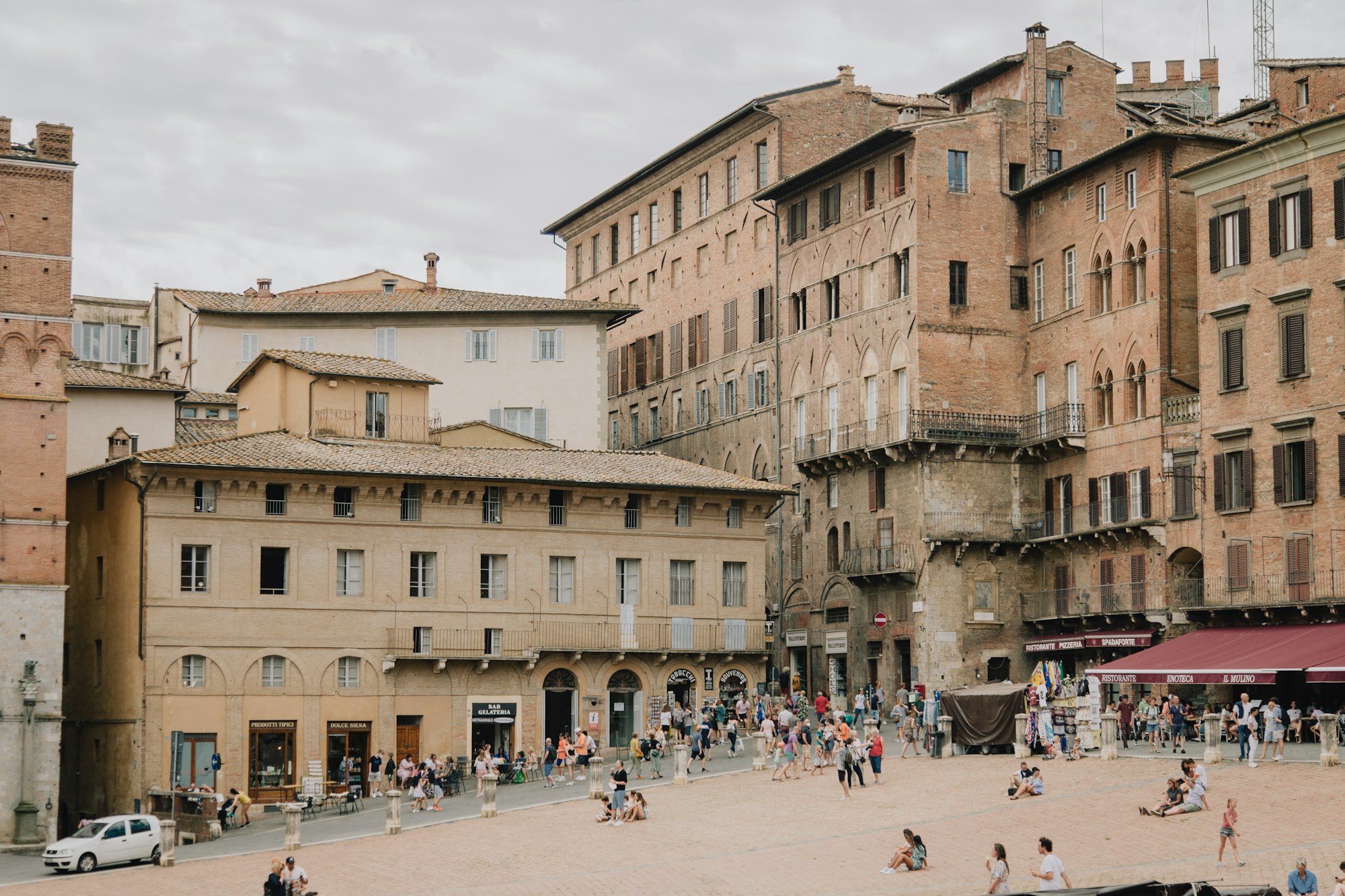
A painted banner for the 500th anniversary of the Battle of Camollia
Every Palio is also raced for a drappellone, the painted silk banner awarded to the winning contrada. The one for 16 August 2026 is by Teodora Axente, an artist born in 1984 in Sibiu, Romania, whose style blends painterly tradition with a dreamlike quality. Her theme: the 500th anniversary of the Battle of Camollia, fought on 25 July 1526 at the Porta Camollia, where Siena successfully repelled the siege of the combined forces of Florence and the Papal States — a reprieve that only delayed the Sienese Republic’s absorption by the Florentine Medici in 1555, according to RadioSienaTV. July’s drappellone, painted by Ismaele Nones on the theme of St Francis of Assisi, has nothing in common with this one, either in artist or subject.
The most exclusive ceremony of the August edition remains the Processione dei Ceri e dei Censi, two days before the race, on 14 August at around 4 pm: a tradition going back to the 12th century, interrupted after Italian Unification and revived in 1924, since fully tied to the feast of the Assumption. It unfolds in two parts — a religious segment where children from the contrade offer candles to the Virgin from the church of San Giorgio, followed by an institutional procession of drummers and flag-bearers who escort the drappellone to the Duomo for its blessing, according to Gazzetta di Siena. This procession doesn’t exist for the July edition.
Highlights
- A drappellone entirely different from July’s: artist, style and theme
- Processione dei Ceri e dei Censi, exclusive to the August edition
- A free ceremony open to everyone, along the San Giorgio-to-Duomo route
Budget, transport and etiquette for a smooth day
There’s no official centralised ticketing system for the Palio: paid seats are booked through agencies, hotels or local intermediaries known as « palcaioli », according to The Siena Visitor.
| Seat type | Price range |
|---|---|
| Central area, standing | Free |
| Stone steps (curva) | €40-80 |
| Temporary grandstands | €160-400 |
| Window with a view | €350-500 and up |
| Shared balcony | €300-800 per person |
| Private balcony, best position | €1,000 and up |
Counter to the instinct that peak season must cost more, several comparisons put the August edition well below July’s for the trip as a whole: between €231 and €478 for two people in August, against €729 to €1,492 in July, mostly down to higher transport and accommodation rates in that earlier period, according to finanza.com. A local price bump is still documented around 15-16 August itself, though: a couple spent an average of €242 for 2 nights over the Palio dell’Assunta 2025 weekend, against €186 for the first weekend of August without the Palio, according to Altroconsumo.
To reach Siena without a car, allow around 1h15 by bus (line 131R, €7.80 at the station) or 1h30 by train from Florence, and 2h45 by SENA or FlixBus coach from Rome, according to DiscoverTuscany. If your flight lands in Florence, the Uffizi Gallery is worth a detour before heading on to Siena. 15 August, the day before the Palio, is Ferragosto, a national public holiday in Italy: banks, post offices and town halls close, and many family-run shops shut for a wider stretch, often from 1 to 20 August, while Rome and Milan empty out towards the coast and the mountains — unlike Siena, whose centre stays packed the day before the race, according to The Local.
August is statistically the hottest, driest month in Siena, with average highs around 31°C, but 2026 is running through an active heatwave: 37°C recorded on 5 August, with peaks forecast up to 39-41°C inland in Tuscany around Ferragosto, according to meteotoscana.it. Combined with several hours of standing in the sun with no shade, that’s the number one thing to plan around for comfort and safety in the central area.
Highlights
- The August edition is generally cheaper than July’s for the trip overall
- The 6 free prove (mornings of 13-16 August) give you much of the atmosphere with far smaller crowds
- Children under 10 are barred from the central area under municipal rules
An ongoing controversy: horse welfare
The Palio remains one of the most contested events in Italy on animal welfare grounds. Animal rights groups estimate that around 48 to 50 horses have died since 1970 — roughly one a year on average — while organisers cite a fatal accident rate of 2.05%, training included. A study covering the 1945-2017 period found that 96.1% of races saw at least one jockey fall, according to Wikipedia. The most commonly cited incident for the August edition remains 2004: a horse from the Bruco contrada fell and was trampled during the 16 August race and died of its injuries, sparking a wave of protests, according to Horse & Hound.
Since the 1990s and 2000s, several measures have been introduced: padded protection at the dangerous San Martino bend (a tradition dating back to 1841, modernised with motorsport-inspired barriers), systematic veterinary checks before every race, mandatory doping and alcohol tests for jockeys since 2012, and an updated « Protocollo Equino » signed by the mayor for the 2026 season, precisely governing horse training under the supervision of a municipal technical commission, according to the official protocol.
The Palio’s bid for Unesco intangible cultural heritage status, filed back in December 2010, was dropped from the list submitted by Italy, with the Ministry of Cultural Heritage citing the need for « further technical studies » — a decision widely read as linked to animal welfare concerns. Revived in 2023 by the President of the Tuscany Region, it’s still met with reservations even from Siena’s own municipality, while groups such as OIPA continue to oppose it outright, according to OIPA. No available reporting flags any incident specific to the August 2026 edition as of this article’s publication date.
Beyond the Palio: extending your stay in Tuscany
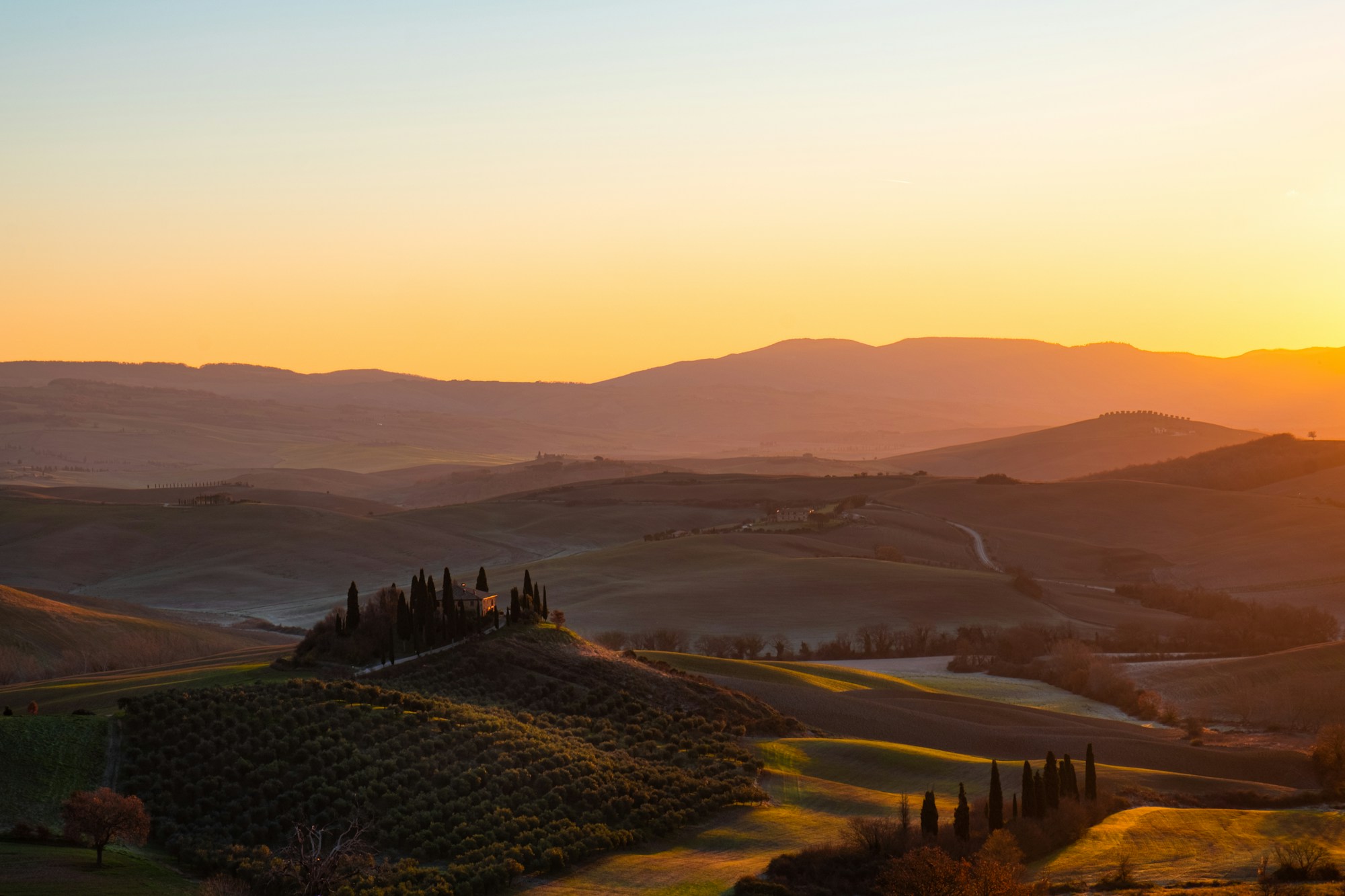
The Duomo, contrada museums and excursions into the Tuscan countryside
Outside race day, Siena rewards a slower pace: the Duomo complex (baptistery, crypt, Piccolomini Library, the view from the Facciatone), the Museo Civico on the Piazza del Campo, the Torre del Mangia, Santa Maria della Scala or the Basilica of San Domenico. The contrada museums, which hold banners, costumes and mementoes of past victories, open their doors to respectful visitors in the week before each Palio — an immersion that usefully rounds out the race itself. For a longer stay in Tuscany, the best private tours between Florence, Siena, Pisa and San Gimignano cover the essentials of the region without rushing.
The surrounding countryside is ideal for a day trip: San Gimignano and its medieval towers, Chianti and its wine tastings, the Unesco-listed Val d’Orcia, or Montalcino and its Brunello. If you’d rather set off from Florence, the best day trips from Florence in Tuscany cover the same destinations. On the calendar front, Tuscan August also brings Calici di Stelle, the night of 10 August devoted to open-air wine tastings in Montepulciano, San Gimignano and Montalcino, and Cortona’s Sagra della Bistecca alla Fiorentina in the third week of the month, according to winetourism.com.
Highlights
- Contrada museums open to visitors the week before the Palio
- San Gimignano, Chianti, Val d’Orcia and Montalcino all under an hour’s drive away
- Calici di Stelle, a night of open-air wine tastings on 10 August across several Tuscan villages
Practical info for your trip to Siena
Stay connected from the moment you land in Florence, Pisa or Rome, no hunting for a local SIM card: set up in minutes on your phone.
Data plans from a few eurosCover for an active trip between crowds, heat and excursions into the Tuscan countryside, with global coverage that travels with you.
From $56 / 4 weeksFrequently asked questions
Does the Palio dell’Assunta really take place on Sunday 16 August 2026?
Yes, with no date change at all. No rule alters the Palio’s two traditional dates, 2 July and 16 August, whatever day of the week they fall on, according to The Siena Visitor and the official programme from the Comune di Siena.
What’s the difference between July’s Palio di Provenzano and August’s Palio dell’Assunta?
Two distinct Marian devotions (the Madonna di Provenzano in July, the Assumption in August), drappelloni painted by different artists each edition, a ceremony exclusive to August (the Processione dei Ceri e dei Censi), generally denser crowds in August and, according to several comparisons, a lower overall trip cost despite the summer peak season.
How can I watch the Palio dell’Assunta for free?
The central, dirt-covered area of the Piazza del Campo has free access. For the 7 pm race, plan to arrive between noon and 1 pm for a decent standing spot, or as early as 8-10 am for the best views: once you’re in, there’s no way out.
How much does a seat cost for watching the race?
From €40-80 for the stone steps (curva) to over €1,000 for a private balcony in the best position, with €160-400 for a temporary grandstand in between. There’s no centralised ticketing: seats are booked through agencies or local intermediaries.
Which contrade are racing on 16 August 2026?
Seven contrade by right (Selva, Chiocciola, Oca, Nicchio, Lupa, Istrice, Torre) and three drawn by lot on 5 July 2026 (Aquila, Onda, Giraffa).
What is the « cappotto », and can the Aquila pull it off this year?
The cappotto is when the same contrada wins both Palios in the same calendar year, a feat achieved 17 times by 11 contrade since 1633. The Aquila, which just won in July 2026 after a 34-year drought, was drawn by lot to race again in August: a chance it has never converted in over three centuries.
Is the Palio dangerous for the horses?
It’s a subject of ongoing controversy: animal protection groups record around 48 to 50 horse deaths since 1970, while the city has strengthened its safety measures (padding at the San Martino bend, systematic veterinary checks, the 2026 Protocollo Equino). The Palio’s Unesco bid has stalled since 2011, partly for these reasons.
Can you bring children to the Palio dell’Assunta?
Children under 10 are barred from the central area under municipal rules. For older children, the heat, the crowds and the lack of toilets make the experience tough without preparation: the less crowded morning prove remain a better family option.
Sources
- Comune di Siena: official programme and schedule for 16 August
- palio.comune.siena.it: rivalries and alliances between contrade
- palio.comune.siena.it: Protocollo Equino 2026
- The Siena Visitor: Q&A on the Palio and ticketing
- Visit Siena Official: official tourist office
- Il Post: the Aquila’s win after a 34-year drought
- SienaFree: the Aquila’s captain on the cappotto
- La Nazione: the Aquila and the cappotto dream
- Corriere di Siena: July Palio’s third consecutive postponement
- idealista.it: the 10 contrade of the August 2026 edition
- Gazzetta di Siena: sanctions and the Nicchio’s return
- Gazzetta di Siena: the Processione dei Ceri e dei Censi
- RadioSienaTV: the 2026 drappelloni artists
- Wikipedia: history and statistics of the cappotto
- Wikipedia: history, rules and controversies of the Palio di Siena
- Horse & Hound: the horse welfare controversy
- OIPA: the Unesco bid and animal groups’ position
- Altroconsumo: seat prices for the Palio
- finanza.com: July vs August budget comparison
- DiscoverTuscany: getting to Siena without a car
- The Local: what closes for Ferragosto
- meteotoscana.it: the August 2026 Tuscany heatwave
- tour.siena.it: practical tips and etiquette
- winetourism.com: Tuscany wine festivals in August
Research conducted on 5 August 2026.

Plan your trip with Pixidia
Pixidia learns how you travel and helps you build a trip that truly fits you and everyone coming along.
Open the planner