
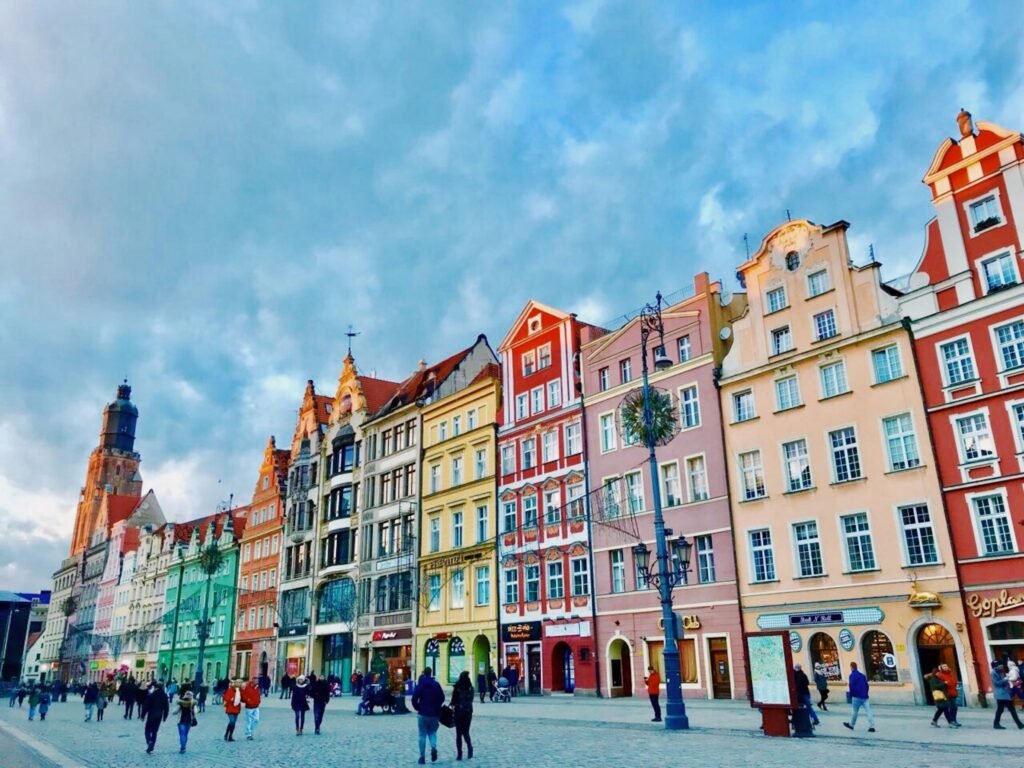
From 1 January 2027, Poland’s tourist tax is capped at 5 zł per night and per person, roughly €1.14 at an indicative rate from a single source. The cap is not a price: each municipality has to vote its own tax, and only 234 municipalities levy it, according to the press citing the Ministry of Finance.
Checked on against the official sources cited (text of the law as reported by the Polish press, Notes from Poland, WP Finanse, Toos); signed text not read.
Planning a trip to Poland in 2027 and wondering what the tourist tax will add to your bill? The short answer is one number: 5 zł per night and per person at the standard cap. The full answer means checking three more things. The municipality has to have voted the tax. The area where you’re sleeping might have a higher cap. And your host has to tell you whether the amount is already in your price. This article separates what’s settled, what rests on press reports alone, and what still needs confirming.
The key points to remember
- Standard cap: 5 zł per night and per person, roughly €1.14. It’s a maximum, not a price.
- Thermal protection zone: 5.50 zł. Spa resort tax (opłata uzdrowiskowa): 6.86 zł.
- No tax without a decision: each municipality has to pass its own resolution. If it hasn’t voted, the amount is 0.
- The calculation is per night, not per started day, according to the press.
- The host collects the tax. Ask in writing whether it’s included in the price shown.
1. The 5 zł cap: what the law says, and what it doesn’t
A law signed in October, a cap that applies in 2027
The Act amending the law on local taxes and fees is dated 18 September 2026, according to the press. President Karol Nawrocki signed it on 15 October 2026, and it was published in the Dziennik Ustaw on 19 October 2026 under the reference Dz.U. 2026 poz. 1354. Those are the dates the Polish press and our sources report. We couldn’t open the signed text in full, so everything below comes from several outlets and one legal article that agree, not from the law itself.
Poland’s tourist tax, the opłata miejscowa, already existed. What changes is the national cap. It goes from 3.46 zł per doba in 2026 to 5 zł per night and per person in 2027, according to Toos and Bezprawnik. The cap in thermal protection zones rises from 4.89 zł to 5.50 zł. The spa resort tax (opłata uzdrowiskowa) goes from 6.67 zł to 6.86 zł.
Kraków is where this debate was most visible in 2026 (see section 6). If you spend a few days there, the private bike tour below lasts 3 hours. It has nothing to do with the tourist tax: it doesn’t cover it and doesn’t change it. It’s here for the itinerary, with departures found between 2 November and 15 December 2026.
| Type of tax | Cap 2026 | Cap 2027 (signed law) |
|---|---|---|
| Standard tax (opłata miejscowa) | 3.46 zł per doba | 5 zł per night |
| Thermal protection zone | 4.89 zł | 5.50 zł |
| Spa resort town (opłata uzdrowiskowa) | 6.67 zł | 6.86 zł |
Source: Bezprawnik, 18 October 2026; Toos, 20 October 2026; WP Finanse, 22 October 2026, checked on 25 October 2026. Amounts as reported by the press.
The 2026 tax is calculated per doba, meaning per started day. The 2027 one is calculated per night.
A note from the Ministry of Finance (note not read), listed by Infor under reference MPO.2026.209.0000741, also sets 2027 caps for most local taxes and fees, according to the press. The press draws other amounts from it for the standard tax and the spa resort tax, and they don’t match the figures in the law as reported. We don’t use those figures. Until we’ve read the note, the reference amount stays the one in the law.
2. An optional tax: the municipality decides, or doesn’t
The tax isn’t automatic. To collect it, the municipality has to adopt a decision of its council, an uchwała of the rada gminy. That decision sets the amount, up to the cap. It can vary rates, for example by length of stay or type of accommodation, according to Puls Gdański. It can also grant exemptions. As long as there’s no decision, the traveller pays nothing under this tax.
The reform widens the number of municipalities that can levy it. Until now, two criteria blocked part of the resorts: air quality and a climate criterion. According to WP Finanse, the air-quality criterion goes, the climate criterion is removed from article 17, and municipalities will now have to justify walory krajobrazowe, landscape values: monuments, national parks, landscape parks, sports facilities, business centres, access to water. An implementing regulation was announced for 1 January 2027. We haven’t found a published version as of the date we checked.
The figure most often quoted: 234 municipalities levy the tax today, out of about 2,500, and the Ministry of Finance is said to expect up to 1,500 after the reform. These numbers come from Toos, which cites the ministry. We attribute them to the press and haven’t checked them ourselves.
| Situation | Maximum for one adult, one night | Approximate equivalent in euros |
|---|---|---|
| Municipality with no collection decision | 0 zł | €0 |
| Municipality at the standard cap | 5 zł | about €1.14 |
| Thermal protection zone at the cap | 5.50 zł | about €1.25 |
| Spa resort (opłata uzdrowiskowa) | 6.86 zł | about €1.56 |
Source: caps as reported in Toos, 20 October 2026. Conversion: 1 zł ≈ €0.228, rate taken from a single exchange source, to be recalculated on the day of your stay. Checked on 25 October 2026.
The table doesn’t say whether the spa resort tax (opłata uzdrowiskowa) stacks with the standard tax in a resort. The press doesn’t make that clear. Ask your host if you’re staying in a spa town.
We haven’t checked whether a decision voted before 2027 still applies: ask the municipality.
3. Timeline: what applies when
The reform doesn’t take effect all at once. The table reproduces the dates the press reports. As the signed text hasn’t been read in full, treat it as something to double-check before any long-term booking.
| Date | Step | Status at the date checked |
|---|---|---|
| 18 September 2026 | Date of the law, according to Bezprawnik and Toos | Reported by the press |
| End of September 2026 | Parliamentary vote; Toos puts it on 28 September, which doesn’t match the law’s date | To be confirmed |
| 15 October 2026 | Signed by President Karol Nawrocki | Reported by several outlets |
| 19 October 2026 | Published in the Dziennik Ustaw, Dz.U. 2026 poz. 1354 | Reported by the press and the publication metadata |
| Early November 2026 | Some articles take effect, about 14 days after publication, according to Bezprawnik; exact date to be confirmed on ELI | Reported; exact date not confirmed |
| 1 January 2027 | Most of the text takes effect, including the new cap | Reported; municipal decision needed |
Source: Bezprawnik, 18 October 2026; Toos, 20 October 2026; Archyde, 15 October 2026 for the signing date; checked on 25 October 2026.
According to the press, the new cap applies from 1 January 2027. For a stay before that, we haven’t checked which municipal decision applies: ask the municipality. We also haven’t verified the exact effective date on the signed text.
4. Who pays, who collects, and what isn’t said
The tax is owed by anyone who spends at least one night in the municipality and uses accommodation: hotel, guesthouse, short-term rental. According to WP Finanse, Bezprawnik and Puls Gdański, the calculation is now per night. The reason for the stay no longer matters: business trips and health-related stays are covered too, which wasn’t the case before, according to Notes from Poland.
Accommodation providers collect the tax and pass it on to the municipality. According to the press, citing the PAP news agency relayed by Puls Gdański on 23 October 2026, the host keeps 0.50 zł of the 5 zł, and the municipality receives 4.50 zł. This mechanism replaces the old commission, which Gdańsk had for example cut from 20% to 15% for 2026, according to RMF24.
For rental platforms, we found no open source confirming their collection role in Poland in 2027. Some online answers state it without citing any text. We don’t repeat it. For travellers, the useful question isn’t so much who collects as whether the amount appears on your booking.
One uncertainty hangs over the bill itself. Puls Gdański warns that the price shown may exclude fees charged on site. No source says whether the tax is included in the displayed price, or whether it’s paid in złoty, in cash or by card. So ask before you pay a deposit.
On nationality, no source we read makes any distinction. In principle, a British visitor pays the same tax as a Pole staying in the same municipality.
5. Exemptions: what’s reported, and what isn’t
On this point the sources agree. People with a significant disability, certified disabled children and their carers are exempt. Notes from Poland and Bezprawnik report this. Bezprawnik notes that the list in the text isn’t exhaustive, since the exemptions are described as covering these groups « in particular ».
Only one source, Toos, also mentions pupils and young people travelling in organised groups. We don’t present it as settled. If you’re organising a school trip or a group stay, ask the group leader and the accommodation which rule applies, and keep the answer in writing.
No source confirms a general exemption for children. If an accommodation offers a family discount, that’s its commercial policy. Don’t confuse it with an exemption decided by the municipality.
No length-of-stay threshold is confirmed by any source we read. Figures are circulating, in the press before the signing and in online answers, for an exemption beyond a certain number of nights or consecutive days. None of them is backed by the sources we read. So don’t build your budget on a long stay counting on an exemption: ask the accommodation for the calculation, and a written summary at the end of your stay.
Municipalities can also add their own exemptions. We haven’t checked these lists municipality by municipality. The town hall or gmina website is the only reliable source on this point.
6. Kraków, Warsaw, Gdańsk, Zakopane: where things stand
The most-cited cities don’t all have the same status. The table gives the position at the date checked. Not finding a decision doesn’t prove there isn’t one: check the municipality’s website.
| City | Status at the date checked | Source |
|---|---|---|
| Kraków | No tax adopted so far. The council rejected a resolution calling for a 40 zł floor; the mayor had asked for 20 zł | Notes from Poland, 17 October 2026 |
| Warsaw | No 2027 decision found at the date checked | Document search, no result |
| Gdańsk | 3.46 zł per started day since 1 January 2026; no 2027 decision found | RMF24, 31 October 2025 |
| Zakopane | Decision from 2025 at 1.90 zł per started day; 2026 status not confirmed | 2025 press; court follow-up not known |
Checked on 25 October 2026. Links to the 2025 press and to the regional audit chamber sources aren’t repeated here, as we didn’t keep the full URLs during research.
Kraków: a debate without a decision
Kraków is the case that made the most noise. The city council rejected a resolution calling for a 40 zł floor, by 18 votes in favour and 22 abstentions according to the local press. It also adopted a call on the government in June 2026. The mayor himself had asked for 20 zł. The debate shows the tax is being discussed. It doesn’t prove it will be voted for 2027.
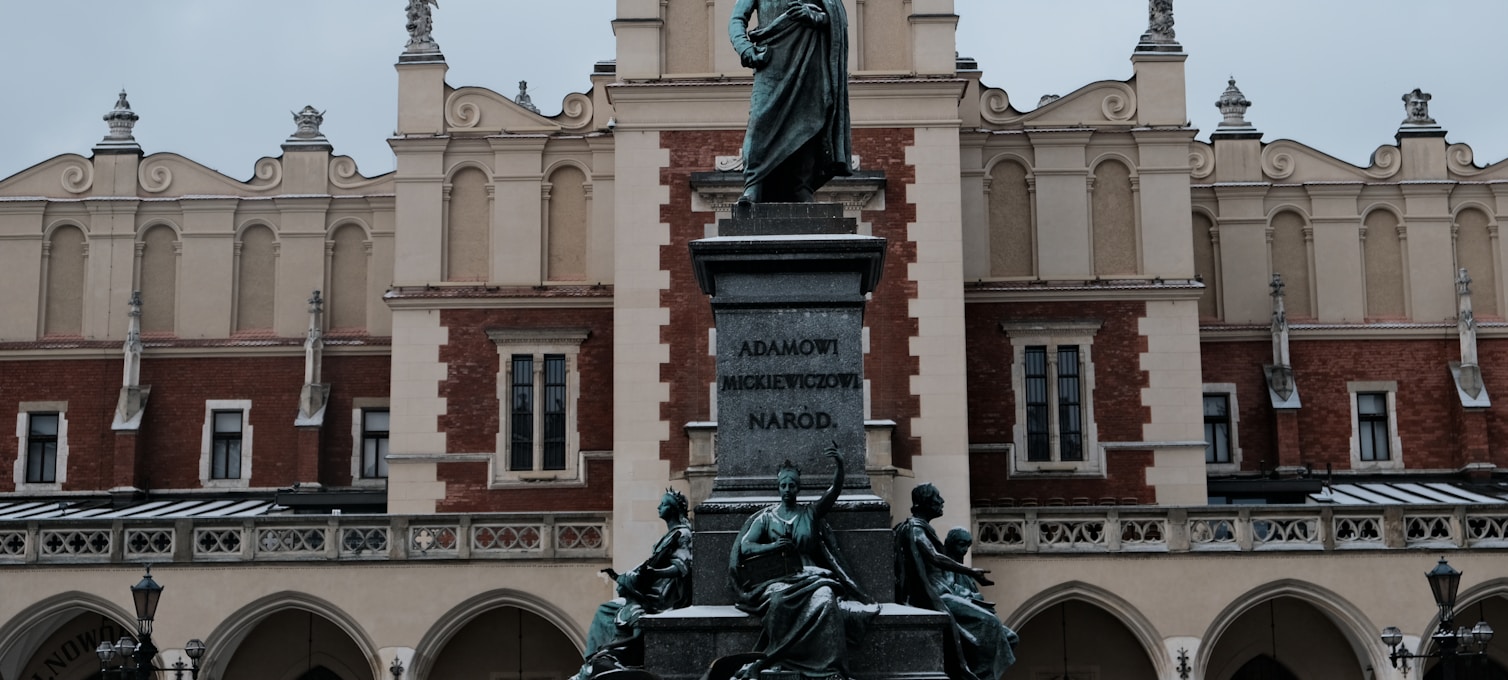
According to Notes from Poland (17 October 2026), Kraków hasn’t adopted any tax so far. For a winter programme, the Kraków Christmas market guide 2026 covers the market.
Zakopane: the most-cited case, with one unknown
Zakopane is the town that articles on the tax cite most often. In 2025, a court annulled the 2015 decision on the grounds that it didn’t meet the air-quality condition. The town then voted a new decision at 1.90 zł per started day, and the regional audit chamber in Kraków opened a procedure in April 2025. We haven’t found the outcome of that procedure, or how collection has worked since 2025.
The reform removes precisely the air-quality condition that caused the problem. So the law lifts the legal obstacle, but the town still has to vote. For a stay in this resort, the sensible move is to ask for the rate in force when you book, and get it confirmed in writing.
Warsaw, Gdańsk and the rest
In Warsaw, no tax decision for 2027 was found at the date checked. In Gdańsk, the city has applied a tax of 3.46 zł per started day since 1 January 2026, decided in October 2025. No 2027 resolution was found. The spa towns of Kołobrzeg, Sopot and Krynica-Zdrój come up in the debates, but their 2026 rates couldn’t be confirmed in the sources we checked.
7. What it costs: the maths for 1, 3 and 7 nights
The calculations below only use the standard 5 zł cap. These are maximums: a municipality that votes less charges less, and one that hasn’t voted charges nothing. Amounts are per person, per night.
| Length of stay | 1 adult, maximum | 2 adults, maximum |
|---|---|---|
| 1 night | 5 zł (≈ €1.14) | 10 zł (≈ €2.28) |
| 3 nights | 15 zł (≈ €3.42) | 30 zł (≈ €6.84) |
| 7 nights | 35 zł (≈ €7.98) | 70 zł (≈ €15.96) |
Calculation: 5 zł × number of nights × number of people. Conversion at 1 zł ≈ €0.228 (indicative rate, single source), checked on 25 October 2026. Maximums, to be recalculated according to the municipality’s decision.
For a couple spending a week in a municipality at the cap, the tax adds up to 70 zł at most, about €16. That total is still less than the price of a single night in a three-star hotel, which Le Mag Voyage quotes at €45 to €90, with no precise date given. So the issue isn’t the amount. It’s the uncertainty: whether the municipality votes, whether the tax is in the price, and whether an exemption applies to you.
In a thermal protection zone, the cap rises to 5.50 zł per person per night. In a spa resort, it goes up to 6.86 zł for the opłata uzdrowiskowa. For seven nights for two adults, that’s 77 zł at most in a thermal zone, and 96.04 zł in a spa resort. These two cases are still maximums, to be checked against the local decision.
To compare with France, the 2026 scale cited by economie.gouv.fr runs from €0.70 to €4.90 for palaces, depending on the rate each municipality votes. We haven’t found the 2027 French scale, so we don’t compare with it. The Polish cap doesn’t compare directly: Poland doesn’t rate accommodation by stars for this tax, and the municipality can vary its rates by type of accommodation, according to Puls Gdański.
For other destinations, the mechanisms differ. Our guides to the Amsterdam tourist tax 2027 and the Cardiff tourist tax 2027 cover their own calculation rules.
8. By traveller profile
- Families. No general exemption for children is confirmed (see section 5). Work out the stay with and without children, and ask the accommodation which rule it applies. A family of four staying a week would pay at most 140 zł at the standard cap, that is 4 × 7 × 5 zł, if the children are subject to the tax.
- Tight budget. The municipality can vary its rates by type of accommodation, according to Puls Gdański. So compare the municipal decision, not just the national cap, before choosing between a guesthouse and a hotel in the same city.
- Stays of several weeks. The calculation is per night. No length-of-stay threshold is confirmed (see section 5). Ask for a written summary of what you paid at the end of your stay.
- Business or health trips. The reason for the stay is no longer a condition: the tax applies anyway. Don’t count on an exemption linked to why you’re travelling.
- First time in Poland. Look for the « tourist tax » or opłata miejscowa line on your confirmation, and note who collects it. For a first trip to Kraków, the three-day Kraków itinerary can be the base for your plan.
What online answers say
Six points from online answers and the press, checked against the sources cited. Sources consulted on 25 October 2026.
- A cap isn’t a tax. Online answers talk about a « 5 zł tax »; the law sets a maximum, and nothing is charged until a municipality has voted. Notes from Poland, 17 October 2026.
- The calculation changes unit. The old system counted per started day, the new one counts per night. For a one-night booking, the difference matters. Bezprawnik, 18 October 2026.
- The scope. Online answers cite Kraków and Warsaw. The press reports 234 municipalities today, and up to 1,500 expected according to the ministry. Toos, 20 October 2026.
- Who collects. The host is the collector. It keeps 0.50 zł of the 5 zł, and the rest goes to the municipality, according to the press. Puls Gdański, 23 October 2026.
- An exemption isn’t a general rule. Disability and accompanying persons are reported by several sources; pupils in groups are reported only by Toos, and no general exemption for children is confirmed. Toos, 20 October 2026.
- The ministry note’s figures aren’t the law’s. Note M.P. 741 gives other amounts according to the press. We don’t repeat them until we’ve read its text. Infor, reference MPO.2026.209.0000741.
Practical info before you book
Six checks to make before booking a stay in Poland in 2027.
- Ask whether the tax is included. Ask in writing: is it included in the price, or added to the final bill?
- Ask when and how to pay. No source we read sets these points. Ask whether you pay on arrival or departure, in złoty or by card.
- Check the municipality’s decision. The town hall or gmina website says whether a tax is charged, and how much. A straight answer on this avoids nasty surprises.
- Keep the paperwork. Keep the invoice that shows the tax, listed as opłata miejscowa, and don’t throw out your booking confirmation until the end of your stay.
- Check the zone. In a thermal protection zone or a spa resort, ask which cap applies: 5.50 zł or 6.86 zł depending on the case, and whether the two taxes stack.
- Read the text yourself. The official text is published in the Dziennik Ustaw under reference Dz.U. 2026 poz. 1354. For entry requirements, check the UK government’s Poland travel advice for your nationality.
Frequently asked questions about Poland’s tourist tax
How much is the tourist tax in Poland in 2027?
The standard cap is 5 zł per night and per person, roughly €1.14 at the indicative rate, according to the law as reported by the Polish press. In thermal protection zones the cap is 5.50 zł, and for the spa resort tax (opłata uzdrowiskowa) it’s 6.86 zł. These are maximums: the municipality votes its own amount, which can be lower. Source: Bezprawnik, 18 October 2026.
Does the tourist tax apply in every Polish city?
No. Each municipality has to adopt a decision to collect it. According to the press, 234 municipalities collect it today, and up to 1,500 could after the reform. According to Notes from Poland, Kraków hadn’t adopted a tax as of the date checked. No 2027 decision has been found for Warsaw. Gdańsk collects its own tax at the 2026 rate, 3.46 zł per started day. Check the decision of the municipality where you’ll be sleeping. Source: Toos, 20 October 2026.
Does a British visitor pay the same tax as a Pole?
As far as we know, yes. The tax applies to anyone who spends at least one night in the municipality and uses accommodation. No source we read makes a distinction by nationality, and the reason for the stay isn’t a condition either. This answer relies on the press articles cited, not on the signed text, which we couldn’t open. Source: Notes from Poland, 17 October 2026.
Who collects the tax: the hotel or the booking platform?
According to the press, the accommodation provider collects the tax and passes it on to the municipality. It keeps 0.50 zł of the 5 zł. The role of platforms such as Airbnb or Booking isn’t confirmed for 2027 by any open source: some online answers claim it without citing a text. Ask your host how the tax is collected, and check the details of your booking. Source: Puls Gdański, 23 October 2026.
Do children pay the tourist tax in Poland?
No source we read confirms a general exemption for children. People with significant disabilities, certified disabled children and their carers are exempt according to the press. Toos also reports an exemption for pupils and young people in organised groups, which we couldn’t check in the signed text. For a family stay, ask the accommodation which rule it applies, and keep its answer in writing. Source: Toos, 20 October 2026.
Is a long stay exempt from the tax?
Not confirmed. Figures are circulating in the press and in online answers for an exemption beyond a certain number of nights or consecutive days, but none is confirmed by the sources we read. Don’t count on an exemption for a long stay. Ask the accommodation and the municipality for the calculation, then get a written summary at the end of your stay.
When does the new tax come into force?
The 5 zł cap applies from 1 January 2027, according to the press. According to Bezprawnik, some articles take effect about 14 days after publication, so early November 2026; the exact date is still to be confirmed on the ELI database. A municipality can only collect the tax after a decision by its council. For a stay before 2027, we haven’t checked which municipal decision applies: ask the municipality. Source: Bezprawnik, 18 October 2026.
Do I pay the tax on arrival or at departure?
No source we read sets when payment happens or how. According to the press, the accommodation collects the tax, and it may not be included in the displayed price: it then gets added to the final bill. Ask in writing for the amount, when you pay, and whether the tax is included, before you book. Source: Puls Gdański, 23 October 2026.
- ELI, Dz.U. 2026 poz. 1354: publication reference for the law (metadata checked).
- Dziennik Ustaw 2026 poz. 1354: official publication.
- Bezprawnik, « Prezydent podpisał wyższą opłatę miejscową »: caps, timeline, per-night calculation.
- Toos, 20 October 2026 (in English): caps, number of municipalities, exemptions.
- Notes from Poland, 17 October 2026 (in English): criteria, Kraków’s position, disability exemptions.
- WP Finanse, 22 October 2026: landscape values, removal of the climate criterion.
- Puls Gdański, 23 October 2026: 4.50 zł and 0.50 zł split, displayed price.
- OKO.press, 16 October 2026: entry into force and thermal-zone caps.
- Archyde, 15 October 2026: signing date.
- RMF24, 31 October 2025: Gdańsk decision for 2026.
- Infor, MPO.2026.209.0000741: reference of the Ministry of Finance note (figures not used).
- UK government, Poland travel advice: entry requirements.
- economie.gouv.fr, taxe de séjour: French tax scale 2026, for comparison.
Sources consulted on 25 October 2026. The signed text of the law couldn’t be opened in full: dates and amounts rest on the press and the publication metadata. Links to the 2025 press and to the regional audit chamber sources aren’t repeated here, as the full URLs weren’t kept.

Plan your trip with Pixidia
Pixidia learns how you travel and helps you build a trip that truly fits you and everyone coming along.
Open the planner