
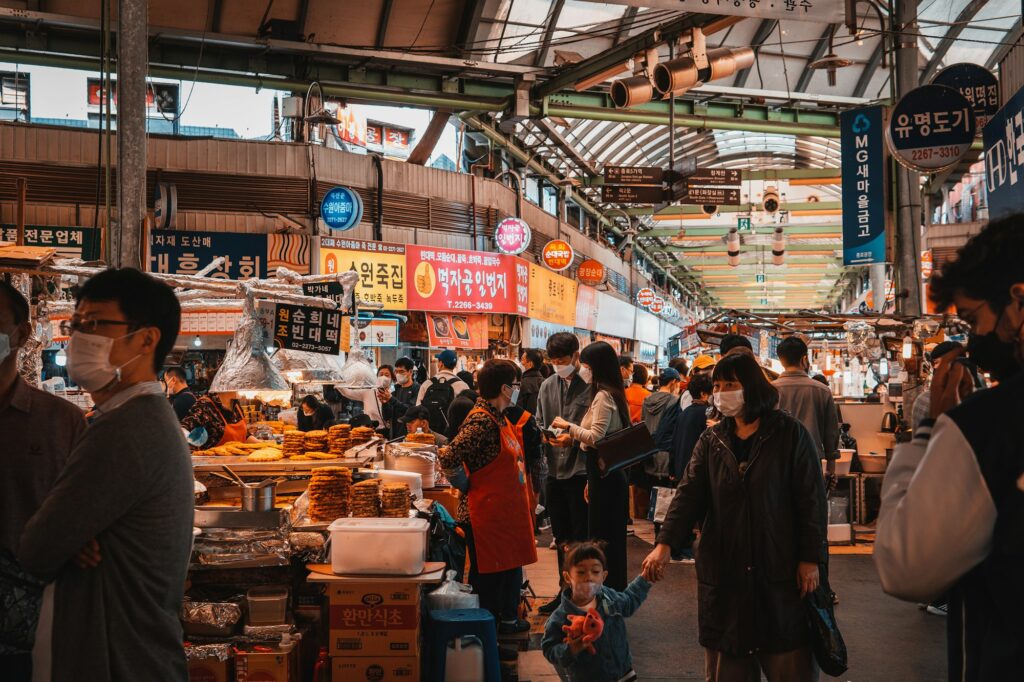
Seoul is not something you visit: it’s something you taste. With 36 Michelin-starred restaurants — including South Korea’s only three-star — and street markets where a meal costs less than $3, the South Korean capital has established itself as one of the world’s great culinary capitals. According to the Michelin Guide Seoul & Busan 2025, Seoul’s culinary scene gains new stars every year, while traditional markets like Mangwon are experiencing a renaissance driven by a new generation of creative vendors. From steaming tteokbokki served at a pojangmacha in Jongno to $240 tasting menus at Mingles, here is the complete guide to eating in Seoul in 2026 — with addresses, budgets, and secrets only locals know.
1. Mangwon Market — Mapo-gu’s Foodie Secret
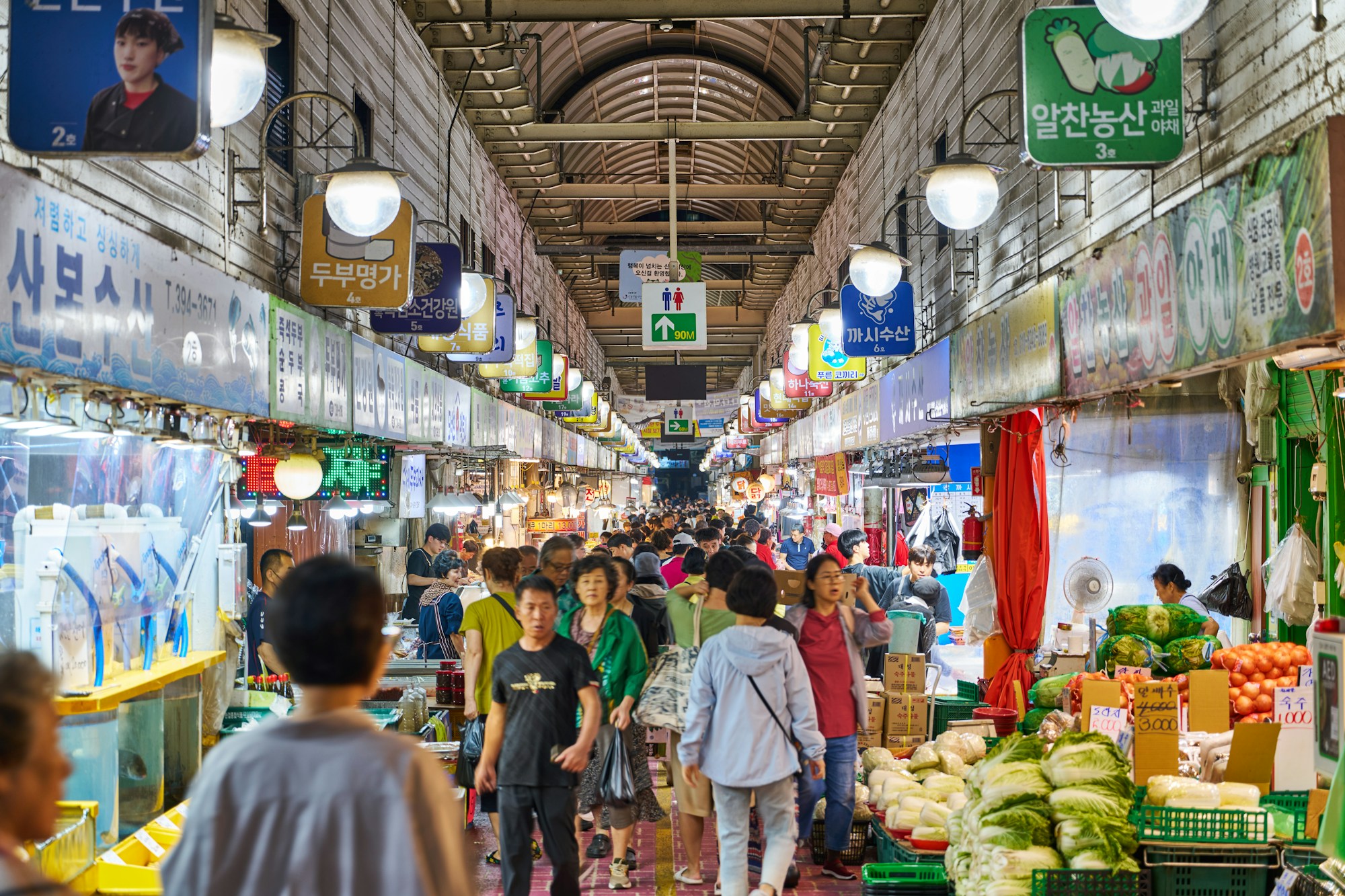
Seoul Locals’ Favorite Market
If you’re looking for a local experience without the tourist traps, Mangwon Market (망원시장) is the answer. Located in the Mapo-gu neighborhood near Hongdae, this traditional market has become the most sought-after spot among young Koreans for street food in 2026. According to Korea Cheat Sheet, it is « cleaner, cheaper, and offers trendy, photogenic snacks » — the anti-Gwangjang for those who want to eat like a local.
Most vendors are second generation, which means they have seriously raised the bar. According to Go Jiak Hong, dakgangjeong (닭강정) — bite-sized fried chicken, double-fried and coated in a sweet-spicy sauce — is the market’s absolute star. The famous kkwabaegi from Mangwon-dong (a sugar-dusted twisted doughnut) still draws a queue, and the Hanwoo beef grilled on-site elevates this market well beyond a simple street food stall. Finish with a hotteok (pancake filled with brown sugar and seeds) overlooking Mangwon Park on the banks of the Han River.
- Crispy dakgangjeong from vendors in the second alley (3,000-5,000 KRW)
- Mangwon-dong twisted kkwabaegi — arrive before 11am to avoid the queue
- Hanwoo beef grilled to order (from 15,000 KRW per portion)
- Picnic at Mangwon Hangang Park with your market haul
2. Gwangjang Market — The Century-Old Temple of Street Food
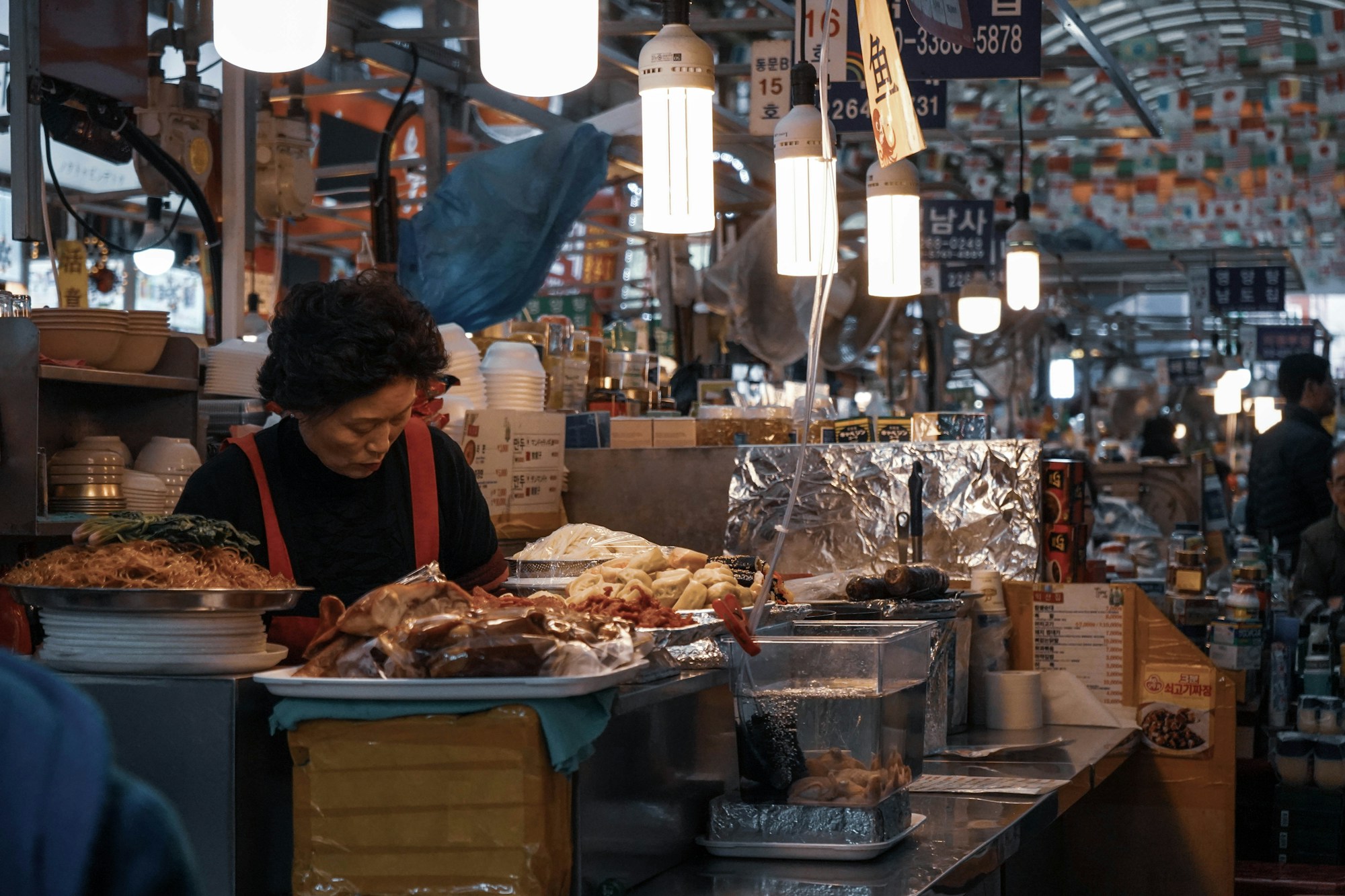
Korea’s Oldest Permanent Market
Founded in 1905, Gwangjang Market (광장시장) is South Korea’s oldest permanent market — and one of the world’s most famous since its appearance on Netflix’s Street Food. According to the official Seoul guide, the market is home to more than 5,000 stalls spread over two floors, including a legendary street food alley where halmeoni (grandmothers) prepare recipes passed down over generations.
The must-tries? Bindaetteok — a thick mung bean pancake fried in oil, crispy on the outside and soft inside — is the signature dish, served with a spicy soy sauce. Mayak gimbap (literally « narcotic gimbap ») are tiny rice rolls so addictive they earned that name for a reason, according to Migrationology. Mandu (Korean dumplings) stuffed with kimchi and pork are fried or steamed right in front of you. Be warned, however: according to Museum of Wander, some vendors have added « hidden costs » in recent years — always check prices before sitting down.
- Crispy bindaetteok at the main alley (5,000 KRW per pancake)
- Mayak gimbap — the « narcotic rolls » at 3,000 KRW for 10 pieces
- Steamed kimchi mandu from the halmeoni on the 2nd floor
- Yukhoe (Korean beef tartare) — a rare specialty served only here
3. Michelin-Starred Restaurants — The Heights of Korean Fine Dining
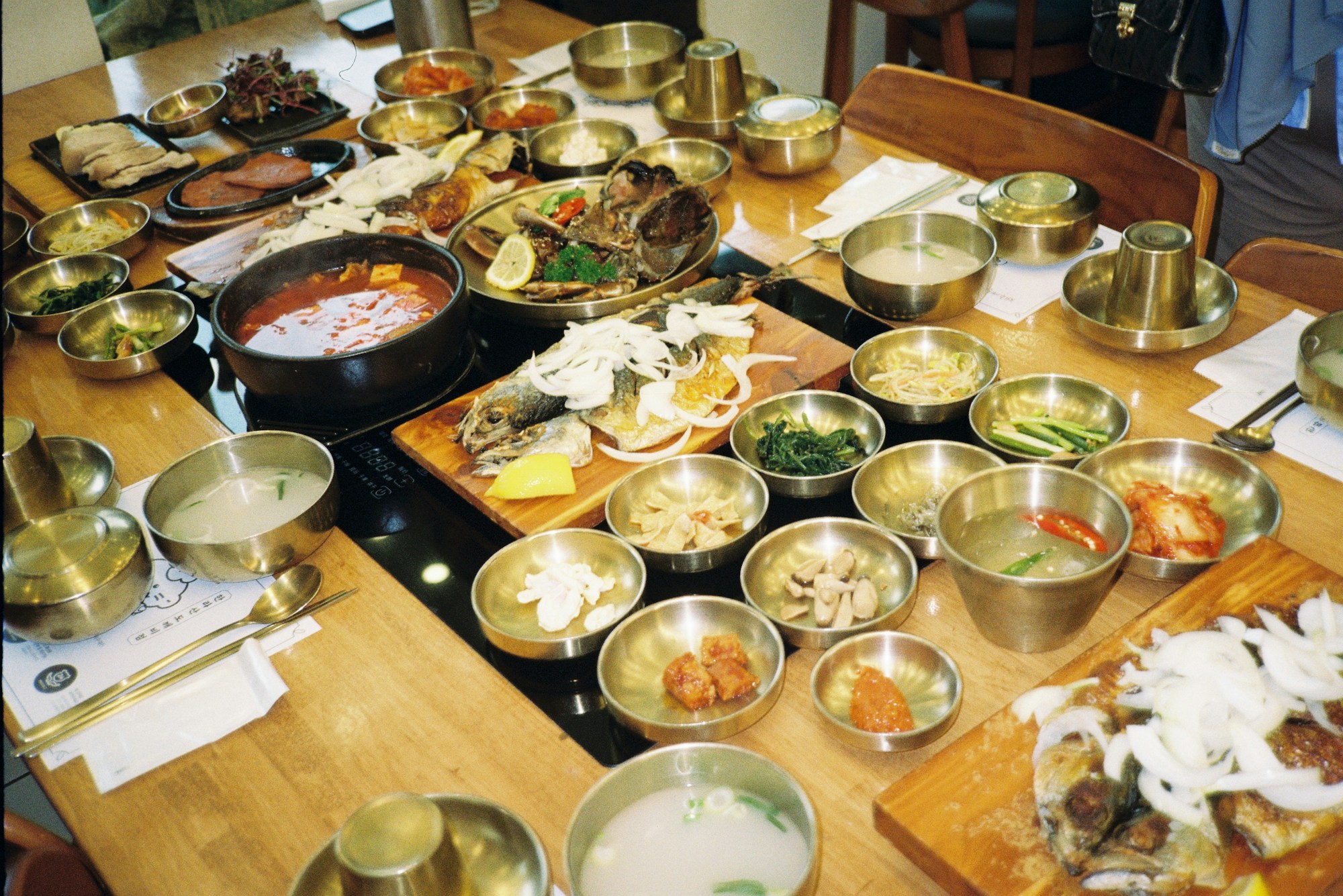
Mingles, Korea’s Only Three-Star
The Michelin Guide Seoul & Busan 2025 crowned chef Kang Min-goo’s Mingles as South Korea’s first and only three-star restaurant — a historic promotion from two to three stars. The South China Morning Post describes his approach as a « fusion of tradition and modernity, » with dishes such as Abalone and Cabbage Seon and Fish Mandu, served on handcrafted Korean ceramics. The tasting menu ranges from 200,000 to 350,000 KRW (135 to 240 €).
Beyond Mingles, Seoul boasts 36 starred restaurants in the 2025 edition, including 7 two-star venues: Gaon (royal Korean cuisine), Jungsik (contemporary hansik), Mosu (chef-driven cuisine), Onjium (heritage gastronomy rooted in fermentation, according to Restaurant Times), Kojima, Born, and Kwonsooksoo. For those who want a taste of Michelin without breaking the bank, the selection’s 77 Bib Gourmand restaurants offer an authentic Michelin experience for 35 to 45 USD per meal, according to Seoul Korea Asia.
- Mingles — the three-star triumph, tasting menu from 200,000 KRW
- Onjium — royal heritage cuisine, fermentation and ancestral craftsmanship
- Jungsik — the pioneer of contemporary hansik in Gangnam
- Bib Gourmand — 77 addresses under 45 USD for a Michelin-quality meal
4. Korean Street Food — From Jongno’s Pojangmacha to Euljiro’s Back Alleys
Sidewalk Cuisine Elevated to an Art Form
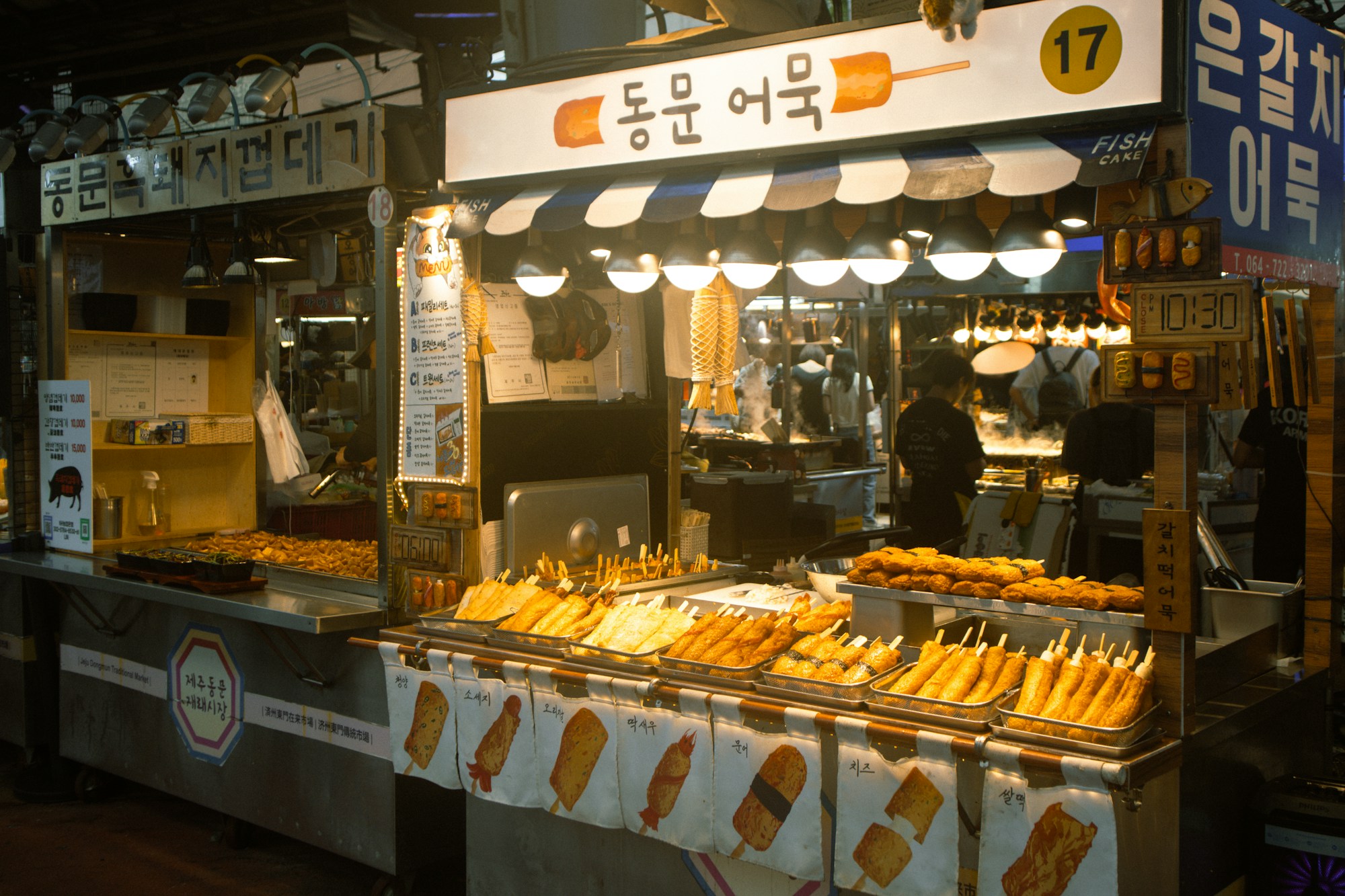
Korean street food is not just a quick snack on the go — it’s a way of life. According to the official Visit Seoul guide, pojangmacha (포장마차) — those orange tents that pop up on the pavements at nightfall — are the beating heart of popular food culture. You sit on plastic stools, order tteokbokki (rice cakes in a bright red gochujang sauce), skewers of odeng (fish cake) soaking in steaming broth, and wash it all down with soju at 4,000 KRW a bottle.
The best spots? The Jongno 3-ga neighborhood hosts Seoul’s highest concentration of pojangmacha — dozens of tents lined up under fluorescent lights from 6pm onwards. Euljiro Nogari Alley is a unique phenomenon: according to Visit Seoul, this alley is lined with hof (beer bars) where you enjoy nogari (grilled dried pollock) with cheap beer — the quintessential Seoul aperitif. Also don’t miss hotteok (pancakes filled with brown sugar, cinnamon, and sunflower seeds) sold for 1,500 KRW in the streets of Myeongdong.
- Tteokbokki and odeng at a Jongno 3-ga pojangmacha (3,000-5,000 KRW)
- Nogari and beer at Euljiro Nogari Alley (15,000 KRW combo)
- Brown sugar hotteok in the streets of Myeongdong (1,500 KRW)
- Bungeoppang (fish-shaped cake filled with red bean paste) in winter
5. Seoul’s Secret Food Neighborhoods — Ikseon-dong, Seongsu, and Euljiro
Three Neighborhoods, Three Culinary Atmospheres
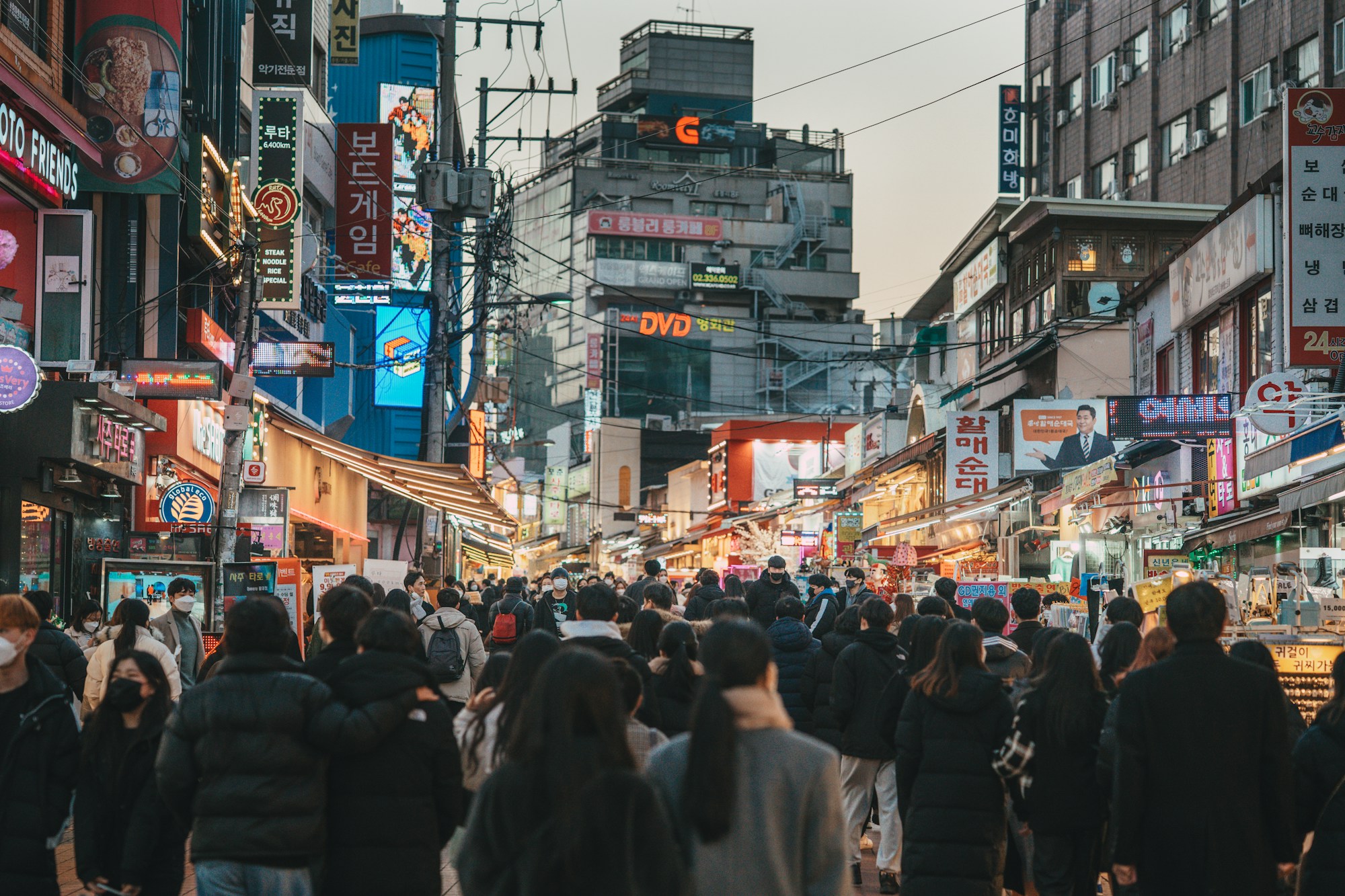
Ikseon-dong (익선동) is Seoul’s most photogenic hanok neighborhood — century-old traditional houses converted into design cafes, fusion restaurants, and cocktail bars. According to Koreawise, « they didn’t tear it all down: they lovingly preserved these magnificent century-old hanok facades » while installing a buzzing food scene within. You eat galbi jjim (braised beef short ribs) in a hanok with a courtyard, then follow it up with a dalgona latte at a concept cafe.
Seongsu-dong (성수동) is the « Brooklyn of Seoul, » according to Unni’s Picking. This neighborhood of former factories converted into creative lofts is home to the city’s most avant-garde cafe scene — with the salt bread phenomenon (buttery salted bread) taking Seoul by storm in 2026. Euljiro (을지로) completes the trio: this run-down industrial district has become the meeting point of Seoul’s creative crowd, with hidden bars tucked inside former printing workshops and vintage hof bars where the beer flows freely. According to Barrettish, Euljiro is « Seoul’s hub for street food and drinks. »
- Dinner in a courtyard hanok in Ikseon-dong
- Cafe hopping and salt bread in Seongsu-dong
- Hidden bar in a former printing workshop in Euljiro
- Local craft beer at Manseon Hof, Euljiro’s iconic institution
6. Budget and Practical Tips — Eating in Seoul Without Breaking the Bank
Complete Budget Guide 2026
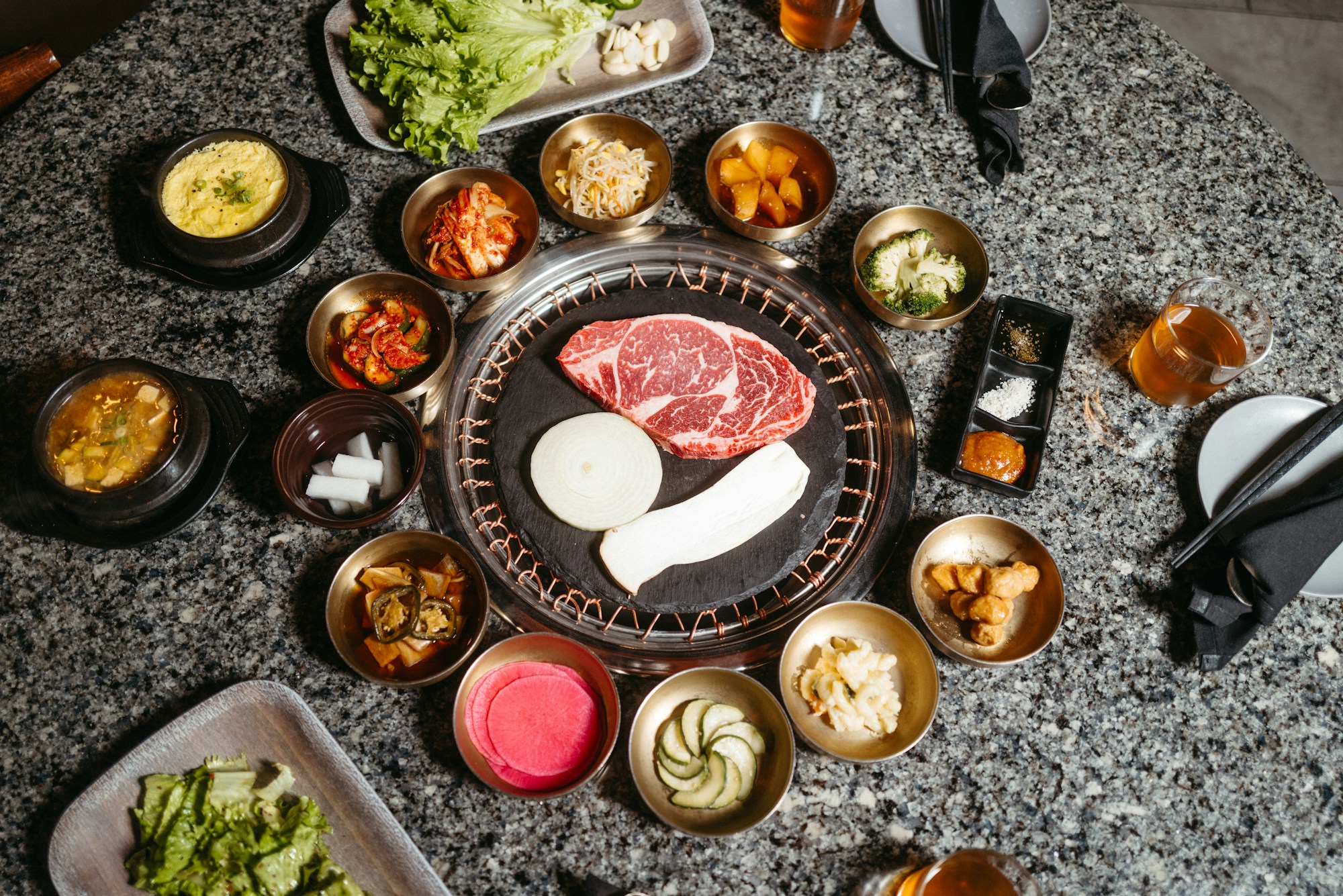
Seoul is one of the most accessible culinary capitals in the world. According to Gotripzi, a budget traveler can eat for 25-40 USD per day, a mid-range traveler for 50-80 USD, and a food enthusiast for 120-200+ USD. The major advantage? The banchan system — those small side dishes (kimchi, namul, japchae, etc.) are served free and unlimited in all Korean restaurants, turning any 8,000 KRW main dish into a full feast.
For transport, Seoul’s public transit is a model of efficiency: according to World Holiday Vibes, a metro ride costs between 0.75 and 1.30 € depending on the distance, and a rechargeable T-money card costs 1.50 €. On the cafe side, budget chains like Mega Coffee serve an XXL americano for 1.35 USD (versus 3.40 USD at an independent cafe). For navigation, forget Google Maps — Naver Maps is far more accurate in Seoul for addresses, opening hours, and restaurant reviews.
- Food budget: 25-40 USD/day (street food + local restaurants)
- Essential apps: Naver Maps, Catchtable, Kakao Map, Papago (translation)
- T-money card: rechargeable at convenience stores (CU, GS25, 7-Eleven)
- Tipping: do not leave a tip — it is considered impolite in Korea
Frequently Asked Questions About a Seoul Food Tour
What is the best season for a food tour in Seoul?
Spring (April-May) and autumn (October-November) are the ideal periods for a food tour in Seoul. The temperatures are pleasant for wandering outdoor markets, and seasonal menus are at their best. According to Gotripzi, the cheapest months to visit Seoul are January, February, July, and August, with prices 15 to 25% lower than peak season. Winter also offers unique specialties: hotteok, bungeoppang, and steaming stews at pojangmacha.
Is Gwangjang Market still worth visiting in 2026 despite the mass tourism?
Yes, but with precautions. According to Museum of Wander, the market remains « the most convenient stop on a walking tour of central Seoul » thanks to its central location. However, some vendors have added hidden costs or reduced portion sizes. Locals now prefer Mangwon Market or Gyeongdong Market for a more honest experience. If you visit Gwangjang, always check prices before sitting down and favor vendors where Koreans are queuing.
How do you book at Seoul’s Michelin restaurants?
The Catchtable app is the most widely used booking platform for upscale restaurants in Seoul. According to Seoul Korea Asia, you can also book through the official Michelin Guide website or via your hotel concierge. For two- and three-star restaurants like Mingles, plan on 2 to 4 weeks in advance. One-star and Bib Gourmand restaurants are generally accessible with 1 to 2 weeks’ notice.
Should you bring cash or are cards accepted everywhere?
South Korea is one of the most cashless countries in the world, but traditional markets are the exception. According to Korea Cheat Sheet, the famous stalls at Mangwon Market accept cards, but smaller snack vendors selling items under 3,000 KRW prefer cash. Simple rule: card for restaurants, cash for markets and pojangmacha. Budget 30,000-50,000 KRW in cash for a day at the market.
Which apps are essential for a food tour in Seoul?
Four apps are essential. Naver Maps (네이버 지도) replaces Google Maps — it is far more accurate for addresses, opening hours, and restaurant reviews in Seoul, according to Best of Korea. Catchtable is used to book upscale restaurants. Kakao Map is useful as a navigation supplement. And Papago (by Naver) is the best Korean-to-English/French translator for deciphering menus — far superior to Google Translate for Korean.
What budget should you plan for a week of eating in Seoul?
It all depends on your travel style. According to Gotripzi and Go Korea Go, budget for: budget traveler (street food + canteens): 175-280 USD/week; mid-range (restaurants + markets + 1-2 starred restaurants): 350-560 USD/week; food enthusiast (daily fine dining): 840-1,400+ USD/week. Free banchan and 3,000 KRW canteens make it possible to keep costs very low even while eating generously.
Is Korean street food safe to eat?
South Korea has some of the strictest food hygiene standards in Asia. Markets like Mangwon and Gwangjang are regularly inspected. The risks are very low if you follow basic rules: choose stalls where food is prepared in front of you with high customer turnover, avoid food that has been sitting out for a long time, and drink tap water (safe in Seoul). Allergies to sesame, soy, and shellfish are the main concerns — learn the corresponding Korean words or carry a translated allergy card.
Can you do a food tour in Seoul as a vegetarian or vegan?
It is possible but requires some preparation. Korean cuisine frequently uses beef broth, dried anchovies, and fermented shrimp paste as invisible base ingredients. Temple food restaurants (사찰음식) are the best option: they serve refined vegan cuisine rooted in Buddhist tradition. Onjium, a two-star Michelin restaurant, even offers a plant-based menu. In Ikseon-dong and Seongsu-dong, several cafes and restaurants offer vegan options. Learn the phrase « 고기 안 들어간 거 있어요? » (do you have any dishes without meat?) — it will save you every time.
Sources
- Michelin Guide — Seoul & Busan 2025, Mingles promoted to three stars
- South China Morning Post — Mingles awarded third Michelin star
- Seoul Korea Asia — 10 Michelin restaurants in 2026 (budget to fancy)
- Seoul Korea Asia — Michelin Guide 2026 for budget travelers
- Korea Cheat Sheet — Mangwon Market Food Guide 2026
- Go Jiak Hong — Mangwon Market Food Gems
- Visit Seoul — Ultimate Gwangjang Market Food Guide 2025
- Museum of Wander — Gwangjang Market 2026, still relevant?
- Migrationology — Street food at Gwangjang Market
- Visit Seoul — Street food & pojangmacha guide 2025
- Visit Seoul — Euljiro Nogari Alley
- Gotripzi — Seoul travel costs 2026
- World Holiday Vibes — South Korea travel budget
- Go Korea Go — Complete budget guide 2026
- Restaurant Times — Onjium, royal heritage cuisine
- Unni’s Picking — Seongsu-dong Guide 2025
- Koreawise — Ikseon-dong Hanok Village
- Barrettish — Euljiro, the street food and drinks hub
- Best of Korea — 10 must-try cafes in Seoul
Research conducted on March 4, 2026. Prices are in South Korean won (KRW) and subject to change. 1 € ≈ 1,470 KRW (March 2026). Consult the Michelin Guide Korea for the latest updates.
Ready to Devour Seoul?
Create your personalized food itinerary with Pixidia. From Mangwon Market to Michelin-starred restaurants, our tailored itineraries combine the best culinary addresses, local markets, and authentic experiences — planned for you.
Explore our South Korea itineraries