

South Korea in 14 days: 4 in Seoul, 1 in Jeonju, 1 in Gyeongju, 3 in Busan and 4 on Jeju Island, linked by the 2.5-hour Seoul–Busan KTX and a 55-minute flight to Jeju. Daily budgets run from about 75,000 KRW (~€44) for backpackers to 255,000 KRW (~€150) for upscale travel, with two weeks all-in from roughly €620 per person. Best months: March–May and September–November, for cherry blossoms and mild, dry weather. Pixidia’s recommendation: book KTX tickets and the Jeju flight ahead of Chuseok or Seollal, when transport sells out and prices spike.
South Korea in 2026: a journey between ancient palaces, neon-lit alleyways and dormant volcanoes. In two weeks, it is possible to combine the best of three iconic destinations — Seoul the vibrant, Busan the coastal, and Jeju the island gem — without sacrificing the hidden stops that make a trip truly memorable. According to Nomadic Matt, South Korea remains one of Asia’s most underrated destinations: its transport network is ultra-modern, costs are affordable, and its treasures are often hidden just a few alleys away from the main tourist trails.
1. Seoul: Gyeongbokgung Palace & Bukchon Hanok Village (Days 1–4)
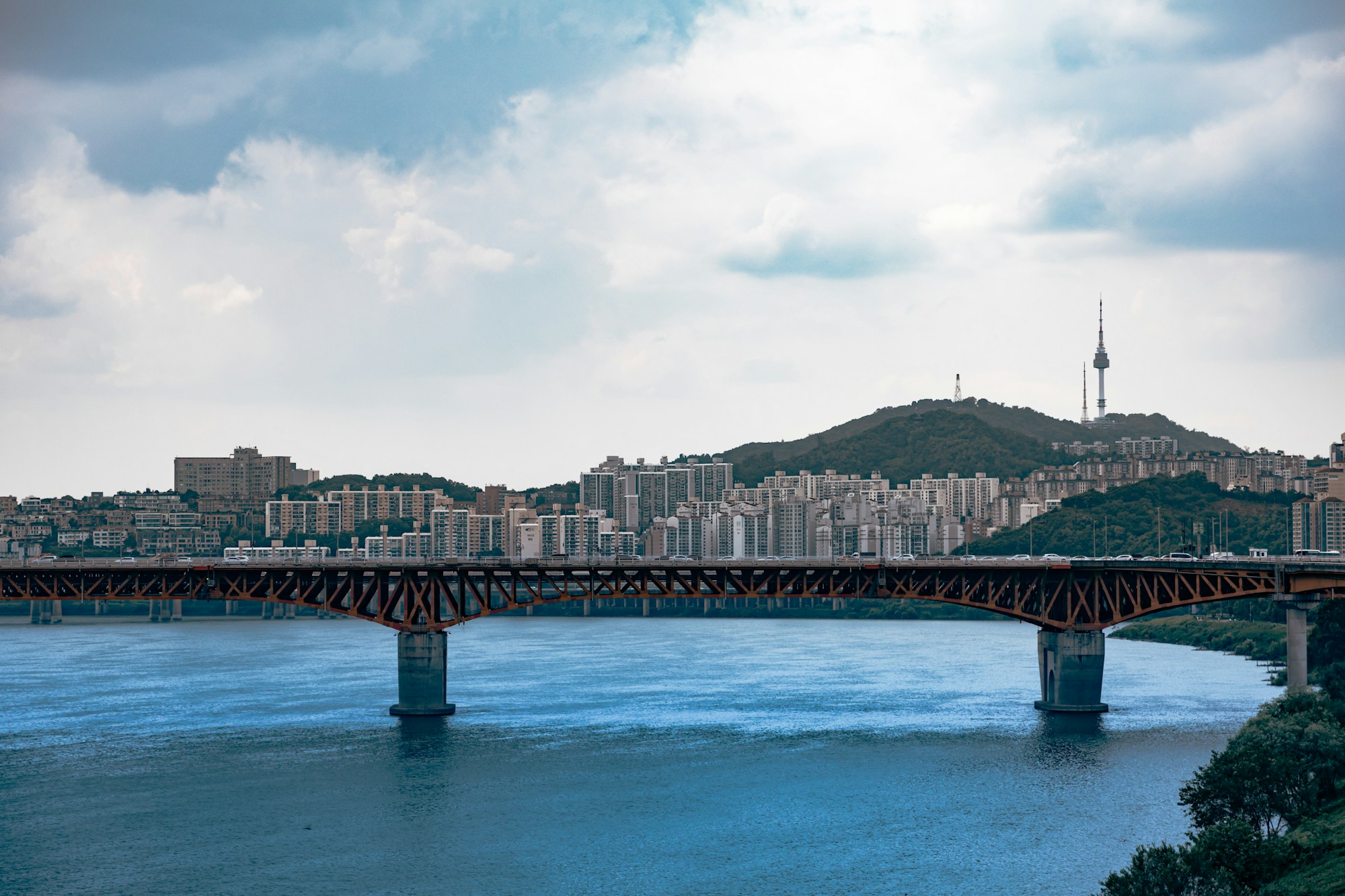
Seoul: 4 days in the Korean capital
Home to 10 million inhabitants and the beating heart of the Korean peninsula, Seoul concentrates more than half of the national population. According to Nomadic Matt, the city is a global hub for gastronomy, K-pop culture and architecture that blends glass skyscrapers with Joseon-era palaces. Gyeongbokgung Palace, built in the 14th century by the Joseon dynasty, is the most majestic of Seoul’s five royal palaces. Its grand open courtyards, buildings with tiled rooftops and the backdrop of Mount Bugak make it one of the most beautiful panoramas in all of Asia.
A 10-minute walk away, Bukchon Hanok Village unfolds a maze of alleyways between hundreds of preserved traditional houses. The experience offers a striking contrast with the nearby glass towers — and entry is entirely free. For those wishing to extend the authentic experience, the Ikseon-dong district transforms old hanoks into design cafés, cocktail bars and niche restaurants: this is where Seoul’s trendsetters go, far from the tourist circuits.
Must-see highlights
- Gyeongbokgung Palace (arrive early for the changing of the guard, free in hanbok)
- Bukchon Hanok Village — take the sloping alleys around 8am before the crowds
- Ikseon-dong in the late afternoon for pojangmacha stalls and neon ambiance
- Mangwon Market — the locals’ market, cheaper than Gwangjang
- Namsan Tower (N Seoul Tower) at sunset
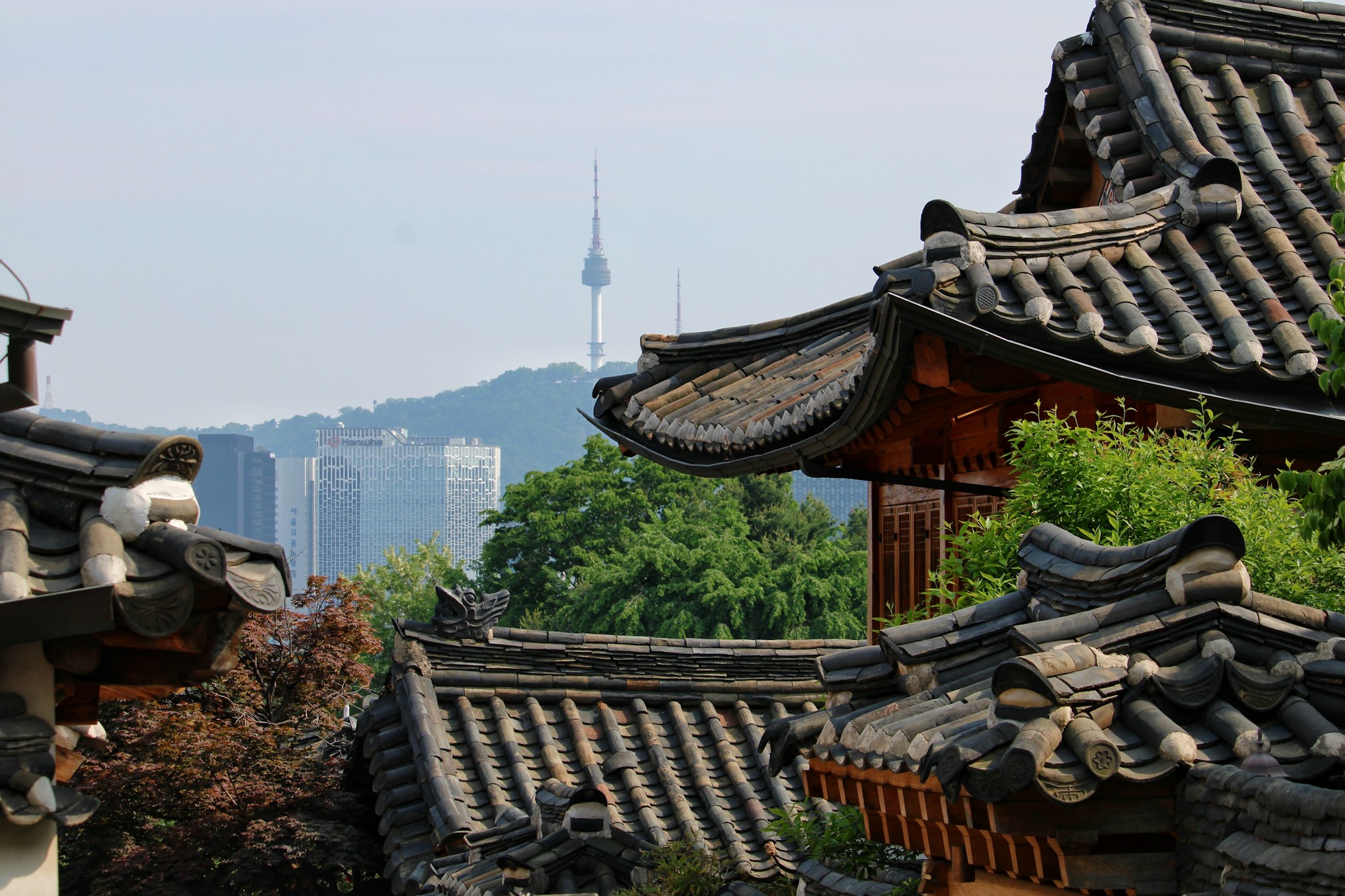
Local Seoul: Mangwon, Hapjeong & Euljiro Alley
While Hongdae is overwhelmed with tourists, the cool crowd has migrated to Mangwon and Hapjeong, on the north bank of the Han. According to JARP.fr, these human-scale residential neighbourhoods are home to the best independent cafés, trendy restaurants and craft breweries in the capital — at local prices. Mangwon Market is less crowded than Gwangjang and significantly cheaper. In the evening, Euljiro Nogari Alley, an industrial district that transforms into a nocturnal gastronomic scene, offers an immersion into the authentic pojangmacha (street stall) culture: plastic tables, soju and dried eel.
2. Jeonju: the gastronomic capital and its 700 hanoks (Day 6)
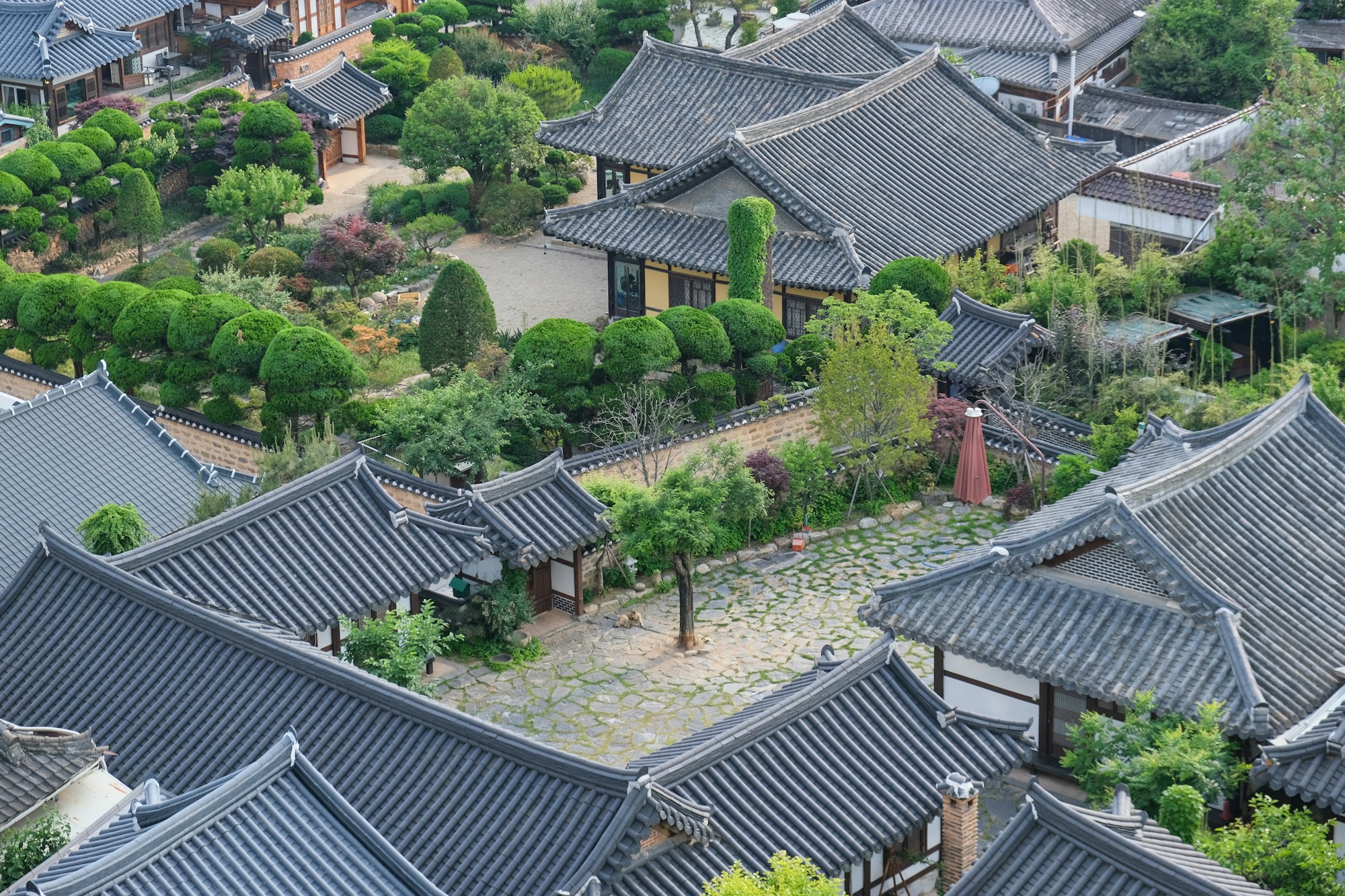
Jeonju Hanok Village & Korean gastronomy
Just 2.5 hours from Seoul by KTX, Jeonju is the gastronomic capital of Korea — this is where bibimbap was invented. According to Au Goût de Mma, the city is listed in UNESCO’s Creative Cities Network for gastronomy. Its Hanok Village houses more than 700 traditional wooden homes still inhabited by locals — a living heritage, not a static museum. The Korean newtro (neo-retro) trend is fully expressed here: hanbok rentals, cafés in the inner courtyards of hanoks, and traditional craft workshops.
Not to be missed
- Authentic bibimbap in a traditional restaurant in the Hanok Village
- Hanbok rental for a photo session in the alleyways
- Makgeolli (sparkling rice wine) in the evening at a hanok bar
- The Mural Village for street art
3. Gyeongju: the open-air museum (Day 7)
Gyeongju: ancient capital of the Silla Kingdom
Nicknamed the « museum without walls », Gyeongju was the capital of the Silla Kingdom for a thousand years (57 BC – 935 AD). According to Confidences de Voyages, Daereungwon Tumuli Park contains about twenty monumental royal tombs, including the Cheonmachong tomb that can be visited from the inside. A few kilometres away, Bulguksa Temple, a UNESCO World Heritage Site, houses 7 National Treasures, including two stone pagodas of exceptional beauty. Don’t miss Donggung Palace and its pond after dark — one of the most photographed landscapes in Korea.
4. Busan: Gamcheon Village & Haedong Temple (Days 8–10)
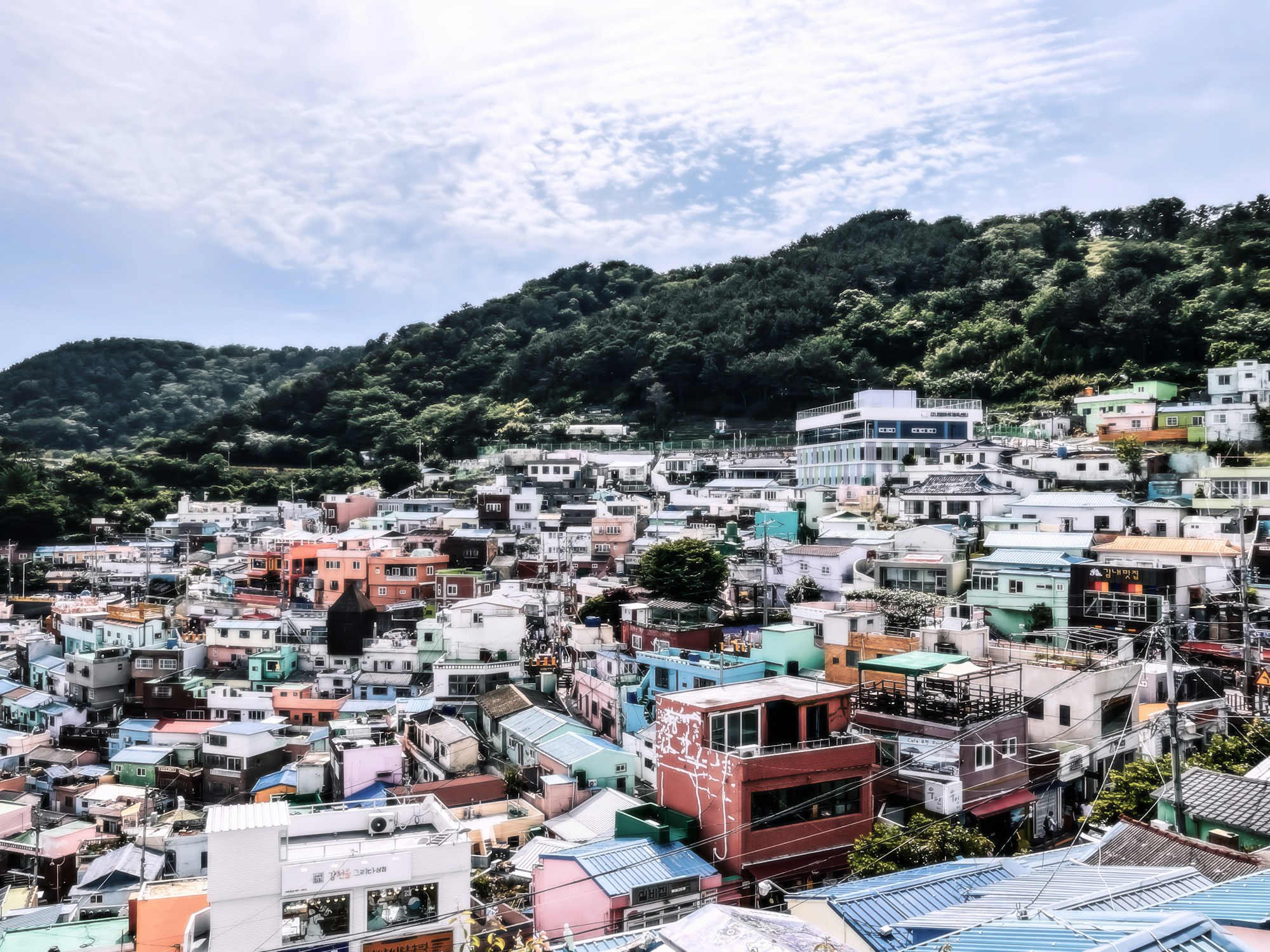
Gamcheon Culture Village — the Santorini of the East
South Korea’s second city, Busan combines the energy of a major port metropolis with the natural beauty of its beaches and hills. Gamcheon Culture Village — nicknamed the « Santorini of the East » — was originally a refugee settlement from the Korean War in the 1950s. Transformed in 2009 through a collaborative art project involving artists and residents, it is now a labyrinth of alleyways decorated with murals, colourful sculptures and multicoloured houses on the hillside. According to Sophie Serves Up, the stamp collection trail (12 stamps and 2 postcards to collect) offers a unique souvenir from the visit.
Busan in 3 days
- Gamcheon Culture Village (arrive early or on a weekday to avoid crowds)
- Jagalchi Market — Korea’s largest fish market
- Haeundae Beach for the urban coastal panorama
- Jeonpo Café Street for café-hopping in former factory buildings
- Day trip to Gyeongju (30 min by KTX)
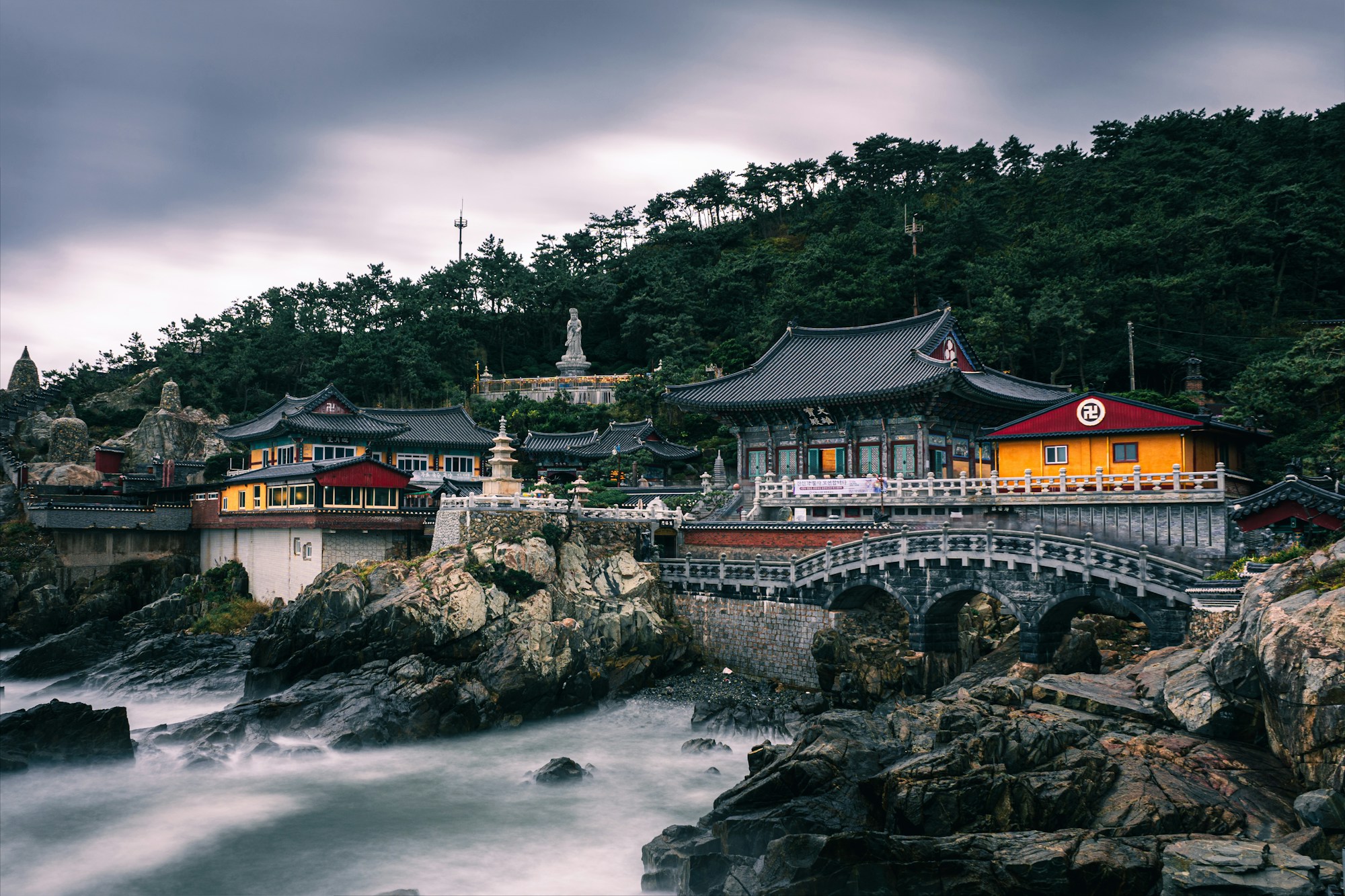
Haedong Yonggungsa Temple — the Buddhist temple by the sea
Founded in the 14th century under the Goryeo dynasty, Haedong Yonggungsa Temple is one of the rare Buddhist temples built by the sea in South Korea. The vast majority of Korean temples are nestled in the mountains — this one, perched on cliffs overlooking the East Sea, is therefore absolutely singular. According to Short Girl Travels, it is one of only three sacred sites dedicated to the Great Goddess Tara in Korea. Its 108 steps adorned with red lanterns, its guardian sculptures and its sanctuaries facing the ocean create an atmosphere of unique serenity at dawn.
5. Jeju Island: Hallasan, Olle Trails & Udo Island (Days 11–14)
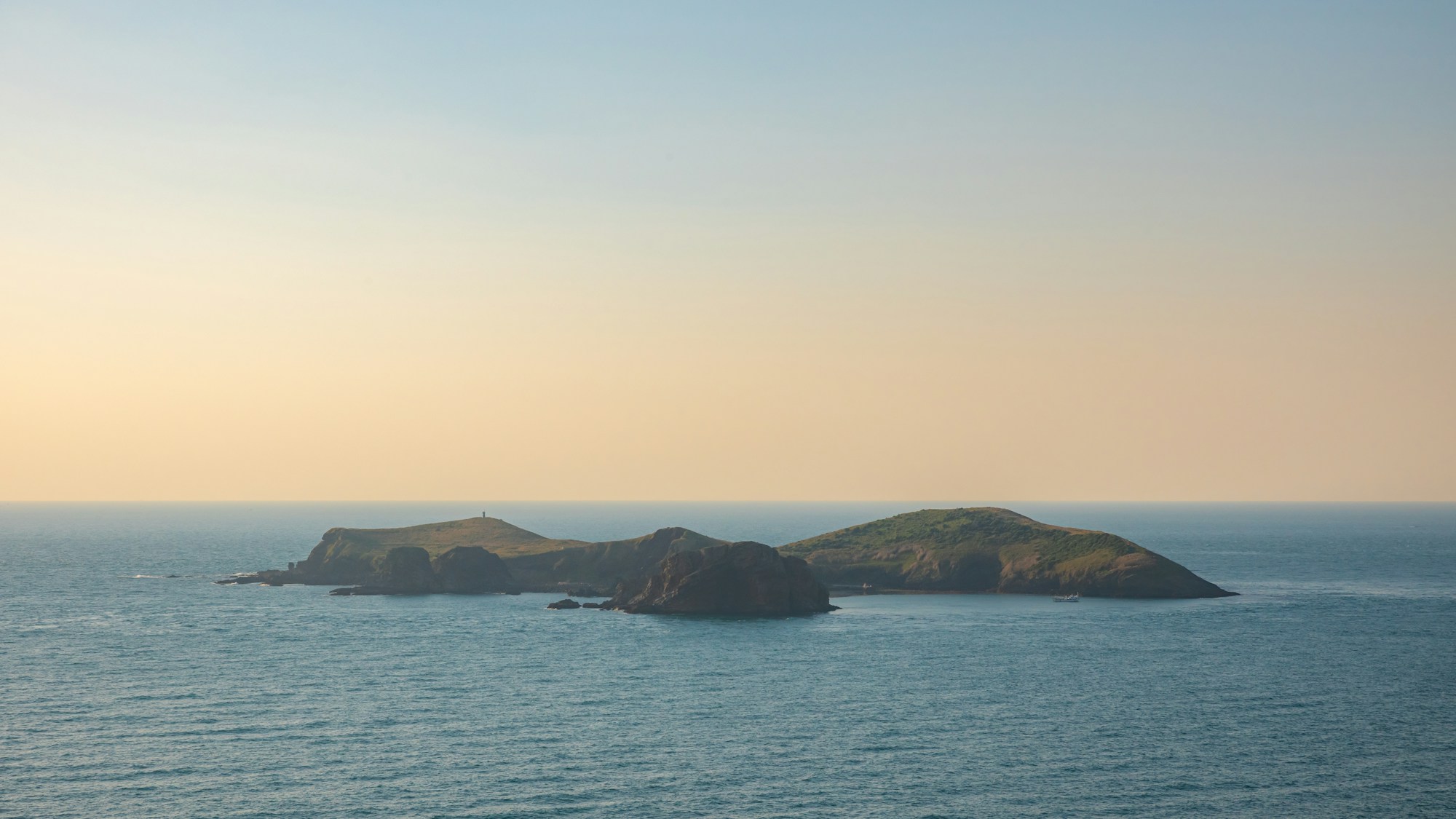
Jeju — the « Hawaii of Korea »
A volcanic island listed as a UNESCO World Heritage Site, Jeju is South Korea’s natural jewel. According to Nomade Aventure, it is home to Korea’s highest mountain (Mount Hallasan, 1,950 m), lava tunnels, emerald-hued beaches and spectacular black basalt cliffs. Spring is magical: fields of yellow rapeseed flowers carpet the slopes of the volcano, while cherry trees explode around the villages. The Olle trails, a hiking network that circles the island over 425 km, allow exploration of isolated coves, camellia forests and fishing villages away from mass tourism.
Don’t miss a day trip to Udo Island, reachable in 15 minutes by ferry from Seongsan Port. According to Klook, this small island offers unique white coral sand beaches, black lava cliffs and a relaxed atmosphere best explored by electric bicycle or buggy. The local speciality — peanut ice cream — is a must.
The ideal Jeju programme
- Ascent of Mount Hallasan (start early, changeable weather, bring a raincoat)
- Udo Island day trip (ferry + electric bicycle)
- Bijarim Forest — more than 500 century-old nutmeg trees in a magical setting
- Haenyeo (traditional women divers) performance on the south coast
- Manjanggul Lava Caves (UNESCO inscription)
6. Transport & Budget: planning your South Korea trip
Getting around South Korea in 2026
The KTX (Korea Train Express), equivalent to France’s TGV and in service since 2004, is the fastest way to travel between cities. According to Cap Corée, it takes just 2.5 hours to travel from Seoul to Busan, city centre to city centre. For Jeju, flying is the only option (around ₩55,000 from Seoul, ₩22,000 from Busan with Jeju Air or Air Busan). The rechargeable T-Money card works on the subway, buses and even in many shops.
Estimated budget for 14 days
- Accommodation: €35–100 / night (capsule hostel → boutique hotel)
- Meals: €8–40 / meal (street food → restaurant)
- Local transport: €5–15 / day (subway + bus)
- Activities: €10–35 / day (temples, parks, excursions)
- KTX Seoul–Busan return: around ₩60,000–80,000 (€45–60)
Staying connected: SIM, eSIM & WiFi
South Korea has some of the fastest mobile networks in the world, and staying online is simple. An eSIM can be activated before departure directly on a compatible smartphone, skipping the airport queue entirely. Travellers who prefer a physical card can pick up a tourist SIM at the arrivals hall in Incheon or Gimpo Airport, while pocket WiFi rental (one device shared by the whole group) remains the most economical option for couples or families. Free WiFi is widely available in subway stations, convenience stores and most cafés, though speeds and reliability vary — a dedicated eSIM or pocket WiFi is recommended for navigation apps like Naver Map.
7. Day-by-day itinerary: 14 days in South Korea
Detailed programme
| Days | City | Highlights |
|---|---|---|
| D1–D2 | Seoul | Gyeongbokgung Palace, Bukchon Hanok Village, Namsan Tower |
| D3 | Seoul | Ikseon-dong, Insadong, Euljiro Alley in the evening |
| D4 | Seoul | Mangwon Market, Hapjeong, Hongdae |
| D5 | DMZ Excursion | Demilitarized Zone from Seoul (half-day) |
| D6 | Jeonju | Hanok Village, bibimbap, hanbok rental |
| D7 | Gyeongju | Tumuli Park, Bulguksa Temple, Donggung Palace at night |
| D8–D10 | Busan | Gamcheon Village, Haedong Yonggungsa Temple, Haeundae, Jagalchi |
| D10 | Flight → Jeju | Check-in, south coast, sunset |
| D11 | Jeju | Ascent of Mount Hallasan (depart before 6am) |
| D12 | Jeju | Udo Island trip: beach, electric bike, peanut ice cream |
| D13 | Jeju | Bijarim Forest, Manjanggul Lava Caves, haenyeo performance |
| D14 | Flight → Seoul/Departure | Last shopping at Myeongdong or Dongdaemun |
Frequently Asked Questions — South Korea 2026
How long do you need to visit Seoul, Busan and Jeju?
According to Helena Bradbury, 7 days is enough for Seoul and Busan alone. To include Jeju with sufficient time for hiking and excursions, plan for at least 10 days. The ideal itinerary is 14 days: 4 in Seoul, 1 in Jeonju, 1 in Gyeongju, 3 in Busan and 4 in Jeju.
Is it better to take the KTX or fly between Seoul and Busan?
The KTX is strongly recommended between Seoul and Busan (2h30, city centre to city centre). For Jeju, flying is the only option — around ₩55,000 from Seoul (1h) or ₩22,000 from Busan (55 min). Budget airlines Jeju Air, Air Busan and T’way Air often offer very competitive fares.
Is renting a car essential on Jeju?
Yes, for a 4-day stay, a car is almost essential on Jeju. Buses exist but are slow and require several extra days to see everything, according to Helena Bradbury. Remember your international driving licence (mandatory). The rental cost is around ₩50,000–55,000 per day. Use Naver Map rather than Google Maps.
What is the best time to travel to South Korea?
Spring (March–May) and autumn (September–November) are the best seasons. Spring brings cherry blossoms and yellow rapeseed fields, autumn brings blazing forests. Avoid summer (oppressive heat and humidity, monsoon) and winter (sub-zero temperatures in Seoul). Also avoid Chuseok (mid-autumn) and Seollal (Lunar New Year): transport is packed and prices soar.
Does Google Maps work in South Korea?
No, Google Maps is practically useless in South Korea for driving directions and public transport. According to NoobVoyage, you must download Naver Map or Kakao Map before you leave. For instant translations, the Papago app (by Naver) is far more effective than Google Translate for Korean.
What budget should you plan for 2 weeks in South Korea?
According to Nomadic Matt‘s 2026 figures, a backpacker can plan for around 75,000 KRW/day (~€44) (hostel dorms, self-catered meals, public transport), a mid-range traveller around 135,000 KRW/day (~€79) (private Airbnb or budget hotel, restaurants, trains between cities), and an upscale traveller around 255,000 KRW/day (~€150) (nicer hotels, bar drinks, unlimited guided tours). For 14 days all-in (excluding international flights), that works out to roughly €620–2,100 per person depending on your travel style.
Do you need to learn Korean before visiting?
No, a few basic words are sufficient. Subway signs are bilingual (Korean/English), stations are announced in English, and many tourist sites provide information in English. According to Partirou, even without speaking Korean, daily interactions go smoothly. A small survival guide (thank you = 감사합니다 gamsahamnida) is always appreciated by locals.
Do you need a visa to visit South Korea from Europe?
Citizens of most European countries (including France, Germany, the UK and Spain) can enter South Korea without a visa for tourist stays of less than 90 days. A valid passport is sufficient. Simply check that your passport is valid at least 6 months after your return date. According to UK Foreign Travel Advice, the K-ETA (Electronic Travel Authorization) is currently waived for most European nationalities until 31 December 2026 — after that date, K-ETA approval may become mandatory again, so check current conditions before departure.
Sources
- NoobVoyage — Complete South Korea itinerary in 15 days
- Nomadic Matt — South Korea Budget Travel Guide 2026
- Partirou — What to do and see in South Korea
- Claire on va — South Korea: itinerary and budget for 2 weeks
- UK Foreign Travel Advice (gov.uk) — South Korea entry requirements 2026
- Cap Corée — Public transport in South Korea 2026
- JARP.fr — Seoul neighbourhoods
- Sophie Serves Up — The Complete Busan City Guide
- Short Girl Travels — 5 Days in Busan, South Korea
- Confidences de Voyages — Visiting Gyeongju in 3 or 4 days
- Au Goût de Mma — Visiting Jeonju, the gastronomic capital
- Nomade Aventure — South Korea and Jeju Island circuit
- Klook — Udo Island Guide
- MinimalHee — Hidden Gems in Jeju 2025
- Helena Bradbury — 10-Day South Korea Itinerary
- Rokusan — 3 weeks in South Korea
- Tara Oh Reilly — 31 Best Attractions in Busan
Research conducted on February 22, 2026, refreshed July 16, 2026
Ready to plan your South Korea trip?
Seoul, Busan, Jeju: two weeks to explore the soul of a country between vibrant modernity and millennial traditions. Discover our detailed itineraries to make the most of every day.
Explore all itineraries