
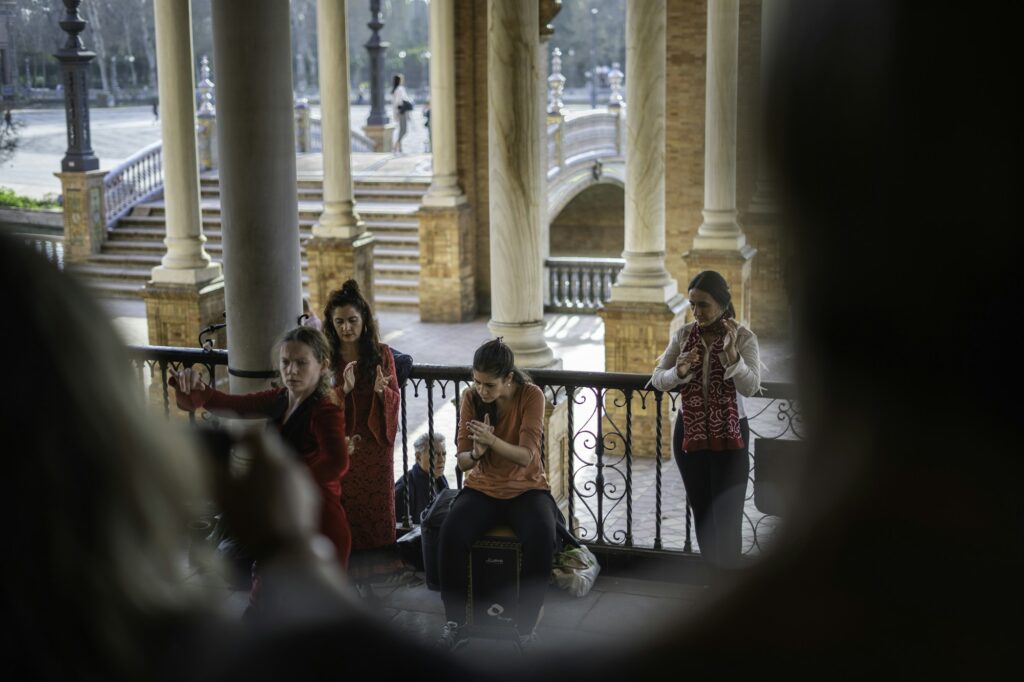
The 2026 Seville Flamenco Biennale runs from 9 September to 3 October across 11 venues in the city. The line-up features 72 shows, including 22 world premieres, on a budget of €2.5 million. Ticket sales have already broken records with more than €500,000 in the first month, but seats are still available on labienal.com. The next edition is in 2028, so book now.
The XXIV Seville Flamenco Biennale opens on 9 September 2026, and the date matters. The festival has only run in even years since 1980: the next edition won’t happen until 2028. With 72 shows, 52 new productions and 22 world premieres across 11 venues, this edition under the motto « Perlas a millares » (« Pearls by the thousand ») is shaping up as one of the most ambitious in its history. Here’s how to make the most of it, from the nights not to miss to the tickets still available, via the neighbourhoods where to sleep and the tablaos that run all year round.
Seville Flamenco Biennale 2026: the even-year appointment
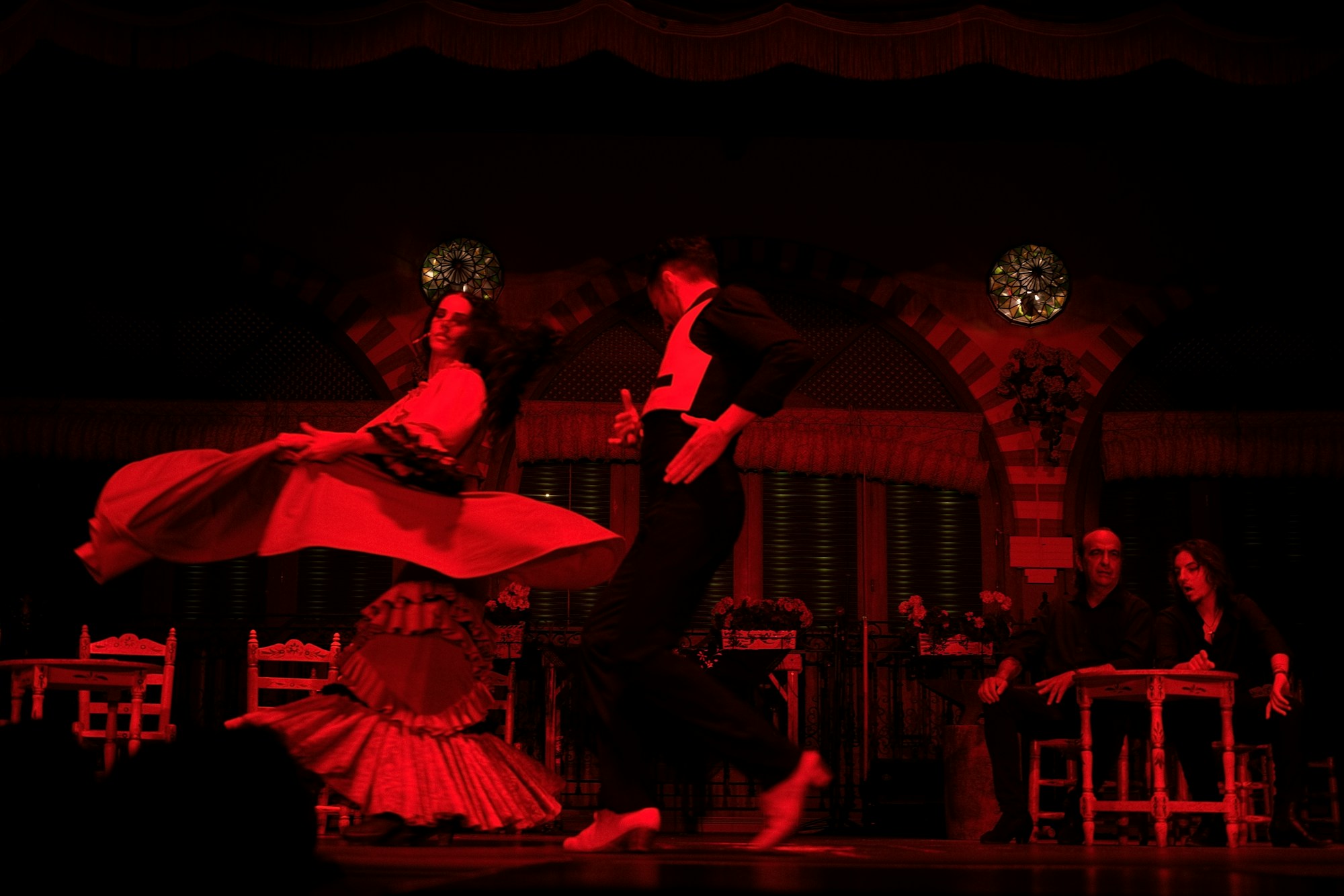
The XXIV Seville Flamenco Biennale
Founded in 1980 at the Teatro Lope de Vega, the Seville Biennale is the oldest and most prestigious flamenco festival in Spain, organised by Seville City Council under the direction of Luis Ybarra. Flamenco has been listed as UNESCO Intangible Cultural Heritage of Humanity since 2010, and this XXIV edition posts record numbers: 72 shows, 52 new productions, 22 world premieres, 24 one-off nights and 6 exclusive mornings, on a budget of nearly €2.5 million, according to Expoflamenco.
One nuance worth knowing when reading the press: on 18 August, Europa Press headlined « 20 estrenos absolutos », but the official figure announced during the programme’s tour of Paris, New York and Rome is 22 world premieres, international co-productions included, as Europa Press details.
Highlights
- 22 world premieres performed for the first time
- The Teatro Lope de Vega reopens after three years of renovation
- Historic ticket sales record within the first month
The Biennale doesn’t run every night: some tablaos stay open in parallel, and a show + tapas combo in the old town remains the best entry point when you’re discovering flamenco.
The highlights of the XXIV Biennale
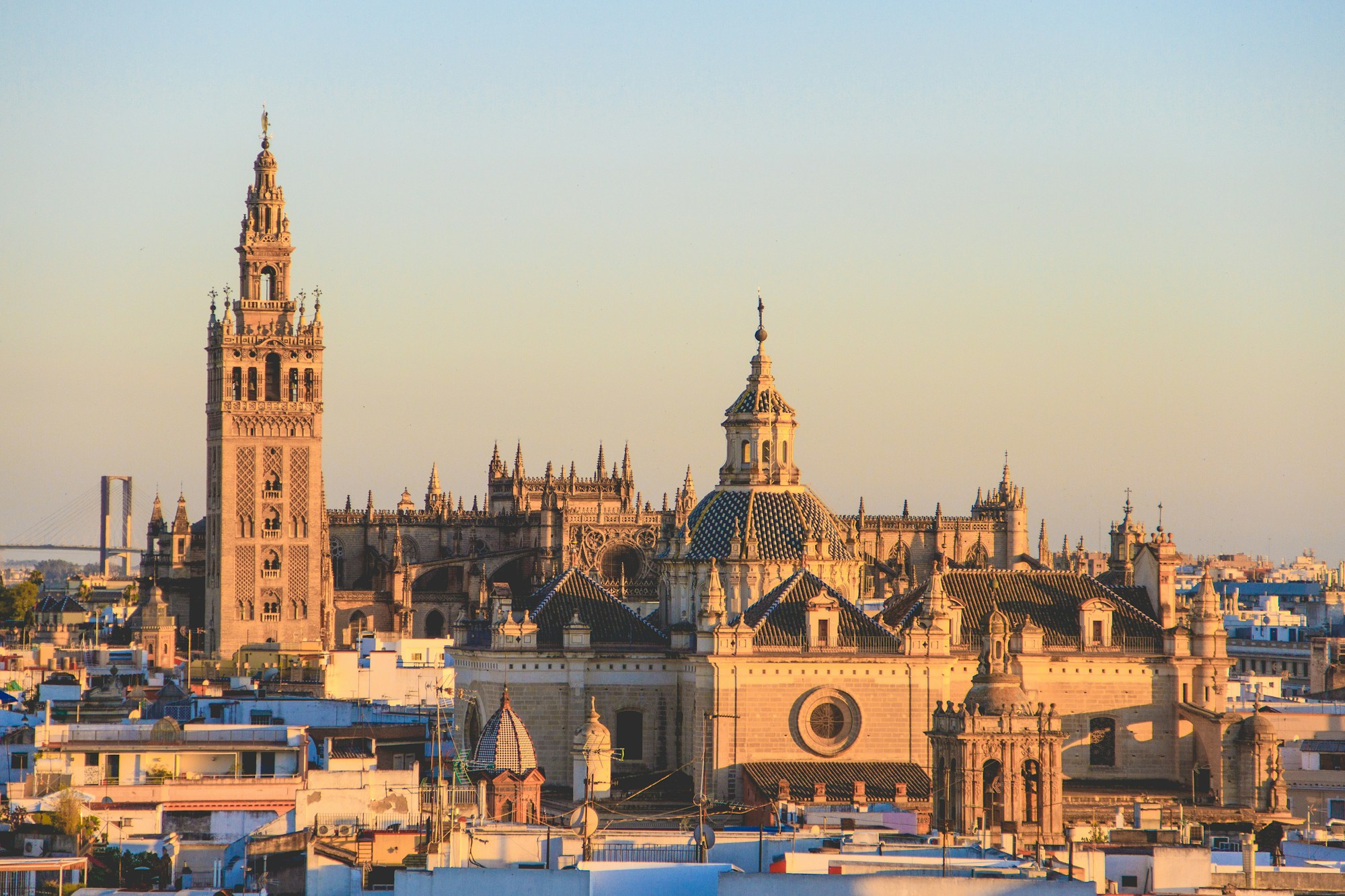
Five nights not to miss
The opening takes place on 9 September with a pregón, a sung proclamation delivered on Plaza de San Francisco: « Ecos primitivos. Cante arriba, baile en el suelo », staged by Segundo Falcón with María Terremoto, Rafael de Utrera, Esperanza Fernández and Pedro el Granaíno in dialogue with dancer Ana Morales, reports La Voz de Andalucía.
On 10 September at 9.30 pm, the opening gala « El mundo por montera » takes over the Plaza de Toros de la Real Maestranza with José Mercé, Martirio, Arcángel, La Tremendita and the Ballet Flamenco de Andalucía, with tickets at €22.50, according to SevillaFlamenca. The evening celebrates the centenary of 1926, the year of the Ópera Flamenca and the first electric recordings, which turned flamenco into a mass phenomenon.
From 11 to 13 September, Sara Baras returns to the Biennale after a 14-year absence with « Infinita », a world premiere at the Teatro de la Maestranza, where eight female perspectives sketch the eight Andalusian provinces, notes Europa Press.
12 September marks the reopening of the Teatro Lope de Vega, closed since 2023 for €9.5 million of renovation works, with the world premiere of Dorantes’ « Fractal Arcano ». The theatre where the Biennale was born in 1980 will host 9 performances including 4 world premieres, says SevillaSecreta. Another new venue: the Real Fábrica de Artillería, a converted industrial monument, hosts the already sold-out creation of Ana Morales, « Rapsodia. Fantasía subterránea » (13-14 September), followed by Pablo Martín Caminero’s Trilogía (22-24 September), according to Expoflamenco.
The end of the month keeps two major dates: Israel Galván with « Bolero de blanco y negro » on 26 September and Farruquito with « Serás Farruquito: el musical » on 28 September. The closing show, « Perlas a Millares », brings together on 3 October Carmen Linares, Marina Heredia, María Terremoto and Rafaela Carrasco for the 30th anniversary of the « Antología de Mujeres en el Cante », according to AllFlamenco.
Highlights
- The opening gala at the Maestranza for just €22.50
- The reopening of the Lope de Vega, the festival’s sentimental heart
- Sara Baras’ return after a 14-year absence
Biennale 2026 tickets, prices and availability
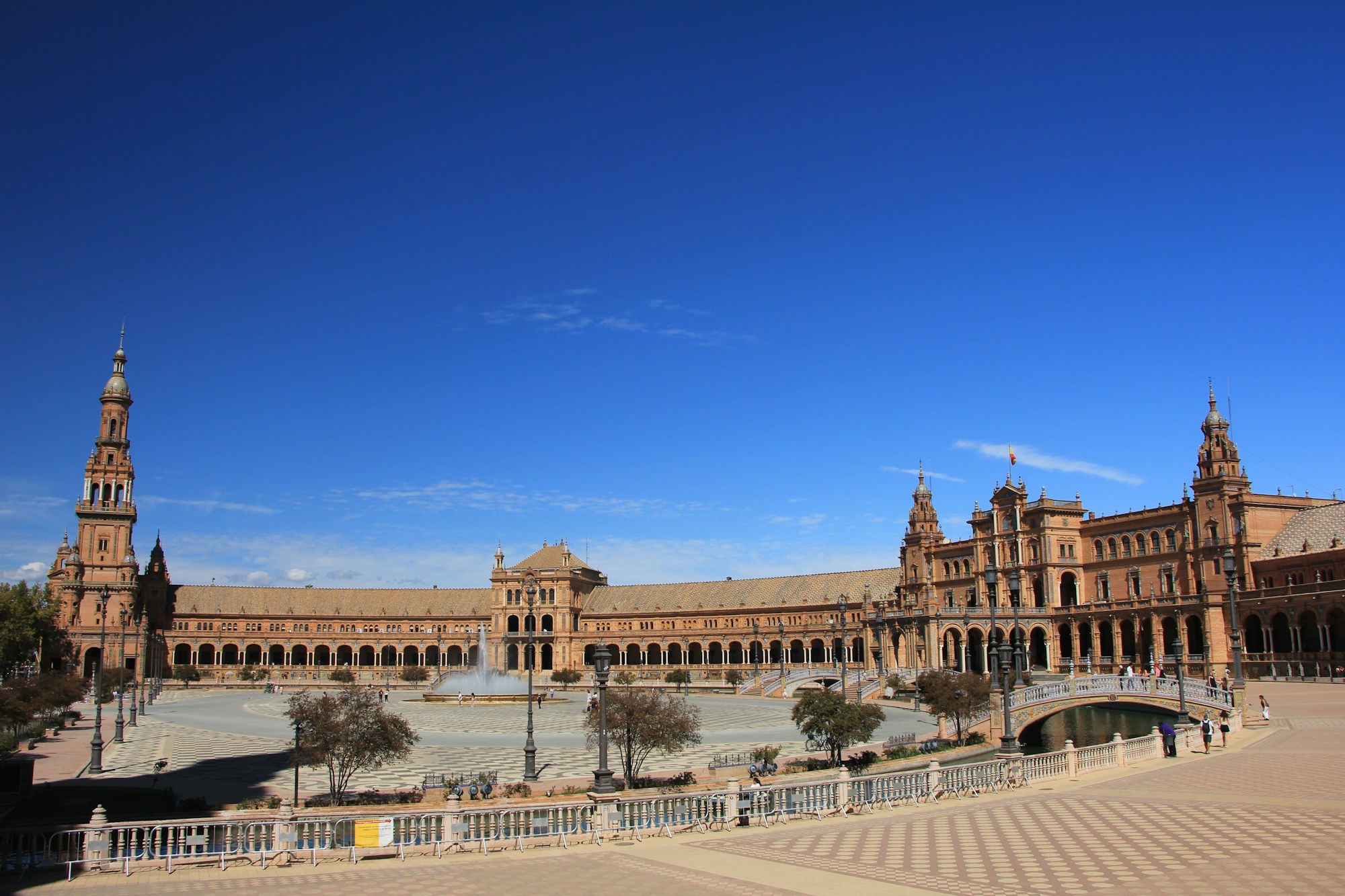
How to book your seats
The official box office has been open since 11 February 2026 at labienal.com, earlier than ever, with prices from €12 (some Teatro Lope de Vega seats) to €75 (category A for Sara Baras at the Maestranza), according to Flamenco Australia. A physical ticket office remains available at the Real Fábrica de Artillería, and last-minute tickets are sold 1 hour before each show at the box offices of venues that aren’t sold out.
The success is real: more than €500,000 taken in under a month, an all-time record in the festival’s history, and over ten sold-out shows by April (Pedro El Granaíno, Dorantes, Mayte Martín, Aurora Vargas, Ángeles Toledano, among others), says tourism delegate Angie Moreno in Expoflamenco.
There are still seats as of 16 August for several nights, lists El Correo de Andalucía: Canito & Raúl Rodríguez (12 September, Espacio Turina), Luis el Zambo and the artists of Jerez (16 September, Real Alcázar), Remedios Amaya, La Fabi, Montse Cortés and Josemi Carmona (17 September, Hotel Triana), Alejandro Hurtado (19 September, San Luis de los Franceses) and Manuel de la Luz & Manuel Imán (20 September, Espacio Turina).
Highlights
- Tickets from €12 at the Teatro Lope de Vega
- Around twenty nights still accessible in mid-August
- Single official box office on labienal.com
Getting to Seville is easy: direct flights from London run every day, with easyJet from Gatwick and Ryanair from Stansted and Luton taking about 2 h 45 min and one-way fares from around £30 when booked 4-10 weeks ahead, according to Momondo. From Madrid, the AVE high-speed train takes 2 h 20 min for €9-17 on advance tickets, according to EuroTrain. Once there, bus EA links the airport to the centre for €4 one-way, and the centre is walkable from there. Spain’s rail liberalisation has also pushed prices down: the new 2026 AVE lines are well worth a look.
Weather-wise, September is one of Seville’s best months: 25 °C on average, 31.7 °C at the hottest, just 27 mm of rain and 244 hours of sunshine over the month, according to the normals from Spanish weather agency AEMET. Evenings stay mild, perfect for terraces and flamenco nights with the windows open.
Where to stay in Seville during the Biennale
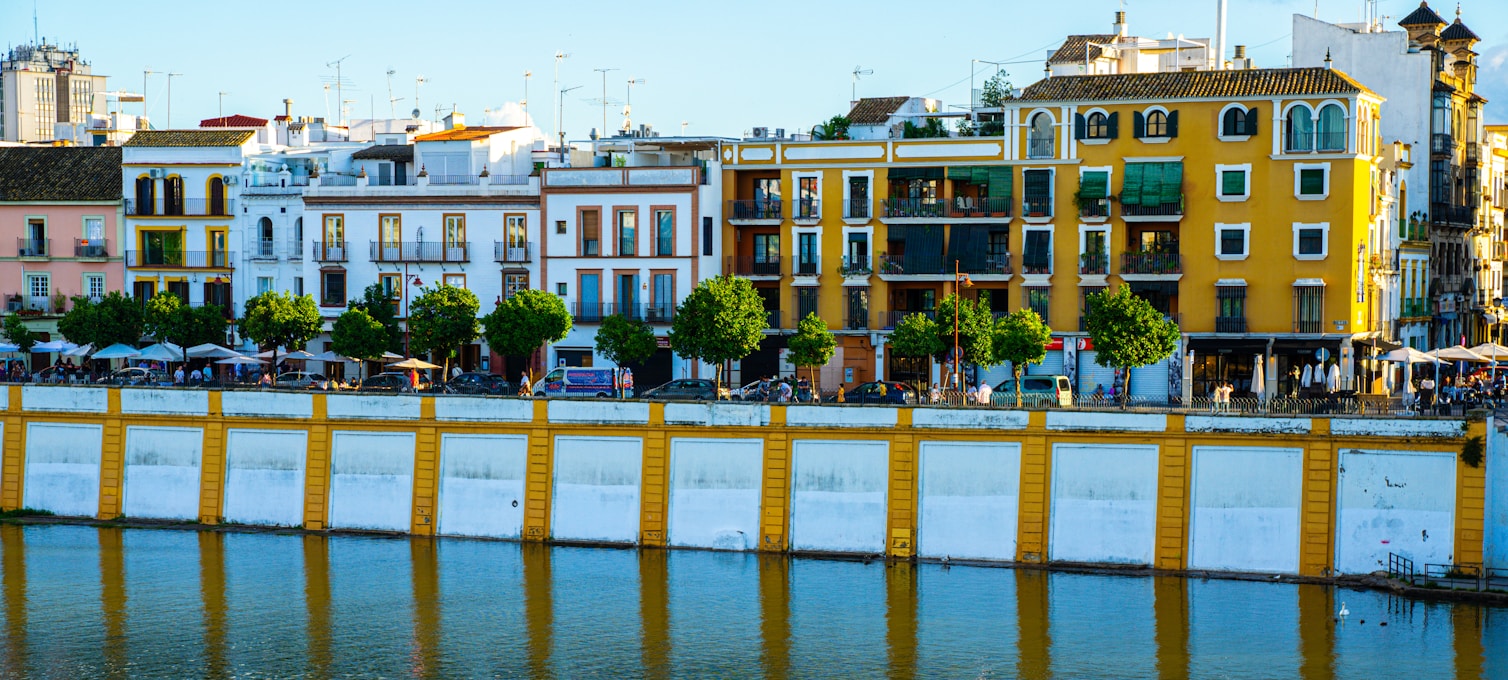
The neighbourhoods that work for the festival
El Arenal is the theatre district: a stone’s throw from the Maestranza and the Lope de Vega, it puts most of the festival’s venues within a ten-minute walk, with boutique hotels and great tables, advises Spanaly.
Santa Cruz, the former Jewish quarter between the cathedral and the Alcázar, charms with its romanticism and boutique hotels, five minutes from the monuments. Triana, on the far bank of the Guadalquivir and a fifteen-minute walk from the cathedral, remains the flamenco soul of the city: neighbourhood atmosphere, cheaper tapas and spontaneous flamenco nights, details Bazar Travels. Finally, the Alameda de Hércules and the Macarena draw a younger crowd with hostels from €25 a night, according to CityByDay.
In September, the city stays in the shoulder season: budget €80-130 per night for mid-range hotels, against prices that triple during Semana Santa or the April Feria, observes Oyster. As a benchmark, a visitor coming for the Biennale spends an average of €126 per day, accommodation included, according to the 2024 edition’s impact study relayed by Expoflamenco.
Highlights
- El Arenal for proximity to the festival venues
- Triana for flamenco nights and authentic tapas
- Reasonable hotel prices in September
To extend the stay after the 3 October closing, the 5-day Andalusia itinerary combines Seville, Córdoba and Granada, the region’s three pillars.
Flamenco beyond the Biennale: tablaos, peñas and classes
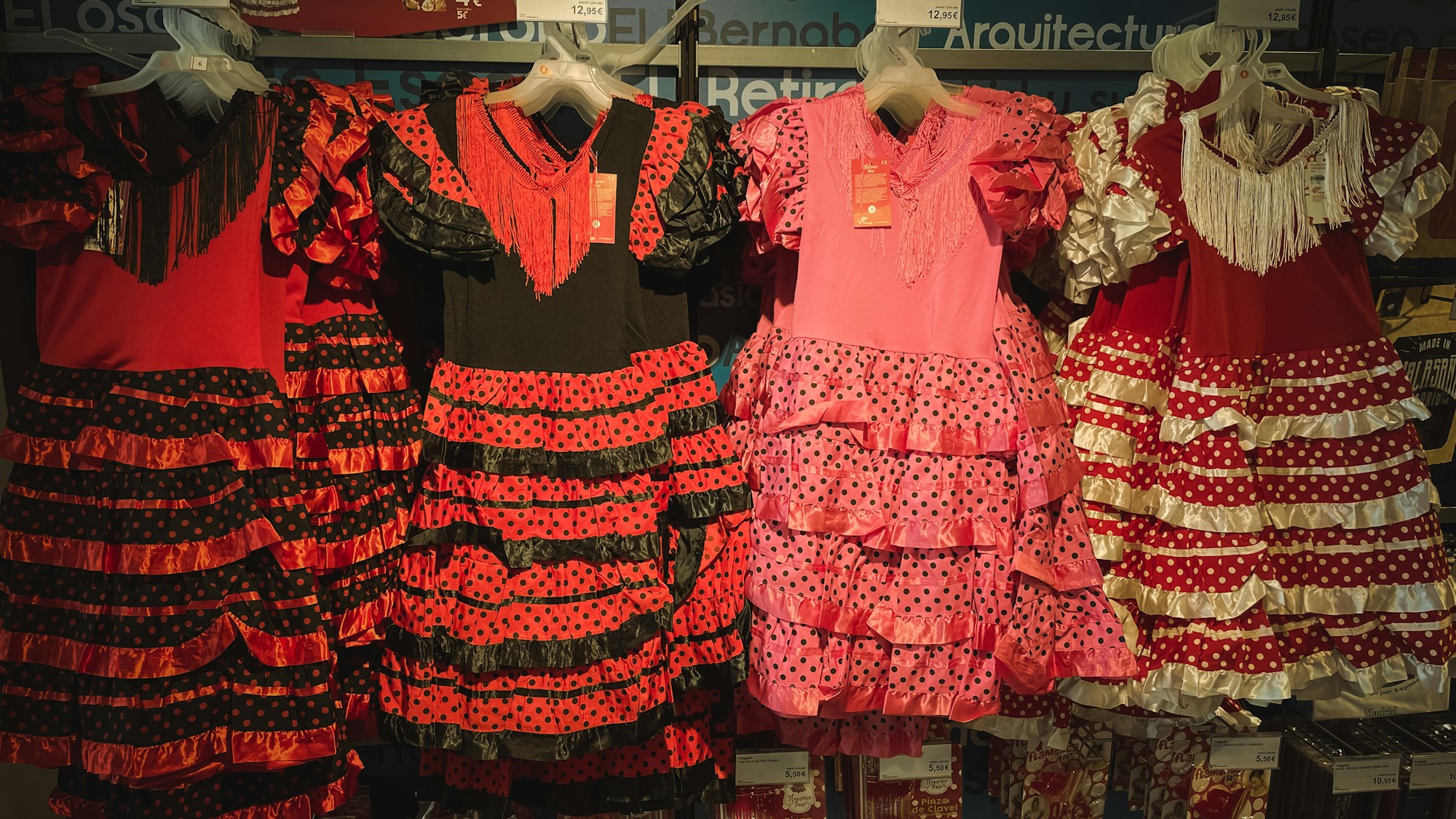
Live flamenco all year round
Professional tablaos run all year and are the natural complement to the Biennale. The Casa de la Memoria, in a 15th-century palace, remains the safe bet on traveller forums: two 1-hour sessions (7.30 pm and 9 pm), no amplification or dinner, for €20-28, recommends Map & Camera. The Teatro Flamenco Triana (4.7/5 from 651 reviews) and the Museo del Baile Flamenco, founded by dancer Cristina Hoyos, complete the offer with sessions from €25, according to The Seville Guide.
For flamenco « from the inside », the peñas remain the most authentic experience: at the Peña Torres Macarena, absolute silence accompanies performances without a sound system for a €10-20 donation, says VidaFlamenca. La Carbonería, in the Alameda, offers free flamenco every night at 10.30 pm and midnight for the price of a beer (€3), and Casa Anselma, in Triana, holds a night with no booking and no fixed schedule, pure word of mouth, describes The Discreet Gentleman.
Fancy crossing to the other side of the stage? The Andrés Marín Flamenco Abierto studio runs intensive workshops throughout the Biennale, from 7 September to 2 October, with teachers such as Eva Yerbabuena or Mercedes de Córdoba, according to Andrés Marín.
Highlights
- Casa de la Memoria, the safe bet on traveller forums
- La Carbonería and Casa Anselma, free flamenco
- Dance workshops open throughout the Biennale
Purists often round out the Biennale with Jerez, birthplace of cante: the Feria del Caballo de Jerez unfolds its equestrian and flamenco programme every spring, an hour from Seville by train.
A one-hour class in Triana, costume optional, is a fun entry point before an evening show: available every day of the Biennale, it lets you learn the first steps before seeing them elevated on stage.
Free flamenco and the 1926 centenary
The parallel programme « Otras gemas » (« Other Pearls ») completes the 72 ticketed shows: free « Flamenco en la calle » performances in the open air, exhibitions, film, talks and family activities, coordinated by the city council with support from the Junta de Andalucía and INAEM, details Unicaja Banco. Highlights include: the exhibition « La noche azul« , dedicated to the Ópera Flamenca, at the Real Fábrica de Artillería from September to November, with digitised historical recordings of La Niña de los Peines or Manuel Vallejo; the film cycle « Flamencas » by the Fundación Tres Culturas on 8, 15, 22 and 29 September; and « Tirititrán », a family body-percussion show for children at CaixaForum from 11 to 13 September, according to Fundación Tres Culturas.
The 2026 edition also celebrates the centenary of the 1920s: 1926 is the year the Ópera Flamenca triumphed in theatres, the first electric recordings were cut and Manuel Vallejo received the 2nd Llave de Oro del Cante, recalls Expoflamenco. Fifty years after the death of Pepe Marchena, a major figure of that era, « Poema de la libertad » by Sandra Carrasco and David de Arahal pays tribute to him on 2 October at the Teatro Central, with the book-and-record set « Recordando a Marchena » as its starting point, according to Diario Avanza.
Practical info: eSIM and insurance for Seville
Mobile data from the moment you land, no physical SIM needed: from $4.50 for 1 GB, active within 5 minutes. Handy for checking labienal.com and venue programmes on the move.
From $4.50 / 1 GBNomad Insurance: global coverage from $56/4 weeks. 10% off via our link.
From $56 / 4 weeksFrequently asked questions
What are the dates of the 2026 Seville Flamenco Biennale?
The XXIV Biennale runs from 9 September to 3 October 2026, 25 days in all. The opening pregón takes place on 9 September on Plaza de San Francisco, the opening gala on 10 September at the Maestranza and the closing show « Perlas a Millares » on 3 October. Source: AllFlamenco.
Does the Seville Flamenco Biennale take place every year?
No: the Biennale has only run in even years since 1980, for about a month in September-October. After 2026, the next edition won’t happen until 2028, which makes this XXIV edition a not-to-be-missed appointment. Source: Wikipedia.
How much do tickets cost and where can I buy them?
Tickets are booked on labienal.com (sales open since 11 February 2026) and cost from €12 to €75 depending on the show and category, with the opening gala at €22.50. A physical ticket office is set up at the Real Fábrica de Artillería, and last-minute tickets are sold 1 hour before each show. Source: Flamenco Australia.
Is the 2026 Biennale already sold out?
No: more than ten shows are sold out (a sales record above €500,000 within the first month), but many nights still have seats, notably Canito & Raúl Rodríguez (12 September), Luis el Zambo at the Real Alcázar (16 September), Remedios Amaya at the Hotel Triana (17 September) or Alejandro Hurtado (19 September). Sources: Expoflamenco, El Correo de Andalucía.
Is the Teatro Lope de Vega really reopening for the Biennale?
Yes: closed since 2023 for €9.5 million of renovation works, the theatre reopens on 12 September with the world premiere of Dorantes’ « Fractal Arcano », then hosts 9 performances including 4 world premieres. It’s the theatre where the Biennale was born in 1980. Source: SevillaSecreta.
Where can I see flamenco outside the Biennale?
Professional tablaos run all year: Casa de la Memoria (€20-28, no amplification), Teatro Flamenco Triana or Museo del Baile Flamenco (from €25). For free flamenco, La Carbonería puts on performances every night at 10.30 pm and midnight, and the Casa Anselma peña, in Triana, runs on a simple drink. Source: Map & Camera.
Sources
- Expoflamenco — Official programme presentation (figures, motto, venues)
- Expoflamenco — The Biennale presented in Rome (sales record, sold-out shows)
- Europa Press — Sara Baras, Farruquito and the 2026 Biennale premieres
- SevillaInforma — The estrenos absolutos of the XXIV Biennale
- SevillaSecreta — Full programme and Lope de Vega reopening
- AllFlamenco — Full official programme
- El Correo de Andalucía — Shows with seats still available (16/08)
- Flamenco Australia — Box office, prices, ticket offices
- Expoflamenco — The El mundo por montera gala (1926 centenary)
- La Voz de Andalucía — The 9 September opening pregón
- Diario Avanza — Tribute to Pepe Marchena
- AEMET — Seville climate normals (September)
- UN News — Flamenco listed as UNESCO intangible heritage (2010)
- Wikipedia — History of the Flamenco Biennale
Research conducted on 18 August 2026.

Plan your trip with Pixidia
Pixidia learns how you travel and helps you build a trip that truly fits you and everyone coming along.
Open the planner