

Supermarket safari — treating a local grocery store as a genuine tourist attraction — has gone mainstream. 77% of travelers enjoy visiting grocery stores while abroad, per Hilton’s 2026 report. Japan’s konbini, Spain’s Mercadona, and LA’s Erewhon lead the trend, with budgets ranging from $2–8 per visit in Thailand to $20–60 at Erewhon. First-timers get the best value starting with a konbini in Japan or a Mercadona in Spain: minimal cost, maximum cultural payoff.
77% of travelers already visit local supermarkets while abroad, and 39% plan a grocery store stop on their next trip. Forget museum queues: in 2026, the most unexpected travel trend is the Supermarket Safari. From Japan’s konbini stocked with seasonal limited editions, to the fragrant stalls of La Boqueria in Barcelona and Erewhon’s $20 smoothies in Los Angeles, grocery store aisles around the world have become full-blown tourist attractions. Here’s the ultimate guide to grocery store tourism — the trend redefining cultural immersion, one shopping cart at a time.
1. Japan — Konbini, the Temples of Everyday Food Tourism
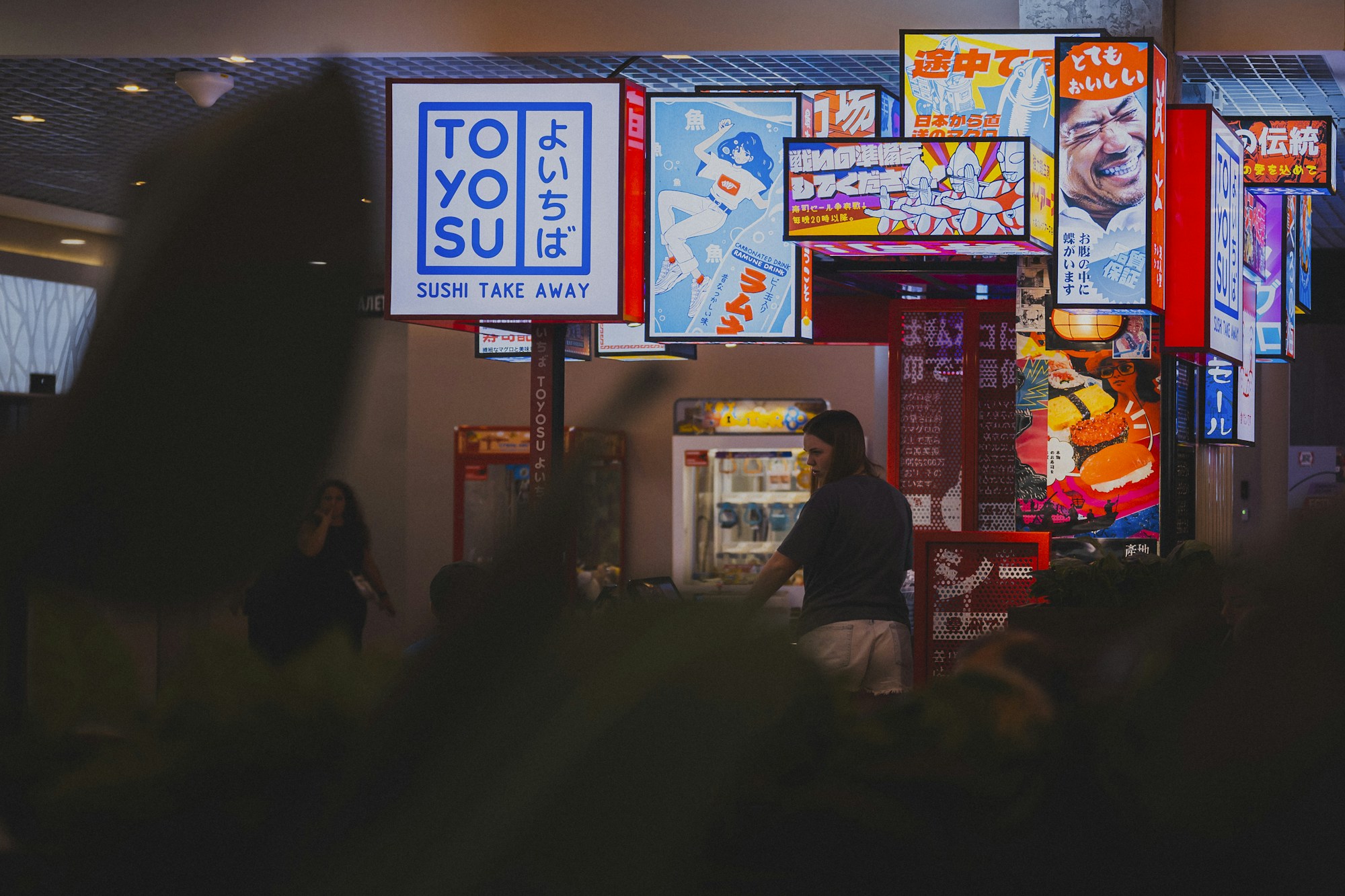
7-Eleven, FamilyMart, Lawson: Far More Than Convenience Stores
Japan is universally regarded as the « Holy Grail » of supermarket tourism. With over 20,000 stores for 7-Eleven alone, Japanese konbini are nothing like their Western counterparts. FamilyMart carries exclusive products, local coffee brands, seasonal bento boxes with experimental flavors, and onigiri of unmatched freshness. Everything feels intentional, aesthetic, and hyper-functional.
Tour operator byFood has created experiences entirely dedicated to konbini culture, capitalizing on the viral explosion of this content on TikTok — a 5,000% surge in related searches. Limited-edition KitKat flavors (matcha, sakura, purple sweet potato) have become iconic travel souvenirs.
- Take advantage of after 7–8 PM markdowns on fresh items at supermarkets
- Some supermarkets offer tax-free shopping for international visitors
- Visit in spring for sakura limited editions and in fall for matsutake season
- Full konbini meal: $3–8 (onigiri + miso soup + dessert)
2. Spain — Mercadona and La Boqueria, the Affordable Paradise
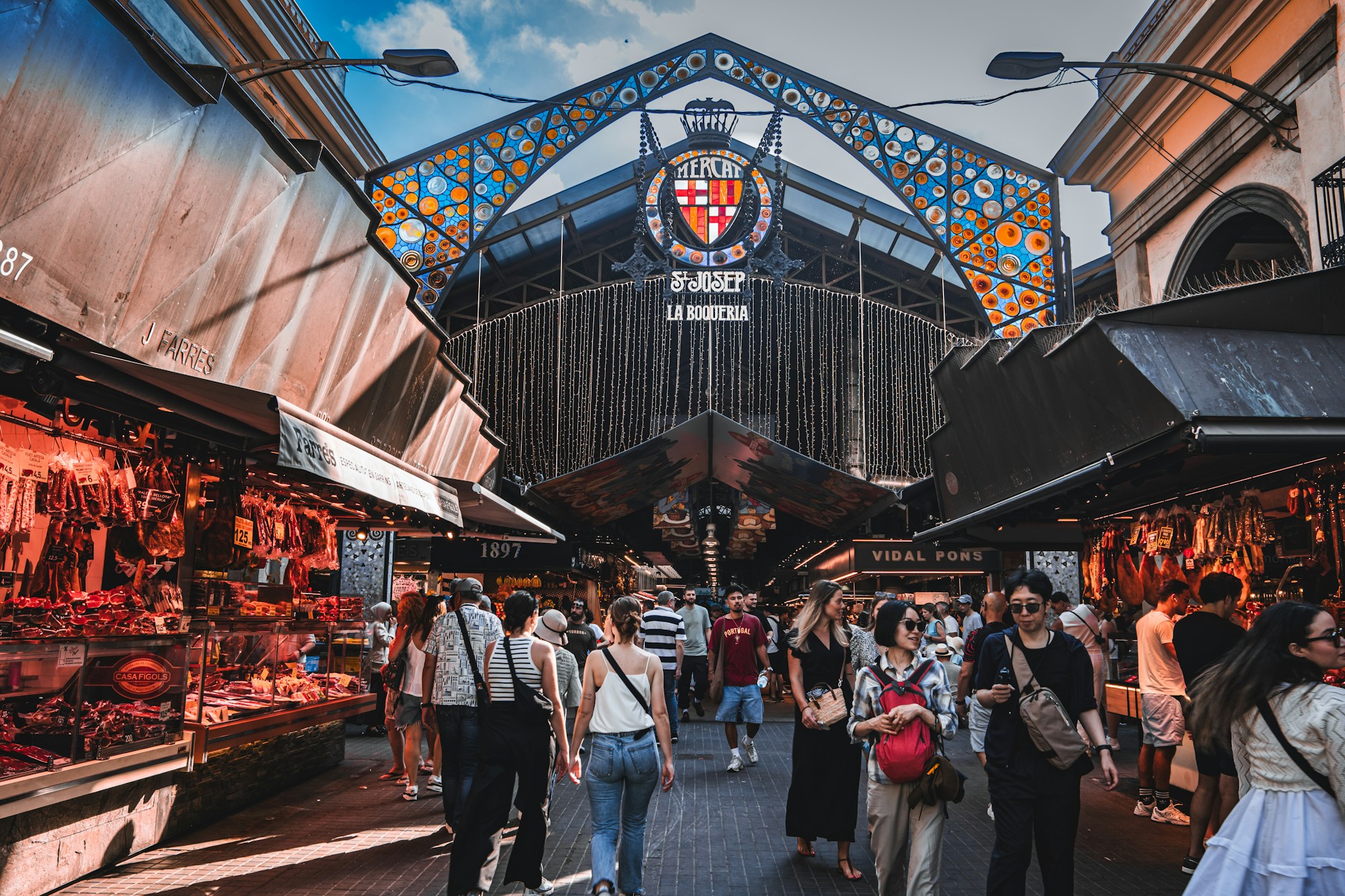
When British Tourists Discover Hacendado
A quick scroll through Facebook reveals British holidaymakers raving about Mercadona’s aisles. This chain, operating 1,618 stores across Spain, bets big on its private-label brands — Hacendado (food), Bosque Verde (household), Deliplus (personal care) — whose quality often rivals name brands at a fraction of the price.
The phenomenon has grown so large that it now has its own name: « sandwich tourism » — tourists skipping restaurants in favor of supermarket lunches featuring Iberian cured meats, local cheeses, and fresh tapas for $3–7. In Barcelona, La Boqueria remains the iconic food market, but downtown Mercadona stores offer a far more authentic local immersion. Beyond the aisles, Pixidia’s El Born gastro guide rounds out Barcelona’s food scene with local bites off the beaten path.
- Try Hacendado products: gazpacho, tortilla, olive oil, jamón serrano
- Mercadona stores are centrally located, unlike competitors often found on the outskirts
- Skip La Boqueria during peak hours (10 AM–1 PM) — go at opening time, 8 AM
- Unbeatable value: a gourmet picnic for just $5–10
3. Italy — Peck in Milan and the Treasures of Esselunga
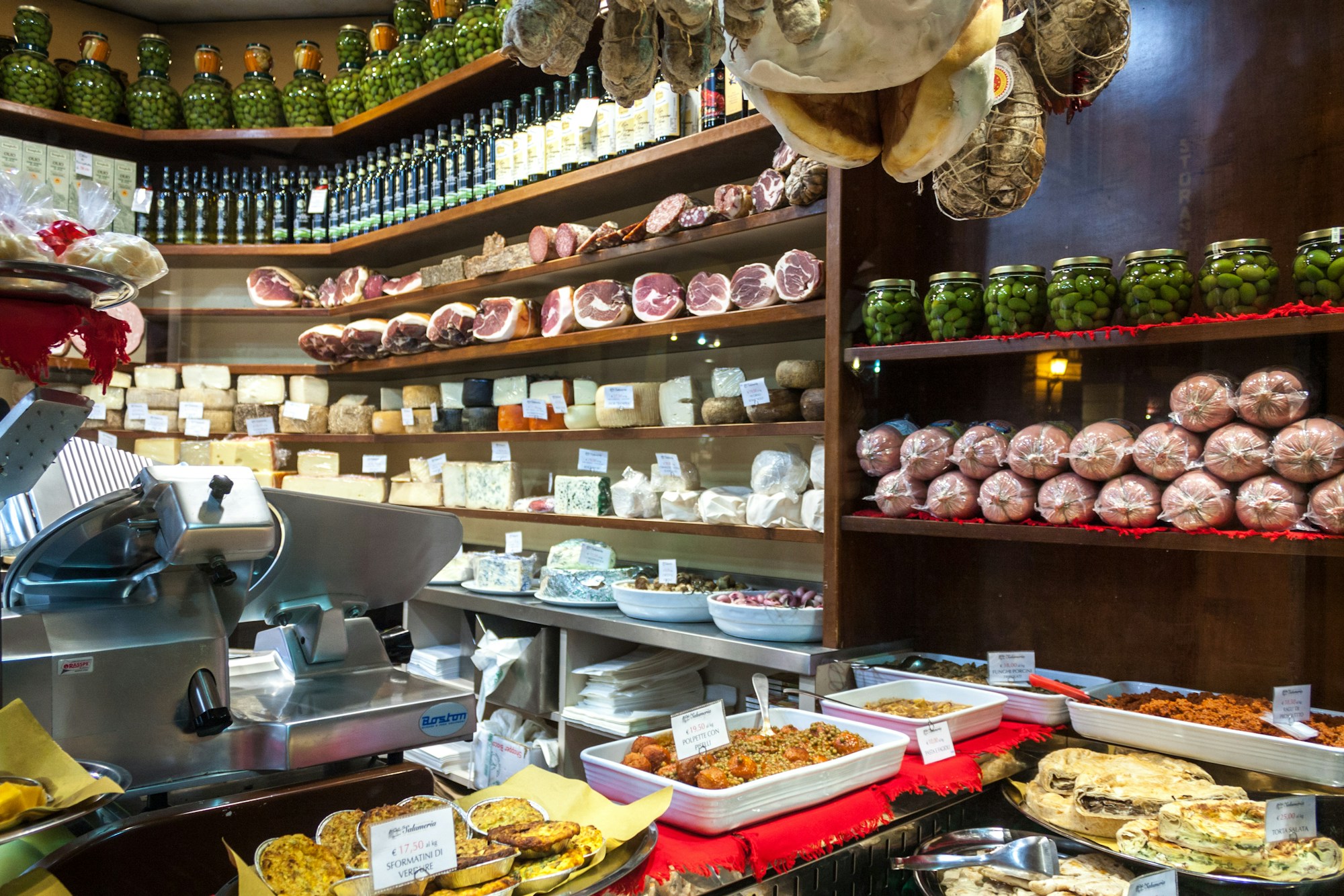
Artisanal Charcuterie Since 1883
Peck, the legendary Milanese delicatessen on Via Spadari since 1883, is far more than a grocery store: it’s a living gastronomic museum. Its cellar holds up to 3,000 Italian and international wine labels, and its charcuterie — the house’s original specialty — remains of exceptional quality. Peck also doubles as a bistro and wine bar, where you can taste your purchases on the spot.
For a more everyday approach, Esselunga and COOP supermarkets have become unexpected tourist destinations: artisanal pasta, Baci chocolates, and mozzarella di bufala at prices well below tourist shops. Italian supermarkets reveal just how much Italian cuisine relies on the simplicity of its ingredients — and impress visitors with their quality and minimal processing.
- At Peck: lunch at the bistro + wine and charcuterie shopping ($30–80)
- Esselunga/COOP: a « discovery » haul for $10–20 (pasta, sauces, Baci)
- Check the deli and bakery sections for ready-to-eat meals
- Note: Milan hosted the 2026 Winter Olympics in February — the city’s food scene remains in the spotlight year-round
4. United States — Erewhon, the Supermarket Turned Hollywood Attraction
Wellness as Entertainment, Shopping as Status Symbol
Once reserved for Hollywood insiders, Erewhon has become a full-fledged tourist destination. Founded in Boston in 1966 by Michio and Aveline Kushi, this luxury organic supermarket now has eleven locations across Greater Los Angeles. Aspiration drives much of its appeal: at a time when tourists seek experiences as much as landmarks, Erewhon offers a way to taste the California lifestyle.
Its organic deli section is considered the most extensive and exceptional ever seen. The signature smoothies at $19–20 have become a must-photograph ritual. At the opposite end of the spectrum, Trader Joe’s and Jungle Jim’s (Ohio) offer the budget-friendly, accessible version of the supermarket safari, with international products you won’t find anywhere else.
- Erewhon Culver City: free underground parking (1st hour), spacious aisles
- Avoid Beverly Hills on weekends (long smoothie lines)
- Trader Joe’s: exclusive snacks, affordable wines, laid-back vibe
- Jungle Jim’s (Cincinnati): 6 acres of international products from 75 countries
5. South Korea — Emart and the « Snack Haul » Culture
Instant Noodles, Honey Butter Chips, and K-Beauty
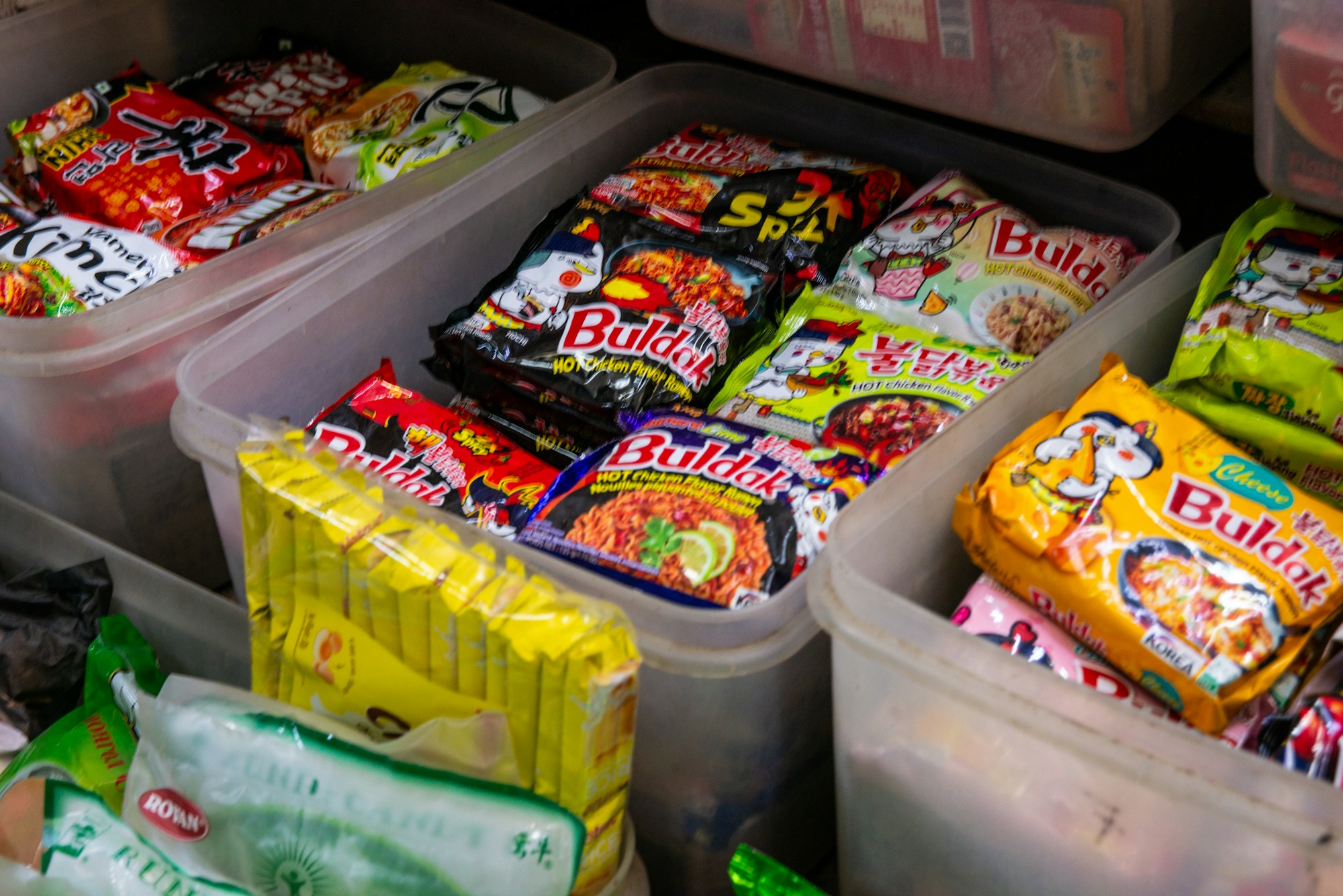
South Korea is a paradise for instant noodle lovers: Emart stocks bold flavors like black bean and spicy chicken, while regional specialties such as Andong soju draw curious visitors. The minimalist store design combined with trending products makes it a visual content creator’s paradise.
The ready-to-eat sections of major South Korean supermarkets (kimbap, japchae, banchan) deliver all the flavors of Korean cuisine right in your shopping cart. The Korean « snack haul » culture — those TikTok videos where people unbox dozens of local snacks — has become a phenomenon in its own right, with limited editions constantly rotating on shelves. Pair your Emart haul with a stop at a local market: Pixidia’s Seoul food tour guide covers the city’s best street food beyond the supermarket aisles.
- Must-buys: honey butter chips, Buldak ramen, fruit-flavored soju
- Regional sections: Jeju products you can’t find even in Seoul
- Full supermarket meal: $5–10 (kimbap + banchan + drink)
- Don’t skip the K-beauty aisle: face masks and skincare at unbeatable prices
6. Thailand — 7-Eleven and Floating Markets, the Best Value for Money
From Sub-Dollar Toasties to Durian Chips
Thai 7-Elevens have taken social media by storm with over 5,000 dedicated Instagram posts. The variety of ready-to-eat meals is staggering: grilled toasties stuffed with spicy basil chicken, Thai classics like pad kra pao and green curry, and desserts like Thai milk tea, pudding cups, and coconut jellies.
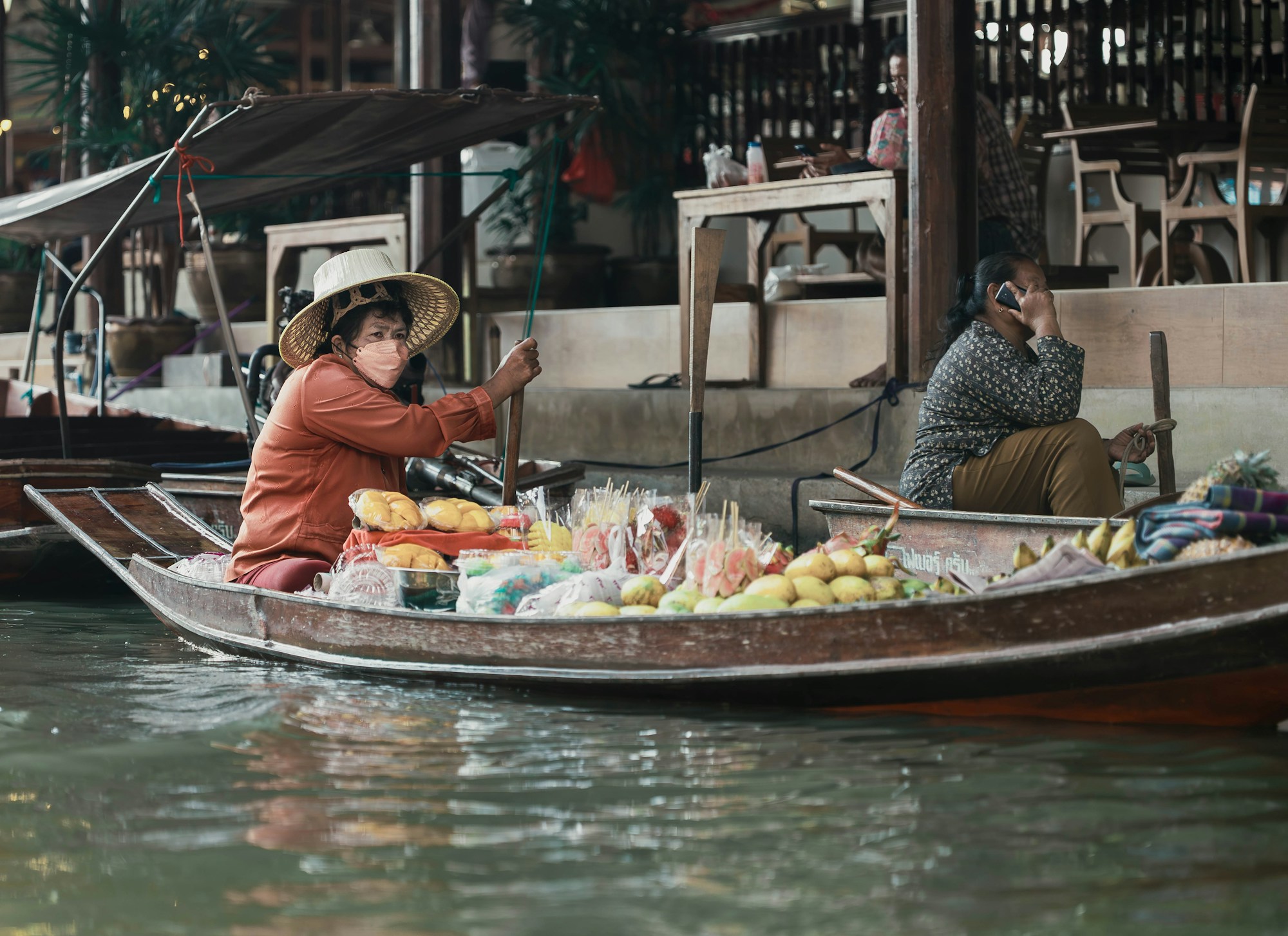
But Thailand’s food tourism goes far beyond 7-Eleven: Bangkok and Chiang Mai’s floating markets offer a one-of-a-kind sensory experience — boats laden with tropical fruits, spicy soups, and pad Thai cooked right before your eyes. Durian-flavored chips, crispy seaweed snacks, and rice burgers showcase Thailand’s talent for bold, adventurous flavors. For more beyond the convenience store, Pixidia’s guide to Bangkok’s Banthat Thong street food scene covers the city’s newest food destination.
- 7-Eleven toasties: under a dollar, heated on the spot, and seriously addictive
- 7-Elevens near Khao San Road are the most Instagrammable
- Damnoen Saduak floating market: arrive before 9 AM for an authentic experience
- Ultra-affordable: a full meal at 7-Eleven for just $1–3
7. France — Hypermarkets, an Unexpected Cultural Experience
From Carrefour’s Cheese Aisle to Monoprix’s Urban Chic
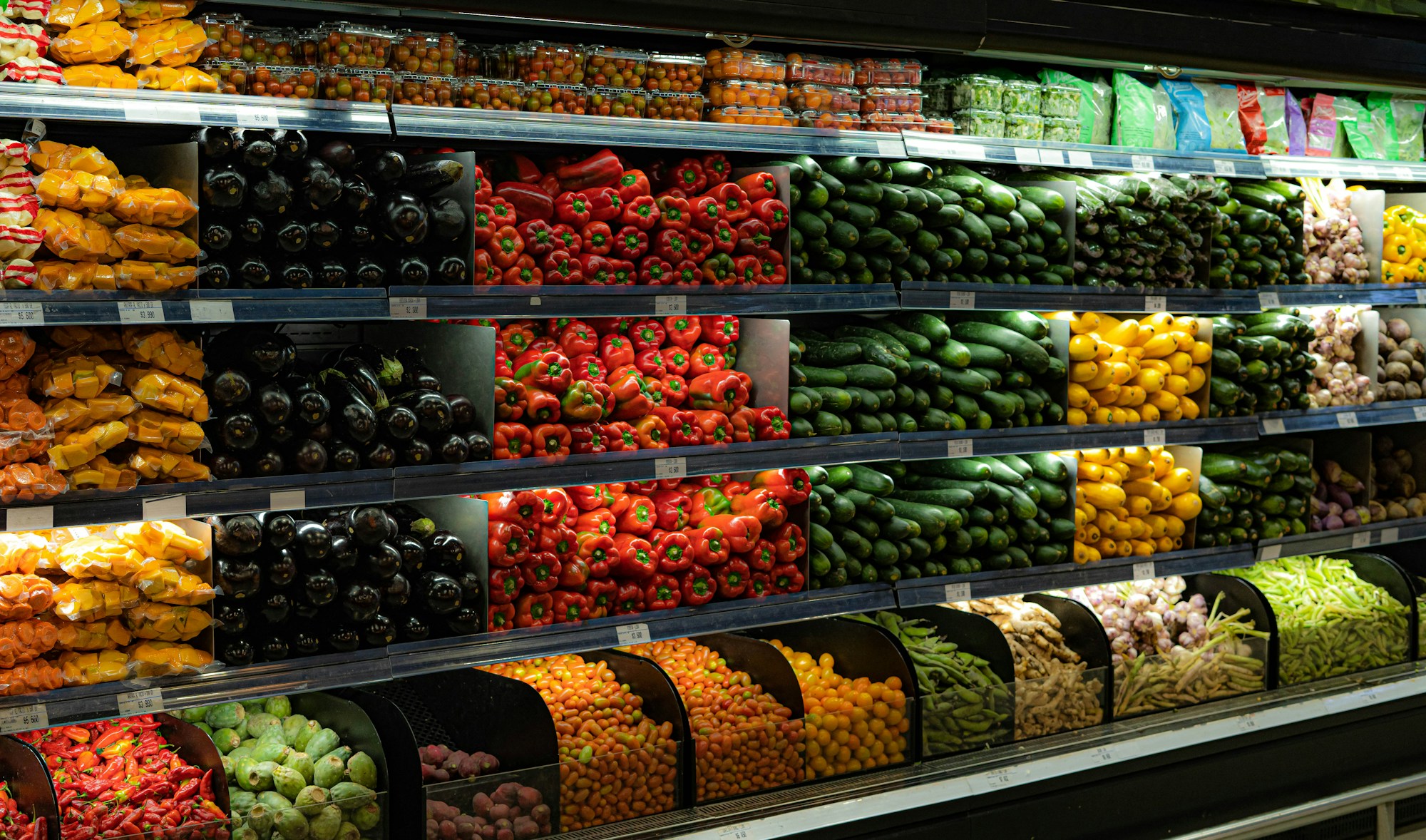
French supermarkets feel curated, almost elegant: even a basic grocery run feels like a cultural experience. France has a multi-tiered ecosystem: from Carrefour and Auchan hypermarkets to urban Monoprix stores, neighborhood fromageries, and open-air markets.
The cheese aisle of a standard French Carrefour surpasses the selection of any specialty shop in most other countries. You can find artisanal cheeses in a hypermarket at a fraction of what tourist-oriented fromageries charge. The gourmet picnic — baguette, cheese, charcuterie, wine — remains one of the most memorable meals you can put together for under $15.
- Parisian Monoprix: the « chic urban grocery » experience, excellent prepared meals
- Full gourmet picnic (cheese, baguette, charcuterie, wine): $8–15
- La Grande Epicerie de Paris (Le Bon Marche): France’s answer to Peck
- Quality wines from just $3–5 at the supermarket (unthinkable in most countries)
8. Morocco — Souks, the Original Open-Air Supermarkets
Cumin, Saffron, Ras el Hanout: A Feast for the Senses
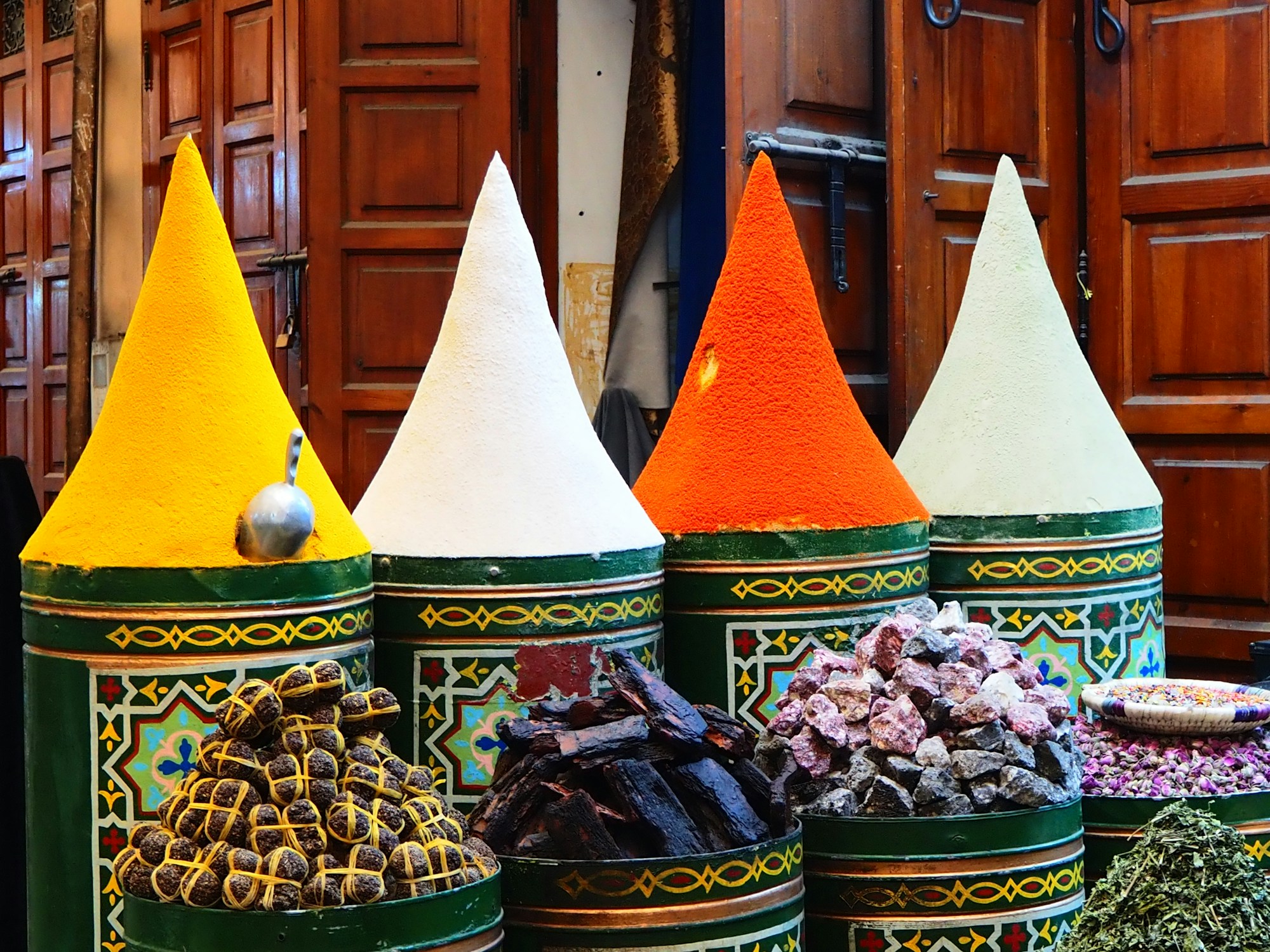
If grocery store tourism is a 2026 trend, Moroccan souks have been doing it for centuries. In Marrakech, Fez, and Essaouira, covered markets are sensory labyrinths where spices — cumin, saffron, ras el hanout — are stacked in colorful pyramids. Unlike modern supermarkets, the experience here is multisensory: scents guide you as much as your eyes do.
Morocco also offers modern supermarkets like Marjane and Carrefour Market, where visitors discover a fascinating hybrid of Moroccan tradition and contemporary retail. Culinary argan oil, honey-soaked pastries, and loose-leaf mint tea make for unmatched edible souvenirs — all at prices that defy competition.
- Marrakech spice souk: aim for the morning for the best prices
- Culinary argan oil: buy at the souk (half the price of boutique shops)
- Moroccan saffron: check for authenticity (whole threads, not ground)
- Bargain with a smile: it’s expected and part of the experience
Summary: Where to Go on Your Supermarket Safari Based on Budget
| Destination | Budget / day | Signature Experience | Ideal For |
|---|---|---|---|
| 🇹🇭 Thailand (7-Eleven) | $2–8 | Toasties, curry, coconut desserts | Budget travelers, backpackers |
| 🇲🇽 Mexico (OXXO/Bodega) | $3–15 | Takis, Valentina hot sauce, mazapanes | Bold flavor enthusiasts |
| 🇯🇵 Japan (Konbini) | $5–25 | Limited-edition KitKat, bento | Pop culture, collector’s editions |
| 🇪🇸 Spain (Mercadona) | $5–20 | Hacendado, jamon, tapas | Value seekers, families |
| 🇲🇦 Morocco (Souks) | $5–25 | Spices, argan oil, pastries | Sensory immersion |
| 🇰🇷 South Korea (Emart) | $8–20 | Ramen, honey butter chips, K-beauty | K-culture fans, TikTok |
| 🇫🇷 France (Carrefour/Monoprix) | $10–30 | Cheese, wine, charcuterie | Epicureans, picnic lovers |
| 🇮🇹 Italy (Peck/Esselunga) | $10–80 | Artisanal pasta, wines, Baci | Foodies, wine tourism |
| 🇺🇸 USA (Erewhon) | $20–60 | Signature smoothie, luxury organics | Lifestyle, Instagram |
| 🇬🇧 UK (Fortnum & Mason) | $15–50 | Teas, biscuits, afternoon tea | Accessible luxury, gifts |
Frequently Asked Questions About Grocery Store Tourism
Is grocery store tourism really a trend or just a passing fad?
It’s a lasting trend, not a passing fad. According to Expedia’s Unpack ’25 report, 39% of travelers plan a supermarket stop abroad, and 44% actively seek out local products unavailable at home. Hilton’s 2026 report confirms that 77% of travelers already engage in this form of tourism. It reflects a fundamental shift in how people travel: toward authenticity rather than mass-market attractions.
How much should you budget for supermarket tourism?
This is one of its most appealing aspects: grocery store tourism is a cultural experience with no admission fee or reservation required. A budget of $5–20 per day is enough in most destinations (Thailand: from $2, Japan: $5–25, Spain: $5–20). Only luxury grocers like Erewhon (USA) or Fortnum & Mason (UK) call for a bigger spend ($20–60 / $15–50).
What are the best supermarkets in the world for tourists?
According to The Bucket List Company, the must-visits are: Japan (7-Eleven, FamilyMart, Aeon), South Korea (Emart), Italy (Esselunga, COOP, Peck), Spain (Mercadona), the UK (Fortnum & Mason, M&S), and the United States (Erewhon, Trader Joe’s). Indoor markets like La Boqueria in Barcelona and Moroccan souks round out the list for a more traditional food tourism experience.
How are social media platforms driving this trend?
« Snack haul » videos and local product discovery clips shared on TikTok, Instagram, and YouTube have become powerful forms of destination storytelling. TikTok searches for food experiences in Tokyo, Seoul, and Paris have surged by 5,000%, and over 70% of TikTok’s European audience is likely to book a vacation based on platform recommendations.
Does supermarket tourism hurt local restaurants?
The impact is real, especially in Spain where « sandwich tourism » is making headlines: traditional restaurants are feeling the effects as tourists opt for supermarket meals amid rising dining prices. However, most experts view these two modes of eating as complementary rather than competing — a supermarket lunch can fund a restaurant dinner.
Can you combine grocery store tourism with a traditional trip?
Absolutely — and it’s highly recommended. Supermarket tourism isn’t about replacing museums or landmarks: it’s about slowing down, observing daily life, and understanding a place through the routines of its residents. Plan 1–2 hours per visit and weave them naturally into your days: a market in the morning, a museum in the afternoon, a konbini in the evening.
What souvenirs should you bring back from a Supermarket Safari?
A bag of shrimp chips, a perfectly wrapped onigiri, a tin of Portuguese sardines — for many travelers, these purchases become cultural souvenirs in their own right. Top picks include: limited-edition Japanese KitKats, New Zealand Manuka honey, Mexican Valentina hot sauce, Fortnum & Mason teas, Moroccan souk spices, and Italian Baci chocolates. They’re often more authentic — and far cheaper — than traditional tourist souvenirs.
Are there guided supermarket tours available?
Yes, and their numbers are growing fast. In Japan, tour operator byFood has created experiences entirely centered on konbini culture. Sherpa Food Tours, operating in London, Buenos Aires, Mexico, and Amsterdam, reports a 35% increase in bookings — with 90% of their clients citing food experiences as their primary motivation. Local guides also offer « food tours » that include indoor markets and supermarkets on platforms like GetYourGuide and Airbnb Experiences.
Sources
- Travel and Tour World — Grocery Store Tourism Emerges as a Global Travel Trend in 2026
- Euro Weekly News — The Holiday Trend for 2026 That No One Saw Coming
- Earth’s Attractions — People Are Traveling the World Just to Visit Supermarkets
- Vogue Adria — Grocery Store Tourism: The Stores Worth Traveling For
- Globetrender — TikTok Drives 5000% Surge in Japan Grocery Store Tourism
- Globetrender — Grocery Store Tourism’s Top Snacks Revealed
- Cathay Pacific — Supermarket Tourism: 6 Must-Visit Destinations
- TimeOut — An Ode to Grocery Store Tourism
- Skift — Grocery Store Tourism Is One of Travel’s Most Overlooked Cultural Experiences
- National World — Supermarket Tourism: The Most Popular Supermarkets & Snacks
- The Manual — Supermarket Tourism: Study Reveals the Coolest Supermarkets
- Travel and Tour World — TikTok Inspires Tourists to Visit Supermarkets Abroad
- Travel and Tour World — The Rise of Sandwich Tourism in Spain
- Mapping Spain — Comparing Supermarkets in Spain
- Yahoo/LA Times — How Erewhon Became an L.A. Tourist Destination
- Falstaff — Travel Trends 2026: From Supermarket Safari to Book-Packer
- EU Tourism Platform — Supermarket Safaris: The Unexpected Must-See Trend
Research conducted on February 7, 2026, and refreshed on July 16, 2026. Prices and availability may vary.
Ready to Plan Your Next Supermarket Safari?
From Tokyo’s konbini to the souks of Marrakech, from Spain’s Mercadona stores to L.A.’s Erewhon, the world is full of supermarkets worth the detour. Add these foodie pit stops to your next itinerary and discover every destination through its grocery aisles.
Explore All Itineraries