
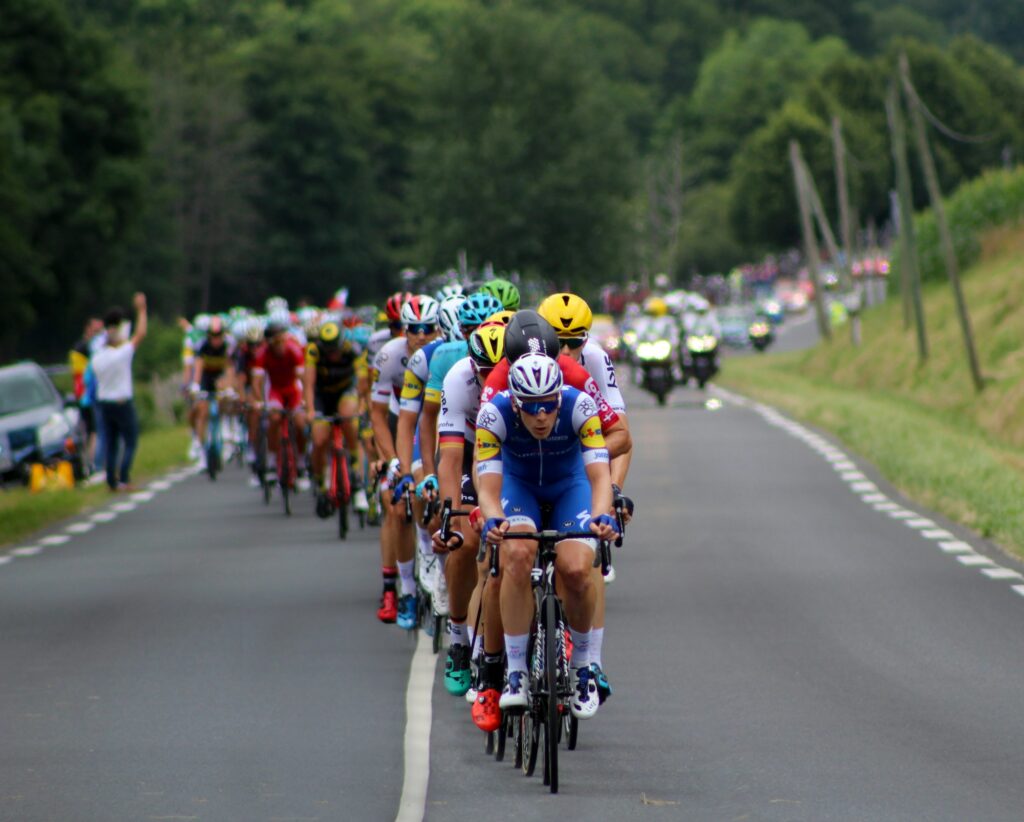
To watch the Alpe d’Huez double stage at the Tour de France 2026, head to the 21 hairpin bends on Friday 24 and Saturday 25 July. This is an absolute first in 109 years of the Tour: two consecutive stages finish on Alpe d’Huez — Stage 19 (from Gap, 128 km) and the queen stage (from Bourg-d’Oisans, 171 km via Col de Sarenne). Entry is completely free. Arrive by Thursday 23 July evening to secure a good spot, especially at the legendary Bend 7 — the Dutch Corner.
Two days, two finishes on Alpe d’Huez: the 2026 Tour de France delivers a finale unlike anything in the race’s history. For the first time in 109 editions, two back-to-back stages end on the legendary 21-hairpin climb — Friday 24 July (Stage 19, from Gap) and Saturday 25 July (Stage 20, from Bourg-d’Oisans via the formidable Col de Sarenne). This spectator guide gives you everything you need to make the most of a weekend that will go down in cycling history — and British cycling fans know this mountain better than almost anyone.
1. A once-in-a-century weekend on the Tour de France
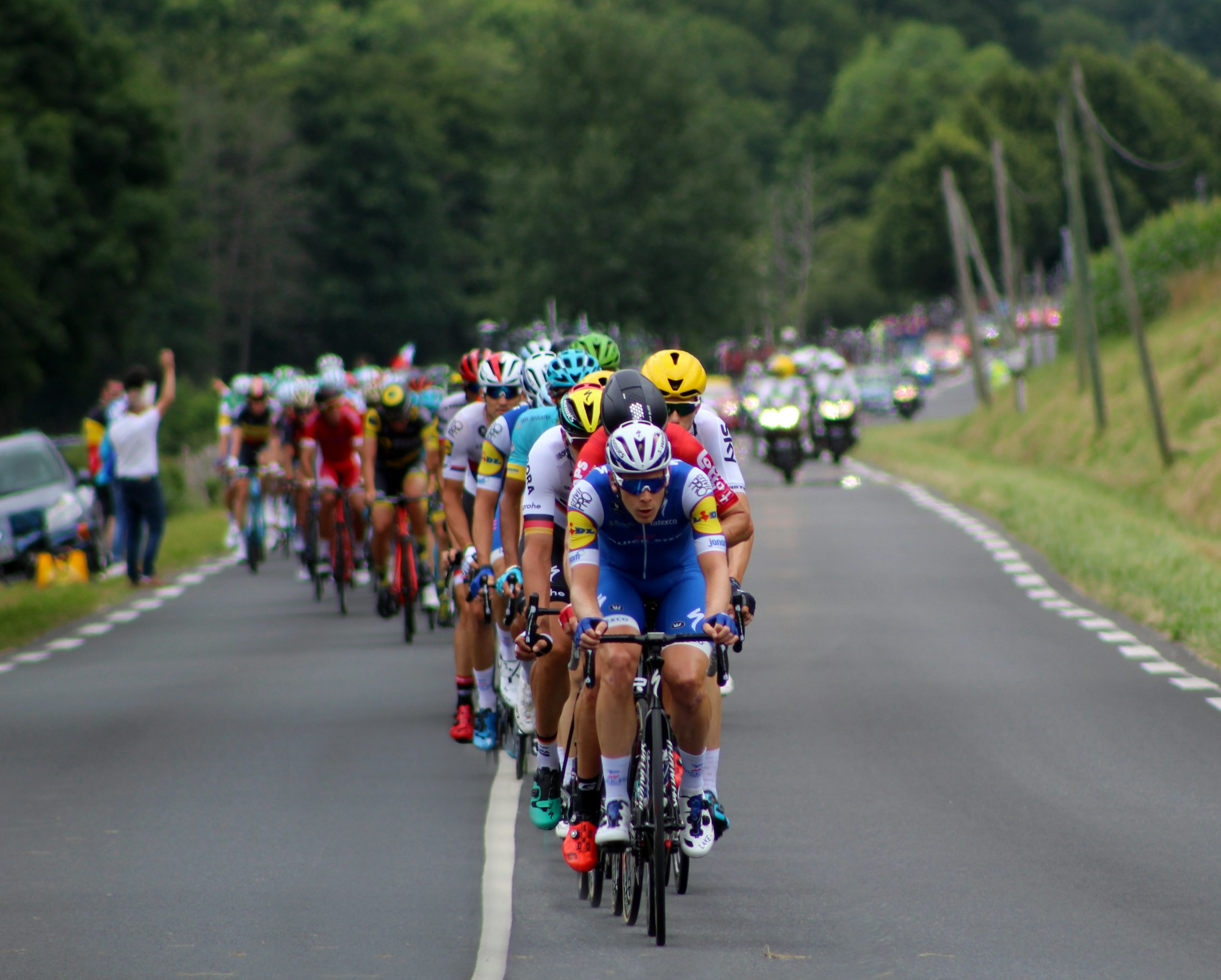
An epic finale on Alpe d’Huez
According to Le Dico du Tour, the 2026 Tour de France — 113th edition organised by Amaury Sport Organisation — puts Alpe d’Huez on the map for the 33rd and 34th time, and for the first time on two consecutive days. The closest precedent dates back to 2013: a double ascent within the same Stage 18, with the Col de Sarenne linking the two climbs. In 2026, the novelty is total — no edition in the race’s history has ever done this.
Tour director Christian Prudhomme put it simply: « I love the contrast between the madness of the hairpins and the silence of Sarenne. » These two stages form the dramatic centrepiece of an edition that starts in Barcelona on 4 July and finishes on the Champs-Élysées on 26 July (21 stages, 3,333 km, 54,450 m of total climbing).
Highlights of the double stage
- Absolute first: two back-to-back stages finishing on Alpe d’Huez in 109 years of Tour history
- Stage 20 features the Col de Sarenne (1,999 m) — never previously used in professional competition
- The GC could be decided here, before the Paris finale — time gaps will be counted in minutes
- Free access along the full 13.8 km climb — up to 500,000 spectators expected
2. Stage 19 vs Stage 20: profiles and storylines
Friday 24 July — Stage 19: Gap to Alpe d’Huez (128 km)
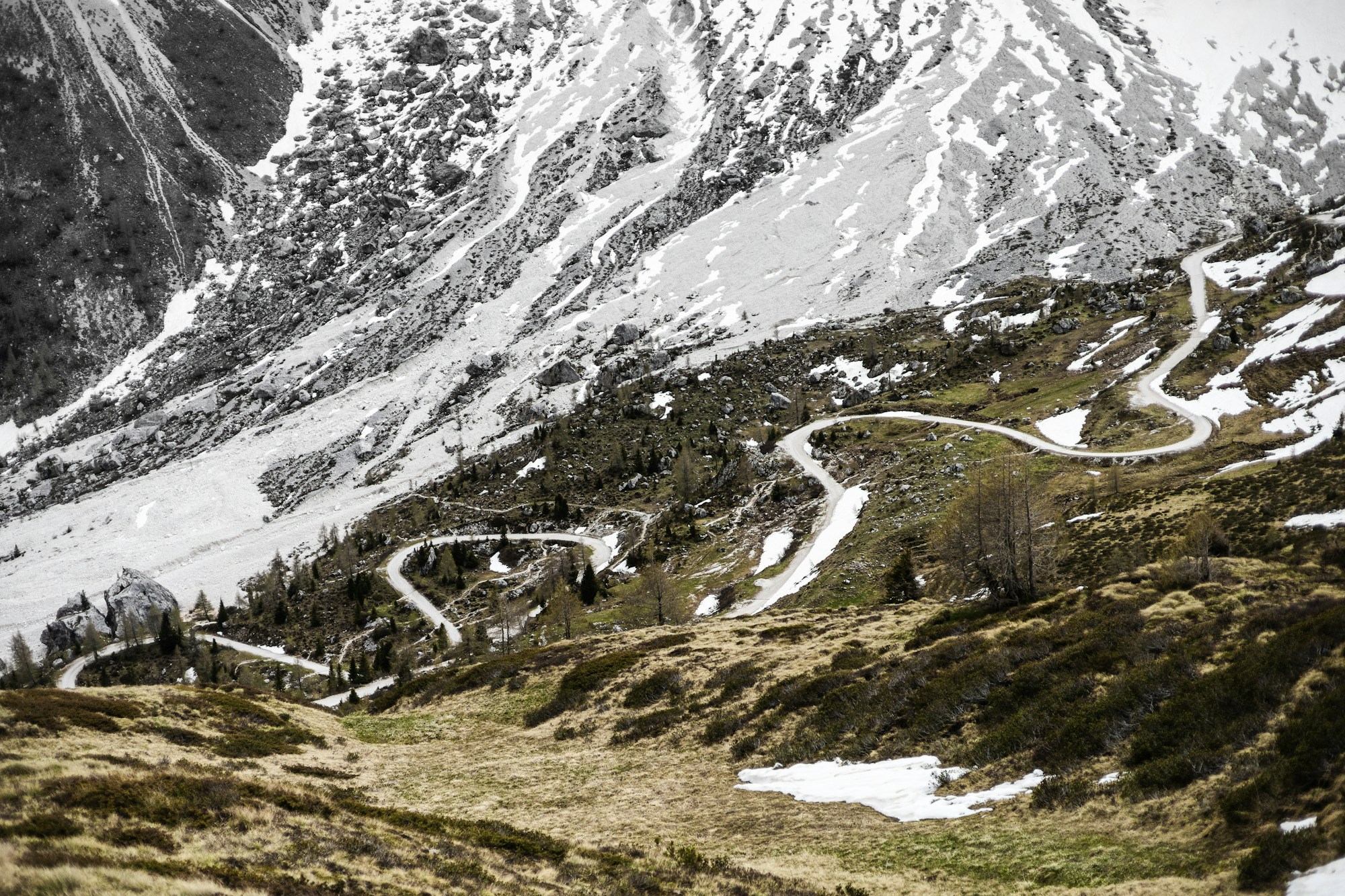
According to tourdefranceparcours.fr, Stage 19 strings together three passes before Alpe d’Huez: the Col Bayard (1,246 m), Col du Noyer (1,664 m) and Col d’Ornon (1,371 m). The 21-hairpin finale from Bourg-d’Oisans — 13.8 km at 8.1% average, touching 13% in the early bends — is the brutal conclusion. Short and explosive, this stage forces teams into a delicate tactical call: attack on Friday or save legs for Saturday’s queen stage.
Saturday 25 July — Stage 20: Bourg-d’Oisans to Alpe d’Huez (171 km)
According to TodayCycling, the queen stage packs 5,600 m of climbing into 171 km: Col de la Croix de Fer (2,067 m), Col du Télégraphe (1,566 m), Col du Galibier (2,642 m — the Tour’s roof in 2026), then the first-ever Col de Sarenne (1,999 m, 12.8 km at 7.3%, sections hitting 13.5%) before the descent to Huez and the final push up the 21 hairpins. The publicity caravan won’t tackle Sarenne — its narrow road is reserved for riders and emergency services only.
Contenders to watch
- Tadej Pogacar (UAE Team Emirates) — heavy favourite, four Tour victories to his name
- Jonas Vingegaard (Visma-Lease a Bike) — two-time winner (2022–2023), back in force for 2026
- Paul Seixas — brilliant 19-year-old Frenchman, 2026 La Flèche Wallonne winner, one to watch
3. Where to stand on the 21 hairpins
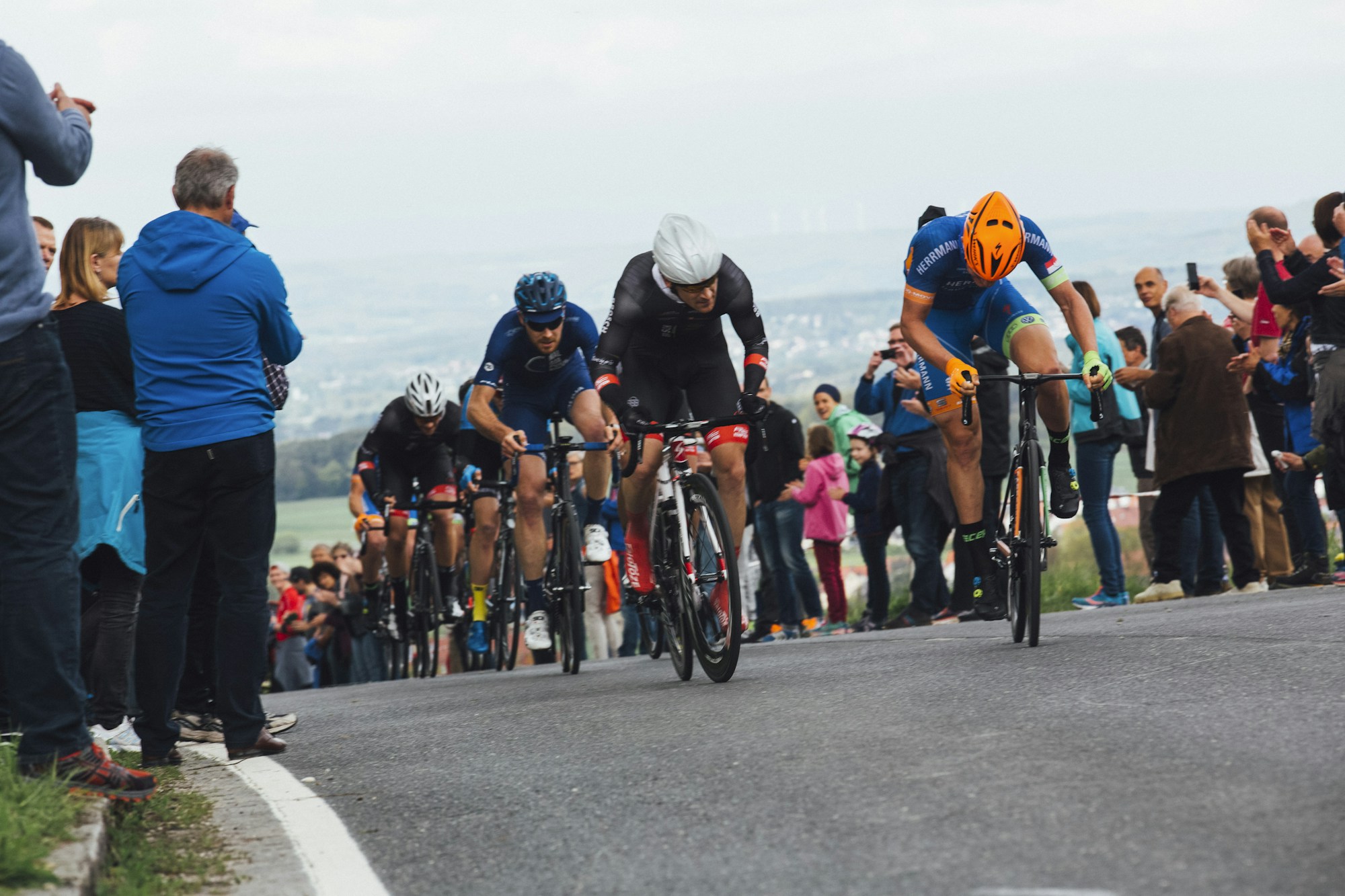
Bend-by-bend guide: atmosphere, views and access
According to alpedhuez.com, the 21 bends are numbered from 21 (bottom of the climb, 789 m) to 1 (summit, 1,790 m), each named after a past winner. Here are the four zones to target depending on what you’re after.
Bend 7 — The legendary Dutch Corner
At 1,370 m, the Dutch Corner has been THE unmissable spot since 1976. Thousands of orange-clad Dutch supporters claim their territory days in advance — barbecues, music, campervans bristling with speakers. The atmosphere rivals the best stands at a major stadium. To get a decent spot, according to Mon séjour en montagne, you need to arrive the night before at the very least — or several days ahead if you’re serious. UK and Commonwealth fans have been making this pilgrimage for decades.
Bends 3 and 4 — Panoramic views
Less packed than Bend 7, Bends 3 (1,590 m) and 4 (1,535 m) offer wide-open views and excellent conditions for photographing riders mid-effort. The sightline lets you see the previous and the following section of the climb simultaneously.
Bends 16 to 21 — Best for families
The lower hairpins (from 789 m to 995 m) are less crowded and easier to reach on foot from Bourg-d’Oisans. The riders hit them with fresher legs, and leaving is far simpler than from higher up the mountain.
Col de Sarenne — The wild alternative (Stage 20)
For Saturday’s stage, the descent from the Col de Sarenne starting from the Alpe d’Huez altiport offers a completely different experience: far fewer crowds, a breathtaking panorama over the Écrins massif and Oisans valley, and unspoilt mountain atmosphere. Accessible only on foot or by bike from Alpe d’Huez.
- Bend 7 (Dutch Corner): unique party atmosphere, arrive the night before
- Bends 3–4: best panoramic views, less saturated
- Bends 16–21: families, easiest access, straightforward exit
- Col de Sarenne: wild mountain experience (Stage 20 only, on foot or by bike)
4. Alpe d’Huez by the numbers: a living monument
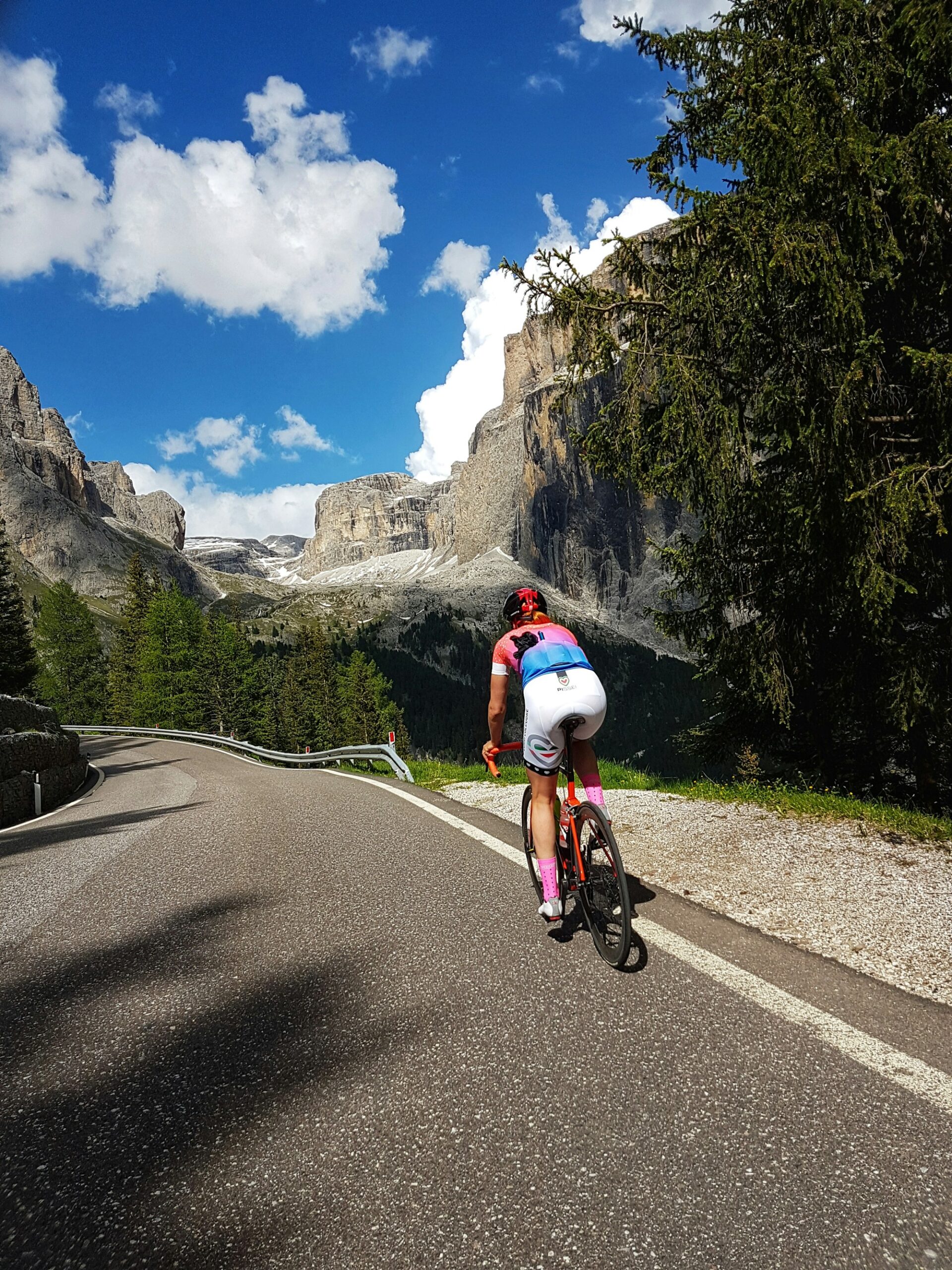
From Fausto Coppi to Tom Pidcock: 70 years of legends
According to Le Dico du Tour, Alpe d’Huez has hosted 31 stage finishes since Fausto Coppi in 1952 (45 min 22 sec on that inaugural climb). After a 24-year absence, the Tour returned in 1976 thanks to local hoteliers, including Georges Rajon, who had the bends numbered in 1964 — inspired by the hairpins of the Col de Vrsic in Slovenia, originally used as markers for snowploughs.
The climb record belongs to Marco Pantani: 36 minutes and 40 seconds in 1995, averaging 23.08 km/h. The last winner before 2026 was Britain’s Tom Pidcock (Ineos Grenadiers), on 14 July 2022 (Bastille Day), aged just 22 on his first Tour, attacking from the Galibier. In 2026, Alpe d’Huez adds its 33rd and 34th stage victories to its roll of honour.
Landmark victories
- 1986: Bernard Hinault and Greg LeMond cross the line hand-in-hand — one of cycling’s most iconic moments
- 1995: Marco Pantani sets the all-time record at 36 min 40 sec
- 2013: Christophe Riblon wins the double-ascent stage (Stage 18)
- 2022: Tom Pidcock, 22, the last winner on Alpe d’Huez before the 2026 double
5. Practical info: getting there, accommodation, budget
According to alpedhuez.com, the best combination from the UK: Eurostar London St Pancras to Paris (2h20), then TGV Paris-Grenoble (3h, approx. €30–50 / £25–45), then Itinisère bus T75 Grenoble to Bourg-d’Oisans (1h30), then T76 Bourg-d’Oisans to Alpe d’Huez (~30 min). Total bus fare: approx. €16–18. Tracking app: Itinisère (Auvergne-Rhône-Alpes). Never attempt to drive up on stage day — roads close from dawn and jams stretch back from Bourg-d’Oisans for hours.
Transport budget from London: approx. £180–250 returnOptions at Alpe d’Huez have been shrinking daily since the route was announced in October 2025. In the resort: Royal Ours Blanc 4-star (€120–530/night), Le Pic Blanc 3-star (€80–180/night), PopAlp (from €82/night). Budget alternative: campsites in Bourg-d’Oisans (Camping La Piscine 4-star, from €10–22/pitch). Official booking centre: reservation.alpedhuez.com. For the weekend of 24–25 July, arriving Thursday 23 July evening is strongly recommended.
Weekend for 2: €100–900 depending on your budget| Profile | Accommodation | Weekend budget (2 people) |
|---|---|---|
| Budget | Campsite in Bourg-d’Oisans | €100–250 (approx. £85–215) |
| Mid-range | Self-catering apartment in resort | €300–600 (approx. £260–515) |
| Comfortable | 3–4-star hotel at Alpe d’Huez | €400–900 (approx. £345–775) |
| VIP | Official grandstand package via MYCOMM (from €420/person) | €1,500–4,500 |
The race itself is entirely free — accommodation is your only real cost. If you’d like to combine the Tour with other activities, check out our guide to hiking and summer activities in the French Alps.
6. Weather and kit: preparing for altitude
According to Infoclimat, Alpe d’Huez in July sees cool mornings (5–13°C) and pleasant afternoons (22–24°C, up to 28°C in a heatwave). With 300 sunny days a year and a full-south aspect, UV levels are intense from early morning. Afternoon thunderstorms can build fast at altitude — the same phenomenon that threatens riders on the Galibier (2,642 m) during Stage 20.
| Kit item | Why you need it |
|---|---|
| Layers (fleece + windproof + T-shirt) | Big temperature swing between morning and afternoon |
| Lightweight waterproof / poncho | Unpredictable afternoon thunderstorms at altitude |
| SPF 50+ sunscreen and a hat | Intense sunshine at 1,850 m with no natural shade |
| Water bottle (2 L minimum per person) | Shops overwhelmed; drinking water available at the Saint-Ferréol church fountain |
| Packed lunch prepared the evening before | Supermarkets in the resort are stripped bare the day before |
| Portable charger (power bank) | Tour de France app and phone on heavy use all day |
| Walking shoes / trail footwear | Steep, unpaved paths between the hairpins |
For those wanting to combine the Tour with some proper riding, check out the amateur Étape du Tour 2026 (19 July, 16,000 participants on the same course) or Alpe d’Huez’s summer activities: paragliding, via ferrata, and the Pic Blanc cable car up to 3,300 m.
Frequently asked questions
When do the riders reach Alpe d’Huez during the 2026 double stage?
Official passage times at the summit will be published by ASO on letour.fr closer to the race. For reference, short mountain stages (~128 km) typically finish between 3 pm and 5 pm local time; long queen stages (~171 km, 5,600 m of climbing) between 4 pm and 6 pm. The publicity caravan passes roughly 1h30–2h ahead of the peloton — it won’t climb the Col de Sarenne on Stage 20.
How do you get to Alpe d’Huez during the Tour de France?
The main D211 road is closed to vehicles several hours before the peloton arrives. The recommended combination from the UK: Eurostar to Paris, then TGV to Grenoble, then Itinisère bus T75 Grenoble–Bourg-d’Oisans (1h30) + T76 Bourg-d’Oisans–Alpe d’Huez (~30 min), total approx. €16–18. Never try to drive up on stage morning — roads are blocked from dawn.
Where’s the best place to watch the riders on the 21 hairpins?
It depends on what you’re after: Bend 7 (Dutch Corner) for the unique Dutch party atmosphere — arrive the night before. Bends 3–4 for panoramic views and photos. Bends 16–21 for families with children (less crowded, easier to leave). The Col de Sarenne on 25 July for a wild mountain experience on foot or by bike from the Alpe d’Huez altiport. According to alpedhuez.com, every bend is named after a past winner.
Do you need a ticket to watch the Tour de France on Alpe d’Huez?
No — watching the Tour de France from the roadside is completely free. That’s a fundamental tradition of the Grande Boucle. No ticket or reservation is needed to stand on the 21 hairpins or anywhere else on the route. Paid VIP grandstand packages are available through operators such as MYCOMM (from €420 for Stage 20), with hospitality and an exclusive view of the final metres. Source: mycomm.fr.
Where to stay for the Alpe d’Huez double stage weekend in 2026?
Availability at Alpe d’Huez has been very limited since the route announcement in October 2025. Official booking centre: reservation.alpedhuez.com (hotels, apartments, gîtes). Budget alternative: Bourg-d’Oisans (Camping La Piscine 4-star, from €10–22/night for a tent pitch), or Grenoble (hotels from €60–100/night, well connected by bus). For the weekend of 24–25 July, arriving on Thursday 23 July evening is strongly recommended.
What to pack for a day watching at altitude?
Essentials for a day at 1,850 m in late July: layers (fleece + windproof, morning temperatures of 5–13°C), a lightweight waterproof against afternoon storms, SPF 50+ sunscreen and a hat (fierce sunshine), a 2 L water bottle minimum, packed lunch prepared the evening before (shops sold out by stage day), a portable charger for the Tour de France app, and walking shoes. The official Tour app tracks the peloton live by GPS — don’t forget it. Source: Infoclimat.
Sources
- alpedhuez.com — Stage 19 TDF 2026 — Official Alpe d’Huez tourist office
- alpedhuez.com — Stage 20 TDF 2026 — Official Alpe d’Huez tourist office
- ledicodutour.com — 2026 Stages — Full programme and history
- TodayCycling — Stage 20 analysis — Route profile and sporting stakes
- Mon séjour en montagne — Spectator guide — Practical tips and Col de Sarenne
- tourdefranceparcours.fr — Stage 19 — Profile and distances
- Ulysse.com — Spectator guide — Full logistics advice
- Infoclimat — July climate, Alpe d’Huez — Official weather data
- reservation.alpedhuez.com — Tour de France — Accommodation and availability
- mycomm.fr — VIP grandstand Stage 20 — Official ASO premium options
- ledicodutour.com — Alpe d’Huez history — Full roll of honour since 1952
- Cyclingnews — The 21 hairpins — History and names of the bends
Sources verified 31 May 2026.