

Traveling with your dog or cat is no longer a risky adventure. In 2026, « pet tourism » is booming across Europe with dedicated infrastructure, destinations competing for your furry friend’s attention, and harmonized regulations. We analyzed over 100 official sources to deliver the ultimate guide: EU pet passport, pet-friendly transport, and 7 destinations where your companion will be truly welcome.
1. The EU Pet Passport — Everything You Need to Know

The 3 Mandatory Requirements
To travel across Europe with your dog or cat, three elements are mandatory according to EU regulations:
- Microchip: Required (tattoos are only accepted if readable and done before July 3, 2011)
- Rabies vaccination: Valid and administered at least 21 days before departure for first-time vaccination
- EU Pet Passport: Issued by an authorized veterinarian, contains all health information
Key Points
- Standardized document across 27 EU countries
- Maximum 5 pets per non-commercial trip
- Pet can travel up to 5 days before/after owner
2. Getting Around Europe — Train vs Plane with Your Pet
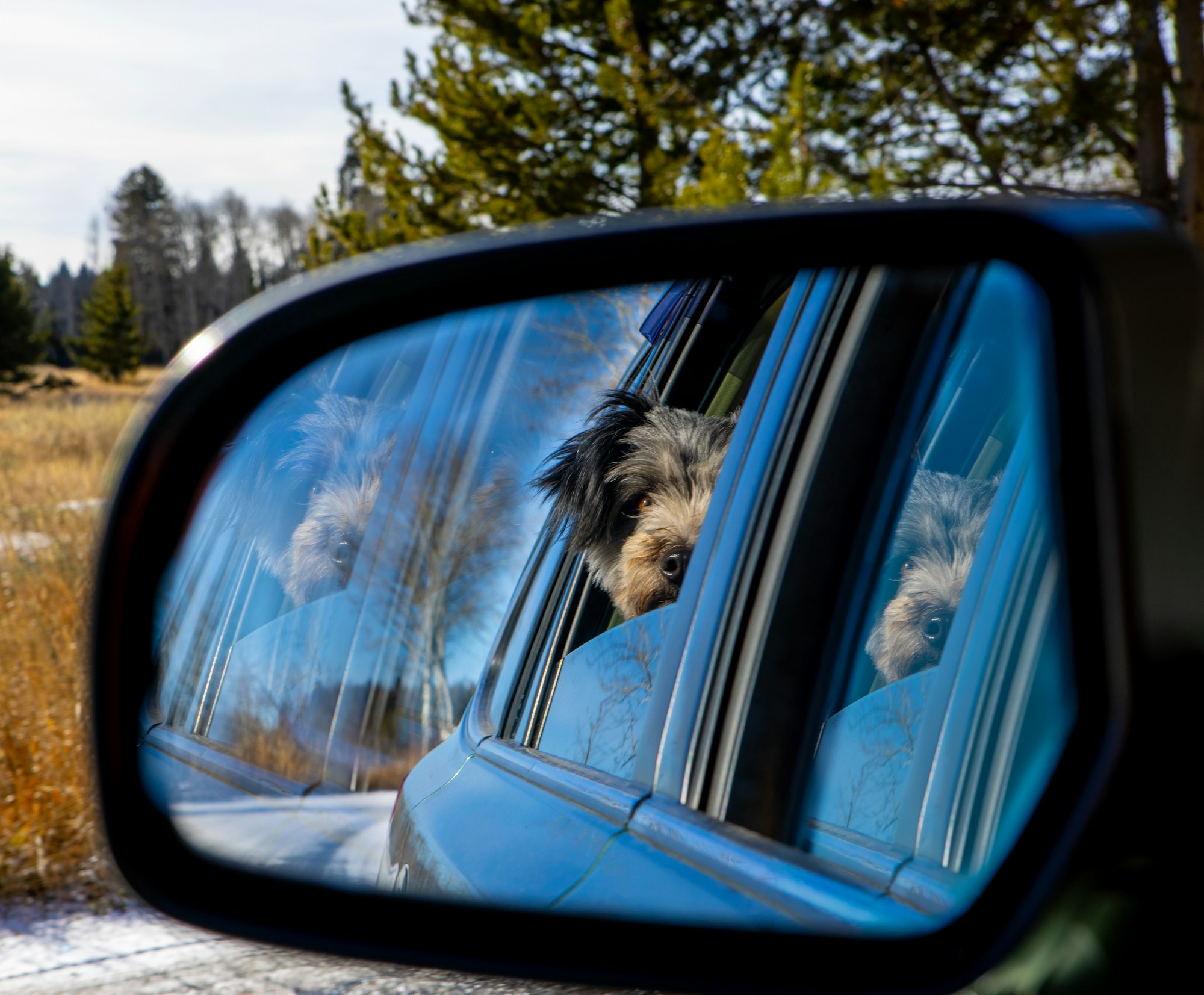
Trains: The Preferred Option in 2026
Train travel remains the most flexible and least stressful option for your pet. Here are 2026 prices according to SNCF and European operators:
- France (SNCF): €10 per journey, carrier max 45×30×25 cm or leashed muzzled dog
- Netherlands (NS): €3.70 day ticket per NS
- Germany (DB): Small dogs free in carrier, large dogs at half-fare
- Austria (ÖBB): Small pets in carriers free per ÖBB
- Portugal (CP): Free in carrier, otherwise muzzle + leash required
Flying
For flights, the general rule is: cabin up to 8 kg (pet + bag), cargo hold beyond that. According to IATA, sedation is discouraged (cardiorespiratory risks). Airlines accepting pets: Air France, Lufthansa, KLM, TAP Portugal.
3. Preparing Your Pet for Travel — Health and First Aid Kit

Pre-Departure Health Checklist
Traveling in 2026 requires health planning, especially with climate change expanding certain disease zones. According to ESCCAP, here are the essentials:
Vector-Borne Disease Prevention
- Leishmaniasis (Southern Europe): Scalibor collar or Advantix drops + vaccine available
- Heartworm: Monthly preventive treatment in southern and eastern Europe
- Ticks: Very present in Scandinavia and Central Europe, check after each outing
Essential First Aid Kit
- Disinfectant (Betadine/Chlorhexidine)
- Cohesive bandages and saline solution
- Tick remover and thermometer
- Anti-diarrheal medication (prescribed by your vet)
- Protective boots for hot surfaces or rocky terrain
4. France — Morvan Natural Park

The French « Little Canada »
Far from the Côte d’Azur crowds, Morvan is a peaceful green haven in Burgundy-Franche-Comté. According to Morvan Tourism, it’s a granite mid-mountain covered with dense forests and dotted with large lakes (Settons, Pannecière).
The region is sparsely urbanized, offering thousands of kilometers of hiking trails where dogs are often allowed off-leash (under voice control), except in certain protected zones. Unlike national parks like the Pyrenees or Vanoise where dogs are often banned, Morvan remains very accessible.
Highlights
- Very few dog restrictions compared to national parks
- Lakes where your dog can swim
- Pet-friendly cottages and campsites
5. Portugal — The Rota Vicentina, Alentejo’s Wild Coast
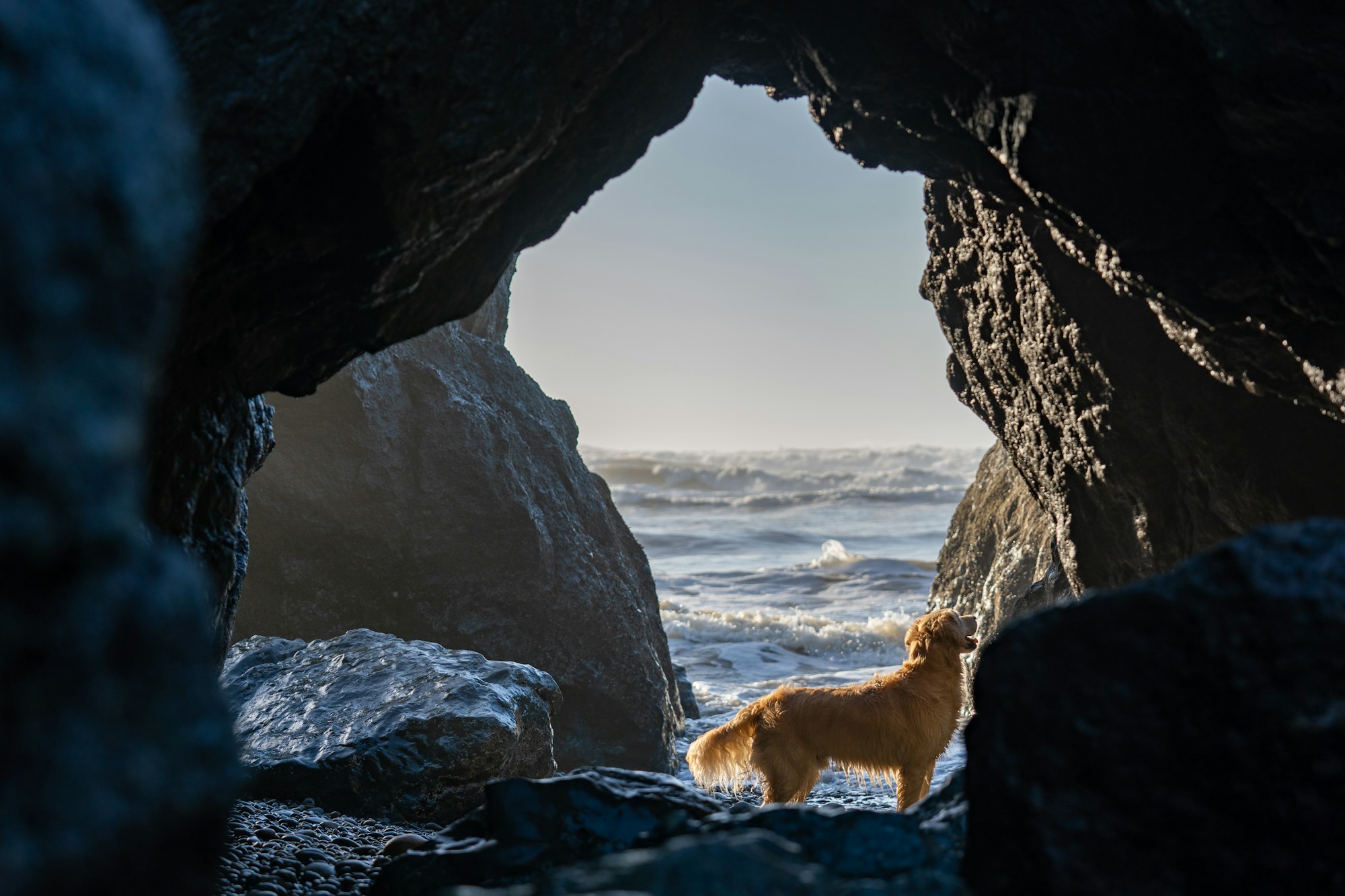
Europe’s Most Beautiful Coastal Trail
Forget the touristy, over-built Algarve. According to Rota Vicentina, this trail network between Alentejo and Algarve offers spectacular cliffs facing the Atlantic. The famous « Fishermen’s Trail » is a must.
It’s a wild, protected region with small whitewashed villages. The Portuguese are generally very welcoming to dogs, especially on terraces. Beaches are often deserted, making them accessible to pets.
Highlights
- Wild beaches often dog-friendly
- Very affordable for Western Europe
- Welcoming rural accommodations (guesthouses)
6. Netherlands — Texel Island, Dog Paradise
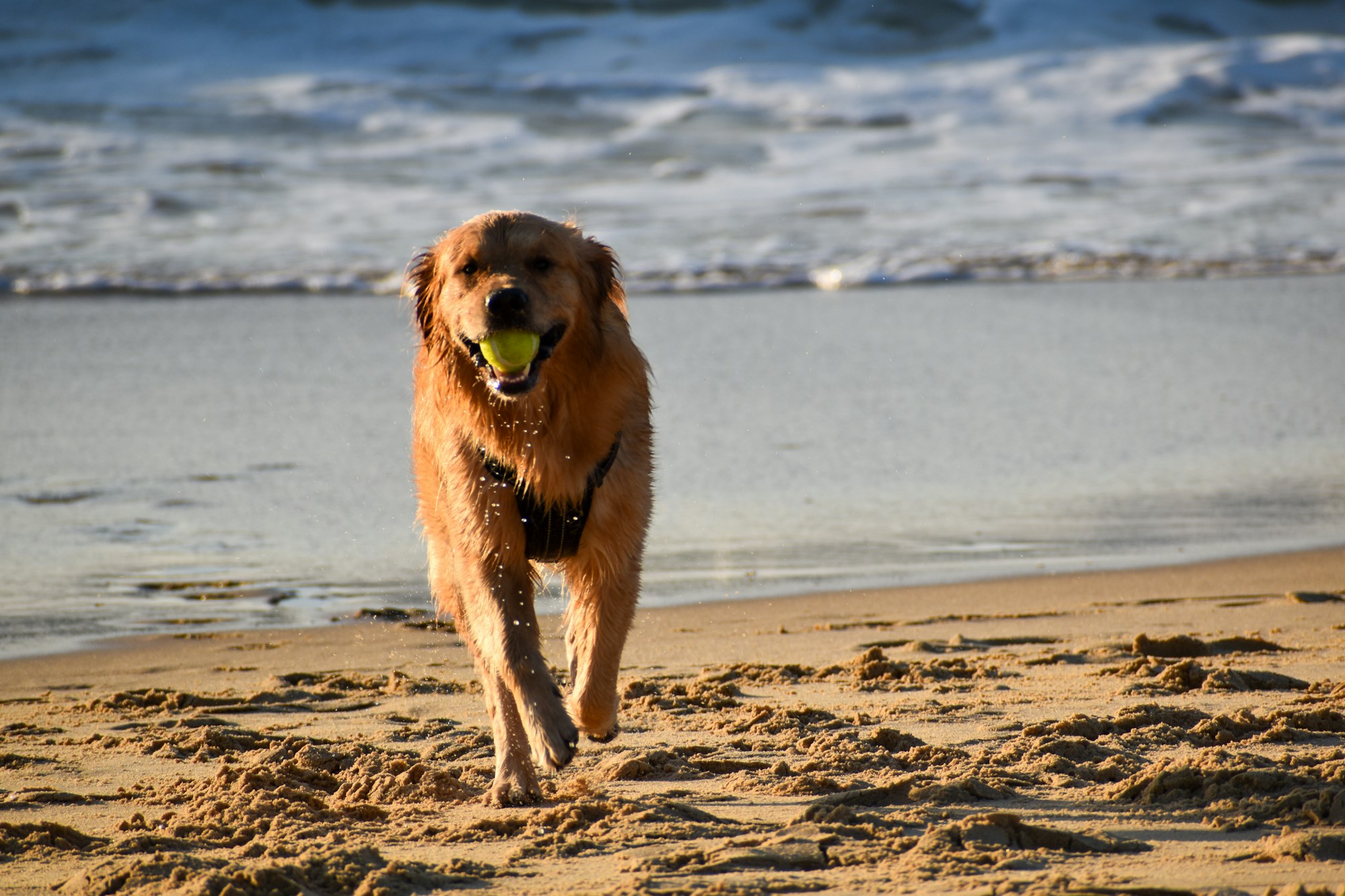
Europe’s Most Dog-Friendly Destination
Texel is often cited as THE most dog-friendly destination in Europe. According to VVV Texel, the island offers 30 km of sandy beaches where dogs can run free on most beaches year-round (except on supervised beaches in summer).
The atmosphere is cycling-friendly, relaxed, and focused on the Wadden Sea. The local culture welcomes dogs almost everywhere: restaurants, cafés, and even some museums.
Highlights
- 30 km of beaches where dogs roam free year-round
- Dogs welcome in most restaurants and cafés
- Dog wash stations near the beaches
7. Germany — Saxon Switzerland, Lunar Landscapes

The Malerweg with Your Companion
This national park near Dresden is famous for its Elbe sandstone rock formations. According to Sächsische Schweiz Tourismus, the mystical landscape of stone pillars and deep gorges inspired German Romantic painters.
Germany is very « Hundefreundlich » (dog-friendly). Dogs are allowed on local transport and on Elbe steamboats. The elevation gain is gentler than in the Alps, making it more suitable for older dogs.
Highlights
- Spectacular landscapes accessible even for senior dogs
- Dogs allowed on Elbe steamboats
- Very pet-welcoming German culture
8. Austria — Lake Achensee, the Alpine Fjord
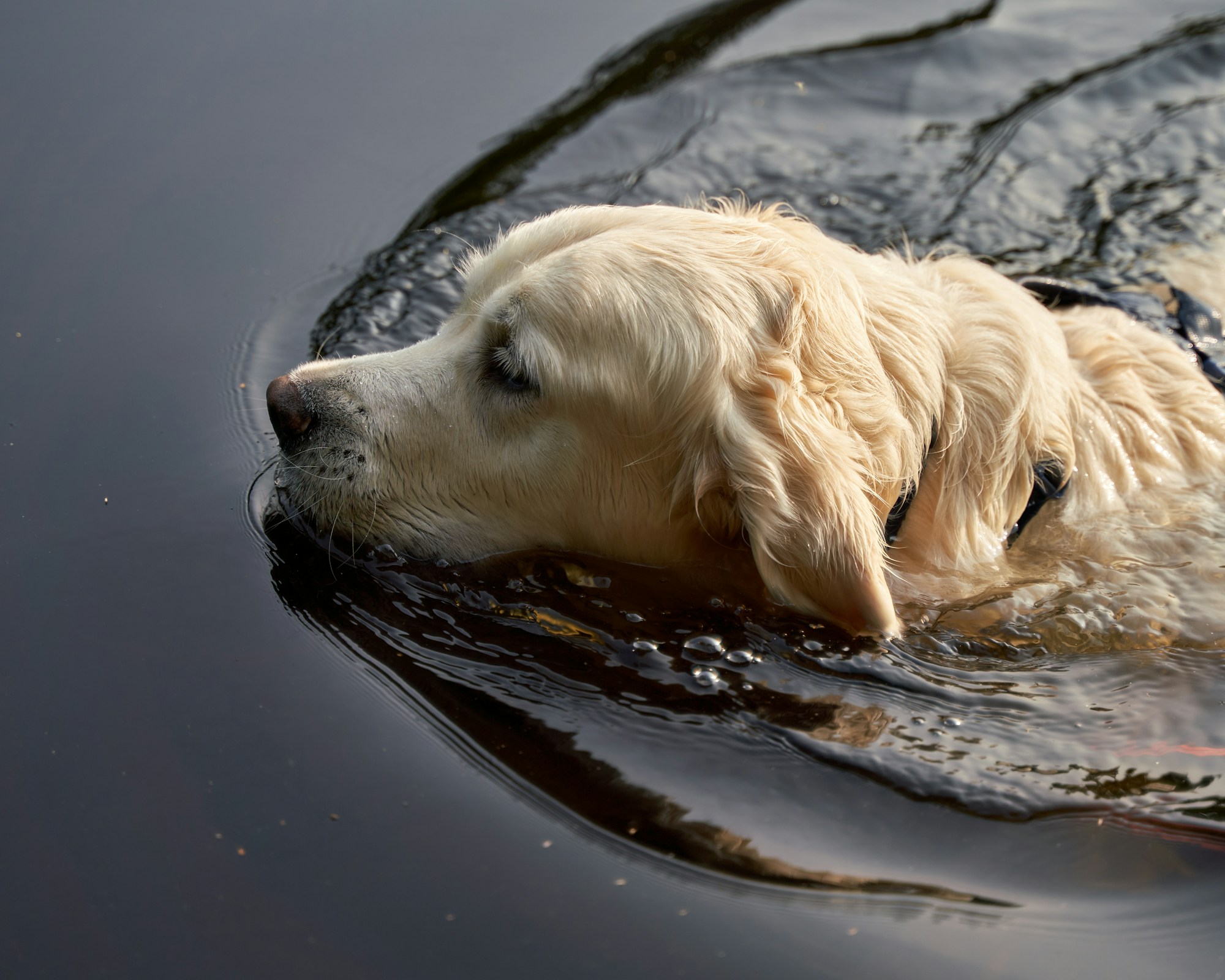
Alpine Luxury and Wellness with Your Pet
Nicknamed the « Fjord of the Alps, » Achensee is Tyrol’s largest lake according to Achensee Tourism. The crystal-clear water is drinkable. The region has made great efforts to welcome dog owners.
There’s a dedicated dog beach at Pertisau. Cable cars (like the Karwendel-Bergbahn) accept dogs (muzzle required) for effortless high-altitude access. Many hotels provide « Welcome Dog Kits » (bowls, beds).
Highlights
- Dedicated dog beach at Pertisau
- Cable cars that accept dogs
- Wellness hotels with pet welcome kits
9. Croatia — Crikvenica and Monty’s Dog Beach
The Beach Where Dogs Are VIP Guests
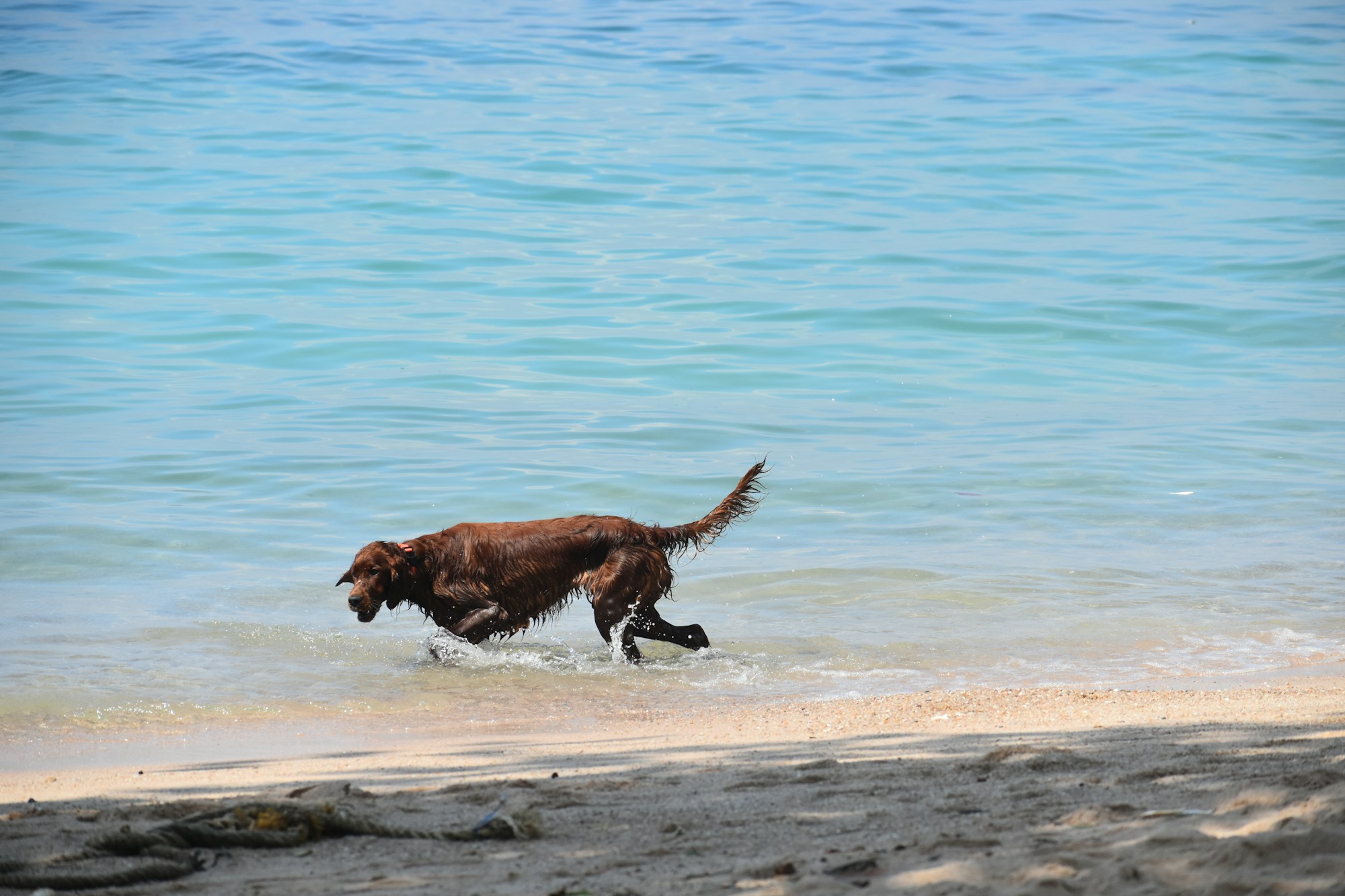
Croatia has become a flagship destination for pets. According to Riviera Crikvenica, Crikvenica hosts the famous « Monty’s Dog Beach & Bar » — a beach specifically designed for dogs.
This beach offers dog showers, beach beds, and a bar serving « dog beer » (chicken/vegetable broth) and dog ice cream! The water is calm and clear, perfect for swimming initiation.
Highlights
- Europe’s first beach with dedicated dog bar and services
- Calm, clear water perfect for swimming
- Very affordable for the Adriatic coast
10. Scandinavia — Dalarna, Slow Travel in Sweden
Absolute Calm for Reactive Dogs
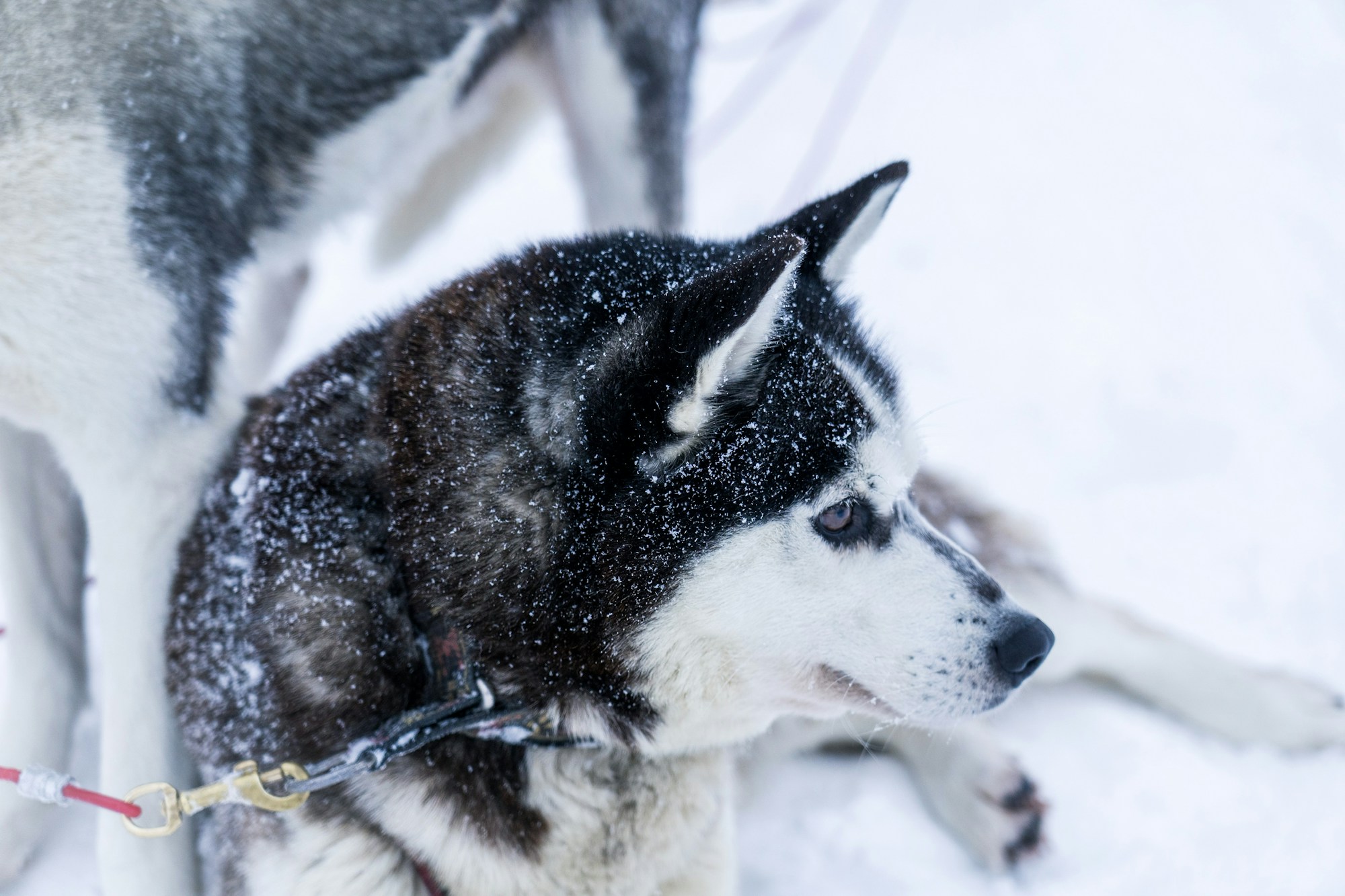
This is postcard Sweden: red houses, endless forests, and Lake Siljan. According to Visit Sweden, Sweden is strict about leashing (especially March-August to protect wildlife).
However, « Allemansrätten » (right of public access) allows total access to forests and natural spaces. It’s a perfect destination for slow travel in a lakeside cabin, ideal for reactive or anxious dogs who need space.
Highlights
- Absolute calm — you can walk for hours without meeting anyone
- Traditional lakeside cabins (stuga)
- Perfect for reactive dogs who need space
Frequently Asked Questions
Are dogs allowed in restaurants across Europe?
It depends on the country. In Germany, Austria, Italy, and Benelux: very often yes, sometimes even a water bowl is provided. In France: often yes, but always ask first. In Spain and Portugal: terraces OK, indoor rarely. In Scandinavia: rarely indoors (strict hygiene rules).
What about « dangerous » breeds (Staffie, Rottweiler)?
This is the most complex point. France (category 1 & 2), Germany, Croatia, and Denmark have strict laws. Denmark formally bans 13 breeds including Pitbull and Dogo Argentino. Always check specific legislation before booking.
Can I take the Eurostar to London with my dog?
No. Eurostar doesn’t accept pets (except guide dogs). To reach the UK, you must go through the Eurotunnel Shuttle by car or certain ferries.
Should I insure my dog for travel?
Yes, check your Liability Insurance coverage. Pet health insurance is also recommended as vet fees abroad (especially in Scandinavia or Switzerland) can be very expensive.
Can I travel by long-distance bus (FlixBus) with a dog?
Generally no for pet dogs, except guide dogs. Train or carpooling (BlaBlaCar) are preferable alternatives.
What’s the rule for ferries (Corsica, Sardinia, Greece, Croatia)?
Most accept dogs. Some (Corsica Ferries, Balearia) have dedicated « pet cabins. » Book these cabins well in advance as they’re limited. Otherwise, the dog must stay in the kennel or car (not recommended in summer due to heat).
How far in advance should I prepare for the trip?
For EU to EU travel, plan 4-6 weeks before departure for vet procedures. For third country to EU travel, start 6-10 weeks before, or more if specific tests are required.
What if my pet gets sick during the trip?
Before leaving, save contacts for a local vet and emergency vet services. Use Google Maps to search « Veterinarian » or « Emergency vet » around your accommodation. The European health card doesn’t cover pets — specific travel insurance is recommended.
Sources
This article was written using official and verified sources:
- European Union – Travelling with pets
- European Commission – Pet movement legislation
- IATA – Traveler’s Pet Corner
- SNCF – Travelling with pets
- Deutsche Bahn – Travelling with dogs
- ESCCAP – Travelling with pets advice
- Morvan Tourism
- Rota Vicentina Official
- VVV Texel – Dogs on Texel
- Sächsische Schweiz Tourismus
- Achensee Tourism – Holidays with dogs
- Riviera Crikvenica – Dog Beaches
- Visit Sweden – Travelling with pets
- Visit Dalarna
- Mattilsynet – Norway rules
Research conducted on February 2, 2026.
Ready to Travel with Your Companion?
Discover detailed day-by-day itineraries, including pet-friendly accommodations and activities tailored for travelers with pets.
Explore all itineraries