
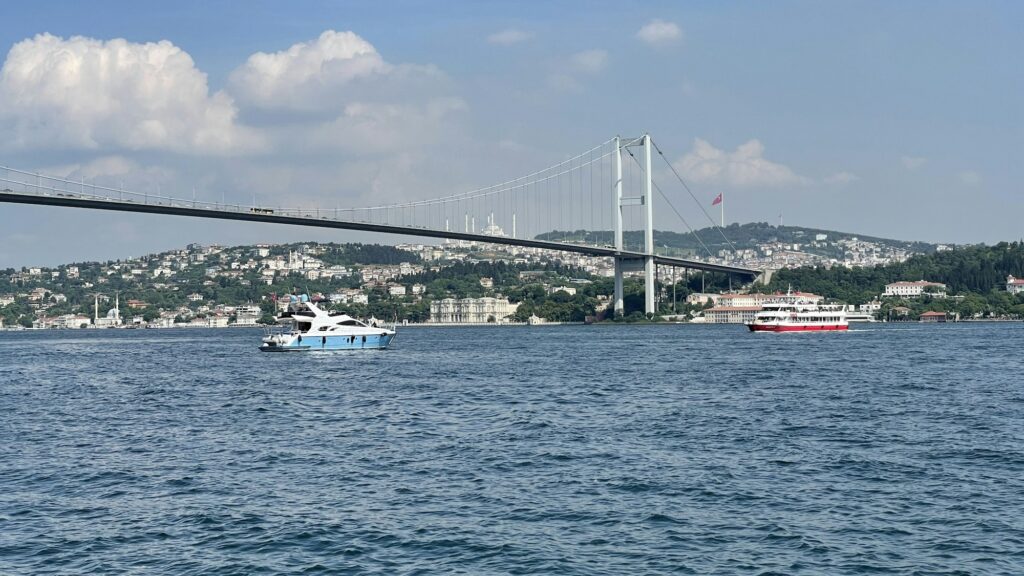
Every year, millions of Europeans travel to Turkey — and the question keeps coming up since the Middle East conflict escalated: is it still safe in 2026? The short answer: yes, but with a clear geographic divide. Istanbul, Cappadocia and the Turquoise Coast are operating normally and welcoming tourists without restrictions. The Southeast is a completely different story. Here is the full security briefing, based on official government alerts from France, the US and Belgium updated in April 2026.
Security Dashboard — Official Advisories April 2026
🇫🇷 France — Ministry of Foreign Affairs
According to the French Ministry of Europe and Foreign Affairs (MEAE), Turkey is under enhanced vigilance (orange zone) for classic tourist areas. On March 4, 2026, an Iranian ballistic missile was intercepted by Turkish defences near the Hatay province in the Southeast. Due to the risk of regional military escalation, French citizens in the Southeast are strongly advised to follow local authorities’ instructions.
🇺🇸 United States — State Department
The US State Department issued a security alert covering the Adana consular district on March 9, 2026, ordering the departure of non-essential personnel from the Adana Consulate. US nationals in the Southeast are strongly urged to leave immediately. Istanbul and classic tourist circuits remain at Level 2: Exercise Increased Caution.
🇧🇪 Belgium — FPS Foreign Affairs
The Belgian FPS Foreign Affairs confirms that Turkey is not affected security-wise in its tourist zones. Travel to border areas with Iran is discouraged, and travel to Syrian and Iraqi border zones is strongly discouraged.
| Zone | France | United States | Recommendation |
|---|---|---|---|
| Istanbul, Büyükada | 🟡 Enhanced vigilance | 🟡 Level 2 | ✅ Travel possible |
| Cappadocia (Göreme, Ürgüp) | 🟡 Enhanced vigilance | 🟡 Level 2 | ✅ Travel possible |
| Aegean Coast (Izmir, Bodrum, Kusadasi) | 🟡 Enhanced vigilance | 🟡 Level 2 | ✅ Travel possible |
| Mediterranean Coast (Antalya, Fethiye) | 🟡 Enhanced vigilance | 🟡 Level 2 | ✅ Travel possible |
| Black Sea Coast (Trabzon) | 🟡 Enhanced vigilance | 🟡 Level 2 | ✅ Travel possible |
| Konya, Bursa, Ankara | 🟡 Enhanced vigilance | 🟡 Level 2 | ✅ Travel possible |
| Hatay, Kilis, Gaziantep | 🔴 Strongly discouraged | 🔴 Do Not Travel | 🚫 Avoid absolutely |
| Diyarbakır, Şanlıurfa, Mardin, Siirt, Şırnak, Hakkari | 🔴 Strongly discouraged | 🔴 Do Not Travel | 🚫 Avoid absolutely |
| 10 km from Syrian and Iraqi borders | 🔴 Strongly discouraged | 🔴 Do Not Travel | 🚫 Off-limits to tourists |
Zones to Avoid Absolutely in 2026
These zones are outside of classic tourist circuits and do not affect standard stays in Turkey. They primarily concern the Southeast provinces, far from the main destinations:
- Hatay Province: Strongly discouraged since the interception of an Iranian missile on March 4, 2026. The US Consulate in Adana has suspended all consular services.
- Gaziantep, Kilis, Şanlıurfa, Mardin: Provinces where incidents, military operations and restrictions are possible according to French authorities. The risk of kidnapping by terrorist groups from Syria cannot be excluded in the border region.
- Diyarbakır, Batman, Siirt, Şırnak, Hakkari: Provinces covered by the US security alert of March 9, 2026. Tourist travel is strongly discouraged.
- Iranian border: Since March 2, 2026, the Iran–Turkey land border is closed toward Iran, except for Iranian nationals. This does not affect tourists arriving from Europe by air.
- Golden rule: Stay at least 10 km from the Syrian and Iraqi borders. This simple principle eliminates all unnecessary risk.
Istanbul: The Metropolis Between Two Continents
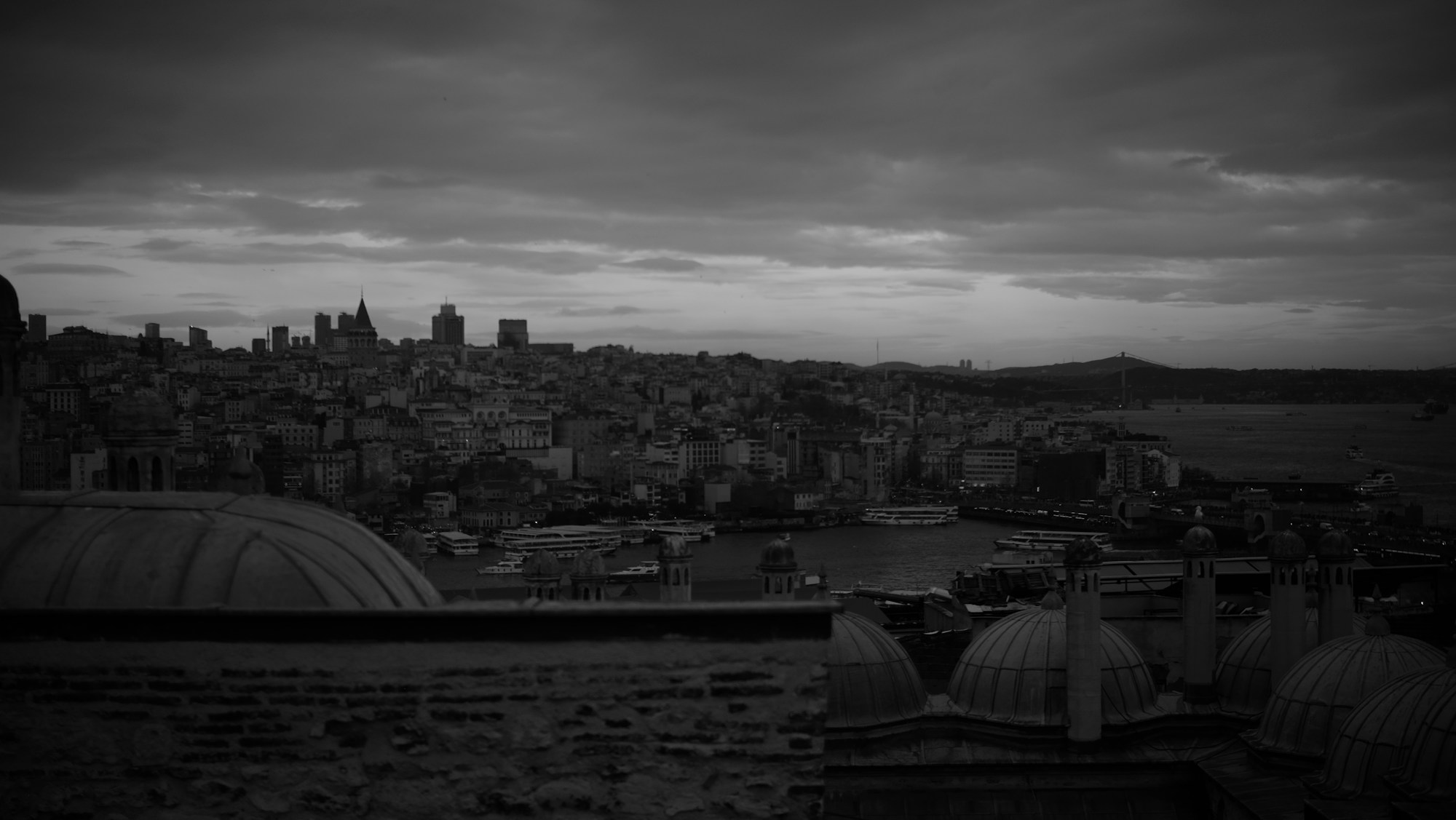
Istanbul is fully operational. Flights, hotels, tourism and public transport are running normally. The city remains the unmissable gateway to Turkey, straddling Europe and Asia. Sultanahmet with the Blue Mosque and Hagia Sophia, Topkapi Palace, the Grand Bazaar, the Beyoğlu neighbourhood and the Bosphorus offer an experience unlike anywhere else. According to The Other Tour, a visitor in Istanbul is statistically « about as safe as in Berlin or London ».
In 2025, Istanbul welcomed over 20 million international visitors. Security is ensured through modern surveillance, tourist police units and multilingual emergency services. Anti-American demonstrations took place in March 2026 but remained peaceful and localised in political districts.
Highlights
- Hagia Sophia — former Byzantine cathedral, free entry (modest dress required)
- Topkapi Palace — heart of the Ottoman Empire, stunning Bosphorus views
- Bosphorus Cruise — a journey between two continents from €15
- Kadıköy (Asian side) — local market, authentic street food, 30–50% cheaper than Sultanahmet
Cappadocia: The Fairy Chimneys, Far from Conflict Zones
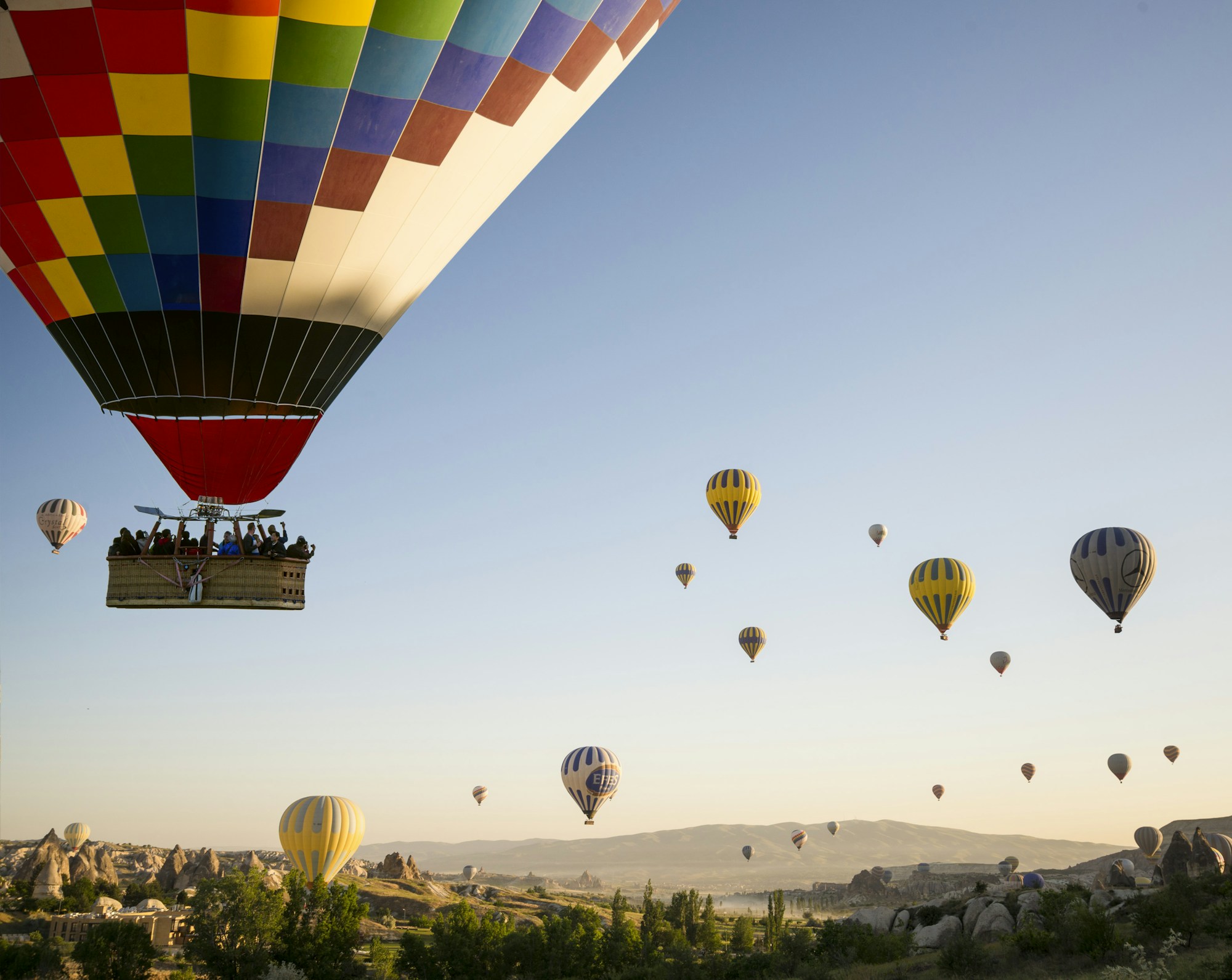
Cappadocia is arguably Turkey’s most iconic destination outside Istanbul. Its lunar landscapes, fairy chimneys, cave houses and hot air balloon flights at sunrise make it truly unique. In 2026, the region experiences no disruptions whatsoever: it sits more than 600 km from the sensitive southeastern border zones. Balloon flights operate normally, subject to weather conditions.
A quality cave hotel in Cappadocia runs around €60/night — three times cheaper than an equivalent room in Santorini, Greece. Budget €100–€200 for a hot air balloon flight — the main expense in the region, but an unforgettable experience.
Highlights
- Hot air balloon at sunrise over the fairy chimneys — a bucket-list experience
- Derinkuyu and Kaymakli underground cities — ancient labyrinths of early Christian communities
- Ihlara Valley — secret canyon with Byzantine cave monasteries carved into the cliff
- Ortahisar and Mustafapaşa villages — quieter alternatives to Göreme, 10 min away
The Turquoise Coast: Antalya, Bodrum, Fethiye
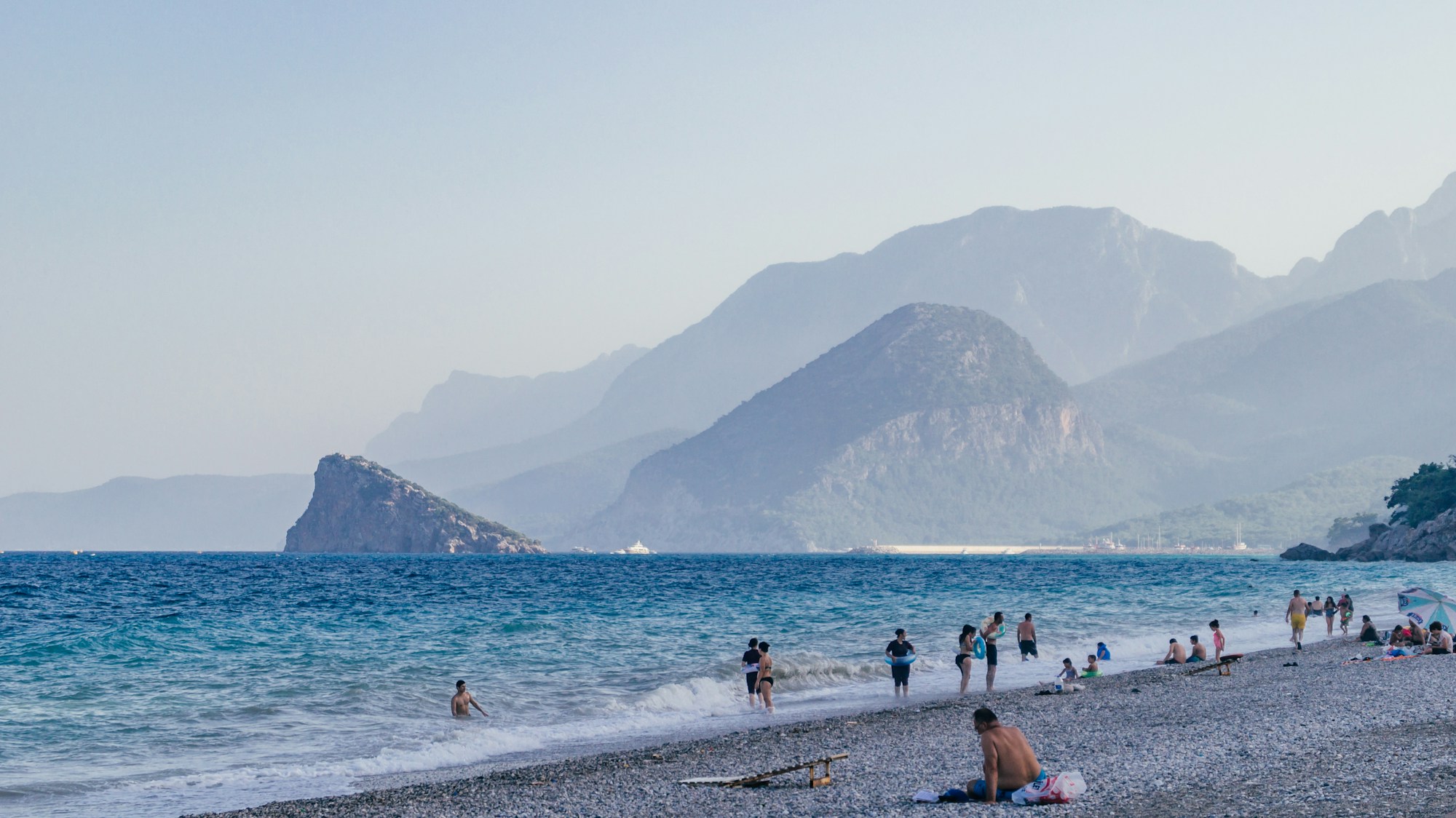
The Turquoise Coast is entirely tourism-oriented and was operating normally in spring 2026. According to Istanbul Tours, the resorts of Antalya, Bodrum, Fethiye and Kuşadası maintain high security standards with their Blue Flag beaches continuing their seasonal operations. The coast is more than 1,000 km from sensitive border zones.
Beyond the beaches, the region offers the Lycian Way — a 540 km hiking trail regularly ranked among the world’s most beautiful — and Pamukkale, the famous white travertine terraces with turquoise thermal pools. The coast around Fethiye allows you to alternate between exploring ancient Lycian tombs and swimming in secluded coves accessible only by sea.
Highlights
- Pamukkale — white travertine terraces and Cleopatra’s Pool, 3h from Antalya
- Lycian Way — hike between ancient ruins and deserted coves between Fethiye and Antalya
- Bodrum — white and blue architecture, lively marina, vibrant nightlife
- Ölüdeniz (Fethiye) — turquoise lagoon ranked among the world’s most beautiful beaches
Off the Beaten Track: Safranbolu, Trabzon & Bozcaada
For travellers seeking authenticity, Turkey hides extraordinary gems almost unknown to Western tourists — all far from the tension zones:
🏘️ Safranbolu — The Ottoman Open-Air Museum
A UNESCO World Heritage Site, Safranbolu is one of the few Turkish cities where you can truly travel back in time. Its 125 konaks (Ottoman timber-framed houses) have been intact since the 17th century. It’s Turkey’s answer to Bruges or Colmar, without the tourist crowds. Budget: €50–70/day. Stay in an authentic konak converted into a guesthouse.
🌊 Trabzon & the Black Sea Coast
The anti-Riviera of Turkey, off the classic tourist circuit. The Sumela Monastery, perched on a cliff face, defies gravity. Near Rize (close to Trabzon), tea plantations carved into steep hillside terraces create an unusual spectacle — one of the rare places in the world where tea grows in snow. Budget: €45–65/day, among Turkey’s most affordable regions.
🏝️ Bozcaada — The Ottoman Maldives
A 40 km² island in the Aegean Sea, Bozcaada is the favourite holiday spot of Istanbul’s wealthy residents, and virtually unknown to Western tourists. White sand beaches, hilltop vineyards and a charming town with colourful shuttered houses — all without international crowds. Rent a bicycle on arrival to explore the car-free coves. Budget: €70–100/day in season.
Budget & Practical Tips for 2026
What you need to know before you go
- Visa: EU and UK citizens are visa-exempt for up to 90 days within 180. Your passport must be valid for at least 150 days after your entry date into Turkey.
- Register your trip: Sign up with your country’s foreign ministry travel registration service to receive emergency alerts.
- Money: Always refuse « Dynamic Currency Conversion » — pay in Turkish lira to avoid up to 5% extra charges. Fee-free cards (Revolut, Wise) are highly recommended.
- Alcohol: Poisoning incidents from illicit alcoholic beverages have been reported. Only consume products from reputable establishments.
- Taxis: Use official taxis (metered) or apps like BiTaksi or InDrive, especially at night.
On average, the cost of living for a trip to Turkey in 2026 is 38% lower than in France. A lunch with one dish costs €6.80 and a full dinner €18. A single transit ticket costs just €0.55.
Prepare Your Trip to Turkey
Nomad Insurance: global coverage from $56/4 weeks. Essential for the current geopolitical context. 10% off via our link.
From $56 / 4 weeksStay connected from the moment you land in Istanbul. Instant activation, 4G/5G data with no roaming charges.
From €4.50Frequently Asked Questions About Turkey in 2026
Is Turkey safe to visit in 2026 despite Middle East tensions?
Yes, for classic tourist circuits. Istanbul, Cappadocia, Antalya, Bodrum and the Turquoise Coast are safe and operating normally in 2026. The distinction is geographic: western and central Turkey are at Level 2 (enhanced vigilance), the same as many European destinations. The Southeast is a different story, under red zone since the interception of an Iranian missile on March 4, 2026 near Hatay. According to Euronews Travel, « day-to-day reality for tourists remains largely unchanged » in classic tourist destinations.
Which Turkish provinces should you absolutely avoid in 2026?
US and French authorities strongly advise against the provinces listed in the March 9, 2026 security alert: Hatay, Kilis, Gaziantep, Şanlıurfa, Mardin, Diyarbakır, Batman, Siirt, Şırnak, Hakkari, and areas within 10 km of the Syrian, Iraqi and Iranian borders. These zones are very far from classic tourist circuits. The US Consulate in Adana has suspended all consular services since March 9, 2026.
Do EU citizens need a visa for Turkey in 2026?
Most EU citizens do not need a visa for stays up to 90 days within 180. However, requirements vary by nationality — always check with the Turkish embassy or your country’s foreign ministry before travelling. Your passport must be valid for at least 150 days after your entry date into Turkey. It is strongly recommended to register your trip with your country’s traveller registration service to receive emergency security alerts.
Is travel insurance valid for Turkey in 2026?
Yes, for classic tourist zones (Istanbul, Cappadocia, Mediterranean and Aegean coasts). Standard travel insurance policies remain valid as Western governments have not issued formal travel bans for these areas. For Level 4 (Do Not Travel) zones like some Southeast provinces, your insurance may not cover incidents. Check your policy’s exclusion clauses before departure. SafetyWing’s Nomad Insurance explicitly covers Turkey’s tourist areas.
Can I still visit Göbekli Tepe (Şanlıurfa) in 2026?
Göbekli Tepe is located in Şanlıurfa province, which is listed in the US security alert of March 2026 recommending immediate departure for American citizens. The UK FCDO and most European foreign ministries also classify this zone with specific warnings. Before planning a visit, check the latest travel advisories from your country’s foreign ministry. In 2025, the site welcomed 781,000 visitors according to TurkiyeToday — once the situation stabilises, it remains one of the most extraordinary archaeological sites on Earth.
What budget should I plan for a trip to Turkey in 2026?
The cost of living in Turkey is on average 38% lower than in France. For a comfortable trip: €75–135/day in Istanbul (3–4 star hotel, restaurants, transport, attractions). In Cappadocia: €75–100/day with a cave hotel. On the coast: €50–80/day. Budget travellers: €35–55/day. The Turkish lira is at historically low levels, making travel very affordable for those holding strong currencies. Tip: always refuse « Dynamic Currency Conversion » and pay in Turkish lira to save 3–5% on every transaction.
Is the Iran–Turkey land border open to tourists?
Since March 2, 2026, the Iran–Turkey land border is closed toward Iran, except for Iranian nationals. European tourists arriving in Turkey by air or from other countries are not affected by this border closure. No border closures affect entry into Turkey from Europe via Istanbul, Antalya or Izmir airports.
Sources
- Diplomatie.gouv.fr — Travel Advice: Turkey — Official MEAE alerts, updated April 2026
- US State Department — Turkey Travel Advisory — US security advisory, Level 2/4, March 2026
- Belgian FPS Foreign Affairs — Security in Turkey — Official Belgian advice
- Euronews Travel — Travelling to Türkiye (March 2026) — Security and flights analysis
- JetPac Global — Is it safe to travel to Turkey right now? (March 2026) — Detailed risk analysis
- Istanbul Tours — Is it safe to travel to Turkey in 2026? — Iran-Israel conflict update
- The Other Tour — Is it safe to travel to Turkey in 2026? — Local operator analysis
- Où et Quand — Turkey Budget 2026 — Cost of living, comparisons
- Travel and Tour World — Middle East conflict doesn’t affect travel to Turkey (2026) — Tourism impact
Research conducted on April 1, 2026. The geopolitical situation evolves rapidly — always check the latest alerts from your country’s foreign ministry before departure.
Ready to Plan Your Trip to Turkey?
Despite the proximity of the conflict, Turkey remains one of the most fascinating and accessible destinations for European travellers. Istanbul, Cappadocia and the Turquoise Coast are waiting — with an unbeatable budget and unparalleled hospitality.
Explore Turkey Itineraries