

The office can wait, the sunset can’t. In 2026, remote work is no longer just about swapping your open office for your living room. More than 70 countries now offer digital nomad visas, and a new generation of « slowmads »—remote workers who settle in one place for 3 to 12 months—are redrawing the map of ideal destinations for combining productivity and adventure.
Reliable wifi, inspiring coworking spaces, reasonable cost of living, Europe-compatible time zones: after research combining official sources, field reports, and current data, here’s our selection of the 10 best workcation destinations in 2026.
Quick Comparison: The 10 Workcation Destinations for 2026
| Destination | Budget/month | Time Zone (GMT) | Nomad Visa | WiFi | Key Advantage |
|---|---|---|---|---|---|
| Lisbon 🇵🇹 | €1,500–2,500 | +0/+1 | D8 Visa (1 year) | Excellent | Europe’s most mature nomad ecosystem |
| Valencia 🇪🇸 | €1,400–2,500 | +1/+2 | Telework visa (3 years) | Excellent | Beach + Mediterranean affordability |
| Tenerife 🇪🇸 | €1,300–2,200 | +0/+1 | Telework visa (3 years) | Very good | Eternal spring + volcanic nature |
| Budapest 🇭🇺 | €1,100–1,800 | +1/+2 | White Card (1 year) | Very good | Architecture + nightlife + thermal baths |
| Split 🇭🇷 | €1,200–2,200 | +1/+2 | Nomad visa (18 months, 0% tax) | Good | Mediterranean + tax exemption |
| Tbilisi 🇬🇪 | €800–1,200 | +4 | Remotely from Georgia (1 year) | ~50 Mbps | Ultra-tight budget + 1% taxation |
| Medellín 🇨🇴 | $1,000–1,800 | -5 | Nomad visa (lowest threshold) | Good | Eternal spring + US clients |
| Chiang Mai 🇹🇭 | $800–1,300 | +7 | DTV (5 years multi-entry) | Good | The classic reinvented, unbeatable budget |
| Buenos Aires 🇦🇷 | $1,000–1,500 | -3 | Nomad visa (6+6 months) | Fair | Cosmopolitan metropolis at lowest price |
| Madeira 🇵🇹 | €1,400–2,200 | +0/+1 | D8 Visa (1 year) | Very good | Pioneer digital village + nature |
1. Lisbon, Portugal — The Unmissable Hub
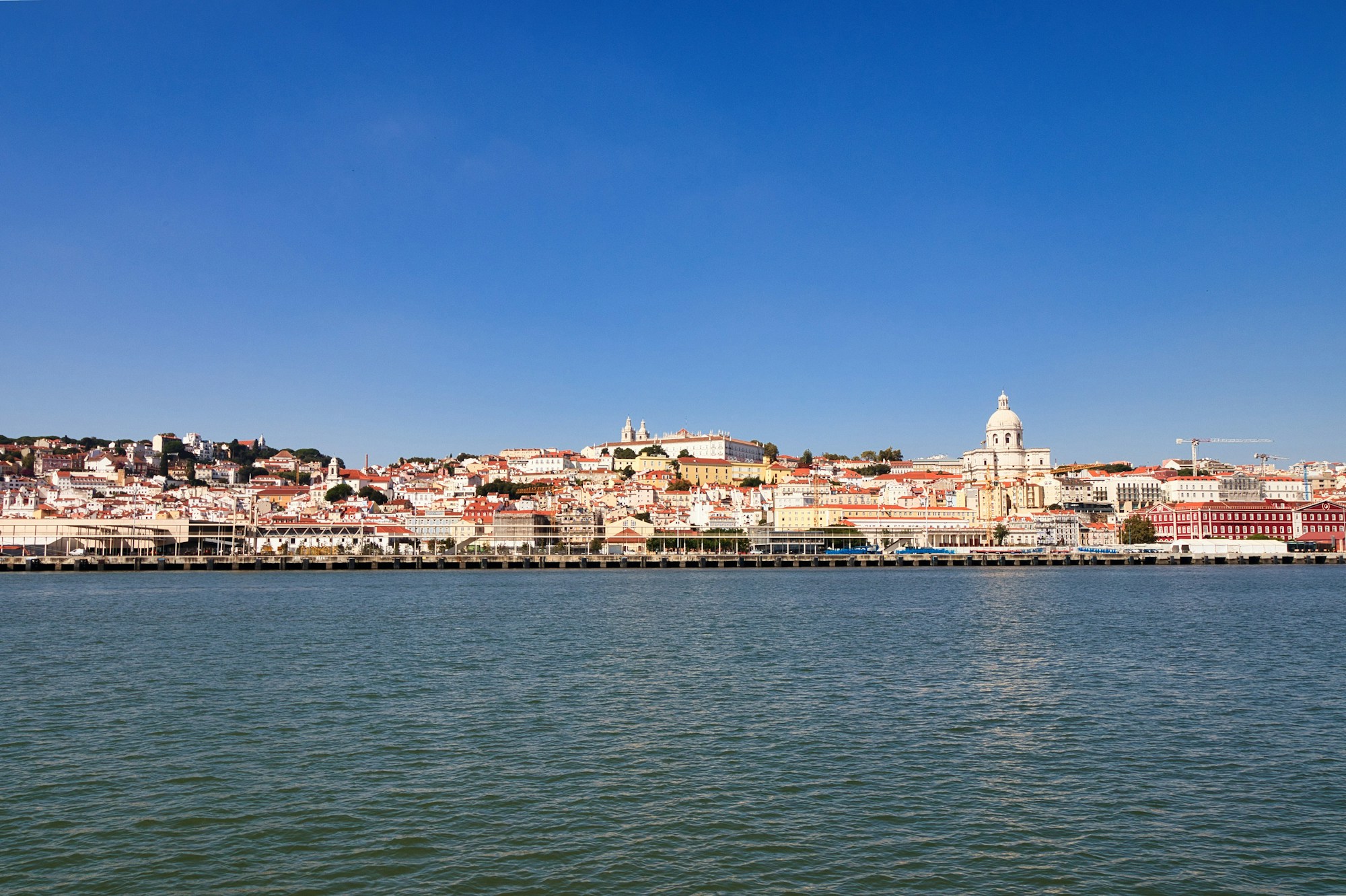
The European Capital of Digital Nomadism
Lisbon no longer needs to prove itself. Ranked the top European destination for remote workers since 2023, the Portuguese capital has the continent’s most mature nomad ecosystem: dozens of coworking spaces (Second Home, Outsite, Heden), a thriving international community, and a fiber optic network covering most of the city.
Portugal’s D8 visa, dedicated to remote workers, offers a one-year renewable stay with access to the entire Schengen area. The income threshold is set at approximately €3,680/month—a higher entry ticket than other countries, but offset by exceptional quality of life. The neighborhoods of Príncipe Real and Santos are the epicenters of the coworking scene, while Alfama preserves the authentic charm of cobblestone streets.
The zero time difference with London and one hour with Paris makes it a strategic choice for freelancers working with European clients. Add the gastronomy (pastéis de nata, bacalhau, Douro wine at €3 per glass), 300 days of sunshine per year, and a vibrant cultural scene: Lisbon remains unmissable.
Highlights
- Europe’s densest coworking ecosystem (50+ spaces)
- D8 visa with Schengen access and path to permanent residence
- Ideal time zone for European and British clients
2. Valencia, Spain — The Mediterranean Sweet Spot
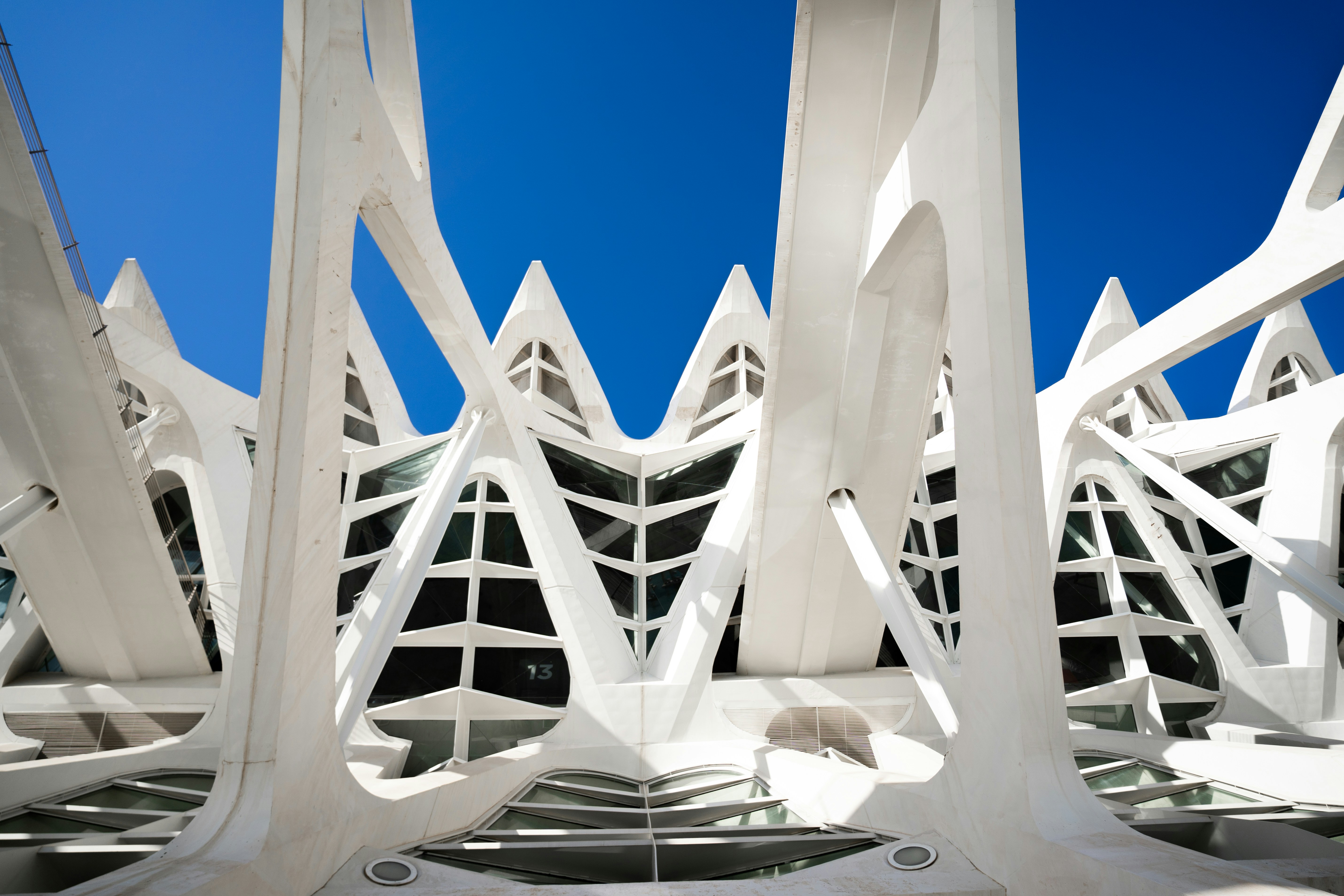
Where Productivity Meets the Beach
Spain ranks first in the Global Digital Nomad Report 2025, and the real gem is neither Madrid nor Barcelona—it’s Valencia. Just four hours from Barcelona by train, Spain’s third-largest city combines a cost of living 15 to 25% lower than major Western European capitals, direct access to Malvarrosa beach, and a dynamic coworking scene.
The Ruzafa neighborhood is the beating heart of Valencia’s nomad community: trendy cafés, art galleries, local markets, and coworking spaces like Wayco or Vortex (from €15/day). Spain’s digital nomad visa, valid for up to 3 years, is accessible with a minimum income of €3,001/month.
The decisive advantage? The City of Arts and Sciences perfectly captures Valencia’s spirit: a forward-looking, human-sized city where you can go from virtual meeting room to beach in 15 minutes by bike. Spain’s rural incentive program even offers bonuses to remote workers who settle in rural areas around Valencia.
Highlights
- Moderate cost of living for Western Europe (paella at €8, coffee at €1.50)
- Beach accessible by bike from city center
- Spanish nomad visa (3 years) with Schengen access
3. Tenerife, Canary Islands — Eternal Spring
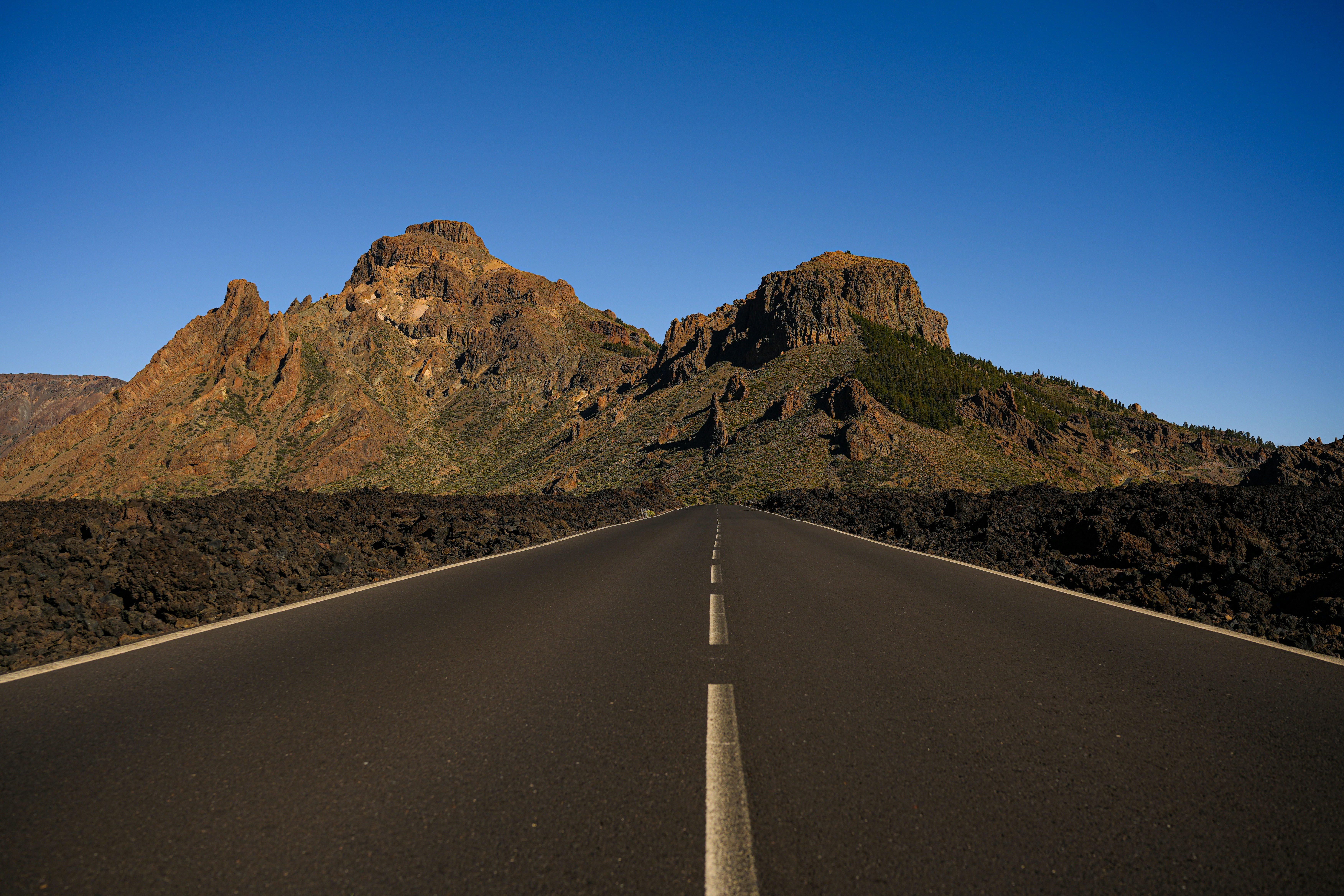
Remote Work at the Foot of a Volcano
Tenerife is the best-kept secret of European workcationers. The largest Canary Island offers a subtropical climate year-round (20 to 28°C), a time zone aligned with London time, and direct flights from most European capitals for €50 to €150 one-way. It’s clear why the nomad community has exploded here in recent years.
The south of the island hosts most coworking spaces and coliving facilities. Restation, in the Los Cristianos neighborhood, combines coworking and residence with ocean views. Zen Den coworking in La Caleta offers monthly memberships from €150. Fiber internet is available in urban areas, with an average of 50 to 100 Mbps.
But it’s nature that makes the difference: Mount Teide, the world’s third-largest volcano (3,718 m), the laurel forests of Anaga, the black sand beaches of Playa Bollullo, and spectacular hiking trails turn every free afternoon into an adventure. All under the same Spanish nomad visa as Valencia.
Highlights
- Ideal climate year-round (never too hot, never cold)
- Low-cost flights from all over Europe (Ryanair, Vueling)
- Spectacular volcanic nature to explore after work
4. Budapest, Hungary — The Pearl of the Danube

Thermal Baths in the Morning, Video Calls in the Afternoon
Budapest is the perfect cocktail for the demanding workcationer: breathtaking Art Nouveau architecture, ancient thermal baths, a booming culinary scene, and a cost of living that remains among the lowest in Central Europe. Hungary has launched its White Card for digital nomads, offering a one-year renewable stay with a relatively accessible income threshold.
The 7th district (Jewish Quarter) concentrates most coworking spaces and work-friendly cafés. Loffice, Kaptar, and Kubik are the reference spaces, with rates of €80 to €150/month. Hungarian internet is known for being fast (80 to 150 Mbps fiber), and the 4G/5G network perfectly covers the entire city.
The irresistible argument? Ending your workday with a session at the Széchenyi or Gellért baths, dinner in a converted « ruin bar, » and a nighttime stroll along the illuminated Danube. Budapest offers a quality of life comparable to Vienna or Prague for a significantly lower budget.
Highlights
- Exceptional value for money for Central Europe
- Ultra-fast internet and solid tech infrastructure
- Thermal baths, ruin bars, and intense cultural life
5. Split, Croatia — Mediterranean + Tax Exemption
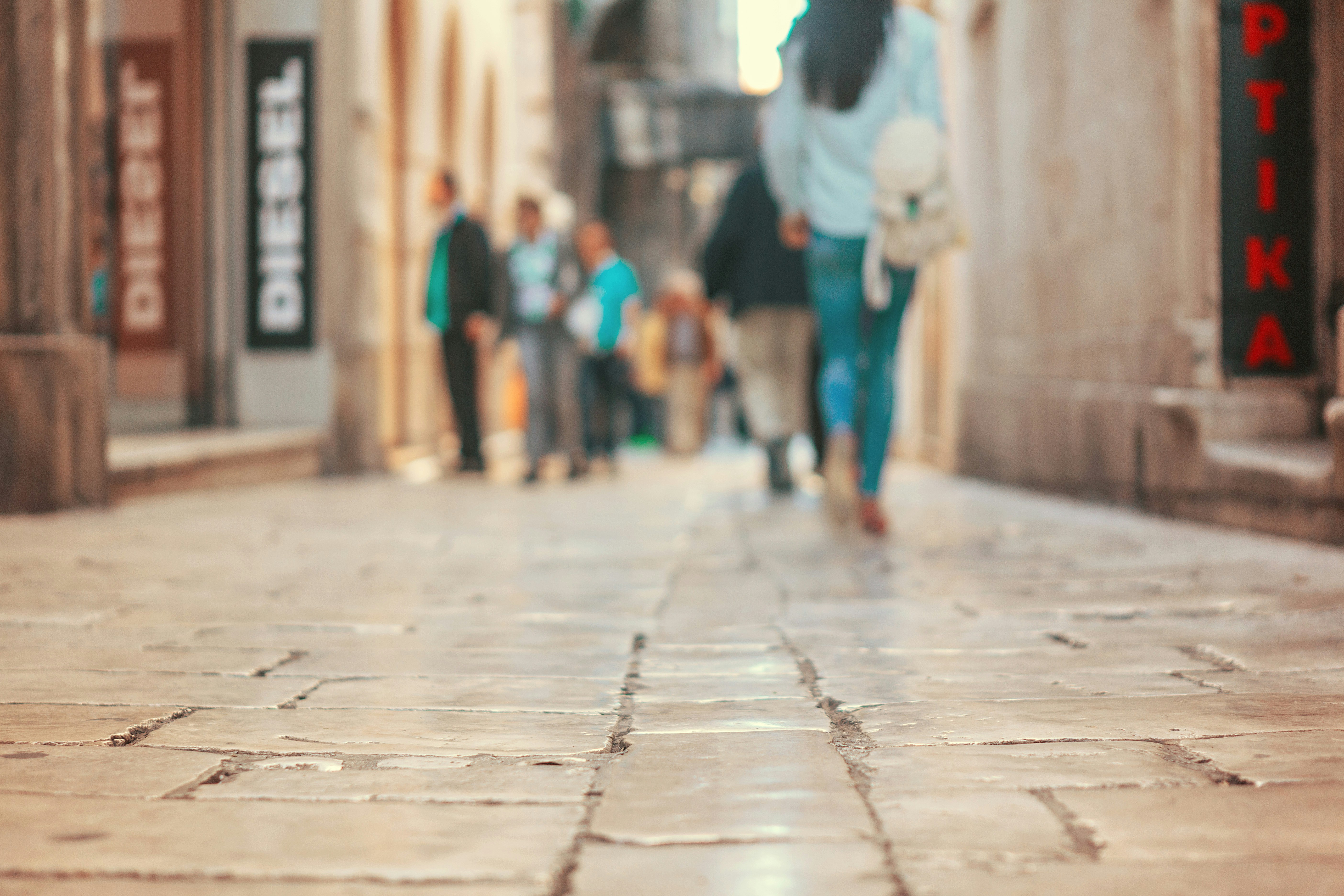
The Rare Trifecta: Sea, Schengen, and Zero Tax
Croatia offers what no other European destination can match: a digital nomad visa of 18 months (renewable once, making 3 years total) with complete exemption from local income tax. Since August 2025, the conditions have been further relaxed, strengthening the attractiveness of an already generous program.
Split, Croatia’s second-largest city, is the ideal base camp. Diocletian’s Palace, a UNESCO World Heritage site, is literally integrated into the living urban fabric—you dine inside the ancient walls of a Roman emperor. The city combines historic charm, spectacular Dalmatian coast, and a growing coworking scene.
The required minimum income (€3,295/month) is certainly higher, but the savings on taxes more than compensate. Access to the Schengen area (Croatia has been a member since 2023) and direct flights from all over Europe make Split a strategic base for exploring the Mediterranean on weekends.
Highlights
- Complete tax exemption for digital nomads
- 18-month renewable visa (up to 3 years)
- Diocletian’s Palace and exceptional Dalmatian coast
6. Tbilisi, Georgia — The Raw Gem at the Crossroads of Continents
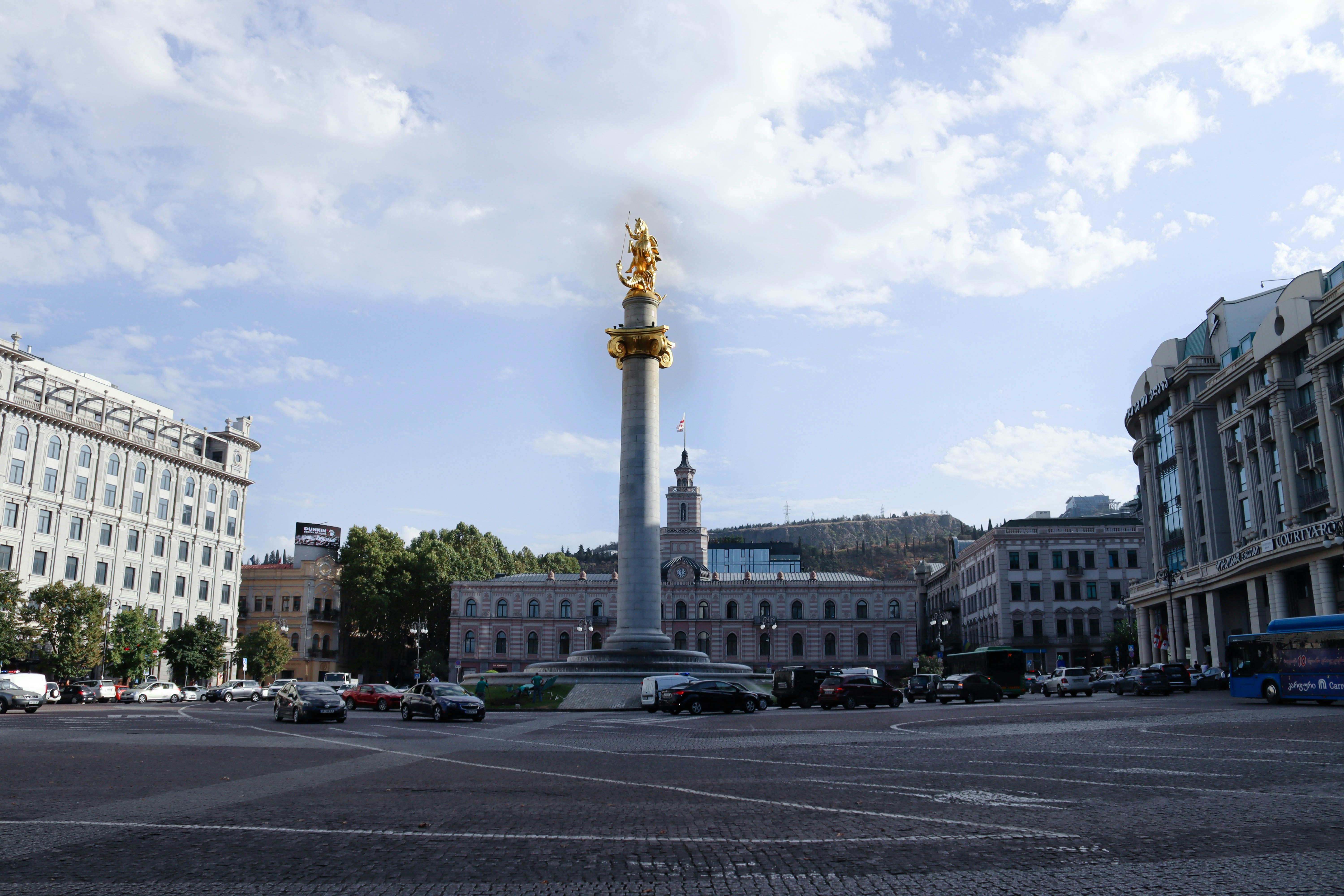
€800/Month at the Crossroads of Europe and Asia
Tbilisi checks all the boxes for the budget-conscious nomad. The « Remotely from Georgia » program allows remote workers from 95 countries to enter visa-free for stays up to one year, with an income threshold of just $2,000/month. The cherry on top: freelancers registered as Individual Entrepreneurs benefit from a 1% tax rate, one of the most aggressive in the world.
The work ecosystem revolves around coworking spaces like Terminal and Impact Hub, but also a myriad of cafés with fast wifi and welcoming owners—from the famous Fabrika to lesser-known spots in the Vera neighborhood. The international nomad community, while smaller than Lisbon’s, is particularly tight-knit and welcoming.
Tbilisi’s hidden advantage? Georgian cuisine, considered among the best in the world. Khinkali (dumplings), khachapuri (cheese bread), natural wines in amphorae: a complete dinner costs between €5 and €10. The +4 time zone allows comfortable overlap with European mornings.
Highlights
- One-year visa-free stay + 1% taxation
- Lowest cost of living in our selection
- Exceptional and affordable Georgian gastronomy
7. Medellín, Colombia — The World’s Lowest Entry Barrier
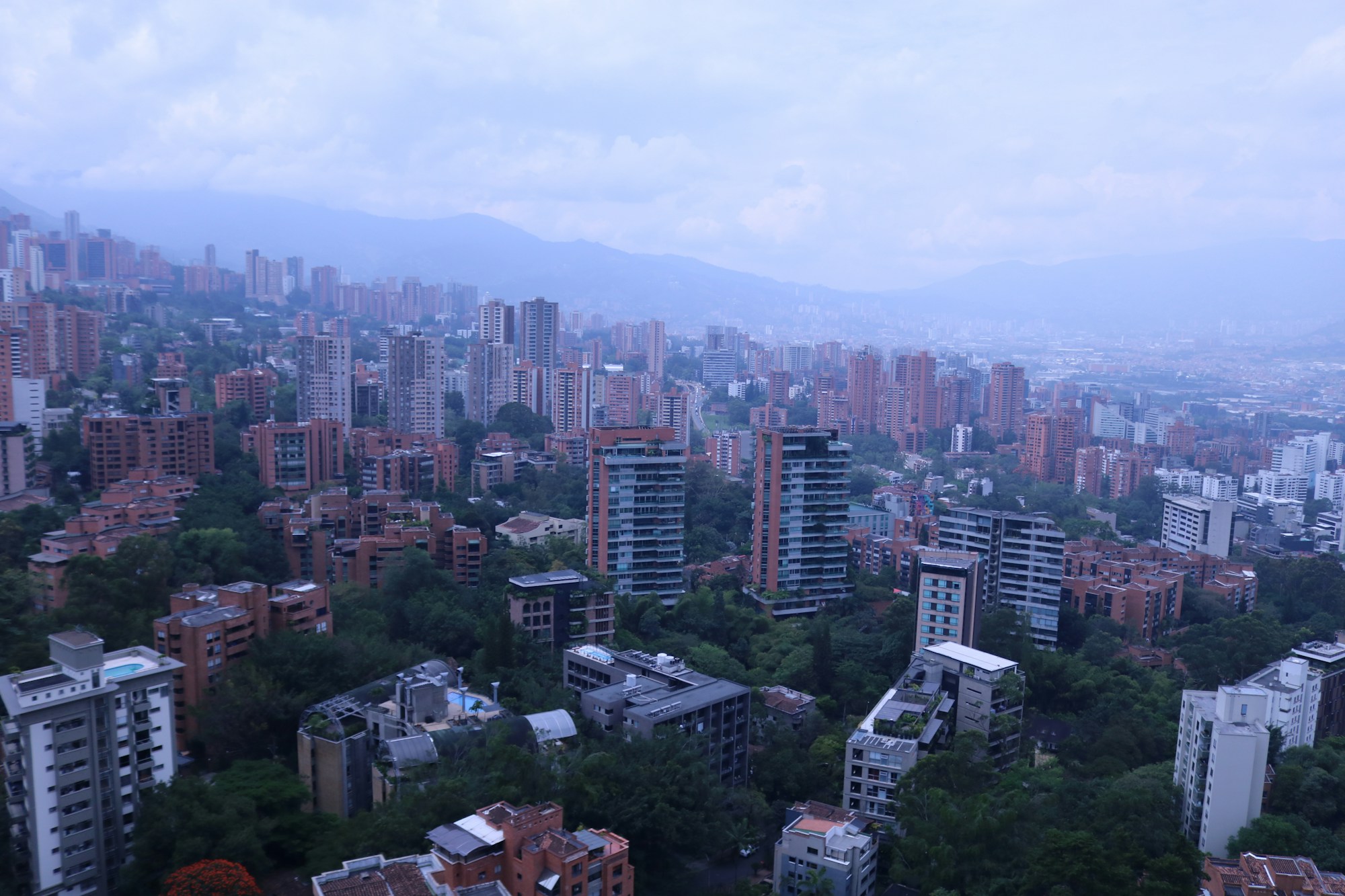
The City of Eternal Spring with a $750/Month Threshold
Colombia holds the record for the world’s lowest income threshold for a digital nomad visa: $750/month. This financial accessibility makes Medellín the ideal springboard for those starting out in the nomadic lifestyle or working with a limited budget.
Nicknamed « the city of eternal spring » thanks to its year-round temperate climate (22-28°C), Medellín offers a mature nomad ecosystem in the El Poblado neighborhood and, increasingly, in the emerging Laureles area. More than 30 coworking spaces dot the city, with Selina and Tinkko standing out for their community quality.
The GMT-5 time zone is perfectly aligned with North American business hours—a decisive advantage for freelancers working with US or Canadian clients. The Medellín metro, unique in Colombia, connects neighborhoods via cable cars (MetroCable) offering breathtaking views of the valley.
Highlights
- World’s lowest visa threshold ($750/month)
- Permanent spring climate (22-28°C)
- Time zone aligned with North America
8. Chiang Mai, Thailand — The Classic Reinvented
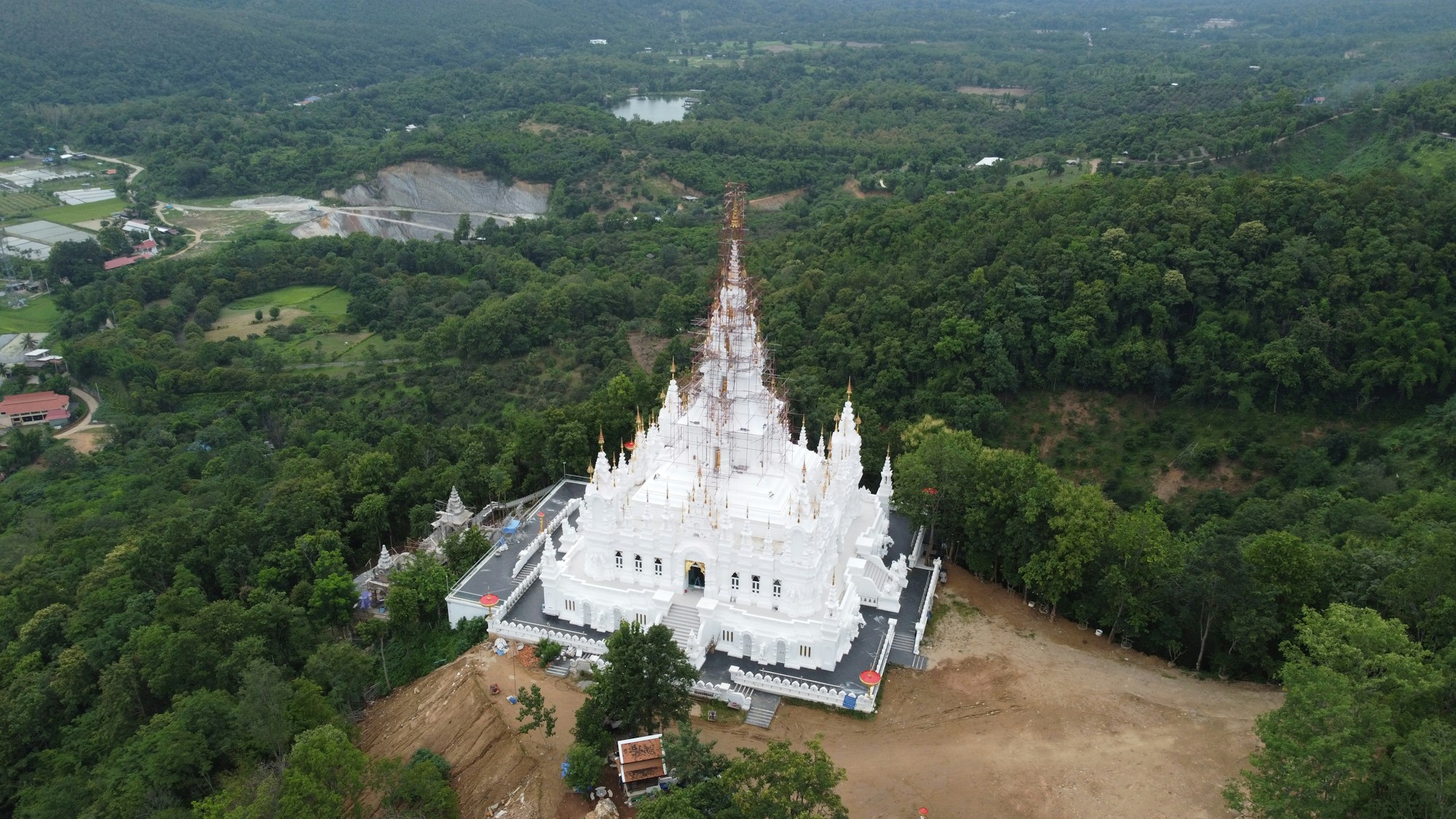
The Birthplace of Digital Nomadism Reinvents Itself
Chiang Mai is the birthplace of digital nomadism—and the destination hasn’t had its last word. The introduction of the Destination Thailand Visa (DTV), valid for 180 days with multiple entries over 5 years, is a game-changer for nomads who want to make Chiang Mai an Asian base without juggling visa runs.
The cost of living remains unbeatable: a meal at a local restaurant costs $2-4, a monthly coworking membership $80-150, and a furnished studio in the Nimman neighborhood rents for $300-500/month. The golden temples, legendary street food, and misty northern mountains add a cultural dimension few destinations can rival.
The time difference (GMT+7) suits collaborations with Australia perfectly and offers a few hours of overlap with Europe in the morning. The city has a large number of temples among the country’s most beautiful, and the surrounding region—including the hippie town of Pai—offers nature getaways accessible in a few hours.
Highlights
- Lowest cost of living in the selection ($800/month comfortable)
- New DTV (5 years multi-entry): end of visa runs
- Asia’s oldest and most structured nomad community
9. Buenos Aires, Argentina — The Cosmopolitan Metropolis at the Lowest Price
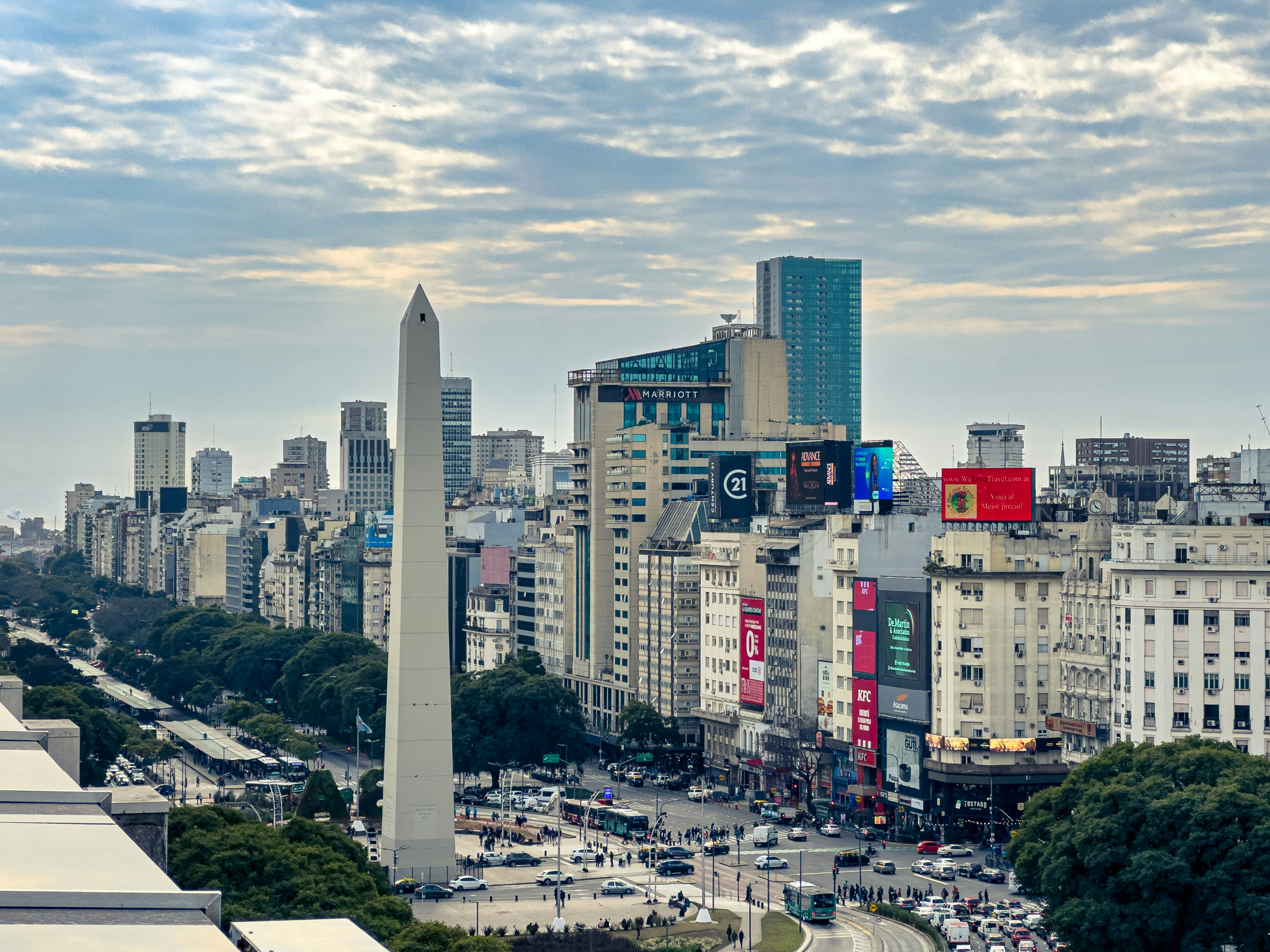
The Paris of South America for $1,000/Month
Buenos Aires offers stunning purchasing power: with $1,875, you maintain the same standard of living as with $9,100 in New York. Argentina’s digital nomad visa, introduced in 2024, allows a 6-month stay extendable to 12 months, and the government even offers a welcome package at the airport including 40% off transfers, preferential hotel rates, and a SIM card.
Often called the « Paris of South America, » Buenos Aires captivates with its European architecture, world-class museums (MALBA, MACBA), legendary nightlife, and culinary scene—from monumental asados to historic literary cafés. The Palermo and Recoleta neighborhoods concentrate over 30 coworking spaces.
The time difference (GMT-3) allows reasonable overlap with European business hours, and perfect alignment with the US East Coast. The downside? Galloping inflation makes financial planning complex—but it’s precisely this inflation that keeps prices in dollars or euros exceptionally low.
Highlights
- Highest purchasing power in our selection
- Official welcome package for nomads at the airport
- Culture, gastronomy, and tango: Latin America’s richest nightlife
10. Madeira, Portugal — The Digital Village in the Middle of the Atlantic
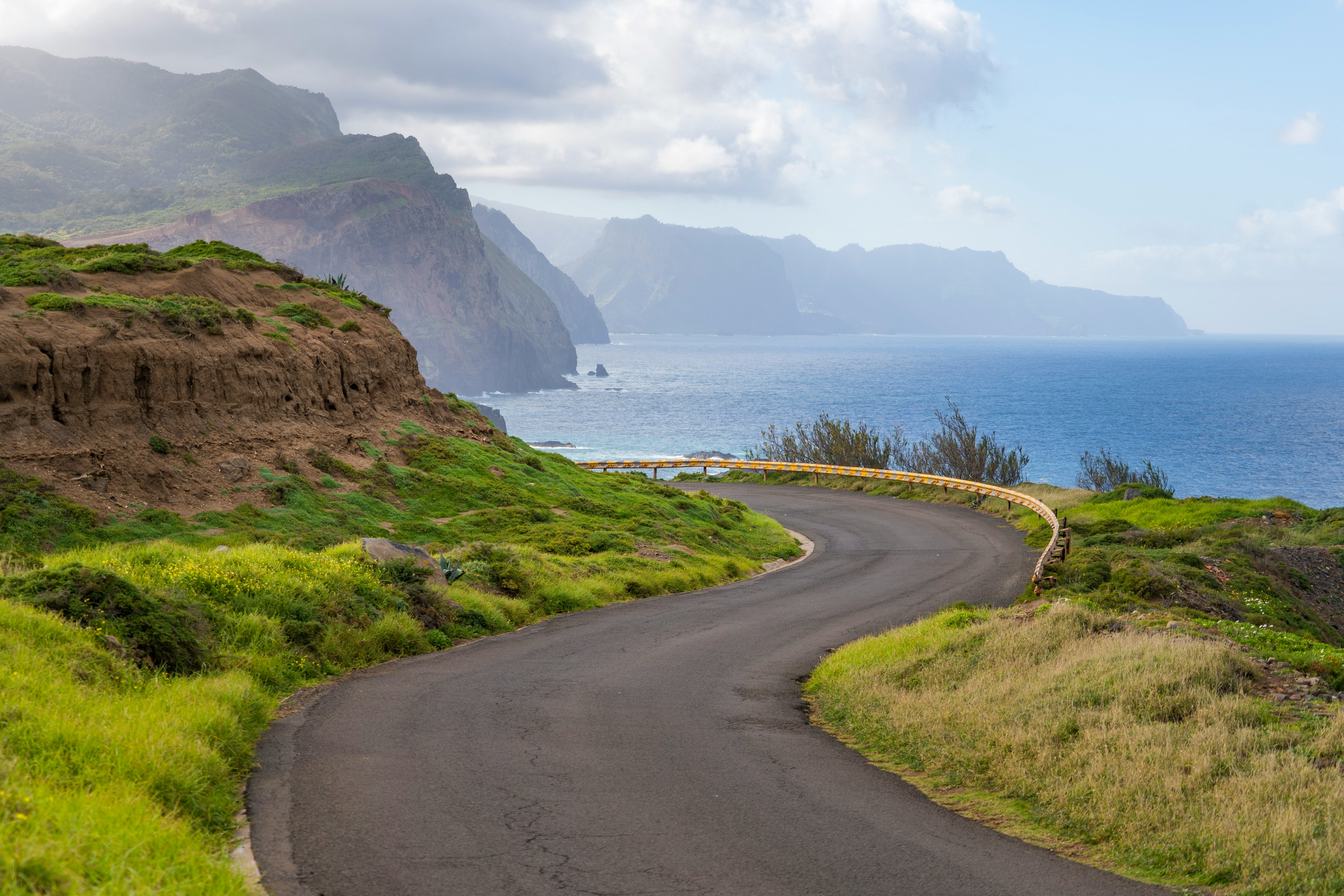
The Pioneer Digital Village That Inspired the World
Madeira pioneered by launching one of the world’s first « digital villages. » The Digital Nomads Madeira project in Ponta do Sol attracted hundreds of remote workers as early as 2021, proving that an Atlantic island could become a productivity hub. In 2026, the ecosystem has strengthened with new coliving spaces and a structured community.
The archipelago offers a subtropical climate year-round (18-25°C), spectacular hikes along the levadas (century-old irrigation channels turned into trails), steep cliffs plunging into the Atlantic, and Portuguese gastronomy enriched with island influences. All just 1.5 hours by flight from Lisbon.
Portugal’s D8 visa also applies to Madeira, giving access to the Schengen area. The financial requirement (€3,680/month) is offset by a lower cost of living than Lisbon. Ponta do Sol remains the historic heart of the movement, but Funchal offers more services, nightlife, and coworking diversity.
Highlights
- Pioneer digital village with structured community
- Subtropical climate year-round (never too hot or too cold)
- Levada hikes + surfing + diving after work
Frequently Asked Questions About Workcation in 2026
Can I legally work remotely on a simple tourist visa?
Most tourist visas do not authorize work, even remotely. However, the practice is tolerated in many countries as long as you’re not working for a local company. For complete legal security, a digital nomad visa is always preferable: it offers temporary residence of 6 to 24 months, renewable, with a clear legal framework. In 2026, more than 70 countries offer this type of visa.
What minimum income is required to obtain a digital nomad visa?
Thresholds vary considerably: from $750/month in Colombia (the lowest) to €3,680/month in Portugal, passing through $2,000/month in Georgia and €3,295/month in Croatia. Some countries also accept proof of savings ($39,000 for Spain). Always verify current conditions on official immigration websites.
How does time difference affect destination choice?
Time zone is often the most underestimated criterion. For working with European clients, prioritize destinations between GMT-1 and GMT+4 (Portugal, Spain, Croatia, Georgia). For North American clients, GMT-3 to GMT-5 (Buenos Aires, Medellín) is ideal. Asia (Chiang Mai GMT+7) offers limited overlap with Europe but perfect with Australia. Golden rule: ensure at least 3 to 4 hours of overlap with your main contacts.
Do I have to pay taxes in the destination country?
It depends on the visa and country. Croatia completely exempts digital nomads from local tax. Georgia offers a 1% rate for individual entrepreneurs. Spain offers reduced rates via the Beckham regime. Generally, tax residency triggers after 183 days spent in the same country. Always consult a specialist in international mobility taxation.
How can I guarantee reliable wifi for remote work?
Three complementary strategies: (1) choose accommodation with confirmed fiber optic (test with Speedtest upon arrival), (2) subscribe to a coworking space as backup (guaranteed professional internet), (3) get a local eSIM with a good 4G/5G plan (Airalo or Saily offer instantly activated eSIMs). Aim for a minimum of 25 Mbps download and 10 Mbps upload for smooth video conferencing.
Do I need special health insurance for a workcation?
Private health insurance is mandatory for almost all nomad visas. Specialized insurance for remote workers (SafetyWing, World Nomads, Genki) offer flexible international coverage from $40-80/month. Verify that your policy specifically covers the destination country, includes repatriation, and covers sports activities if you plan surfing or hiking.
What emerging countries should we watch for 2027?
Several destinations are gaining momentum: Kenya, Slovenia, and Moldova are positioning themselves as alternatives to saturated hubs. Serbia and Malaysia are preparing digital nomad visas, and Indonesia should adjust its rules in 2027. Nepal has proposed a nomad visa as part of its 2025 economic reform plan. In Europe, Bulgaria opened its nomad visa in late 2025 and Bansko is emerging as an unmissable mountain hub.
What is the ideal duration for a workcation?
The 2026 trend is toward « slowmad »: stays of 1 to 3 months minimum in each location. The first week is for settling in and finding your bearings (accommodation, coworking, routine). Productivity reaches its peak from the second week. To maximize the experience, aim for a minimum of 4 weeks, ideally 2-3 months: long enough to integrate into the local community, not long enough to trigger tax residency.
Sources and Resources
- Global Citizen Solutions — Digital Nomad Visa Guide 2026
- Voye Global — Best Countries for Remote Work 2026
- Citizen Remote — Best Countries for Digital Nomads 2026
- Nomad Cloud — Where to Go as a Digital Nomad in 2026
- Time Out — Digital Nomad Visa Destinations 2026
- Immigrant Invest — 55 Digital Nomad Visas 2026
- Half Half Travel — 39 Best Cities for Working Remotely 2026
- Go Overseas — 12 Best Countries for Digital Nomad Visas 2026