

Over 66 countries now offer a dedicated visa for digital nomads in 2026. What was merely a niche in 2020 — when Estonia launched the very first digital nomad visa — has become a global phenomenon. According to the latest data from the European Commission, the new EES (Entry/Exit System), operational since October 2025, tightens Schengen border controls and makes dedicated visas more important than ever. The era of « tourist visa and we’ll figure it out » is coming to an end. In 2026, the trend is Slomading: staying 3 to 6 months in the same place, integrating locally, optimizing your tax situation, and building a real work routine. We analyzed the 12 best digital nomad visas — requirements, costs, taxation, quality of life, internet — to help you choose your next remote work base.
1. Thailand — The Destination Thailand Visa (DTV)

The game changer of Southeast Asia
Thailand revolutionized the nomad landscape with its Destination Thailand Visa (DTV), fully operational in 2026. Valid for 5 years with multiple entries, it allows stays of 180 days per entry — extendable once. This puts an end to the infamous « visa runs » that forced nomads to cross the border every month. The e-visa has been available worldwide since January 2025, and fees are approximately $400 USD.
The value for money remains unbeatable. Chiang Mai is still the historic hub with its dozens of coworking spaces, legendary street food, and expat community. But the DTV also opens the door to cooking class or Muay Thai enthusiasts (« Soft Power » category), broadening access well beyond tech profiles. However, be cautious: if you stay more than 180 days per year, the question of tax residency arises — Thailand began taxing certain repatriated foreign income starting in 2024.
- Apply for the e-visa online (processing ~30 days)
- Arrange health insurance covering the duration of your stay
- Avoid Chiang Mai in March-April (burning season, dangerously poor air quality)
- Head to Ko Lanta or Ko Phangan during the burning season
2. Spain — The Ley de Startups and the Beckham Law

The perfect balance in Europe
Spain remains Europe’s champion in 2026 thanks to its Ley de Startups. The remote work visa allows you to reside for 1 year, renewable up to 5 years. The real advantage? The Beckham Law: under certain conditions, you benefit from a flat tax rate of 24% on income up to 600,000 euros. It is one of the most competitive tax regimes in Western Europe for remote workers.
Fiber optic covers nearly the entire country, and the Mediterranean lifestyle — terraces, tapas, beaches — is a massive draw. The Canary Islands (Tenerife, Gran Canaria) are a special case: spring-like climate year-round, time zone aligned with London, and the fiscally advantageous ZEC zone. In 2026, some consulates have updated the thresholds indexed to the Minimum Interprofessional Salary (SMI).
- Check the 2026 thresholds with the Spanish consulate in your country
- Assess eligibility for the Beckham Law before relocating
- Consider Valencia or Alicante instead of Barcelona (30% cheaper)
- Explore the Canary Islands for the GMT time zone and consistent climate
3. Portugal — The D8 Visa and the ITS Regime
The European classic in transition
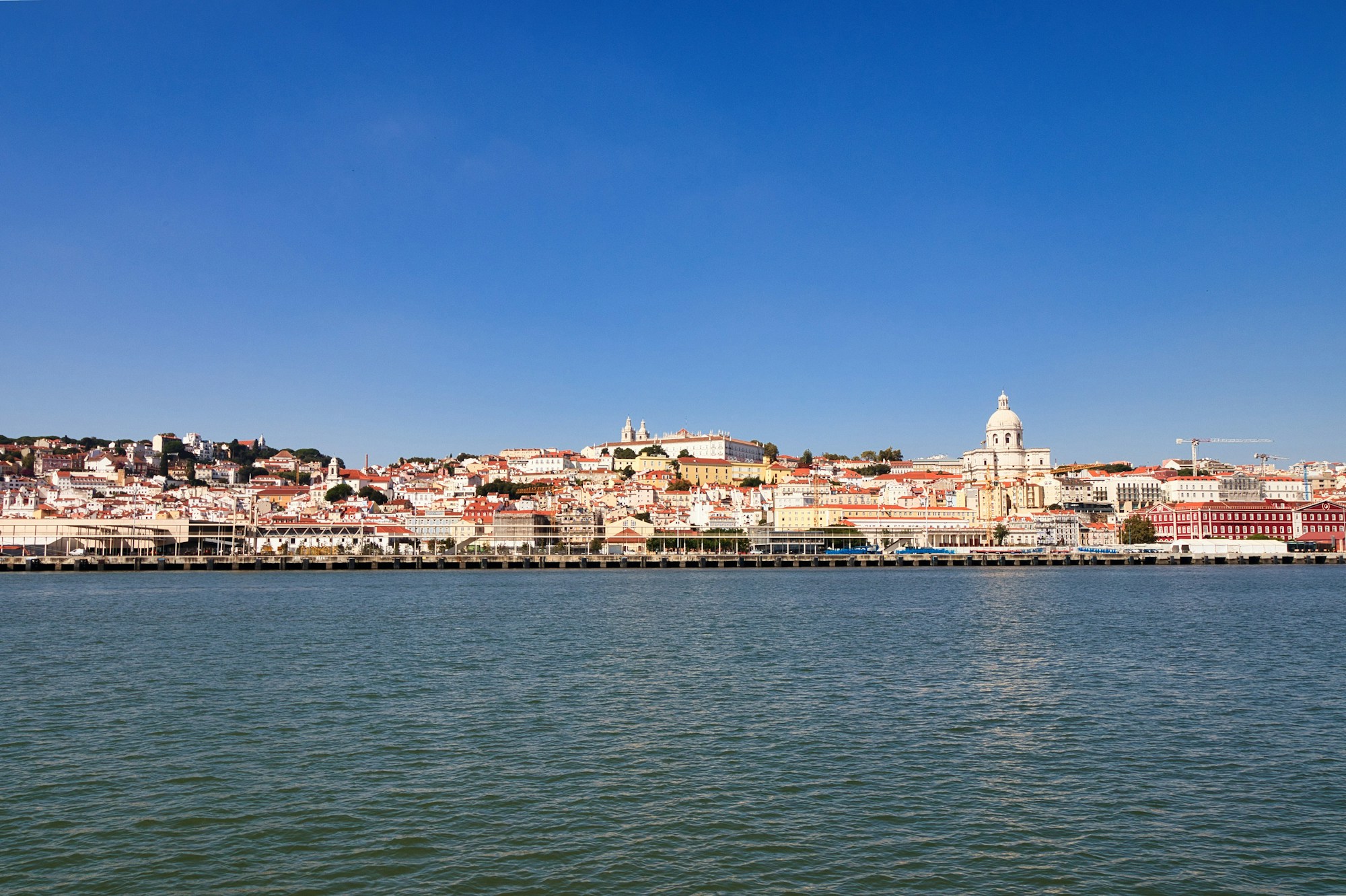
Portugal remains a flagship destination, but the rules have changed. The D8 visa for digital nomads requires a minimum income of four times the Portuguese minimum wage, approximately $3,800/month in 2026. The famous NHR (Non-Habitual Resident) regime ended in January 2024, replaced by the ITS regime (Tax Incentive for Scientific Research and Innovation) with a flat rate of 20% — still attractive, but more restrictive in its eligibility requirements.
Lisbon and Porto remain cosmopolitan capitals with a dynamic tech scene, excellent coworking spaces, and remarkable quality of life. Fiber optic is ubiquitous in cities (200+ Mbps is common). However, the cost of living has increased considerably in recent years, pushing many nomads toward cities like Madeira (with its « Digital Nomads Madeira » program) or Faro in the Algarve.
- Check eligibility for the new ITS regime (replaces NHR)
- Consider Madeira or the Algarve for a lower cost of living
- Expect administrative processing times of 2-3 months for the D8 visa
- Obtain a NIF (Portuguese tax number) upon arrival
4. Croatia — Up to 18 Months on the Adriatic
The clearest framework in Europe
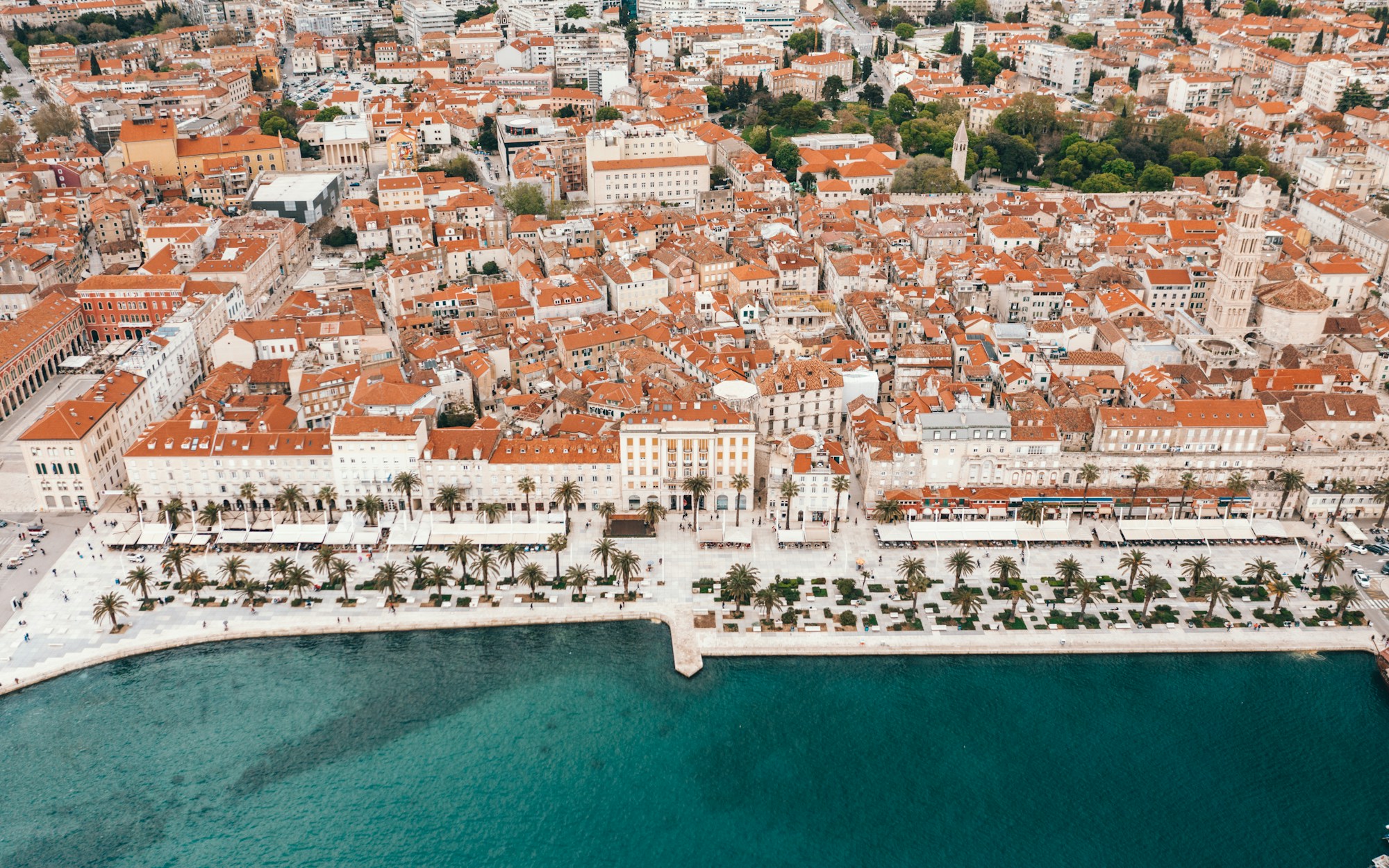
Croatia offers one of the most transparent frameworks in Europe for digital nomads. In 2026, the Ministry of the Interior extended the maximum duration to 18 months (up from 12 previously) and publishes explicit thresholds: $3,600/month in income, or savings alternatives ($43,200 for 12 months, $64,800 for 18 months). After expiration, a new application is possible after a 6-month cooling-off period.
While Dubrovnik and Split attract summer crowds, the real gem for nomads is Rijeka: a lively port city, reasonable rents, and quick access to the islands of Krk and Cres for weekends. Croatia, a member of the Eurozone and the Schengen Area since 2023, offers a stable legal framework and a Mediterranean quality of life at still-affordable prices.
- Gather proof of income for the last 6 months
- Working for Croatian entities is prohibited (visa condition)
- Explore Rijeka as an alternative to Split/Dubrovnik
- Plan for the 6-month cooling-off period if you intend to reapply
5. Greece — The Affordable Mediterranean

Pleasant daily life and manageable costs
Greece offers a Digital Nomad Visa with a minimum income around $3,800/month and relatively low administrative fees (75 euros + 150 euros). The « Work From Greece » program streamlines the process and provides detailed guides.
The major advantage: the cost of living. Thessaloniki, the country’s second-largest city, offers daily life starting from $1,150/month on a tight budget — a university city, cosmopolitan, with a spectacular waterfront. The classic pitfall? The islands in summer: unreliable wifi, inflated prices, and crowds. The winning strategy is to base yourself in Thessaloniki or Athens during spring/fall, and save island getaways for the off-season. Fixed-line internet costs about $30/month (fiber available in major cities).
- Choose Thessaloniki for the best cost of living
- Avoid the islands in July-August (overcrowding + unreliable wifi)
- Check the tax treaty with your home country
- Plan for tax residency if staying longer than 183 days
6. Estonia — The Digital Pioneer
The most digitized country in the world
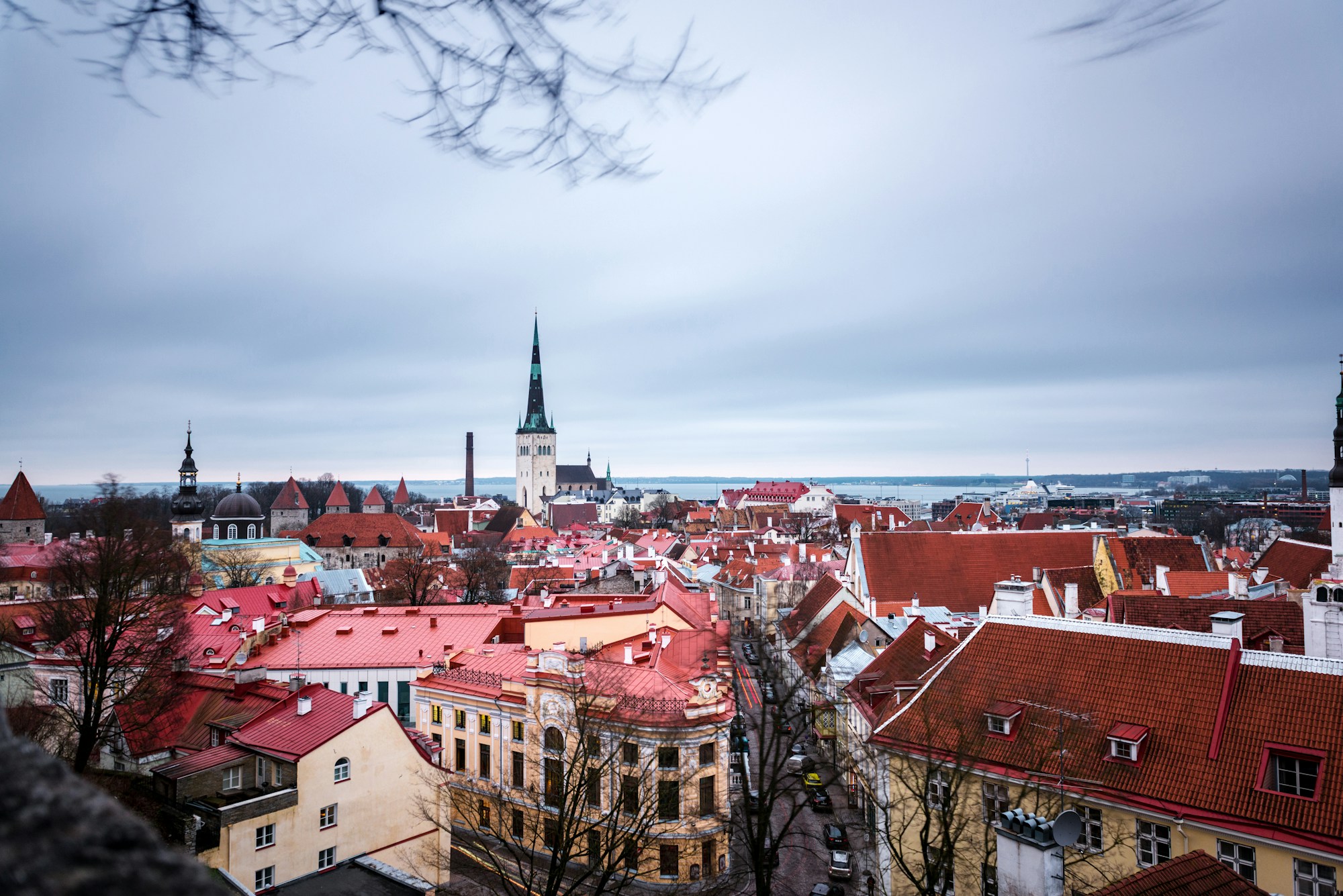
Estonia launched the world’s first digital nomad visa in 2020, and remains a benchmark for digital services in 2026. The Digital Nomad Visa is available in a short version (type C, 90 days, 80 euros) or a long version (type D, 1 year, 100 euros). The income threshold is demanding: $4,900/month gross over the 6 months preceding the application, with a decision within 30 days.
The e-Residency program (separate from the visa) allows you to create and manage a European business 100% online — an ideal complement for freelancers. The real gem? Tartu, a university city, much quieter than Tallinn, with affordable rents and peaceful coworking spaces. Internet is among the fastest in Europe (~$35/month for fiber). The main drawback: the harsh climate from November to March.
- Prepare 6 months of bank statements proving $4,900/month
- Explore the e-Residency program for freelancers
- Consider Tartu as an alternative to Tallinn (cheaper, quieter)
- Pack warm clothing if staying through winter
7. Colombia — The Most Affordable Latin American Hub
Eternal spring at an unbeatable price
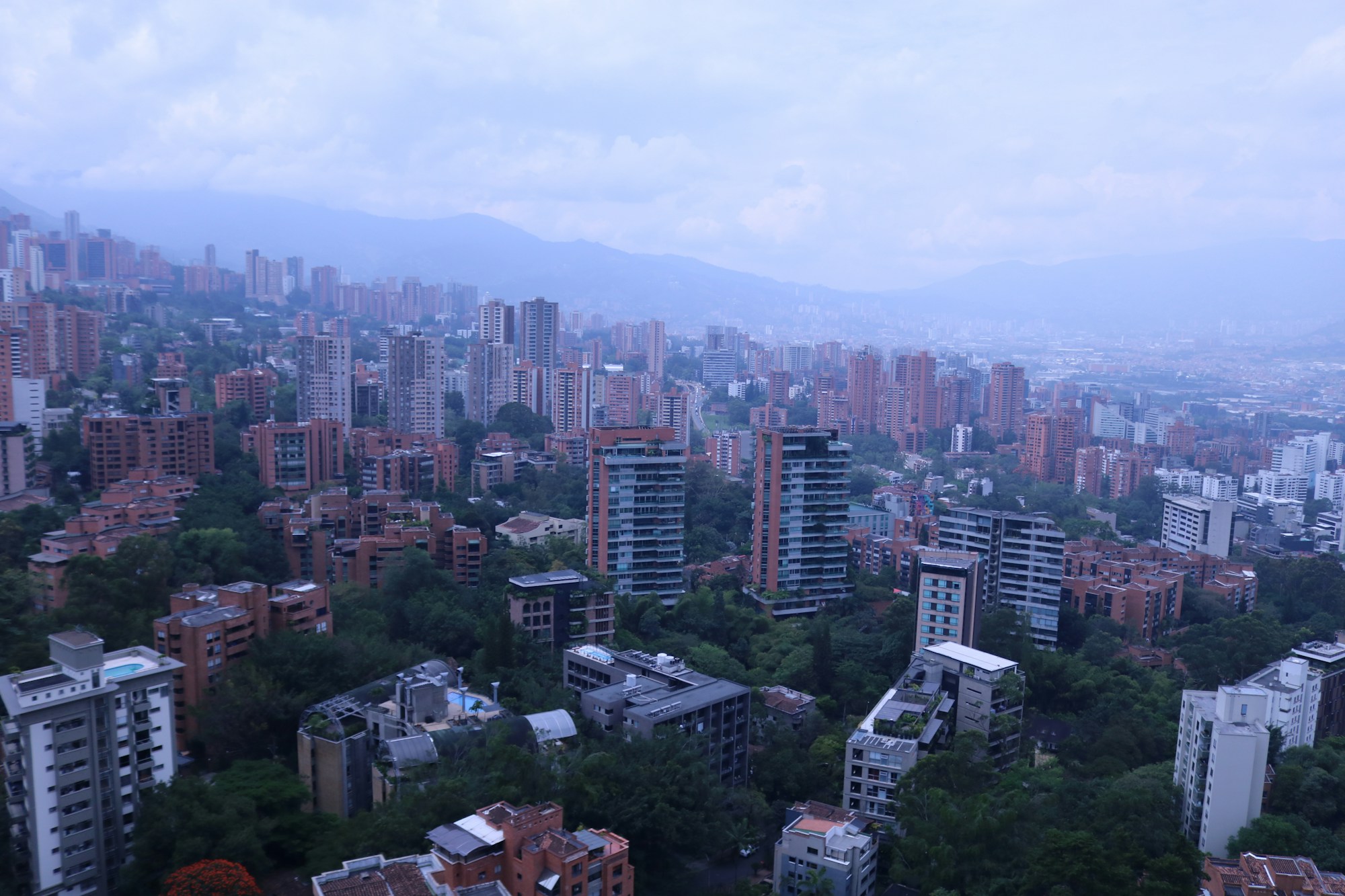
Colombia offers one of the most generous nomad visas in the world: the V Visa for Digital Nomads, valid for 2 years, with one of the lowest income thresholds on the market (~$900/month, or 3 legal minimum wages). Medellin remains the self-proclaimed capital of digital nomads thanks to its perpetual spring-like climate (« Ciudad de la Eterna Primavera »), its cafes, and a cost of living that allows a comfortable lifestyle for $1,100 to $1,600/month.
Watch out for the tax trap: if you stay more than 183 days, you become a Colombian tax resident. The UTC-5 time zone aligns perfectly with the United States, making it a strategic choice for freelancers working with American clients. Internet is reliable in cities (fiber 100+ Mbps available in major cities).
- Explore Manizales or Pereira (coffee region) as alternatives to Medellin
- Monitor the 183-day rule for tax residency
- Prefer December to March (dry season)
- Get international health insurance (mandatory)
8. Indonesia (Bali) — The E33G Second Home Visa
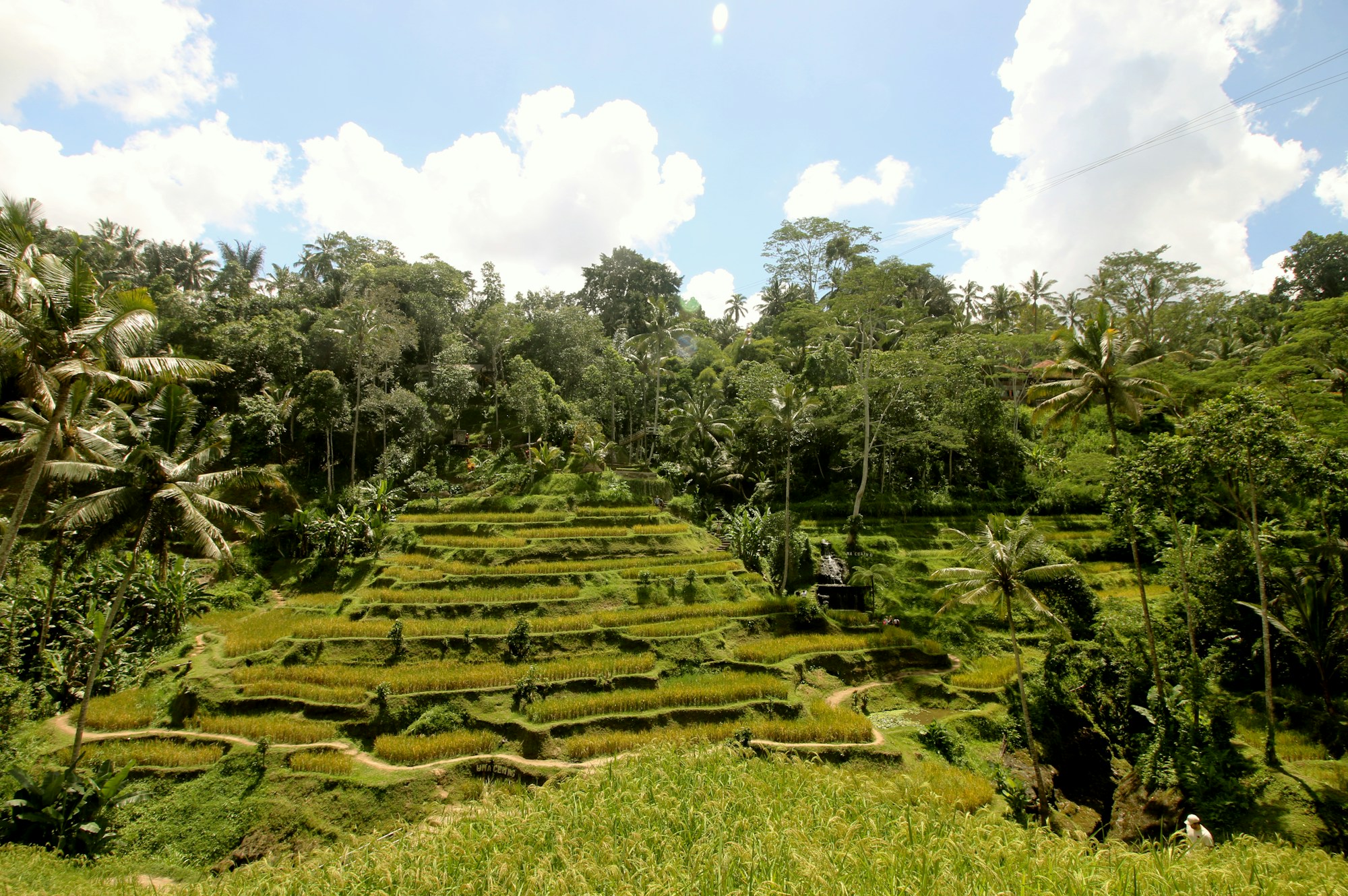
The island of nomads, now with legal backing
Bali is the iconic nomad destination, and Indonesia has finally created a suitable legal framework. The E33G « Second Home » visa allows a 1-year stay, renewable, and grants access to the entire archipelago. It officially ends the gray area that forced nomads to juggle tourist visas and « visa runs » to Singapore.
Canggu remains the international hub with its dozens of coworking spaces (Dojo, Outpost, Tropical Nomad), but saturation and rising prices are pushing many nomads toward Ubud (quieter, spiritual atmosphere) or even Lombok (neighboring island, less touristy). Internet has improved significantly: fiber is available in the main nomad areas. The cost of living allows a luxurious lifestyle — villa with pool, scooter, daily restaurant visits — for $1,600 to $2,200/month.
- Verify the exact E33G visa requirements (proof of funds required)
- Test the internet connection at your accommodation before signing a lease
- Consider Ubud or Lombok as alternatives to Canggu
- Have a 4G backup router ready (outages possible during rainy season)
9. Malaysia — The DE Rantau Program
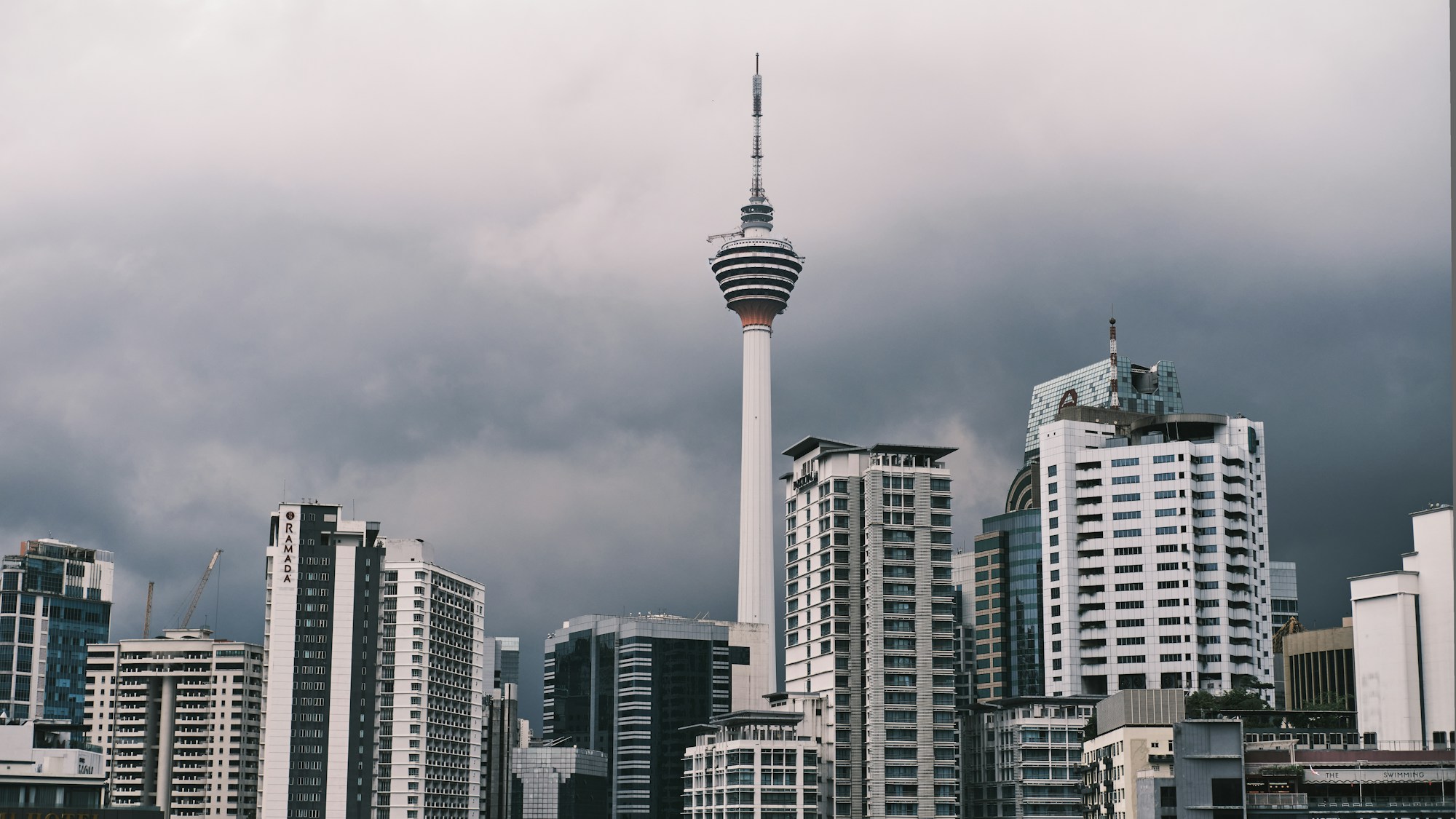
Affordable luxury in Asia
The DE Rantau program, managed by MDEC (Malaysia Digital Economy Corporation), is one of the most structured in Asia. Fees are MYR 1,000 (~$220) for the primary applicant, with the option to include dependents. Income thresholds vary by profile: $24,000/year for tech professionals, $60,000/year for others.
Kuala Lumpur offers affordable luxury: rooftop infinity pools, air-conditioned shopping malls, and English widely spoken. Penang (George Town) attracts with its UNESCO heritage, exceptional food scene, and a more relaxed atmosphere. In 2026, the program has expanded its « certified hubs » to new destinations like Terengganu on the east coast. Fiber internet is standard in cities.
- Choose between Kuala Lumpur (modern, luxury), Penang (culture, food), or Langkawi (island, relaxation)
- Verify your income category (tech vs non-tech)
- Explore the certified DE Rantau hubs for specific benefits
- Enjoy the equatorial climate — pleasant year-round
10. Costa Rica — Pura Vida and Tax Exemption
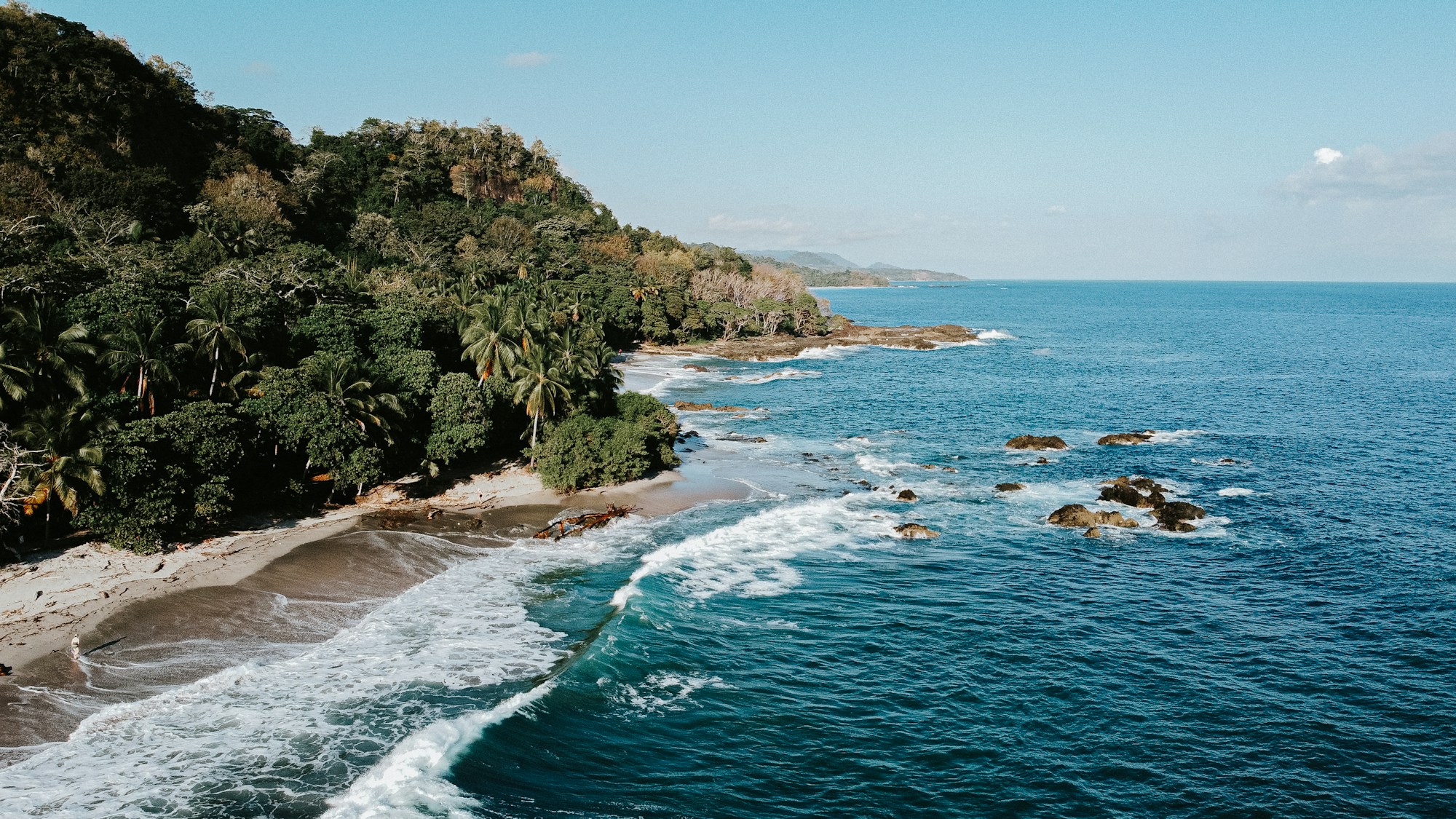
Nature, stability, and zero local taxes
Costa Rica stands out with a major tax advantage: the Estancia for Remote Workers program provides a tax exemption on declared income, as well as benefits on importing equipment and personal belongings. The visa is valid for 1 year, renewable once (provided you spent at least 180 days in the country during the first year).
In terms of quality of life, it’s the biodiversity that makes the difference: volcanoes, tropical forests, beaches on two oceans. The Central Valley (San Jose, Cartago) offers the best internet stability and access to services, while the coasts (Santa Teresa, Tamarindo) attract surfers but suffer from less reliable connectivity. The country is politically stable, safe, and has an excellent healthcare system.
- Base yourself in the Central Valley for stable internet
- Save beach escapes for weekends
- Plan for renewal: 180 days minimum during the first year
- Get health insurance that meets visa requirements
11. Dubai (UAE) — Luxury at 0% Tax
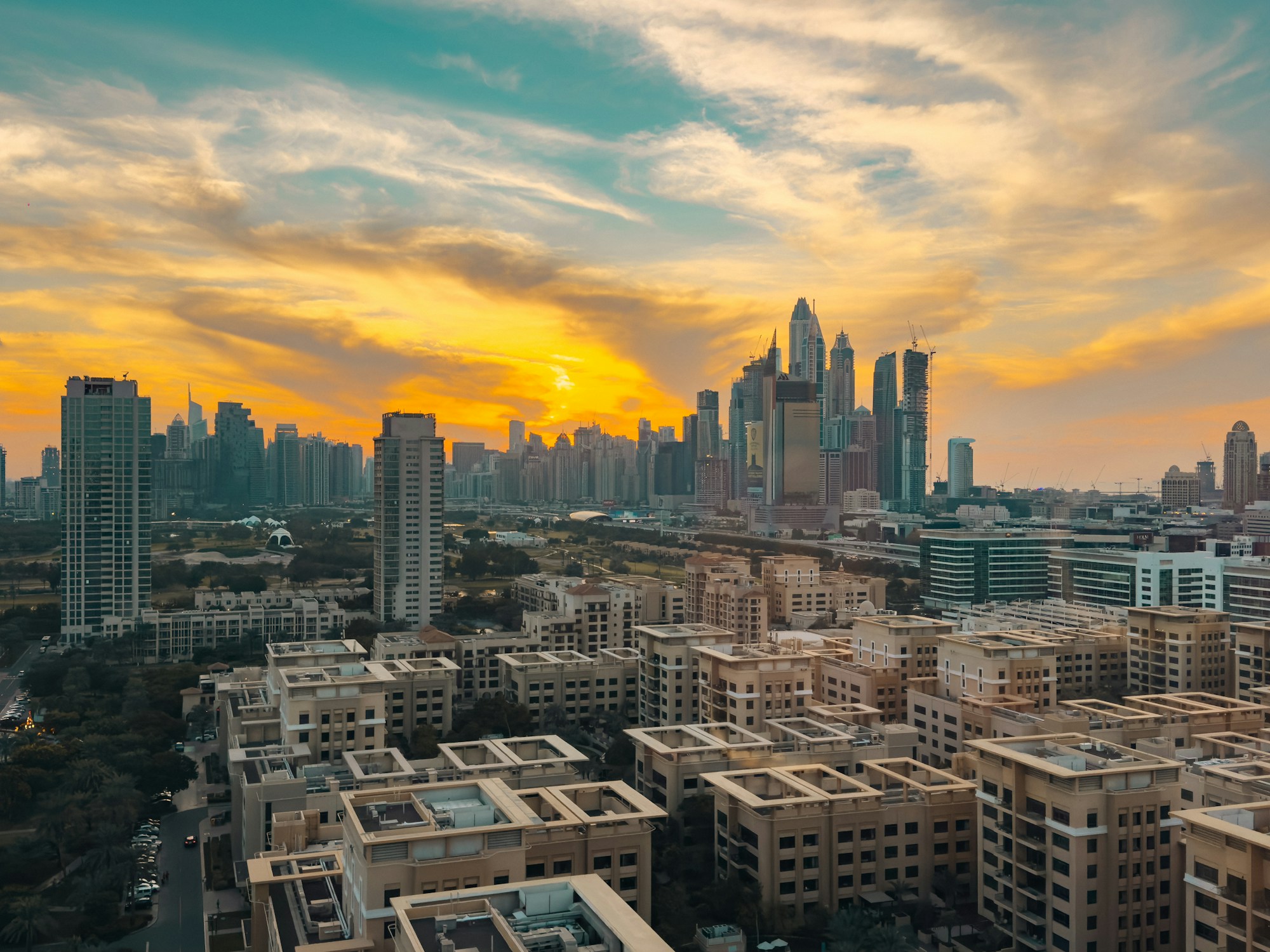
World-class infrastructure, zero taxation
Dubai is in a league of its own with its Virtual Working Programme. The killer argument: zero income tax. Combined with world-class infrastructure (ultra-fast internet, transportation, security, hospitals), it is the premium choice par excellence. The entry threshold is $5,000/month in income, which filters applicants but guarantees a professional environment.
The cost of living is high — expect $3,300 to $5,500/month for a comfortable lifestyle — but for high earners, the tax savings more than compensate. Dubai is also a strategic crossroads: halfway between Europe and Asia, with direct flights to virtually every major city. The main drawback? The climate: from June to September, temperatures regularly exceed 113 degrees F (45 degrees C), making outdoor life nearly impossible.
- Calculate the real tax savings vs. the high cost of living
- Prefer the October-April period (bearable climate)
- Check double taxation agreements with your country
- Budget for significant housing costs (the largest expense)
12. Japan — The Premium 6-Month Immersion

Safety, technology, and discipline
Japan has chosen an elite model: the Digital Nomad Visa, launched in March 2024, is limited to 6 months, not immediately renewable, and requires a minimum annual income of 10 million yen (~$65,000) along with insurance coverage of at least 10 million yen. It is a visa for highly skilled professionals seeking an intense productive and cultural immersion.
Fukuoka is the best-kept secret: designated as a « Startup City » by the government, it offers rents 30% lower than Tokyo, a vibrant tech community, and direct access to the sea and Kyushu countryside. Japanese internet is among the fastest in the world. The main challenge: the visa does not grant a residence card (Zairyu Card), which complicates standard apartment leases — opt for « Share Houses » (Oakhouse, Sakura House) or short-term furnished rentals.
- Plan your stay as a 6-month « bootcamp » with clear goals
- Choose Fukuoka for the best value for money
- Book a Share House or furnished rental (no Zairyu Card)
- Aim for March-May (cherry blossoms) or October-November (autumn foliage)
Comparison Table: The 12 Best Digital Nomad Visas in 2026
| Country | Max. Duration | Min. Income | Cost of Living/Month | Taxation | Key Advantage |
|---|---|---|---|---|---|
| 🇹🇭 Thailand | 5 years (multi-entry) | Variable | $1,300 – $2,200 | Caution on repatriated income | Flexibility + value for money |
| 🇪🇸 Spain | 5 years | ~$2,900/month | $2,200 – $3,300 | Beckham Law 24% | Quality of life + tax benefits |
| 🇵🇹 Portugal | 2 years | ~$3,800/month | $2,200 – $3,800 | ITS 20% (replaces NHR) | Tech ecosystem + Madeira |
| 🇭🇷 Croatia | 18 months | $3,600/month | $1,300 – $2,700 | No local tax (DN) | Transparent framework + Adriatic |
| 🇬🇷 Greece | 1 year (renewable) | ~$3,800/month | $1,150 – $2,700 | Caution if > 183 days | Lowest cost of living in Europe |
| 🇪🇪 Estonia | 1 year | $4,900/month | $1,500 – $3,100 | e-Residency for EU business | 100% digital services |
| 🇨🇴 Colombia | 2 years | ~$900/month | $1,100 – $2,000 | Tax resident if > 183 days | Most affordable + 2 years |
| 🇮🇩 Indonesia | 1 year (renewable) | Variable | $1,300 – $2,700 | No tax on foreign income | Tropical lifestyle + coworking |
| 🇲🇾 Malaysia | 2 years (12+12) | $24,000/year (tech) | $1,100 – $2,000 | No tax on foreign income | Affordable luxury + English-speaking |
| 🇨🇷 Costa Rica | 2 years (1+1) | $3,000/month | $1,600 – $2,700 | Foreign income exemption | Nature + tax exemption |
| 🇦🇪 Dubai | 1 year | $5,000/month | $3,300 – $5,500 | 0% income tax | Zero tax + global hub |
| 🇯🇵 Japan | 6 months | ~$65,000/year | $2,700 – $4,900 | No tax residency (6 months) | Unique cultural immersion |
Frequently Asked Questions About Digital Nomad Visas in 2026
Do I have to pay taxes in the country where I hold a digital nomad visa?
It depends on the country and the length of your stay. The general rule: if you stay more than 183 days in a country, you may become a tax resident (this is the case in Colombia, Spain, and Greece). However, some visas explicitly provide for a foreign-source income exemption — this is the case in Costa Rica, Cape Verde, and to some extent Dubai (0% income tax). Croatia specifically excludes digital nomads from local taxation. Always check the double taxation treaties between your home country and the host country, and consult an international tax advisor before an extended stay.
Is a tourist visa enough to work remotely abroad?
Legally, it’s a gray area in most countries. « Working » is generally prohibited on a tourist visa, but « managing your business remotely » is often tolerated. However, in 2026, controls are tightening: the EU’s EES (Entry/Exit System) now precisely tracks entries and exits within the Schengen area, and violating the 90/180 rule can lead to entry bans. It is strongly recommended to use dedicated visas (DTV, Nomad Visa, DE Rantau) to avoid any issues. Nomad visas also offer practical benefits: apartment leases, opening bank accounts, and access to healthcare.
What health insurance should I choose as a digital nomad?
Most visas require proof of international health insurance covering the duration of your stay. The market leaders in 2026 are SafetyWing (Nomad Insurance, starting from ~$45/month), Genki (specialized in Europe/Asia), and World Nomads. Japan requires a minimum coverage of 10 million yen (~$65,000). Italy requires at least 30,000 euros. Always verify that your insurance covers the destination country, medical evacuations, and repatriation. For long stays (>6 months), an expat policy may be more cost-effective than a standard travel insurance plan.
Can I bring my family with a digital nomad visa?
Yes, the majority of recent nomad visas include provisions for dependents (spouse and children). Spain, Thailand (DTV), Malaysia (DE Rantau), Japan, Croatia, and Costa Rica explicitly allow this. Be aware: this generally increases the required income threshold (often +50% for a spouse, +25% per child) and administrative fees. In Malaysia, each dependent costs an additional MYR 500. Prepare translated and apostilled documents (birth certificates, marriage certificate) — processing times are often longer for family applications.
What minimum internet speed do I need for remote work?
For video conferencing (Zoom, Teams, Google Meet), aim for a minimum of 20 Mbps download and 5 Mbps upload. For video streaming or large file sharing, 50 Mbps+ is preferable. All destinations listed in this article offer fiber optic (100+ Mbps) in major cities. Best practice for experienced nomads: always have a backup plan — a local eSIM with a data plan (4G/5G) and a coworking space or « emergency » cafe identified in advance. Starlink is now available in most countries and serves as a viable backup for rural areas.
What is « Slomading » and why is it the top trend in 2026?
Slomading (« Slow Nomading ») is the dominant trend in 2026. Instead of changing countries every month, nomads stay 3 to 6 months in the same place. The benefits are numerous: better productivity (no fatigue from constant relocation), savings (long-term rental rates), deeper local integration, and a reduced carbon footprint. This approach is encouraged by long-duration visas such as the Thai DTV (5 years), the Colombian visa (2 years), or the Croatian permit (18 months). Slomading transforms digital nomadism from a « permanent tourist » lifestyle into a structured international living strategy.
What is ETIAS and how does it affect nomads in Europe?
ETIAS (European Travel Information and Authorisation System) is an electronic travel authorization announced for the last quarter of 2026 by the European Commission, at a cost of 7 euros. It targets travelers exempt from visa requirements for short stays in the Schengen area (Americans, Canadians, Australians, etc.). ETIAS does not replace a digital nomad visa, but adds an administrative layer for the « trial phase » as a tourist. Combined with the EES system (already operational), this means that tourist stays in Europe are now much more closely tracked — another reason to opt for a proper nomad visa if you plan to stay long-term.
What are the most common pitfalls in digital nomad visa applications?
The three main causes of rejection are: 1) Non-compliant insurance — insufficient coverage amount, territory not covered, or overly broad exclusions (Japan and Italy are particularly strict on this point). 2) Poorly documented income — incomplete bank statements, overly vague freelance contracts, or lack of proof over multiple months (Croatia and Estonia require 6 months of proof). 3) Ambiguous employment contract — the employer must explicitly authorize remote work from abroad (Spain systematically verifies this). Tip: prepare your file 2 to 3 months in advance, have all necessary documents translated and apostilled, and check the consulate website of the destination country for exact requirements.
Sources and References
- Royal Thai Embassy — Destination Thailand Visa (DTV) — Requirements, fees, and application process for the Thai nomad visa
- Ministerio de Asuntos Exteriores — Visado de Teletrabajo — Spanish remote work visa (Ley de Startups)
- Croatian Ministry of the Interior — Digital Nomad Stay — Detailed conditions, thresholds, and durations
- Greek Ministry of Foreign Affairs — Digital Nomad Visa — Greek digital nomad program
- Work From Greece — Complete guide to the Greek nomad visa
- Visit Estonia — Digital Nomad Visa — The world’s first nomad visa
- Cancilleria Colombia — Visa V Nomadas Digitales — Colombian digital nomad visa
- MDEC — DE Rantau Nomad Pass — Malaysian program for digital nomads
- Visit Costa Rica — Digital Nomads — Remote worker visa requirements
- Dentons — Costa Rica Digital Nomad Visa Law — Legal analysis of the tax framework
- Ministry of Justice Japan — Digital Nomad Visa — Japanese nomad visa requirements
- Japan Travel — Digital Nomad Visa Guide — Official tourism guide
- Italian Consulate — Digital Nomad Visa — Procedure and required documents
- European Commission — Entry/Exit System (EES) — New border control system
- European Commission — ETIAS — Electronic travel authorization (expected late 2026)
Research conducted on February 7, 2026, from official government and institutional sources. Requirements, income thresholds, fees, and tax regimes are subject to change — always verify information on official embassy and consulate websites before starting any application.
Plan Your Digital Nomad Adventure with Pixidia
Ready to take the leap? Whether you’re dreaming of Bali’s rice terraces, Lisbon’s cafes, or Dubai’s skyscrapers, create your custom digital nomad itinerary — accommodations, transportation, experiences, all in one place.
Discover our digital nomad itineraries