
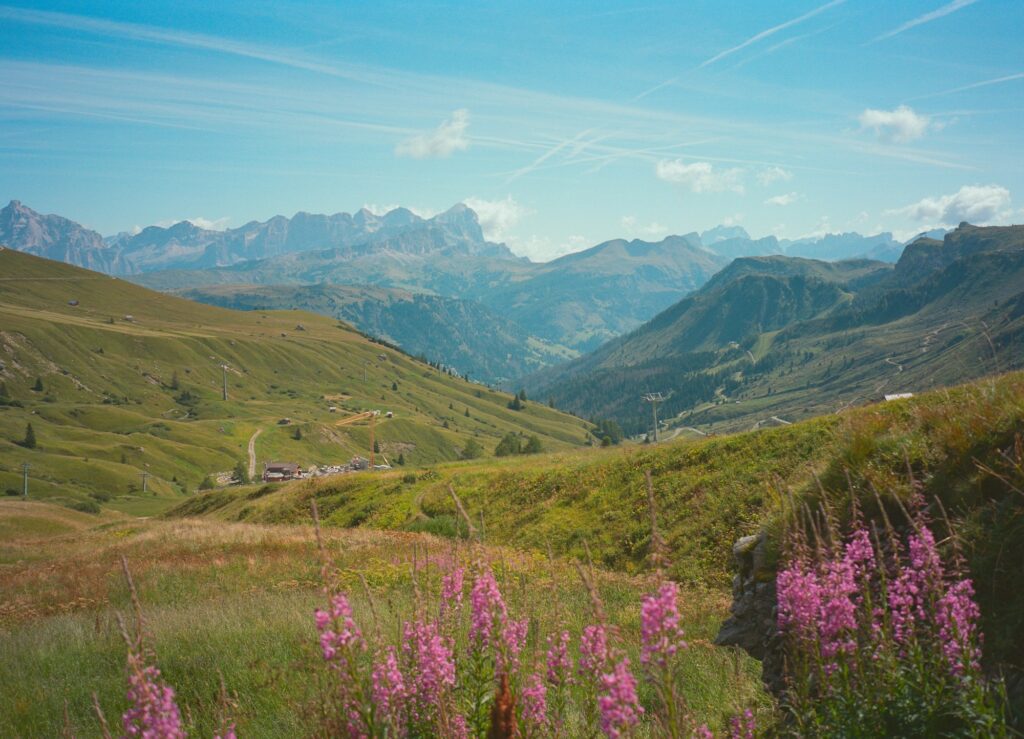
For the 2026 Giro d’Italia, three mountain stages are genuinely worth the trip. Stage 19 (Dolomites, 29 May) is the highlight: 5,000m of climbing, the Passo Giau Cima Coppi at 2,305m — the decisive GC stage, UNESCO landscape, but demanding logistics. Stage 14 (Pila, Valle d’Aosta, 23 May) is the most accessible: gondola from Aosta for €8 return, ideal from the UK via London or from northern Italy. Stage 20 (Piancavallo, Friuli, 30 May) offers the best organisation with free shuttles from Aviano. The Stelvio and Mortirolo are not part of the 2026 route.
Twenty-one stages, 3,459 kilometres, 49,150 metres of climbing — and you have just one weekend. That is the dilemma facing any traveller who wants to watch the 2026 Giro d’Italia without spending three weeks on Italian roads. The 109th Giro (8–31 May) features seven summit finishes, but they are far from equal. Some look spectacular on paper yet are a logistical nightmare. Others are unremarkable but straightforward to reach. And a handful — three, to be precise — offer that rare combination of high-level cycling, exceptional scenery and reasonable access for a visitor travelling from the UK.
I reviewed every mountain stage of the 2026 Giro, comparing access routes, stage profiles, accommodation options and official logistics. Here are the three stages worth making the journey for — and why the others can wait.
The 2026 Giro mountain route at a glance
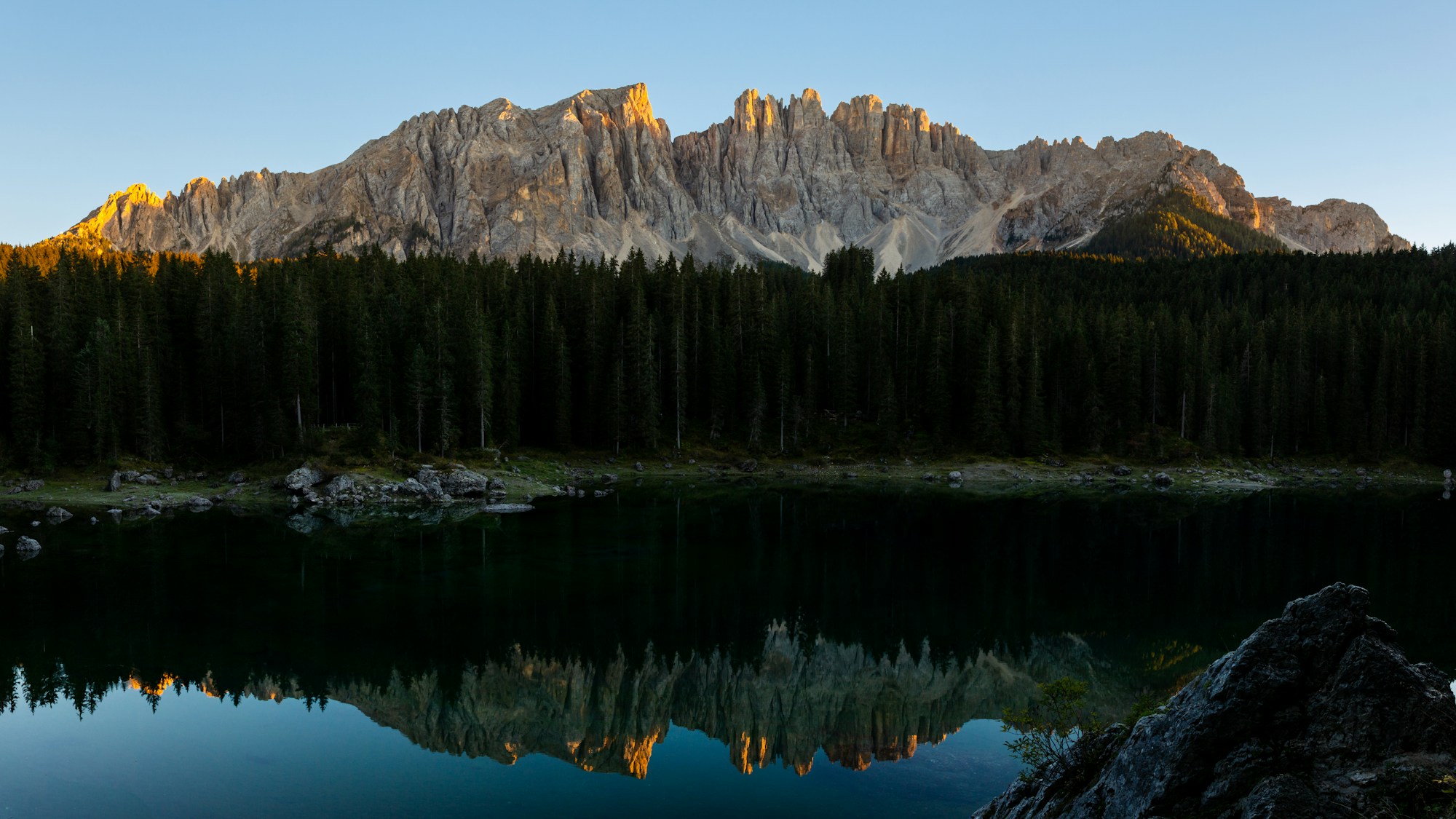
Giro 2026: what the mountain route delivers (and what it doesn’t)
According to the official Giro d’Italia website, the 109th edition includes seven summit finishes spread across three weeks. The first two weeks whet the appetite with the Blockhaus (15 May, Stage 7 — first GC shakeup), Corno alle Scale (17 May) and Pila (23 May). The third week delivers the two most anticipated days: the Dolomites on 29 May (Stage 19) and Piancavallo on 30 May (Stage 20).
What the 2026 route does not include: the Stelvio and Mortirolo are both absent. According to Cyclingnews, this double absence drew criticism from specialist cycling media. The 2026 Cima Coppi returns to the Passo Giau (2,305m), magnificent but a very different proposition to the Stelvio (2,758m). For the travelling spectator, this absence reshapes the calculations: the decisive stages are concentrated in Week 3, in the Dolomites and Friuli.
Key points for planning your trip
- Stages 19 and 20 (29–30 May) are the « big weekend » — easy to combine from Venice
- Stage 14 (23 May, Pila) is the only alpine stage accessible without a car, thanks to the Aosta gondola
- Giulio Ciccone (Lidl-Trek) holds the maglia rosa as of 12 May — his first pink jersey of his career
- Book hotels 6–8 weeks in advance in the Dolomites and Valle d’Aosta areas
Also see our guides on the most scenic Giro stages for spectators and the Grand Départ in Bulgaria to plan your full trip.
1. Stage 19 — Dolomites / Piani di Pezzè (29 May): the number one choice
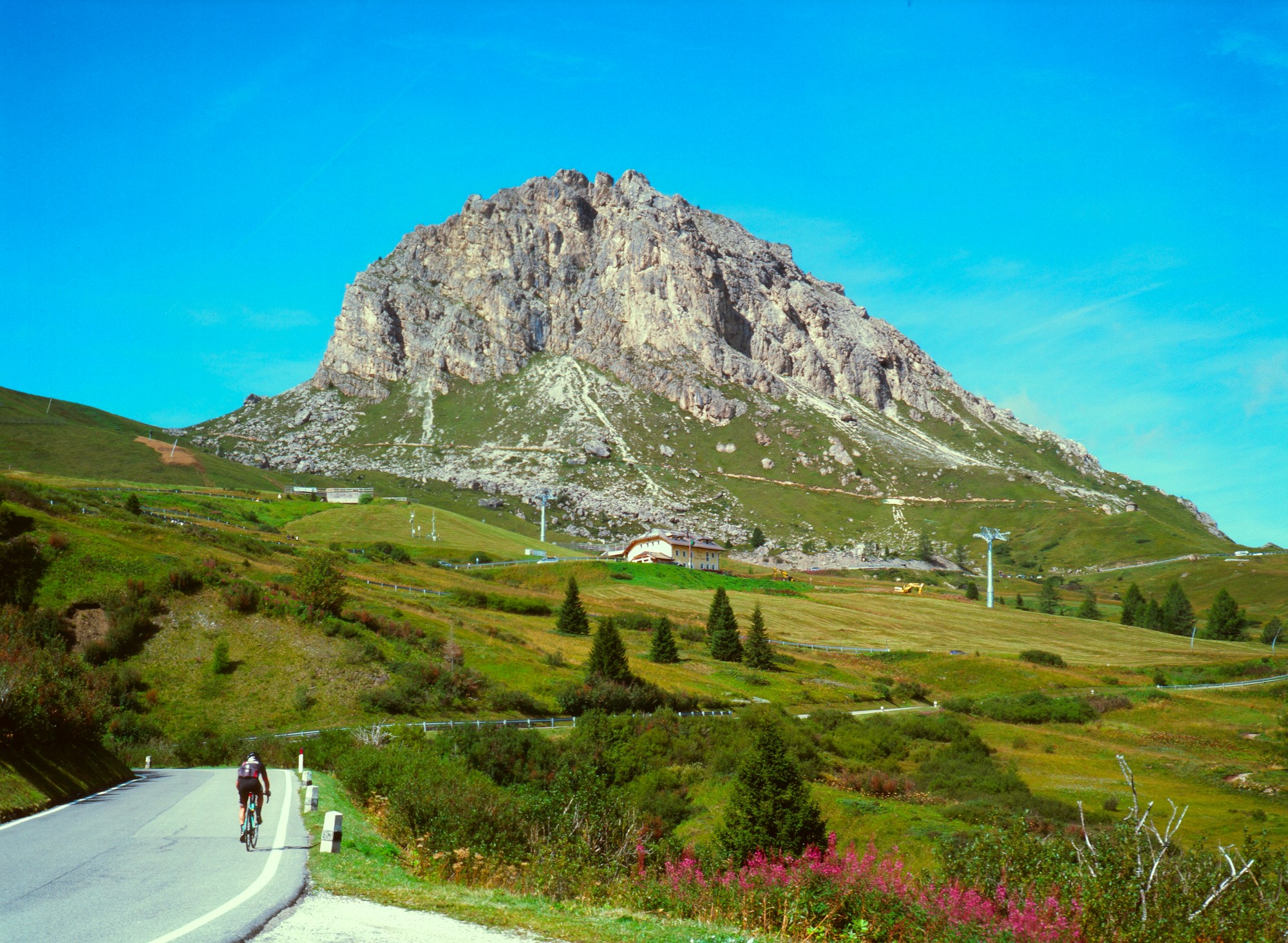
Feltre → Alleghe / Piani di Pezzè — 151 km, ~5,000m climbing
According to the official giroditalia.it stage page, Stage 19 is the hardest stage of the 2026 edition: 151 km, around 5,000m of climbing, six consecutive ascents. The Passo Duran, Col Coi (gradients hitting 19% — the steepest in the race), Forcella Staulanza, then the Passo Giau (2,305m, Cima Coppi — 9.9 km at 9.3% average, 29 hairpins, 360° views of the Marmolada, Civetta and Pelmo), followed by the Passo Falzarego and the summit finish at Piani di Pezzè (4.9 km at 9.8%, 8 hairpins). Cyclingnews describes it as « the hardest day in the men’s 2026 calendar. »
The Passo Giau is a UNESCO World Heritage site. It last hosted the Giro in 2021 — a shortened stage after which Egan Bernal sealed his overall victory in the snow. In 2026, it is the Cima Coppi, the highest point of the entire race. According to mountainsforeverybody.com, access from Cortina d’Ampezzo is 15 km away; from Belluno, allow 1 hour by road.
Access and spectator logistics
- From Venice / Treviso Airport: 2h drive via the A27 motorway to Alleghe (~120 km / 75 miles) — Treviso is preferable to Venice to avoid city traffic
- The road to Passo Giau closes several hours before the peloton arrives — aim to be in place by 6–7am
- Hairpins 7 and 4 offer the best vantage points (clear sightlines, you can see riders twice through the bends)
- Hotels in Alleghe (from ~€87/night): book 6–8 weeks ahead — fully booked during the Giro
2. Stage 14 — Pila / Valle d’Aosta (23 May): the most accessible stage from the UK
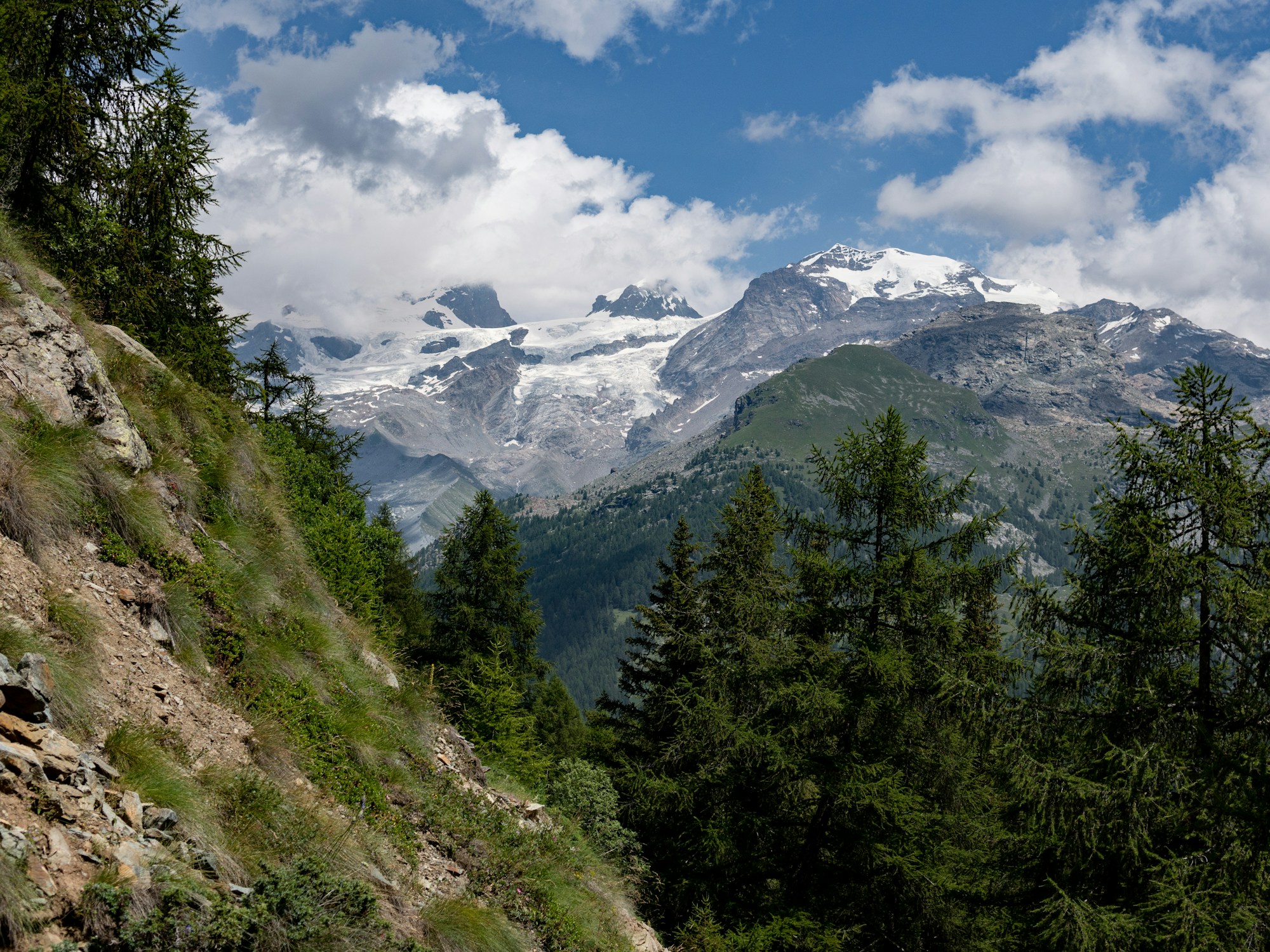
Aosta → Pila / Gressan — 133 km, 4,350m climbing
According to pila.it, Stage 14 offers the simplest access of any alpine stage in the 2026 Giro: an 8-person gondola links Aosta city centre directly (Pont Suaz station) to Pila in 18 minutes. On race day, the gondola runs from 9am to 11pm (extended hours), at the standard fare of €8 return per adult. The peloton is expected at around 4:58pm according to the official schedule.
The stage profile is demanding: 133 km and 4,350m of climbing, including Saint-Barthélémy (17.6 km at 5.5%), Doues, Lin Noi, Verrogne and finally the summit finish at Pila (~16.5 km at 7%, peaks at 11%). According to The Ski Guru, the view from the finish line encompasses Mont Blanc, Monte Rosa, the Matterhorn and Gran Paradiso — a unique alpine panorama among all the stages in this Giro.
Why this is the best choice from the UK
- From London: Eurostar to Paris (2h15) + TGV to Turin (5h30) + regional train to Aosta (2h) — fully rail-based journey possible in one day
- By air: fly London–Turin (Ryanair, easyJet, ~1h45) then train or car to Aosta (~1h). Budget flights from ~£50 return
- Gondola: no parking headaches or road closures — perfect for spectators without a car
- 3 altitude restaurants (Sei Pila, Les Fleurs, Panoramic Bistrot Stella di Pila) open 10am–7pm
3. Stage 20 — Piancavallo / Friuli (30 May): the best-organised stage
Gemona del Friuli → Piancavallo — 200 km, 3,751m climbing
According to InTrieste, Piancavallo has put in place exceptional logistics for this stage: 780 reserved parking spaces on PromoTurismoFVG (click day 8 May, likely sold out) across four zones, supplemented by free shuttles from four car parks in Aviano, departing from 6am, returning from 6pm, dropping spectators 700m from the finish line. The stage pays tribute to the 1976 Gemona del Friuli earthquake (50th anniversary) — adding a powerful emotional context.
The profile is gripping according to the official stage page: a double ascent of Piancavallo (14.5 km at 7.8%, first 6 km at 9.4%). Riders climb Piancavallo for the first time 53 km from the finish, descend towards Lake Barcis, then tackle the climb again on exhausted legs. The penultimate race day, with the GC still wide open — maximum narrative tension.
Shuttle logistics — how to get there
- From Venice: train Venice–Sacile (1h35 via Trenitalia), bus to Aviano (~14 min), then official free shuttle
- By car: ~1h30 from Venice via the A28 → Pordenone → Aviano. The Barcis-side road closes from 7pm on 29 May
- Access to Piancavallo only from the Aviano side on 30 May, between 6am and 9:30am — be in position before this window closes
- If reserved parking is sold out: use the Aviano shuttles — this is the official recommended solution
Planning your Giro week in Italy
If you are thinking about combining several stages or organising a full trip around the 2026 Giro, check our dedicated guides. The complete Giro 2026 itinerary for travellers helps you plan transport, accommodation and stages based on your departure point. For first-week stages beyond our three picks, our selection of the most scenic stages for spectators covers the Blockhaus, Carì and Andalo.
| Criterion | St. 14 — Pila (23 May) | St. 19 — Dolomites (29 May) | St. 20 — Piancavallo (30 May) |
|---|---|---|---|
| Access difficulty | Very easy (gondola) | Moderate (car) | Easy (free shuttles) |
| Expected GC impact | Significant | Decisive | Decisive |
| Scenery | Stunning (Aosta Valley Alps) | Stunning (Dolomites UNESCO) | Beautiful (Friuli) |
| Weather risk | Moderate | High (altitude 2,305m) | Low |
| Budget 1 night | €150–220/person | €200–290/person | €180–250/person |
| Best for | First-timers, families, rail travellers | Cycling fans, photographers | Best balance of spectacle and logistics |
Practical info for your Giro 2026 trip
Stay connected in Italy without roaming charges or a physical SIM card. Activate your eSIM before you leave via the Airalo app — ideal for tracking the Giro route in real time on the road.
From ~€5 / 1 GBGlobal medical cover and repatriation for your Italy trip. Mountain zones (above 2,000m) and sporting activities are often excluded from standard policies — check your cover for altitude and outdoor events. 10% off via our link.
From $56 / 4 weeksFrequently asked questions — Giro d’Italia 2026 mountain stages
Which is the best Giro 2026 mountain stage for a spectator who can only choose one?
Stage 19 (Dolomites, 29 May) is the top pick: 5,000m of climbing, six cols including the Passo Giau Cima Coppi at 2,305m, UNESCO scenery, decisive GC stage. However, if the weather looks uncertain or hotels in the area are fully booked, Stage 14 (Pila, 23 May) is an excellent Plan B thanks to the gondola from Aosta (€8 return). Source: giroditalia.it.
Are the Stelvio and Mortirolo on the 2026 Giro d’Italia route?
No. Both the Stelvio (2,758m) and Mortirolo are absent from the 2026 route, much to the disappointment of many fans. The 2026 Cima Coppi goes to the Passo Giau (2,305m), magnificent but very different from the Stelvio. According to Cyclingnews, this double absence drew criticism among mountain cycling experts.
For Stage 14 at Pila (23 May), can you reach the summit without a car?
Yes — and it is actually the best option. The 8-person gondola from Aosta (Pont Suaz station) reaches Pila in 18 minutes for €8 return per adult. On race day, the gondola operates from 9am to 11pm (extended hours). From London: Eurostar + TGV to Turin then train to Aosta, or fly London–Turin (~1h45) and take the train or hire a car. Source: pila.it.
How do you get to Piancavallo for Stage 20 if parking is sold out?
The click day for reserving the 780 parking spaces (8 May on PromoTurismoFVG) is likely sold out as of 12 May. The official recommended solution: use the free shuttles from four car parks in Aviano (Pordenone, Maniago, Caneva-Polcenigo corridors), running from 6am, dropping spectators about 700m from the finish line. Source: intrieste.com.
Is it possible to combine Stages 19 and 20 in a single weekend?
Yes, and it is the recommended strategy. Both stages are in north-east Italy (Dolomites and Friuli), roughly 80–100 km (50–62 miles) apart. Night of 28–29 in Alleghe or Cortina d’Ampezzo for Stage 19 (Friday), then drive to Pordenone in the afternoon (1h30) for Stage 20 (Saturday). Estimated budget: €400–570/person excluding transport from the UK. Venice or Treviso airport is the ideal gateway for this weekend.
What is the risk of Stage 19 being cancelled or shortened due to weather?
The risk is real and not negligible. In 2021, the Dolomites stage featuring the Passo Giau was shortened due to snow and dangerous conditions. In 2013, a Dolomites stage was cancelled entirely. RCS Sport monitors the weather and can modify the route 48–72 hours in advance. Spectators planning this trip should have a Plan B — such as Stage 20 at Piancavallo the following day, easily accessible via the free Aviano shuttles.
Sources
- Giro d’Italia — Official website giroditalia.it — Stage pages, route, hospitality
- Pila.it — Stage 14 Giro 2026 — Gondola timetable and fares
- InTrieste — Piancavallo logistics — Shuttles, parking, road closures
- Cyclingnews — Giro 2026 route — Route analysis
- Cyclist.co.uk — Route analysis — Critique and route breakdown
- Mountains For Everybody — Access to Passo Giau — Spectator access guide
- Grand Tours Project — Mountain Escape — Week 3 packages from €2,750
- The Ski Guru — Pila Val d’Aosta Guide — Panoramic view Stage 14
- CyclingUpToDate — Stage 4 results — Ciccone maglia rosa
Research conducted on 12 May 2026 — 62 queries, 25 primary sources verified.
Plan your Giro d’Italia 2026 week
Stage 19 Dolomites, Stage 14 Pila or both in one weekend — the Giro d’Italia is best experienced with a prepared itinerary. Explore our complete Giro guides to organise your accommodation, transport and spectator spots.
See the full Giro 2026 itinerary