
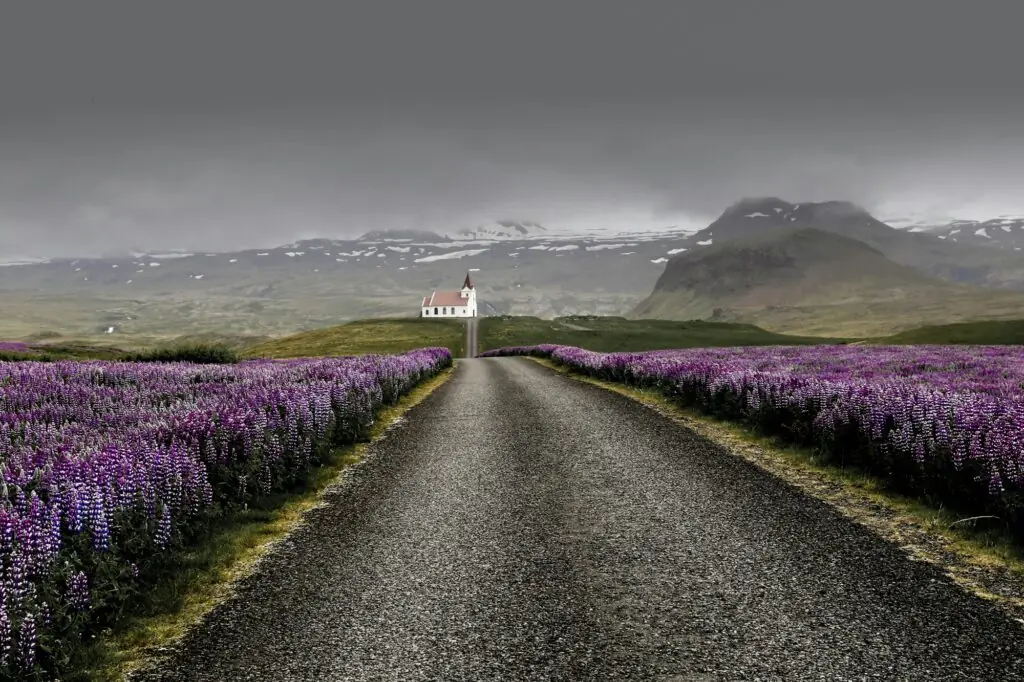
Coolcation searches have surged +300% in 2026 and flights are still available from UK airports from £74 return. Iceland (June–July only — August sold out due to the 12 August solar eclipse), Norway from £98 return, Scotland with no flight needed (London–Edinburgh by train in 4 hours), and the Baltic States from £46 return still have reasonable availability in late May. Book your flight first — prices rise every week that passes.
Summer 2026 is shaping up to be scorching — and travellers have anticipated it like never before. According to Skyscanner and Expedia, searches for the term « coolcation » have grown by +300% in a year: this is no longer a niche trend, it is the single fastest-growing travel phenomenon for summer 2026. Copernicus confirmed in May 2026 a greater than 70% probability of a hot to very hot summer across Europe, with a developing super El Niño amplifying the temperature anomalies further. The result: Nordic and mountain destinations, long considered niche alternatives, have gone mainstream — bringing the booking pressure that comes with it. But as of late May 2026, the window is not yet closed. Here are the destinations still accessible, with real prices and pitfalls to avoid.
1. Why 2026 marks a turning point for coolcations
A changing climate is reshaping travel behaviour
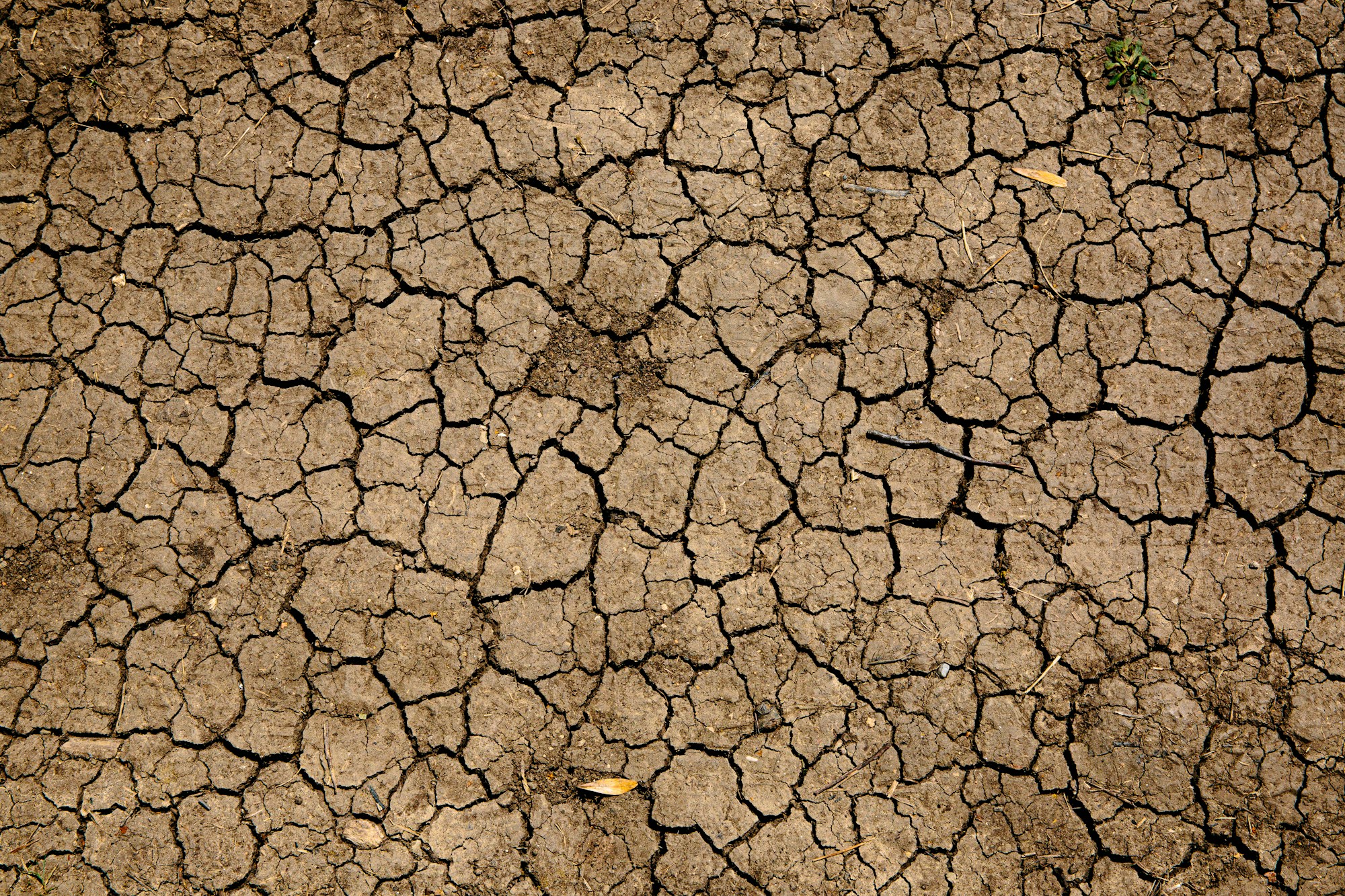
According to Climate Impact Company (May 2026), summer 2026 has a greater than 70% probability of ranking among the warmest 20% of European summers on record. A developing super El Niño with a +2°C anomaly in equatorial Pacific waters compounds the picture. Europe is warming at twice the global average rate.
The shift was accelerated by a symbolic moment: in 2024, the Acropolis in Athens had to close temporarily due to extreme heat, and several Mediterranean resorts recorded temperatures exceeding 40°C. The direct result: according to Expedia (Unpack 26 report), 42% of global travellers now explicitly prefer temperate-climate destinations for their summer holidays.
Key data points
- Mediterranean overtourism: Venice charges €5–10 per visitor, Santorini €20 per cruise passenger, Barcelona doubles its tourist tax
- Booking.com records +131% reservations for Norway, +128% Iceland, +117% Denmark year-on-year
- 76% of travellers are considering a mountain or coastal escape for summer–autumn 2026 (Skyscanner)
2. Iceland: June–July fine, August sold out (solar eclipse)
Iceland
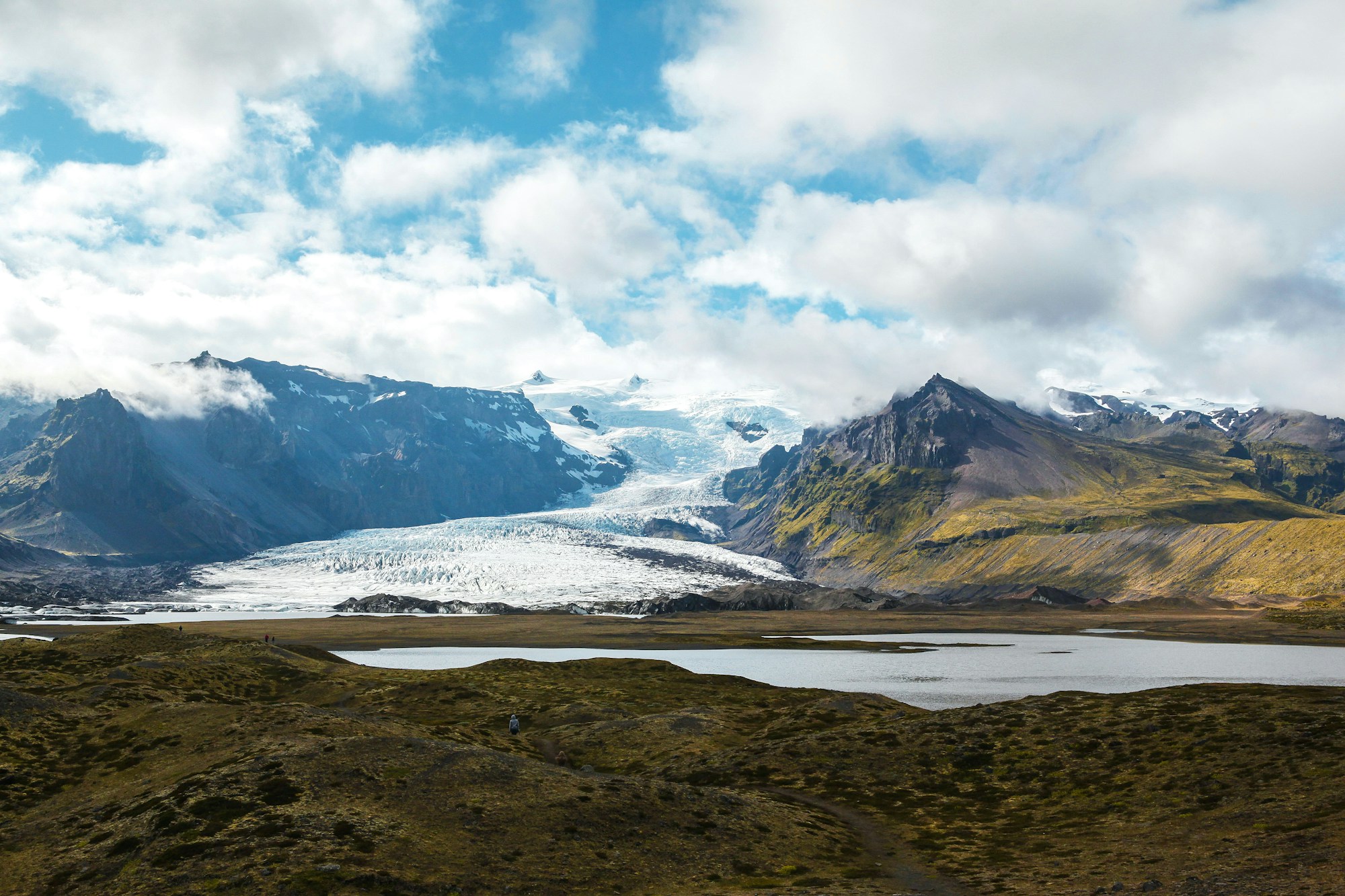
Iceland is the coolcation destination par excellence: according to Ulysse.com, bookings have jumped +128% year-on-year. But 2026 carries a major trap: the total solar eclipse on 12 August 2026, the first totality over Iceland since 1954, visible from Reykjavik and Snæfellsnes. Accommodation across the Westfjords and Snæfellsnes is nearly fully booked for August, with prices doubling or tripling. In June and early July, availability remains reasonable. Flights from London Heathrow and Gatwick to Reykjavik (KEF) start from £74 return on Skyscanner, with easyJet and Icelandair both operating direct routes (roughly 3.5 hours).
The Golden Circle (Gullfoss, Geysir Strokkur, Þingvellir) remains the unmissable experience. A new per-kilometre vehicle tax of 6.95 ISK/km has applied since January 2026 — factor in car hire costs accordingly.
Highlights
- Midnight sun in June–July — permanent light, epic landscapes around the clock
- Golden Circle + South Coast on a guided day trip: Seljalandsfoss, Skógafoss, black sand beach at Reynisfjara
- Wild camping legally permitted — cuts accommodation costs by a factor of three to five
3. Norway: the poster-child of the coolcation boom, flights from £98 return
Norway — Bergen, fjords, Lofoten
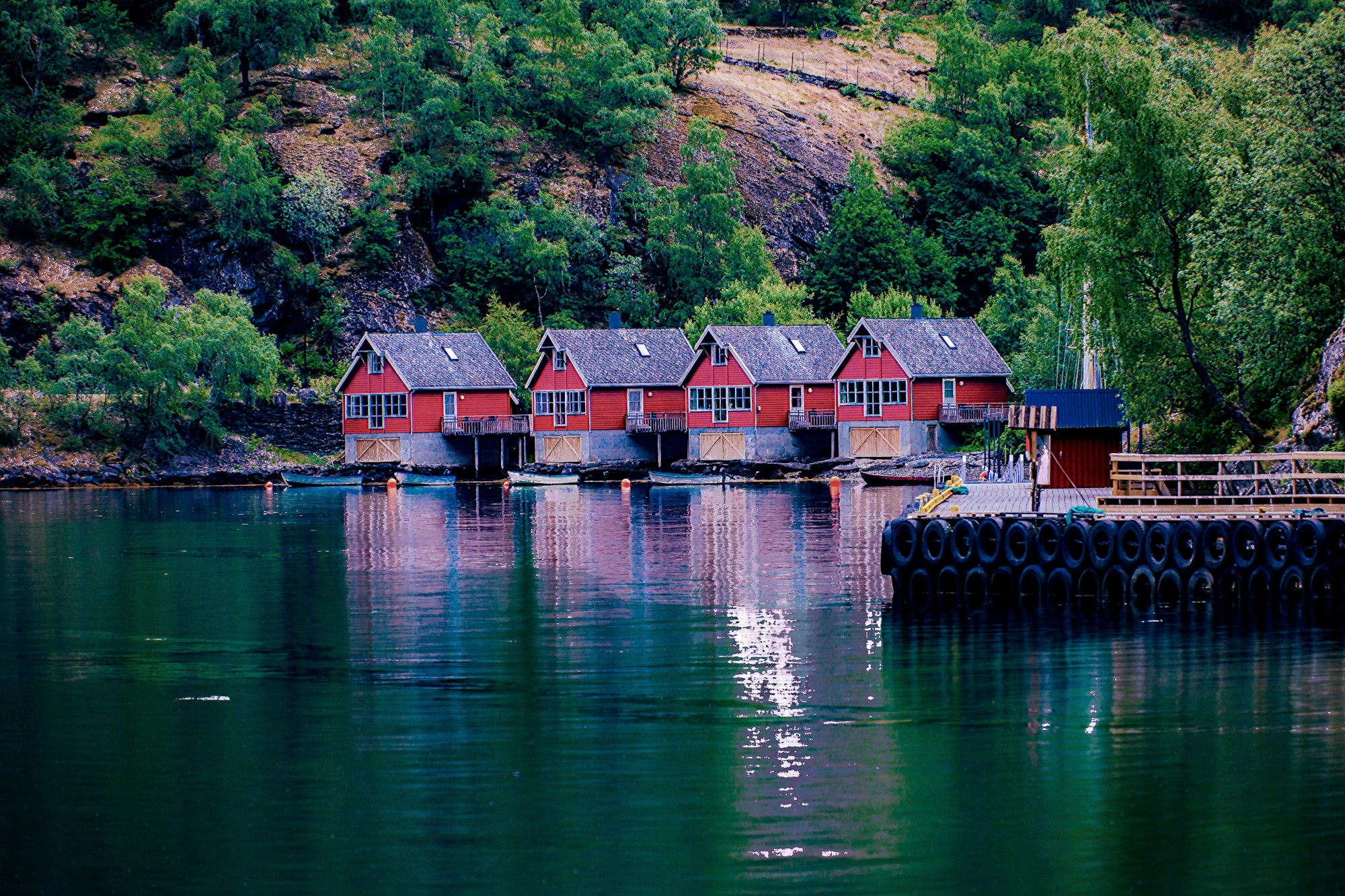
Norway is the poster-child of the 2026 coolcation. According to Life in Norway, bookings have grown +131% on global platforms, with Bergen specifically recording +37% versus last year. The country broke its all-time overnight stays record in 2025 with 40.6 million (+5.2%), including 2.37 million in the far north during peak season. Flights from London Gatwick to Bergen start at £98 return with Norwegian (15 direct flights per week), making June the cheapest month to fly according to Skyscanner.
The major advantage: Norway’s Friluftsloven (right of access to nature) allows wild camping anywhere in Norway. This can cut your accommodation spend by a factor of three to five compared with hotels. New 2026 municipal tourism levies (ringfenced for trails and facilities) only affect paid parking and commercial accommodation.
Highlights
- Nærøyfjord (UNESCO): cruise + Flåm Railway + Stegastein viewpoint (650 m) — the unmissable classic circuit
- Wild camping (Friluftsloven) — a week achievable for £750–£1,000 all-in
- June = good availability and pre-peak prices, before the Lofoten summer rush in July–August
4. Scotland: the UK’s own coolcation — Highlands, no flight required
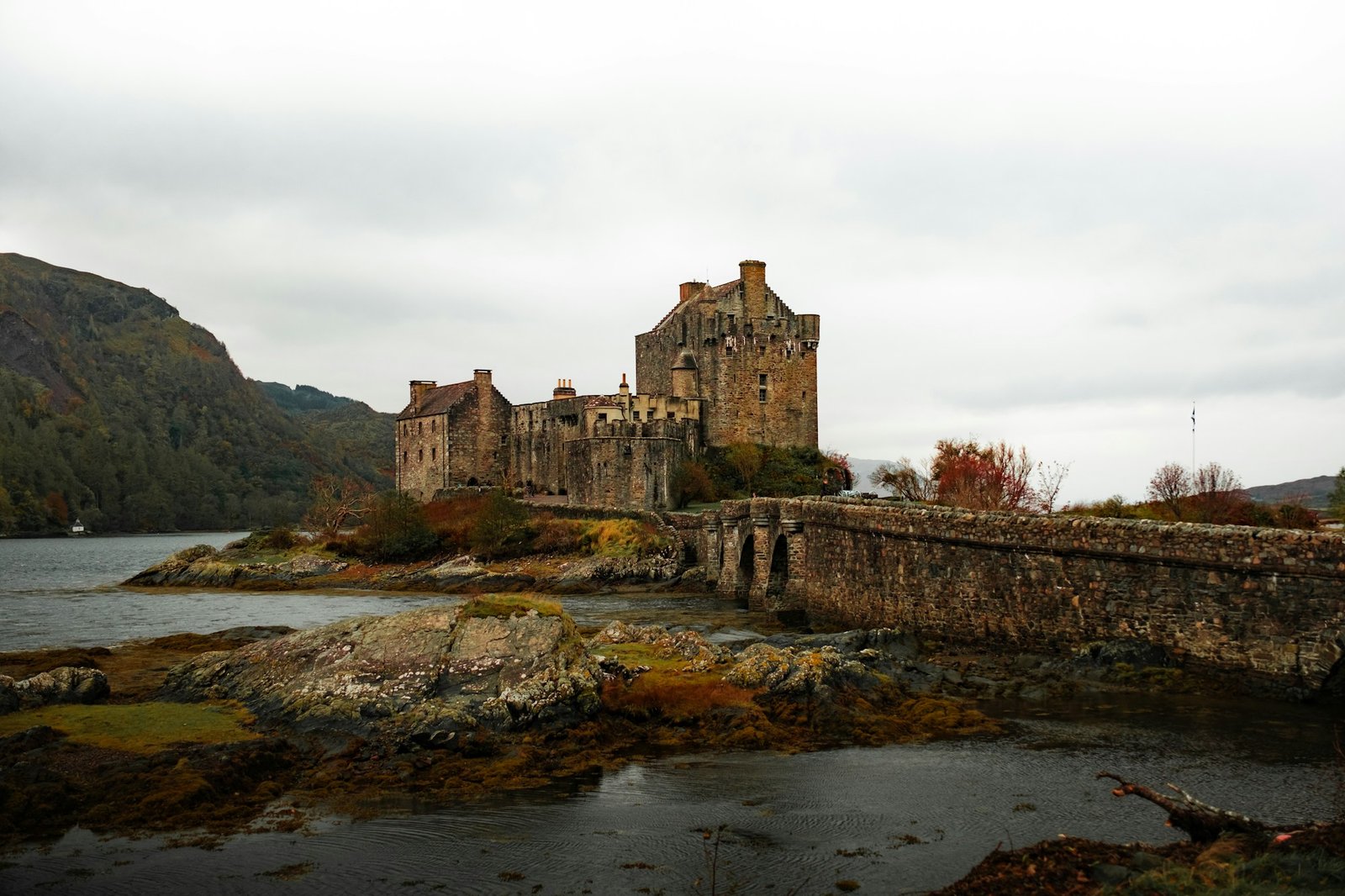
Scotland — Edinburgh, Highlands, Isle of Skye
For British travellers, Scotland is the ultimate zero-carbon coolcation — no flight required. LNER trains from London King’s Cross reach Edinburgh in as little as 4 hours, with advance fares from around £25 each way. Megabus runs coaches for as little as £18 for the 8-hour overnight journey. From Edinburgh, a hire car opens up the Highlands and the Isle of Skye in a day’s drive. Scotland’s Land Reform (Scotland) Act 2003 grants the legal right to wild camp anywhere — making multi-day Highlands trips genuinely budget-friendly.
One caveat: August is the month of the Edinburgh Festival — Fringe, International Festival, Book Festival — creating real pressure on city accommodation. The Highlands and Skye, however, remain uncommercialised and wide open. Temperatures stay refreshingly cool (13–19°C on the coast, 8–17°C in the hills), a world away from southern European heat.
Highlights
- Isle of Skye: Fairy Pools, Old Man of Storr, Quiraing — among the most dramatic landscapes in Europe
- Jacobite Steam Train (the « Hogwarts Express ») across Glenfinnan Viaduct — book weeks in advance
- No flight needed from London — zero aviation carbon footprint, instant access by rail
5. Baltic States: Tallinn, Riga, Vilnius — Europe’s most affordable coolcation
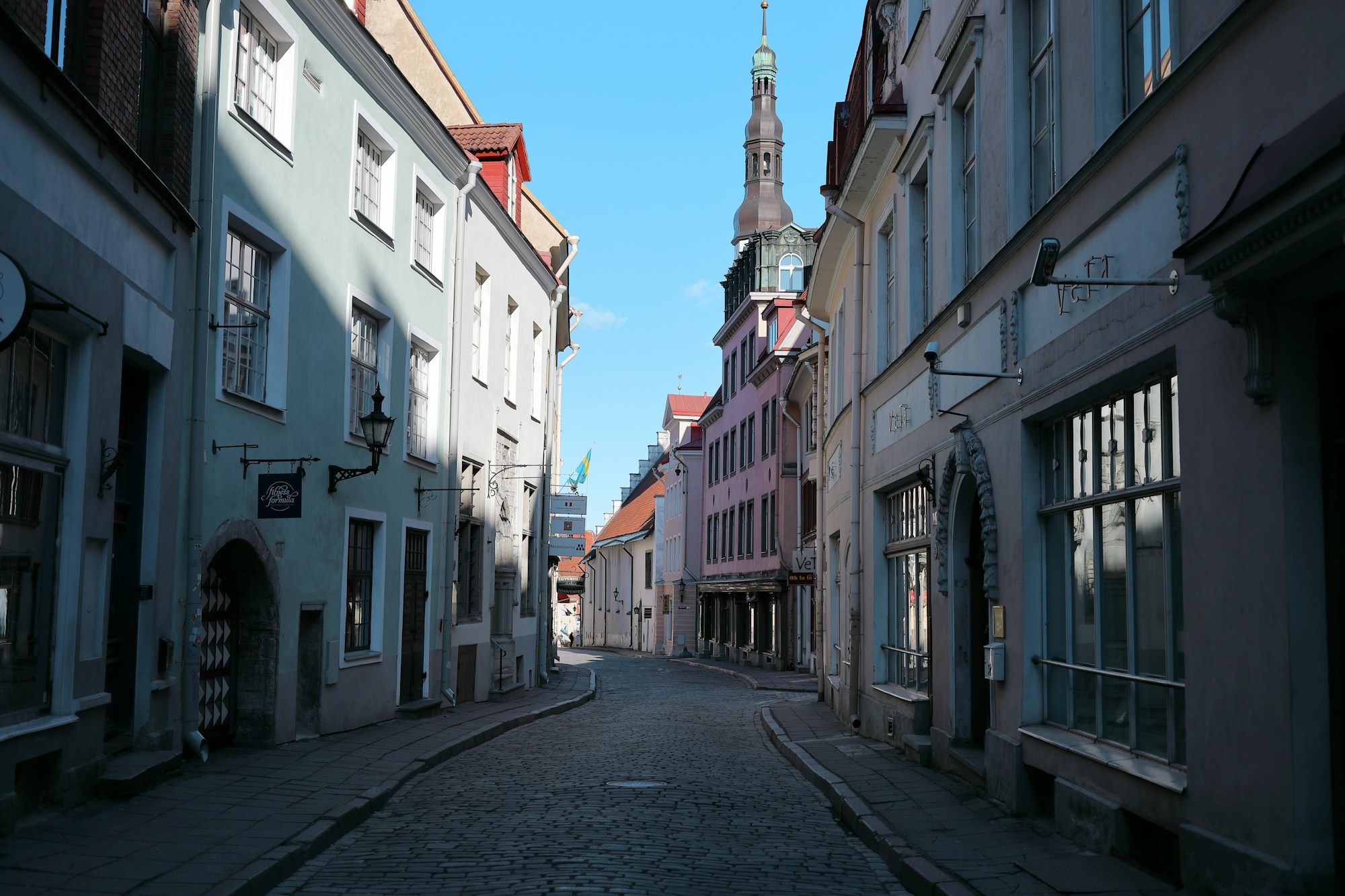
Tallinn · Riga · Vilnius
The Baltic States remain Europe’s most affordable and least-crowded coolcation. Flights from London to Tallinn (Wizz Air, Ryanair, airBaltic) start from £46 return according to Skyscanner, with Ryanair operating direct from London Stansted. On the ground, summer highs plateau at around 20–21°C with generous sunshine (around 19 hours of daylight in June). Daily budgets sit between £30 and £65, making Riga the most affordable European city-break destination in 2026.
The three-capital circuit is achievable in 7–10 days thanks to Lux Express coaches (around €30 to connect all three cities). According to Air Journal (February 2026), international arrivals are growing +21% in Lithuania, +13% in Latvia, +12% in Estonia — the word is getting out, but saturation is still far off.
Important for British travellers post-Brexit: UK passport holders do not need a visa for the Baltic States (Schengen visa-free up to 90 days). ETIAS — the EU’s new travel authorisation — is expected to launch in late 2026 at the earliest, but is not yet in force. Check gov.uk foreign travel advice before departure.
Highlights
- Tallinn: UNESCO Hanseatic medieval centre, hostels from £13/night, 5G Wi-Fi everywhere
- Riga: Europe’s largest Art Nouveau district + Jürmala beach 30 minutes by train (€5)
- Vilnius: Berlin-like creative energy, among the lowest costs of living in the EU
6. UK domestic coolcations: Lake District, Snowdonia, Peak District — no passport, no flight
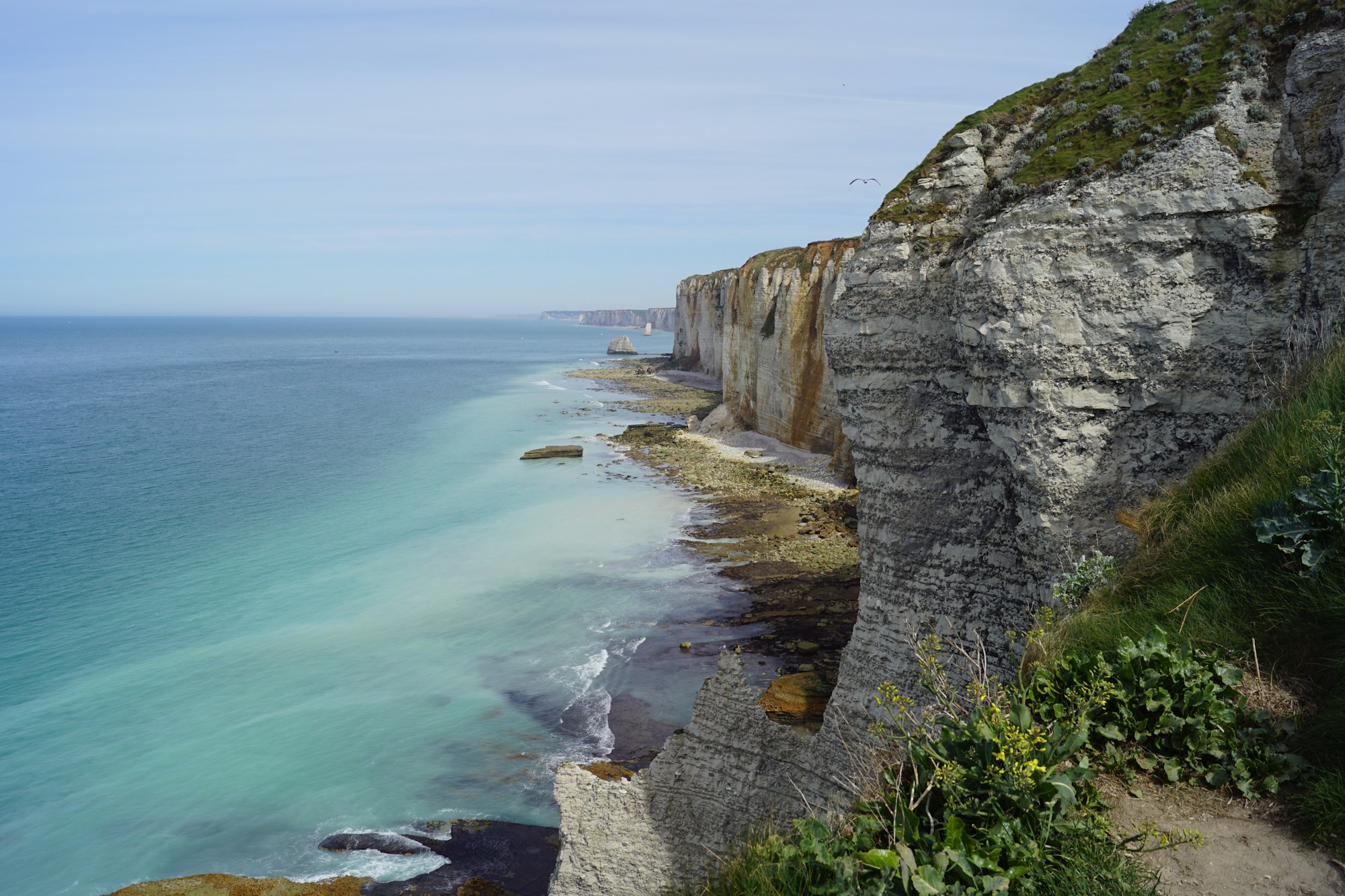
Lake District · Snowdonia · Peak District · Dartmoor · Exmoor
A coolcation does not require a passport or a flight. The UK’s own National Parks deliver genuine fresh-air escapes within hours of any major city. The Lake District (Windermere, Langdale, Helvellyn) offers temperatures 5–8°C cooler than the south of England during heatwaves, with Avanti trains from London Euston reaching Oxenholme in under 2.5 hours. Snowdonia is accessible from London Euston in around 3.5 hours (changing at Chester or Shrewsbury). The Peak District is within 2 hours of London by East Midlands Railway.
Scotland’s wild camping right has no direct equivalent in England and Wales, but Dartmoor National Park permits wild camping above the high moorland. The Camping and Caravanning Club and the YHA hostel network cover most National Park areas with affordable options (from around £18/night). A week’s budget for two people in a National Park — including rail, Airbnb/B&B and food — sits around £700–£900 total, often less than a budget European city break once flights are included.
Highlights
- Coast-to-Coast walk (Wainwright route, 192 miles): St Bees to Robin Hood’s Bay — the ultimate UK long-distance coolcation
- Train access from London: Lake District 2h30, Snowdonia 3h30, Peak District 2h — no airport queues
- Near-zero carbon footprint versus a return flight to Oslo (~200–250 kg CO₂ per person)
7. Azores and Faroe Islands: Atlantic gems still available
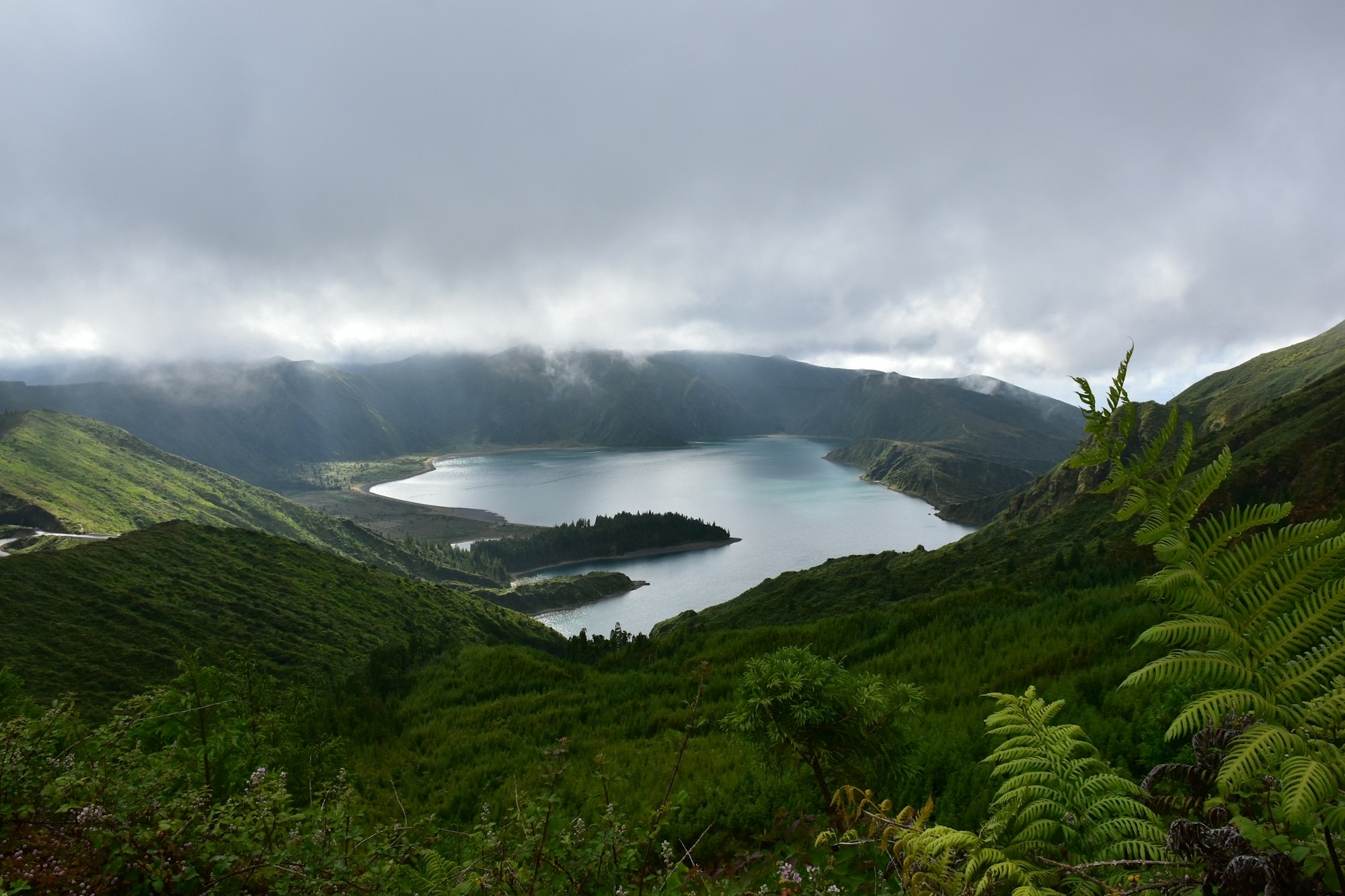
Azores · Faroe Islands
Azores — Portugal’s Atlantic archipelago is the perfect middle ground for travellers who want freshness without Nordic harshness. Temperatures of 18 to 24°C, a permanent Atlantic breeze, volcanic hikes, caldeiras, whale watching and dolphin swimming. Flights from London Heathrow start at around £145 return with TAP Air Portugal and British Airways operating direct services. UK passport holders do not need a visa for the Azores (Portugal / Schengen). Daily budget: £50–£85.
Faroe Islands — For the hardcore coolcation (9–13°C in August), the Faroes offer vertiginous sea cliffs, puffins, traditional heimablídni (home dining with locals) and the Lake Sørvágsvatn optical illusion. According to Guide to Faroe Islands, 80% of attractions are free. Atlantic Airways flies direct from both London Gatwick and Edinburgh to Vágar Airport, with summer 2026 return fares from £206 return. The Faroes are a Danish territory — UK passport holders travel visa-free.
Highlights
- Azores: daily budget often lower than mainland UK — São Miguel delivers volcanic drama on a tight budget
- Faroes: card payments accepted everywhere, 80% of natural sites free, hyperborean landscapes without mass tourism
- No visa required for UK passport holders in either destination
8. Slovenia and the Dolomites: alpine coolcation at reasonable prices
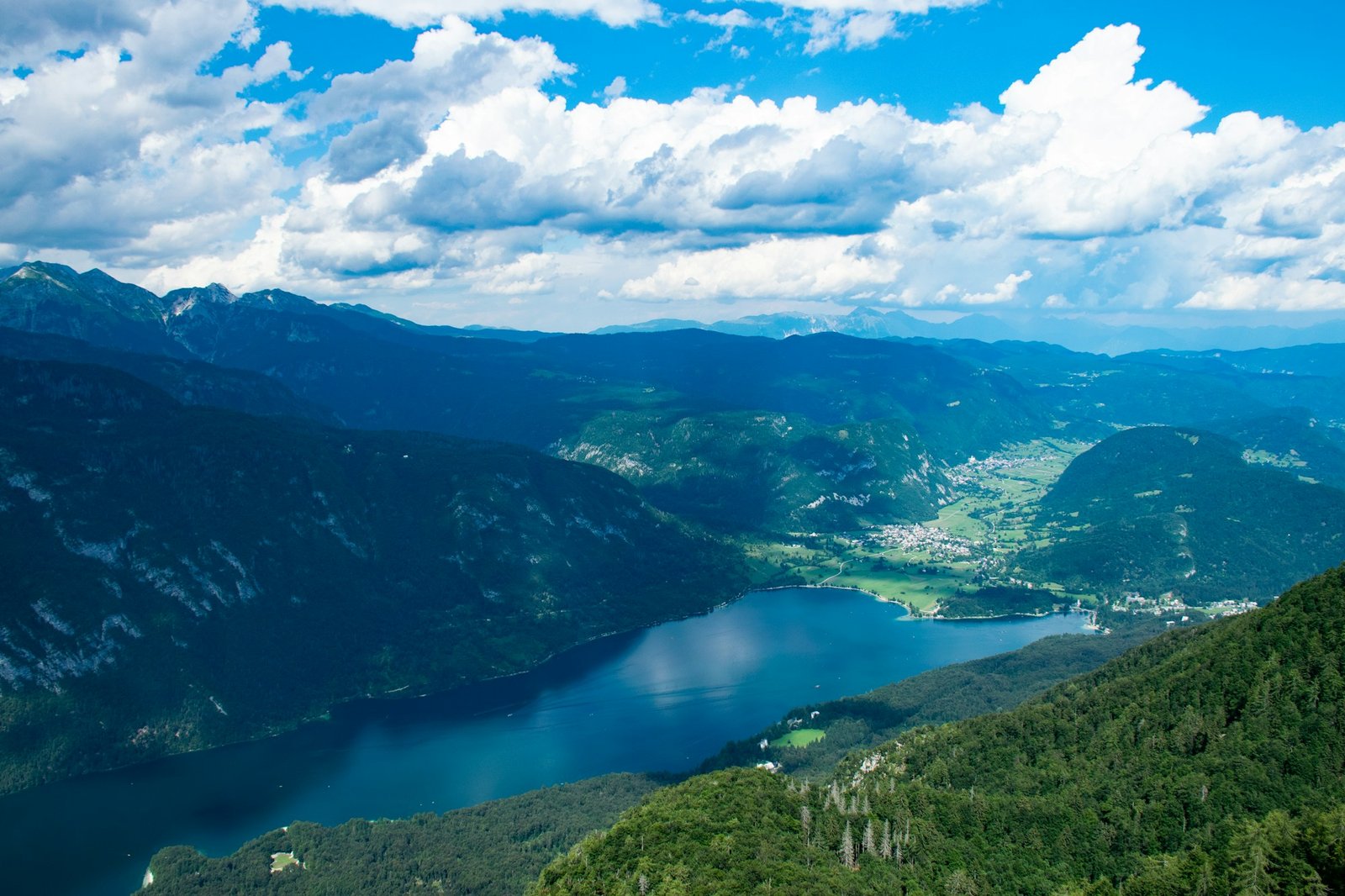
Lake Bohinj (Slovenia) · Dolomites (Italy)
Lake Bohinj in Slovenia is the alpine coolcation’s best-kept secret. Unlike Lake Bled (over-touristed), Bohinj remains « blissfully uncrowded » according to Travelling Slovenia. Water temperatures hit 18–22°C in summer — ideal for swimming in an alpine setting within Triglav National Park. A local day bus pass costs just €2. Lake Bohinj ranks 7th in the Inghams Walking 2026 top coolcations list, with bookings up +20.66%.
The Dolomites (South Tyrol) offer a step up in grandeur, with temperatures of 12–18°C at altitude (2,000–3,000 m) and over 100 cable cars. Hut-to-hut accommodation (£60–£75/night half-board) allows multi-day walking without logistics headaches. According to Travel Tomorrow, Dolomites bookings are up +18.40% in 2026. The Dolomite Mobility transport pass is usually included free by accommodation providers.
Highlights
- Bohinj: swimming in an alpine lake at 22°C, free hiking, 12 km circuit of the lake
- Dolomites: Tre Cime di Lavaredo, Passo Giau, Cortina d’Ampezzo — UNESCO World Heritage landscapes
- Easy access: fly London to Venice then 2 hours by road to the Dolomites; London to Ljubljana then 2h by bus to Bohinj
9. Budget and logistics comparison (7 nights from London)
| Destination | Return flight | Accommodation/night | Daily budget | Total 7 days/person |
|---|---|---|---|---|
| UK National Parks (no flight) | £0 (rail ~£25–50) | £42–£75 (hostel/B&B) | £65 | £460–£670 |
| Baltic States (Tallinn) | £46–£150 | £33–£58 | £40–£65 | £360–£620 |
| Scotland (Edinburgh + Highlands) | £0 (rail ~£25–75) | £50–£100 | £65–£100 | £550–£870 |
| Azores (Ponta Delgada) | £145–£280 | £50–£90 | £55–£85 | £560–£870 |
| Slovenia (Bohinj) | £100–£210 | £50–£83 | £58–£83 | £510–£800 |
| Dolomites (Verona/Venice) | £125–£235 | £58–£125 | £75–£108 | £655–£1,000 |
| Norway (Bergen) | £98–£335 | £92–£167 | £108–£216 | £858–£1,850 |
| Faroe Islands | £206–£295 | £58–£100 | £50–£108 | £500–£1,050 |
| Iceland (Reykjavik) | £74–£290 | £108–£208 | £100–£208 | £966–£1,750 |
The Interrail Global Pass at around £194 for 4 travel days within one month covers 33 countries including Estonia, Latvia, Lithuania, Norway, Finland, Sweden and Slovenia — a strong option for multi-destination circuits. Note: UK residents must purchase this as a non-resident pass from Interrail.
Practical information for your coolcation
Coverage across all Nordic and Baltic countries. Zero roaming charges, activate in 5 minutes before departure.
From £13 / 5 GBNomad Insurance: global coverage from $56/4 weeks. Covers outdoor activities (hiking, kayaking, cycling), medical repatriation and trip cancellation. Essential for remote Nordic or mountain destinations. 10% off via our link.
From $56 / 4 weeksFrequently asked questions — last-minute coolcation 2026
Is it still possible to book a coolcation in May 2026?
Yes — for June and September, and partially for July. Iceland in August is effectively fully booked (solar eclipse on 12 August, accommodation sold out). Scotland and the UK National Parks have no booking constraints for the domestic traveller. Most Nordic and mountain destinations still have availability in late May. Book your flights first — prices increase week by week. According to Ulysse.com, now is still when fares are at an acceptable level.
What is the cheapest coolcation destination from the UK?
The Baltic States (Tallinn, Riga, Vilnius) allow you to travel for £30–£65 per day on the ground, with return flights from London from just £46. A week in Tallinn comes in at £360–£620 per person according to Backpacker Advice. UK domestic destinations (Scottish Highlands, Lake District, Snowdonia) are even cheaper — no flight costs, rail from around £25–£75 return.
Is Iceland worth booking for a last-minute coolcation?
Yes, but only for June and early July. August 2026 is particularly problematic due to the total solar eclipse on 12 August — the first totality over Iceland since 1954. Accommodation is sold out or priced at 2–3× normal rates around that date according to Ulysse.com. In June and early July, flights from London Heathrow/Gatwick start from £74 return and availability remains reasonable.
Can Nordic destinations also experience heatwaves?
Yes — summer 2025 brought 22 consecutive days above 30°C in Finland and a Nordic heatwave across Scandinavia. But Nordic destinations remain on average 15–25°C cooler than the Mediterranean according to Climate Impact Company. Scottish Highlands and UK National Parks offer greater thermal stability if consistent coolness is your priority.
How do I keep costs down on an expensive Nordic coolcation like Norway?
Four main levers: legal wild camping (Friluftsloven law — free anywhere in Norway), cooking from supermarkets (halves your food spend), shared car hire, and free hiking in the fjords. A weekly budget of £750–£1,000 per person is achievable when camping, according to Norway Nomads.
Do UK passport holders need a visa for Nordic coolcation destinations?
No visa is required for UK passport holders to enter Iceland, Norway, Finland, Sweden, Denmark, the Baltic States (Estonia, Latvia, Lithuania) or the Azores (Portugal) for stays up to 90 days. The Faroe Islands are a Danish territory — also visa-free. ETIAS, the EU travel authorisation scheme, is expected to launch in late 2026 at the earliest and is not yet in force. Always check the latest advice on gov.uk/foreign-travel-advice before departure.
What is the best time of year for a coolcation in 2026?
Mid-June to late July for Nordic destinations (midnight sun, mild temperatures of 15–22°C). September for the best value: 30–50% fewer crowds, lower accommodation prices, golden autumn light. Avoid Iceland in August (eclipse). According to Wego, September 2026 is shaping up as the ideal window for flexible travellers.
Are coolcations suitable for families with children?
Yes — particularly UK domestic options (Scottish Highlands, Lake District, Snowdonia) accessible by rail or car with no logistical complexity. The Baltic States are also very family-friendly: easy transport, affordable budget, accessible medieval heritage. Finnish Lakeland (lake cottage holidays) is ideal for families seeking peace and nature according to Visit Finland.
Sources
- Euronews — Coolcations: Norway, Finland, Iceland 2026 — March 2026
- Climate Impact Company — European summer 2026 forecast — May 2026
- Expedia Unpack 26 — Travel Trends Report — 2025
- Ulysse.com — Coolcations 2026: 8 cool destinations — 2026
- Ulysse.com — Iceland solar eclipse August 2026 — 2026
- Life in Norway — Scandinavia coolcation boom — 2026
- Nordiskpost — Scandinavia tourism record 2025 — February 2026
- Wego — Coolcation Norway, Iceland, Finland 2026 — 2026
- Skyscanner — London to Tallinn flights — checked 18 May 2026
- Skyscanner — London to Bergen flights — checked 18 May 2026
- Skyscanner — London to Ponta Delgada flights — checked 18 May 2026
- Fly4Free — UK to Faroe Islands flights from £206 — 2026
- Air Journal — Baltic States tourism 2026 — February 2026
- Backpacker Advice — Coolcation guide 2026 — 2026
- Travel Tomorrow — Top coolcation destinations 2026 — 2026
- Travelling Slovenia — Lake Bohinj guide — 2026
- Guide to Faroe Islands — Budget information — 2026
- Norway Nomads — Norway road trip budget — 2026
- Interrail — Global Pass 2026 — 2026
- VisitScotland — Passports, Visas and Customs — 2026
- GOV.UK — Foreign travel advice — 2026
Sources checked on 18 May 2026.
Ready to plan your 2026 coolcation?
Explore our complete itineraries for Iceland, Norway, Scotland and the Baltic States — with the right stages, real prices and tips to avoid the summer crowds.
Explore Pixidia itineraries