
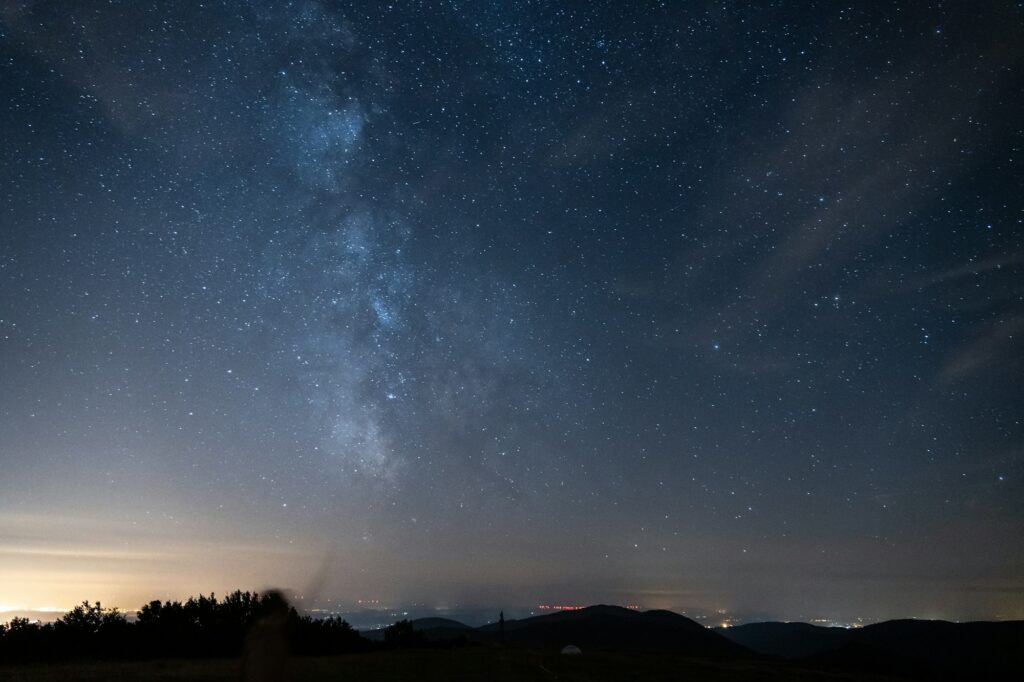
The Perseids 2026 peak hits on the night of 12-13 August, under a completely moonless sky. New moon falls on 12 August at 17:36 UTC (18:36 BST), a coincidence that only lines up roughly once every fifteen years. Expect somewhere between 40 and 100 shooting stars an hour depending on the site, with the IMO forecasting a quieter rate than usual this year. France alone has seven DarkSky-certified reserves, from the Pic du Midi to the Cévennes, and the UK has its own strong lineup of dark-sky parks too. Get comfortable between midnight and dawn, naked eye only, with the best window running from about 1am to 5am BST.
Making a wish on a shooting star is about as old a ritual as humanity itself. On the night of 12-13 August 2026, the odds are unusually good: the Perseids hit their annual peak under a sky that’s about as dark as it gets, with new moon landing on that exact night. A few hours earlier, a total solar eclipse sweeps across Iceland and northern Spain while six planets line up before dawn — 12 August 2026 packs in one of the busiest astronomy days of the decade. You don’t need a telescope, and you don’t need to go far: France alone has seven dark-sky reserves where all it takes is looking up.
Perseids 2026: dates, new moon, and why this year is different
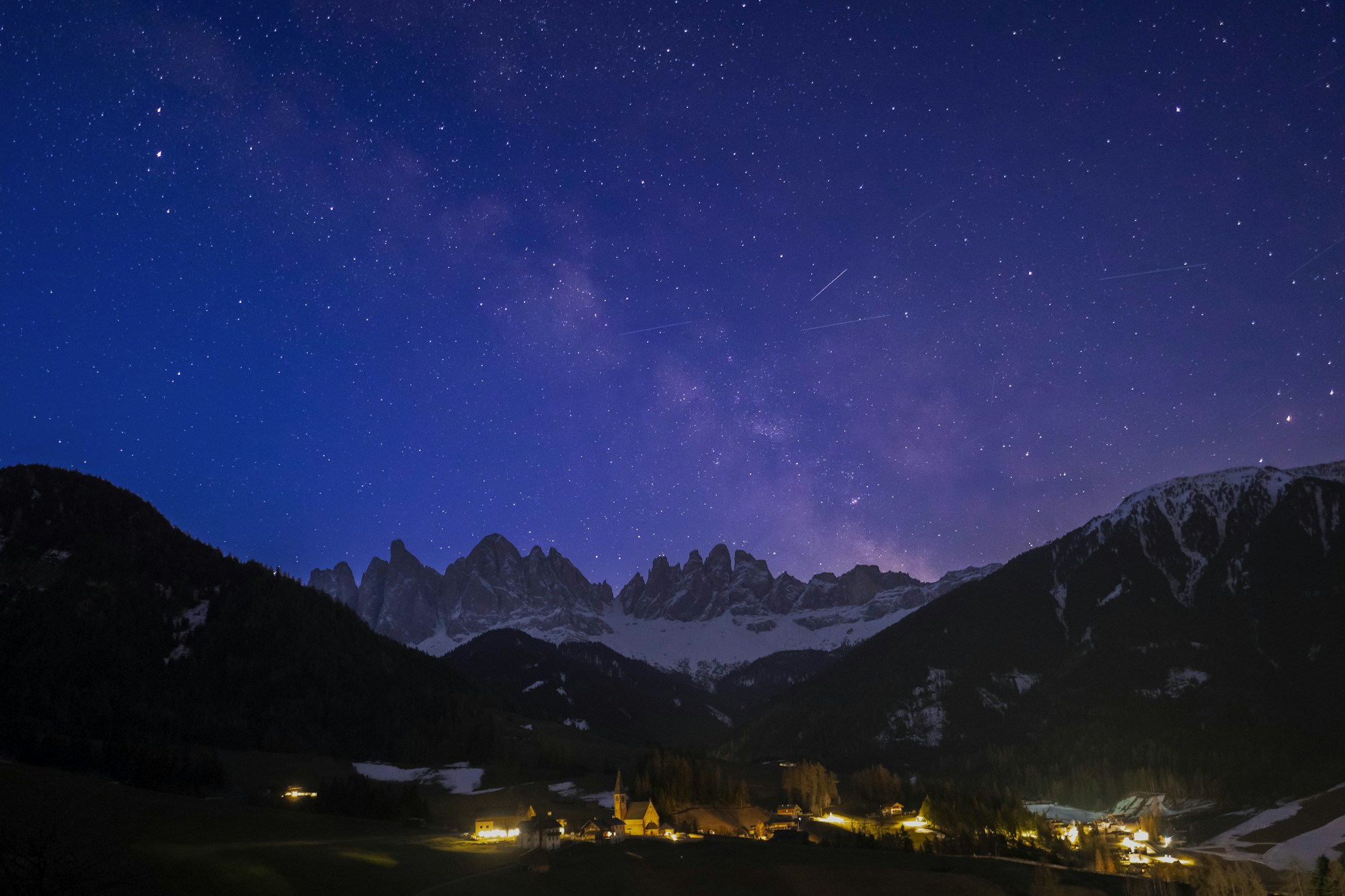
The peak falls on the night of 12-13 August, under a moonless sky
The Perseids are debris from periodic comet 109P/Swift-Tuttle, discovered in 1862 by Lewis Swift and Horace Tuttle: every summer, Earth ploughs through the dust trail the comet left behind, and these sand-grain-sized particles burn up on atmospheric entry at around 58km/s. According to NASA, the 2026 peak falls on the night of 12-13 August, under a new moon that wipes out lunar light pollution right when the swarm is busiest. That coincidence, according to Universe Today, only lines up roughly once every fifteen years.
Institutes disagree on the exact theoretical maximum, somewhere between 1h and 15h UT depending on the calculation method, a spread that reflects genuine scientific uncertainty about exactly which debris filament Earth crosses. For anyone actually watching, the only detail that matters is the viewing window: midnight to dawn, with the best stretch between about 1am and 5am BST, when the Perseus constellation, where the trails appear to radiate from, sits highest in the sky. The swarm stays active from 17 July to 24 August, with a stronger burst concentrated on the nights of 11-15 August: useful slack if clouds ruin the peak night itself.
Highlights
- New moon lands exactly on 12 August at 17:36 UTC: a coincidence that only comes round roughly once every fifteen years
- The swarm is active from 17 July to 24 August, with the peak concentrated on the nights of 11-15 August
- 100% naked-eye viewing, no gear required and no need to travel abroad
If you’d rather be guided than hunt for the right spot on your own, the Vercors, one of France’s seven dark-sky reserves, runs evening sessions with an astronomer during peak week:
How many shooting stars per hour? The 2026 ZHR forecast, with a dose of nuance
The number you’ll see repeated everywhere, around 100 meteors an hour, is the classic theoretical zenithal hourly rate (ZHR), cited by NASA and Sky & Telescope. But that figure assumes perfect conditions: a completely black sky, the radiant sitting exactly at the zenith, an experienced observer’s eye. In practice nobody gets all of that at once, and the number you’ll actually count is almost always lower.
For 2026 specifically, the IMO (International Meteor Organization), the reference authority on meteor rates, is forecasting a more modest ZHR, in the 30-to-50 range, since Earth is passing through a thinner patch of the Swift-Tuttle trail this year, a pattern already seen in 2013, 2014, and 2025. The good news: the total absence of moonlight partly offsets that lower flux, since meteors that would normally get washed out by moonlight become visible to the naked eye again.
| Source | Estimate |
|---|---|
| NASA / Sky & Telescope (classic theoretical ZHR) | ~100/hour |
| Royal Observatory Greenwich / In-The-Sky.org | up to 150/hour |
| IMO, 2026-specific forecast | 30 to 50/hour |
| Real-world conditions (range we’re using) | 40 to 100/hour |
Go with the realistic range of 40 to 100 meteors an hour from a well-exposed rural site, according to the Royal Observatory Greenwich, rather than a single figure that’s hard to guarantee.
12 August 2026: an extraordinary day for astronomy
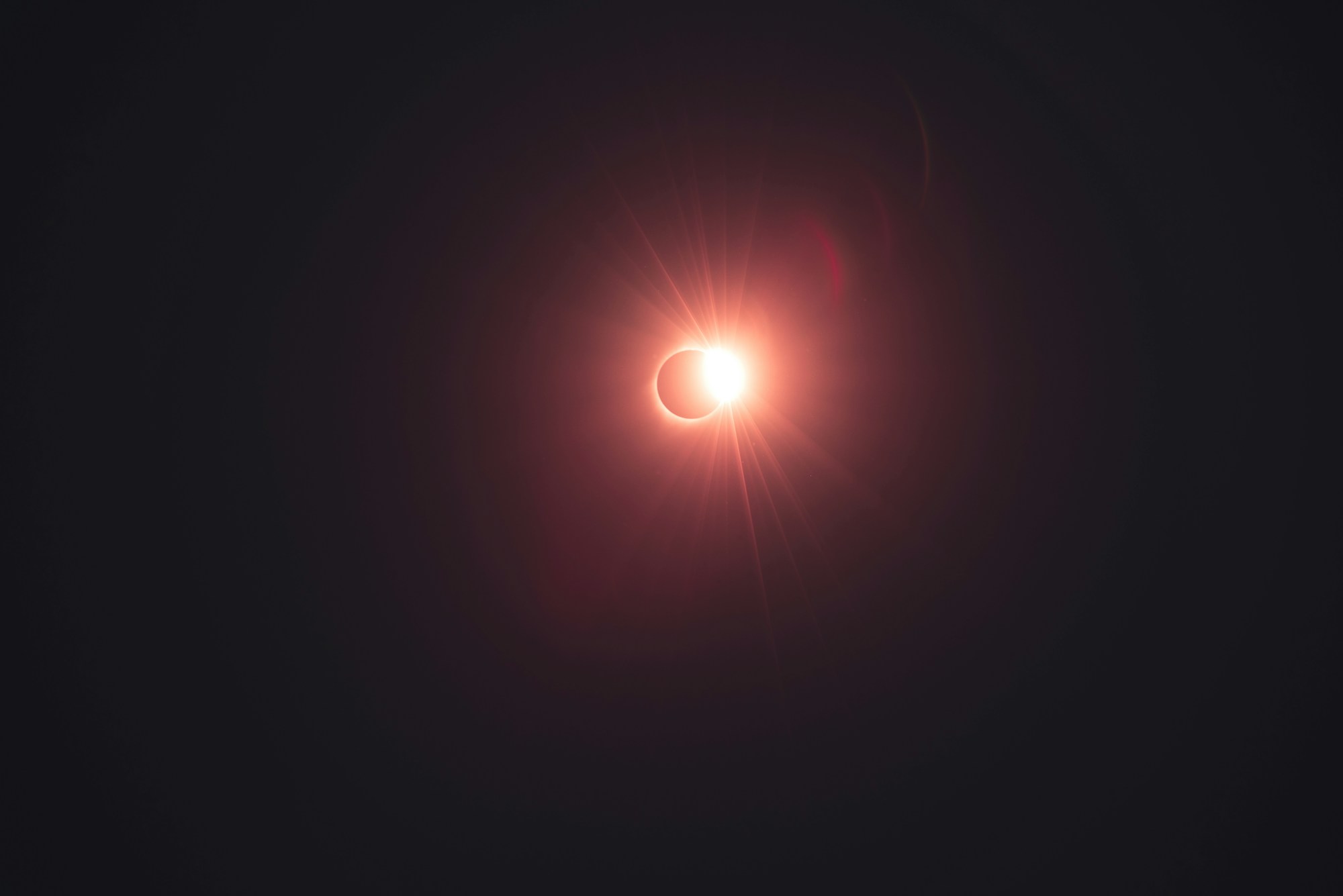
A total solar eclipse, a six-planet alignment… and the Perseids that same night
A few hours before the Perseids peak, a total solar eclipse sweeps a wide arc from Siberia across the Arctic Ocean, Greenland, Iceland and into northern Spain, with totality visible from Mallorca among other spots (1 minute 36 seconds to 2 minutes). According to Wikipedia, the UK only sees a partial eclipse, but it’s a deep one: around 90% of the Sun covered in London, rising to about 95% in Cornwall and the south-west, and dropping slightly to around 88% in north-east Scotland. If you fancy totality without a long-haul flight, the total solar eclipse over Spain and Iceland on 12 August is easily reachable from the UK, a couple of hours to northern Spain, a little longer to Iceland; some travellers are even booking expedition cruises built to chase the Moon’s shadow the whole way.
That same morning, before dawn, six planets line up in the sky: Jupiter, Mercury, Mars, Uranus, Saturn, and Neptune, with Mars and Saturn visible to the naked eye while Uranus and Neptune need binoculars, according to Starwalk.space. Eclipse at sunset, planetary alignment at dawn, Perseids peak the following night: science outlets aren’t shy about calling 12 August 2026 one of the busiest days for astronomy this decade. The month wraps up with a second eclipse, this one lunar, on 27-28 August, taking advantage of the same clear late-summer skies.
Highlights
- Totality visible from Iceland, northern Spain, or the Balearic Islands, within easy flying distance of the UK
- A six-planet alignment that same morning, before dawn
- A second eclipse, this one lunar, closes out the month on 27-28 August
Where to find a truly dark sky in France: the 7 International Dark-Sky Reserves
With seven reserves certified by DarkSky International, France is one of the best-equipped countries in the world for protected night skies. Each one enforces strict lighting rules on member towns to keep the night sky genuinely usable to the naked eye, according to Wikipedia.
| Reserve | Region | Certified | Standout feature |
|---|---|---|---|
| Pic du Midi de Bigorre | Hautes-Pyrénées | 2013 | Europe’s 1st IDSR, observatory at 2,877m |
| Cévennes National Park | Lozère, Gard | 2018 | 3,560km², Europe’s largest IDSR |
| Alpes Azur Mercantour | Alpes-Maritimes | 2019 | over 3,000 stars visible to the naked eye |
| Millevaches en Limousin | Corrèze, Creuse, Haute-Vienne | 2021 | France’s 4th IDSR |
| Vercors | Isère, Drôme | 2023 | 1,600km², France’s 5th IDSR |
| Landes de Gascogne | Gironde, Landes | 2025 | France’s 1st lowland IDSR |
| Morvan | Nièvre, Saône-et-Loire, Yonne, Côte-d’Or | 2025 | France’s 7th and newest IDSR |
The Pic du Midi and the Cévennes account for most of the organised tourism on offer. The other five reserves, younger or more rural, stay largely free of crowds: a real plus if you’re after somewhere quiet.
You don’t have to cross the Channel for a proper dark sky, either. The UK now holds more certified International Dark Sky Places than any country outside the US, according to DarkSky International: six National Parks with Reserve status (Exmoor, the Brecon Beacons, Snowdonia, the Yorkshire Dales, the North York Moors, and the South Downs), plus Northumberland’s Gold Tier park and Dark Sky Communities stretching from Orkney to Sark. What France’s reserves add on top is scale and altitude: the Pic du Midi observatory alone sits at 2,877 metres, which is why plenty of UK stargazers still make the trip.
Spotlight on the Pic du Midi, France’s benchmark for astrotourism
2,877 metres up, France’s largest telescope… and a two-year waiting list
Nicknamed the « starship, » the Pic du Midi de Bigorre was Europe’s first certified dark-sky reserve, back in 2013. It’s home to the Bernard Lyot telescope, France’s largest at 2m in diameter, and this is the site where the lunar map used for NASA’s Apollo missions was drawn up, according to Nomade Céleste. You get there by cable car from La Mongie, in 15 minutes.
The flagship offer, the « Night at the Summit, » bundles the cable car, a gastronomic dinner, a planetarium session, and guided observation with access to the Charvin dome, for €469 per person in a single room and €519 in a double. Capacity is deliberately capped at around twenty people a day, though, and the booking lead time runs 18 to 24 months according to the Hautes-Pyrénées tourist office: it’s already too late to book a night at the summit specifically for 12 August 2026. The shorter-notice alternative is the « Soirées Galactiques » (Galactic Evenings), running three times a week in July and August until midnight, without an overnight stay. A new 32-bed hotel, the Hôtellerie des Laquets, is due to open in September 2026, just after this year’s peak.
Highlights
- France’s largest telescope, the 2m Bernard Lyot
- Up to 60 shooting stars an hour already recorded from the summit during past Perseids
- Mountain weather can turn fast: build in some slack
Cévennes, Mercantour, and unlisted spots: more refuges for dark skies
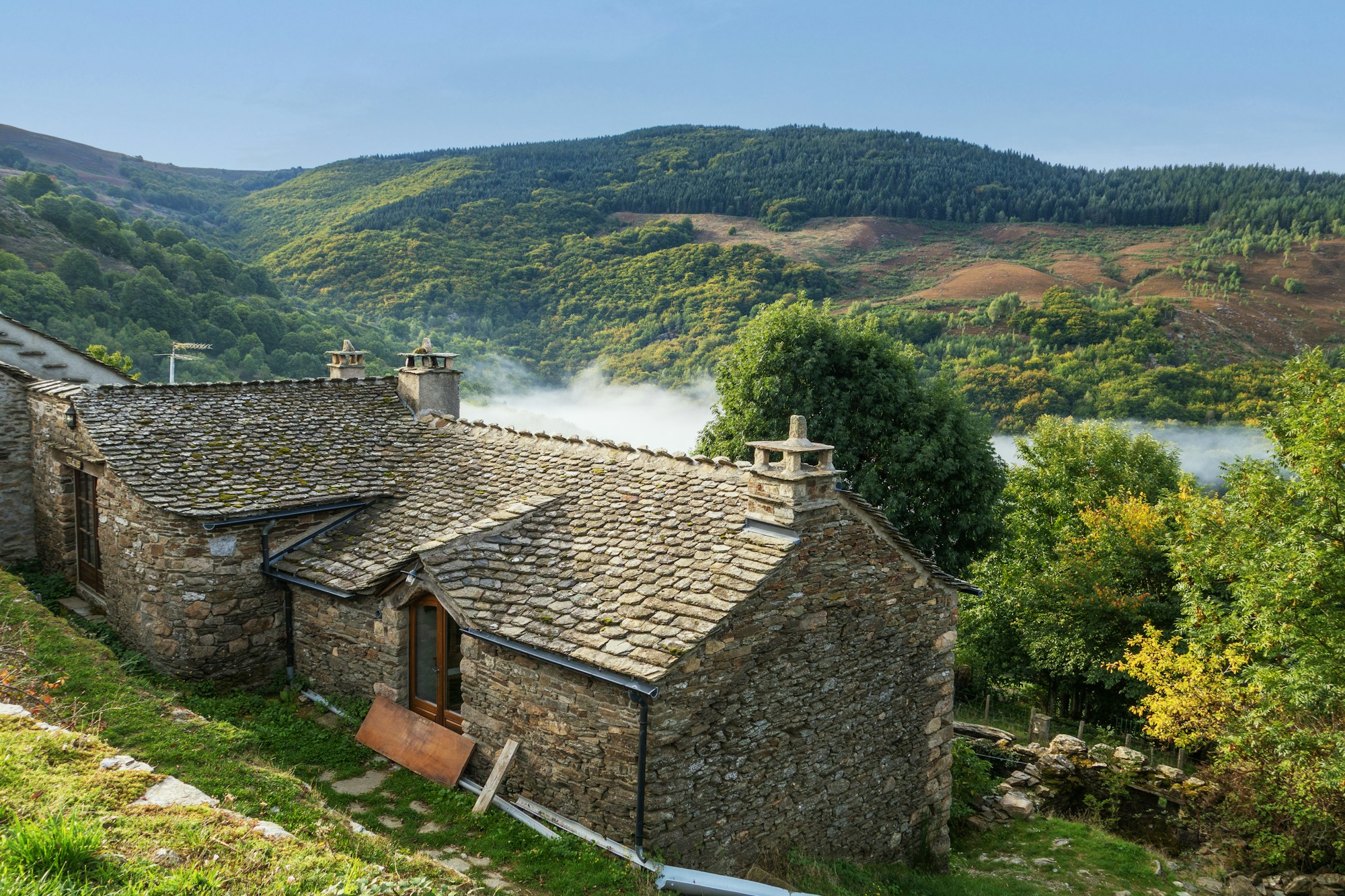
Cévennes National Park, the most budget-friendly IDSR
Cévennes National Park, Europe’s largest dark-sky reserve at 3,560km², runs the most accessible programme in the country: « Sentiers Vagabonds, » a sensory night walk for ages 5 and up in Anduze; « Astrolab, » a free introduction held on Thursday evenings on Mont Lozère; or « Cévennes Astro, » a small-group astrophotography workshop for €100 an evening, according to the Cévennes-Mont Lozère tourist office. The park has ten dedicated observation spots, with Serre de la Can the best known. It’s reachable without a car too, via the Nîmes-Alès train plus a dedicated bus.
Further east, the Alpes Azur Mercantour reserve centres on the Plateau de Dina and Mont Mounier, with the Astro-Valberg Festival as its flagship event. Outside the seven certified reserves, several sites still carry real weight among amateur astronomers: the Black Triangle of Quercy, in the Lot, with four sites fitted with telescope slabs; the Monts d’Arrée, in central Brittany, one of the best-preserved patches of western France; the Aubrac plateau, at 1,200m altitude; or the Observatoire de Haute-Provence, where the very first exoplanet was discovered in 1995.
Highlights
- Ten observation spots recorded in Cévennes National Park alone
- The Black Triangle of Quercy fits out four sites with telescope slabs
- The Observatoire de Haute-Provence, the historic site of the first exoplanet discovery, in 1995
Planning your night out: budget, getting there, safety, and gear
Watching the Perseids costs nothing in itself: no ticket, no compulsory kit. Your budget depends entirely on how much comfort you want.
| Level | Example | Budget |
|---|---|---|
| Free | Casual viewing from a dark-sky reserve | €0 |
| Guided family outing | Dusk walk in the Cévennes | €5-21/person |
| Guided astrophotography | Small-group workshop | around €100/evening |
| Premium experience | Night at the summit of the Pic du Midi | €469-519/person |
As for getting there, the Cévennes remains the most accessible reserve without a car (the Nîmes-Alès train plus a dedicated bus); for most of the others, you’ll want a vehicle, since the best observation spots tend to be scattered across rural areas. One thing worth remembering if you’re driving to a remote site after dark: UK road safety data consistently shows night driving carries a disproportionately higher risk of serious or fatal collisions despite lower traffic volumes, with reduced visibility, fatigue, and higher speeds on quiet roads all playing a part. Full beam on empty roads, a lower speed, and extra alertness for wildlife: the usual rules apply doubly at night.
No gear is required: the Perseids are best watched entirely with the naked eye, since binoculars and a telescope actually narrow your field of view, according to NASA and the Royal Observatory Greenwich. A reclining chair or a ground mat, warm clothes even in high summer, a head torch with a red light, and an app like Stellarium to identify constellations are all you really need. For photos, count on a wide-angle lens (14-24mm), a wide aperture (f/1.4 to f/2.8), a 10-to-30-second exposure at ISO 1600-6400, manual focus, and a sturdy tripod; the PhotoPills app helps you plan your framing in advance. The last, decisive factor is the weather: a thin layer of cloud is enough to ruin the night, and meteoblue‘s « Astronomy Seeing » tool gives a specialised forecast by altitude layer, more reliable than a standard weather app.
Highlights
- No equipment required: naked-eye viewing remains the best option
- 15 to 30 minutes for your eyes to adjust to the dark before the faintest meteors show up
- Clouded out on 12-13? The nights of 11 and 14 August still deliver a real show, if a slightly quieter one
Are Perseid shooting stars dangerous?
No. The cometary dust grains behind the phenomenon burn up completely in the upper atmosphere, roughly between 115km (ignition) and 80-90km (burnout) altitude, well before reaching the ground, according to NASA. Three terms worth keeping straight: a meteoroid is the rocky body out in space; a meteor, or « shooting star, » is the flash of light produced as it burns up; a meteorite is whatever survives the trip and actually reaches the ground, something that never happens with the Perseids’ tiny grains. Around 100,000 to 200,000 tonnes of extraterrestrial material reach Earth every year, but roughly 90% of it is dust weighing less than a gram, and even a meteorite that does land poses no health risk, according to the American Meteor Society. Plenty of reason to enjoy the show without a second thought, kids included.
Before you head out under the stars
Keep GPS, Stellarium, and the meteoblue forecast running even in the more remote corners of the Vercors or the Cévennes, or grab a local plan if you’re carrying on to Spain for the eclipse.
Data plans from a few eurosHandy cover if your night under the stars turns into a longer trip to Spain or Iceland for the total eclipse on 12 August.
Nomad Insurance from $56 / 4 weeksFrequently asked questions about the Perseids 2026
Do I need a telescope to see the Perseids?
No, quite the opposite: the Perseids are best seen with the naked eye. A telescope or binoculars narrow your field of view and make you miss most of the show, according to NASA.
What’s the best time to watch the Perseids on 12-13 August 2026?
Between midnight and dawn, with the best stretch between about 1am and 5am BST, when the Perseus constellation is highest in the sky, according to timeanddate.com.
How many shooting stars can I realistically expect to see per hour?
The classic theoretical rate is around 100 an hour, but the IMO is forecasting a more modest 30 to 50 for 2026. In practice, under a clear rural sky, expect more like 40 to 100 meteors an hour.
Why is 2026 an especially good year for the Perseids?
New moon falls on 12 August at 17:36 UTC, wiping out lunar light pollution right during the peak, a coincidence that only lines up roughly once every fifteen years, according to Universe Today.
Where can I watch the Perseids under a truly dark sky?
France has seven certified International Dark-Sky Reserves (Pic du Midi, Cévennes, Alpes Azur Mercantour, Millevaches, Vercors, Landes de Gascogne, Morvan), plus well-regarded unlisted sites like the Black Triangle of Quercy. The UK has a strong lineup of its own too, including Exmoor, Northumberland, and the Yorkshire Dales.
What if it’s cloudy on peak night?
The adjacent nights of 11 and 14 August, even the 15th, still deliver a real show, if a slightly quieter one. Check a specialised forecast like meteoblue’s « Astronomy Seeing » tool rather than a standard weather app.
Are Perseid shooting stars dangerous?
No. The grains behind the phenomenon burn up completely in the upper atmosphere, between about 80 and 90km altitude, well before reaching the ground. No meteorites result from the Perseids.
What’s the connection between the Perseids and the solar eclipse on 12 August 2026?
Both events share the same cause: the new moon. It’s because the Moon is new that it can cause a solar eclipse that day, and that it doesn’t light up the following night sky, leaving the way clear for meteor watching.
Sources
- NASA Science: peak dates, viewing tips, and ZHR
- timeanddate.com: peak dates and moon phase
- EarthSky: new moon and 2026 viewing conditions
- International Meteor Organization: calendar and 2026 ZHR forecast
- Royal Observatory Greenwich: UK viewing guide and ZHR
- Royal Observatory Greenwich: how to see the 12 August 2026 partial eclipse from the UK
- Universe Today: odds of the peak/new-moon coincidence
- Wikipedia: Perseids origin, comet Swift-Tuttle, and history
- Wikipedia: path and magnitude of the 12 August 2026 solar eclipse
- Star Walk: planetary alignment of 12 August 2026
- Wikipedia: dark-sky preserve certification and reserves
- DarkSky International: certified reserves in France
- DarkSky International: certified Dark Sky Places in the UK and Ireland
- Nomade Céleste: Pic du Midi observatory history and the « Night at the Summit » offer
- Hautes-Pyrénées tourist office: pricing and booking lead times for the Night at the Summit
- Cévennes-Mont Lozère tourist office: stargazing programmes in the Cévennes
- Tourisme Lot: the Black Triangle of Quercy
- French Astronomy Association: 2026 Nuit des étoiles programme
- GOV.UK: reported road casualties and night-time driving risk
- meteoblue: « Astronomy Seeing » forecast tool
- NASA Science: meteoroid, meteor, and meteorite, the difference explained
- American Meteor Society: how much risk meteorites actually pose
Research conducted on 5 August 2026.

Plan your trip with Pixidia
Pixidia learns how you travel and helps you build a trip that truly fits you and everyone coming along.
Open the planner