
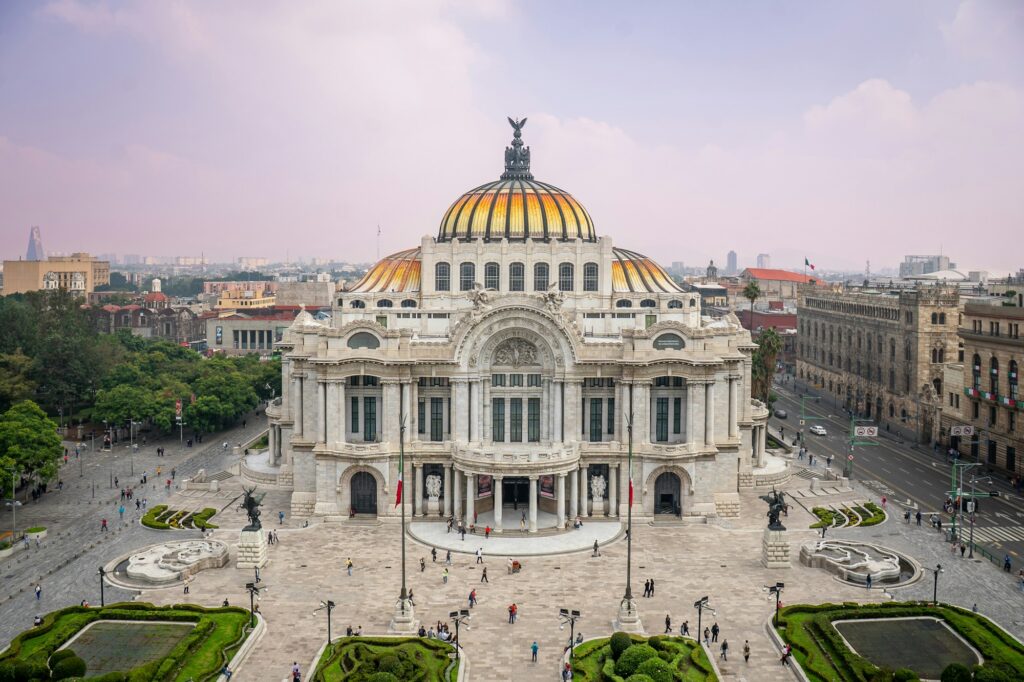
El Grito de la Independencia 2026 takes place on Tuesday 15 September at Mexico City’s Zócalo, with the president stepping onto the National Palace balcony at 11pm local time (Mexico City is UTC-6). Around 280,000 people turned out for the 2025 edition. The Zócalo metro station closes completely that night, so aim to arrive between 6pm and 8pm via Bellas Artes or Pino Suárez, before access points get congested after 9pm. Pack light, skip the umbrella and anything sharp: bag searches are routine at every entry point.
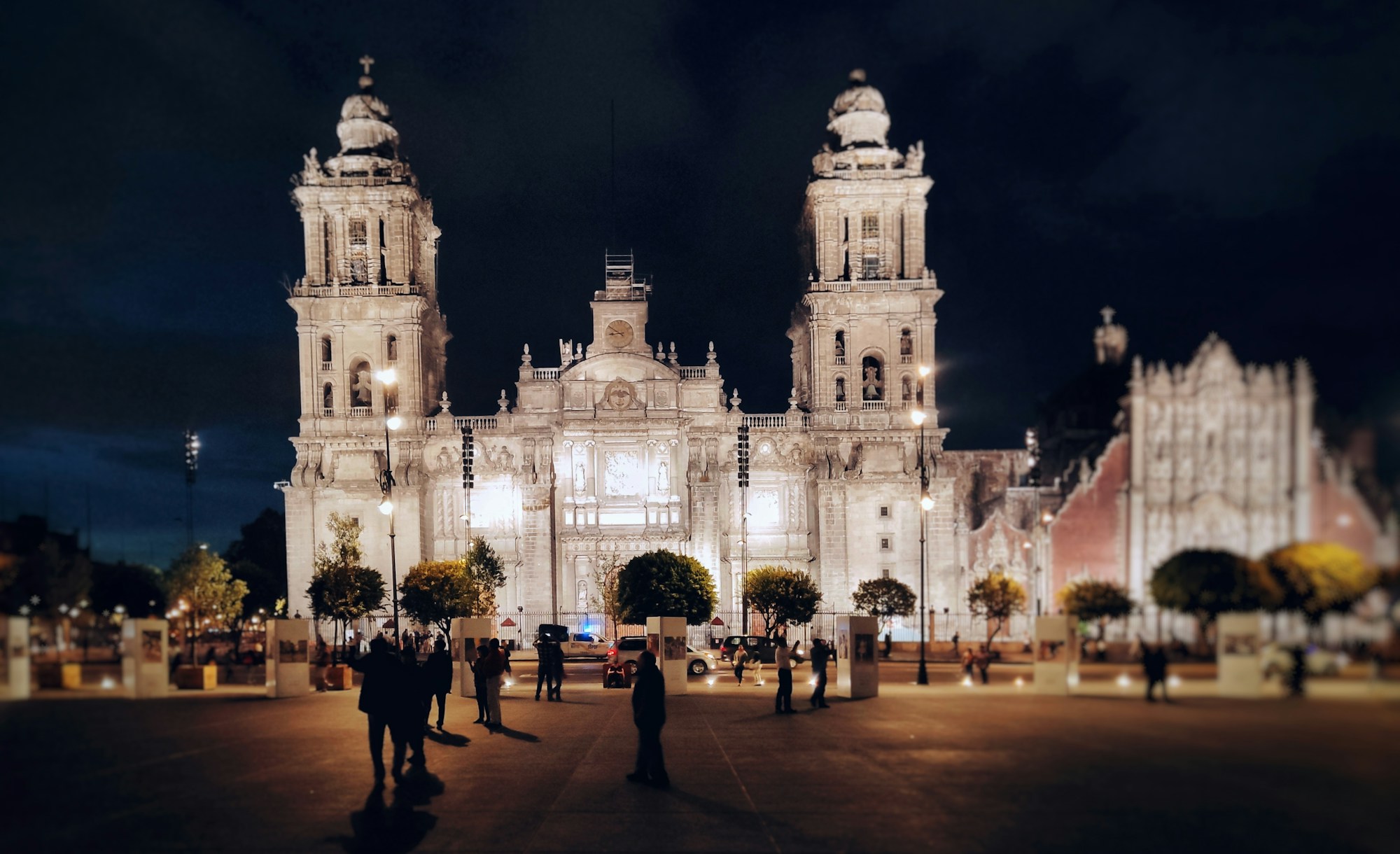
Every 15 September evening, Mexico City’s historic centre turns into the country’s biggest patriotic party. In 2026, the ceremony falls on Tuesday 15 September, with a free concert from early evening, a presidential Grito delivered at exactly 11pm from the National Palace balcony, then a civil-military parade the next day, Wednesday 16 September, a public holiday nationwide. Year after year, the mood stays that of a good-natured street party, but a recent event is a reason to plan the evening with a bit more care: the fatal crush on 30 June 2026 at the Ángel de la Independencia, which happened at a completely different gathering, is a reminder of just how much a dense Mexico City crowd deserves forward planning. Here’s how to experience the Zócalo that night, or, like most of the city’s own residents, pick an alternative that’s just as festive and a lot calmer.
1. El Grito 2026 at the Zócalo, in brief
A two-century-old ritual, timed to the minute
On the night of 15-16 September 1810, the parish priest Miguel Hidalgo y Costilla rang his church bell in Dolores, in what’s now the state of Guanajuato, and called his congregation to take up arms against Spanish colonial rule. The exact wording of his speech was never recorded, but the gesture set off a ten-year war of independence, ending with the official proclamation on 28 September 1821, according to Wikipedia. The original bell, moved to Mexico City’s National Palace in 1896, still rings there every year: it’s the one the president sounds before shouting the three « ¡Viva México! » that close the ceremony.
For 2026, the date is confirmed without ambiguity: the presidential Grito is delivered on Tuesday 15 September at 11pm Mexico City time (UTC-6), a slot that’s been all but fixed for decades, according to El Universal. The free concert that opens the evening usually starts around 8pm: in 2025, La Arrolladora Banda El Limón, Alejandra Ávalos and Legado de Grandeza performed, though that line-up only applies to last year’s edition, according to Ejecentral. For 2026, only the band Intocable has announced a free concert of its own for the same night, with no official government confirmation so far, according to Infobae: in 2025, the Zócalo’s official line-up wasn’t unveiled until 2 September, just thirteen days before the event. It’s worth checking the final programme right before you travel rather than relying on an unofficial announcement.
This will be the second edition led by Claudia Sheinbaum, who became in 2025 the first woman in 215 years to deliver the Grito from the presidential balcony, according to the official presidency website. The following day, Wednesday 16 September, a national public holiday, a civil-military parade crosses downtown between Campo Marte and the Zócalo, usually in late morning, though the exact 2026 timing hadn’t been officially republished as of this research.
Highlights
- The same ritual for decades: the Dolores bell, the flag, a triple « ¡Viva México! », the national anthem, fireworks
- Live coverage on Televisa, TV Azteca and Canal Once for anyone who’d rather follow the ceremony from a distance
- 16 September, a public holiday, extends the celebrations with the civil-military parade downtown
Before joining the evening crowds, the afternoon is a good time to explore the Centro Histórico around the square: its streets tell the same layered history the Grito calls up every year, from pre-Hispanic traditions through to colonial influence.
2. Getting to (and away from) the Zócalo on 15 September
The Zócalo station closes completely: three alternatives worth knowing
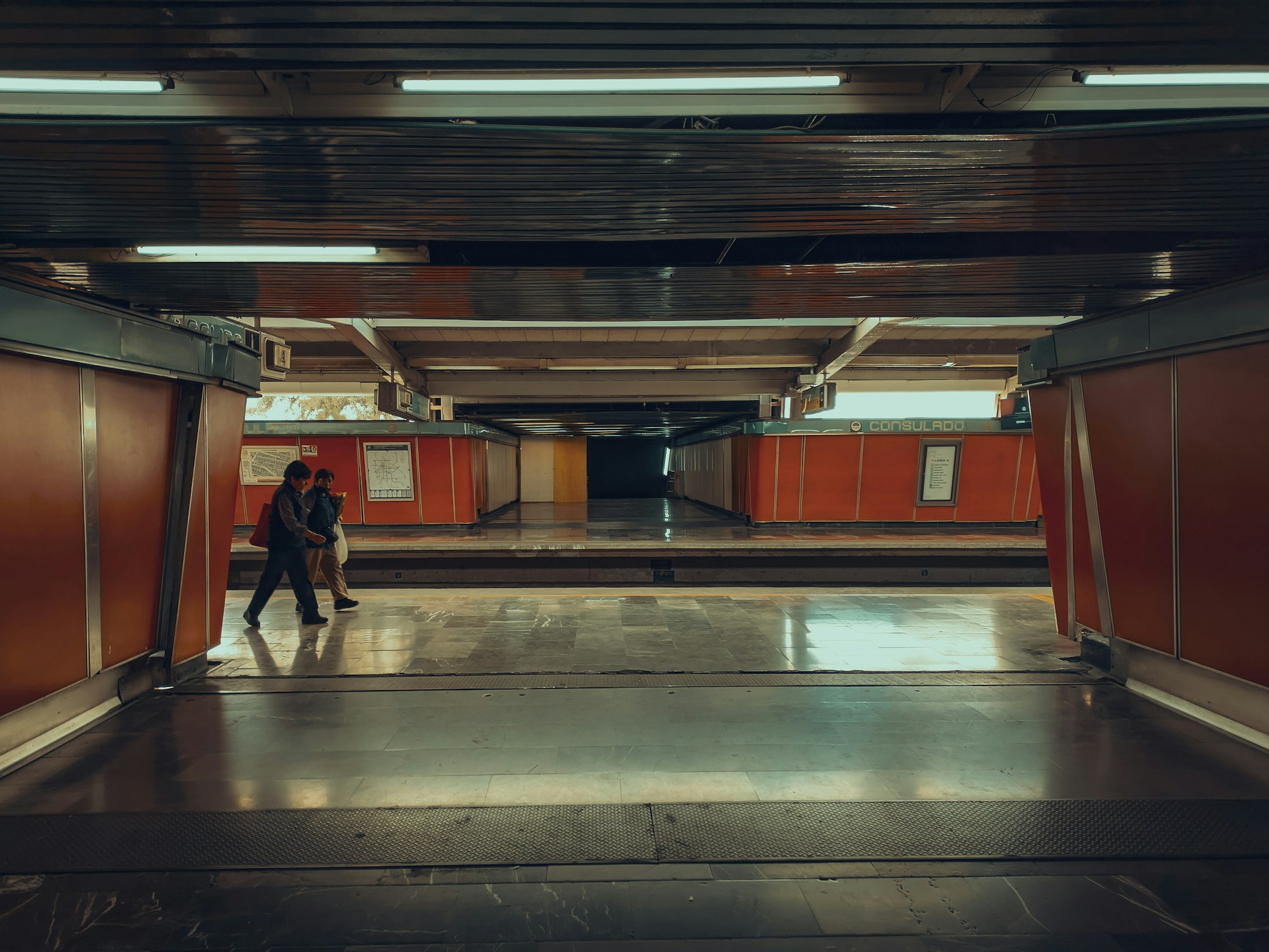
The Zócalo/Tenochtitlán metro station (Line 2) shuts completely for the whole event period, usually from 14 September through to the 16th or 17th, a consistent pattern reported every year by Milenio. The nearest stations still open are Bellas Artes and Allende on Line 2, Pino Suárez on Lines 1 and 2, plus Salto del Agua and San Juan de Letrán, a short walk from the Centro Histórico. The network extends its hours that night, staying open until midnight instead of the usual closing time.
Several streets around the square close to traffic from around 8pm on 15 September: 20 de Noviembre, 16 de Septiembre, 5 de Febrero, Madero, 5 de Mayo, Tacuba and the surrounding roads. The next day, the Metrobús Line 4, which happens to serve the airport, has its southern branch suspended through the morning until around 3pm because of the parade — worth planning around if your flight lands on 16 September.
Pedestrian security checkpoints with routine bag searches are set up at every access point. The list of banned items stays stable year to year, according to El Universal: alcohol, weapons, sharp objects, pyrotechnics, aerosols, flagpoles (the fabric flag alone is fine), umbrellas (a poncho is usually let through), helmets, selfie sticks, laser pointers, glass bottles and flasks. Travel light: phone, a bit of cash, and not much else.
The recommended timing comes up consistently across sources: arrive between 6pm and 8pm. Past 9pm, access points get noticeably congested, and there’s a real risk of not getting onto the square at all after 10pm, according to Casa Goliana. Once the ceremony wraps up, plan on a 20-30 minute walk before looking for transport: Uber and Didi are still around, but surge pricing is very likely once the crowd starts to disperse.
Highlights
- Bellas Artes and Pino Suárez remain the closest stations still open that night
- Keep your bag light and see-through: searches are routine at every access point
- Walk for 20-30 minutes before hailing an Uber, rather than waiting around on the spot
3. Security: the usual set-up, and extra caution after 30 June 2026
A tried-and-tested operation, and a recent reminder about dense crowds
In 2025, around 13,000 police officers were deployed for the whole Fiestas Patrias operation, according to aggregated Mexican press coverage. That’s the latest official figure available: no detailed, specific 2026 figure had been republished as of this research, so it would be inaccurate to present it as this year’s number. The Centro Histórico does, however, keep the infrastructure legacy of the 2026 World Cup, which has just wrapped up in the city: more than 30,000 new surveillance cameras and 185,000 new lighting points were installed across Mexico City, according to El Universal.
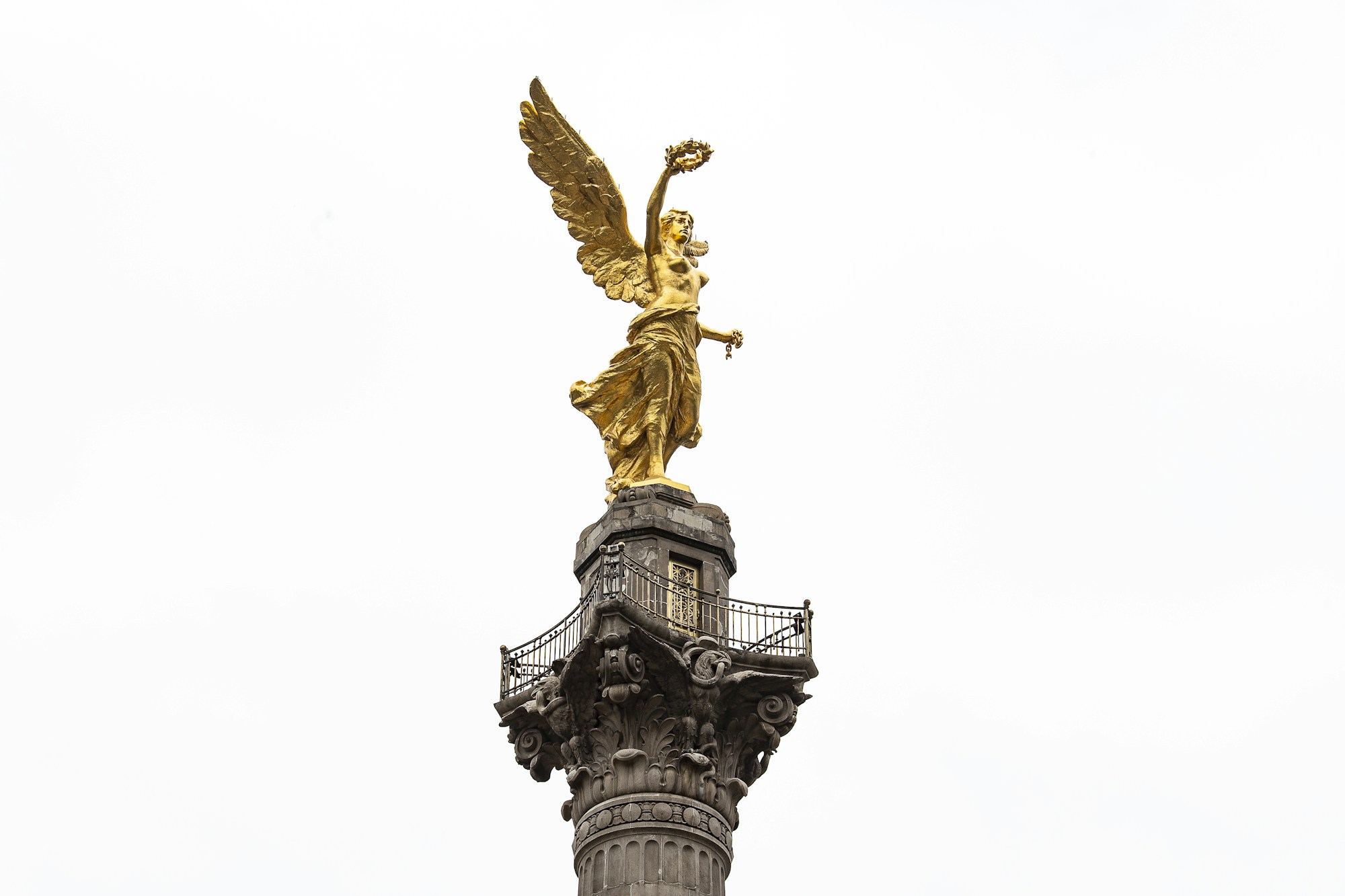
One recent event is worth mentioning for what it underlines, no more. On 30 June 2026, a fatal crush killed four people by asphyxiation at the Ángel de la Independencia, on the Paseo de la Reforma, during celebrations for Mexico’s World Cup win, a gathering of around a million people, according to Infobae. Witnesses cited by La Silla Rota believe the entry and exit protocol wasn’t properly followed that night. This didn’t happen at a Grito, but at a completely different gathering: no official announcement links that day to any specific, quantified strengthening of the Grito 2026 operation. It’s still a useful reminder of the caution worth taking in a crowd that dense: spot your exits before the square fills up, and if the crowd suddenly surges, never push straight back against it — step sideways instead.
One other thing visitors sometimes notice: metal barriers have been visible around the Zócalo during large gatherings since late 2025, after a protest that turned volatile near the National Palace. The president herself has publicly told tourists that the measure is about safety, not repression, according to Grupo Animal.
Highlights
- Useful numbers: 911 for general emergencies, 078 for national tourist assistance
- The Mi Policía app (SSC CDMX), with a tourist police module and geolocated panic button
- CDMX tourist police reachable 24/7 on 55 4891 1166
4. If the square is packed: Roma Norte, Condesa and other options
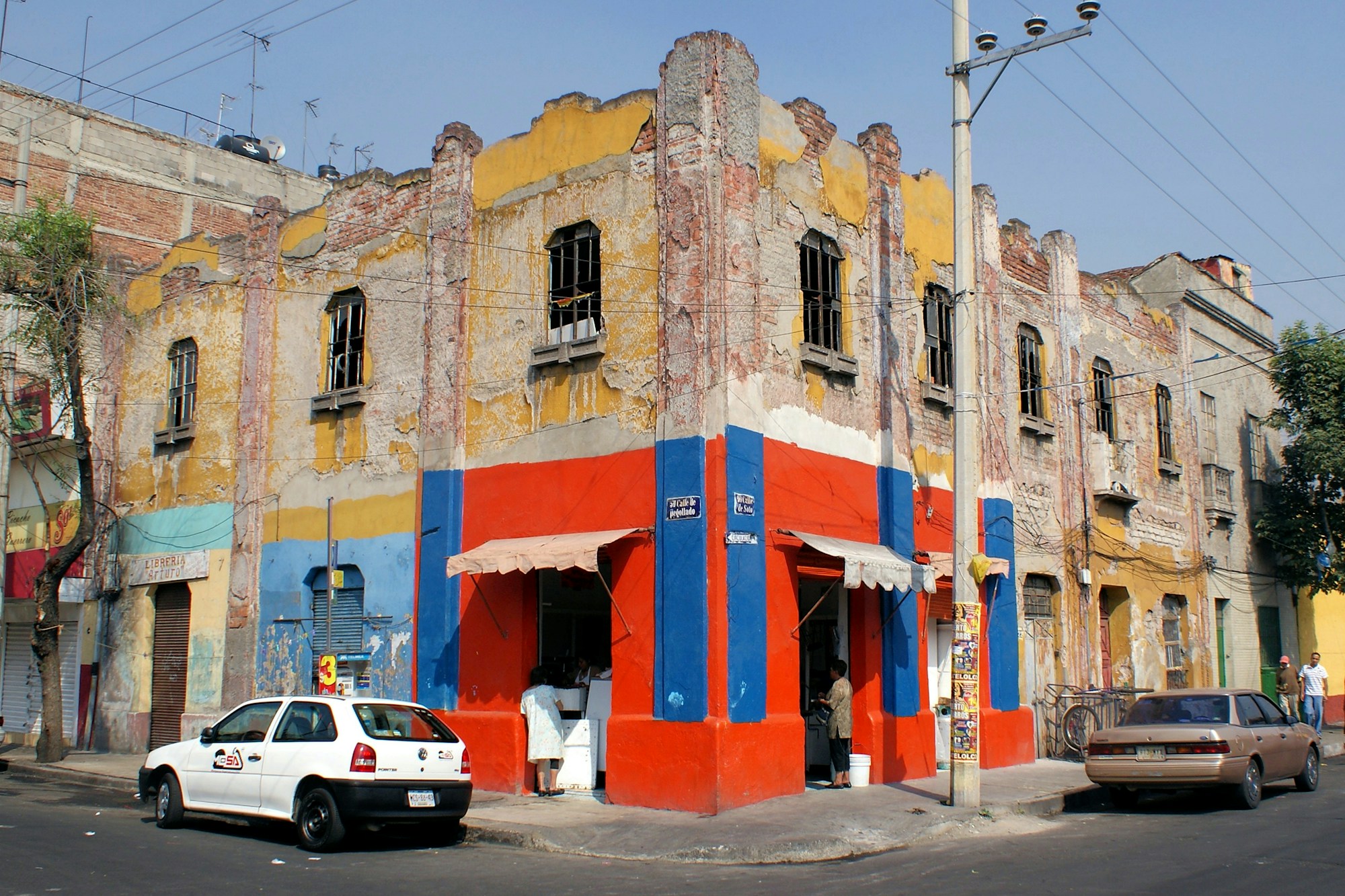
Most Mexico City residents themselves don’t go to the Zócalo
A counter-intuitive but well-documented fact: most Mexico City residents don’t actually go to the square on Grito night. They’d rather follow the ceremony on TV or a screen, with a chair and dinner within reach, than in the crush, according to Central Hoteles. It’s an angle worth taking seriously: experiencing the Grito doesn’t have to mean being squeezed onto the square.
Roma Norte and Condesa, neighbouring districts known for their nightlife and Art Deco architecture, are packed with bars and restaurants screening the ceremony, with rooftop terraces open after midnight for watching the fireworks from a distance. Coyoacán, home to Frida Kahlo’s Casa Azul, offers a smaller-scale, more family-friendly neighbourhood celebration: our guide to things to do in Coyoacán covers how to make the most of it by day before picking your evening plan. San Ángel, a bit further south, is an even quieter alternative.
For families or anyone not keen on crowds, the national TV broadcast (Televisa, TV Azteca, Canal Once) and the government’s official channels remain the zero-hassle option. And several Centro Histórico hotels offer a direct view of the Zócalo from their rooftop, a comfortable way to follow the whole evening without the density of the square itself.
Highlights
- Roma Norte: bars, restaurants and rooftops, just 20-30 minutes from the Zócalo
- Coyoacán and San Ángel: neighbourhood atmosphere, away from the density of the centre
- National TV broadcast: the simplest option with young kids in tow
Exploring Roma Norte by day, before the evening itself, is also a chance to see another side of Mexico City: its neighbourhood food scene, away from the most touristy addresses downtown.
5. Planning your trip: flights, visa, budget and weather from the UK
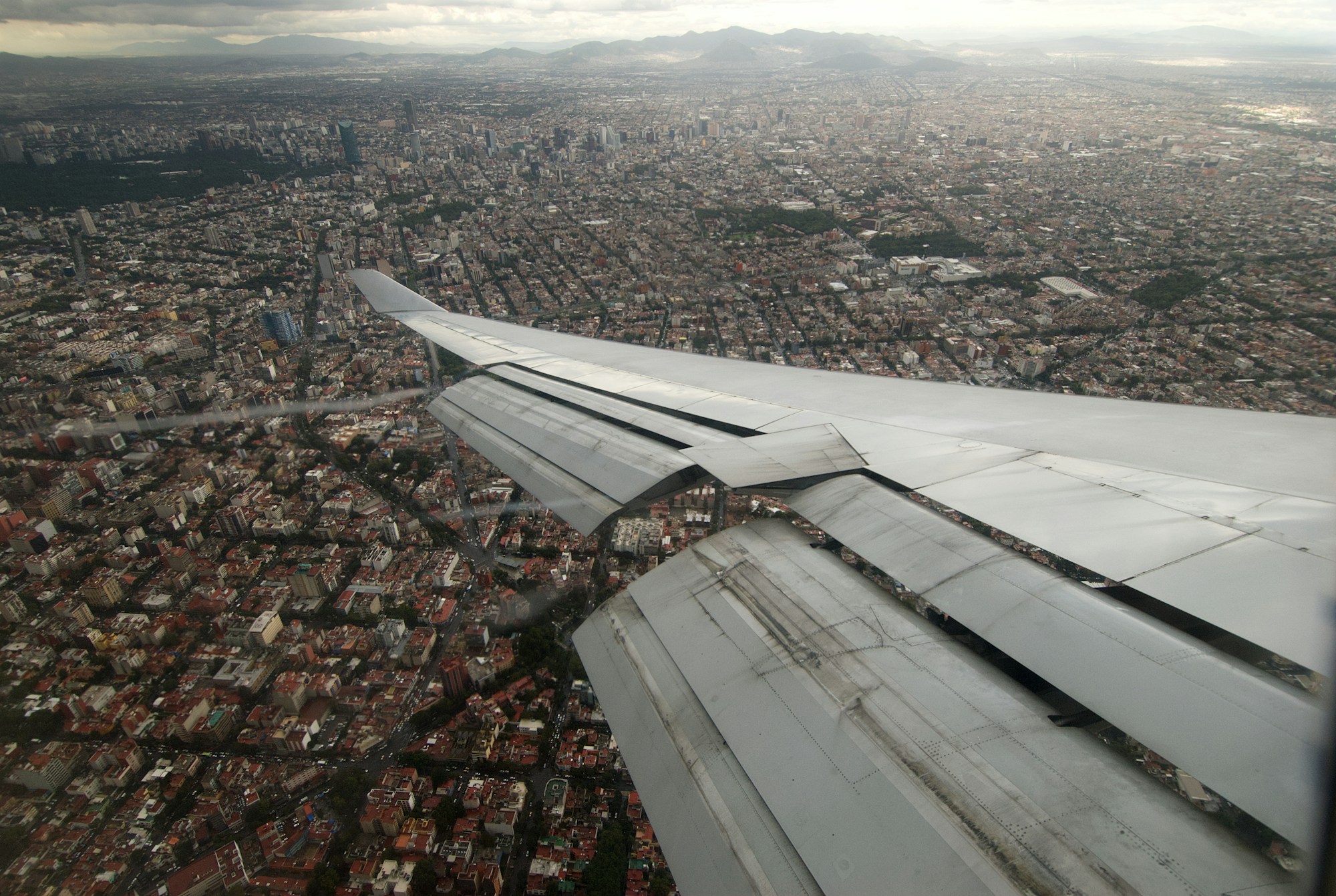
No visa needed, but budget for peak hotel prices
From London, British Airways and Aeroméxico both fly nonstop to Mexico City out of Heathrow, with around 14 combined direct departures a week and a flight time of roughly 12 hours. For British citizens, no visa is required for a tourist stay of up to 180 days: your passport needs to remain valid for the length of your trip, and the usual practical advice is to keep at least six months’ validity in hand, together with the FMM (Forma Migratoria Múltiple) form, typically handed out on the incoming flight or completed on arrival, according to the UK government’s official travel advice. Our full guide to Mexico entry requirements for UK travellers covers the wider picture.
15 and 16 September see the highest hotel prices of the year in Mexico City: book by late August if you want a room in the Centro Histórico. Several hotels look straight out over the Zócalo, among them the Gran Hotel Ciudad de México and Zócalo Central & Rooftop. Roma Norte and Condesa remain a cheaper, statistically safer alternative, at the cost of a 20-30 minute journey to the square. On daily spending, budget between 200 and 600 pesos (roughly €10-30) for a restaurant meal, and barely 5 pesos for a metro ride. Skip the airport currency exchange counter, whose rate runs well below the one Banxico, Mexico’s central bank, publishes daily, according to Wise.
Mid-September falls in the rainy season: expect around 22 to 23°C by day and 12°C at night, with showers typically clustering in the late afternoon and evening, according to Rough Guides. Pack layers and a waterproof jacket or poncho rather than an umbrella, which is often turned away inside the Zócalo’s security perimeter. Travel insurance isn’t required for entry, but it’s strongly recommended: Mexican hospitals generally don’t take foreign health insurance as direct payment. Our 2026 travel insurance comparison can help you pick the right cover before you go.
Highlights
- Direct flight with British Airways or Aeroméxico from London Heathrow, about 12 hours
- No visa needed for a tourist stay under 180 days, FMM form required
- Book your hotel by late August: prices climb sharply this exact weekend
Practical info for British travellers
To stay connected without relying on public wifi, especially if you need to open the Mi Policía app, compare eSIM plans in our 2026 travel eSIM comparison, or go straight for Airalo below.
Data ready the moment you land in Mexico City, no hunting for a local operator or swapping SIM cards.
From $4.50 for 1GB / 7 daysMexican hospitals generally don’t accept foreign health insurance as direct payment: cover for the whole trip is strongly recommended.
From $56 / 4 weeksFrequently asked questions
What’s the exact date of El Grito 2026?
The presidential ceremony takes place on Tuesday 15 September 2026 at 11pm Mexico City time (UTC-6). Wednesday 16 September is a national public holiday, with the civil-military parade, according to Milenio.
What time should I arrive at the Zócalo to get a good spot?
Between 6pm and 8pm. Past 9pm, access points get noticeably congested, and there’s a real risk of not being able to get onto the square at all after 10pm, according to Casa Goliana.
Is the Zócalo metro station open that night?
No, it closes completely for the whole event period. Use Bellas Artes, Allende or Pino Suárez, then walk to the square, according to Milenio.
What items are banned from the Zócalo?
Alcohol, weapons, sharp objects, pyrotechnics, aerosols, flagpoles, selfie sticks, laser pointers, glass and umbrellas (a poncho is fine). Bag searches are routine at every access point, according to El Universal.
Is it dangerous to attend El Grito after the fatal crush in June 2026?
That tragedy happened at a completely different gathering, at the Ángel de la Independencia during the 2026 World Cup celebrations, not at a Grito. It’s mainly a reminder to be careful in dense crowds, a principle that applies to any big Mexico City gathering, and no official announcement points to any heightened risk specific to Grito 2026, according to Infobae.
Where can I watch if I’d rather avoid the Zócalo crowds?
Bars and restaurants in Roma Norte or Condesa with a screen, Centro Histórico hotel rooftops with a direct view, or simply the national TV broadcast. Most Mexico City residents themselves choose these options, according to Central Hoteles.
Do British citizens need a visa to visit Mexico?
No. UK passport holders can enter Mexico visa-free for tourist stays of up to 180 days, provided their passport covers the length of the trip and they complete the FMM form, according to the UK government’s official travel advice.
Sources
- Milenio: official date and time for El Grito 2026
- El Universal: exact time of the president’s balcony appearance
- Wikipedia: history of the Grito de Dolores and Miguel Hidalgo
- Gobierno de México: Claudia Sheinbaum, the first woman to lead the ceremony
- Infobae: unofficial announcement of the Intocable concert for 2026
- Ejecentral: line-up and schedule for the 2025 edition
- Milenio: street closures and transport alternatives
- El Universal: list of banned items on the Zócalo
- Casa Goliana: timing advice for getting into the square
- Ejecentral: official 2025 attendance figure
- Infobae: fatal crush on 30 June 2026 at the Ángel de la Independencia
- La Silla Rota: witness accounts on how the access protocol was handled
- El Universal: 2026 World Cup infrastructure legacy for Mexico City
- Grupo Animal: explanation of the security barriers around the Zócalo
- Central Hoteles: alternatives for following El Grito away from the Zócalo
- Rough Guides: September weather in Mexico City
- Wise: euro/peso exchange rates and currency exchange advice
- GOV.UK: official UK travel advice, Mexico entry requirements
- GOV.UK: British Embassy Mexico City, address and contact details
- Flightconnections: London Heathrow-Mexico City nonstop route details
Research conducted on 25 August 2026.

Plan your trip with Pixidia
Pixidia learns how you travel and helps you build a trip that truly fits you and everyone coming along.
Open the planner