
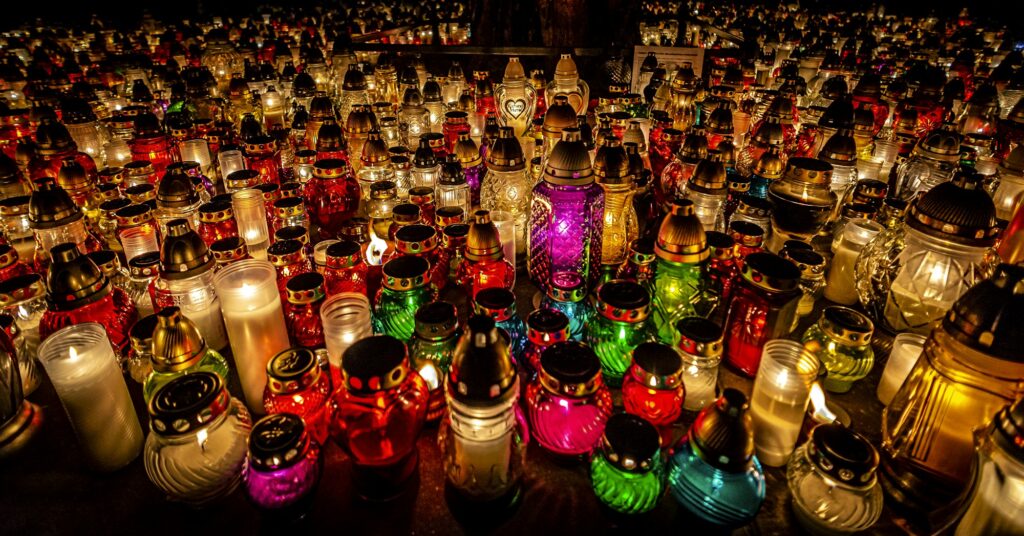
Zaduszki, All Souls’ Day, falls on Monday 2 November 2026, but it’s on Sunday 1 November, the All Saints’ public holiday (Wszystkich Świętych), that the whole of Poland lights its znicze, the grave candles, in the cemeteries. 2 November isn’t a public holiday, and the shops are shut on the 1st. The sun sets around 4.07pm in Warsaw (3.07pm UK time). Arrive at dusk by metro, and save the evening of the 2nd for a quieter visit.
On 1 November, Poland doesn’t head off for a long weekend: it goes to the cemetery. From late afternoon, hundreds of thousands of little red, orange and white flames turn the necropolises into silent fields of light. It isn’t a tourist attraction, it’s a family and religious occasion, and that’s exactly what makes it so moving for a traveller who knows how to approach it. Here’s how to understand the tradition, pick your cemetery and plan your trip in 2026, a year when the calendar throws in a twist.
Zaduszki 2026: a public holiday on Sunday, a working Monday
1 November 2026 falls on a Sunday. According to TVN24, no compensatory day off is owed when a public holiday lands on a Sunday (Article 130 of the Polish Labour Code). As for Monday 2 November, it stays a normal working day: on 13 May 2026 the Sejm’s petitions committee rejected the request to make it a holiday, according to Infor.pl. So there’s no official four-day bank-holiday-style weekend like the ones you know from the UK: plenty of Poles will take Monday off or set out as early as Friday 30 October.
The calendar at a glance
- Friday 30 October: mass exodus from the cities, especially between 4pm and 7pm in 2025. Skip the car and book your train.
- Saturday 31 October: last shopping day, shops open. A first visit at dusk is possible, with fewer people around.
- Sunday 1 November: public holiday, nearly all shops closed, peak crowds at the cemeteries.
- Monday 2 November: Zaduszki, with Masses and processions, on a working day. The evening is the best compromise for a visitor from abroad.
- 3 to 7 November: Krakowskie Zaduszki Jazzowe in Kraków.
All Saints and All Souls: two feasts, one day
Wszystkich Świętych, on 1 November, honours all the saints. Zaduszki (or Dzień Zaduszny), on 2 November, commemorates all the faithful departed: the date was instituted around 998 by Odilo of Cluny in Cluniac monasteries, according to Wikipedia. Sources differ on when it reached Poland (12th or 14th century), so « since the Middle Ages » is the safe way to put it. In practice, Poles merge the two dates and visit graves on the 1st, the public holiday; the Mass for the dead and the procession tend to take place on the 2nd.
Under communism the feast was renamed « Dzień Zmarłych », Day of the Dead. Both names coexist today. Behind the liturgy lies Dziady, a very old Slavic rite in which meals and fires were offered to the ancestors, immortalised by the poet Adam Mickiewicz in his drama Dziady, written between 1822 and 1832. During the octave from 1 to 8 November, the Catholic Church also grants a plenary indulgence applicable to the dead, under certain conditions, which explains why visits are spread across the week.
The attachment to the tradition is huge, even if the figures are dated: a survey cited by RMF in 2012 put grave visits at 97%, and in 2021 only 14% of Poles polled by IBRiS (via SWPS) said they didn’t plan to go. For comparison, another great night of candles and remembrance takes place in Oaxaca, though in a far more festive register: we tell the story in our guide to Día de Muertos in Oaxaca.
Warsaw: Powązki, the memory of the nation
Stare Powązki, Powązki Wojskowe, Bródno and Okopowa
The Stare Powązki cemetery (ul. Powązkowska 14) is the capital’s most emblematic. Founded on 4 November 1790, it covers 43 hectares and holds more than a million burials, according to Wikipedia. Reymont, Prus, Kieślowski, Irena Sendler and Agnieszka Osiecka rest here, among 19th-century chapels and sculptures. At nightfall the main avenue becomes a river of light. Close by, Powązki Wojskowe (1912), a military cemetery where the 1944 insurgents lie, carries a very strong patriotic charge, and Bródno (1884) is one of the city’s largest necropolises.
In 2025, the city authorities ran 27 dedicated cemetery lines, with around 1,300 buses and 250 trams, special services from 7am to 7pm on 1 November and from 9am to 5pm on the 2nd, and three lines (C11, C22, C80) extended to 9pm for Powązki, according to the ZTM as relayed by TVN24. These are 2025 timetables, given here as a precedent: the city publishes its 2026 plan around 20-25 October. Powązkowska and Okopowa streets are restricted to traffic on those days. The M1 metro remains the most reliable option, with the last 500 metres on foot.
Highlights
- After 3pm the cemetery thins out a little and the mood becomes more reflective (a TVN24 observation from 2025).
- A street collection (kwesta) funds the restoration of old graves: in 2025, for its 51st edition, it raised 263,000 PLN with around 350 volunteers. The 2026 dates haven’t been announced yet.
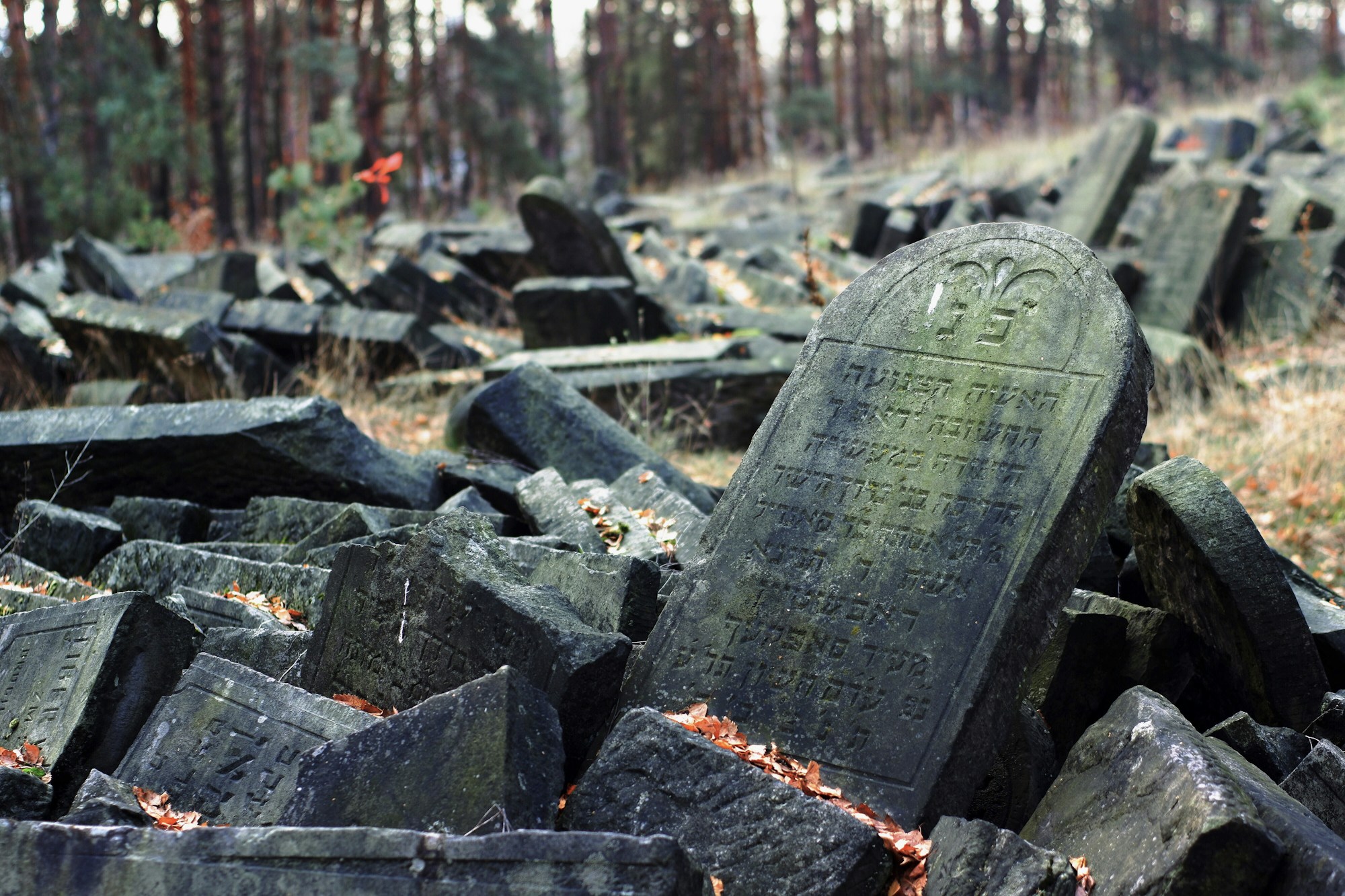
- The Jewish cemetery on Okopowa (1806, 33 ha, more than 200,000 gravestones) is visited differently: you leave small stones, not flowers or candles, and you do it discreetly.
Kraków: Rakowicki, the cemetery richest in stories
Cmentarz Rakowicki, Podgórski and Salwator
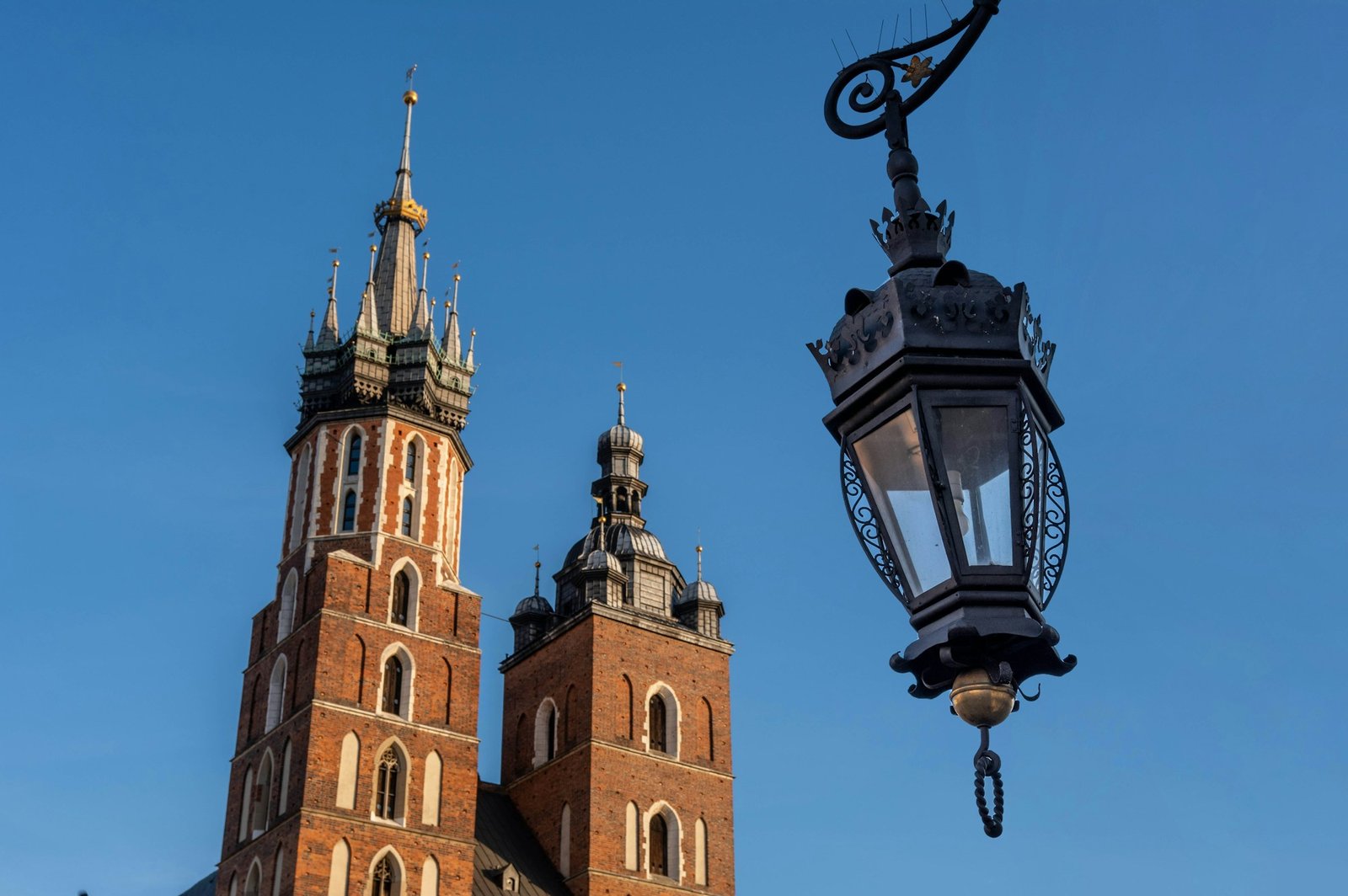
The Rakowicki cemetery (ul. Rakowicka 26) was founded in 1803 and covers 42 hectares. Matejko, Helena Modrzejewska, Wisława Szymborska and Tadeusz Kantor rest here, according to Wikipedia. For a visitor from abroad, it’s arguably the richest atmosphere: old graves under the trees, columbarium walls and carpets of candles. Local artists join the annual collection for the restoration of monuments: more than 74,000 PLN was raised on 1 November 2025 for the 45th edition, according to figures relayed by the local press.
Precedent opening hours, published by the city in 2025: 27 to 30 October from 7am to 8pm, 31 October until 10pm, 1 November from 6am until the last visitor, 2 November from 7am to 10pm. The normal October-to-March hours are 7am-6pm. The 2026 hours will be published later: check zck-krakow.pl. In 2025 there were first-aid posts (Rakowicki, 10am-6pm) and the Straż Miejska offered free parking on ul. Dobrego Pasterza 116, but you’re better off coming by tram, on lines 81 to 85.
Highlights
- Kraków set up 11 « zniczodzielnie », candle reuse points, in 2025.
- Podgórski cemetery, with Krakus Mound, still hosts a « pagan » celebration on 2 November, a legacy of Dziady.
- In 2025, Wawel Castle and the Museum of Kraków were closed on 1 November: check the 2026 hours before building your itinerary.
Szczecin, Wrocław and the rest of the country
Szczecin’s « forest of the dead » and the big cities of the west and north
In Szczecin, the Cmentarz Centralny, opened on 6 December 1901 on the model of Ohlsdorf in Hamburg, covers around 170 hectares (sources give 168 to 172) and holds more than 300,000 burials: it’s Poland’s largest cemetery and the third largest in Europe, according to ZUK Szczecin. In 2025 it stayed open on 1 November from 7am to 2am, with Masses at 9am, noon and 3pm, and a procession after the midday Mass. If you take photos, do so without flash and without framing families.
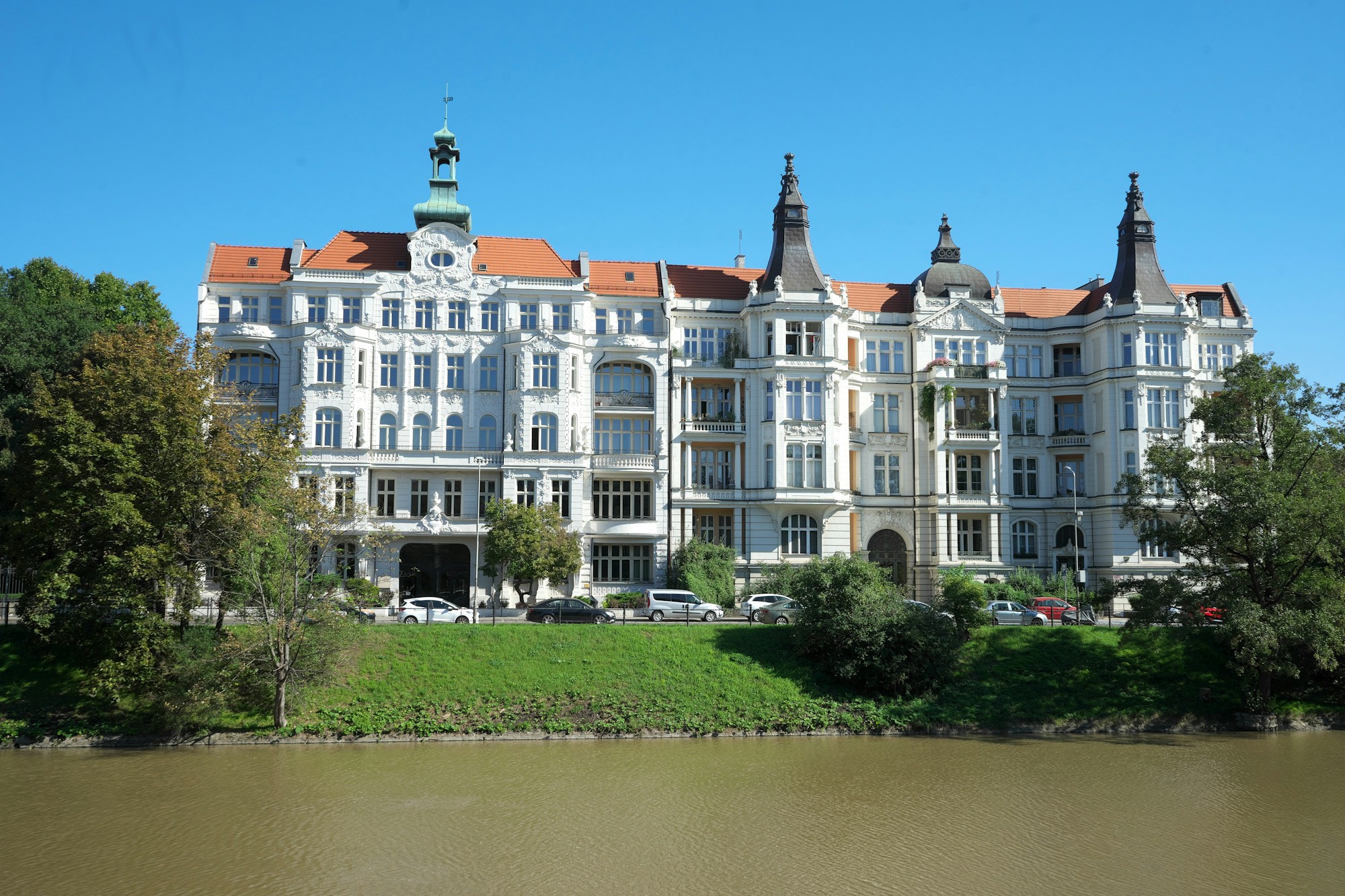
In Wrocław, the city has announced that for 2026 cars will be banned from municipal cemeteries from 25 October to 2 November (wroclaw.pl). The Osobowicki (ul. Osobowicka 59) and Grabiszyński (ul. Grabiszyńska 333) cemeteries are the two best known. In 2025 they were open 24 hours a day from 30 October to 3 November: treat that as a precedent, to be confirmed. In Poznań and Łódź, public transport was free on 1 November 2025; in Gdańsk, direct lines (C10, C27, C80) were beefed up. In every case, the 2026 plans come out around 20-25 October.
Highlights
- Szczecin: around 415 species of trees and shrubs, a 21-stop trail and a 77 m neo-Romanesque gate.
- Zakopane: the Pęksowy Brzyzek cemetery holds around 500 graves and 250 notable figures, at the foot of the Tatras. Expect snow and bitter cold.
- Beyond the borders, Polish memory is also honoured in Lviv (Łyczaków) and Vilnius (Rossa). For Ukraine, check the FCDO travel advice first.
Visiting without intruding: the gestures that matter
1 November isn’t a show, it’s a moment of quiet remembrance. Local guides such as In Your Pocket agree on a few simple principles.
- Come at dusk, around 4.15-5pm, rather than in the midday crowd. The candle peak lasts until about 8pm.
- Walk slowly and keep your voice down, and let families and older people pass.
- No flash, no drones, and no close-ups of relatives at prayer. Stick to wide shots.
- You can light a candle on an abandoned grave or a war memorial: it’s a gesture locals appreciate. Buy one at the entrance, a few PLN will do.
- Touch nothing: no decorations, no candles, and don’t step on graves.
- Dress soberly: no Halloween costumes, a celebration that only about 15% of Poles take part in (SWPS, 2025).
- No dogs in Kraków (city resolution from 2020); check the rules elsewhere.
- Keep your bag in front of you: police report pickpockets near the big necropolises.
Znicze by the numbers: a light that leaves a trace
Poland reportedly buys around 300 million znicze a year and makes nearly two-thirds of the world’s candles, according to 2017 estimates from Rzeczpospolita. These figures are old and cover the whole year, not just the two days of All Saints, but they give a sense of scale. More recently, Polish candle exports are said to have reached €727 million in 2024, the top spot in Europe. On budget, a simple candle glass costs under 10 PLN, a potted chrysanthemum 12 to 35 PLN, and around half of Poles spend 100 to 500 PLN decorating a grave (SWPS).
Then there’s the downside: up to 120,000 tonnes of waste after All Saints, according to press estimates, or 3 to 9 kg per grave. Since 2025, LED and solar candles are classed as waste electrical equipment: they don’t go in the general waste bin, but in the red containers at cemeteries or at the municipal collection point (PSZOK). A fine of up to 5,000 PLN is reportedly provided for, but that’s a theoretical ceiling and enforcement is up to individual municipalities. If you buy a candle, go for a classic one and put it in the right bin, or take it back to a reuse point in Kraków.
After 1 November: concerts, organ music and collections
If you’d like to keep reflecting without going back to a cemetery, November offers a low-key programme. The Krakowskie Zaduszki Jazzowe celebrate their 71st edition from 3 to 7 November 2026, according to the festival’s official website, with a gala at the Kraków Opera on 7 November featuring the singer Grażyna Jopek and a prologue on 31 October in the Wieliczka salt mine. Book tickets on the festival site: no prologue timings are confirmed yet. The Zaduszki Organowe, a series of organ concerts, also run through November.
Our selection of European destinations for the All Saints long weekend can also help you compare if you’re still torn between several getaways.
Planning your weekend: budget, weather, entry rules
For UK travellers, a valid passport is what you need: you can stay in Poland, part of the Schengen area, for up to 90 days in any 180 without a visa. ETIAS, the new €20 pre-travel authorisation, is expected to start in the last quarter of 2026 but no start date was confirmed at the time of writing: check GOV.UK before you book. On budget, made-in-poland.fr gives, for 2026, around €14 to €19 for a dorm bed, €95 to €115 for a three-star hotel and €3.80 to €6.20 for a meal in a bar mleczny, those no-frills milk bars. Direct flights from London run to Warsaw Chopin from Heathrow, Luton and Stansted (about 2 hours 30 minutes), and Stansted also serves Warsaw Modlin; one-way fares start from around £40 on Skyscanner, but prices climb as All Saints approaches, so book early. Poland is one hour ahead of the UK.
On the weather front, the IMGW forecasts a milder-than-normal November 2026, with no reliable forecast for the 1st. Pack a warm coat, gloves, an umbrella and waterproof shoes all the same: paths are often muddy, and the wind blows the candles out. The French government’s travel advice, updated on 16 September 2026, recommends extra vigilance near the borders with Belarus and Ukraine and mentions a measles alert; the rest of the country is at normal vigilance. For the UK position, see the FCDO advice for Poland.
Practical info for your trip
Roaming charges from UK networks vary since Brexit, so check your provider’s daily rate for Poland. An eSIM is handy if you want plenty of data to get around between metro and cemeteries. Compare the options in our 2026 eSIM comparison.
From about €4 (1 GB, 3 days)Your GHIC covers state healthcare in Poland, but not cancellation or repatriation, which still matters for a weekend when trains and hotels fill up fast. Our travel insurance comparison breaks down the cover. Nomad Insurance: global coverage from $56/4 weeks, 10% off via our link.
From $56 / 4 weeksFrequently asked questions
What date is Zaduszki in 2026?
Monday 2 November 2026. Wszystkich Świętych, All Saints’ Day, falls the day before, on Sunday 1 November, a public holiday. It’s on 1 November that Poles visit the cemeteries in huge numbers.
Is 2 November 2026 a public holiday in Poland?
No. On 13 May 2026, the Sejm’s petitions committee rejected the request to make it a holiday. Monday 2 November remains a working day. 1 November, a public holiday, falls on a Sunday and carries no compensatory day off.
Are shops open on 1 November in Poland?
Almost all are closed: it’s a public holiday and a Sunday with trading restrictions. Petrol stations, pharmacies, florists and owner-run shops stay open. Do your shopping on Saturday 31 October; everything reopens on Monday the 2nd.
What time should I go to the cemetery to see the candles?
Between roughly 4.30pm and 8pm, when night falls: the sun sets around 4.07pm in Warsaw on 1 November. The evening of 2 November is less crowded, so quieter for a visitor from abroad.
How many candles are lit in Poland?
Around 300 million znicze are reportedly sold in Poland each year, according to a 2017 estimate. The figure is old and covers the whole year, but it shows the scale of the phenomenon.
Can tourists visit a Polish cemetery?
Yes, with respect: dress soberly, keep your voice down, no flash, and no photos of families at prayer. You can light a candle on an abandoned grave. Dogs are banned in Kraków, and at the Jewish cemetery you leave stones, not candles.
What is the largest cemetery in Poland?
Szczecin’s Cmentarz Centralny: about 170 hectares and more than 300,000 burials, opened in 1901 on the model of Ohlsdorf in Hamburg.
Is public transport free on 1 November?
In several cities, yes: Poznań and Łódź made it free in 2025. In Warsaw, special lines are beefed up without general free travel. Cities publish their 2026 plans around 20-25 October: check them before you travel.
What should I do with a used LED candle?
It counts as electronic waste: don’t put it in the general waste bin. Take it to the red container at the cemetery or to the municipal collection point. A fine of up to 5,000 PLN is reportedly provided for, according to the Polish press.
What’s the difference between Wszystkich Świętych and Zaduszki?
1 November celebrates all the saints; 2 November, instituted around 998 by Odilo of Cluny, commemorates all the dead. In practice, Poles visit graves on the 1st, the public holiday.
Are there concerts around Zaduszki?
Yes, notably the Krakowskie Zaduszki Jazzowe, 71st edition, from 3 to 7 November 2026, with a prologue on 31 October at the Wieliczka salt mine, plus organ concerts throughout November.
Sources
- TVN24: 1 November 2026 on a Sunday, compensatory day off
- Infor.pl: Sejm decision on 2 November 2026
- Wikipedia, Zaduszki: origins of the feast
- Wikipedia, Powązki Cemetery: history and notable burials
- Wikipedia, Rakowicki Cemetery: history and notable burials
- ZUK Szczecin: Cmentarz Centralny
- City of Wrocław: traffic in municipal cemeteries
- MPK Poznań: 1 November 2025 transport
- City of Gdańsk: All Saints 2025 transport
- Kraków Municipal Cemeteries Authority: Rakowicki cemetery
- Krakowskie Zaduszki Jazzowe: 2026 programme
- In Your Pocket: visitor etiquette
- made-in-poland.fr: travel budget in Poland
- GOV.UK, FCDO: foreign travel advice, Poland
- Skyscanner: London to Warsaw flights
- tanszykoszyk.pl: shops on 1 November 2026
Research carried out on 5 October 2026. The 2026 opening hours and transport plans aren’t published yet: 2025 data is cited as precedent.

Plan your trip with Pixidia
Pixidia learns how you travel and helps you build a trip that truly fits you and everyone coming along.
Open the planner