
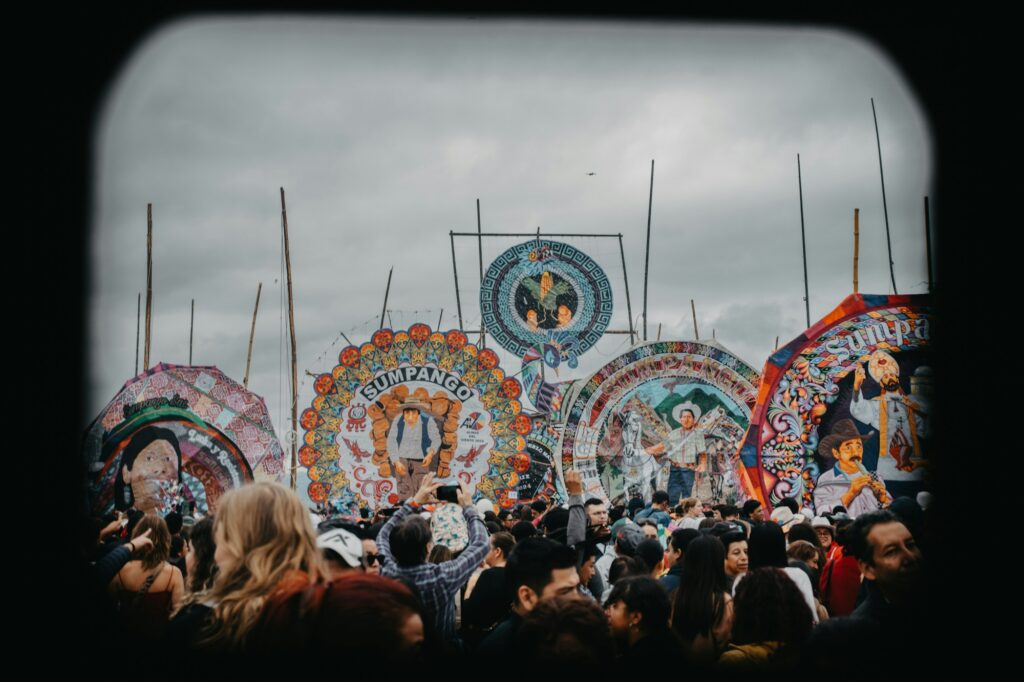
The giant kites (barriletes gigantes) of Sumpango and Santiago Sacatepéquez go up on Sunday 1 November 2026, and entry is free. It is not the festival but the kite-making technique that UNESCO has inscribed on its intangible heritage list, since 2024. At Sumpango the giants stay upright on the ground: only the smaller 4 to 6 metre kites actually fly. Leave Antigua around 6.30am to arrive by about 8am, and pick just one of the two villages.
They are UNESCO-listed, and yet most of them never leave the ground. Two common assumptions fall apart the moment you read up on Guatemala’s giant kites. Every 1 November, All Saints’ Day, Kaqchikel families raise tissue-paper kites, some over 20 metres across, on a football pitch and inside a cemetery, after months of work. It is a celebration, but also a day of remembrance for the dead. Here is what UNESCO really protects, how to choose between Sumpango and Santiago, and how to plan your 2026 day without getting caught out by the crowds or the 2pm shuttle back.
What UNESCO really protects: a skill, not a monument
The word « listed » is misleading. At the 19th session of its committee in Asunción (Paraguay), UNESCO inscribed the technique of making the giant kites of Santiago Sacatepéquez and Sumpango on the Representative List of the Intangible Cultural Heritage of Humanity. The news reached Guatemala on 4 December 2024, according to UNESCO decision 19.COM 7.b.41. So this is neither World Heritage (the category for monuments and sites, where Antigua Guatemala sits) nor the festival itself: what is recognised is the know-how, passed down through families and neighbourhoods.
According to the official UNESCO entry, the technique follows five stages. Makers spend five to seven months on it, according to the Guatemalan Ministry of Culture.
- The design: the group collectively chooses the theme and the drawing.
- The canvas: the visible face, stretched over a bamboo frame.
- The decoration: hundreds of pieces of coloured tissue paper, glued on by hand.
- The lining: the back layer, which stiffens the whole kite.
- The assembly: canvas, lining, fringes and tail, put together just before the big day.
Behind the technique there is meaning. For Kaqchikel communities, the kite links the living and the dead: on 1 November the souls are said to come back and visit their descendants, and the crackle of paper in the wind is believed to keep bad spirits away. The designs also carry messages about the environment, violence or Maya identity. Guatemala has five elements on UNESCO’s intangible heritage lists, including Holy Week (2022) and the Garifuna (2008), according to UNESCO’s Guatemala page.
Sumpango or Santiago Sacatepéquez: pick your village
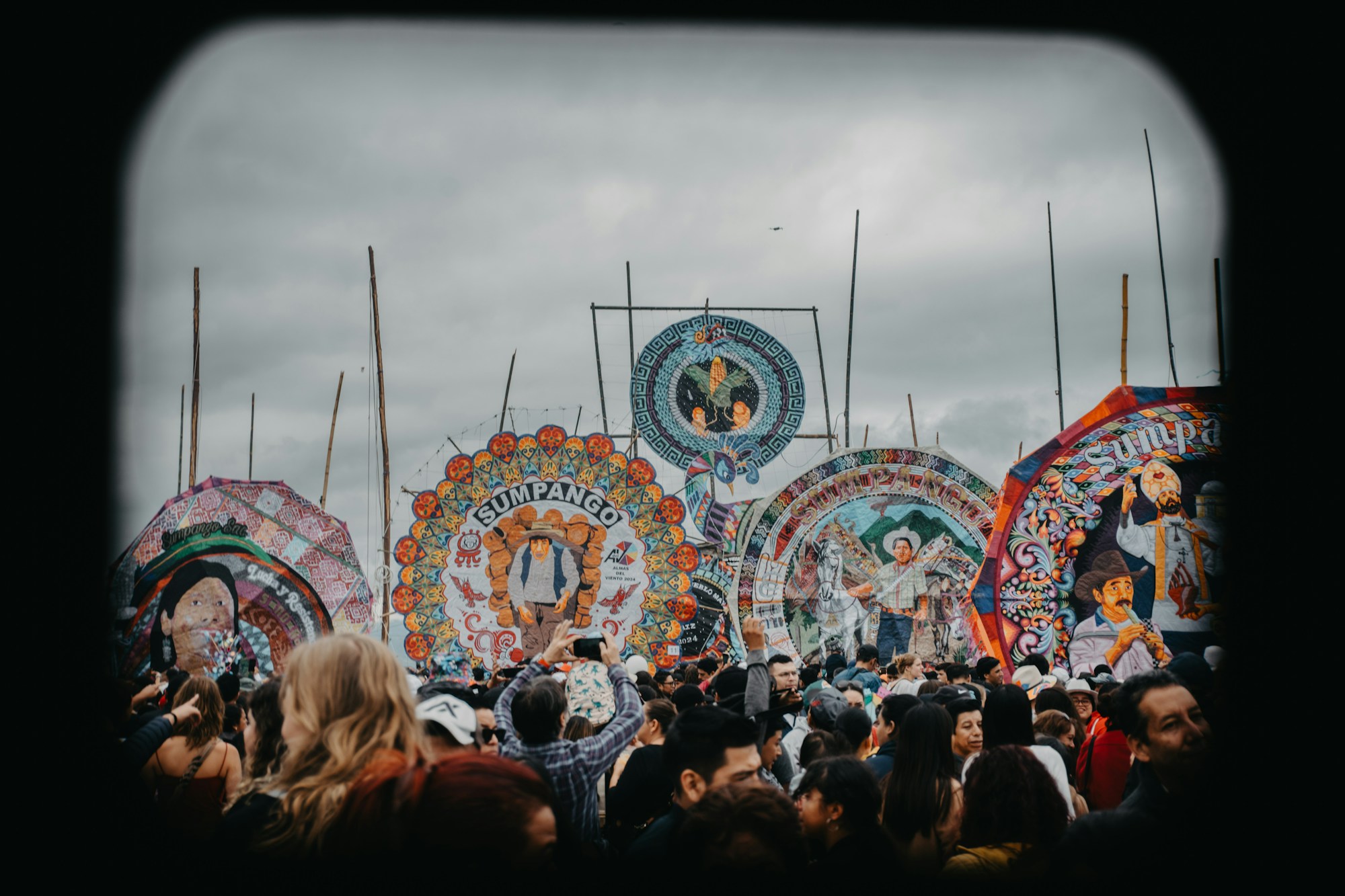
Two villages about twenty minutes apart
Both sites are in the department of Sacatepéquez, north-west of Antigua. Local guides advise against doing both on the same day because of the traffic and the crowds. The table below should help you decide, based on Growing Up Bilingual and the local press.
| Sumpango | Santiago Sacatepéquez | |
|---|---|---|
| Location | Municipal football pitch, next to the cemetery | Inside the main cemetery, on sloping ground |
| Distance from Antigua | About 13 km, 45 min outside festival day | About 25 km, 30 min outside festival day |
| Atmosphere | Big event, crowds of tens of thousands | More intimate and reflective, families settled on the graves |
| The giants | Stood upright, they do not fly | Raised among the graves, they move in the wind |
| Size | Category A from 7 to 20 m in 2025 | Displays of 12 to 18 m and more |
| Best for | The scale and the photos | Remembrance and relative calm |
At Sumpango, the modern festival began in 1978: the committee wanted to revive a fading tradition and held a first competition on the football pitch next to the cemetery. In 2025, for the 47th edition, 50 groups took part, including 11 category A giants. The biggest ones stay on display. It is the 4 to 6 metre kites that catch the wind, around 2pm according to the 2025 programme, as reported by Living in Guatemala.
At Santiago, the 126th edition in 2025 put the giants on display on 1 November from 7am, with flying the next day. Between freshly repainted tombs, you make your way through families who have come to share the day’s meal. On 2 November 2025, a giant kite fell on a child in the wind. He walked away unharmed, according to La Hora: keep your distance whenever one is being lowered.
What to know before you choose
- The 2026 timings are not published: in 2025 the programme came out on 30 and 31 October. The times given here are precedents.
- 1 November 2026 falls on a Sunday public holiday: expect a very full site, especially at Sumpango.
- For attendance, go with « tens of thousands of people, over 100,000 in 2025 according to the local press ».
How to get there from Antigua or Guatemala City
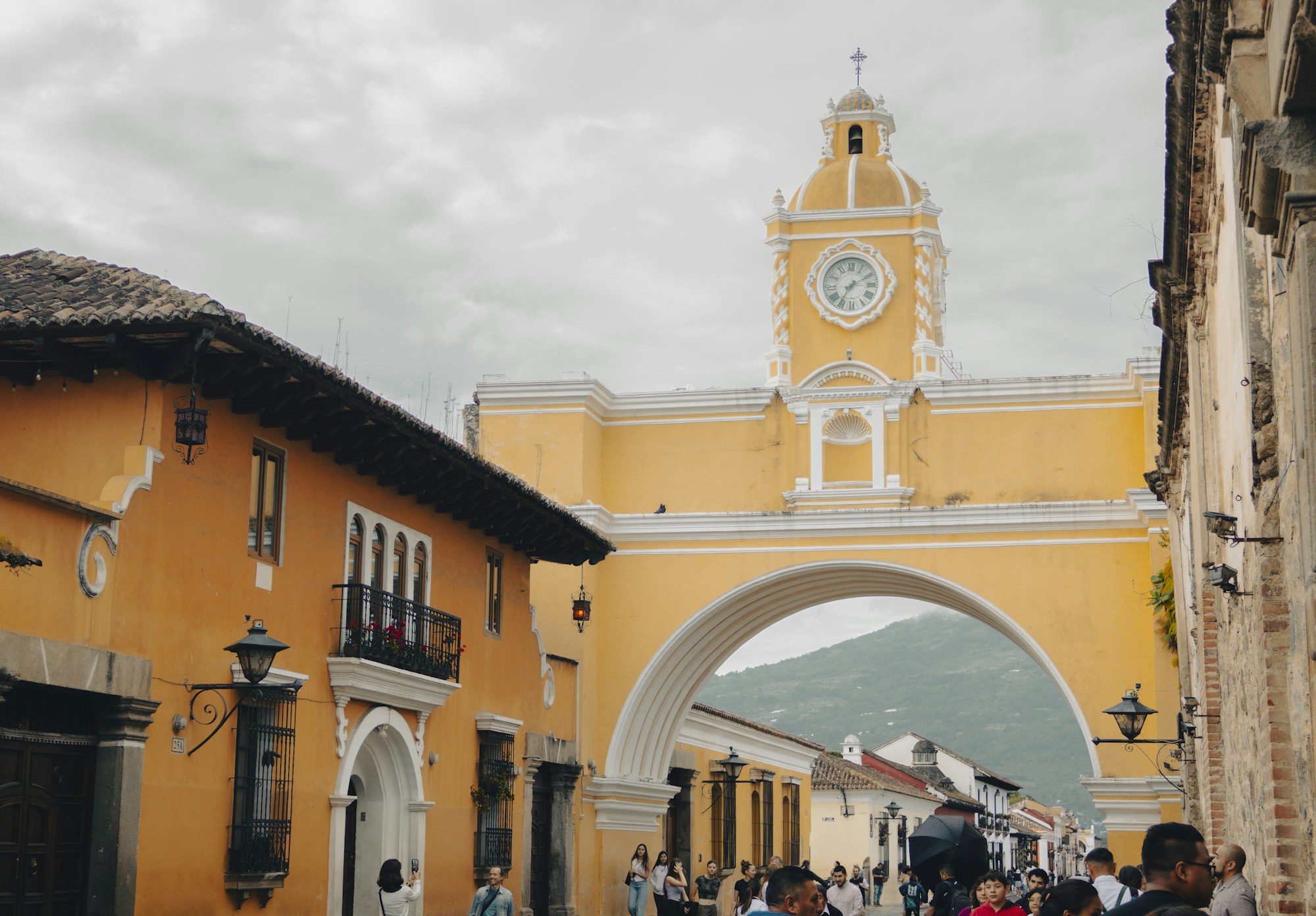
Antigua, the most practical base
For visitors flying in from the UK, Antigua is the obvious base. The 13 km trip takes 45 minutes in normal conditions, but allow 1h30 each way on 1 November. Set off around 6.30 or 7am to be there by about 8am: before dawn you risk waiting in a cold, almost empty field, and from late morning the crowd gets dense.
- Shared shuttle: $25 return with Atitrans and ShuttleNation, hotel pick-up around 8am, back around 2pm (free cancellation 24 hours before).
- From Guatemala City: a $35 return shuttle with Atitrans, or a car, about 1 hour without traffic and much more on the day.
- By car: informal parking at Q20 to Q30 in cash. In 2025, more than 14,000 spaces and 10 access points were open, according to Prensa Libre. To leave without queuing, go very early or after 8pm.
- By local bus: no direct bus from Antigua, you have to change at Chimaltenango. I would not recommend it: the FCDO advises avoiding public buses in Guatemala, citing frequent attacks and extortion by gangs.
What to budget for the day
Entry is free: in 2025 the municipality and the committee confirmed it, and no fee has been announced for 2026. So your budget comes down to transport, food and accommodation. The amounts below are rough orders of magnitude, converted at 1 euro to 8.87 quetzals, the rate on 4 September 2026.
| Item | Range |
|---|---|
| Festival entry | €0 (free in 2025) |
| Antigua shuttle, return | $25 to $50, or about €22 to €43 |
| Car parking | Q20 to Q30, or about €2.30 to €3.40 |
| Moto-taxi from km 44 | Q5 to Q8, under €1 |
| Day guided tour | $70 to $129, prices not checked for these dates |
| All-in day from Antigua | Around $30 to $60 per person, excluding accommodation |
Bring cash in small notes: there is no cash machine on site and cards are not accepted. As for flights, there is no direct London to Guatemala City service: expect roughly 13 to 20 hours with one stop (often via Madrid, Miami or another US hub), and return fares that typically run from about £520 to £720 for November, depending on the airline.
Safety: travel prepared, not alarmed
What the official sources say
The FCDO (last updated 13 August 2026) advises against all but essential travel only to parts of Guatemala: areas within 5 km of the Mexican border and three towns in Huehuetenango department. Sacatepéquez is not on that list, but the FCDO is clear that crime is a real issue across the country and that no part of Guatemala City is free from it. It recommends avoiding public buses, using radio-dispatched taxis or Uber rather than hailing cabs, and not travelling alone at night. Sacatepéquez is among the departments least affected by violence, according to qualitative sources. Here are the points to keep in mind for All Saints.
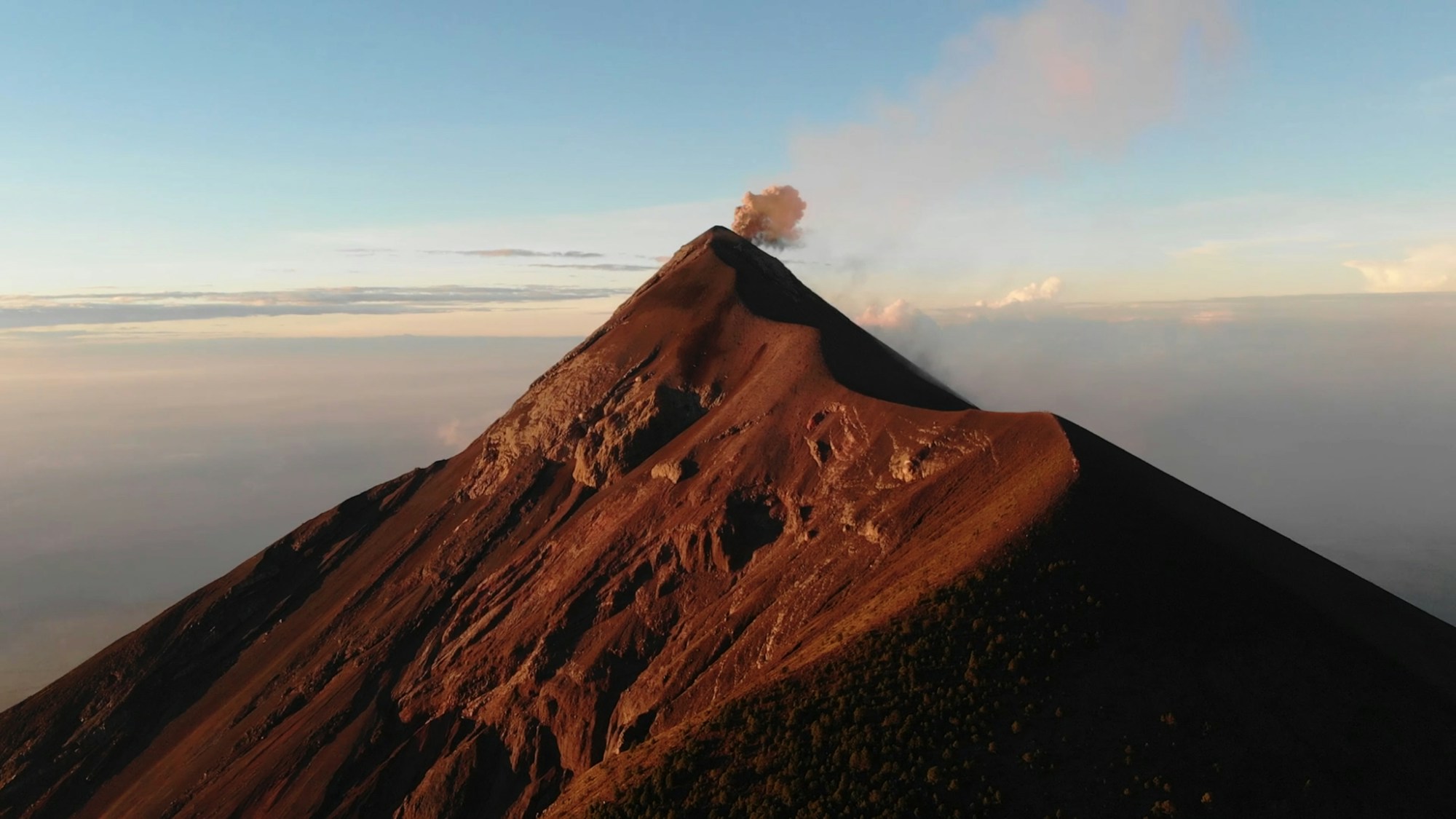
- Fuego volcano: it had an eruption lasting about 50 hours from 3 to 5 August 2026 and remains active, with a few explosions an hour in September. Climbing Fuego and Acatenango is prohibited. Sumpango and Santiago are to the north-west, away from the usual ash zones: check the INSIVUMEH bulletins on the morning itself.
- Roads: blockades linked to fuel price rises took place between late August and mid-September 2026. The FCDO notes that protests can block roads, even the international airport, with little warning. Check Provial’s accounts before you set off.
- State of prevention: an emergency measure against gangs targeted Sacatepéquez in April 2026. Its status on 1 November is not known: find out before you leave, as it can restrict gatherings.
- Measles: an outbreak is under way in 2026. The CDC recommends two up-to-date MMR doses at least two weeks before departure. UK travellers can also check TravelHealthPro, ideally at least 8 weeks before travel.
- In the crowd: wear your bag in front of you, skip the flip-flops on this uneven ground and keep children within arm’s reach.
The people behind the kites
These giants are not made for tourists. Groups meet from June to choose the theme, harvest the bamboo in August, sometimes at full moon, then work three evenings a week in September and October, and every evening towards the end. The Orquídeas Barrileteras, the first all-women group at the Sumpango festival, founded in 1999, describe this calendar to Prensa Comunitaria: four generations, aged 13 to 62.
The messages drawn on them are sometimes political: water, land, migration, violence. At Santiago, a young maker summed it up for Prensa Libre in 2025: « raising a barrilete is not a competition, it is a way of talking with those who are no longer here. » Ask permission before photographing a family or a craftsperson, and remember that for many visitors this is first and foremost a day of mourning.
Around All Saints in Guatemala
- Fiambre: a cold salad of 50 to 80 ingredients, eaten with the family on 1 November, often at the cemetery. It is not a festival street-food dish.
- Chichicastenango: its cemetery has tombs painted in a colour code (turquoise for mothers, blue for children, yellow for grandparents), according to Guatemala.com.
- Todos Santos Cuchumatán: its horse race is also held on 1 November, 316 km and 6h30 by road from the capital. It cannot be combined with Sumpango on the same day.
- San Lázaro cemetery in Antigua: free masses and concerts on 1 and 2 November in 2025, to be reconfirmed.
To compare with another great night of remembrance, see our guide to Día de Muertos 2026 in Oaxaca, which is more festive, or Zaduszki in Poland, where millions of candles light up the cemeteries.
Practical info for your stay
Handy for calling a driver, checking Fuego alerts or the Provial map without hunting for a local SIM card. Compare options in our 2026 eSIM comparison.
Guatemala data plans from a few eurosWith an active volcano, a measles outbreak and long road journeys, health and repatriation cover is a good idea. Our travel insurance comparison breaks down what each policy covers.
Online quoteOn entry rules, British citizens can stay up to 90 days in Guatemala without a visa, but your passport must be valid for at least 6 months on arrival and have two blank pages, according to the FCDO. You also need to complete the free online immigration declaration before you travel and keep a printout or screenshot of the confirmation. November opens the dry season: cool mornings, strong midday sun, so pack layers.
Frequently asked questions
Are Guatemala’s giant kites a UNESCO World Heritage site?
Not World Heritage: they are inscribed on the intangible heritage list. Since December 2024, the technique of making the giant kites of Santiago Sacatepéquez and Sumpango has been on UNESCO’s Representative List of the Intangible Cultural Heritage of Humanity. UNESCO protects the know-how, not a monument.
When is the giant kite festival in Guatemala in 2026?
Sunday 1 November 2026, All Saints’ Day, with preparations on Saturday 31 October. The official programme is not expected until late October.
Do I need a ticket for Sumpango or Santiago Sacatepéquez?
No, entry was free in both villages in 2025 and no fee has been announced for 2026. Bring cash for parking, food and souvenirs.
Do the giant kites actually fly?
At Sumpango, the biggest ones, from 7 to 20 metres, stay upright on the ground. Only the 4 to 6 metre kites fly, around 2pm in 2025. At Santiago, the giants are raised in the cemetery and can move in the wind.
Sumpango or Santiago Sacatepéquez: which one should I choose?
Sumpango for the scale and big-event atmosphere, Santiago for quiet remembrance in the cemetery with a smaller crowd. Choose just one site: the two are about 20 minutes apart, but traffic on the day makes the double trip risky.
How do I get to Sumpango from Antigua?
By shuttle, from $25 return (leaving around 8am, back around 2pm), by car allowing 1h30 for 13 km, or by bus with a change at Chimaltenango. Leave around 6.30 or 7am to arrive by about 8am.
Is it dangerous to go, and does the Fuego volcano pose a risk?
The FCDO advises against all but essential travel only to parts of Guatemala, and Sacatepéquez is not among them, but it stresses that crime is a serious issue. The main risks are theft in crowds and on buses, the roads and, more rarely, a giant kite falling as it is lowered. Fuego is active, but both villages are north-west of Antigua, outside the usual ash zones. Check INSIVUMEH and CONRED on the morning itself.
Do British travellers need a visa or vaccinations?
No visa for stays of up to 90 days, but you must complete the free online immigration declaration and your passport needs 6 months’ validity. On health, a measles outbreak is under way: the CDC recommends up-to-date MMR, plus hepatitis A and typhoid depending on your profile. Check TravelHealthPro at least 8 weeks before you go.
Sources
- UNESCO, decision 19.COM 7.b.41: inscription of the making technique, 2024
- UNESCO, entry 01991: the five stages of the technique
- UNESCO, Guatemala: elements on the intangible heritage lists
- Guatemalan Ministry of Culture: time needed to make the kites
- Living in Guatemala: Sumpango 2025 programme and budget
- Growing Up Bilingual: Sumpango and Santiago compared
- Prensa Libre: Sumpango 2025 edition
- La Hora: giant kite falls on a child at Santiago
- Prensa Comunitaria: Orquídeas Barrileteras
- FCDO: Guatemala travel advice, updated 13 August 2026
- CDC: health recommendations
- FCDO, entry requirements: entry rules for British citizens
Research carried out on 1 October 2026, UK sections checked on 5 October 2026. Official 2026 programme not published at that date.

Plan your trip with Pixidia
Pixidia learns how you travel and helps you build a trip that truly fits you and everyone coming along.
Open the planner