
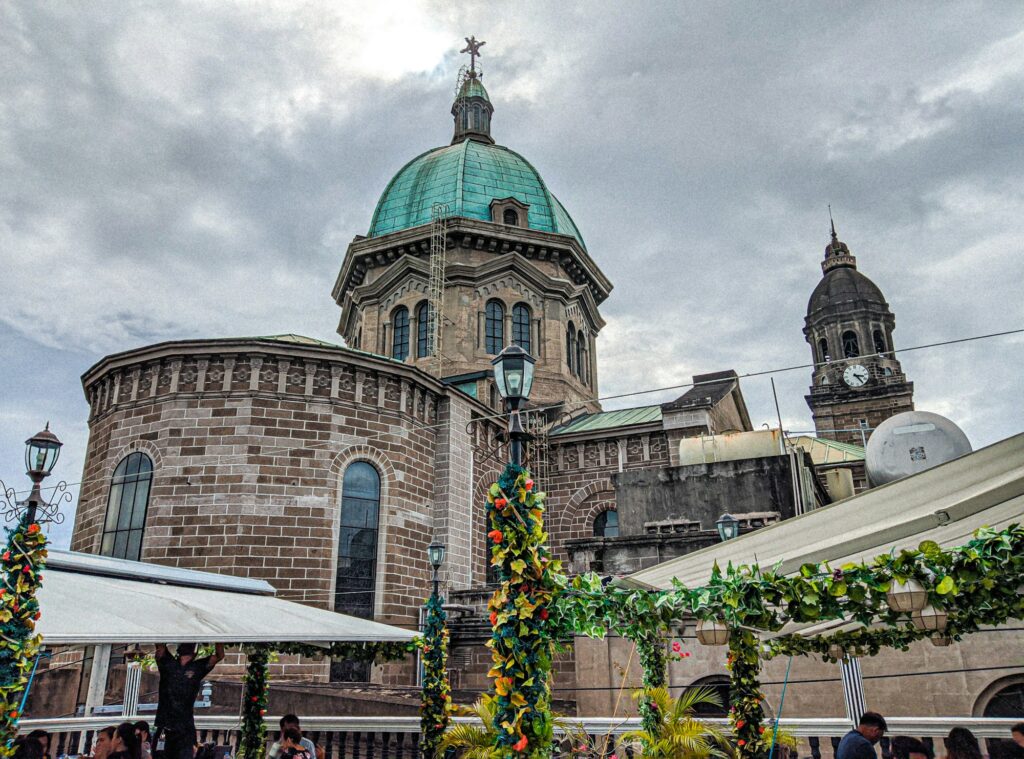
Undas, the Philippine All Saints’ Day, falls on Sunday 1 November 2026, followed by All Souls’ Day on Monday 2 November. Both are special non-working days. In 2025, Manila North Cemetery counted 1,195,326 visitors in a single day, peaking between 9am and 10am. Entry is free, and the cemetery has announced opening hours of 5am to 8pm from 29 October to 2 November 2026, with no vehicles allowed inside. Go early, keep a low profile, and aim for Monday 2 November if you want a calmer visit.
On 1 November, a big part of the Philippines moves to the cemetery for the day. Families scrub the tomb, light candles, pray, then settle in for lunch, sometimes until nightfall, with a few rounds of cards in between. The press loves to call it « the world’s biggest cemetery picnic ». That’s a catchphrase, not an official record, but the 2025 numbers give you a sense of the scale. Here’s how to understand Undas, where to go, when to turn up and how to behave so you stay a discreet guest in 2026.
Undas: a festival of remembrance, not an Asian Halloween
« Undas » is the Tagalog name for All Saints’ Day and All Souls’ Day. The word is thought to come from the Spanish honras (funeral honours), via « honros » and then « unras ». In a country where, according to Pew Research, 76% of adults identify as Catholic, it is the family occasion that moves the most people all year: millions of Filipinos head back to their home province to be with their dead.
Don’t mix it up with Halloween. On Saturday 31 October, the costume parties in Makati or BGC are a commercial import, and the Catholic Bishops’ Conference (CBCP) reminds everyone that they aren’t Catholic. Undas is something else: a visit to the departed, sober in form and cheerful in mood. No calaveras or spectacular altars like those in Oaxaca for the Día de Muertos, just a freshly painted tomb, a candle, a prayer and a shared meal.
What you’ll see on site
- Tombs cleaned and repainted in the days before, with chrysanthemums and candles.
- Families sitting on the slabs, eating, chatting and playing cards or mahjong.
- Informal vendors around the gates selling flowers, candles, water and snacks.
- Bag-check queues at the entrances and a very visible police presence.
2026 calendar: a three-day weekend with no bridge day to book
The calendar works in families’ favour. Under Proclamation No. 1006, signed on 3 September 2025 by President Marcos, Sunday 1 November is a special non-working day and Monday 2 November is an additional special non-working day. The government justifies the move by the wish to « strengthen family ties » around All Saints’ traditions. The result is a long weekend from Saturday 31 October to Monday 2 November. Think of it as the Philippines’ own August bank holiday, only with candles and a lot more people on the move.
When to go, day by day
- Thursday 29 and Friday 30 October: Manila North Cemetery opens from the 29th and people start leaving for the provinces. Friday is the busiest day for transport.
- Saturday 31 October: not a public holiday. Eve-of-festival mood, Halloween in the city, and in several provinces the pangangaluluwa songs, when groups go from house to house for the souls in purgatory.
- Sunday 1 November: the absolute peak. If you want to see the fervour at its height, arrive before 8am.
- Monday 2 November: All Souls’ Day, much calmer. In 2025, Manila North counted 69,437 visitors that day, against more than a million the day before.
- Tuesday 3 November: a working day, and the best time to head home rather than Monday evening.
Manila North Cemetery, the epicentre
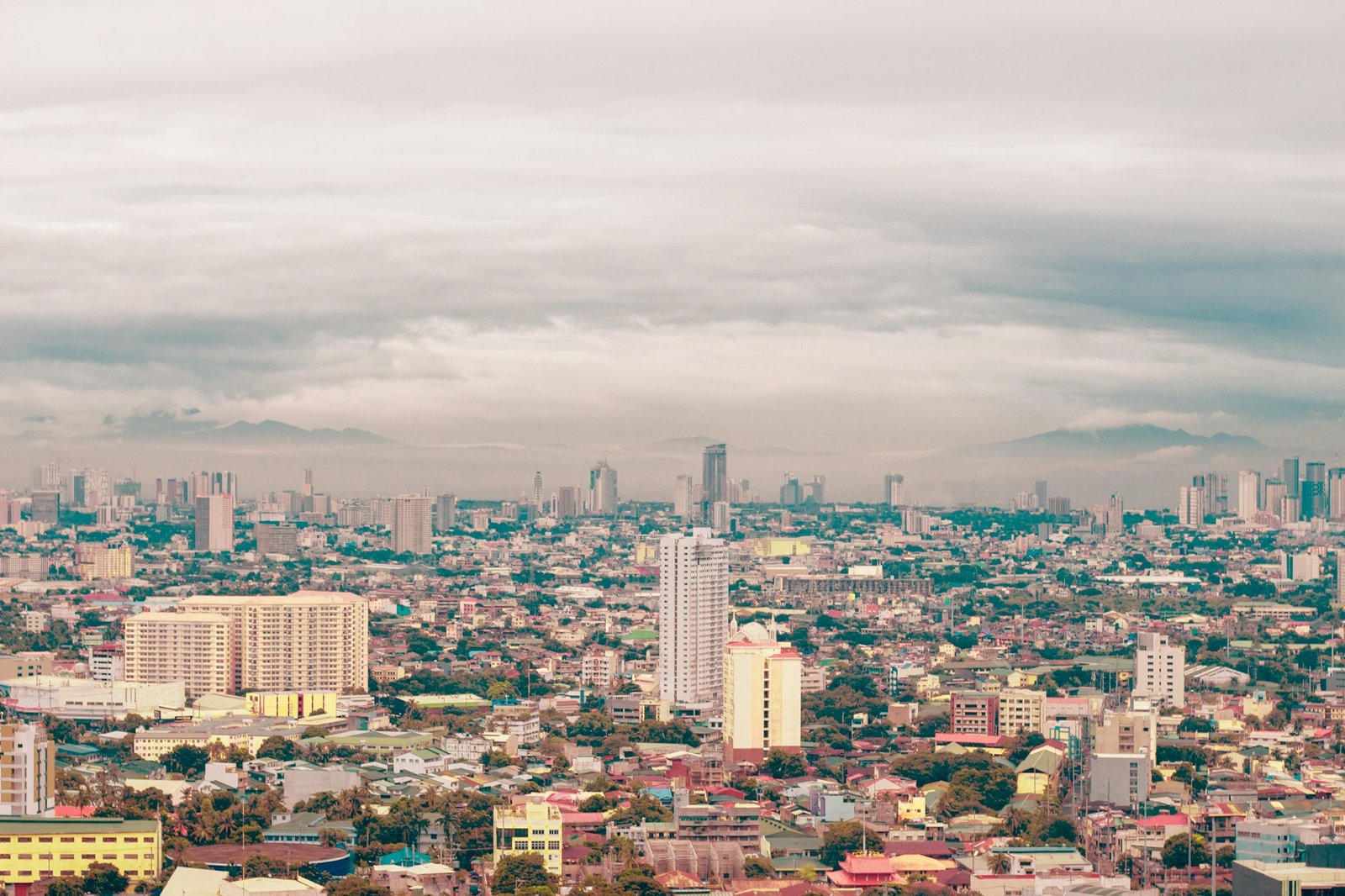
Manila North Cemetery, Santa Cruz
This is the country’s largest public cemetery. According to Manila’s municipal disaster risk office, as reported by the press (GMA News, Inquirer), it welcomed 1,195,326 visitors on 1 November 2025 by 8pm, with a peak of 167,350 people between 9am and 10am. For scale, that is more than the population of Birmingham (about 1.1 million), squeezed onto 54 hectares. Presidents Roxas, Osmeña and Magsaysay are buried here, as is the actor Fernando Poe Jr. More than 10,000 people also live in the cemetery all year round: stonemasons, flower sellers, caretakers. For them, Undas is the busy season.
For 2026, the rules announced by the City of Manila and relayed by the local press in early October (Manila Times) provide for opening from 29 October to 2 November, 5am to 8pm, with no vehicles inside at all. Banned items include weapons, sharp objects, alcohol, animals, guitars, sound systems and speakers, and flammable products. These hours need reconfirming with the city before you travel.
How to do it
- Take the LRT-1 to Blumentritt station, then a jeepney or tricycle. In 2025, several streets nearby (Blumentritt, Dimasalang, Maceda) were closed from 30 October to 3 November: check again for 2026.
- Arrive before 8am or late in the afternoon, and avoid 9am to 10am on Sunday.
- Travel light: water, a hat or umbrella, light-coloured clothes, a bag for your rubbish, little cash and no jewellery.
The other cemeteries in Metro Manila

Chinese Cemetery, South Cemetery, Paco Park
If Manila North feels too packed, there are three alternatives. The Manila Chinese Cemetery, near LRT-2 Abad Santos station, is nicknamed the « Beverly Hills of the dead »: paved streets and pagoda-shaped mausoleums, some with air conditioning, a kitchen and a bathroom. Sino-Filipino families blend Buddhist, Taoist and Catholic rites here. Based on 2025 accounts, a guided visit costs around 200 PHP. This cemetery had only 5,400 visitors by 6pm in 2025, a completely different atmosphere.
The Manila South Cemetery in Makati (25 hectares, created in 1925, around 750,000 graves) is more orderly. It recorded 120,440 visitors by 6pm in 2025, according to Philstar. As for Paco Park, a circular cemetery from the Spanish era that is now a park, it had 192 visitors at the same hour: you can pair it with Intramuros on the same day, far from the crowds.
Beyond Manila: the name and the rite change from island to island
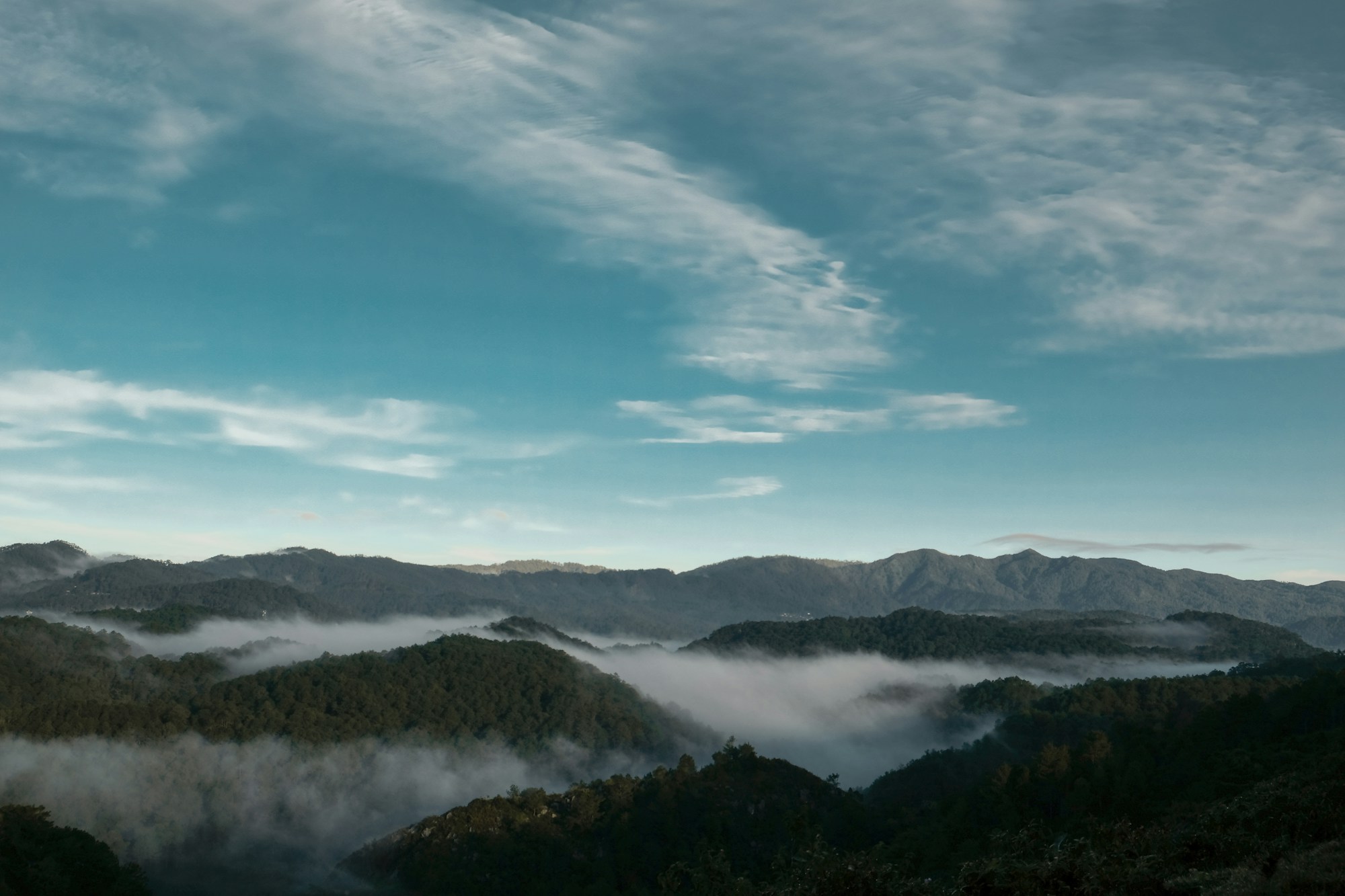
Sagada, Cebu, Ilocos: three ways of honouring the dead
In Sagada, in Mountain Province, the panag-apoy tradition means lighting pine-wood fires on the night of 1 November near the tombs and hanging coffins. It draws plenty of visitors, and the risk of it turning into a « show » is real: these are Igorot families honouring their dead, not a staged performance. Baguio-Sagada buses along the Halsema road are full at this time, so book very early.
In Cebu City, Carreta Cemetery limits entry to 450 people at a time and received around 21,000 people on 1 November and 24,000 on 2 November 2025, according to local police. In Ilocos, the atang means leaving food on the grave; in the Visayas, the kalag-kalag mixes prayers and songs for the souls. Local rules vary: Davao and Iloilo ban overnight stays in cemeteries, while the vigil is a tradition elsewhere.
How to behave: be a guest, not a spectator
Undas isn’t a show put on for visitors. Every tomb is being visited by a real family, sometimes in recent mourning. A few simple rules make all the difference.
- No drones. Never, in or above a cemetery.
- Ask before photographing. A gesture towards your camera and a smile are enough, and never take close-ups of someone in mourning.
- Dress soberly and cover up. No Halloween costumes, no party outfits.
- If a family offers you a dish, accept with gratitude. Never ask for one, and don’t sit down to eat unless you’ve been invited.
- Take your rubbish with you. Municipal services clear tonnes of waste every year after Undas.
- No filmed « food trips ». Viral videos of offering meals are criticised by part of the local press as disrespectful.
Weather, transport and budget: what to plan for
Weather: less rain, but not zero typhoons
According to PAGASA (reported in the press on 24 September 2026), a « very strong » El Niño has an 81% chance of developing between October 2026 and January 2027. The expected consequence is below-normal rainfall and only one or two cyclones from October to December in the Philippine area. An El Niño shifts the odds, it doesn’t cancel them: Typhoon Nalgae (Paeng) flooded cemeteries in Pampanga between 28 and 31 October 2022, and Goni (Rolly) hit Catanduanes on 1 November 2020. Check PAGASA every day from 25 October and keep a plan B, for instance moving your visit to 2 November.
Transport: shift by a day
Demand will be high. As of 3 October 2026, the LTFRB had received 356 applications for special permits covering 1,003 vehicles (buses, vans), against 323 applications for 847 in 2025, according to the local press (Daily Tribune). In 2025, terminals reached about 194,000 passengers a day at PITX, and NAIA airport counted 932,405 passengers from 29 October to 4 November. Arrive 3 hours before an international flight and 2 hours before a domestic one. Avoid departures on Friday 30 October and returns on Monday evening: leave on Thursday 29th and come back on Tuesday 3rd.
Budget: a free event, an expensive city
Entry to public cemeteries is free. Budget for a few pesos: candles at 5 to 20 PHP each, chrysanthemums at 300 to 400 PHP a bunch, water and snacks at 150 to 300 PHP, a tricycle or jeepney at 20 to 100 PHP depending on distance. Accommodation is what hurts: November is the most expensive month in Metro Manila, at around 2,891 PHP a night on average (roughly €45 to 50, depending on the exchange rate) and 81.8% occupancy in the first quarter of 2026. Book near an LRT station: Blumentritt for Manila North, Abad Santos for the Chinese Cemetery.
Entry requirements
British citizens can visit the Philippines without a visa for up to 30 days, with a passport valid for at least 6 months beyond arrival and proof of onward or return travel. You also need to complete the eTravel form within 72 hours before arrival, and some airlines won’t let you board without the QR code. Before you go, check the FCDO’s Philippines travel advice on GOV.UK.
Practical info for your trip to the Philippines
Get connected as soon as you land: handy for filling in eTravel, following PAGASA and finding your way through the crowd.
1 GB, 3-day plans from about $4 (check on Airalo)Typhoons, flight delays, medical care on the spot: cover that suits a trip in cyclone season. Nomad Insurance gives global coverage, with 10% off via our link.
From $56 / 4 weeksFrequently asked questions
When is Undas in 2026?
Sunday 1 November (All Saints’ Day) and Monday 2 November 2026 (All Souls’ Day), both special non-working days under Proclamation No. 1006. The long weekend starts on Saturday 31 October, which is not a public holiday.
Can tourists visit a Philippine cemetery during Undas?
Yes. Entry to public cemeteries is free and open to everyone. Keep a low profile, don’t photograph families without permission, don’t use a drone and respect the bans (alcohol, sound systems, weapons, sharp objects). Bags may be searched at the entrance.
What are Manila North Cemetery’s opening hours in 2026?
From 5am to 8pm, 29 October to 2 November 2026, with no vehicles inside, according to City of Manila information relayed by the local press in early October. Reconfirm with the city before you leave.
How many people visit Manila North Cemetery?
In 2025, the municipal disaster risk office counted 1,195,326 visitors on 1 November by 8pm, with a peak of 167,350 people between 9am and 10am. On 2 November there were only 69,437. These are 2025 figures, not a forecast for 2026.
Is Undas the same as Halloween?
No. Halloween, on 31 October, is a commercial import that the Philippine Church reminds people is not Catholic. Undas is a religious, family rite of remembrance, centred on the tomb, the candle, the prayer and the shared meal.
Is there a typhoon risk during Undas?
A very strong El Niño is likely (81% according to PAGASA), which points to less rain and only one or two cyclones from October to December. A typhoon is still possible, though: check the bulletins every day from 25 October.
Do I need a visa for the Philippines as a UK citizen?
Not for a stay of up to 30 days, with a passport valid for at least 6 months and proof of onward or return travel. Complete the eTravel form within 72 hours before arrival.
Sources
- Proclamation No. 1006 (2025): 2026 public holidays and special days in the Philippines.
- PAGASA: forecasts, cyclones and El Niño outlook.
- GMA News and Philippine Daily Inquirer: 2025 attendance and road closures.
- Philstar: national Undas 2025 tally and cemetery hours.
- The Manila Times and Daily Tribune: 2026 Manila North rules and LTFRB special permits (3 October 2026).
- CBCP News: the Church’s position on Halloween and indulgences.
- Pew Research Center: share of Catholics in the Philippines.
- eTravel Philippines and GOV.UK (FCDO): entry requirements and travel advice for UK nationals.
- Wikipedia, Undas: etymology and traditions.
Information checked on 5 October 2026. Attendance, police and transport figures are from the 2025 edition unless stated otherwise.

Plan your trip with Pixidia
Pixidia learns how you travel and helps you build a trip that truly fits you and everyone coming along.
Open the planner