
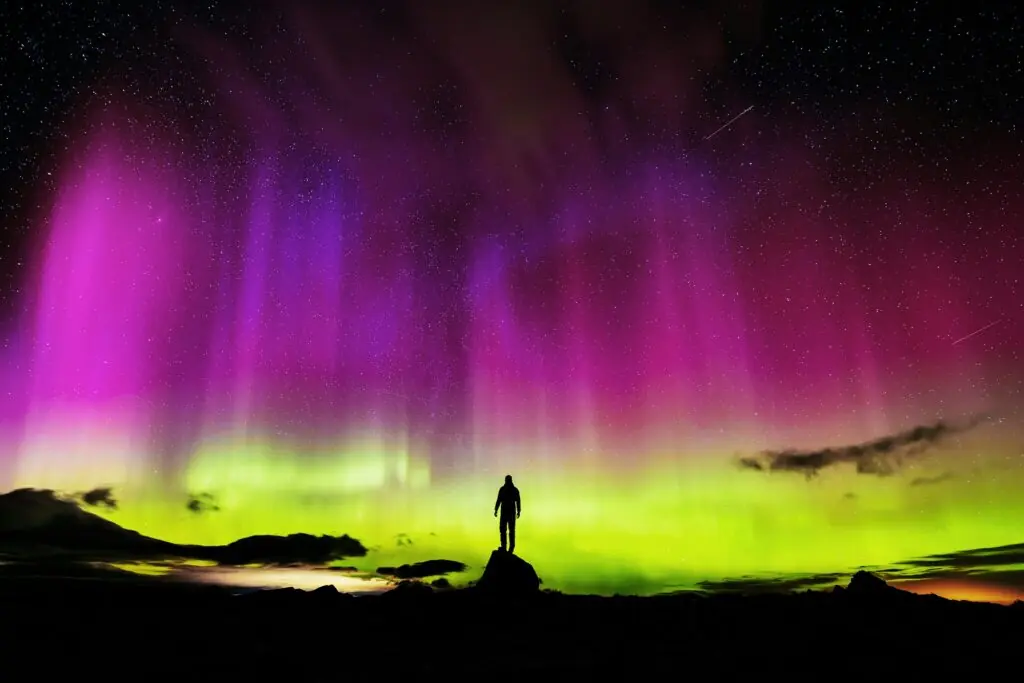
In Scotland, you can see the northern lights from October to March, but nothing is guaranteed: the new moons of winter 2026-2027 fall on 9 December 2026, 7 January and 6 February 2027. The sources mostly point to Shetland and Orkney, then Caithness, Skye and the dark-sky parks of the Cairngorms and Galloway.
Checked on against the official sources cited (US Naval Observatory, VisitScotland, Scotland Tourism, CalMac, Highland Council).
The ferry to Skye requires a booking from 19 October 2026 to 25 March 2027, even for foot passengers. This article only keeps what’s sourced: the season, the sites, the fares and the timetables, each with its date of consultation. It gives no percentage of clear nights and no activity threshold by region, because no official source publishes them.
1. When to look: the season and the moon calendar
VisitScotland puts the viewing season from October to March and stresses that no sighting is guaranteed. Scotland Tourism says September to late March. Venture North, for the northern Highlands, runs it from late September to mid-April. These gaps mostly come down to how each source defines the season: an aurora in early April is still possible, but rare.
Solar activity isn’t heading towards a peak still to come. The smoothed maximum of solar cycle 25 was reached in October 2024, according to SILSO, the solar observatory in Brussels, and the Met Office places the maximum in 2024 and 2025. Activity has declined since, but the Met Office reminds us that coronal holes in the declining phase can still produce storms and auroras. NOAA estimates that cycle 26 will begin between January 2029 and December 2032, so no published forecast covers winter 2026-2027 beyond the season itself.
The season has already had a strong episode. On the night of 19 January 2026, a G4 geomagnetic storm made the northern lights visible across the Highlands as far as the south coast, according to the Met Office, which calls it rare but not unprecedented.
The table below lists the new and full moons of the season. Scotland Tourism advises aiming for the five nights either side of the new moon and avoiding the full moon. That advice holds up, since a full moon hides faint auroras, but it comes from a commercial player: treat it as a recommendation, not a rule.
| Phase | Date | UT time |
|---|---|---|
| New moon | 9 November 2026 | 7:02 am |
| Full moon | 24 November 2026 | 2:53 pm |
| New moon | 9 December 2026 | 12:52 am |
| Full moon | 24 December 2026 | 1:28 am |
| New moon | 7 January 2027 | 8:24 pm |
| Full moon | 22 January 2027 | 12:17 pm |
| New moon | 6 February 2027 | 3:56 pm |
| Full moon | 20 February 2027 | 11:23 pm |
Source: US Naval Observatory, moon phases 2026 and 2027, checked on 12 November 2026. The dates and UT times were re-checked on the page that day; the page doesn’t explicitly match each date to its phase, so the labels follow the order of the lunar cycle. In winter, UT is the same as London time.
2. Cairngorms: the Tomintoul and Glenlivet dark-sky park
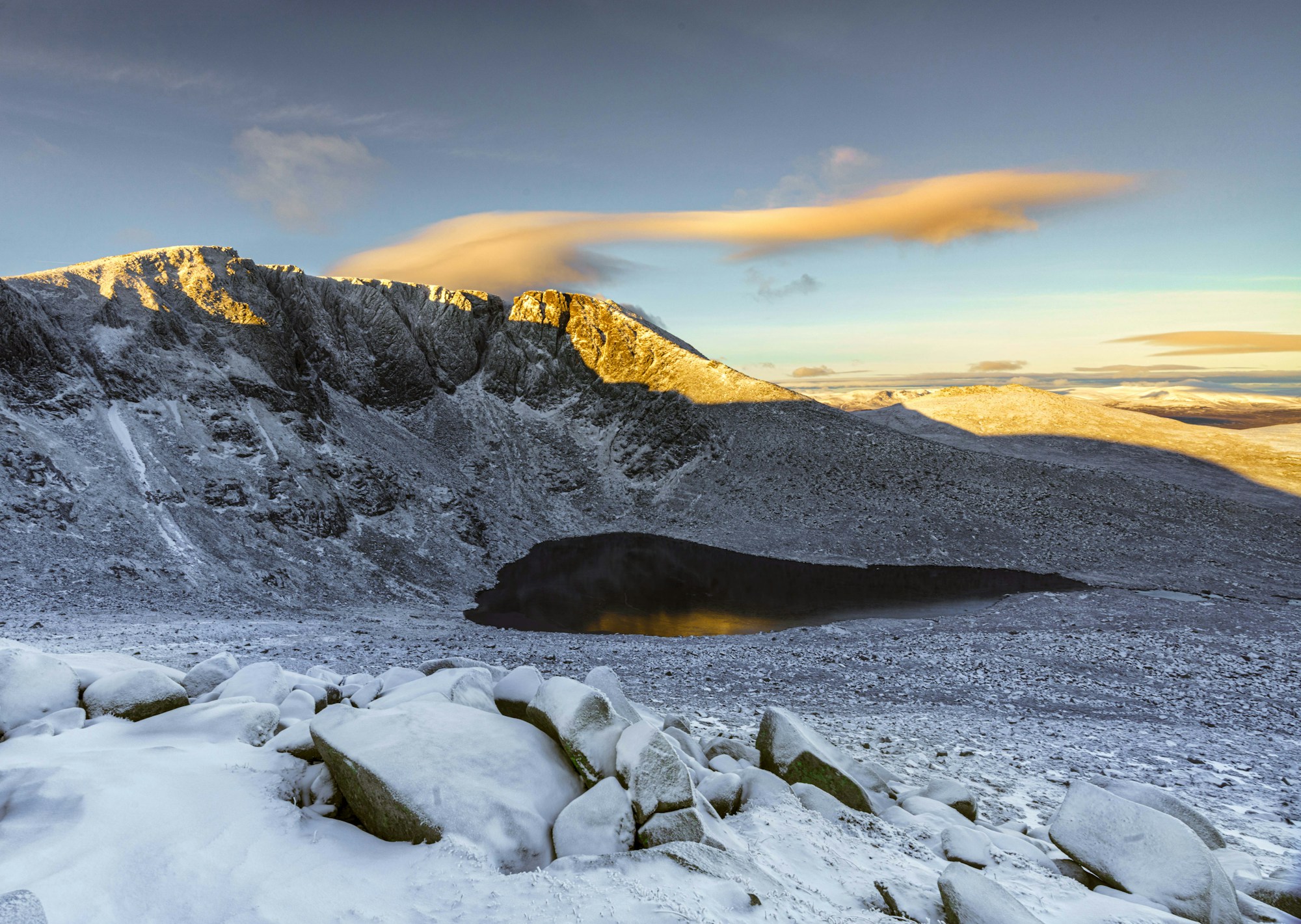
Tomintoul and Glenlivet, a Gold Tier park since 2018
Tomintoul and Glenlivet received Gold Tier status from the International Dark Sky Association in November 2018, according to the IDA’s account. The park belongs to the Cairngorms area described by VisitScotland. A dark-sky status doesn’t guarantee any aurora: it only means the lighting is controlled, which matters when a faint aurora needs your eyes to adjust to the dark.
Scotland Tourism and Generation Voyage cite Loch Morlich, Lochindorb, Loch Garten and Glenlivet as viewing spots. None of the sources we read gives an aurora frequency for this area. If your day also takes you through the Highlands, our Loch Ness or Glencoe comparison from Edinburgh lays out the day-trip options, with no aurora angle.
To reach the area without a car, the tour we checked from Inverness is a day trip to the Cairngorms and whisky, admission included. It promises no aurora sighting: it’s there to get you from Inverness to the area, nothing more. Between 13 November 2026 and 28 February 2027, 4 dates out of 108 are open: 13 November 2026, then 14, 21 and 28 December 2026.
Highlights
- Gold Tier IDA status, awarded in November 2018
- Cairngorms area, according to VisitScotland
- Viewing spots named by guides: Loch Morlich, Lochindorb, Loch Garten
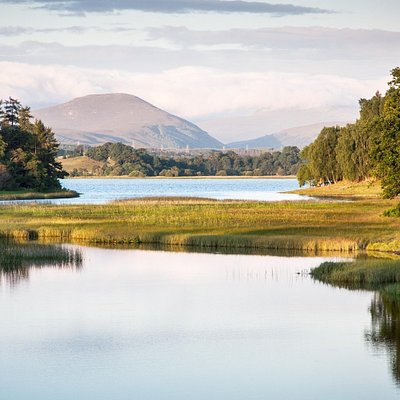
3. Skye: Trotternish, the Quiraing and a ferry to book
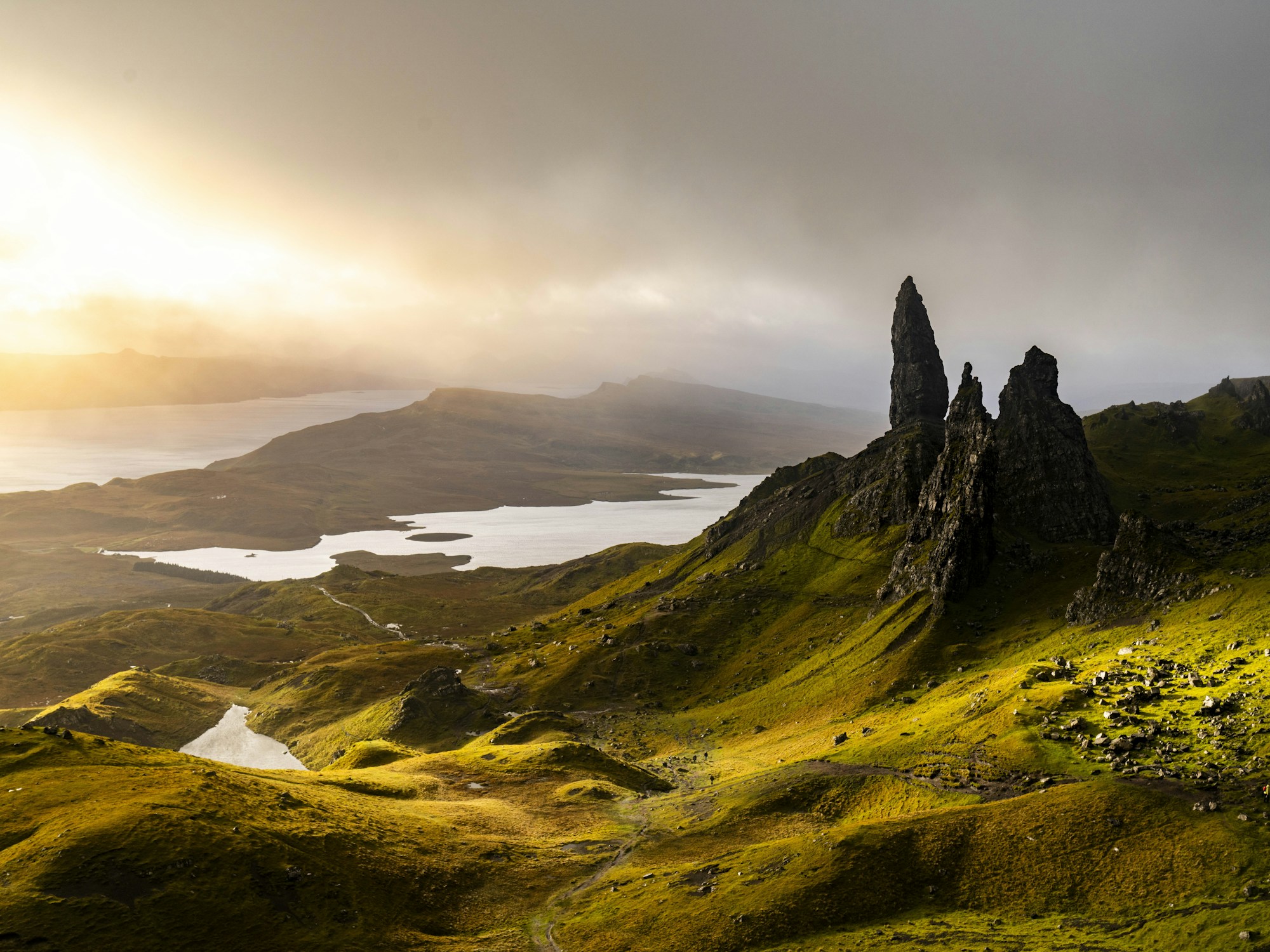
Trotternish, a clear view to the north
VisitScotland and Scotland Tourism point to the Trotternish peninsula, between Staffin, Kilt Rock and the Quiraing, as an area with a clear northern horizon, without giving any figures. No official source, however, ranks Skye among the best aurora sites. It’s a setting for a stay and for landscapes, to combine with the conditions on the night, not an optimal spot.
The Quiraing has a pay car park open every day from 8 am to 8 pm. The Highland Council record says it’s small and often full, so get there early in the day. No official source covers night parking, and this article doesn’t settle it.
Highlights
- Trotternish named as a clear northern horizon by VisitScotland and Scotland Tourism
- The Quiraing, reachable in daylight from a pay car park
- A landscape worth the trip even without an aurora
Skye is reached by the Mallaig–Armadale ferry or by the bridge. The ferry runs its winter timetable from 19 October 2026 to 25 March 2027. Booking is required, foot passengers included. In winter, the MV Lochnevis runs single-ended, so vehicles have to reverse across the deck. Caravans, trailers and motorhomes aren’t accepted. We haven’t checked the status of the Skye Bridge toll against an official source, so don’t rely on it without checking.
| Category | One way | Return |
|---|---|---|
| Adult foot passenger | £4.00 | £8.00 |
| Child | £2.00 | £4.00 |
| Car or van up to 6 m | £13.25 | £26.50 |
| Motorcycle | £6.65 | £13.30 |
| Bicycle | free | free |
Source: CalMac, Skye Mallaig–Armadale, checked on 12 November 2026. Booking required.
| Duration | Fee | Hours |
|---|---|---|
| Up to 3 hours | £3.00 | 8 am to 8 pm, every day |
| Up to 6 hours | £6.00 | 8 am to 8 pm, every day |
| Maximum allowed | 12 hours | same |
Source: Highland Council, Skye the Quiraing record, checked on 12 November 2026.
4. Caithness: the most direct route north
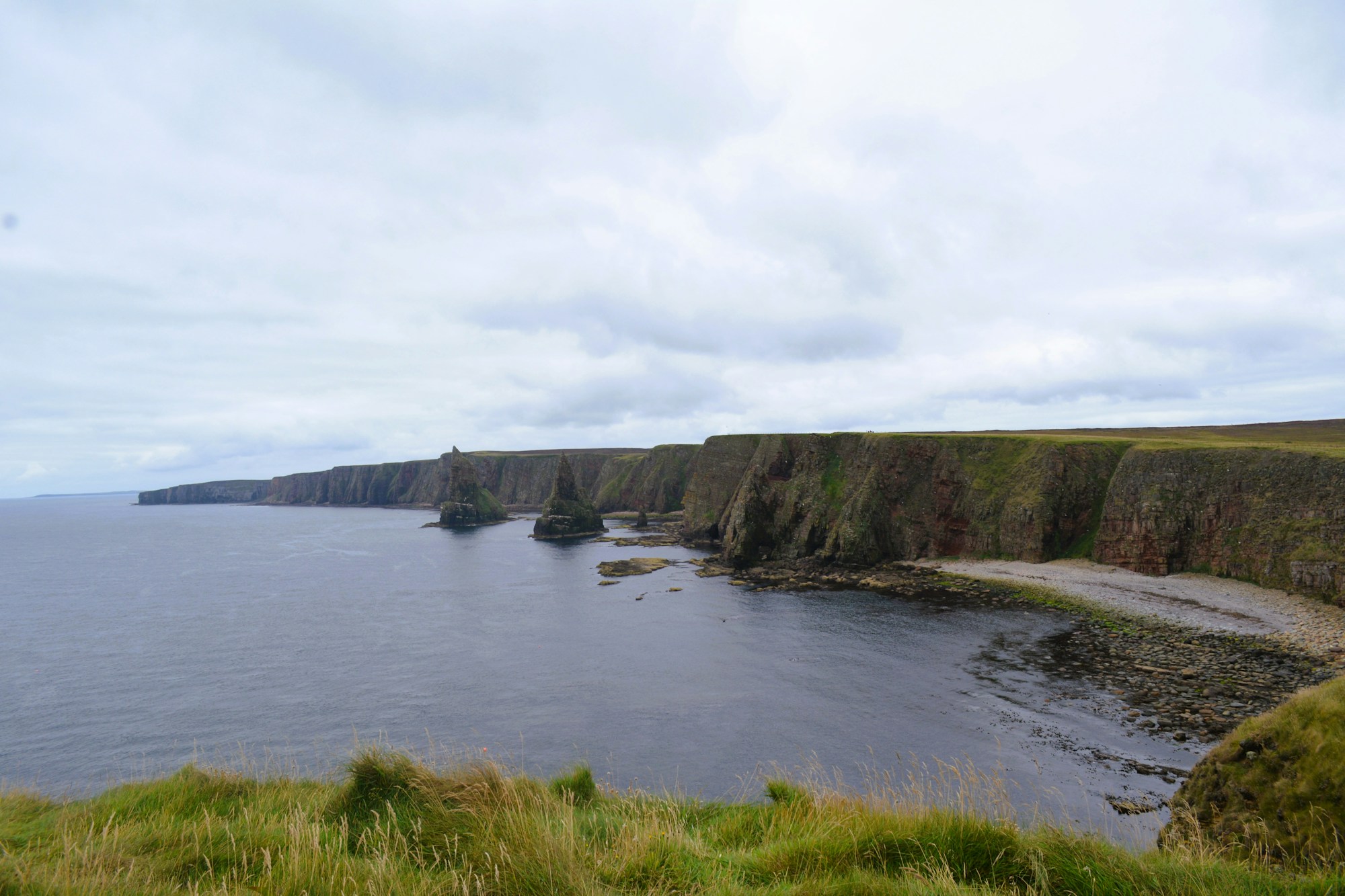
Dunnet Head and Castletown
Venture North presents Dunnet Head as the most northerly point of mainland Great Britain. The same page says Castletown is a Dark Sky Discovery Site, with the Castlehill Heritage Centre. Updated on 21 October 2026, it gives the season for the northern Highlands as late September to mid-April.
Caithness is reached by car from Inverness, with no crossing. We haven’t found the drive time on an official source: check it on a route planner before you set off. VisitScotland lists Caithness and the NC500 route among good choices for last-minute winter viewing, which makes it more of a fallback than a destination in its own right.
Highlights
- Dunnet Head, presented as the most northerly point of mainland Great Britain
- Castletown, Dark Sky Discovery Site
- Driving access from Inverness, no ferry
If you’re coming through Edinburgh, our day trips from Edinburgh compare the options for reaching the north without a car. For another aurora destination, the season guide to Yellowknife, Canada follows the same logic of season and the nights to aim for.
5. Shetland, Orkney, Lewis and Galloway: the other options
Shetland is the place most often cited for aurora chances. Eshaness, Sumburgh Head, Unst and Lerwick come up in pages from Shetland Tourism and VisitScotland. A Shetland Tourism page dated 28 September 2023 describes almost no light pollution and a season from October to March, with no threshold or night count. The ferry crossing and its winter timetable aren’t checked in this article.
Orkney (Birsay, Yesnaby, Ring of Brodgar) appears on the same lists. VisitScotland says North Ronaldsay is a dark-sky island, designated in 2021. Lewis and Harris (Luskentyre, Butt of Lewis) are presented as open horizons, but CalMac sailings for winter 2026-2027 haven’t been checked.
Galloway Forest Park, in the south-west, has been an International Dark Sky Park since 2009 and holds Gold Tier status. The park’s managers advise about 30 minutes for your eyes to adjust and a red torch. The park is far from the Highlands: it’s an option for a trip to the south, not a stop on the way north.
| Site | Designation | Year designated |
|---|---|---|
| Galloway Forest Park | International Dark Sky Park, Gold Tier | 2009 |
| Tomintoul and Glenlivet (Cairngorms) | International Dark Sky Park, Gold Tier | 2018 |
| Isle of Rum | International Dark Sky Sanctuary | 2024 |
| Isle of Coll | Dark Sky Community | 2013 |
| Castletown (Caithness) | Dark Sky Discovery Site | undated |
| Lochinver (Sutherland) | Dark Sky Discovery Site | undated |
| Flow Country (Forsinard) | Dark Sky Discovery Site | undated |
Sources: Forestry and Land Scotland, IDA via darksky.org, VisitScotland and Venture North, checked on 12 November 2026.
6. Reading the sky: alerts, moon and cloud
Forecast sites publish Kp thresholds by region. Auroraforecast.me, for example, gives Kp 5 for Shetland and Kp 6 for Orkney, Caithness and Inverness. These thresholds are commercial, not official, and official sources give no threshold by region. This article doesn’t treat them as a rule.
For real-time tracking, the reference is AuroraWatch UK, run by Lancaster University. Its colour alerts (green, yellow, amber, red) rely on a measurement in nanotesla, updated every 3 minutes. A Lancaster University post from 2014 explains that Kp is a poor indicator for these alerts. An alert tells you activity is possible: it doesn’t tell you that you’ll see the light, which then depends on the sky and the moon.
Cloud cover is the first obstacle. VisitScotland and AuroraWatch both stress clear skies, and a strong storm is invisible under thick cloud. Check cloud cover the night before and on the day, and plan for several nights. This last tip comes from guides and isn’t officially sourced, but it reflects a simple fact: a night can be covered over.
On the Scottish mainland, forum accounts describe auroras that are often low on the horizon and colourless to the naked eye. One report from Walkhighlands, above the Assynt mountains, describes an aurora lasting about 30 minutes before it faded. These are accounts, not data, but they’re a reminder that a camera often picks up more colour than the eye does.
On 28 May 2026, Highland Council gave in-principle backing to a Dark Skies planning policy. It’s still a draft and doesn’t cover existing lighting: it doesn’t switch off a single lamp. An interim technical guide is due back before the committee by the end of 2026.
7. Organising the trip: trains, nights and the plan
The train runs from Inverness to Aviemore, not to the viewing spots themselves. Journey times vary by operator, and winter frequencies haven’t been checked beyond the published average.
| Operator | Announced journey time | Note |
|---|---|---|
| ScotRail | 41 min on average | average announced by the operator |
| Trainline | 42 min on average (33 min at the fastest) | about 24 trains a day |
| LNER | 37 min | direct service |
Sources: ScotRail, Trainline and LNER, checked on 12 November 2026.
To organise a week of watching, four simple habits count for more than luck:
- Arrive at least one night before the window you’re interested in, so you can check the weather without pressure.
- Find an open spot in advance, away from street lamps. Inverness has its own light pollution, and auroraforecast.me suggests driving 20 to 30 minutes north, east or south.
- Check AuroraWatch and the cloud cover in the late afternoon, then decide on the night.
- Stay outside long enough to watch. Guides point out that peak activity doesn’t follow the clock: a storm can break early or late in the night.
No official time window has been found. Night length varies a lot between December and February, but no official monthly table has been found for Inverness, Thurso or Lerwick. If you want to fix a time to head out, calculate sunrise and sunset with an astronomical calculator before you leave.
Without a car, the Cairngorms are reached by train to Aviemore, then by a guided tour or a trip you arrange yourself. For Skye, the ferry requires a booking. For Caithness, a car is the simplest option: the rail line to Thurso and Wick hasn’t been checked for this season, so don’t count on it without checking.
What other guides don’t tell you
The popular guides we read repeat the same list of sites and the same October-to-March window. These five points are checked against official sources, and those guides either leave them out or contradict them.
- Galloway Forest Park has been designated since 2009, in Gold Tier. Some guides cite it with no date or status, others don’t mention it at all. Forestry and Land Scotland (consulted on 12 November 2026).
- The Mallaig–Armadale ferry requires a booking in winter, foot passengers included. Caravans and motorhomes aren’t accepted, and the ship runs single-ended. CalMac (consulted on 12 November 2026).
- Quiraing car parking is paid from 8 am to 8 pm. It costs £3 for up to 3 hours and £6 for up to 6 hours, with a 12-hour maximum. Highland Council (consulted on 12 November 2026).
- AuroraWatch alerts don’t read like a Kp index. They rely on nanotesla measurements, updated every 3 minutes. Some sites publish Kp thresholds by region as fixed rules. AuroraWatch UK, Lancaster University (consulted on 12 November 2026).
- The solar cycle has already passed its peak. The smoothed maximum came in October 2024 according to SILSO, and the Met Office places it in 2024-2025. A 2023 article still forecast a peak in 2025. Met Office, 8 September 2026 (consulted on 12 November 2026).
Practical information
This article doesn’t give sunrise and sunset times. The US Naval Observatory astronomical calculator gives them for a specific place and date, so check it before you set your time to head out.
No source puts a figure on the total cost of the trip. The fares we checked for the ferry and the Quiraing are in the FAQ question « How much does the trip cost? », with no total.
Frequently asked questions
Can you see the northern lights in Scotland in winter?
Yes, but nothing is guaranteed. VisitScotland gives a season from October to March and says no sighting is assured. No official source publishes how often auroras appear in Scotland: the percentages going around come from commercial guides. So plan for several nights within the window rather than just one.
Where can you see the northern lights in Scotland?
The sources mostly cite the Shetland and Orkney islands for the best chances, then Caithness for road access, the Trotternish peninsula on Skye, and the Cairngorms and Galloway dark-sky parks. VisitScotland cites these sites without an activity threshold or a frequency figure. Caithness is the simplest choice by car from Inverness.
What’s the best time to go?
October to March according to VisitScotland, September to late March according to Scotland Tourism, and up to mid-April in the northern Highlands according to Venture North. Auroraforecast.me cites October, February and March as the most favourable months, with no official source behind it. For winter 2026-2027, the new moons fall on 9 December 2026, 7 January and 6 February 2027.
Can you see an aurora in April?
It’s possible, but rare. Venture North says the northern Highlands season ends around mid-April, while Brightside and Scotland Tourism say late March. Beyond that limit, no source lets you count on an aurora.
Do you need a moonless night?
A full moon reduces the visibility of faint auroras, according to VisitScotland and Scotland Tourism. Scotland Tourism advises aiming for the five nights either side of the new moon: that’s commercial advice, so take it as such. The season’s new moons fall on 9 December 2026, 7 January 2027 and 6 February 2027.
How do you know if there’s an aurora?
AuroraWatch UK, run by Lancaster University, publishes colour alerts (green, yellow, amber, red) based on a nanotesla measurement, updated every 3 minutes. The alert isn’t a direct equivalent of Kp. It shows possible activity, but the view then depends on cloud cover and the moon.
Can you forecast an aurora for the same evening?
No forecast for a specific night was found in the sources we checked. On the day, look at AuroraWatch UK’s real-time alerts and the cloud cover. An alert says activity is possible: it doesn’t guarantee anything for the following night.
How much does the trip cost?
There’s no sourced total budget for this trip: no source puts a figure on flights, accommodation or meals. Fares checked on 12 November 2026: Mallaig–Armadale ferry, £13.25 one way for a car (£26.50 return) and £4.00 one way for a foot passenger. Quiraing car park, £3 for up to 3 hours and £6 for up to 6 hours. The Aviemore–Inverness train fare hasn’t been checked.
Do you need a car?
For Caithness and the Cairngorms, a car is the simplest option. The train runs from Inverness to Aviemore in 33 to 42 minutes depending on the operator, but the rest of the journey hasn’t been checked. For Skye, the Mallaig–Armadale ferry takes cars with a booking, with winter 2026-2027 fares checked by CalMac.
Sources
- VisitScotland, Northern lights : season, sites and no guarantee
- VisitScotland, Dark Sky Parks and sites : designations of Rum, Coll and Flow Country
- Venture North, aurora and dark skies : northern Highlands season, Castletown, Dunnet Head
- Scotland Tourism, Northern lights best time : months, places and the five-night tip
- Forestry and Land Scotland, Galloway : 2009 designation, Gold Tier, viewing tips
- IDA via darksky.org, Tomintoul and Glenlivet : Gold Tier in November 2018
- CalMac, Skye Mallaig–Armadale : winter timetable, booking, fares
- Highland Council, Skye the Quiraing : pay parking and fares
- Highland Council, Dark Skies policy : draft, in-principle backing of 28 May 2026
- ScotRail, Aviemore to Inverness : announced average journey time
- Met Office, declining phase of the solar cycle (8 September 2026) : 2024-2025 maximum, coronal holes
- Met Office, January 2026 auroras (20 January 2026) : G4 storm of 19 January, « rare but not unprecedented »
- SILSO, Royal Observatory of Belgium : smoothed maximum of cycle 25 in October 2024
- NOAA SWPC, solar cycle progression : estimated start of cycle 26
- US Naval Observatory, moon phases 2026 : UT dates and times of the phases
- AuroraWatch UK, Lancaster University : nanotesla alerts, updated every 3 minutes
- Auroraforecast.me, Scotland guide : commercial guide, indicative Kp thresholds, to be read as such
Sources checked on 12 November 2026.

Plan your trip with Pixidia
Pixidia learns how you travel and helps you build a trip that truly fits you and everyone coming along.
Open the planner