
The RMT has announced eight 24-hour Tube strikes in London, the first from noon on Thursday 26 November 2026 to noon on Friday 27 November. Each one runs noon to noon the next day, until 26 February 2027. Eleven lines are exposed, but the Elizabeth line and the Overground have no strikes planned, and the DLR is running. Check the TfL status notice the day before.
Checked on against the RMT’s official statement (6 November 2026) and two London news outlets.
The RMT has announced eight 24-hour Tube strikes before the end of February 2027. These dates are not set in stone. The RMT union, which represents drivers, published them on 6 November 2026, in a dispute over how work is organised. If you’re planning a stay, an appointment or a flight during this period, three questions come up: which days, which lines, and what to do if your journey falls on a strike day?
It separates what has been announced from what remains uncertain, and flags the figures we could not confirm on TfL’s official pages. The TfL and National Rail pages could not be read in full on the consultation date (14 November 2026), so the refund rules are given as guidelines.
1. The eight dates announced
Eight 24-hour strikes, noon to noon
The RMT statement dated 6 November 2026 sets out eight dates. Time Out (13 November 2026) and Français à Londres, a French-language London news site (11 November 2026), repeat them without any discrepancy, which lets us treat them as reliable as of the consultation date. Each strike starts at noon on the day shown and ends at noon the next day. The last one therefore runs from noon on Thursday 25 February 2027 to noon on Friday 26 February, which marks the end of the announced dispute period.
Key points
- First strike: from noon on Thursday 26 November 2026 to noon on Friday 27 November.
- No strikes are planned on 14 and 15 November 2026, according to Time Out.
- Only the RMT is striking: the other drivers’ union, ASLEF, has announced no action on the Tube.
If your stay falls on one of these slots, the walking tour below has no link with the strike: it’s an activity sold by Viator, which doesn’t depend on the Tube if the meeting point is within walking distance. Check that on the listing. Pixidia doesn’t promise any link between this tour and the strike, and availability on your dates still needs checking on the Viator listing.

| No. | Start (noon) | End (noon) | Status as of 14 November 2026 |
|---|---|---|---|
| 1 | Thursday 26 November 2026 | Friday 27 November 2026 | Announced |
| 2 | Thursday 17 December 2026 | Friday 18 December 2026 | Announced |
| 3 | Saturday 19 December 2026 | Sunday 20 December 2026 | Announced |
| 4 | Monday 4 January 2027 | Tuesday 5 January 2027 | Announced |
| 5 | Wednesday 6 January 2027 | Thursday 7 January 2027 | Announced |
| 6 | Wednesday 17 February 2027 | Thursday 18 February 2027 | Announced |
| 7 | Tuesday 23 February 2027 | Wednesday 24 February 2027 | Announced |
| 8 | Thursday 25 February 2027 | Friday 26 February 2027 | Announced |
Source: RMT statement, 6 November 2026, as reported by Time Out. Checked on 14 November 2026.
2. Which lines are affected
Eleven lines exposed, three services spared
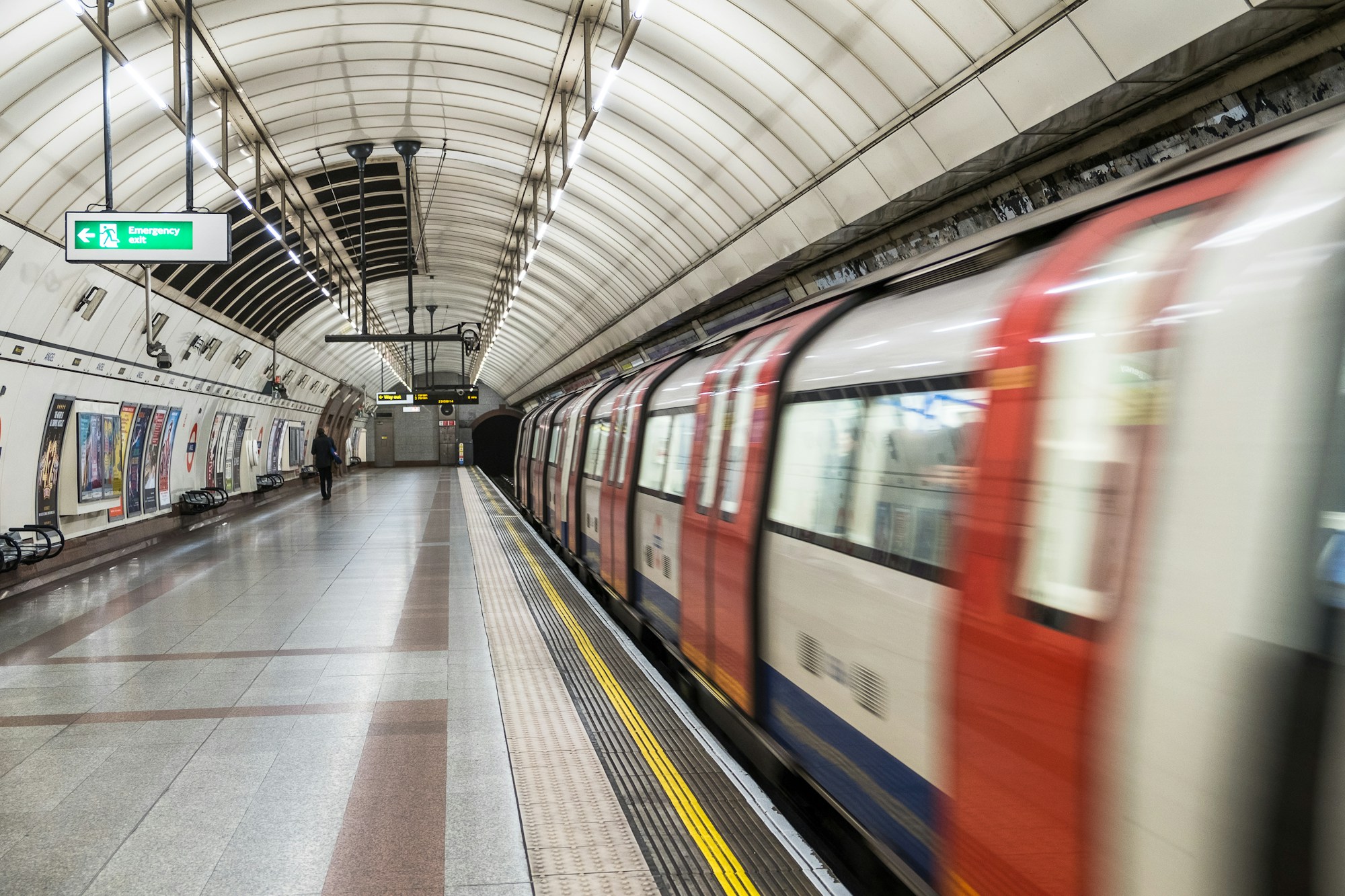
Time Out lists eleven exposed lines: Bakerloo, Central, Circle, District, Hammersmith & City, Jubilee, Metropolitan, Northern, Piccadilly, Victoria and Waterloo & City. That list shows what could be hit, not what will be hit on each date. The RMT statement doesn’t name any line, and the detail will come in TfL notices ahead of each strike.
The services the sources say are spared are the Elizabeth line, for which « no Elizabeth line strikes are currently planned », the London Overground, for which there are « no strikes currently planned », and the DLR, which keeps running according to Time Out. Eurostar isn’t affected, according to the same outlet. National trains and the Tube are rarely on strike at the same time, also according to Time Out.
Worth knowing
- Elizabeth line: no strikes planned, but busier during Tube strike days.
- London Overground: no strikes planned at the consultation date.
- DLR: running according to Time Out.
The table below lists the strikes already held in 2026. It shows what the Tube actually went through during earlier stoppages, which helps you anticipate the most exposed lines.
| Round | Dates | Status observed | Most affected lines |
|---|---|---|---|
| March | announced in March | suspended by the RMT on 18 and 19 March | none, the strike did not go ahead |
| April | 21 to 24 April | went ahead | Piccadilly and Circle closed; Metropolitan closed between Baker Street and Aldgate; Central closed between White City and Liverpool Street |
| May | 19 to 22 May | contradictory in the sources read | not settled, don’t assert |
| June | 2 and 4 June | went ahead | Circle and Waterloo & City with no service; Piccadilly, Metropolitan and Central heavily disrupted; Jubilee at 90% of service |
Source: Français à Londres, 11 November 2026 (French-language); Money Magpie, 21 April 2026; RMT for the March suspension. Checked on 14 November 2026.
3. Why the drivers are striking
A contested four-day week
The dispute is over a four-day week that the RMT calls « so-called voluntary »: presented as optional, but tied to a project called « Trains Modernisation Framework ». The union says these proposals would force drivers to give up hard-won protections: more driving time, earlier start times, later finishes. It also mentions threats of transfers away from depots and « hundreds of job cuts », in its own words (union position, not verified).
TfL presents the scheme as a genuine choice for drivers, with no compulsory depot change. According to the BBC, relayed by Français à Londres, the contractual week would go from 36 to 35 hours, with paid meal breaks. The RMT, for its part, says it isn’t opposed to a four-day week « that benefits our members »: it wants London Underground to withdraw its proposals and open serious talks.
ASLEF, the other drivers’ union, has not called a strike. Its representative criticises the voluntary scheme and talks about rosters based on 34 hours. The RMT statement also cites Bakerloo line rosters, which the union says would amount to job cuts.
What does the strike cost London? No estimate of the cost of the 2026-2027 strikes was found in the sources read. The only estimates date from 2022: a figure from the CEBR research centre, taken from a secondary source we couldn’t open in full, puts the loss at around £14 million for the 10 November 2022 strike and around £24 million for the June 2022 one. These are orders of magnitude for London’s economy, not a tally of the current dispute.
4. Getting around on a strike day
The network shifts more than it disappears
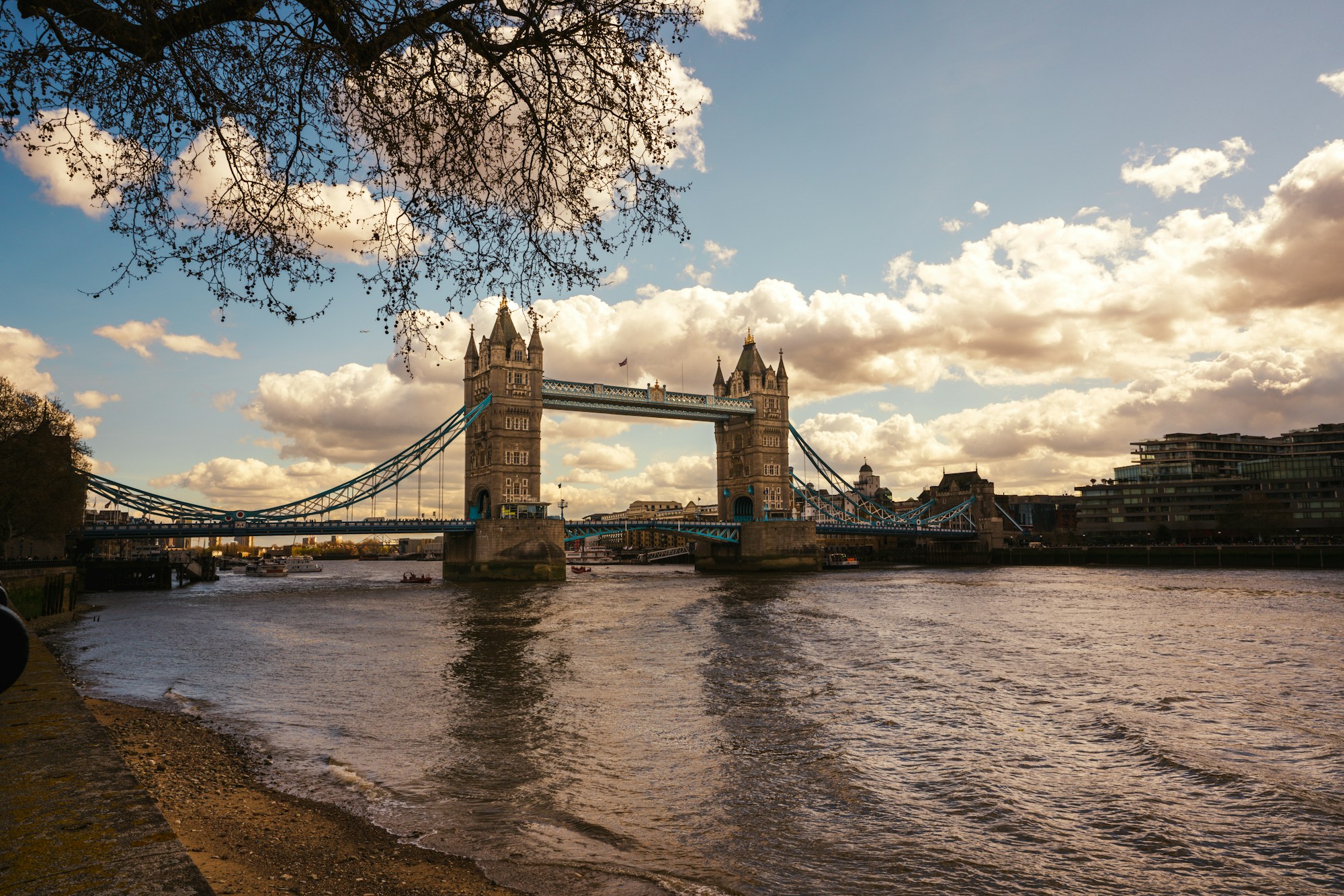
During a Tube strike, the other modes keep running, but with far more passengers. Time Out doesn’t expect strikes on the Elizabeth line or the London Overground, and says the DLR keeps running. Buses generally operate: in June 2026, Français à Londres reports a 4% rise in bus ridership, 22% for bikes and 10% for road traffic.
For short trips, walking is the option TfL recommended during past strikes, according to Secret LDN (2025). That advice isn’t repeated in a TfL notice from November 2026, so we don’t present it as an official instruction.
Taxis are harder to get: demand climbs, ranks fill up fast, and a TaxiPoint page on a 2024 strike reported waits of up to an hour. Minicabs can cost noticeably more when demand spikes, and black cab regulated fares haven’t been checked for 2026.
On bikes, Santander Cycles is described as running during past strikes. A third-party site, London Drum, citing TfL, gives £1.65 for the first 30 minutes on a classic bike (updated April 2026). London & Partners mentions a £3 Day Pass and a £20 monthly subscription. Check these amounts on tfl.gov.uk before you travel. We couldn’t verify any Tube fare: the third-party sites we checked give different figures, which we don’t repeat.
| Option | Announced status | Fare or note |
|---|---|---|
| Elizabeth line | running, no strikes planned | busier; serves Heathrow |
| London Overground | running, no strikes planned | busier |
| DLR | running | busier |
| Bus | running, ridership up | no bus strike found for November 2026 |
| Santander Cycles | described as running during past strikes | £1.65 for the first 30 minutes (third party, to check) |
| Lime | not verified for November 2026 | £0.31 per minute according to City AM (indicative) |
| Taxi | demand up, queues at ranks | regulated fares not verified for 2026; minicabs often dearer |
| Long-distance coach | running from central London and the outskirts | timetables to check with the operator |
| National rail and Eurostar | Eurostar not affected according to Time Out; national trains: no verified status | check with each operator |
Source: Time Out London, 13 November 2026; London Drum (Santander Cycles fares, April 2026, third-party source); City AM (Lime). Checked on 14 November 2026.
5. Refunds and tickets
Don’t count on an automatic refund
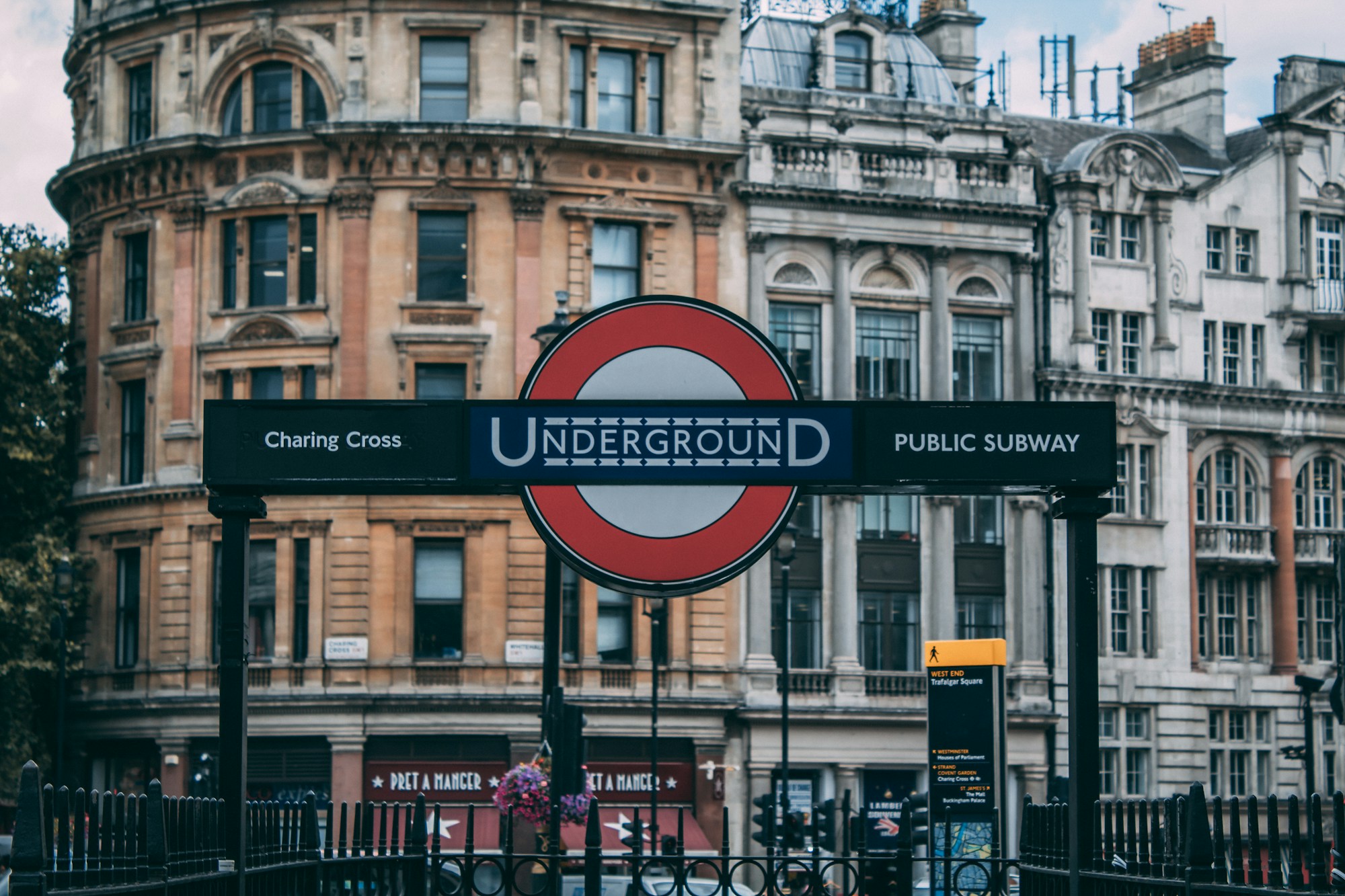
This is the most sensitive point, and the one where guides contradict each other most. Most sources are secondary, and TfL’s strike refund page couldn’t be read in full. Treat the rules below as guidelines to confirm before making any claim.
On the Tube, TfL’s service-delay refund is suspended during a strike, according to Money Magpie (21 April 2026): « service delay refunds are suspended during strike action ». According to that guide, strike-related compensation is generally not available to most travellers.
An unused ticket isn’t refunded automatically. If you pay as you go with contactless or an Oyster, the daily cap doesn’t kick in for a journey you didn’t make. Travelcards and season tickets aren’t refunded for a strike, according to forums and Money Magpie (2025): the only refund that applies is the one set out in the ticket’s own conditions, which isn’t a strike refund.
National trains follow different rules. According to Which?, a train cancelled by the operator entitles you to a full refund or a free change, and in principle this applies to cancellations caused by a strike. A train that is only delayed gives lesser rights, depending on the operator’s thresholds.
What to do
- Keep receipts for replacement journeys: taxi, coach, bike.
- Read your ticket conditions before you travel.
- For the Tube, contact TfL; for a national train, go to the operator.
| Ticket or journey | Rule reported | Source |
|---|---|---|
| Service delay on the Tube, DLR, Overground and Elizabeth line | suspended during a strike | Money Magpie, 21 April 2026 (secondary) |
| Unused ticket on a strike day | no automatic refund | guides and Oyster (secondary) |
| Travelcard or season ticket | no refund for a strike | MoneySavingExpert forum; Money Magpie, 2025 (secondary) |
| National train cancelled by the operator | full refund or free change | Which? (secondary) |
| Heathrow Express | no documented rule in the sources read | not confirmed |
Source: pages cited above. The TfL « tube and DLR delays » page was read in part, with no strike-specific rule. Checked on 14 November 2026.
6. Heathrow and the airports
Three services often get confused. The Piccadilly line, on the Tube, serves Heathrow’s Terminals 2, 3, 4 and 5. It’s the most vulnerable line: during the April 2026 strike, Money Magpie reports « No service on the Piccadilly line », which cuts off the airport by Tube. The Elizabeth line, run by TfL, also serves Heathrow. It isn’t on strike at the consultation date, but it will be busier. Heathrow Express, finally, runs between Paddington and Heathrow and isn’t a Tube service.
Time Out cites Heathrow Express as an alternative, without announcing any closure for November 2026. But the service updates page couldn’t be checked, and Heathrow’s « airport services » page has no dated information on strikes. We can’t therefore say it will run normally on every strike day.
7. Four travellers, four ways to handle it
You’re flying out of London
If your flight leaves on a strike day, avoid the Piccadilly line, which had no service during the April 2026 strike according to Money Magpie. The Elizabeth line serves Heathrow and isn’t on strike at the consultation date; it will be busier, so leave earlier than you think. Long-distance coaches run from central London and the outskirts, according to Time Out, which may suit you if your departure airport isn’t Heathrow.
You’re travelling with family
With children or a pushchair, keep long connections to a minimum. Buses generally run, with ridership up in June 2026 according to Français à Londres. For a direct trip without walking, a taxi is still an option, but ranks fill up fast during strikes.
You’re on a tight budget
Walking is free. Bike hire is described as running during past strikes: check the fares on tfl.gov.uk. On a day when the Tube is shut, don’t buy a ticket in advance unless you know you’ll be travelling: the daily cap doesn’t protect you from journeys you didn’t make.
It’s your first time in London
For a first visit, two sourced reference points: the Elizabeth line and the Overground have no strikes planned at the consultation date, and the DLR keeps running; the Piccadilly and the Circle were closed during the April 2026 strike, and the Circle and Waterloo & City had no service in June. Leave a time margin for every journey, and check the TfL notice for the day before you leave.
What other guides don’t tell you
Several guides repeat the same dates, but they repeat figures or attributions that don’t hold up against primary sources. Here are four points to check before quoting this information.
- The 91% figure isn’t backed up by the sources. Time Out, 2 March 2026, reports 91% « yes » in the March 2026 ballot, but another press report points to internal ballot figures that don’t match that percentage: don’t repeat it without checking. A more recent RMT ballot, with a date that isn’t confirmed, gives 937 « yes » votes out of 1,050 voters, or about 89% (our calculation, from figures published on RMT London Calling, accessed 14 November 2026).
- The 32-hour figure doesn’t come from the RMT statement. Français à Londres, citing the BBC, attributes to the union a demand for a 32-hour week. The RMT statement of 6 November 2026 talks about a « genuine » four-day week with no figure, and the BBC puts the contractual week on the TfL side at 36 to 35 hours (Français à Londres, 11 November 2026, accessed 14 November 2026).
- Not every line is shut for every strike. Time Out writes that « not all lines are always down in every strike », and the RMT statement names no line. Read the TfL notice for the day before reaching any conclusion (Time Out, 13 November 2026, accessed 14 November 2026).
- Heathrow Express isn’t a Tube line, and its November status isn’t documented. Time Out cites it as an alternative to the airport, without announcing a closure. No Heathrow Express notice for November 2026 could be checked (Time Out, 13 November 2026, accessed 14 November 2026).
Frequently asked questions
When is the next Tube strike in London?
The first announced strike starts at noon on Thursday 26 November 2026 and ends at noon on Friday 27 November. It’s one of eight 24-hour stoppages announced by the RMT union, according to its statement of 6 November 2026. The dates may still change.
Is there a Tube strike today?
It depends on the date. At the consultation on 14 November 2026, Time Out announced no strikes for the weekend of 14 and 15 November. For later dates, check the table in this article, then confirm on the day on the TfL status page, before you leave.
How long does a Tube strike last?
Each stoppage lasts 24 hours: it starts at noon on the announced day and ends at noon the next day. The sources don’t say what time each line resumes service in the morning, so check the TfL notice for the day.
When does the strike series end?
The announced period of dispute ends at noon on Friday 26 February 2027, after the last strike on 25 February. Nothing rules out new dates being added, though. An agreement could also be reached before the first stoppage, according to Time Out.
Which Tube lines are affected?
Time Out lists eleven exposed lines: Bakerloo, Central, Circle, District, Hammersmith & City, Jubilee, Metropolitan, Northern, Piccadilly, Victoria and Waterloo & City. Not all are shut for every strike, and the RMT statement names no line. The TfL notice published before each date is the reference.
Can I take the Elizabeth line during a Tube strike?
Yes. According to Time Out, no strikes are planned on the Elizabeth line at the consultation date. The outlet does warn that it will be busier during Tube strikes. It serves Heathrow, which makes it a useful option for airport trips.
Is Heathrow Express running during strikes?
Heathrow Express isn’t a Tube line. Time Out cites it as an alternative to the airport, without announcing a closure for November 2026. The official November notice couldn’t be checked: check the service status the day before and on the day you leave, as we can’t guarantee normal service on every strike day.
Am I entitled to a refund if my journey is cancelled because of a strike?
On the Tube, in principle no: TfL suspends service-delay refunds during a strike, according to Money Magpie (21 April 2026). For a national train cancelled by the operator, a refund or free change is in principle possible, according to Which?. Keep your receipts and read your ticket conditions.
Sources
- RMT, statement of 6 November 2026 : the eight dates, the reason and the union’s position.
- Time Out London, 13 November 2026 : exposed lines, spared services, alternatives.
- Français à Londres, 11 November 2026 : 2026 strikes by line and BBC background (French-language source).
- Money Magpie, 21 April 2026 : refunds during a strike, lines hit in the April strike.
- Time Out London, 2 March 2026 : March 2026 ballot (91%, reported figure not cross-checked).
- RMT London Calling : RMT ballot at an unconfirmed date (937 « yes » out of 1,050 voters), accessed 14 November 2026.
- City AM : Lime fare (£0.31 a minute, indicative).
- TaxiPoint, guide dated 2024 : waits of up to an hour during a past strike.
- Secret LDN, September 2025 : walking and cycling advice during past strikes.
- TfL, strike status : official page to check on the day (not read in full for this article).
- TfL, Tube and DLR delay refunds : read in part, no strike-specific rule.
- Which? : compensation for a national train cancelled or delayed by a strike.
- Heathrow, airport services : read, no dated strike information.
- London Drum, Santander Cycles : fares, updated April 2026 (third-party source).
Sources accessed 14 November 2026. The TfL pages could not be read in full: they are presented as « to check », never as a source of fact.

Plan your trip with Pixidia
Pixidia learns how you travel and helps you build a trip that truly fits you and everyone coming along.
Open the planner