

In 2026, the art of travel is being reinvented. Gone is the obsession with exhausting grand tours: the underlying trend is the Micro-Break — a hyper-targeted 3 to 4-day escape that prioritises depth over quantity. From Paris, in less than 3 hours’ flying time, you have access to more than 200 European destinations. The choice is vertiginous. So, where to go this weekend? Which cities are truly worth the trip in 2026 — whether for a unique cultural opening, a landmark festival, or simply the best experience-to-value ratio right now? According to a recent analysis by Travel & Tour World, short-break travel is the fastest-growing segment of the European market. This guide selects 15 escapes for 2026 — a mix of major capitals, lesser-known mid-sized cities and destinations in full effervescence — with all the practical data to book with confidence.
All 15 Destinations at a Glance
| City | Flight from Paris | Budget 3 nights/person | 2026 Trend |
|---|---|---|---|
| 🇮🇹 Milan | ~1h45 | €450–650 | ⭐⭐⭐ Winter Olympics |
| 🇩🇪 Hamburg | ~1h30 | €400–600 | ⭐⭐⭐ teamLab Borderless |
| 🇸🇮 Ljubljana | ~1h45 | €350–500 | ⭐⭐⭐ Sustainable tourism |
| 🇵🇹 Porto | ~2h10 | €300–450 | ⭐⭐ Bonfim creativity |
| 🇪🇸 Seville | ~2h20 | €350–550 | ⭐⭐ Flamenco Biennale |
| 🇵🇱 Warsaw | ~2h30 | €280–450 | ⭐⭐⭐ Gastronomy |
| 🇬🇷 Thessaloniki | ~2h50 | €300–450 | ⭐⭐ Dimitria Festival |
| 🇸🇰 Trenčín | ~2h45+ | €250–380 | ⭐⭐⭐ European Capital of Culture |
| 🇪🇪 Tallinn | ~2h45 | €350–500 | ⭐⭐ Medieval + digital |
| 🇨🇿 Prague | ~1h50 | €300–480 | ⭐⭐ Renewed gastronomy |
| 🇵🇹 Lisbon | ~2h30 | €350–500 | ⭐⭐⭐ Art scene |
| 🇭🇺 Budapest | ~2h30 | €280–430 | ⭐⭐ Baths + ruin bars |
| 🇪🇸 Barcelona | ~2h00 | €350–500 | ⭐⭐ Sagrada Família |
| 🇪🇸 Bilbao | ~1h45 | €350–530 | ⭐⭐ Basque gastronomy |
| 🇪🇸 Girona | ~2h00 | €250–380 | ⭐⭐⭐ Catalan secret |
1. Milan — The Olympic Energy
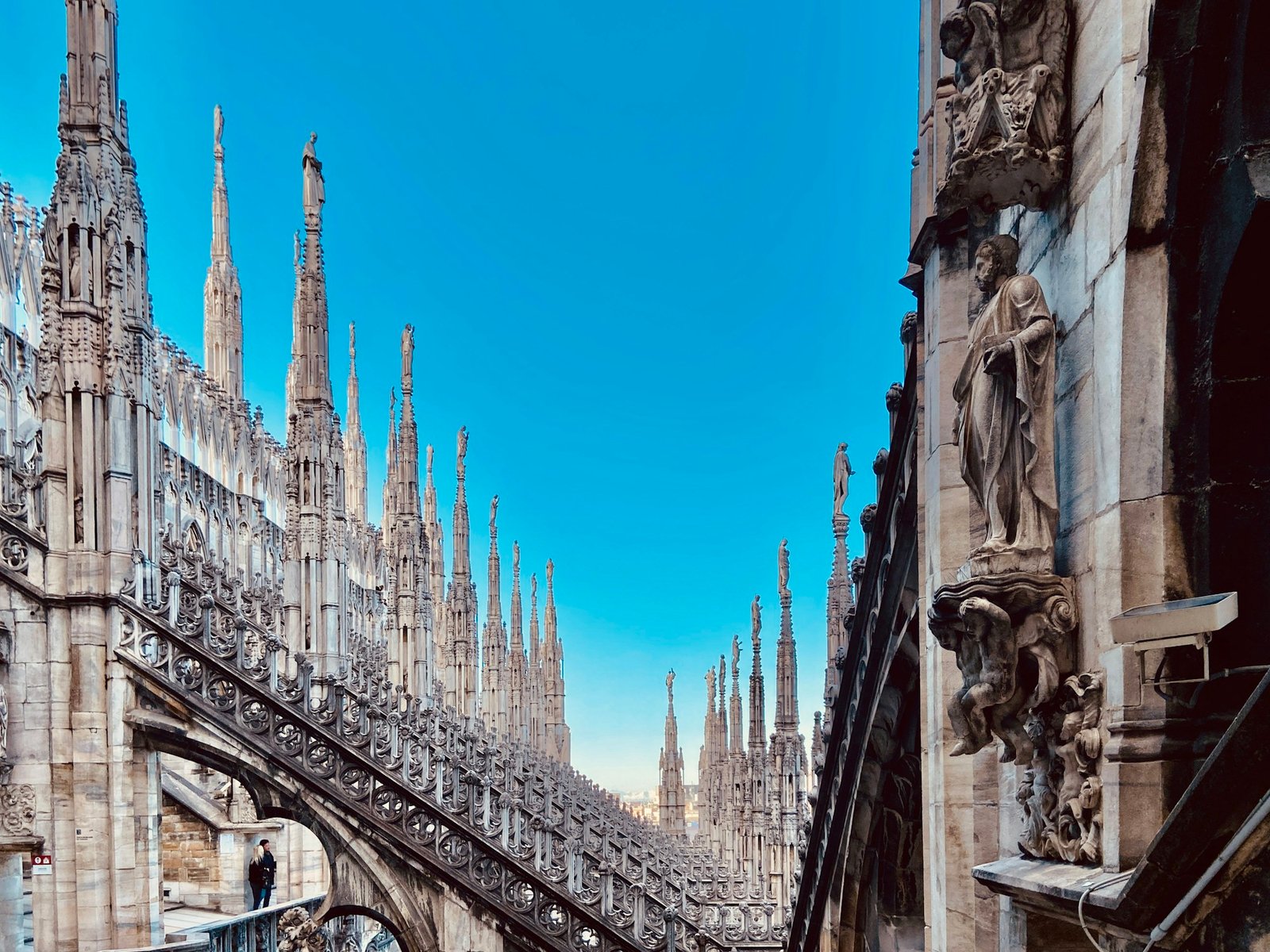
Milan, Italy — The city of the Games and style
Milan is undisputedly the most electrifying European city in early 2026. Co-host of the 2026 Winter Olympic Games (6–22 February), the Lombard capital buzzed with competitions, leaving behind a renewed cultural and sports infrastructure. But beyond the Olympic excitement — which sends prices soaring during that period — Milan offers exceptional cultural richness throughout the year.
Between the Brera galleries, the Ambrosian Pinacotheca, the Gothic Duomo and the Navigli district with its animated canals, the city embodies the perfect Italian « high-low » balance: artisan coffee in the morning, contemporary design in the afternoon, aperitivo spritz in the evening. The new M4 metro line now connects Linate airport to the city centre in 12 minutes.
Highlights
- The Duomo — climb the rooftop for a breathtaking view of the Alps
- Brera district — galleries, bistros and bohemian atmosphere
- Navigli — animated canals and sunset aperitivo
- Isola — trendy street food and independent boutiques
- Leonardo da Vinci’s Last Supper — booking mandatory, 3–4 months ahead
2. Hamburg — Immersive Art at Its Finest
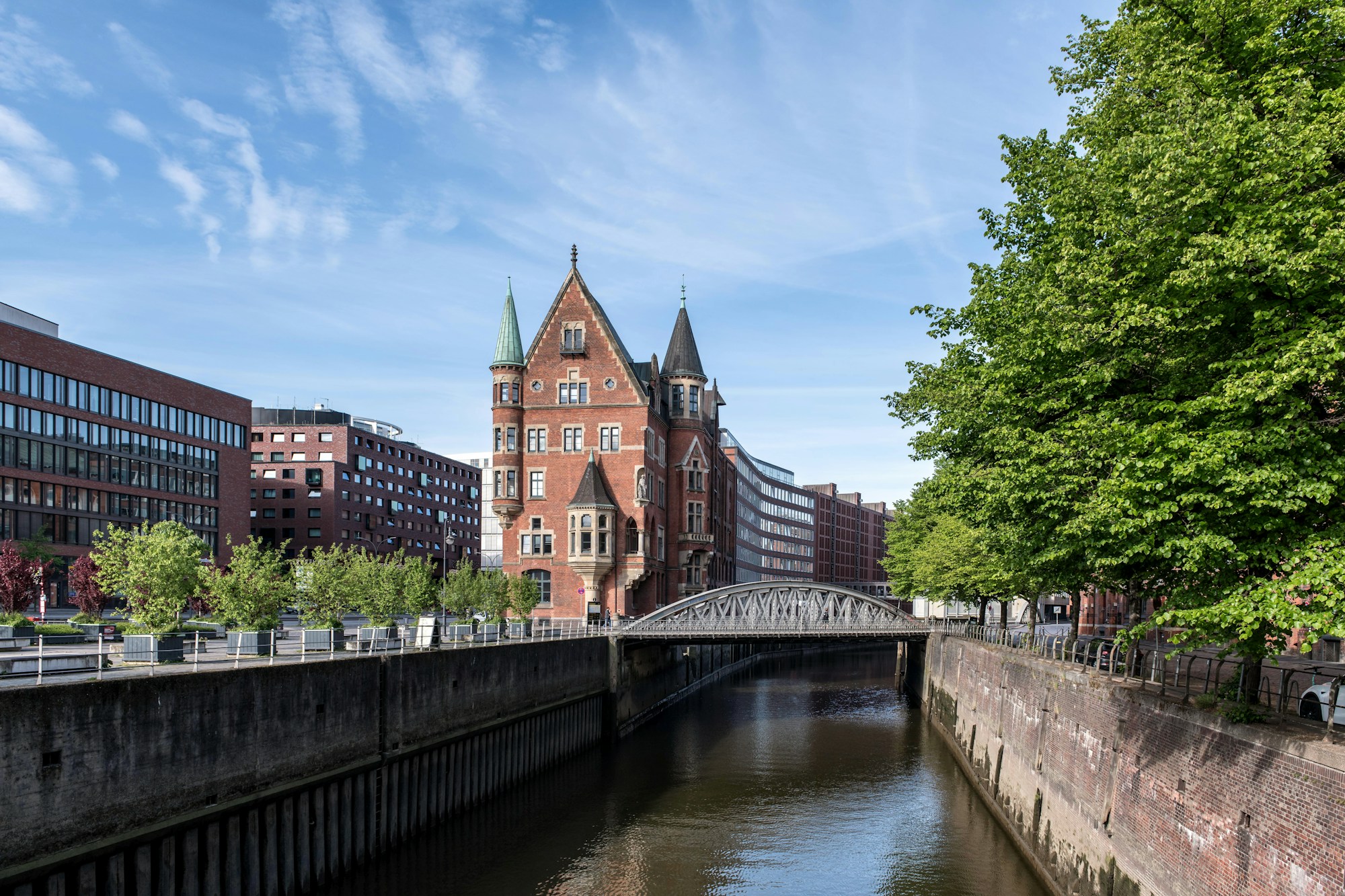
Hamburg, Germany — The immersive digital art capital
In 2026, Hamburg inaugurates the UBS Digital Art Museum, a cultural landmark destined to become Europe’s largest institution dedicated exclusively to digital and immersive art, located in the HafenCity district across 6,500 m². The museum opens with the permanent exhibition teamLab Borderless — digital artworks that flow freely between rooms, creating forests of suspended light, waterfalls and flowers that react to visitors’ movements.
Founder Lars Hinrichs himself warns that tickets will sell out weeks in advance. Book now. Beyond the museum, Hamburg rewards the curious: the Altona fish market on Sunday mornings, the UNESCO-listed Speicherstadt warehouse district, Elbphilharmonie concerts.
Highlights
- UBS Digital Art Museum — teamLab Borderless, Europe’s largest digital art experience
- Speicherstadt — UNESCO World Heritage Hanseatic warehouses
- Altona fish market — Sunday morning from 5am, a unique experience
- Elbphilharmonie — spectacular concert hall with free panoramic viewing platform
- Schanzenviertel — bohemian bars and Hamburg alternative culture
3. Ljubljana — The Whispering Green Capital
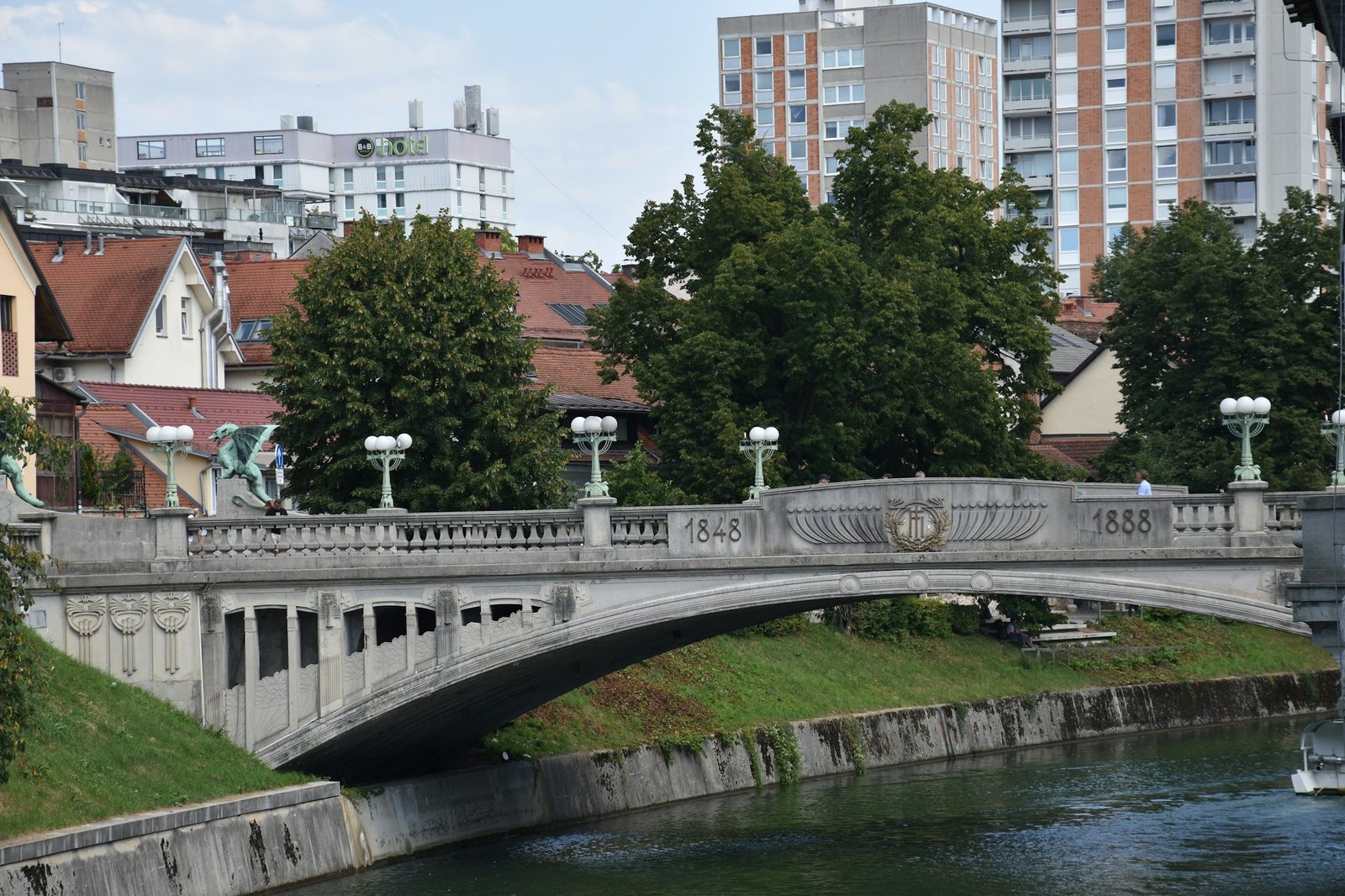
Ljubljana, Slovenia — Prague in miniature, without the crowds
Slovenia’s capital flies under the radar for many travellers — which decidedly works in your favour. Ljubljana offers the charm of Prague or Vienna at roughly half the cost, with a fully pedestrianised city centre along the Ljubljanica River. According to Travel Label, it is one of the most recommended city break destinations in Europe for 2026.
For those looking to escape the overtourism of Venice or Barcelona, Ljubljana is the reference for sustainable travel. Entirely car-free centre, deliberately slow pace, creative gastronomic scene… and just 40 minutes by train, Lake Bled awaits with its emerald waters. A weekend can combine urban discovery and Slovenian nature in less than 72 hours. A direct Paris–Ljubljana flight costs an average of €159, with fares as low as €66 on promotion.
Highlights
- Old town along the Ljubljanica — terraces, cafés and Baroque architecture
- Ljubljana Castle — walk up or take the funicular, exceptional panorama
- Day trip to Lake Bled — 40 min by bus or train, one of Europe’s most beautiful lakes
- Metelkova — alternative cultural zone, free summer concerts
- Morning central market — fruit, vegetables, local crafts and Slovenian specialities
4. Porto — Azulejo Authenticity
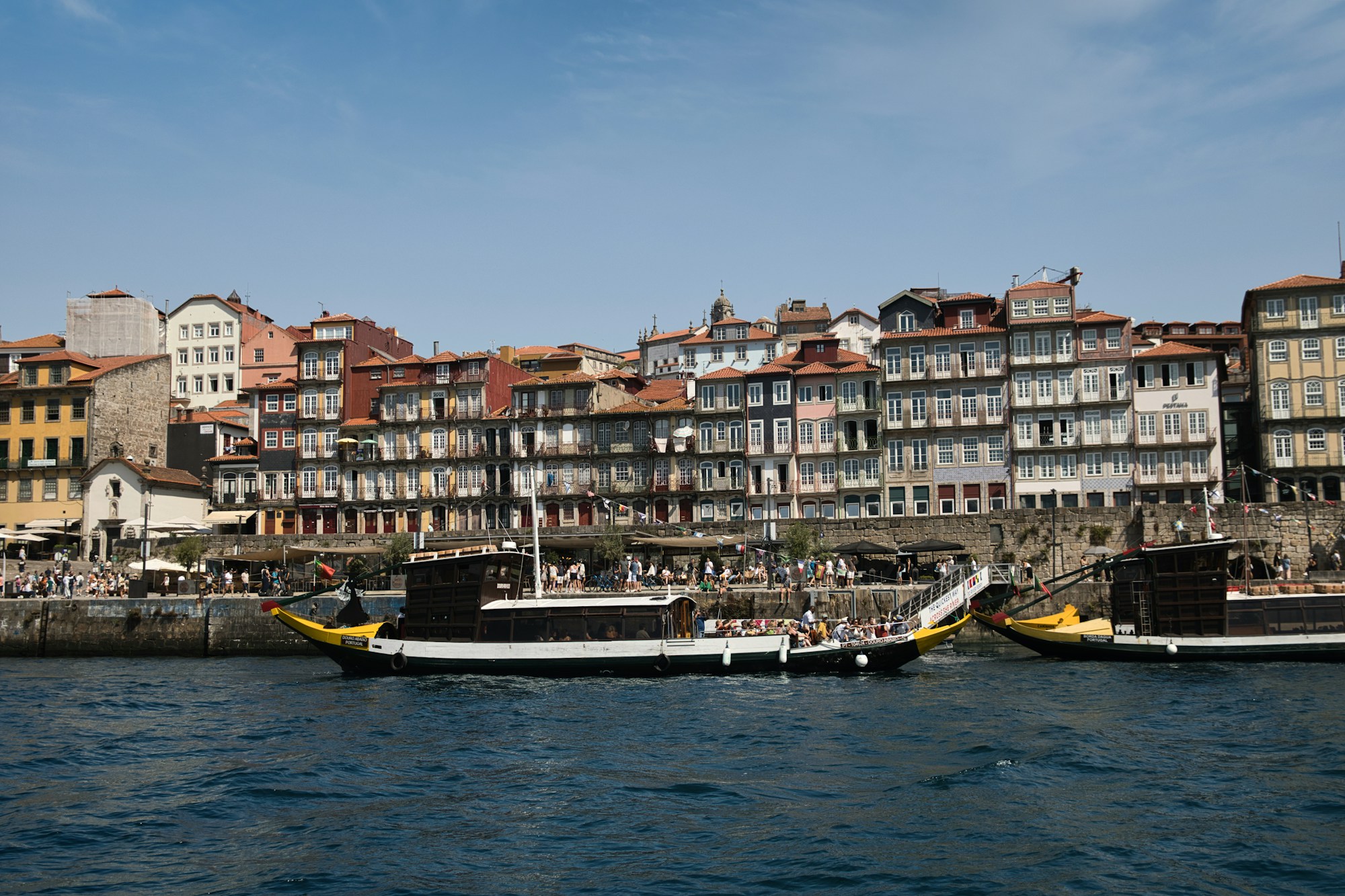
Porto, Portugal — The city of granite and azulejos
Porto remains one of Europe’s most seductive city breaks — a city of granite and tramways, cracked azulejos and port wine caves carved into rock, bold street art and endless brunches. In 2026, its Bonfim district continues its transformation into a creative hub, with new coffee shops and galleries attracting an international clientele without prices exploding.
Porto offers its best meals often in modest establishments. Some tavernas serve the best francesinha in the city for under €15, while wine by the glass in bars hovers around €3–5. The average return flight from Paris costs €83 in low season.
Highlights
- UNESCO-listed Ribeira — riverfront with its iconic colourful facades
- Vila Nova de Gaia — port wine cellars with river views and tastings
- Dom Luís Bridge on foot at sunrise — stunning views, completely free
- Bonfim — up-and-coming creative quarter, specialty cafés and galleries
- Historic tram line no. 1 (Ribeira–Passeio Alegre) — a must-do experience
5. Seville — The Andalusian Passion
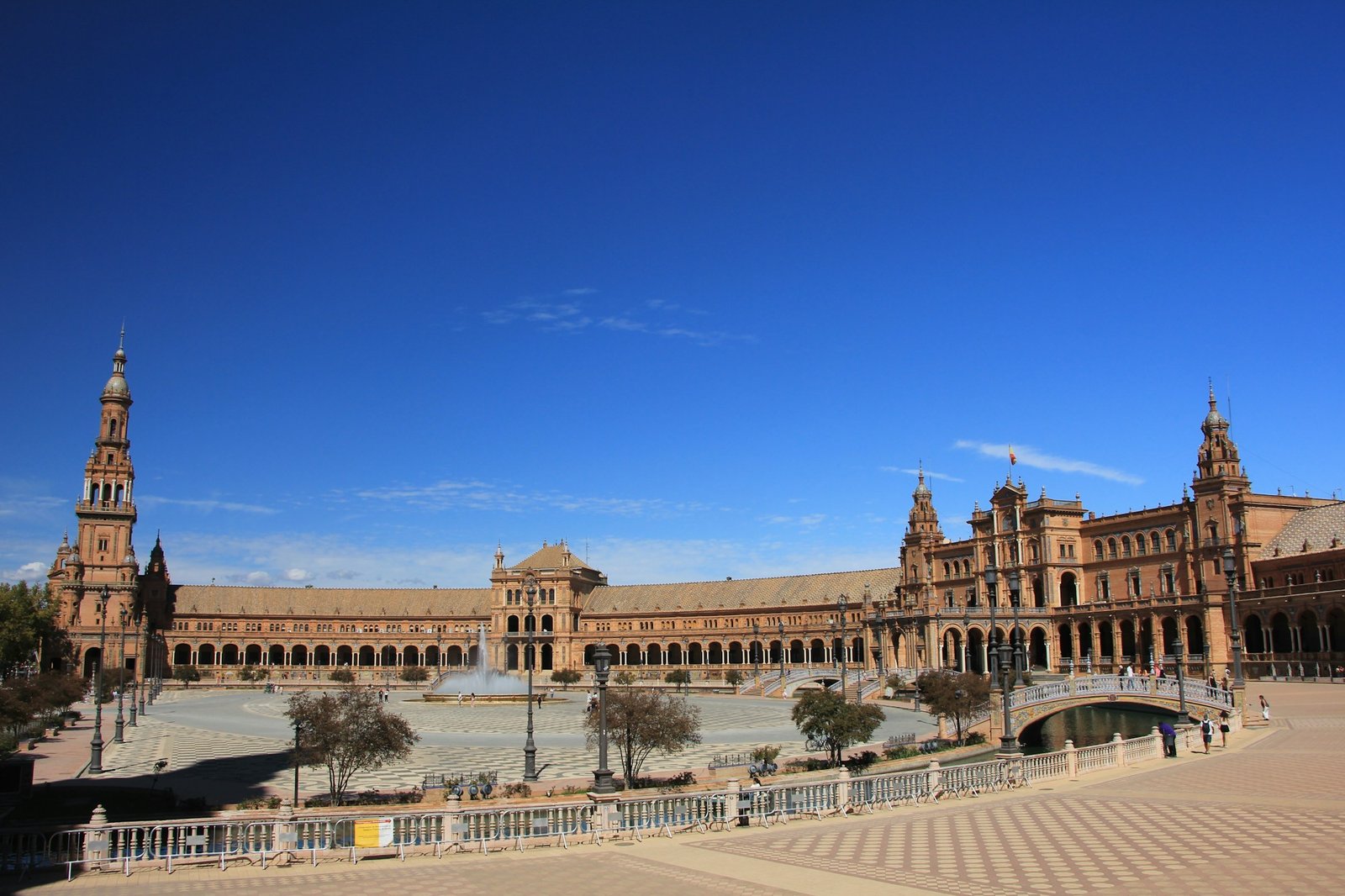
Seville, Spain — Flamenco, the Alcázar and orange blossom
Seville delivers a culture you don’t merely observe — you feel it. The clacking of flamenco heels echoing from the tablaos, the scent of orange blossom drifting through the Alcázar gardens, the passionate energy that intensifies as evening comes and locals reclaim their streets… In 2026, the Flamenco Biennale returns in September, with performances throughout the city — an event not to be missed.
On average, the cost of living in Seville is 22% lower than in France. Return flights from Paris can be found from €54 with Ryanair. The Gothic cathedral — the largest in Europe — and the Alcázar require a full morning; book tickets online 2 weeks ahead.
Highlights
- The Royal Alcázar — UNESCO-listed Mudéjar palace, sumptuous gardens
- La Giralda — former mosque tower, panoramic view over the old city
- Triana — flamenco neighbourhood, ceramics and authentic tapas
- Barrio Santa Cruz — medieval alleys of the Jewish quarter, orange trees in bloom
- Azoteas — rooftop terraces for sunset aperitifs with great views
6. Warsaw — The Resilient and Trendy Capital
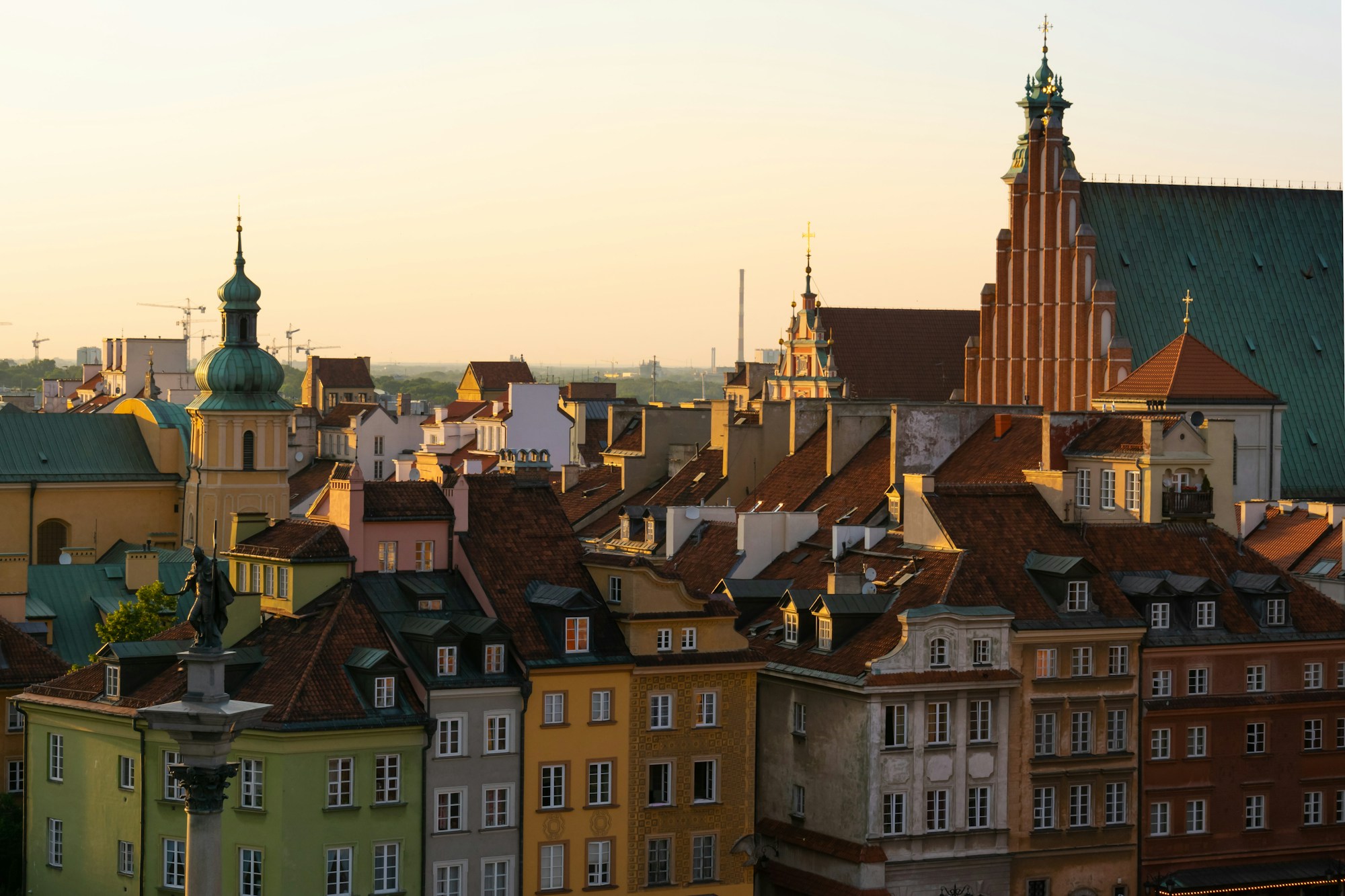
Warsaw, Poland — The capital that surprises
If 2025 was the year of Kraków, 2026 is Warsaw’s year. For travellers sensitive to rising costs in Western Europe, the Polish capital offers a breath of fresh and affordable air. Despite its architecture spanning several decades, its Michelin-starred restaurants and vast green spaces, Warsaw is an underrated capital that has undergone a spectacular culinary transformation.
Compared to Prague, Budapest or Vienna, Warsaw offers similar cultural richness at 30–40% lower costs. A 75-minute transport ticket costs €1, and quality meals run €10–20 per person. The Old Town (Stare Miasto), faithfully rebuilt after the war and listed by UNESCO, is an extraordinary testament to human resilience.
Highlights
- Stare Miasto — rebuilt old town, UNESCO-listed, lively market square
- Praga — gentrifying eastern district, fascinating alternative galleries
- Powiśle — riverside cultural bar scene, the summer hotspot
- Warsaw Uprising Museum — moving and essential
- Łazienki — splendid royal park with free Chopin piano concerts on summer Sundays
7. Thessaloniki — The Unknown Greek Pearl
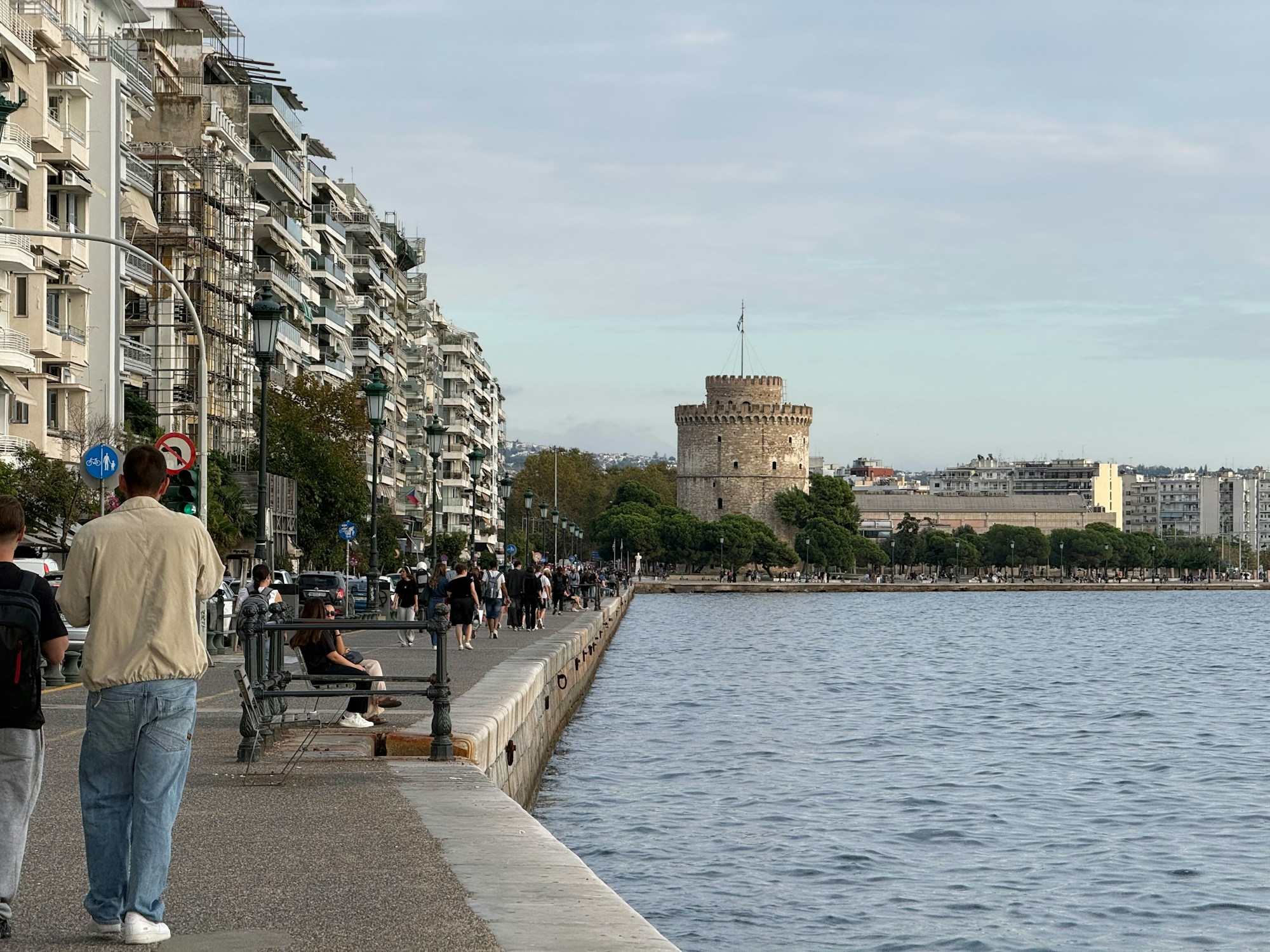
Thessaloniki, Greece — The country’s table and its Byzantine secrets
Thessaloniki is the Greek city that connoisseurs choose when they want to avoid Athens’ saturation. The country’s second city is renowned for its gastronomy (considered by Greeks themselves to be the country’s finest table), its lively waterfront, its UNESCO-listed Byzantine monuments and a student youth that gives it unparalleled nighttime energy.
The best Paris–Thessaloniki return flight found on Momondo comes in at €134, with fares as low as €75 in September. Bus route 78 connects the airport to the centre every 30 minutes for under one euro.
Highlights
- White Tower — former Ottoman prison, city symbol and museum
- Ano Poli — Byzantine upper town with ramparts and cobblestone alleys
- Ladadika — former warehouse district converted into a restaurant-bar district
- Gastronomy — bougatsa (cream or cheese in pastry) for breakfast, unmissable
- Rotunda of Galerius — 3rd-century architectural masterpiece, heart of the Roman city
8. Trenčín — The 2026 European Capital of Culture
Trenčín, Slovakia — The ultimate hidden gem of 2026
Trenčín wears the crown of European Capital of Culture 2026, and the city on the Váh River takes its responsibilities very seriously. The central theme « Awakening Curiosity » is explored through concerts, exhibitions, parades and festivals throughout the year. Trenčín has long existed among Europe’s most underrated, but the continent’s eyes are firmly fixed upon it in 2026.
The medieval Trenčín Castle (Trenčiansky hrad) has become a contemporary art venue. The opening weekend featured over 100 cultural events in the city centre and its districts. In July, a summer festival of emerging music. And the cultural summer will culminate with the inauguration of the new Pont Fiesta, the city’s new symbol.
Highlights
- Trenčín Medieval Castle — iconic site, exceptional 2026 arts programme
- ECoC 2026 programme — « The Well of Love » exhibition, festivals, concerts, theatre
- Trenčianske Teplice — thermal spa 15 km away, perfect culture + wellness combo
- Baroque old town — compact and charming, ideal for a short escape
- Pont Fiesta — new architectural symbol inaugurated in 2026
9. Tallinn — The Astonishing Medieval-Digital Balance

Tallinn, Estonia — Medieval fairy tale meets Silicon Valley of the North
Estonia’s capital rewards curious travellers with one of Europe’s finest medieval old towns, wrapped inside a decidedly modern and digital city. Tallinn has quietly developed one of the continent’s most interesting food and design scenes while maintaining pleasantly reasonable prices compared to its Scandinavian neighbours.
The UNESCO-listed old town seems straight out of a fairy tale — watchtowers, cobblestone alleys and merchant houses dating to the Hanseatic League. But beyond the medieval walls, in the creative Telliskivi quarter or in Kalamaja, you’ll find converted factories housing galleries, craft breweries and restaurants that would rival Stockholm — at half the price. And in Estonia, everything is cashless: the most digital country in Europe.
Highlights
- Vanalinn — UNESCO-listed medieval old town, Olaf’s Tower, 14th-century ramparts
- Telliskivi Creative City — trendy quarter in former industrial buildings
- Kadriorg — baroque summer palace and park, Kumu museum nearby
- Kalamaja craft breweries — Estonian craft beer tastings
- Christmas markets in December — among Europe’s most authentic under the snow
10. Prague — The Eternally Magical City at a Great Price
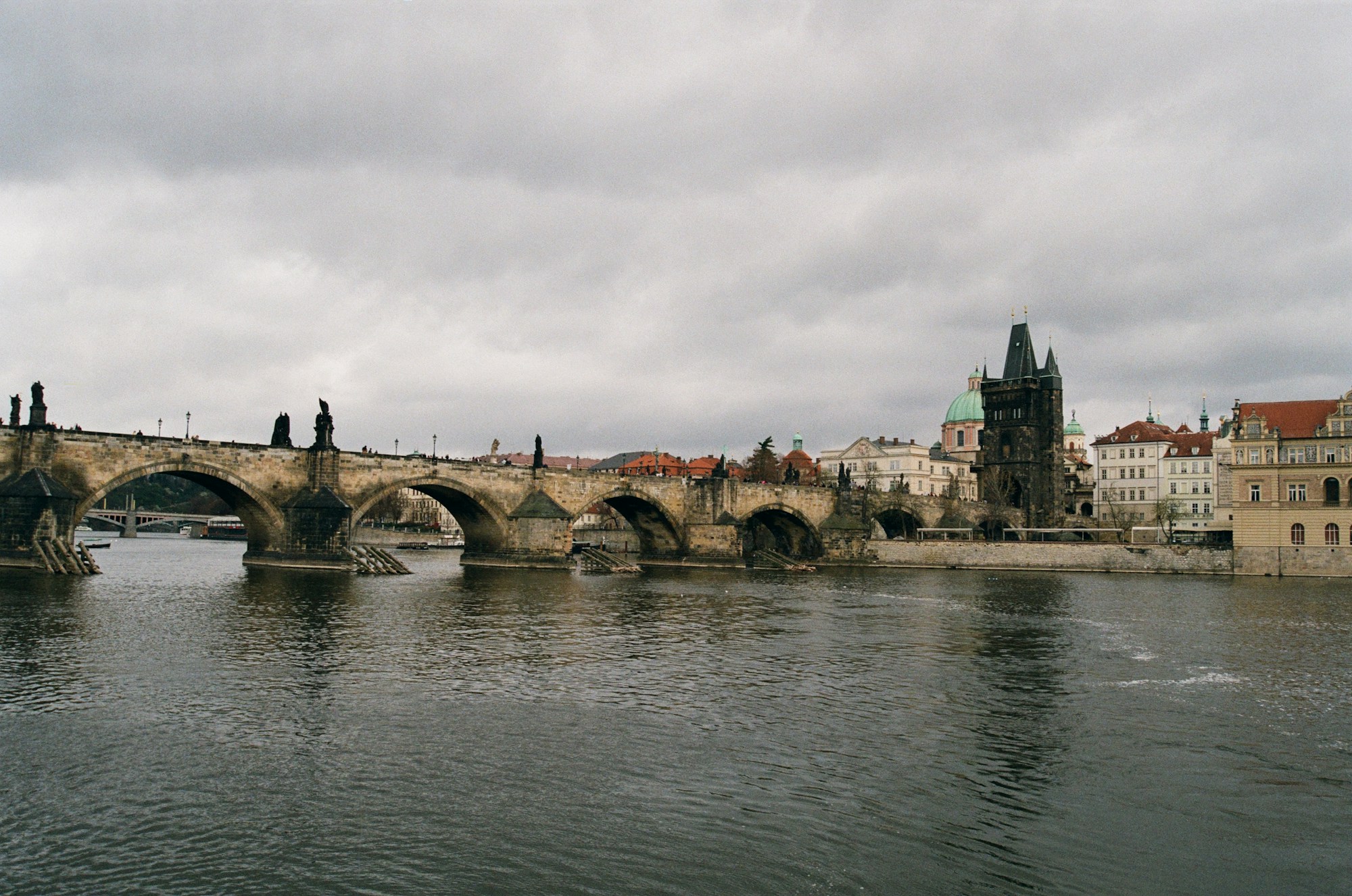
Prague, Czech Republic — Europe’s most photogenic city
Prague remains one of Europe’s most photogenic cities, with its Gothic bridges, orange-tiled rooftops and medieval alleys — and one of the best value-for-money ratios in the Schengen area. In 2026, the city enjoys a renewed gastronomic scene that goes far beyond Bohemian classics: world cuisine restaurants, natural wine bars and creative deli stores coexist with traditional bakeries.
Prices remain lower than in Western Europe, making it an ideal choice for budget-conscious travellers. And Prague under snow — visit in winter — is pure magic.
Highlights
- Charles Bridge — cross it at 7am for an almost mystical experience
- Prague Castle — the world’s largest castle complex, city views
- Malá Strana — romantic quarter with Baroque palaces and secret gardens
- Vinohrady — lively boho neighbourhood, creative restaurants and natural wine bars
- Žižkov — authentic alternative quarter, off the tourist trail
11. Lisbon — The Unbeatable Charm of the Hills
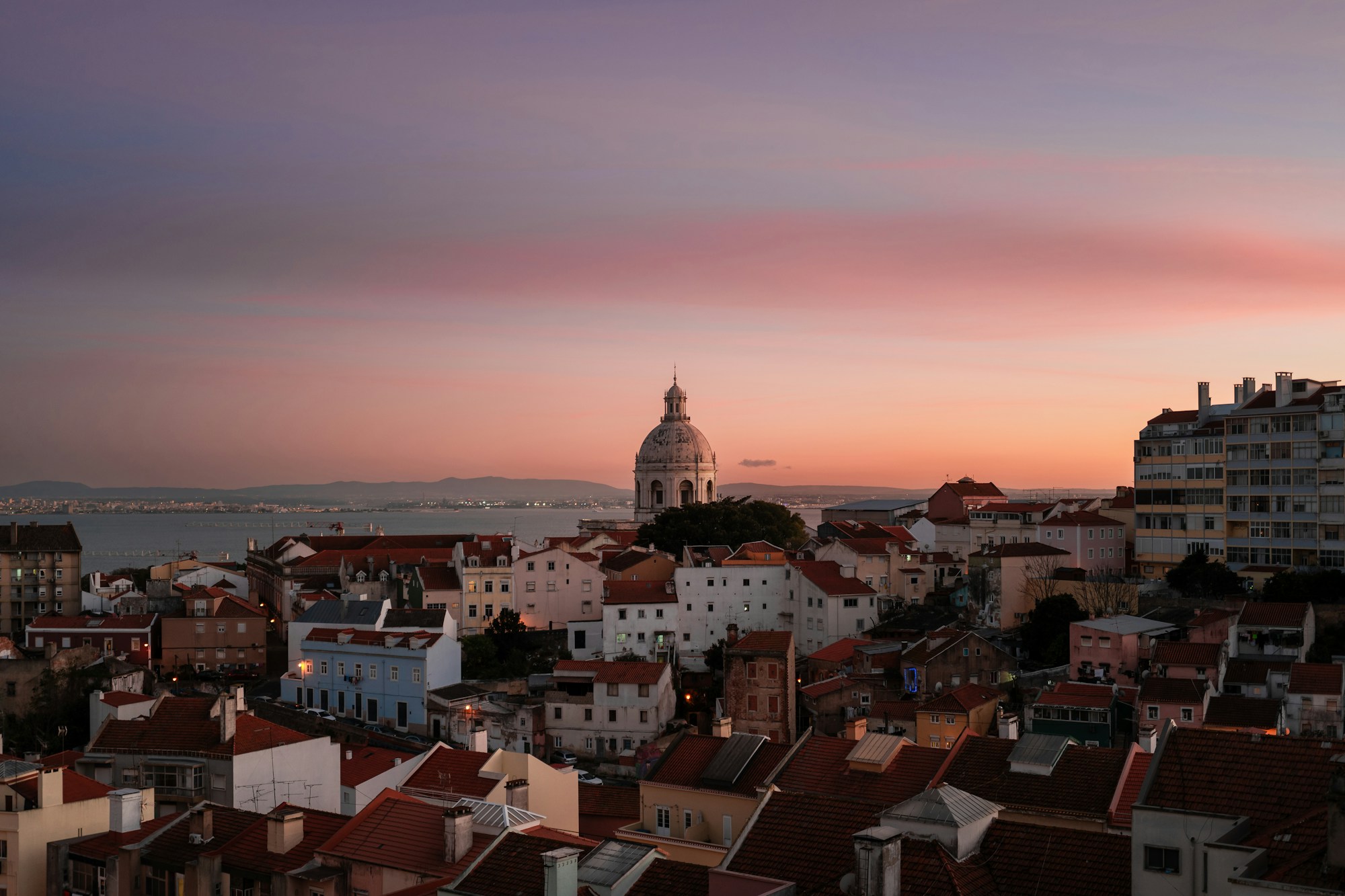
Lisbon, Portugal — The capital that rewards everyone
With its captivating alliance of heritage and contemporary brilliance, Lisbon has become one of Europe’s most fascinating short-break destinations. Sunlit hills, vintage trams on cobblestone streets and pastel facades — the hallmark of Lisbon’s historic architecture — combined with a vibrant waterfront and a dynamic culinary and arts scene.
Lisbon is Travel Label’s overall recommendation for its unbeatable combination of value, accessibility and depth: a city that rewards first-time visitors and regulars alike. And southern destinations like Lisbon comfortably extend into November, for a perfect mild-crowd-price balance.
Highlights
- Alfama — maze of medieval alleys, fado music in the casas de fado in the evening
- Tram 28 — historic traverse of the city, essential (take it early morning)
- LX Factory — Sunday market in a former factory, designers and street food
- Miradouro da Graça — the finest viewpoint, little-visited, with locals
- Pastéis de Belém — the originals since 1837, with cinnamon and icing sugar
12. Budapest — Austro-Hungarian Grandeur at Affordable Prices
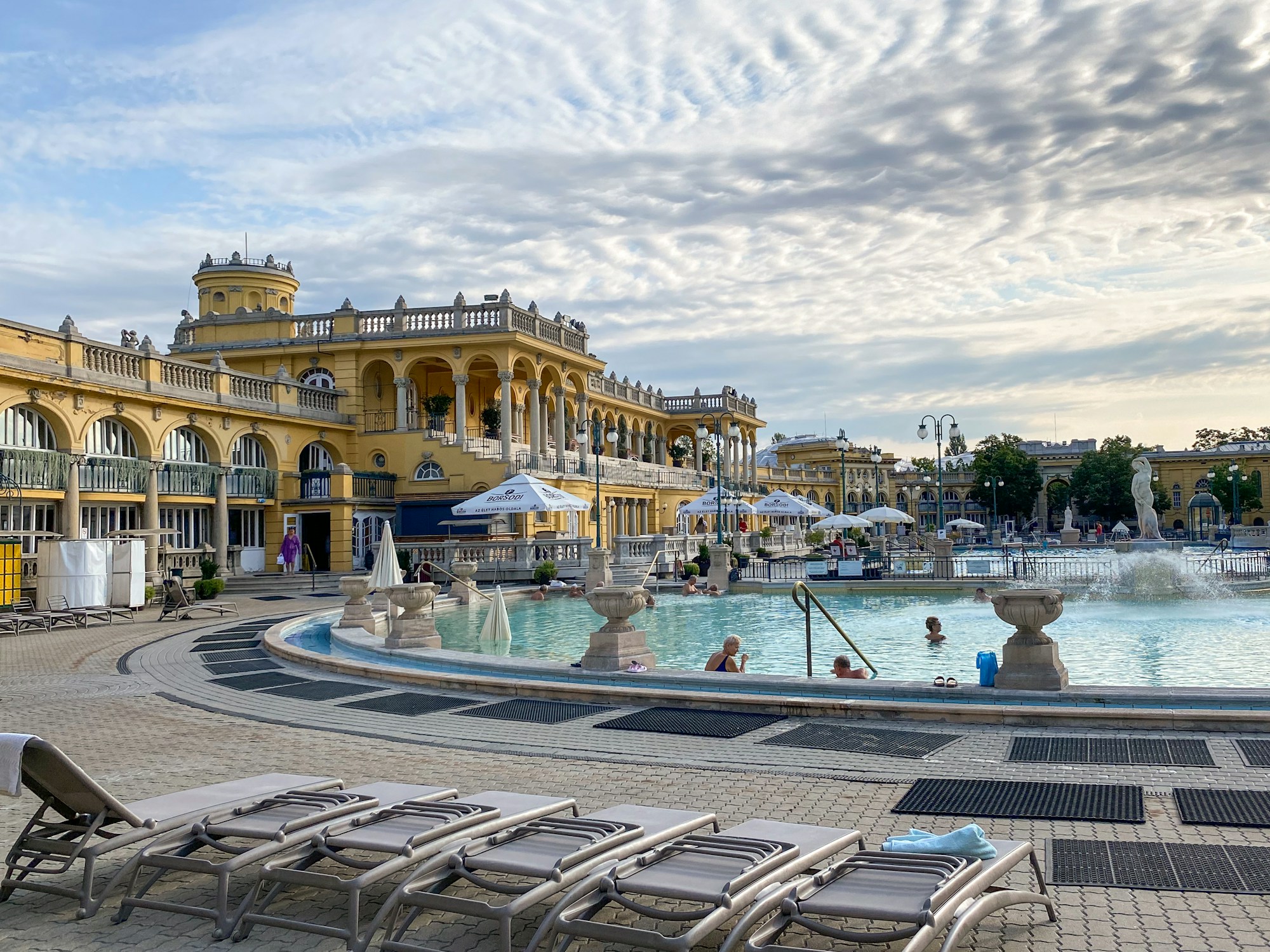
Budapest, Hungary — Legendary thermal baths and mythical ruin bars
Budapest combines imperial palace architecture, 19th-century thermal baths, mythical ruin bars and a gastronomic scene in full renaissance — all at prices that make all of Western Europe green with envy. Budapest combines grand architecture with some of the cheapest meals and nightlife of any European capital.
Public transport is affordable, the iconic thermal baths are well worth the entry fee (~€25 for Széchenyi), and a quality dinner in the Jewish quarter costs €15–25. Among the best Central European cities for maximising your experience per euro spent.
Highlights
- Széchenyi Baths — neo-Baroque indoor and outdoor pools, a unique experience
- Szimpla Kert — the original ruin bar, surreal decor in an abandoned factory
- Castle Hill — panoramic view over the Danube and Pest
- Great Market Hall — paprika, Hungarian foie gras and fresh lángos
- Újlipótváros — boho neighbourhood and specialty cafés, away from tourists
13. Barcelona — The Inexhaustible Catalan Capital
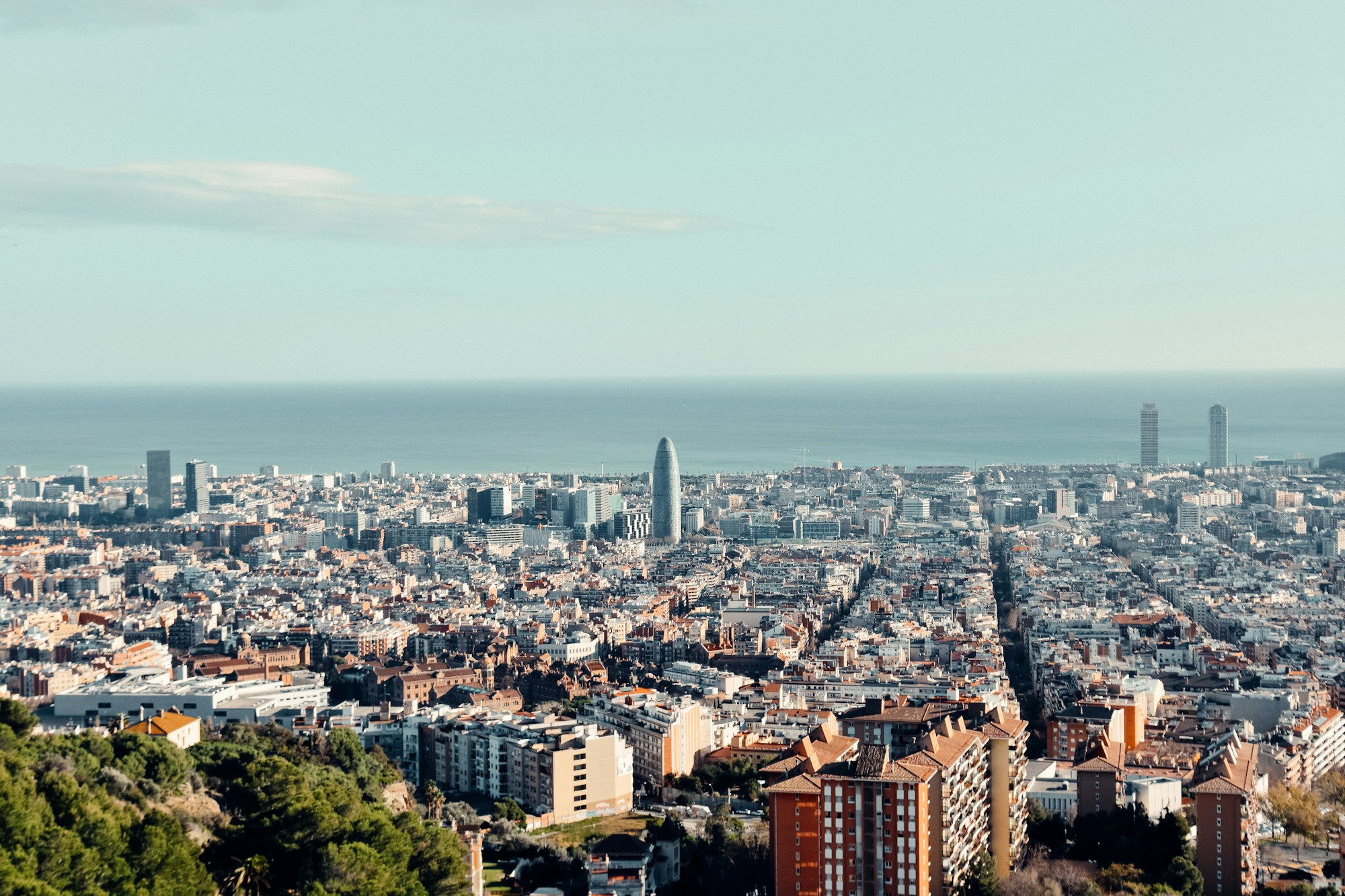
Barcelona, Spain — Gaudí, sea and avant-garde
Barcelona needs no grand introduction, but it deserves a special mention in 2026. The city is beginning a policy of limiting overtourism while continuing to shine culturally: the Sagrada Família approaches its planned completion, the MACBA is renewing its programme, and the Poblenou district — a former industrial area transformed into a tech and creative hub — remains one of Europe’s most vibrant areas.
Few cities blend beach life and architecture so well. Antoni Gaudí’s genius decorates every corner, and tapas bars overflow onto lively streets. In 2026, the Sagrada Família continues approaching its historic completion — visiting the nave now is witnessing a moment in history.
Highlights
- Sagrada Família — Gaudí’s masterpiece, nearing completion, unique stained-glass light
- El Born — art and cocktails quarter, Palau de la Música Catalana
- Gràcia — village-in-the-city atmosphere, terraces and local markets
- Poblenou — creative and digital hub, beach within cycling distance
- Park Güell — Gaudí’s mosaics, timed-entry tickets mandatory
14. Bilbao — The Basque Reinvention
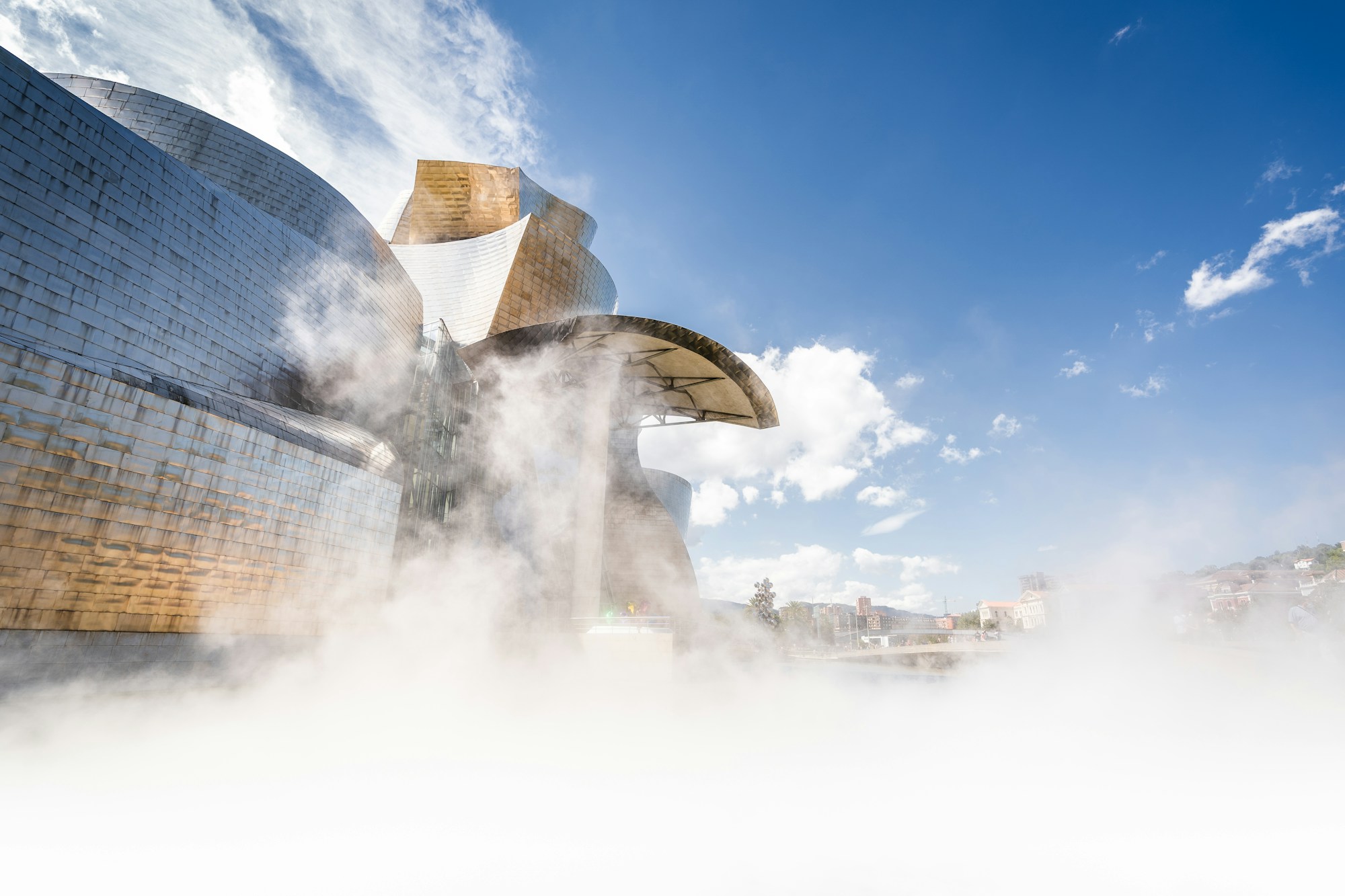
Bilbao, Spain — Guggenheim, pintxos and Basque identity
Bilbao remains one of Europe’s most remarkable urban transformations, built around Frank Gehry’s Guggenheim since 1997 and now enriched by a gastronomic scene that rivals San Sebastián. Less known than its Spanish neighbours, the Basque city offers a strong cultural identity, bold contemporary architecture in the Abandoibarra district, pintxos among Spain’s finest and relatively mild weather — the Basque landscapes remain green even in summer.
In 2026, Bilbao bets on its festivals (Bilbao BBK Live in July, Semana Grande in August) and its gastronomic revival with new Michelin-starred chefs pushing the boundaries of traditional Basque cuisine.
Highlights
- Guggenheim Museum — Gehry’s masterpiece, Koons, Basquiat and Serra collections
- Casco Viejo — seven medieval streets (Las Siete Calles), authentic pintxos bars
- García Rivero pintxos — the street for the best pintxos, at €3 each
- Algorta — coastal village 20 min by metro, charming old fishing town
- Fine Arts Museum — impressive collection, free entry on Wednesdays
15. Girona — The Secret Catalan Medieval Gem
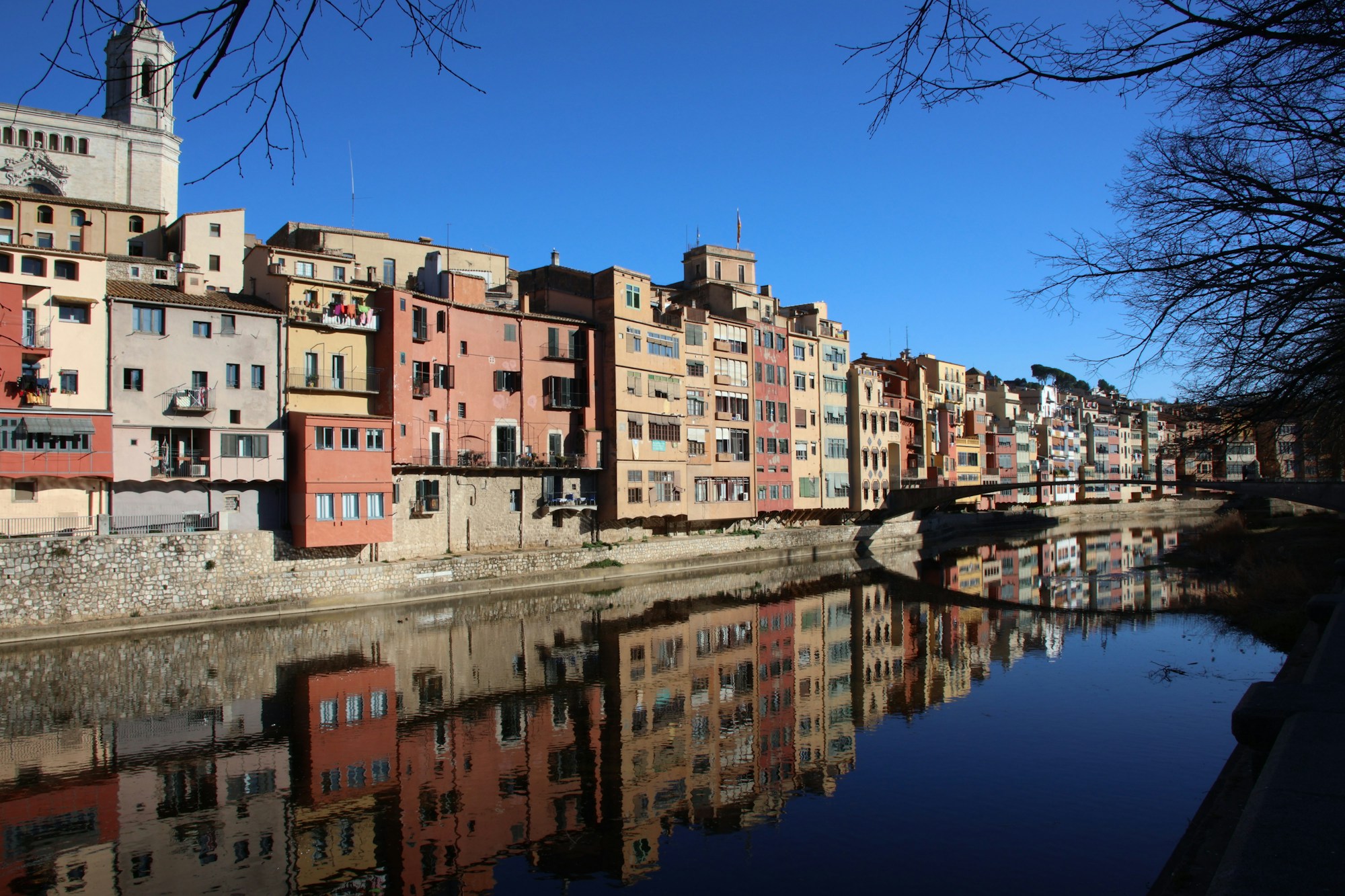
Girona, Catalonia — The best-kept secret of the Iberian Peninsula
Girona is Catalonia’s best-kept secret — a city whose medieval beauty would rival Dubrovnik or Bruges if it were by the sea. Girona’s walls, first built by the Romans, allow you to walk almost all the way around the old town on these ramparts. A majestic cathedral with a centenary tapestry that rivals the Bayeux Tapestry. A beautiful Jewish quarter (Call) full of narrow lanes and secret gardens.
The city is built on the banks of three rivers — hence the 11 bridges in the city centre. The most picturesque crosses the Onyar River — don’t miss the rust-coloured Pont de Ferro, built by Gustave Eiffel in 1877. And with Ryanair flights from €40 return from Orly or Beauvais, it’s the cheapest city break in this guide.
Highlights
- Roman ramparts — complete walk around the old town, stunning views
- Call — medieval Jewish quarter, Centre Bonastruc ça Porta, hidden gardens
- Girona Cathedral — world’s widest Gothic nave, Tapestry of the Creation
- Pont de Ferro — Gustave Eiffel’s 1877 footbridge over the Onyar, views of colourful houses
- Gastronomy — rising scene of young post-El Bulli chefs, remarkable quality
Frequently Asked Questions About City Breaks from Paris in 2026
How to find the best flight prices for a city break from Paris in 2026?
Use multi-airline comparison tools such as Google Flights, Skyscanner or Momondo with price alerts activated. Favour mid-week departures (Tuesday–Wednesday), which are statistically cheaper. Book 6–10 weeks ahead for most destinations, except for event periods (Easter Week in Seville, festivals) where you should plan 4–6 months ahead. Also consider alternative airports: Orly for Transavia, Beauvais for Ryanair (flights to Girona from €40 return).
Which city break from Paris offers the best value for money in 2026?
In 2026, Trenčín (Slovakia) and Girona (Catalonia) stand out as the best value, with budgets of €250–380 for 3 nights including flights. Warsaw offers the best value among major capitals (€280–450), with restaurants 30–40% cheaper than Western Europe. For a premium experience at a reasonable price, Budapest and Prague remain the best bets in Central Europe.
What is the best time of year for a European city break?
The « shoulder seasons » (April–mid-June and September–October) offer the magic combination: pleasant weather, reasonable crowds and competitive prices. Southern destinations (Lisbon, Porto, Seville) remain pleasant until November. For Northern cities (Tallinn, Hamburg), summer (June–August) is ideal with long evenings. Christmas markets (Prague, Tallinn) make December an attractive option despite the cold.
Which 2026 city break is ideal for a first solo trip?
Lisbon and Barcelona are ideal for first-time solo travellers: English widely spoken, intuitive public transport, safe neighbourhoods and a very social hostel and co-living scene. Ljubljana is excellent for its compact, walkable size and its pedestrian centre without any traffic stress. Prague and Budapest offer excellent value with easy navigation.
Is a passport or national ID card required for these European city breaks?
No — all 15 destinations listed are part of the European Union or the Schengen Area and are accessible with a valid French national ID card. Italy, Germany, Slovenia, Portugal, Spain, Poland, Greece, Slovakia, Estonia, Czech Republic and Hungary are all EU/Schengen members. No visa is required, and no health tests are required upon entry for French citizens.
What is the strongest travel trend for city breaks in 2026?
The dominant trend is the « Micro-Break »: hyper-targeted escapes of 3–4 days that prioritise depth over quantity. According to Travel & Tour World, short-break travel is the fastest-growing segment of the European market. In parallel, « Second-City Tourism » is gaining momentum — travellers are choosing lesser-known destinations (Ljubljana, Trenčín, Thessaloniki, Girona) for a more authentic connection with local culture, away from overtourism in the big classics.
How to optimise your accommodation budget for a European city break?
Shoulder seasons (April–mid-June and September–October) offer the magic combination: pleasant weather, reasonable crowds and competitive prices. Southern destinations (Lisbon, Porto, Seville) remain pleasant until November. For accommodation: sleep in creative neighbourhoods (Bonfim in Porto, Brera in Milan, Kalamaja in Tallinn) rather than the hypercentre — 20–30% cheaper. And book directly with small independent hotels (email or phone) for an additional 10–15% saving.
Sources
- Travel & Tour World — The Rise of the European Micro-Break 2026 — Analysis of short-break travel trends in Europe
- Travel Label — Best European City Breaks 2026 — Selection of the best city break destinations
- Time Out — Best City Breaks in Europe — Trenčín ranking and emerging destinations
- European Union — European Capitals of Culture 2026 — Trenčín and Oulu
- Trenčín 2026 — Official European Capital of Culture website
- UBS Digital Art Museum Hamburg — teamLab Borderless — Europe’s largest digital art museum
- Designboom — UBS Digital Art Museum Hamburg 2026
- Wikipedia — 2026 Milan-Cortina Winter Olympic Games
- See Beautiful Places — European City Breaks Under €500 in 2026
- National Geographic — Why Warsaw Should Be Your Next European City Break
- machupicchu.org — Warsaw Budget Guide 2026
- Momondo — Paris to Thessaloniki Flights
- Où et Quand — Paris Porto Flight Prices
- Helen on Her Holidays — Eight Under-the-Radar European City Breaks 2026
- Travel Vibe — Top 10 European City Breaks for 2026
Research conducted on 21 February 2026
Ready to Plan Your Next City Break?
Which of these 15 escapes appeals to you? Find all our detailed city break itineraries on Pixidia — planned by passionate travellers and adaptable to any budget.
Explore all itineraries