
Colombia 2026: the essentials
Colombia keeps shattering its own tourism records: after a record-breaking 2024, foreign arrivals climbed another 6.8% year-on-year in July 2025 (444,851 visitors that single month), with Medellin and Cartagena now the second and third most-visited cities after Bogota. Budget 35-100+ EUR/day depending on style, plan a minimum of 12-15 days for the Medellin-Coffee Region-Cartagena « golden triangle, » and travel in the dry season (Dec-Mar or Jul-Aug) for the best weather nationwide. Tourist circuits are safe if you follow « no dar papaya »; skip the Venezuela/Ecuador border zones. Our take: go now, before the rest of Europe catches on to the value.
Five million visitors in 2024, an all-time record. Colombia is no longer just charming travelers: it’s booming. According to ProColombia, the country welcomed 5.3 million non-resident visitors between January and October 2024, a 9.4% increase over 2023. And the momentum hasn’t slowed since: according to Colombia’s Ministry of Trade, Industry and Tourism, July 2025 alone brought 444,851 foreign visitors, up 6.8% year-on-year. In 2026, the momentum is only accelerating: new flight routes, revamped infrastructure, and unbeatable value for European travelers. Medellin, Cartagena, and the Coffee Region form a magical triangle where three Colombias converge in a single trip — the reinvented Andean metropolis, the colonial gem of the Caribbean, and the lush UNESCO-listed valleys. Here is our complete guide to discovering a destination that has never been more accessible.
Medellin: the urban metamorphosis and Comuna 13
The city of eternal spring, reinvented
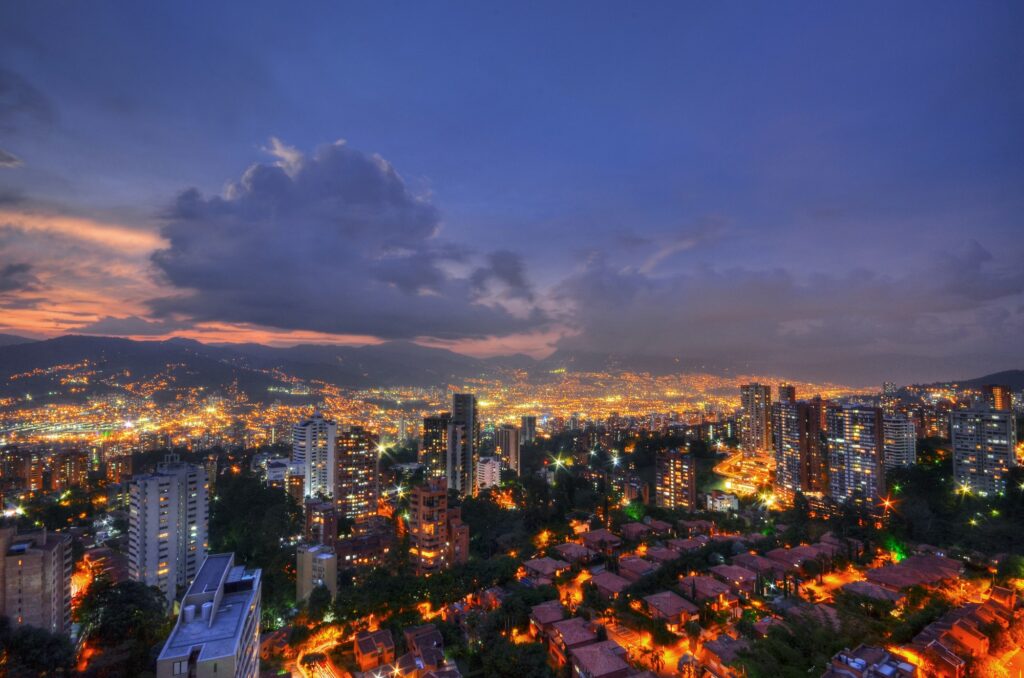
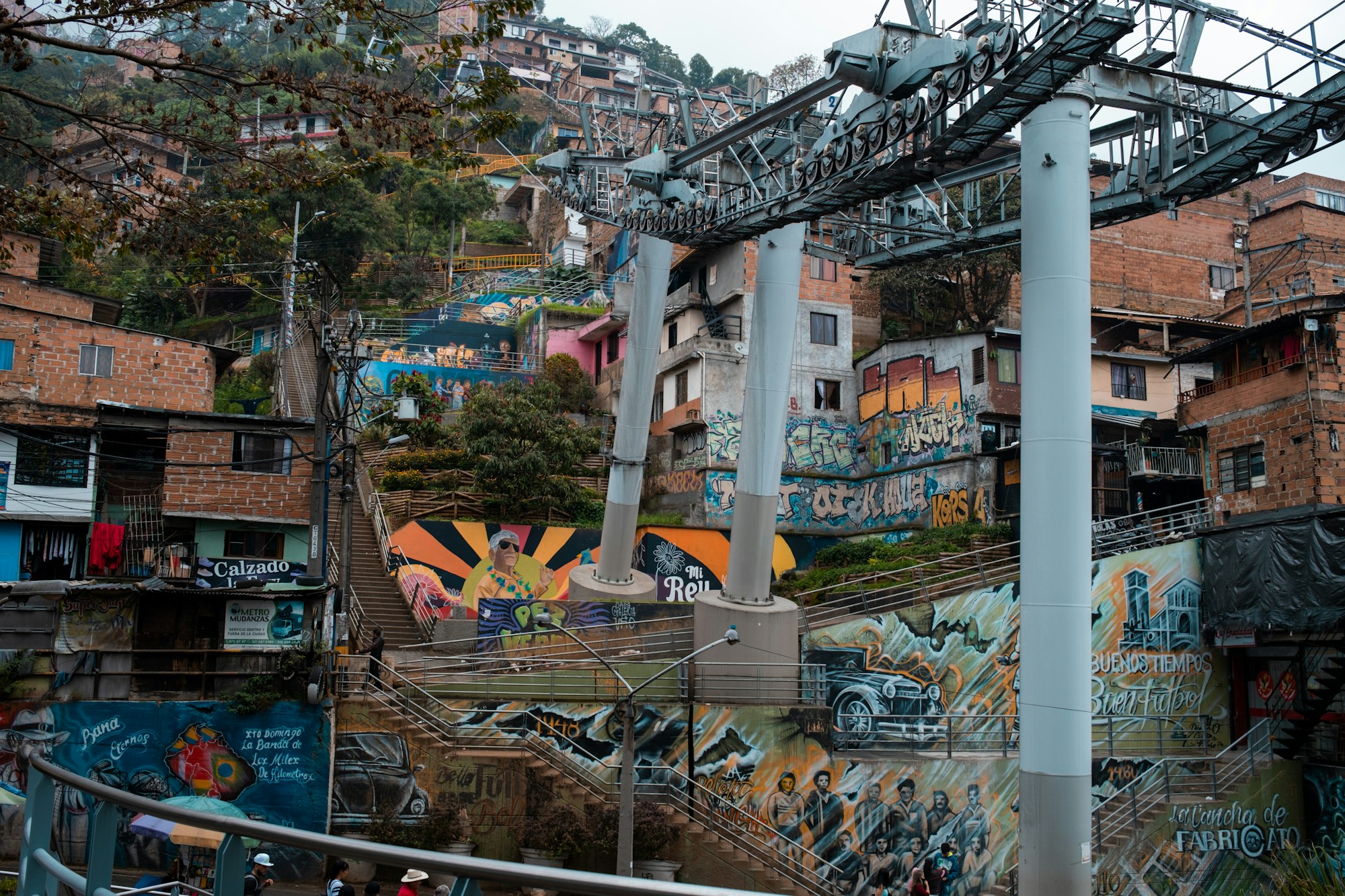
Once synonymous with violence, Medellin is now a global model of urban resilience. Nestled in the Aburra Valley at 1,500 meters above sea level, the capital of Antioquia enjoys a permanent spring-like climate that earned it the nickname « Ciudad de la Eterna Primavera. » The beating heart of any visit is Comuna 13: a neighborhood once among the most dangerous in the world, transformed by outdoor escalators, vibrant murals, and infectious hip-hop energy. According to Colombia Travel, it is now one of the most visited neighborhoods in Latin America.
In 2026, Medellin also attracts digital nomads to the neighborhoods of El Poblado and Laureles, where trendy cafes and coworking spaces sit alongside fusion Paisa cuisine restaurants. The integrated transport system — metro, cable cars soaring over the city’s rooftops, and articulated buses — is a model of social urbanism that provides access to ecological parks like Arvi in just minutes. Don’t miss the Feria de las Flores (scheduled for July 31 to August 10, 2026), the colorful parade of silleteros carrying enormous floral arrangements on their backs.
The Coffee Region: Salento, Cocora, and the coffee fincas
A UNESCO World Heritage landscape
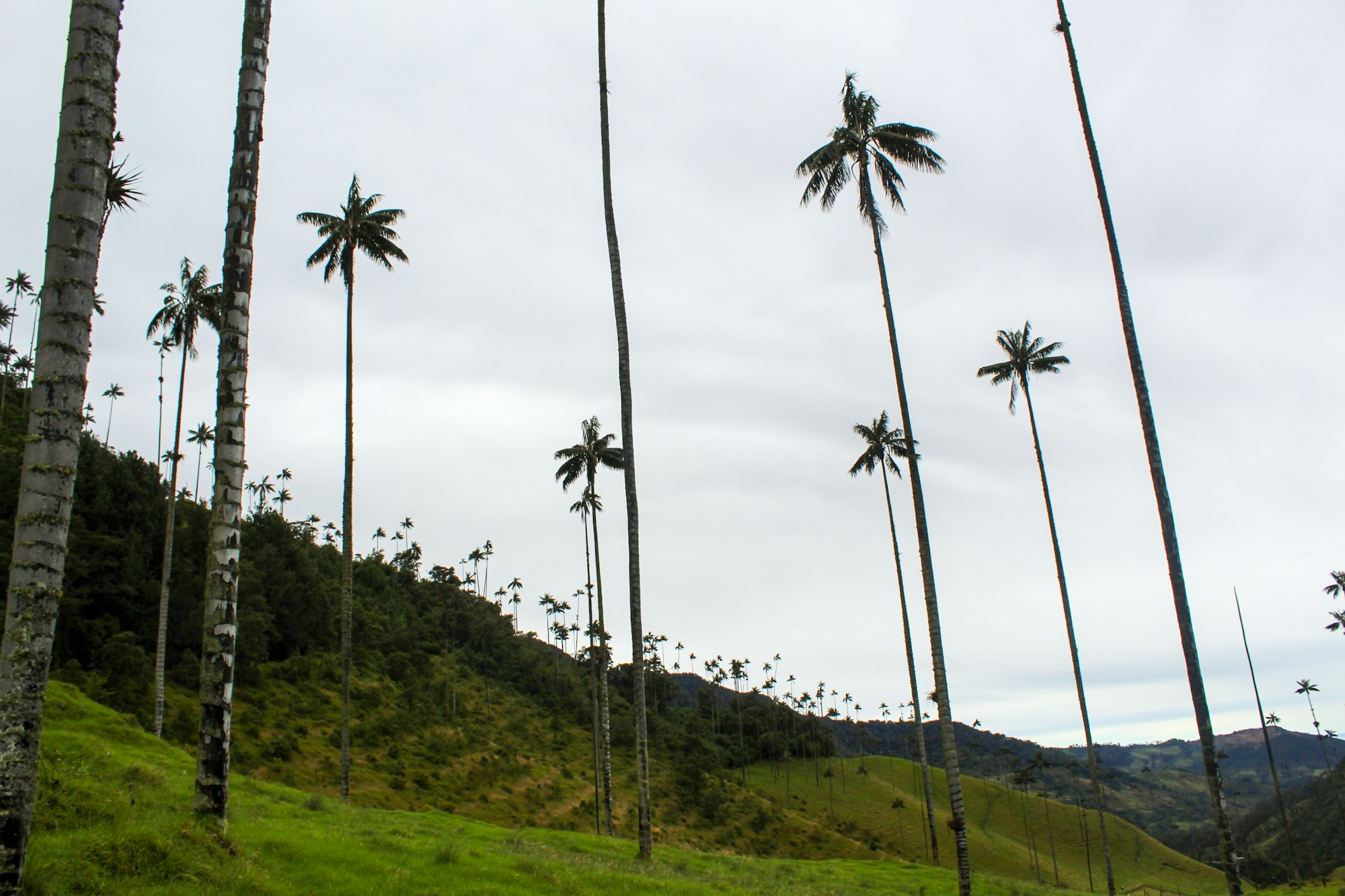
The Coffee Cultural Landscape, a UNESCO World Heritage Site, is the rural soul of Colombia. At the heart of this region lies Salento, a village with colorful facades and traditional bahareque architecture, the essential gateway to the Cocora Valley. This surreal landscape is home to the Quindio wax palms — Colombia’s national tree, reaching heights of up to 60 meters — standing like sentinels in the Andean mist. The loop hike (5-6 hours) crosses suspension bridges and leads to the Acaime hummingbird reserve, according to Parques Nacionales.
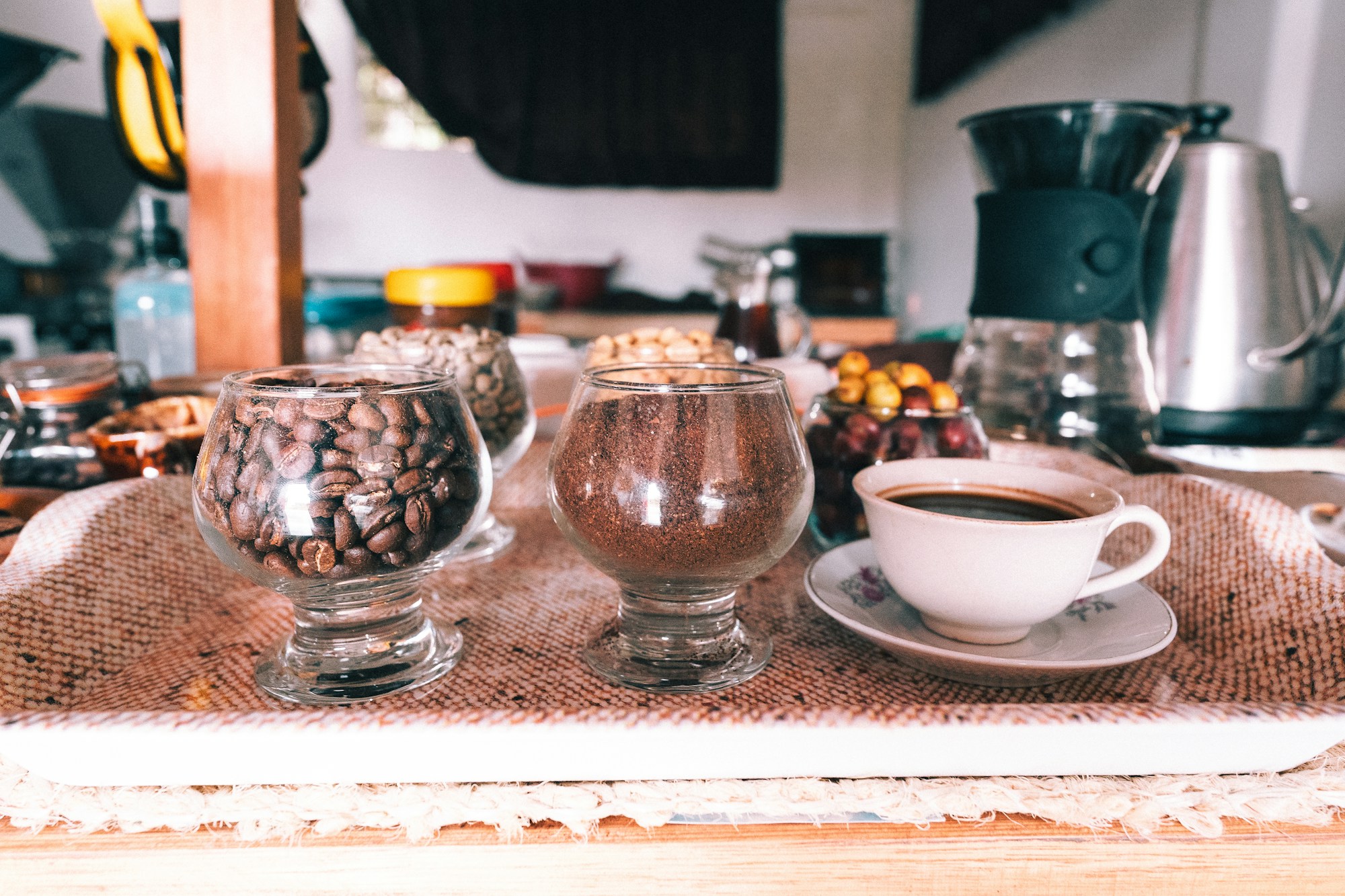
The experience would be incomplete without an immersion in a coffee finca. Visitors don the poncho, hat, and basket to pick red coffee cherries on the sloped plantations, then discover the entire process — depulping, drying, and roasting. According to Paisaje Cultural Cafetero, places like Finca El Ocaso (Salento) or Hacienda Venecia (Manizales) offer specialty coffee tastings of exceptional quality. To escape the overtourism of Salento, head to Filandia, just 30 minutes away — equally charming but far more peaceful.
Cartagena de Indias: the colonial gem of the Caribbean
Where colonial history meets Afro-Caribbean culture
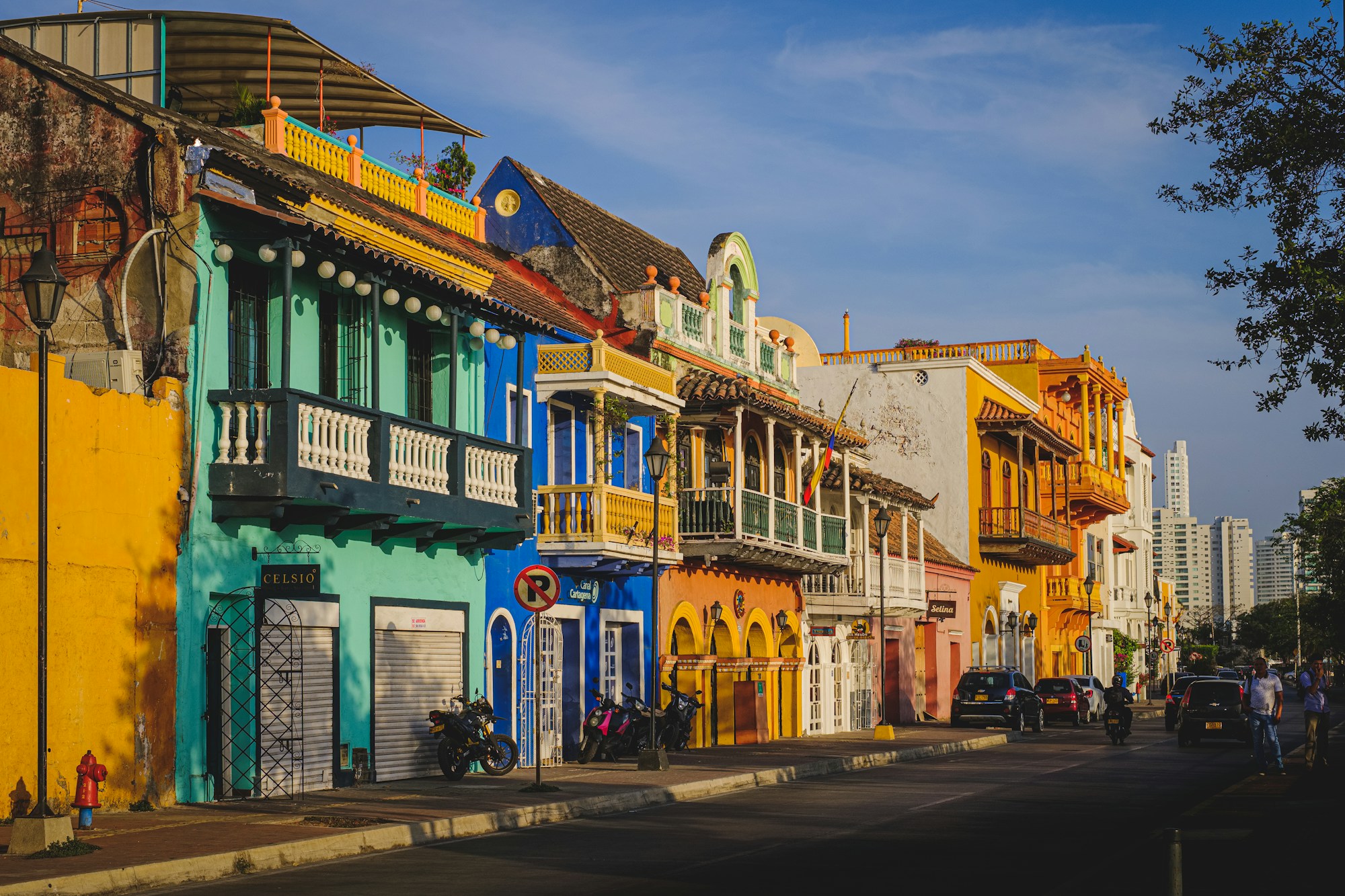
A UNESCO World Heritage Site, Cartagena de Indias is an open-air museum. The Ciudad Amurallada (Walled City) overflows with colonial houses whose balconies drip with bougainvillea, centuries-old churches, and shaded plazas. The atmosphere is hot, humid, and vibrant — a perfect fusion of Spanish colonial heritage and Afro-Caribbean culture. Just outside the ramparts, the Getsemani neighborhood has transformed into a trendy hotspot: striking street art, spontaneous salsa on Plaza Trinidad, and innovative Caribbean cuisine, as described by the official Cartagena de Indias Travel website.
It’s the most expensive city in Colombia, but also the most romantic. For sunset, skip Cafe del Mar (crowded and overrated) and head to the ramparts near the Baluarte de Santo Domingo instead. On the food front, the Cazuela de Mariscos — a seafood stew in coconut milk — is a must-try. And when the heat becomes stifling, the Rosario Islands are just a 45-minute boat ride away for a turquoise escape.
Rosario Islands: the turquoise escape
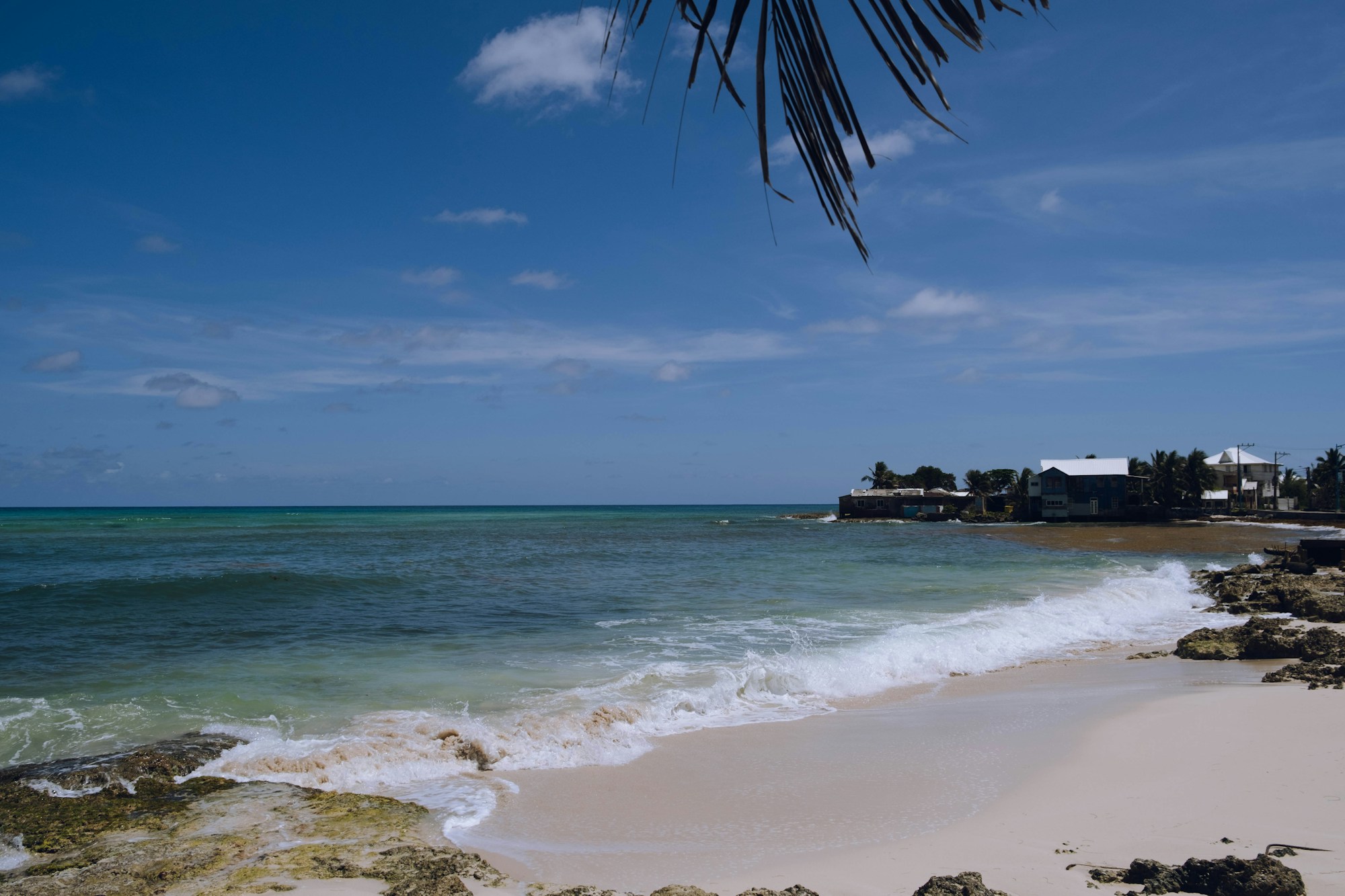
A marine national park 45 minutes from Cartagena
When Cartagena’s urban beaches disappoint with their gray sand, the Rosario Islands offer the perfect contrast: an archipelago of 27 coral islands with crystal-clear waters, designated as a national marine natural park. According to Parques Nacionales, it is one of the richest marine ecosystems in Colombia. Snorkeling among the corals, scuba diving, kayaking through the mangroves, or simply lounging at a beach club — there is no shortage of options.
The ultimate experience? Spending the night on the island to witness bioluminescent plankton at night: thousands of blue dots shimmer beneath the surface when you stir the water. Expect a port tax of ~5 EUR (cash at the port) and between 60 and 100 EUR for a day trip (transport + lunch). For more tranquility, avoid the « 5 islands in one day » excursions and book a pasadia (full-day pass) at a hotel like Islabela or Bora Bora.
Guatape and Piedra del Penol: the iconic view
700 steps to the most photographed panorama in South America
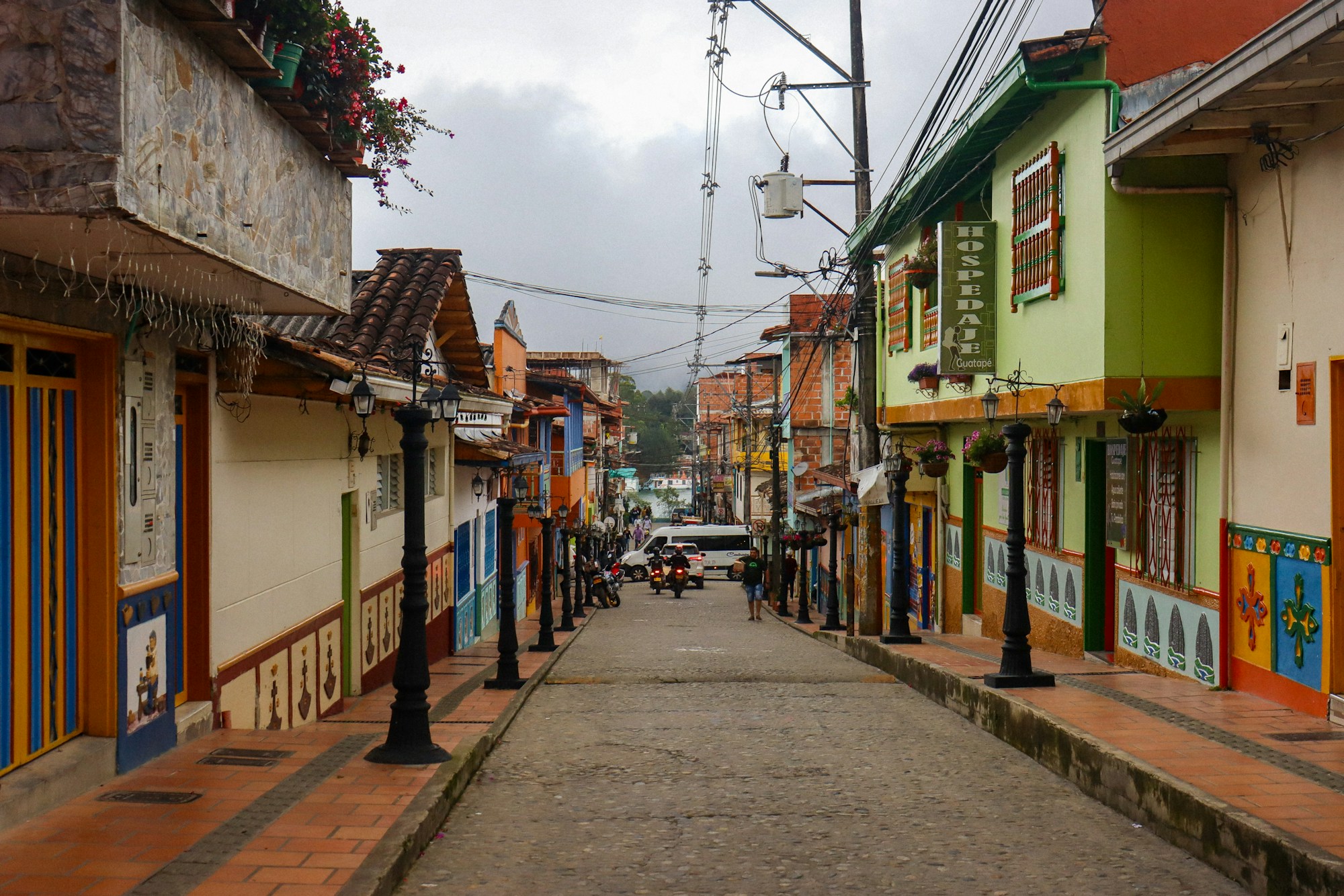
Two hours by bus from Medellin, Guatape offers two unforgettable spectacles. First, the Piedra del Penol: a granite monolith standing 220 meters tall that you climb via approximately 700 steps to reach a summit offering a 360-degree view over a sprawling artificial lake dotted with green islets — one of the most iconic panoramas in South America, according to Turismo Antioquia. Then, the village itself, famous for its zocalos: colorful bas-reliefs carved on the lower portions of building facades, telling the story of each family or trade.
The budget is modest: ~8 EUR round-trip by bus from Medellin, ~6-7 EUR for the rock entrance fee, and ~10 EUR for a boat tour on the lake. For a more intimate experience, spend a night in a luxury glamping spot and climb the rock right at opening time (8 AM) before the tourist buses arrive. For history buffs, venture to « Old Penol » — a replica of the village submerged when the dam was built.
Jardin, Jerico, and Mompox: Colombia off the beaten path
Three preserved villages for curious travelers
Jardin, 3.5 hours south of Medellin, is often cited as the most beautiful village in Colombia. Its main square, dominated by a neo-Gothic basilica, is lined with painted chairs where caballeros still ride past on horseback in the evening. It’s a paradise for birdwatching — especially the Andean cock-of-the-rock — and hiking to the Cueva del Esplendor. Take the old wooden cable car (« La Garrucha ») for a breathtaking view, according to Turismo Antioquia.
Jerico, one of Colombia’s 17 « Pueblos Patrimonio » (Heritage Towns), is the birthplace of the Carriel, the traditional Paisa leather bag. Visit a guarnieleria workshop to watch the artisans at work, then take in the sunset from Parque Las Nubes. Finally, Mompox, isolated on an island in the middle of the Magdalena River, inspired Gabriel Garcia Marquez’s « Macondo. » Frozen in time with its intact colonial architecture and filigree goldsmithing tradition, it offers an atmosphere of magical realism found nowhere else.
Highlights by village
- Jardin: Andean cock-of-the-rock, specialty coffee, La Garrucha cable car
- Jerico: Carriel leather craftsmanship, Hay Festival (January), view from Las Nubes
- Mompox: Filigree goldsmithing, spectacular Holy Week, cycling along the river
2026 practical guide: budget, safety, transport, and visa
Everything you need to know before you go
Visa and entry requirements
- Visa: Exemption for French and European citizens (tourist stays < 90 days)
- Check-Mig: Mandatory online form to be completed between 72h and 1h before your flight (Migracion Colombia)
- Passport: Valid for the duration of your stay + proof of onward travel required
- Extension: Possible for an additional 90 days (180 days/year total) through Migracion Colombia
Daily budget (excluding international flights)
- Backpacker: 35-45 EUR/day (hostels, buses, street food)
- Mid-range: 70-100 EUR/day (3-star hotels, domestic flights, restaurants)
- High-end: 150+ EUR/day (boutique hotels, private transport)
- 2 weeks mid-range: approximately 1,200-1,500 EUR/person
Domestic transport
- Flights: Avianca, LATAM, Clic Air — 30-80 EUR one-way (booked in advance)
- Bus: Extensive network, comfortable buses (Bolivariano, Expreso Brasilia) — beware of winding mountain roads
- Urban: Uber, Cabify, and DiDi operate in major cities (safer than street taxis)
Currency
The Colombian Peso (COP). As of mid-2026, 1 EUR is approximately 3,700 COP — the peso has strengthened noticeably since early 2026, so check a live rate before budgeting. Cards are accepted in cities, but cash is essential in villages (Salento, Jardin), local buses, and for street food.
Frequently asked questions about Colombia in 2026
Is Colombia safe for tourists in 2026?
Yes, for standard tourism. The main tourist circuits (Coffee Region, Caribbean coast, central Medellin, Guatape) are safe. The Colombian golden rule « No dar papaya » simply means don’t make yourself an easy target: no flashy phones on the street, no showy jewelry. Avoid border areas and certain isolated rural zones. The French Ministry of Foreign Affairs provides up-to-date travel advice.
What budget should I plan for 2 weeks in Colombia?
For a « mid-range » traveler (3-star hotels, domestic flights, restaurants), expect around 1,200 to 1,500 EUR per person excluding international flights. In backpacker mode (hostels, buses, street food), you can get by on 600-800 EUR. Cartagena is the most expensive city; the Coffee Region and off-the-beaten-path villages offer the best value. According to Budget Your Trip, the average daily cost is around 45 EUR on a moderate budget.
Do I need to speak Spanish to travel in Colombia?
It’s strongly recommended. English is spoken in high-end hotels and by tour guides, but locals, drivers, and villagers speak exclusively Spanish. Learning the basics (greetings, ordering at restaurants, numbers) radically changes the experience and opens doors. Colombians truly appreciate the effort.
What is the best time to visit Colombia?
The dry season, from December to March and July to August, is ideal for most regions. However, Colombia can be visited year-round thanks to its varied microclimates. Medellin enjoys a permanent spring-like climate. The Feria de las Flores takes place in early August in Medellin. Avoid Holy Week at popular sites (crowds). IDEAM provides official weather forecasts.
Do French citizens need a visa to travel to Colombia?
No. French and European nationals are exempt from visa requirements for tourist stays under 90 days. However, the Check-Mig form is mandatory and must be completed online between 72 hours and 1 hour before your flight on the Migracion Colombia website. Proof of onward travel is often required at check-in.
Is the yellow fever vaccine mandatory?
It is not mandatory for entering Colombia from Europe, but it is required for accessing certain national parks (Tayrona, Sierra Nevada, Amazon) and strongly recommended for humid tropical areas. The international vaccination booklet may be checked at boarding for domestic flights. Plan to get vaccinated at least 10 days before departure.
How do you get between Medellin, the Coffee Region, and Cartagena?
Flying is the fastest and safest option for long distances: Medellin to Cartagena in 1h15 for 30 to 80 EUR with Avianca, LATAM, or Clic Air. Buses are an economical and scenic alternative: Medellin to Salento (~7h, ~25 EUR with Flota Occidental). In cities, Uber and Cabify are reliable and safer than street taxis. A classic « Golden Triangle » itinerary (Medellin, Coffee Region, Cartagena) requires a minimum of 12 to 15 days.
Can you drink tap water in Colombia?
In Bogota, Medellin, and the Quindio cities (Pereira, Manizales), tap water is generally safe to drink. However, on the coast (Cartagena, Santa Marta) and in rural areas, it is essential to drink bottled water. When in doubt, always opt for bottled water.
Sources
- ProColombia — International tourism 2024
- MinCIT — Record foreign visitors 2025
- Colombia Travel — Medellin
- Parques Nacionales Naturales de Colombia
- Paisaje Cultural Cafetero — UNESCO
- Cartagena de Indias Travel — Tourism office
- Turismo Antioquia — Guatape and Jardin
- France Diplomatie — Colombia travel advisory
- Migracion Colombia — Check-Mig
- Budget Your Trip — Colombia
- U.S. Department of State — Colombia Travel Advisory
- IDEAM — Instituto de Hidrologia, Meteorologia (Colombia)
Research conducted on February 6, 2026. Updated July 2026: 2025 visitor arrivals data added, exchange rate refreshed, and 2 broken source links repaired.
Ready to explore Colombia?
Create your custom Colombian itinerary with Pixidia. Our personalized routes combine Medellin, the Coffee Region, and the Caribbean with handpicked accommodations and authentic experiences.
Discover all our Colombia itineraries