
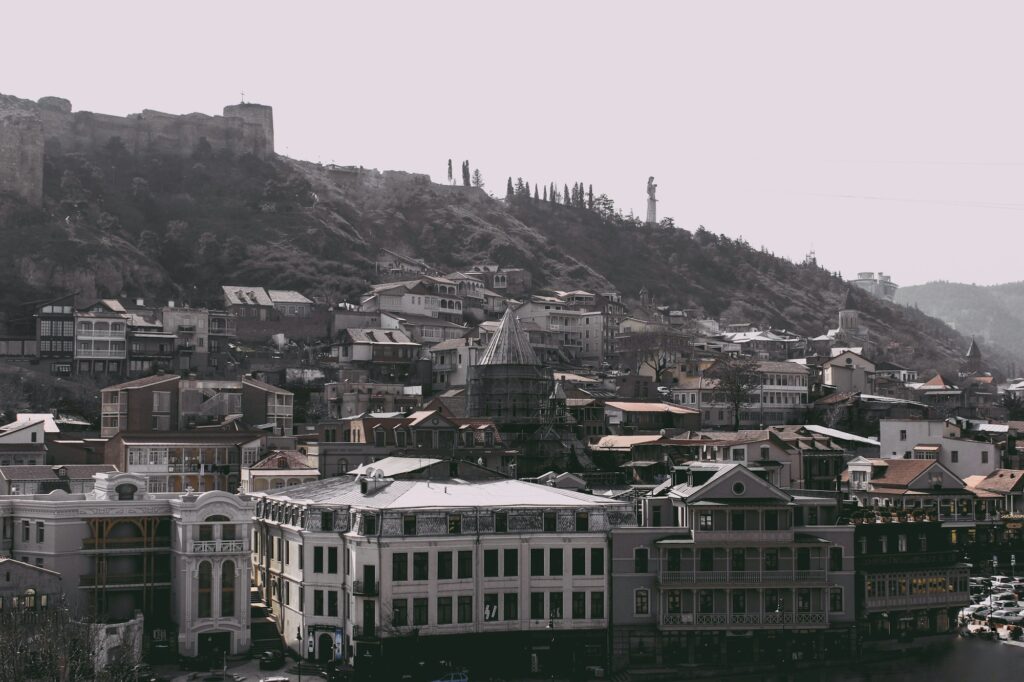
Why are Georgia, Armenia, and Azerbaijan booming in 2026? Middle East instability has redirected travelers toward the South Caucasus: Georgia welcomed 7.8 million visitors in 2025 (+5.9%), Azerbaijan’s arrivals jumped 25.9% since 2023, and Armenia kept growing on a marketing budget roughly a third the size of its neighbors’. Daily budgets stay around €32–35 for 8,000-year-old wine regions, UNESCO monasteries, and a futuristic capital. Our recommendation: plan 3 weeks to link Tbilisi, Yerevan, and Baku, ideally in September for harvest season and mild temperatures.
While the Middle East was in turmoil, three discreet countries quietly seized the moment. Georgia, Armenia, and Azerbaijan — long overlooked by mass tourism — have seen visitor numbers explode since 2023. In 2025, Georgia welcomed nearly 7.8 million international visitors, Azerbaijan recorded a staggering 25.9% increase in arrivals, and even Armenia maintained steady growth on a shoestring marketing budget. According to Carnegie Endowment, regional instabilities — Gaza, Iran-Israel tensions, the Lebanese crisis — have redirected massive flows towards these culturally rich, remarkably affordable alternatives. At around €32 per day in Georgia and €33 in Armenia, the South Caucasus is one of Europe’s most budget-friendly regions. This complete guide tells you everything you need to know for 2026.
Why is the South Caucasus Exploding in 2026?
This phenomenon is no coincidence. According to Travel & Tour World, the region is experiencing a vertiginous rise in international tourism, driven by a convergence of factors: the destabilization of the traditional Middle East, the boom in low-cost flights to Tbilisi, digital word-of-mouth, and a hotel infrastructure that has significantly improved over the past five years.
The Israeli example is particularly telling: according to International Investment, Israel rose to fourth place among source markets to Georgia, with 171,294 visits in 2025, showing one of the highest growth rates: +35.7%, meaning 45,000 extra people in a single year. Gulf, European, and Central Asian nationals also converged on these three countries, drawn by an unprecedented image: the « Middle East without conflict ».
The trend is continuing into 2026, with early nuance. According to Civil.Georgia, Georgia recorded 997,500 genuine tourist visits in the first quarter of 2026, up 4% year-on-year — even as total border crossings dipped slightly (-0.2%), with Turkey and Russia now each accounting for roughly a fifth of arrivals. Early signs suggest the 2025 boom is consolidating rather than fading.
Georgia 🇬🇪: The Undisputed Caucasus Leader
Georgia is the trio’s locomotive. Ranked as the 2nd trending destination worldwide by Tripadvisor for 2026 — behind Madeira, ahead of Iceland — it has every advantage: ancient wine, an explosive food scene, vertiginous mountains, and sulfur baths for €2. It also pairs beautifully with a lesser-known Balkan escape — read our Albania and Georgia hidden-gems guide if you’re planning a longer trip. Here are the must-see destinations.
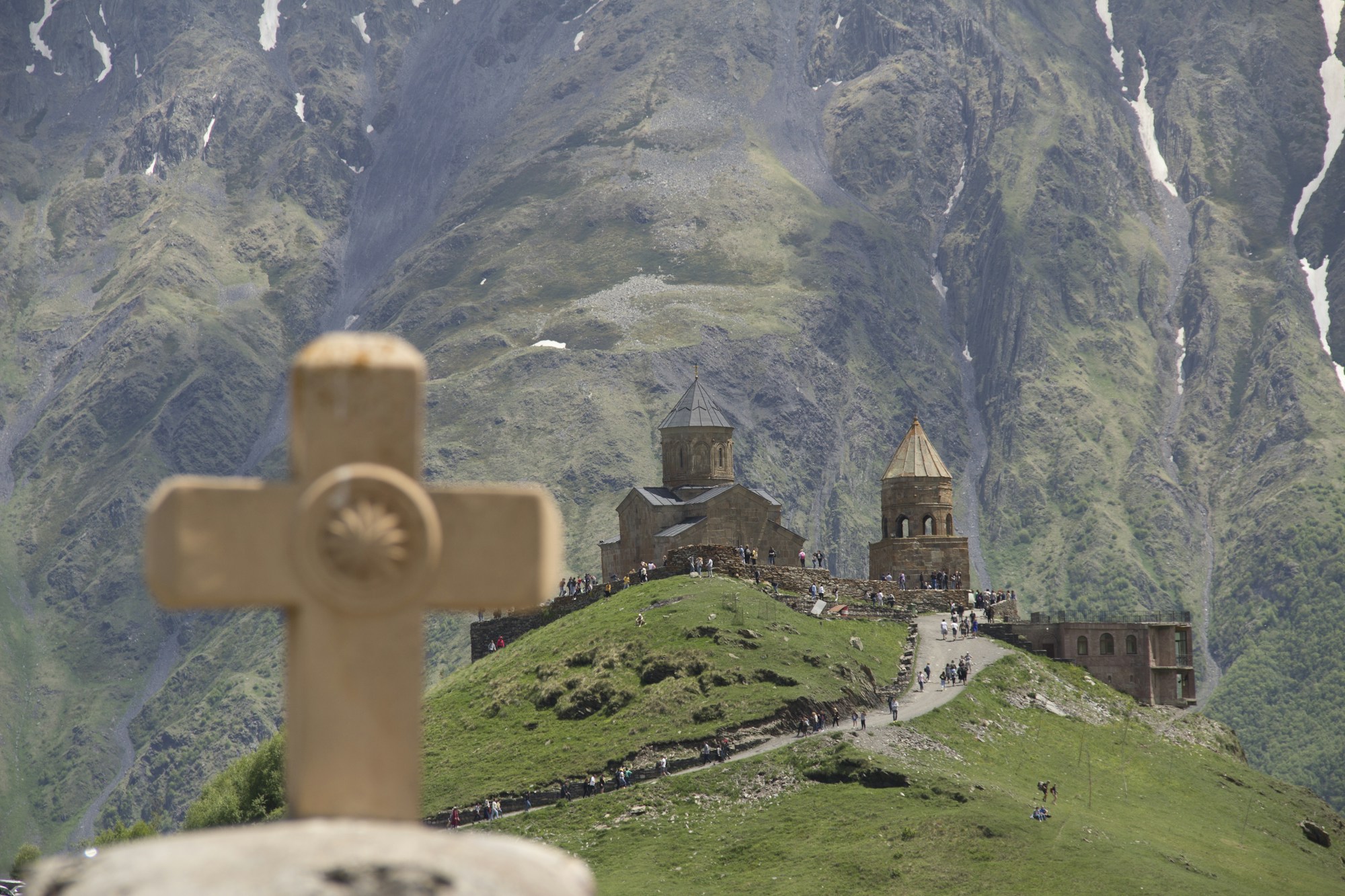
Tbilisi & Kakheti: The Capital and Its Vines
Tbilisi is the kind of city that reveals itself slowly and gets under your skin. Built in a rocky gorge dominated by the 4th-century Narikala Fortress, Georgia’s capital blends Ottoman neighborhoods with carved wooden balconies, underground sulfur baths (the Abanotubani), and a booming culinary scene rivaling Lisbon or Copenhagen. According to Cheapest Destinations, a couple can have an excellent vacation for $100–200/day — and a budget traveler for well under €50. We go deeper on the city’s thermal baths, wine bars, and old-town walks in our complete Tbilisi and Georgia guide.
Two hours away, Kakheti is the heart of Georgia’s wine country. With over 500 indigenous grape varieties and a winemaking tradition using qvevri (buried clay amphoras) inscribed on UNESCO’s Intangible Heritage list, the region produces natural and orange wines that are now the envy of the world. According to Wander-lush, the Gurjaani Wine Festival in October draws 30,000 visitors — and entry is completely free.
- Abanotubani — natural sulfur baths: 5 GEL (~€1.85/h) in public baths
- Sololaki — the finest Ottoman and Art Nouveau architecture neighborhood
- Sighnaghi — the « city of love » in Kakheti, vineyards and breathtaking panoramas
- Rtveli — grape harvest festival in September–October, free and unforgettable
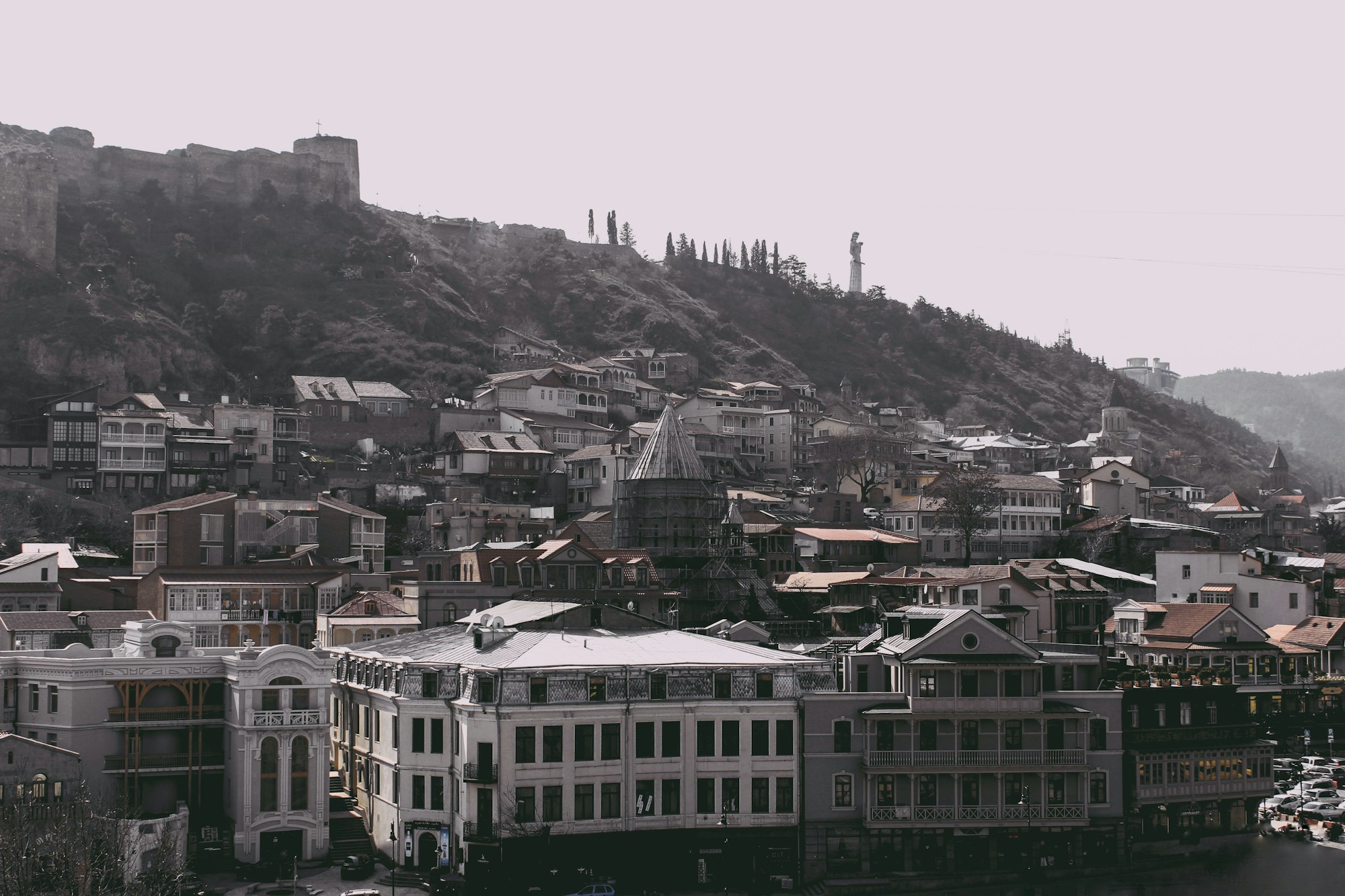
Svaneti & Tusheti: The Secret Mountains
If Georgia has one region that single-handedly captures all the poetry of the Caucasus, it’s Svaneti. Its two hundred medieval stone tower-houses — the Koshkebi, built from the 9th to 14th centuries — stand in villages like silent sentinels. Ushguli, a UNESCO World Heritage Site, is one of Europe’s highest permanently inhabited villages (2,200m). According to Travel Local, overtourism concerns are beginning to emerge — it’s best to go soon.
For pure adventurers, Tusheti remains the Holy Grail. This region in northeastern Georgia is only accessible from late May to early October — via the Abano Pass, one of the world’s most spectacular (and dangerous) roads: 70km of mountain switchbacks, 5–6 hours of driving from Pshaveli. According to Georgia Today, Georgian national parks recorded +20% visitors in 2025, proving travelers are seeking raw authenticity.
- Mestia — gateway to Upper Svaneti, ideal trekking base
- Mestia–Ushguli Trek — 4 days, one of the finest trails in the Caucasus
- Omalo — Tusheti’s capital village, intact medieval towers
- Kazbegi & Gergeti — church at 2,170m, Stepantsminda glacier, sublime views
Armenia 🇦🇲: The Caucasus’ Hidden Gem
Armenia is the least-known destination of the trio, and perhaps the most bewitching. Its national marketing budget is negligible — around $1.70 per tourist versus $5–6 for Georgia and $13 for Azerbaijan, as noted by EVN Report — yet 1.73 million foreign tourists visited in the first nine months of 2025. Its strength: raw authenticity, top-quality gastronomy, and breathtaking landscapes.
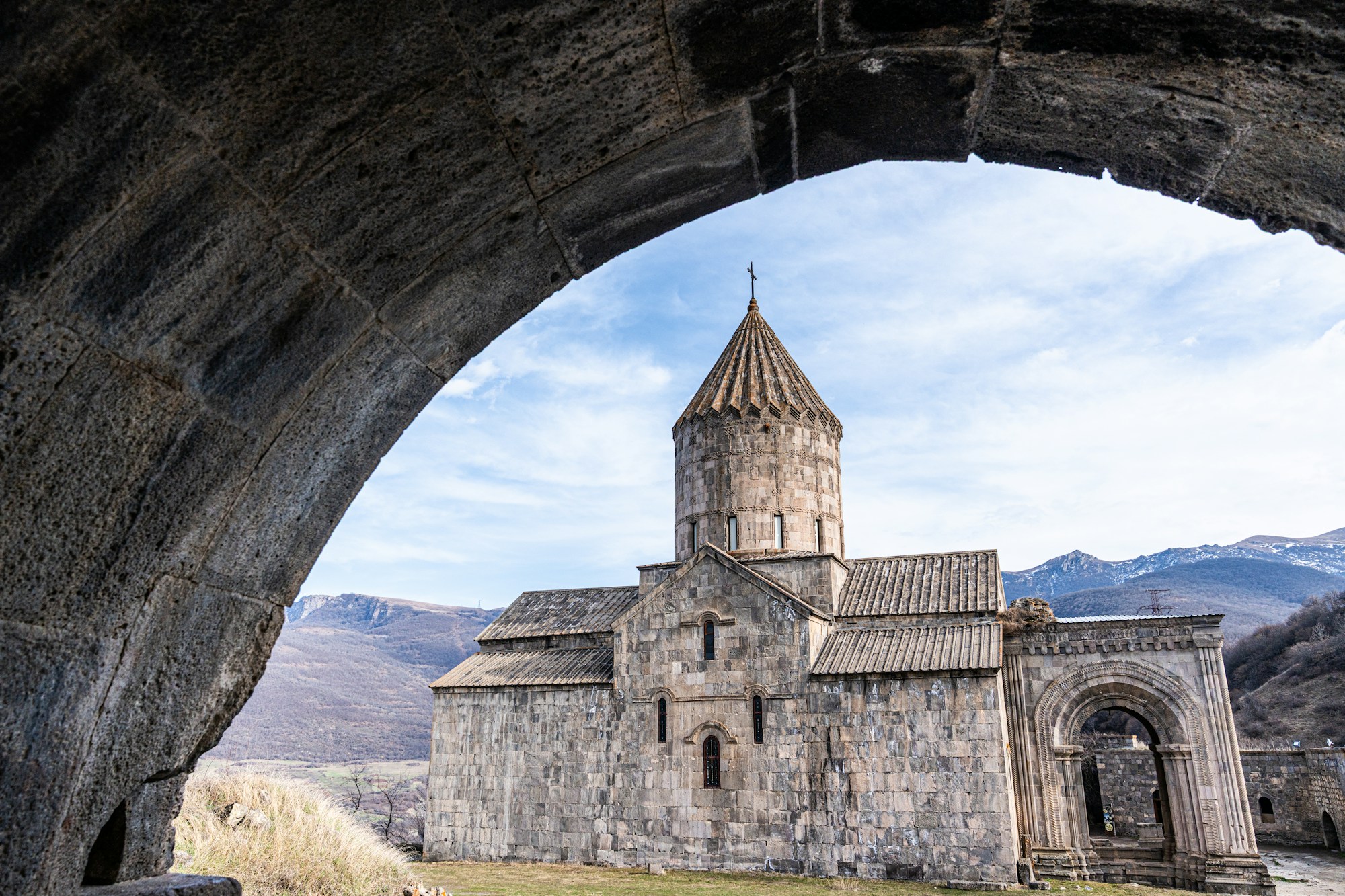
Yerevan, Tatev & Vayots Dzor
Yerevan — founded in 782 BC, making it older than Rome — is the ideal starting point for unraveling Armenia’s history. Built from pink volcanic tuff, the capital buzzes with surprising energy: unabashed Soviet influence (the Cascade, the Opera), refined Armenian cuisine, and a relaxed nightlife. According to National Geographic, the view of Mount Ararat from Khor Virap — in Turkish territory — is one of the most moving images in the entire Caucasus.
Five hours to the southeast, Tatev Monastery may be the most spectacular site in the Caucasus. Proudly perched on a promontory in Syunik Province, it’s approached via the « Wings of Tatev » — the world’s longest reversible cable car. Nearby, the wine-growing region of Vayots Dzor is home to the world’s oldest known winery in Areni, dating to 6,000 BC. According to Eco-Tourism Passport, hiking, birdwatching, and ancient cave exploration round out a unique picture.
- Cascade — monumental stairway, contemporary art, and views of Ararat
- Vernissage Market — authentic Armenian crafts, weekends only
- Tatev Cable Car — 5.7km, plunging views over the Vorotan Gorge
- Areni Wine Festival — early October, free admission, local winemakers
Dilijan: The « Armenian Switzerland »
Nicknamed « the Armenian Switzerland, » Dilijan is a forest haven in the Tavush province. Its hiking trails wind through lush forests and high plateaus, leading to the medieval monasteries of Haghartsin and Goshavank, two jewels nestled in the greenery. The Transcaucasian Trail — one of the few fully marked multi-day routes in the Caucasus — offers 80km of accessible trekking without a guide. According to Euronews, it’s also an excellent base for exploring the Tavush province, still little-visited by foreign tourists.
The town itself, with its 19th-century carved wooden houses, evokes a Soviet fairy-tale village — and remains one of Armenia’s most affordable destinations. A week of travel in Armenia costs an average of around $272 per person, according to Budget Your Trip.
Azerbaijan 🇦🇿: The Rising Outsider
Azerbaijan is the trio’s most surprising destination. Little known to Western tourists, this country at the crossroads of Europe and Asia offers a unique combination: a futuristic LED-covered capital, timeless villages at 2,300 meters altitude, and a Silk Road that winds through breathtaking landscapes. With a staggering 25.9% increase in arrivals since 2023 according to Travel & Tour World, Azerbaijan is now establishing itself as the new eldorado for curious travelers.
Baku: The « City of Fire »
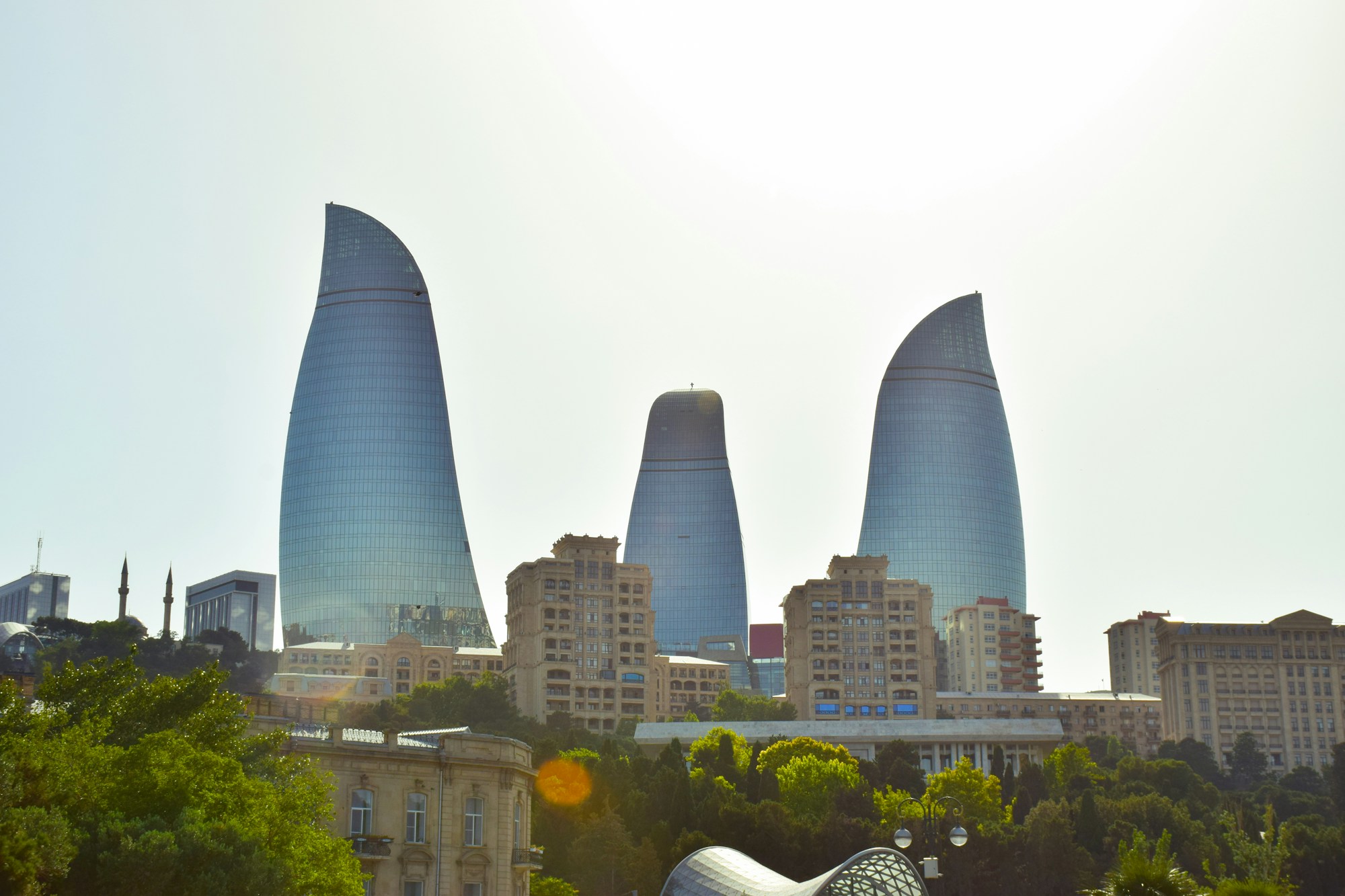
Baku is arguably the world’s most surprising capital. Zaha Hadid‘s Heydar Aliyev Center, the Carpet Museum shaped like a rolled carpet, the three LED-covered Flame Towers that curve at the top — modern architecture immediately announces itself. But at the foot of these skyscrapers, Icherisheher (the « Inner City »), a UNESCO World Heritage Site, unrolls its 12th-century Ottoman alleyways, with the Maiden Tower and perfectly preserved caravanserais. According to Nomadic Matt, strolling through Icherisheher, admiring the Flame Towers, and walking along the Caspian boulevard are entirely free.
50 minutes from Baku, Gobustan National Park houses over 6,000 prehistoric rock paintings dating back 40,000 years — and its bubbling mud volcanoes are one of the most singular geological curiosities of the Caucasus.
- Icherisheher — medieval UNESCO labyrinth, Maiden Tower
- Heydar Aliyev Center — Zaha Hadid masterpiece, contemporary Azerbaijani art
- Gobustan — 40,000-year-old rock paintings and mud volcanoes
- Novruz Bayrami (March) — the Persian New Year, Azerbaijan’s most colorful festival
Khinalig & Sheki: Off the Beaten Path
For those who want to discover authentic Azerbaijan, two destinations stand out. Khinalig, perched at over 2,200 meters in the Shahdag mountains, is one of the oldest and most remote human habitats in the Greater Caucasus. Its 2,000 inhabitants speak Khinalig — a language classified as « critically endangered » by UNESCO and spoken by fewer than 2,000 people on Earth. The village has just been named to the UNWTO’s « Best Tourism Villages 2025 » list according to Travel & Tour World.
Sheki, in northwestern Azerbaijan, was an unmissable stop on the Silk Road. The Khan’s Palace, built in 1797, dazzles with its shebeke stained glass mosaic windows — made without glue or nails by Azerbaijani master craftsmen. Its 18th-century great caravanserai is still standing. According to Nomadic Matt, you can eat piti (sealed clay pot lamb stew) in the same room where silk merchants slept 300 years ago.
Comparison Table: Georgia vs Armenia vs Azerbaijan
| Criteria | Georgia 🇬🇪 | Armenia 🇦🇲 | Azerbaijan 🇦🇿 |
|---|---|---|---|
| Tourists 2025 | ~7.8 million | ~2.2 million | ~2.6 million |
| Growth | +5.9% | +0.8% | +25.9% |
| Average budget/day | ~€32 | ~€33 | ~€35 |
| Visa-free for | 107 countries | 45 countries | 95+ countries |
| Key strength | Wine, food, trekking | Monasteries, ancient history | Architecture, Silk Road |
| Signature destination | Svaneti, Kakheti | Tatev, Dilijan | Khinalig, Sheki |
Practical Information for Your Caucasus Trip
Stay connected from the moment you land in all 3 countries. Instant activation, no physical SIM card.
From €4.50Nomad Insurance: global coverage from $56/4 weeks. 10% off via our link.
From $56 / 4 weeksFrequently Asked Questions About Traveling in the Caucasus
Are Georgia, Armenia, and Azerbaijan safe for travel in 2026?
The South Caucasus is generally a safe region for travelers. Standard precautions apply: secure your belongings and stay informed of local alerts. For most nationalities (excluding Israeli nationals, who face a specific travel warning since March 2026 due to tensions with Iran), the entire region remains very safe. Border areas between Armenia and Azerbaijan should be avoided.
Can you visit Armenia and Azerbaijan in the same trip?
Yes, since the end of the 2023 Karabakh conflict. Travelers report that Azerbaijan no longer questions Armenian passport stamps, according to Travel Insighter. It’s still advisable to check current rules before traveling. The direct land border between the two countries remains closed: you must transit through Georgia to travel between them.
What’s the best season for a circuit through all three countries?
The best period is May–June (late spring) and September. September is particularly ideal: grape harvests in Georgia and Armenia, perfect temperatures (18–25°C), and crowds far smaller than in peak summer season. Significant seasonal changes begin in March and towards November throughout the region.
What budget should I plan for a 3-week circuit through all three countries?
As an independent traveler (hostels, public transport, local restaurants), budget €1,200–1,800 for 3 weeks all-inclusive, excluding international flights. Georgia (~€32/day) and Armenia (~€33/day) are among Europe’s cheapest destinations. For a trip in double rooms at comfortable hotels with organized tours, plan €2,500–4,000.
How do you travel between Georgia, Armenia, and Azerbaijan?
Georgia serves as the central hub. From Tbilisi to Yerevan: bus (~5h, $13) or overnight train. From Tbilisi to Baku: direct overnight train or bus via Ganja (~4–5h). The Tbilisi–Yerevan bus is faster and cheaper than the train. Reminder: no direct land connection between Yerevan and Baku (border closed).
Is Georgian wine really worth the trip?
Absolutely. Georgia has been producing wine for 8,000 years with over 500 indigenous grape varieties. The qvevri method — fermentation in buried clay amphoras — is inscribed on UNESCO’s Intangible Heritage list. The natural orange wines produced here are one of the world’s most imitated gastronomic trends, but can only be authentically tasted in Kakheti, at bargain prices (€3–15 direct from the winery). In Armenia, Vayots Dzor’s Areni village is home to the world’s oldest winery (6,000 BC).
Is Azerbaijan suitable for non-Muslim travelers?
Absolutely. Despite being a majority-Shia country, Azerbaijan is extremely secular in its customs and culture. Alcohol consumption is legal and widespread in Baku and major cities. Restaurants and bars serving alcohol are easily accessible. For women traveling solo, Azerbaijan is generally considered safe, particularly in Baku.
What’s the link between Middle Eastern conflicts and the Caucasus tourism boom?
Regional instabilities — Gaza conflict, Iran-Israel tensions, Lebanese crisis — have diverted major tourist flows from traditional Middle Eastern destinations toward safer alternatives. The Caucasus benefits from an image of « Middle East without conflict »: accessible, culturally rich, and remarkably affordable. Trade between Iran and the three Caucasus states has doubled since 2020, while tourist flows from Israel and the Arab world have exploded.
Sources
- Travel & Tour World — Tourism Explosion in the Caucasus 2026
- International Investment — Georgia Tourism 2025: Figures & Trends
- EVN Report — Armenia: Still Off the Beaten Track?
- National Geographic — Why Armenia Should Be on Your Agenda
- National Geographic — Khinalig: Azerbaijan’s Most Remote Village
- Nomadic Matt — Azerbaijan Travel Guide
- Wander-lush — Georgia Travel Guide 2026
- Carnegie Endowment — The Gulf Conflict and the South Caucasus
- Budget Your Trip — Europe Cost Rankings 2026
- Civil.Georgia — Georgia Records Slight Drop in International Visits in Q1 2026
Ready to Explore the Caucasus?
Discover our personalized itineraries for Georgia, Armenia, and Azerbaijan. Every journey is unique.
Explore itineraries