
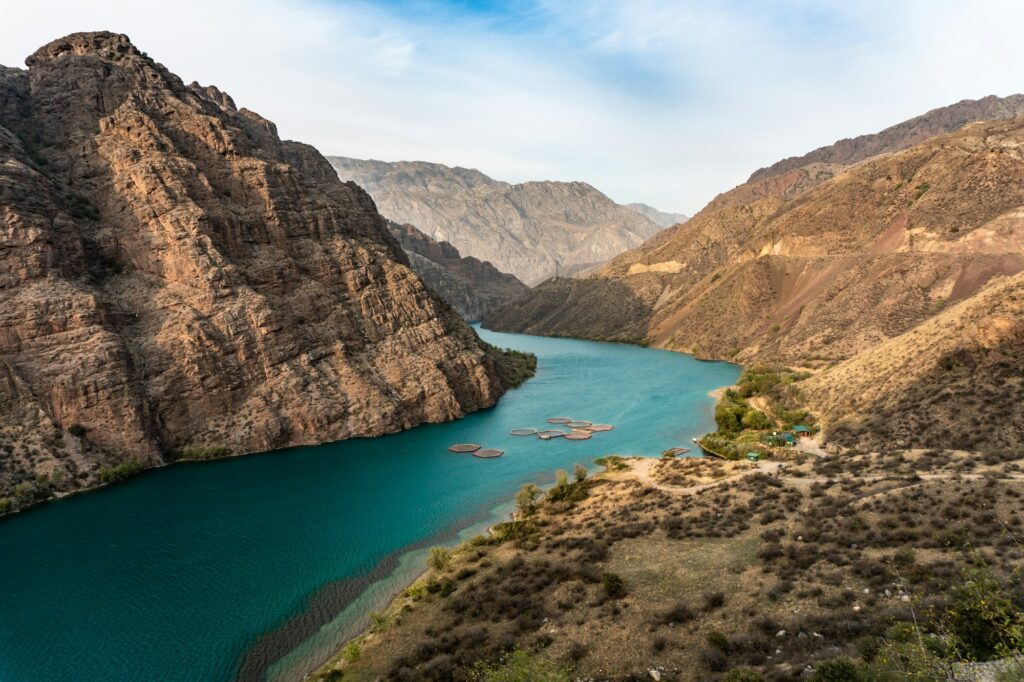
Kyrgyzstan is Central Asia’s best-value high-altitude trekking destination, with 90% of the country covered by mountains. The trekking season runs June to September, and self-guided routes like Ala-Kul and Jyrgalan need no guide. Lake Song-Kul, at 3,016 m, is the classic 2-3 day horseback trek, with a yurt stay from $15-50 a night. Since a December 31, 2025 decree, citizens of 55 countries — including the US, UK, Canada and most of Europe — can enter visa-free for 30 days within a 60-day period. First-timers should start with Song-Kul, then add Altyn Arashan’s hot springs if time allows.
Kyrgyzstan is Central Asia’s Switzerland — without the crowds or the hefty prices. Picture pristine alpine valleys, turquoise high-altitude lakes where only eagles break the silence, smoky yurts under a starlit sky at 3,000 meters, and some of the planet’s most spectacular treks for under €40 a day. According to Horizon Guides, 90% of Kyrgyzstan’s territory is covered by imposing mountains, offering endless adventure in a country still off the mass-tourism radar. In 2026, the window is still open — seize it before everyone else does. If you love destinations before they hit the mainstream, Kyrgyzstan belongs on the same shortlist as Albania and Georgia — Europe’s own under-the-radar adventure duo.
1. Lake Song-Kul: Spend the Night in a Yurt with Nomads at 3,016 m
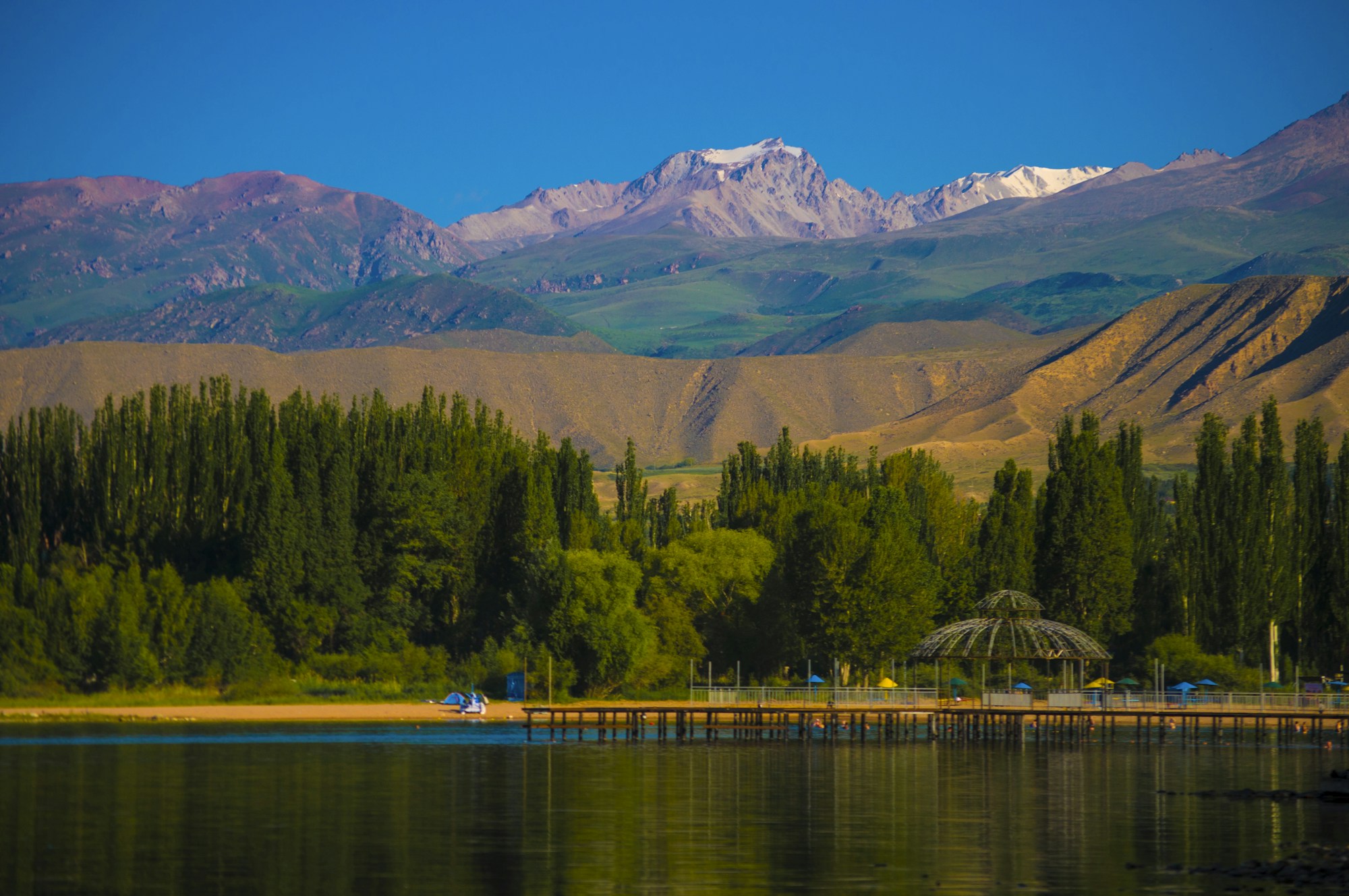
Song-Kul — Naryn Province, ~280 km from Bishkek by road
Perched at 3,016 meters in a mountain basin, Lake Song-Kul is undeniably one of Kyrgyzstan’s most beautiful lakes. According to Topologica, its turquoise shores dotted with horses and yurts in summer make it the most authentic nomadic experience in the country. And even with hundreds of visitors daily, the sheer scale of the lake makes it feel like you have it to yourself.
The horseback trek from Kochkor or Kyzart is the ultimate experience: over 3 days, you ride from Kochkor to the Kilemche jailoos (summer pastures), then cross the Terskey Pass (3,200 m) to arrive at Song-Kul by evening. By shared minibus (marshrutka), it’s 4 hours and $5 from Bishkek to Kochkor, then a hired 4WD for the final stretch to the lake.
What makes Song-Kul unforgettable
- Authentic overnight yurt stay with a Kyrgyz nomadic family
- Horseback trekking accessible to complete beginners (90% are)
- Epic sunsets over the lake at 3,000 m
- Full immersion in traditional nomadic life
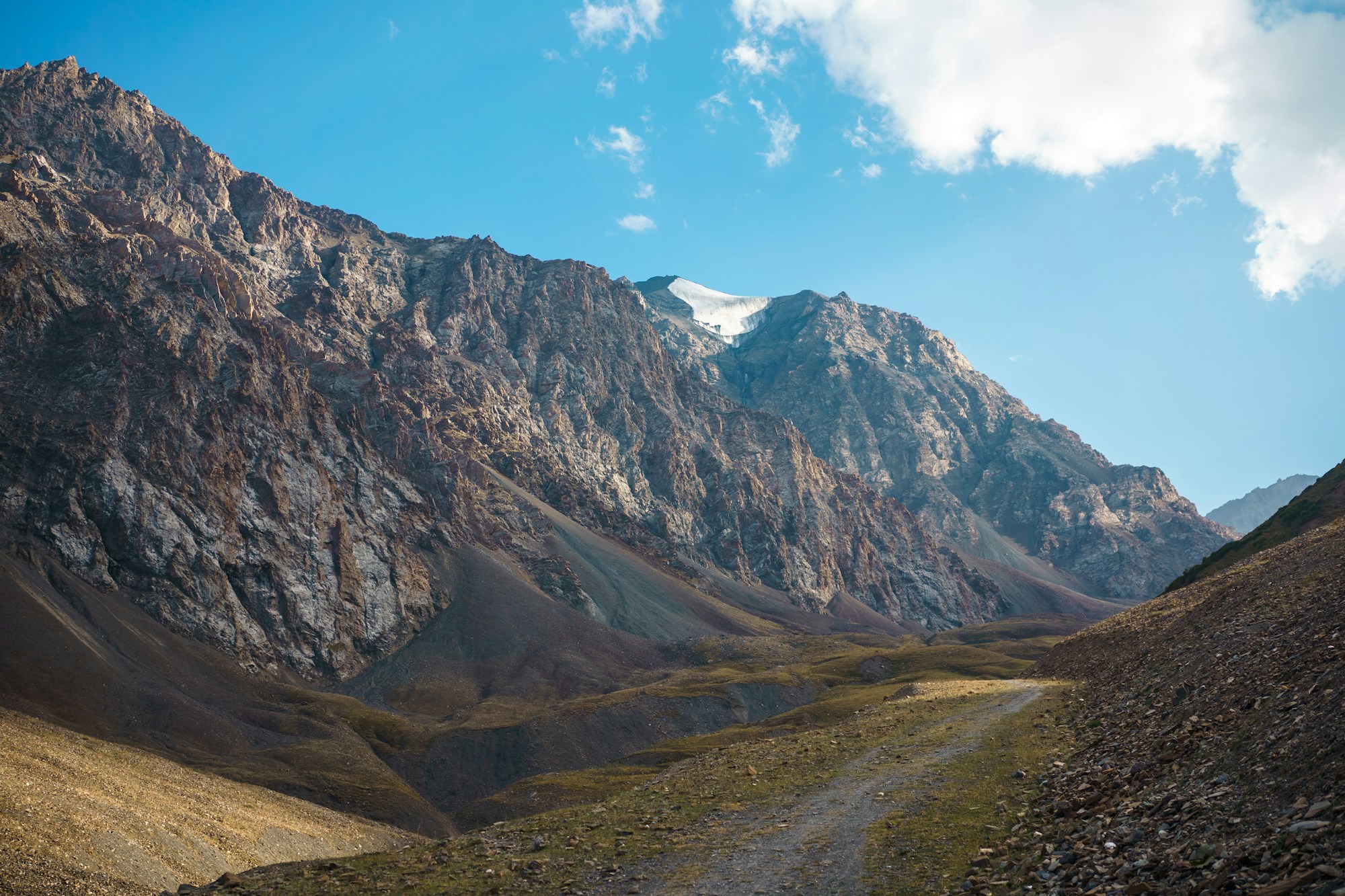
3. Kel-Suu Lake: The Mysterious Lake Between Granite Cliffs
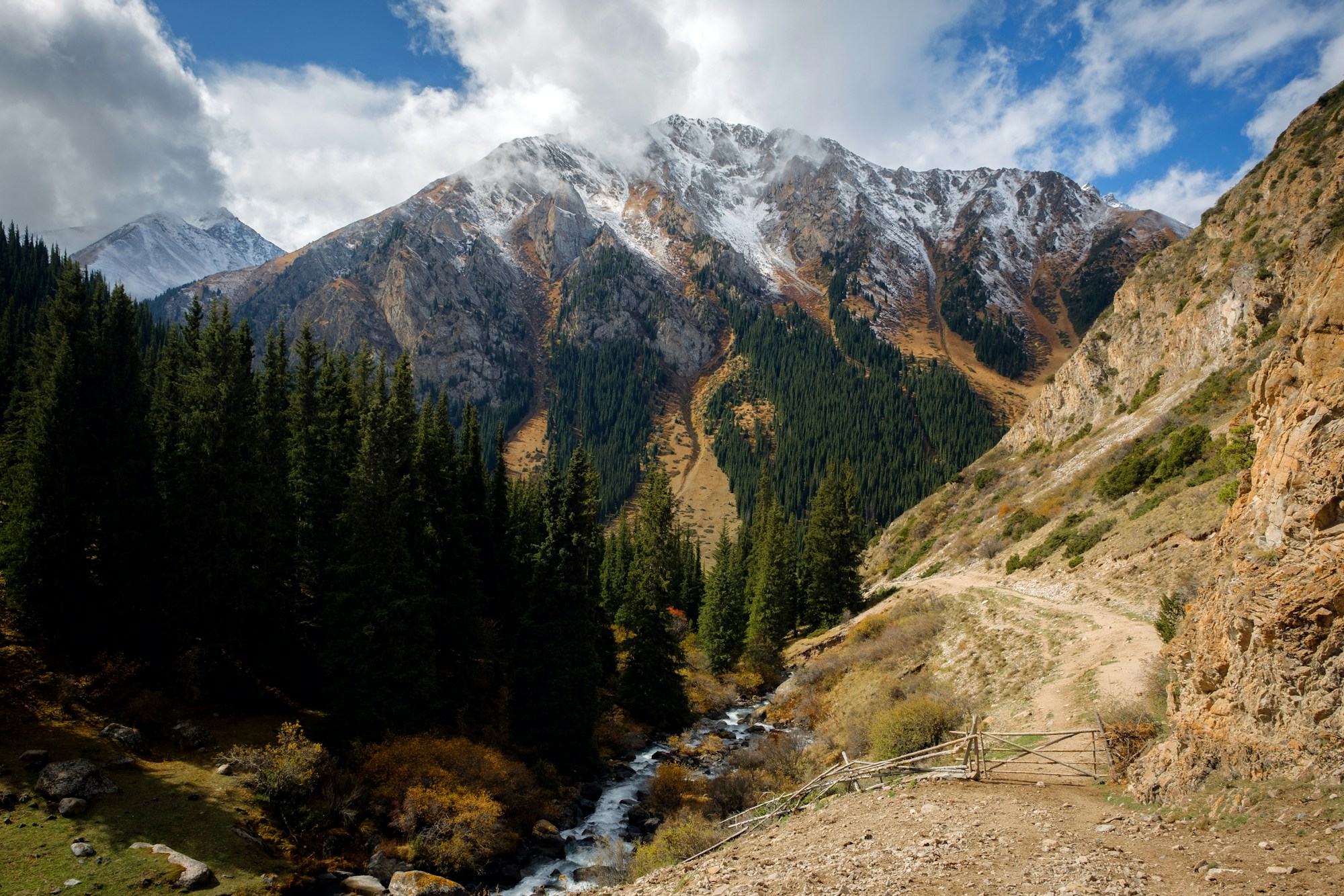
Kel-Suu — Naryn Province, 3,514 m altitude
Kel-Suu is a true gem in Kyrgyzstan’s crown of lakes. According to Journal of Nomads, this intensely blue lake winds for some 16 km between towering granite cliffs near the Chinese border. Only the movement of clouds and soaring eagles animate the scene in near-total silence. At the height of tourist season, you may share it with just a handful of other visitors — the exact opposite of the crowds at Ala-Kul.
The lake has a unique phenomenon: from one year to the next, it can empty almost completely, leaving a vast cracked earth bed. According to Journal of Nomads, this happens after a mild winter, when the lake freezes only on the surface and much of its water drains into the Kurumduk River — meaning every visit can look strikingly different.
Must-do experiences
- Kayak or horseback traverse along the full 16 km lake
- Overnight in a yurt in near-total silence
- Granite cliffs plunging into emerald waters
- Rare natural phenomenon: the lake that disappears in dry years
4. Altyn Arashan & Ala-Kul Lake: Hot Springs and an Impossible Turquoise Lake
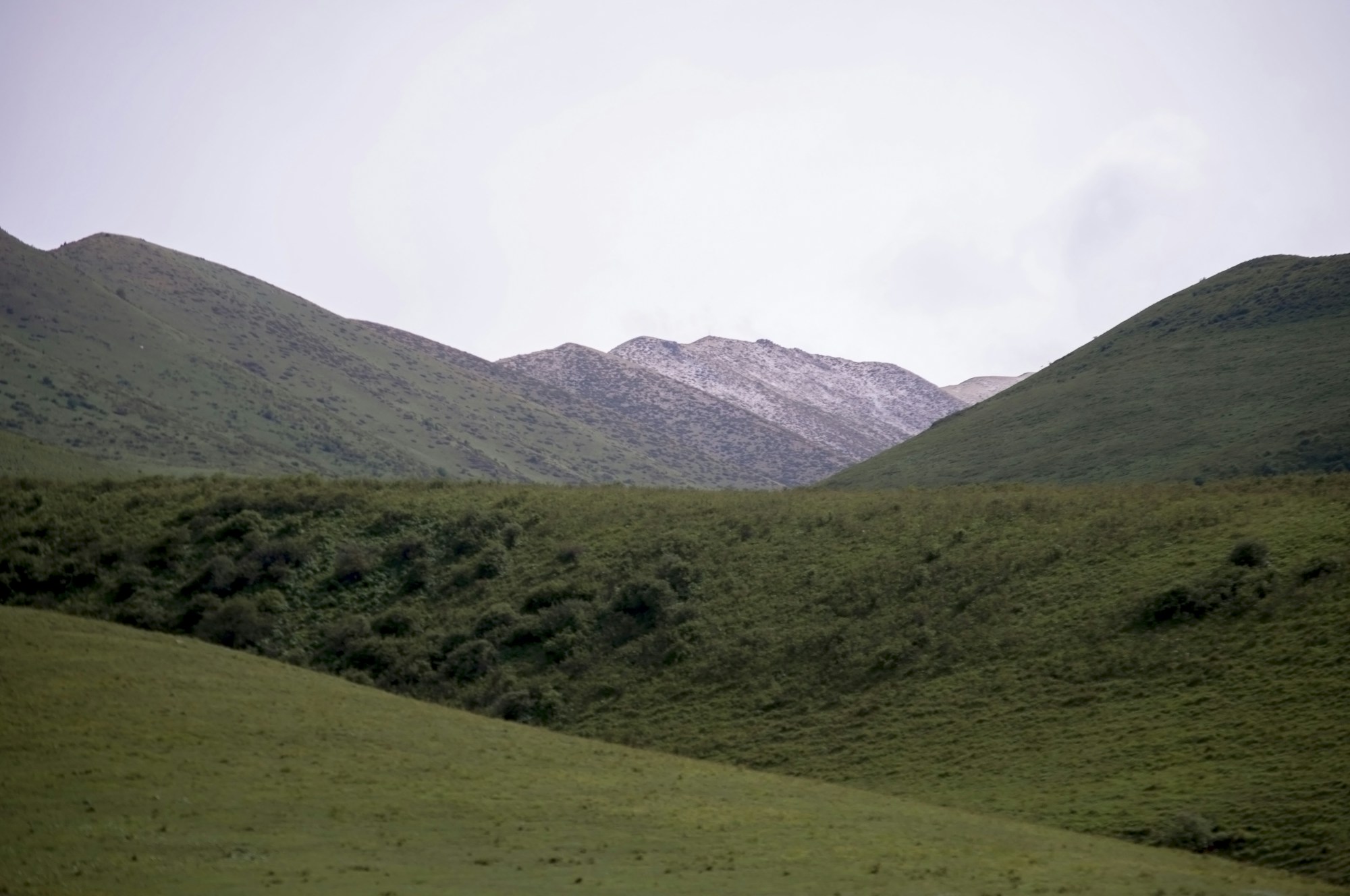
Altyn Arashan — 10 km from Karakol, 3,000 m altitude
Altyn Arashan means « Golden Springs » in Kyrgyz — and that’s exactly what awaits at the end of the trek. According to Kyrgyzstan Travel, this majestic green valley at 3,000 m is a perfect Kyrgyz postcard: snow-capped peaks, geothermal springs at 40-50°C, and alpine wildlife including some 20 snow leopards recorded in the valley.
The ultimate reward after ascending to Ala-Kul Lake (pass at 3,860 m, impossibly blue water)? Soaking in naturally heated sulfurous springs. According to Discover Kyrgyzstan, these springs are the perfect recovery after an intense pass day — and the natural springs scattered through the valley are free.
Trek highlights
- Ala-Kul Lake: one of the most beautiful high-altitude lakes in all Central Asia
- Free natural hot springs to soak in at day’s end
- Protected nature reserve since 1975 (snow leopards)
- Doable without a guide for experienced trekkers
5. Tash Rabat: The Silk Road Caravanserai at the End of the World
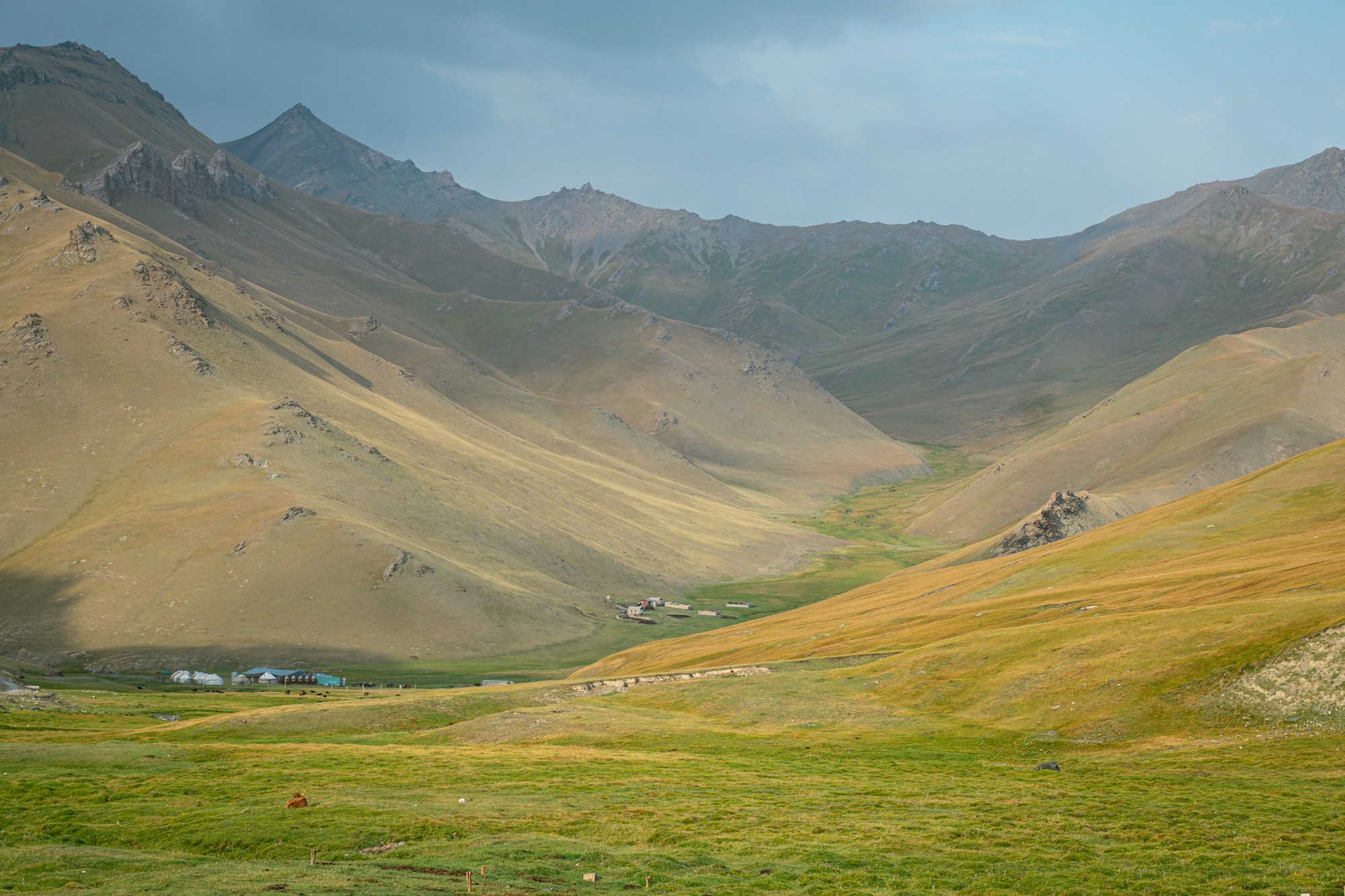
Tash Rabat — Naryn Province, 3,200 m altitude
Tash Rabat is widely considered one of the best-preserved Silk Road sites in existence. According to Eurasia Travel, this meticulously restored 15th-century stone structure once served as an inn for merchant caravans crossing Central Asia. So remote that only a handful of travelers visit, it’s one of the most spectacular and least-frequented Silk Road heritage sites in the world.
The most beautiful hike from Tash Rabat is the Panda Pass at 4,000 m, offering a stunning view over Lake Chatyr-Kul. According to SnoezelsOnTheRoad, doing this hike on horseback — deeply rooted in Kyrgyz culture — provides the most authentic experience possible.
Must-see around Tash Rabat
- Perfectly restored 15th-century caravanserai (entry: <€2)
- Horseback ride to Panda Pass (4,000 m)
- Lake Chatyr-Kul: Ramsar wetland sheltering bar-headed geese
- Valley dotted with yaks and nomadic sheep herds
6. Ala Archa National Park: Alpine Trekking 40 Minutes from Bishkek
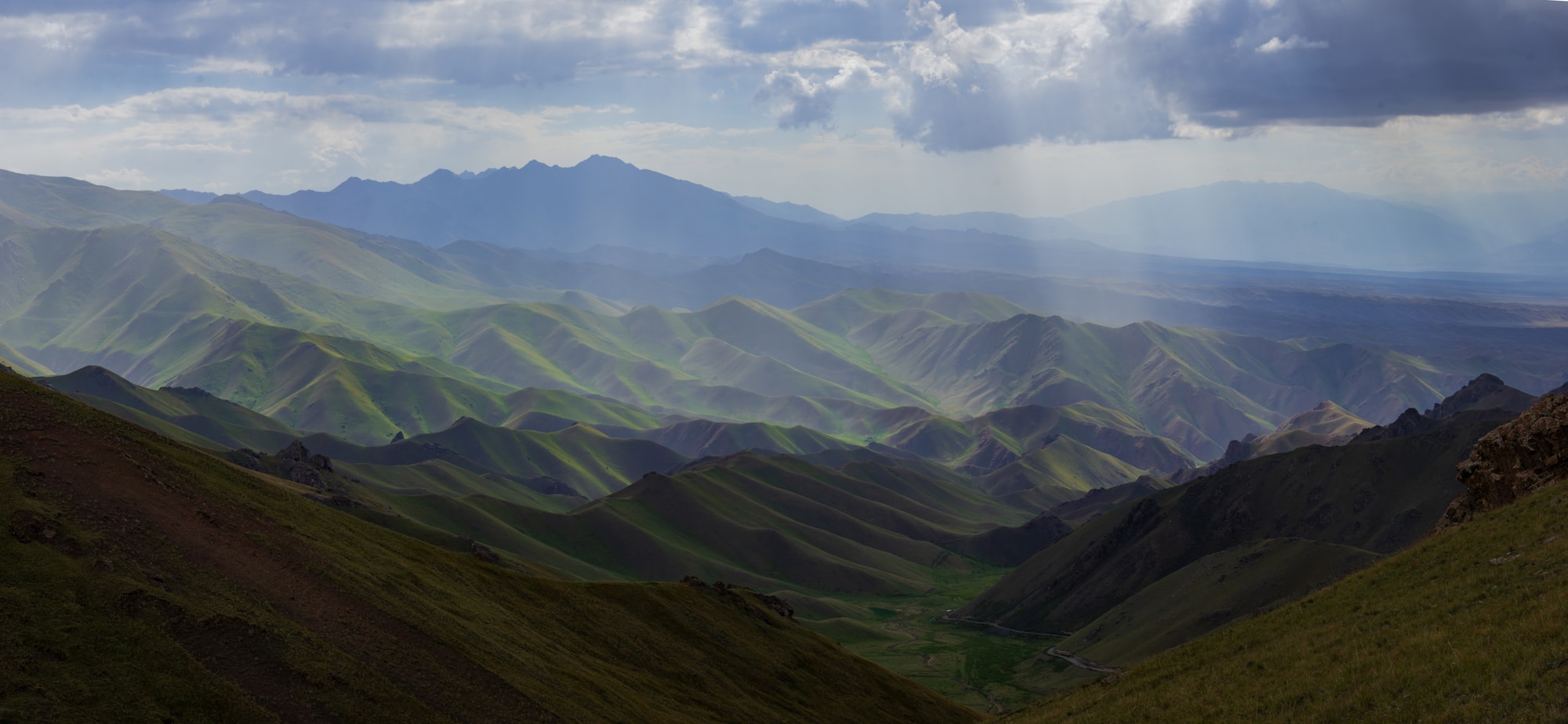
Ala Archa — 40 km south of Bishkek
Ala Archa National Park is the ideal entry point for first-time visitors to Kyrgyzstan. According to TourRadar, it’s one of the few parks where infrastructure is developed enough for day hikes without complex planning. And it’s the only place on earth where you can have lunch in a capital city and find yourself at 3,500 m among eternal snows that same afternoon.
The park offers great opportunities to spot marmots and golden eagles. Majestic views open up from Palatka Peak (4,740 m), while rock formations and flowering meadows create breathtaking scenery — ideal for acclimatization before more ambitious treks.
Activities in the park
- Hike to Ak-Sai waterfall (easy, 4 h round trip)
- Palatka Peak ascent (4,740 m) for mountaineers
- Marmot and golden eagle spotting
- Perfect acclimatization before Song-Kul or Ala-Kul
7. Lenin Peak Base Camp: The Rooftop of Kyrgyzstan (7,134 m)
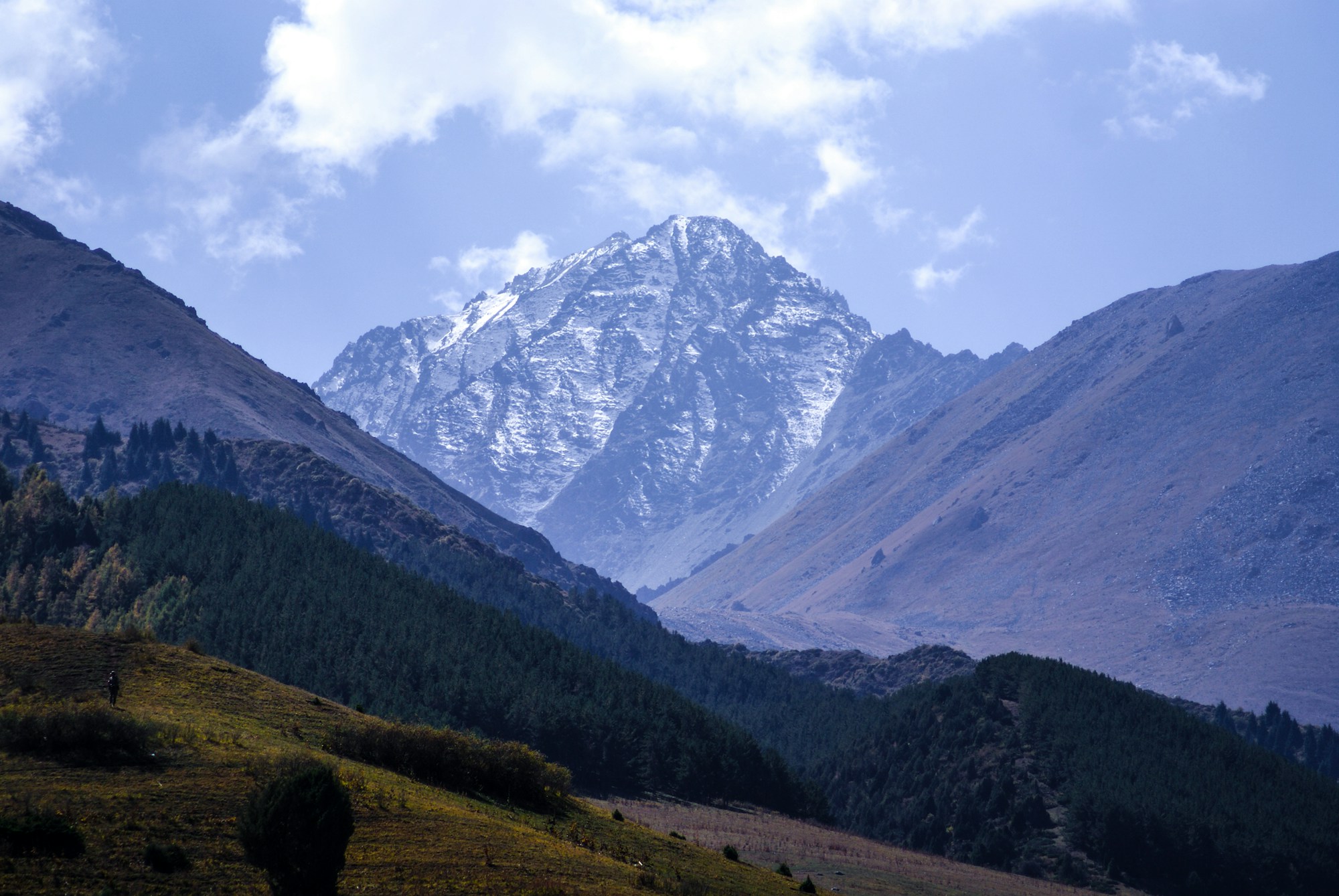
Lenin Peak — Alai Valley, Osh Province
Considered one of the most accessible 7,000 m peaks on the planet, Lenin Peak remains a major mountaineering objective. But even without summit ambitions, the hike to base camp is a pleasant day’s walk from Lake Tulpar-Kol, where you can sleep in a yurt. According to Central Asia Travel, for 2026, ten different service packages are available, from clean base camps with yurt accommodation to comfortable heated tents.
For non-climbers, the Traveller’s Pass offers stunning panoramas of Lenin Peak and the Alai Valley in a single day hike. Lakes Besh-Kol and Koshkol provide other easy walks from the base camp.
Options for all levels
- Traveller’s Pass hike — panoramic views of Lenin Peak
- Besh-Kol and Koshkol lakes — easy walks from base camp
- Yukhin Peak (5,130 m) — intro to high-altitude mountaineering
- Summit at 7,134 m for experienced mountaineers
Getting to Kyrgyzstan in 2026: Airport & Overland Routes
Manas International Airport, 25 km from Bishkek, is Kyrgyzstan’s only major international gateway. According to Wikipedia, it retired its Soviet-era « FRU » code — tied to Bishkek’s former name, Frunze — for the new code BSZ in August 2025. There are no direct long-haul flights from Western Europe or North America; the easiest connections run via Istanbul (Turkish Airlines), Dubai (Flydubai), Almaty, Tashkent, or Moscow.
Overlanders can also enter by land from Kazakhstan, Uzbekistan, Tajikistan, or China. According to Wikipedia, the Torugart Pass into China’s Xinjiang region is open to all nationalities but requires transport arranged in advance on both sides — plan this crossing at least a week ahead through a local agency.
Kyrgyzstan Budget 2026: Outdoor Adventure for Under €40/day
Kyrgyzstan remains one of the most affordable outdoor destinations on the planet. According to The Broke Backpacker, eating in Kyrgyzstan costs between $3 and $7 for a good meal at a local restaurant; public transport (marshrutka) is nearly free ($1-6 per trip). It pairs perfectly with Pixidia’s broader guide to traveling well under €500 if you’re planning a longer budget-conscious trip.
| Category | Cost/day or unit |
|---|---|
| Local meals | $3-7 per meal |
| Hostel / Guesthouse | $8-15/night |
| Yurt with meals included | $15-50/night |
| Guided trek (day) | $50-150/day |
| Self-guided trek | $20-40/day |
| Marshrutka transport | $1-6/trip |
| Border permit | ~€20 (one zone) |
| Local SIM (data) | <€5 (all included) |
Ideal Itinerary: 3 Weeks in Kyrgyzstan 2026
Here’s the recommended itinerary to make the most of Kyrgyzstan in 3 weeks, combining trekking, culture and nature:
| Days | Destination | Main Activity |
|---|---|---|
| 1-2 | Bishkek | Arrival, acclimatization, Osh Bazaar market |
| 3 | Ala Archa Park | Acclimatization hike (day trip) |
| 4-6 | Song-Kul via Kochkor | Horseback trek + yurt nights |
| 7-10 | Karakol + Altyn Arashan | Ala-Kul Lake → hot springs |
| 11-13 | Jyrgalan Valley | Boz-Uchuk Lakes trek (self-guided) |
| 14-15 | Naryn → Kel-Suu | Mysterious lake (permit required) |
| 16-17 | Tash Rabat | Caravanserai + Panda Pass on horseback |
| 18-19 | Osh | Uzbek culture, Jayma Bazaar |
| 20-21 | Sary-Mogul (Lenin Peak) | Traveller’s Pass or base camp |
Frequently Asked Questions about Kyrgyzstan 2026
Do I need a visa to visit Kyrgyzstan in 2026?
Citizens of 55 countries, including France, Belgium, Switzerland, Canada, the UK, the US, and Australia, can enter Kyrgyzstan visa-free for a maximum cumulative stay of 30 days within a 60-day period. According to VisasNews, Resolution No. 855 of the Cabinet of Ministers, effective December 31, 2025, revised these rules — down from the previous 60 days within a 120-day period. For longer stays, an e-Visa for 30 or 60 days can be requested online through the official evisa.e-gov.kg portal.
What is the best time to trek in Kyrgyzstan?
The ideal trekking season runs from mid-June to mid-September. According to Horizon Guides, July and August are the best months for high-altitude treks — trails are at their best and seasonal yurts are in full swing. Lake Song-Kul is only accessible between June and September. Outside the season, expect very cold temperatures and snow at higher altitudes.
Is self-guided trekking possible without a guide in Kyrgyzstan?
Yes, for most popular treks. Wild camping is legal in Kyrgyzstan and you can pitch your tent almost anywhere. According to Horizon Guides, Ala-Kul, Altyn Arashan, and Jyrgalan treks are all doable without a guide thanks to marked trails. Permits are only required in border zones (Kel-Suu, Chatyr-Kul) and can be arranged through the local CBT (Community-Based Tourism).
Is horseback trekking suitable for beginners?
Absolutely. According to GTLA, 90% of participants on the Song-Kul horseback treks are complete beginners. Kyrgyz horses have very calm temperaments and you’ll typically be accompanied by a local guide. The 3-day trek from Kochkor or Kyzart to Song-Kul is the most popular and accessible circuit for beginners.
How do you book a yurt night in the mountains?
Most mountain yurts have no online presence. According to The Broke Backpacker, the best solution is to book a 2-3 day circuit with a local guide who has the yurt owners’ contacts. The CBT (Community-Based Tourism) Kyrgyzstan network has yurts across the country and can arrange your stay from Bishkek, Kochkor, or Karakol. Rates range from $15 to $50/night including meals.
Should I be concerned about altitude sickness in Kyrgyzstan?
Yes, it’s an important precaution. According to Topologica, Lake Song-Kul sits at 3,016 m — higher than most Colorado ski resorts — and 40% of visitors experience mild altitude sickness. Prevention: spend at least 2 nights in Bishkek (750 m) or Kochkor (1,800 m) before ascending, stay well hydrated, and ascend progressively to higher altitudes.
What gear should I bring for trekking in Kyrgyzstan?
Outdoor gear is very hard to find in Kyrgyzstan and costs more than in Europe. Bring everything from home. Essentials according to The Broke Backpacker: a sturdy pack of at least 65L, a down jacket (nights are cold even in summer at altitude), a light windproof jacket (frequent afternoon thunderstorms), well broken-in hiking boots, a sleeping bag rated to -10°C minimum, and a water filter (mountain rivers are clean, villages less so).
Is there mobile network coverage on trekking routes?
Connectivity is excellent in cities (Bishkek, Karakol, Osh) and acceptable in villages. In the mountains, expect to be completely offline. A local Beeline or Megacom SIM costs less than €5 with very affordable mobile data in covered areas. For high-altitude treks, download offline maps (Maps.me or Gaia GPS) and always inform someone of your itinerary before heading out.
Sources
- Horizon Guides — Trekking in Kyrgyzstan (updated December 2025) — Comprehensive expert trekking guide
- The Broke Backpacker — Kyrgyzstan 2026 — Budget backpacking guide updated December 2025
- Against the Compass — Backpacking Kyrgyzstan — Itineraries and practical tips 2025
- Destination Jyrgalan — Official CBT website for Jyrgalan Valley
- Journal of Nomads — Kel-Suu Lake (March 2025) — Complete guide to the mysterious lake
- Topologica — Song-Kul Yurt Stay Guide 2025 — Nomadic experience and yurts
- VisasNews — Visa rules 2026 (January 2026) — New entry rules for Kyrgyzstan
- Real Talk Travel — Real budget (August 2025) — Practical costs and on-the-ground tips
- Wikipedia — Chatyr-Kul — Ramsar wetland status and protected wildlife
- Wikipedia — Manas International Airport — Airport code change and international routes
Research conducted March 3, 2026; fact-checked and updated July 2026
Ready to Conquer the Tian Shan?
Kyrgyzstan is the ultimate outdoor destination that hasn’t exploded yet. Turquoise high-altitude lakes, yurts under the stars, some of Asia’s most spectacular treks — and prices that are still very accessible. If epic multi-day trekking is what you’re after, our Patagonia trekking guide is the other bucket-list adventure on our radar this year. Explore our tailor-made itineraries to plan your 2026 Kyrgyz adventure.
Explore all itineraries