
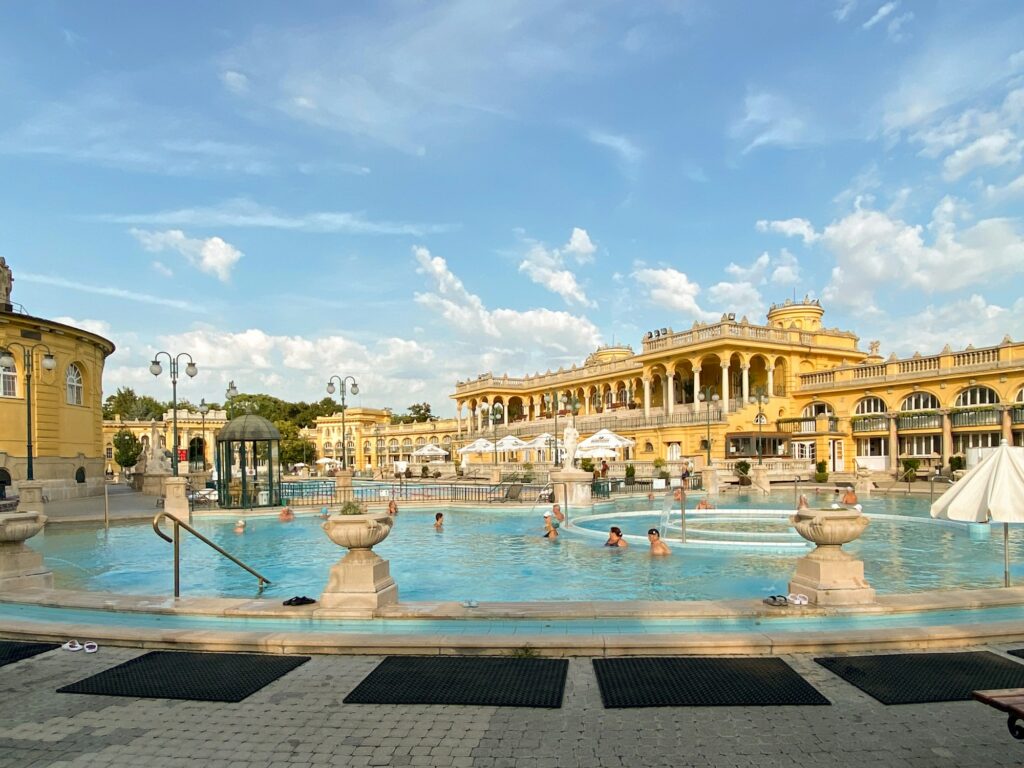
Medical tourism in 2026 remains a $130 billion global industry, with Hungary, Turkey, and Thailand as the three reference destinations for dental care, surgery, and wellness. Hungary saves patients 40-60% on dental implants through CE/ISO-certified clinics with EU reimbursement via the S2 form. Turkey performs hair transplants and cosmetic surgery for 50-80% less across dozens of JCI-accredited hospitals, welcoming 1.8 million foreign patients a year. Thailand pairs world-class hospitals like Bumrungrad with UNESCO-listed traditional wellness from just €10 a massage. Pick Hungary for teeth, Turkey for surgery, Thailand for wellness — and always verify accreditation before booking.
Getting a dental implant in Budapest for 60% less than in Paris, a hair transplant in Istanbul for a tenth of the American price, or a wellness retreat in Chiang Mai for the cost of a spa weekend in France: in 2026, medical tourism is no longer a risky gamble — it’s a $130 billion global industry. According to Mordor Intelligence, the market is expected to reach $207 billion by 2030, driven by rising healthcare costs in Western countries and the increasing quality of internationally accredited clinics. Growth is accelerating fastest in Asia-Pacific, which already captures close to half of global medical tourism revenue according to the same research. Hungary has been treating Europe’s teeth for thirty years. Turkey welcomes 1.8 million foreign patients per year. Thailand has inscribed traditional massage on the UNESCO heritage list and made wellness a pillar of its tourism economy. We analyzed these three flagship destinations — with prices, clinics, risks, and practical advice — to help you plan a safe medical trip.
Dental care in Hungary: Budapest, Europe’s dental capital
Budapest: 30 years of expertise and 100,000 patients per year
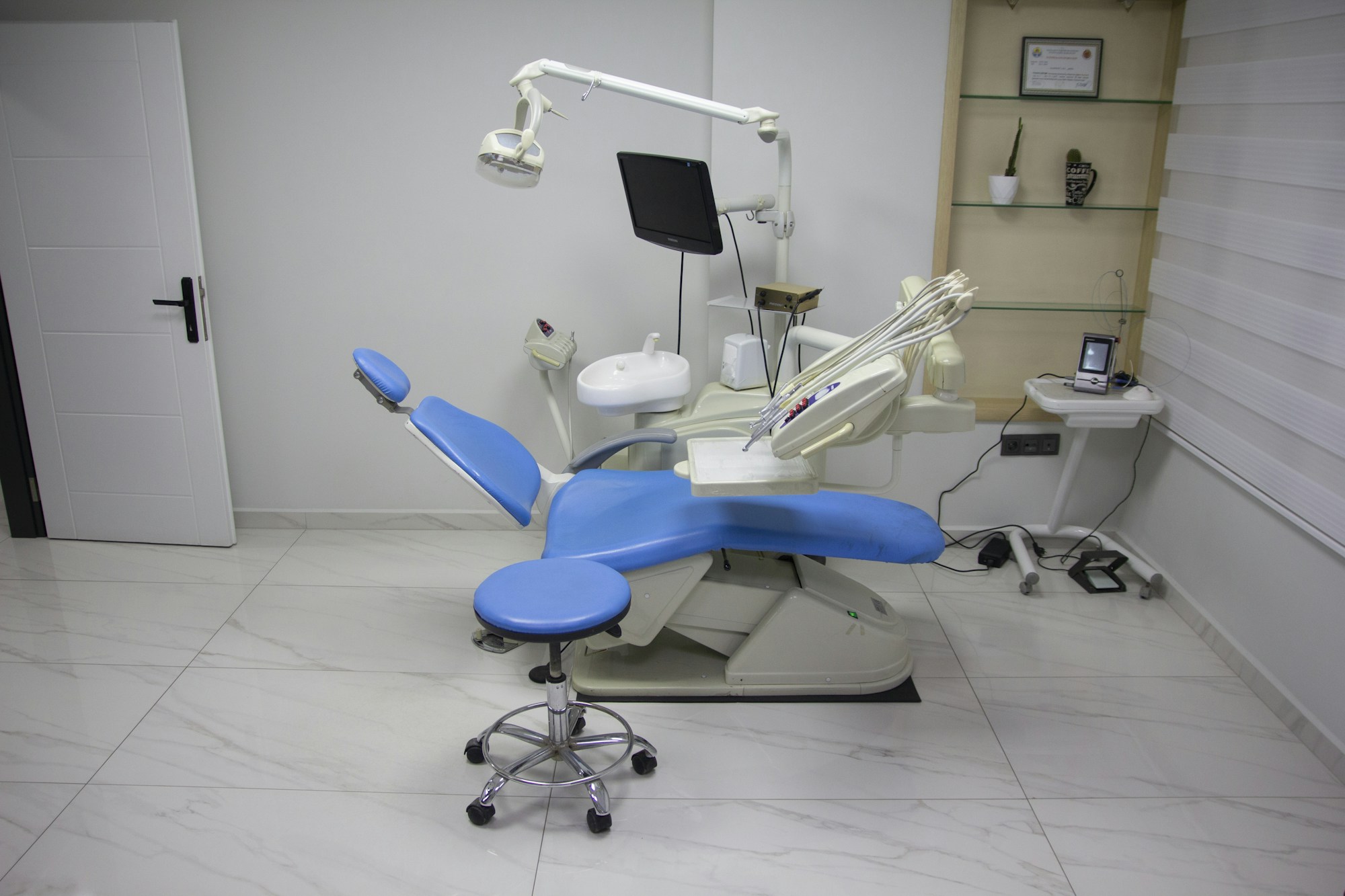
Hungary didn’t become Europe’s top dental tourism destination by accident. For over thirty years, the country has welcomed patients from France, Germany, the UK, and Scandinavia, drawn by an unbeatable quality-to-price ratio. According to Eurodentaire, around 100,000 foreign patients visit Hungarian clinics each year. The savings are substantial: a dental implant costs between €540 and €1,200 in Budapest, compared to €1,800-3,000 in France. A full All-on-4 bridge runs €7,500-9,000 versus €15,000-25,000 in France.
What sets Hungary apart from its competitors is the rigor of its regulatory framework. Hungarian clinics are subject to the same CE and ISO standards as French dental practices, use the same implant brands (Straumann, Nobel Biocare, Alpha Bio), and employ practitioners trained at recognized universities. According to Smile Partner, the patient satisfaction rate exceeds 92%, and most clinics offer a 5 to 10-year warranty on implants — identical to what’s offered in France.
Budapest: the heart of dental tourism
The Hungarian capital is home to the majority of high-end clinics. Establishments like Jildent, located in the 13th district, or Dentis Futuris offer all-inclusive packages including airport transfers, accommodation, and English-speaking coordination. Most clinics are equipped with 3D scanners, in-house prosthetics laboratories, and surgical suites featuring the latest CEREC technology for same-day crowns. English-speaking patients typically benefit from a dedicated coordinator who guides them through every step, from the initial consultation to post-operative check-ups.
Sopron and Gyor: the border-town alternatives
For Austrian and German patients, the border towns of Sopron (1 hour from Vienna) and Gyor (halfway between Vienna and Budapest) offer a practical alternative. Prices are slightly lower than in Budapest, and the proximity to Austria makes round trips easier for treatments requiring multiple visits. According to Eurodentaire, Sopron alone has more than 40 dental clinics specializing in treating foreign patients.
Pecs: the hidden gem
European Capital of Culture in 2010, Pecs is home to Hungary’s oldest medical school (founded in 1367) and offers dental care of identical quality to Budapest, with prices 10 to 15% lower. The city appeals to patients who want to combine treatment with cultural discovery in a less touristy setting.
Surgery in Turkey: Istanbul, Antalya, and Izmir
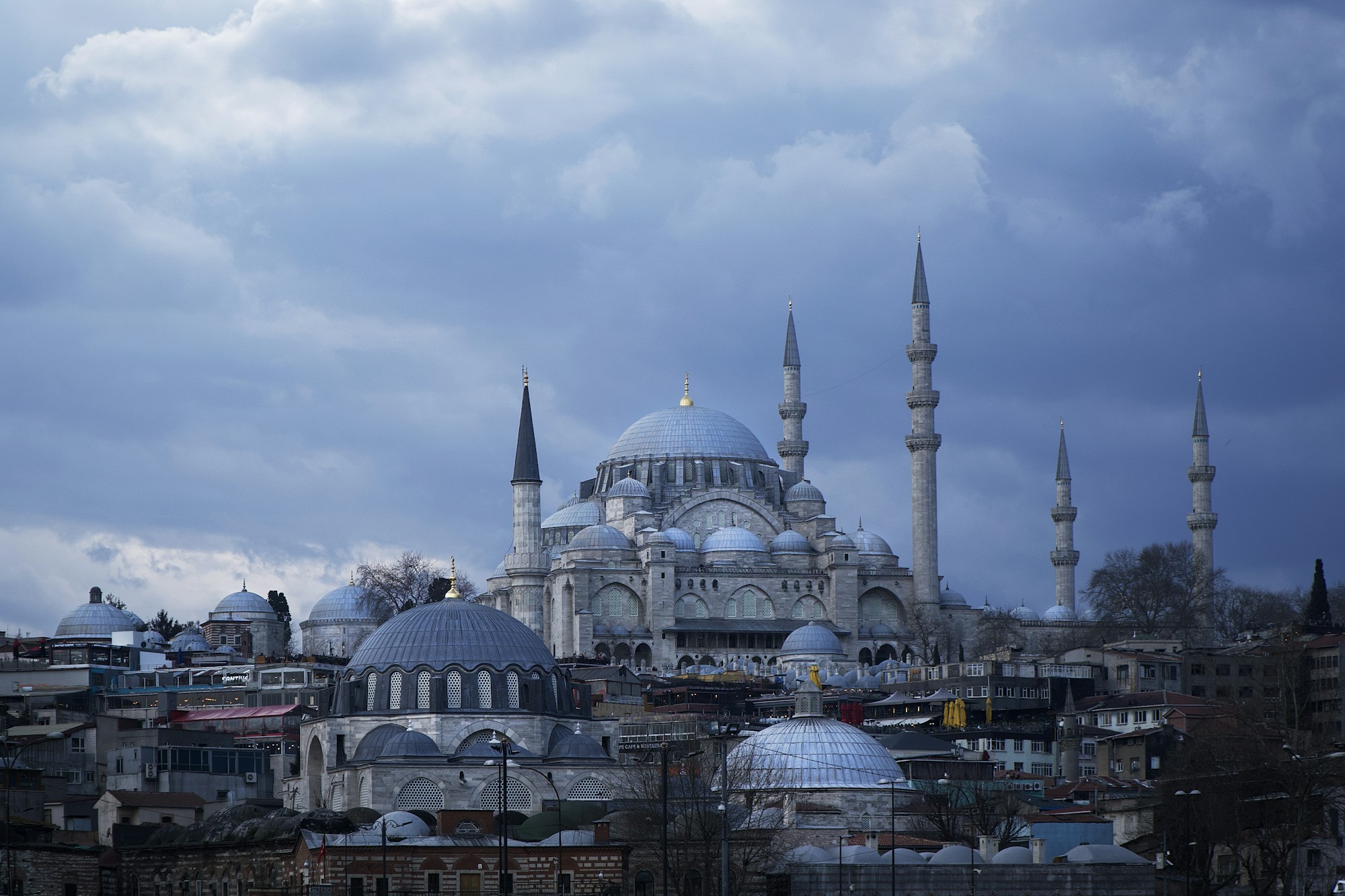
Istanbul: 1.8 million patients and 46 JCI-accredited hospitals
Turkey has become the undisputed global leader in cosmetic surgery and hair transplants in less than a decade. According to Mordor Intelligence, the Turkish medical tourism market was worth $3.97 billion in 2024 and is expected to reach $8.2 billion by 2030. In 2023, the country welcomed 1.8 million medical tourists, including a large proportion of French, British, and Arab patients.
Regional geopolitics are reinforcing this momentum: as covered in our analysis of how the Gulf conflict is redirecting medical tourism patients, growing numbers of patients from the wider Middle East are turning to Turkey, India, and Albania as stable, accredited alternatives.
The secret behind this success? Massive investment in hospital infrastructure. Turkey has 46 JCI-accredited hospitals (Joint Commission International, the global standard for hospital quality), including 29 in Istanbul alone. According to Meilleure Clinique, a hair transplant using the FUE technique (Follicular Unit Extraction) costs between €1,800 and €4,500 in Istanbul — compared to €8,000-15,000 in France and up to $20,000 in the United States.
Istanbul: hair transplants and cosmetic surgery
Istanbul concentrates the bulk of Turkey’s medical offerings. The Sisli neighborhood has been nicknamed « Hair Transplant Valley »: it’s home to dozens of clinics specializing in hair transplants, some treating up to 50 patients per day. Among the reputable establishments, HayatMed and Turquie Sante offer all-inclusive packages (procedure, 4-5 star hotel, transfers, translator) starting at €2,000. According to Turquie Sante, the most requested procedures are FUE hair transplants (60% of patients), rhinoplasty (€1,500-3,500), breast surgery (€2,000-4,000), and bariatric surgery (sleeve gastrectomy from €3,500).
Antalya: seaside convalescence
More and more patients are choosing Antalya to combine surgical procedures with convalescence in a coastal setting. The « Turkish Riviera » offers a mild Mediterranean climate year-round, quality all-inclusive hotels, and modern clinics that rival those in Istanbul. According to HayatMed, Antalya is particularly popular for dental surgery and light cosmetic procedures (injections, liposuction), with the added benefit of recovering by the Mediterranean Sea.
Izmir: the cultural alternative
Turkey’s third-largest city, Izmir positions itself as a less crowded alternative to Istanbul. The city is home to several top-tier university hospitals and offers easy access to the ancient sites of Ephesus and Pergamon. Prices are generally 10 to 20% lower than Istanbul, with shorter waiting times.
Antalya and İzmir: the sun-and-culture alternatives
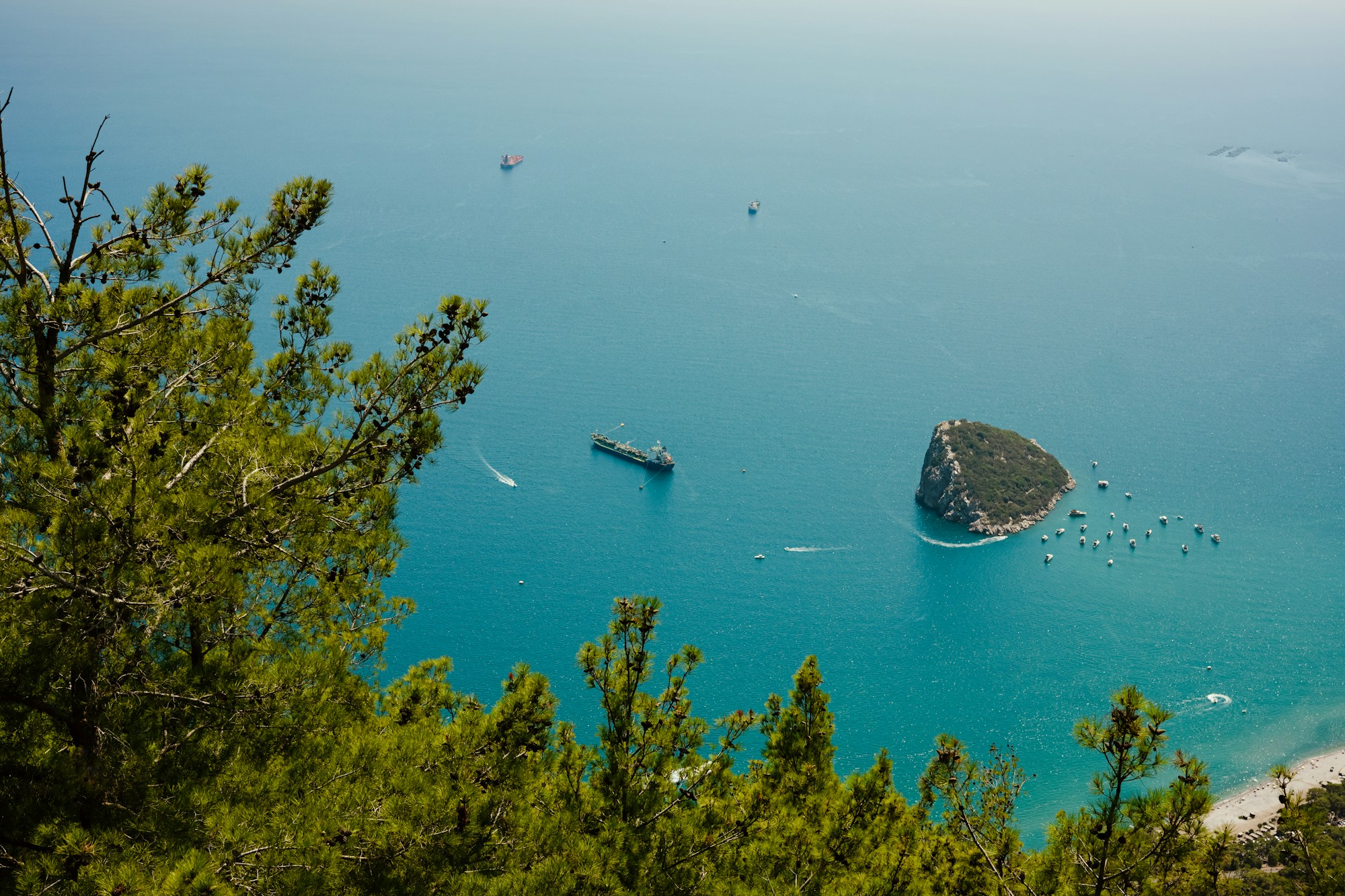
Antalya, the Turkish Riviera, combines medical care and seaside convalescence in an idyllic setting. Its ultra-modern clinics are often integrated into hotel complexes: you step out of your room, attend a consultation, then recover by the pool. Prices are 10 to 15% lower than Istanbul for equivalent procedures.
İzmir, Turkey’s third-largest city, offers more personalized follow-up care in a cosmopolitan setting. Ekol Hospital and the Bestify group, both JCI-accredited, provide a full range of medical services. Just 45 minutes from Ephesus, combining surgery with a visit to one of the world’s best-preserved ancient sites is a unique experience.
Wellness in Thailand: Bangkok, Chiang Mai, and the islands
Asia’s wellness sanctuary
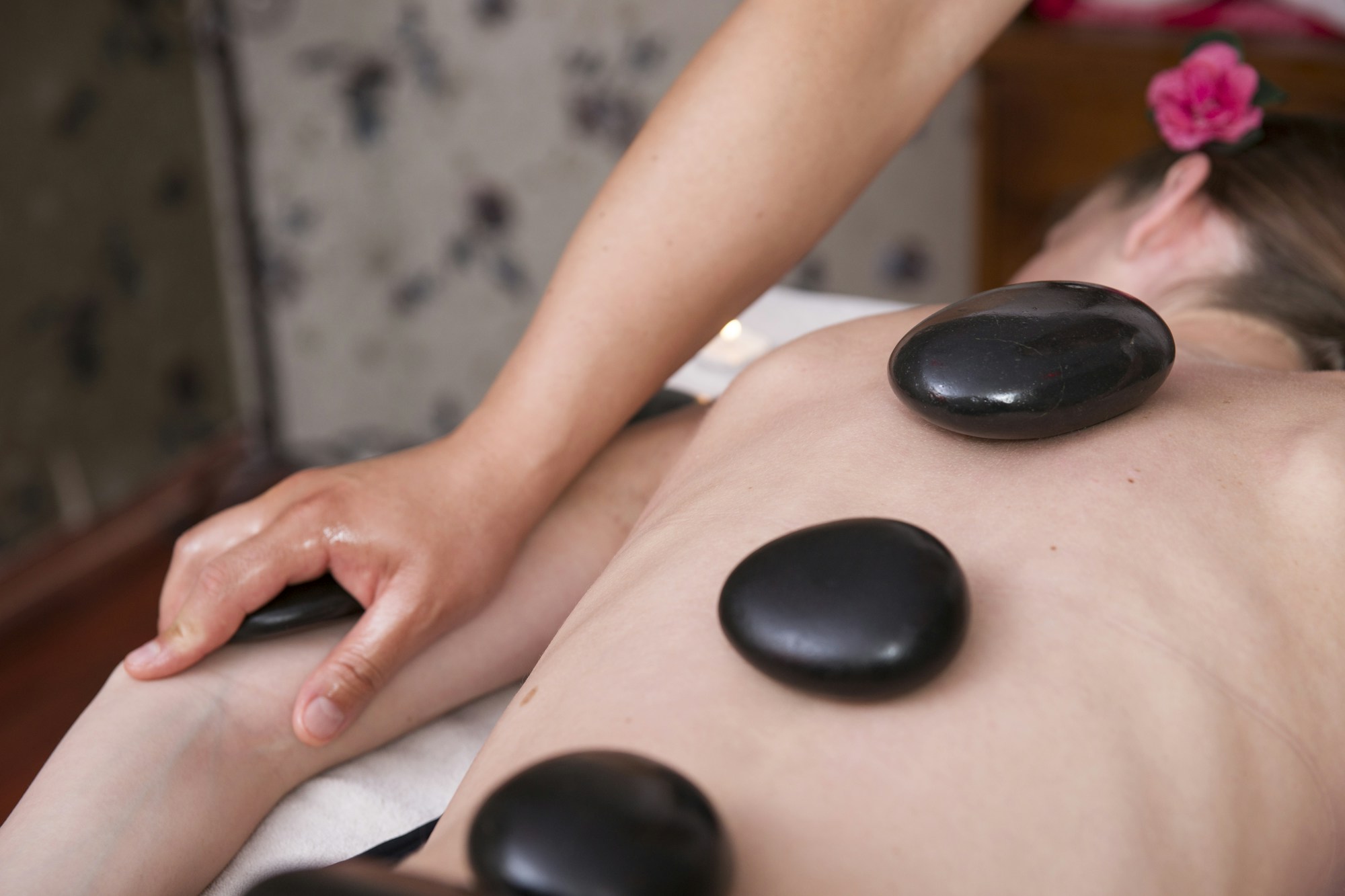
Thailand has made wellness a strategic pillar of its tourism economy. The national campaign « Healing is the New Luxury », launched by the Tourism Authority of Thailand, positions the kingdom as the world’s destination for holistic wellness. According to Euronews Travel, the country has over 2,198 certified wellness spaces and 96 establishments bearing the Thainess Wellness label, a national standard guaranteeing the authenticity of traditional practices.
Nuad thai (traditional Thai massage) was inscribed on UNESCO’s Intangible Cultural Heritage list in 2019, recognizing a tradition spanning over 2,500 years. And the prices remain remarkably affordable: a one-hour traditional Thai massage costs between €10 and €15 at a reputable center, compared to €80-120 in France. According to Tourisme Thai, this affordability makes it possible to enjoy intensive multi-week treatment programs for the price of a single spa weekend in Europe.
Bangkok: cutting-edge medicine and luxury wellness
The Thai capital presents two faces. On one side, world-class hospitals like Bumrungrad International Hospital — which generates 67% of its revenue from foreign patients according to Assur Travel — offer comprehensive check-ups, cosmetic surgery, and dental care meeting international standards. On the other, exceptional wellness centers like RAKxa Wellness, located on a private island south of Bangkok, offer programs combining integrative medicine, personalized nutrition, and traditional Thai healing. Wat Pho, the temple birthplace of Thai massage, still houses a school where you can take certified courses lasting 30 to 60 hours.
Chiang Mai: yoga, meditation, and immersive retreats
The former capital of the Lanna kingdom has established itself as the nerve center of alternative wellness in Southeast Asia. According to Retreatlyy, Chiang Mai is home to over 80 retreat centers offering yoga, vipassana meditation, therapeutic fasting, and traditional Thai medicine. 7 to 14-day retreats cost between €500 and €1,500 all-inclusive (accommodation, organic meals, daily treatments), a fraction of the price of equivalent programs in Europe. The city’s spiritual atmosphere — surrounded by centuries-old temples and misty mountains — deepens the immersion.
Phuket and Koh Samui: beachfront luxury wellness
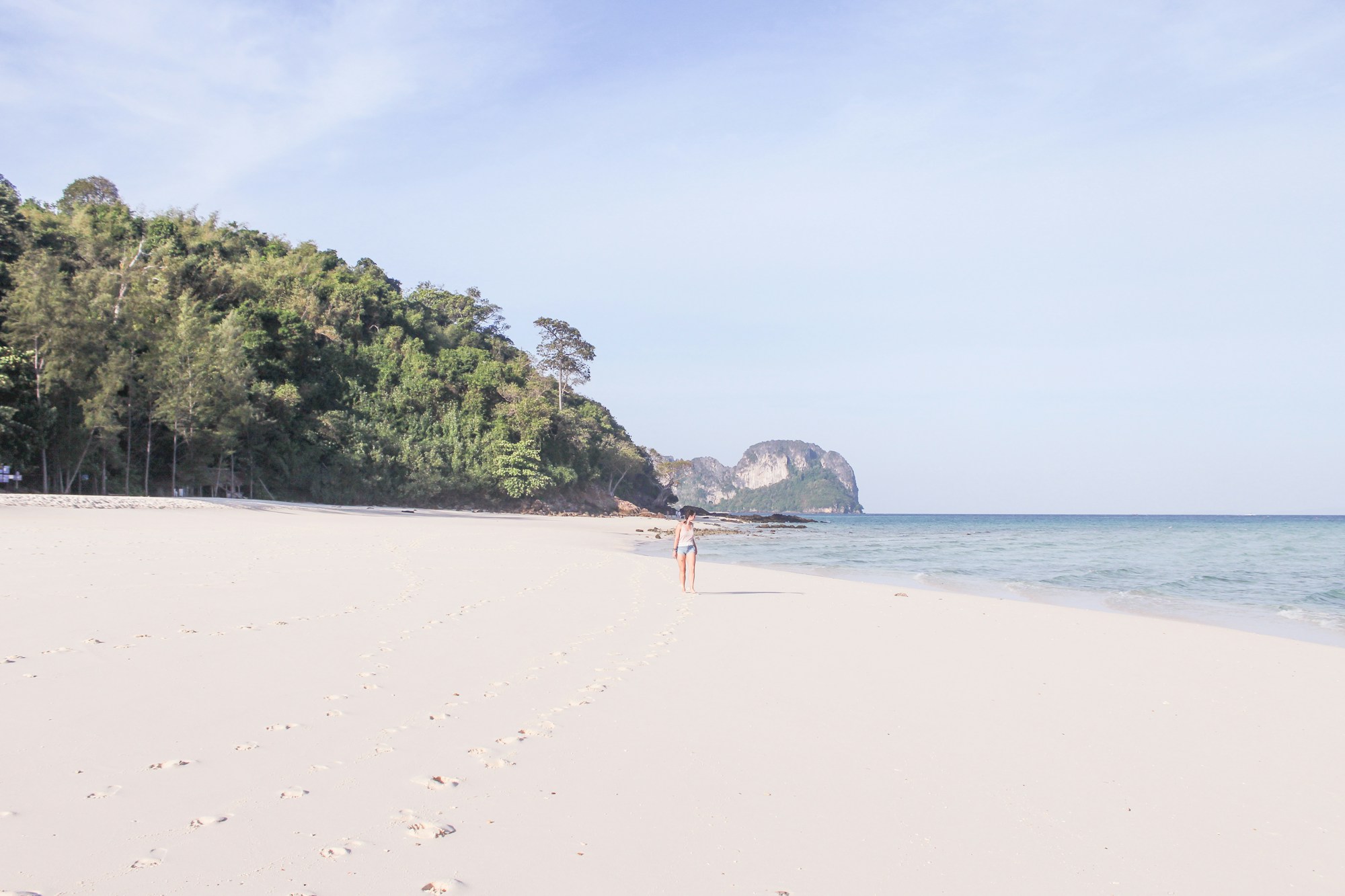
The southern islands add a coastal dimension to wellness tourism. Phuket hosts world-renowned spas like the Amatara Wellness Resort and the Banyan Tree Spa, with detox, weight loss, and rejuvenation programs lasting 5 to 21 days. Koh Samui has specialized in detox cures and therapeutic fasting, with pioneering centers like the Kamalaya Wellness Sanctuary, regularly ranked among the world’s best spas. Expect to pay between €1,500 and €2,500 for a week at a beachfront wellness resort, excluding flights.

Chiang Mai: the spiritual wellness capital
The former capital of the Lanna kingdom has established itself as the nerve center of alternative wellness in Southeast Asia. According to Retreatlyy, Chiang Mai is home to more than 80 retreat centers offering yoga, vipassana meditation, therapeutic fasting, and traditional Thai medicine. Retreats of 7 to 14 days cost between €500 and €1,500 all-inclusive, a fraction of European prices.
Phuket and Koh Samui: luxury beach wellness
The southern islands add a beach dimension to wellness tourism. Phuket hosts world-renowned spas such as Amatara Wellness Resort and Banyan Tree Spa, with detox and rejuvenation programs lasting 5 to 21 days. Koh Samui has specialized in detox retreats with centers like Kamalaya Wellness Sanctuary, regularly ranked among the world’s best spas.
Comparison table: which destination for which treatment?
Each destination excels in a specific area. This table summarizes the essential information to help you choose based on your medical needs, budget, and expectations.
| Criteria | Hungary | Turkey | Thailand |
|---|---|---|---|
| Key specialty | Dental care | Hair transplants, cosmetic surgery | Wellness, holistic treatments |
| Savings vs. Western prices | 40-60% | 50-80% | 60-80% (massages, retreats) |
| Accreditation | CE/ISO (EU standards) | JCI (46 hospitals) | Thainess Wellness (96 centers) |
| Flight from major hubs | 2h 30 from Western Europe | 3h 30 from Western Europe | 11h from Europe |
| Visa required | No (EU) | e-Visa or free 90 days | Free 30 days |
| EU health reimbursement | Yes (S2 form) | No | No |
| Typical length of stay | 5-8 days | 7-14 days | 1-3 weeks |
| Average budget | €1,500-5,000 (treatment + stay) | €2,500-6,000 (procedure + stay) | €1,000-3,500 (retreat + stay) |
| Best time to visit | April-October | March-June, Sept-Nov | November-February |
| English spoken | English-speaking coordinators | Translators in clinics | English widely spoken |
| Foreign patients/year | 100,000 | 1,800,000 | Not disclosed (wellness) |
| Combine with sightseeing | Budapest, thermal baths, Danube | Istanbul, Cappadocia, beaches | Temples, beaches, gastronomy |
How to prepare your medical trip in 2026
The essential checklist before departure
A successful medical trip should be planned 3 to 6 months in advance. According to Turquie Sante, preparation is the key to a safe and satisfying experience. Here are the essential steps:
1. Choose an accredited clinic
This is the most important decision. Systematically check international accreditations: JCI (Joint Commission International) for Turkey, CE/ISO standards for Hungary, Thainess Wellness certification for Thailand. According to Meilleure Clinique, JCI accreditation imposes 1,400 quality criteria covering patient safety, infection control, staff qualifications, and traceability of medical procedures. Don’t hesitate to ask for the practitioner’s qualifications, before/after photos of cases similar to yours, and verified reviews from former patients.
2. Obtain detailed quotes
Request at least 2 to 3 comparative quotes from different clinics. A serious quote must include: the procedure details, the materials used (implant brand, type of prosthesis), the surgeon’s fees, anesthesia costs, any hospitalization, post-operative medications, and follow-up consultations. Be wary of abnormally low quotes that omit certain items or fail to specify the materials used.
3. Compile your medical file
Before departure, get a comprehensive assessment from your GP or specialist at home. For dental care, a recent dental panoramic X-ray (less than 3 months old) is essential. For surgery, complete blood work and a cardiac assessment may be required. Have your medical documents translated into English — most international clinics operate in English.
4. Take out specific insurance
Standard travel insurance generally does not cover planned medical procedures. According to Assur Travel, it’s essential to take out specific insurance covering: post-operative complications, medical repatriation, extended stay in case of complications, and trip cancellation. Check the exclusions related to cosmetic surgery, often considered « not medically necessary » by standard insurers.
5. Plan post-operative follow-up
Before leaving, identify a practitioner at home who will agree to handle post-operative follow-up. According to Smile Partner, most complications occur within 2 to 4 weeks after the procedure. Make sure the clinic abroad provides a complete medical file in English, including the surgical protocol, post-procedure X-rays, and medication prescriptions.
- Verify the clinic’s accreditation (JCI, CE/ISO, Thainess)
- Obtain 2-3 detailed and comparative quotes
- Compile a complete translated medical file
- Take out insurance covering complications
- Identify a follow-up practitioner at home
- Allow sufficient recovery time before flying back
- Request the S2 form (Hungary/EU only)
- Check your passport validity (6 months min. for Turkey and Thailand)
Risks and precautions to be aware of
What nobody tells you (but you need to know)
Medical tourism offers considerable opportunities, but it also carries risks that would be irresponsible to downplay. According to HayatMed, transparency about risks is the hallmark of a serious clinic — be wary of those that never mention them.
Risk #1: post-operative complications from afar
This is the main risk of medical tourism. A complication occurring after your return home (infection, implant rejection, poor healing) requires local follow-up. However, practitioners in your home country may be reluctant to take over a case operated abroad, for fear of legal liability. According to Smile Partner, the best protection is to choose a clinic that offers a written guarantee including coverage for complications, including return travel if necessary.
Risk #2: variable clinic quality
Not all clinics are equal, even within the same country. In Turkey, the medical tourism boom has attracted unscrupulous operators offering procedures at abnormally low prices, at the expense of safety. According to Meilleure Clinique, warning signs include: a price well below market rate, no verifiable accreditation, a surgeon who doesn’t consult before the procedure, and a clinic that refuses to provide the operating surgeon’s name.
Risk #3: legal framework and recourse
In case of a dispute, legal recourse varies considerably by country. Within the EU (Hungary), the European directive on cross-border healthcare offers a protective framework. Outside the EU (Turkey, Thailand), legal proceedings are lengthy, expensive, and uncertain. The best protection remains prevention: choose an accredited facility, insist on a detailed contract, and take out insurance covering legal costs.
Risk #4: underestimated recovery time
Many patients book a return flight too soon after their procedure. Aircraft cabin pressurization can worsen swelling, cause bleeding, or affect healing. According to Turquie Sante, allow at least 48 to 72 hours after dental work and 7 to 14 days after surgery before flying. For hair transplants, avoid wearing a helmet or tight hat during the return flight.
Accreditations that matter
- JCI (Joint Commission International) — Global standard, 1,400 criteria. 46 hospitals in Turkey.
- CE/ISO (European standards) — Mandatory in Hungary as an EU member. Identical to French standards.
- Thainess Wellness — Thai national label, 96 certified centers. Guarantees the authenticity of practices.
- TEMOS (Tourism for Health) — German certification specific to international medical tourism.
Practical info for your medical trip
Frequently asked questions about medical tourism in 2026
Is dental care in Hungary reimbursed by European health insurance systems?
Yes. Since Hungary is a member of the European Union, dental care performed in the country may be reimbursable under EU cross-border healthcare rules. You should request the S2 form (prior authorization for planned treatment) from your national health insurer before departure. Reimbursement typically covers a portion of the standard tariff in your home country — less than the actual cost at home, but a useful supplement. Keep all receipts, X-rays, and the treatment plan for your reimbursement claim. Source: Eurodentaire.
What are the risks of complications after surgery in Turkey?
The risks are comparable to those of any surgical procedure: infection, poor healing, unsatisfactory cosmetic results. What’s specific to medical tourism is the geographic distance in case of post-operative complications. To minimize risks: choose exclusively JCI-accredited clinics (46 hospitals in Turkey), insist on a prior consultation with the surgeon who will operate, request a written guarantee covering potential revisions, and plan a sufficiently long stay (7-14 days minimum) for an initial check-up before returning home. Source: HayatMed.
How long does a dental stay in Hungary last?
The duration depends on the type of care. For crowns or bridges, expect 5 to 7 days (first visit for impressions and preparation, then final fitting after laboratory fabrication). For dental implants, two trips are often necessary: the first lasting 3-4 days for implant placement, then a second of 3-5 days after 3-6 months of osseointegration for loading. Some clinics offer immediate loading techniques (All-on-4) that allow you to leave with provisional teeth in a single 5-8 day stay. Source: Jildent.
Is Thailand a real medical tourism destination or just a wellness one?
Both. Thailand is internationally recognized for its world-class hospitals — Bumrungrad International Hospital in Bangkok, for example, treats over 400,000 international patients per year and holds JCI accreditation. The country excels in cosmetic surgery, dental care, and orthopedic surgery, with prices 50 to 70% lower than European rates. But it’s in holistic wellness that Thailand truly stands apart: Thai massage inscribed on the UNESCO heritage list, meditation retreats, detox cures, and rejuvenation programs. Source: Assur Travel.
What is the best time of year for surgery in Turkey?
The best periods are spring (March-June) and autumn (September-November). Temperatures are pleasant (15-25°C), which aids recovery without the crushing summer heat of Istanbul (35°C+). Avoid July-August in Istanbul (peak heat and tourist crowds). If you opt for Antalya, winter (December-February) remains mild (10-15°C) and hotel prices are at their lowest. For hair transplants, avoid intense sun exposure in the weeks following the procedure — spring and autumn are therefore ideal. Source: Turquie Sante.
Do I need a visa for Hungary, Turkey, or Thailand?
Visa requirements vary by nationality. For most Western passport holders: Hungary — no visa required (EU member and Schengen area), free entry with a valid passport or national ID card. Turkey — many nationalities benefit from visa exemption for stays under 90 days or can obtain an e-Visa; a passport valid for 6 months beyond entry date is required. Thailand — visa exemption for tourist stays of 30 days maximum (extendable to 60 days locally) for most Western nationals; passport valid for 6 months required. For extended medical stays in Thailand (over 30 days), apply for a 60-day tourist visa before departure or a specific medical visa.
How do I choose a reliable clinic abroad?
Five essential criteria: 1) International accreditation (JCI, CE/ISO, TEMOS) — verifiable on the certifying body’s website. 2) The practitioner’s experience — ask for their CV, qualifications, and the number of procedures performed in your type of care. 3) Verified reviews — check independent platforms like WhatClinic or RealSelf, not just testimonials on the clinic’s own website. 4) Quote transparency — a serious quote details every item, including materials, anesthesia, and follow-up. 5) Written guarantee — any serious clinic offers a warranty on procedures performed, including coverage for complications. Source: Meilleure Clinique.
Can I combine sightseeing with a medical trip?
Yes, it’s actually one of the great appeals of medical tourism. In Hungary, enjoy Budapest’s thermal baths (Szechenyi, Gellert), Danube cruises, and local gastronomy during your dental stay. In Turkey, combine your procedure with visits to Istanbul (Hagia Sophia, Grand Bazaar), a trip to Cappadocia, or beach days in Antalya during convalescence. In Thailand, the possibilities are endless: Bangkok temples, hiking around Chiang Mai, paradise islands in the south. The key is to plan tourist activities after the recovery period — not before or during. Schedule light cultural visits for the first few days and save physical activities for the end of your trip.
Sources
- Eurodentaire — Dental care in Hungary: complete guide — Patient data, prices, and Hungarian clinics
- Smile Partner — Dental care Hungary: prices, clinics, and reimbursement — Satisfaction rates, warranties, and post-operative follow-up
- Jildent — Dental clinic Budapest — Implant, crown, and bridge prices in Budapest
- Dentis Futuris — Hungarian dental clinic — All-inclusive packages and CEREC technology
- Mordor Intelligence — Turkey Medical Tourism Market (2024-2030) — Market size, projections, and patient data
- Meilleure Clinique — Hair transplant in Turkey: 2026 guide — Comparative prices, JCI accreditations
- HayatMed — Cosmetic surgery clinic Istanbul — Procedures, risks, and convalescence
- Turquie Sante — Medical tourism platform in Turkey — Preparation, accredited clinics, and prices
- Euronews Travel — Healing is the New Luxury: Thailand wellness (2025) — Thainess Wellness campaign, market data
- Tourisme Thai — Thai massage: tradition and well-being — UNESCO nuad thai, prices, and practices
- Assur Travel — Medical tourism in Thailand — Bumrungrad, insurance, and regulatory framework
- Retreatlyy — Wellness Retreats Chiang Mai — Yoga retreats, meditation, and prices
- Mordor Intelligence — Global Medical Tourism Market (2024-2030) — Global market data, $130 billion
Research conducted on March 17, 2026, refreshed and fact-checked on July 16, 2026.
Ready to plan your medical trip?
Explore our itineraries in Budapest, Istanbul, Bangkok, and Chiang Mai to combine treatment and discovery. Plan every step of your stay with confidence on Pixidia.
Explore all Pixidia itineraries